

Click the photo to view the full-size version
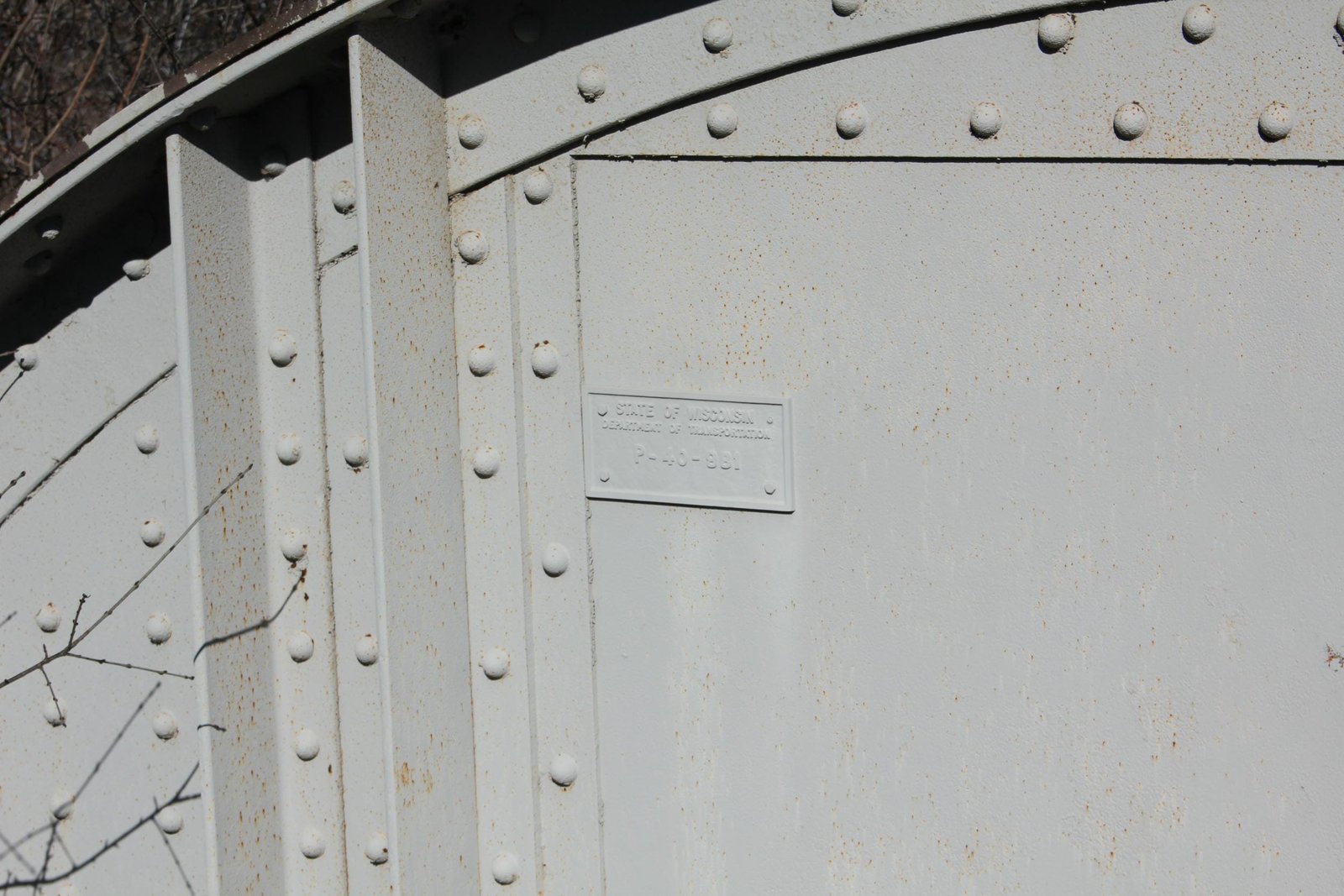
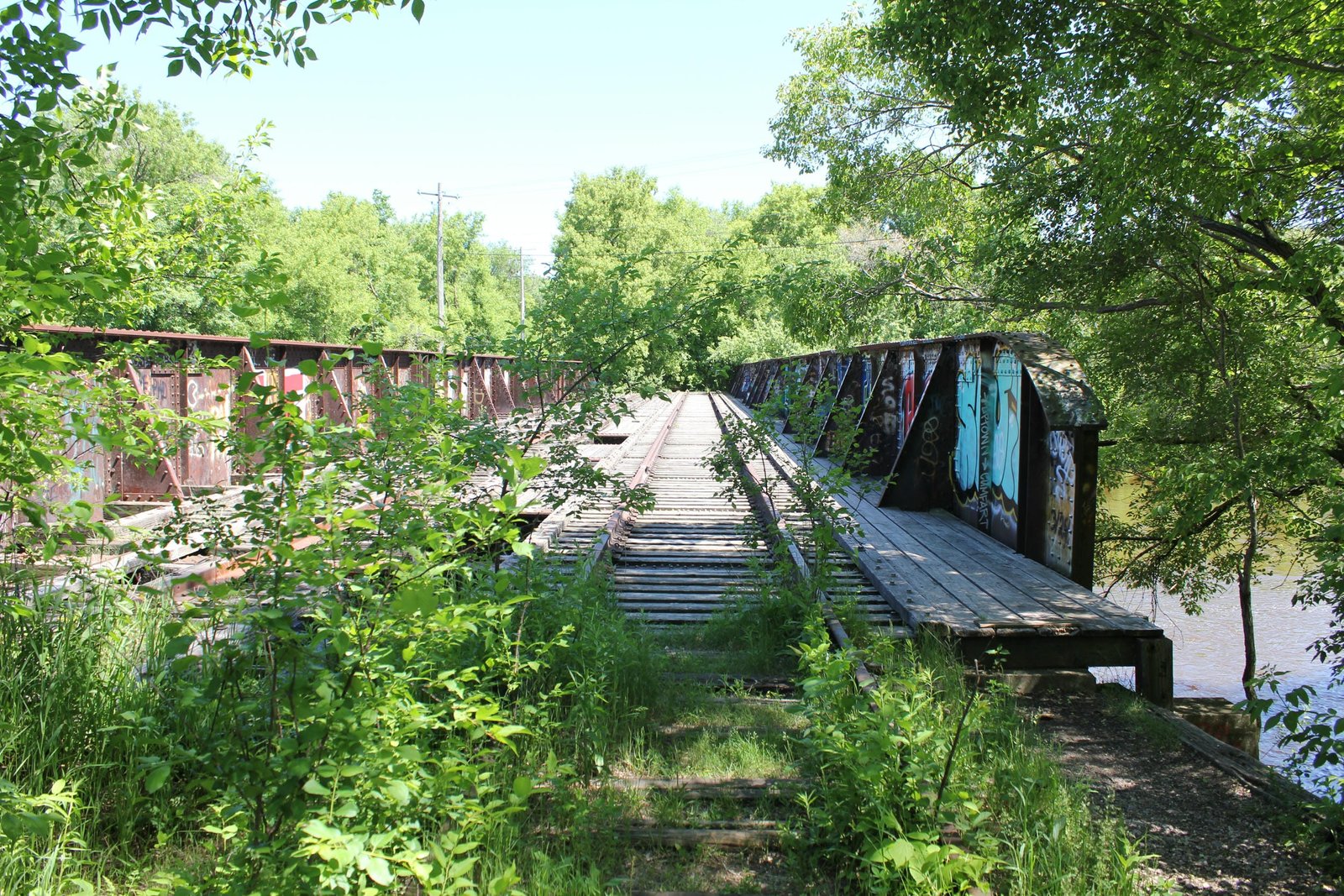
| Name | Oak Leaf Trail - Milwaukee River Bridge Chicago & North Western Railway Bridge #1609 |
| Built By | Chicago & North Western Railway |
| Currently Owned By | Milwaukee County |
| Superstructure Contractor | Cambria Steel Company of Johnstown, Pennsylvania |
| Substructure Contractor | Cleary-White Construction Company of Chicago, Illinois |
| Length | 240 Feet Total, 80 Foot Spans |
| Width | 2 Tracks |
| Height Above Ground | 15 Feet (Estimated) |
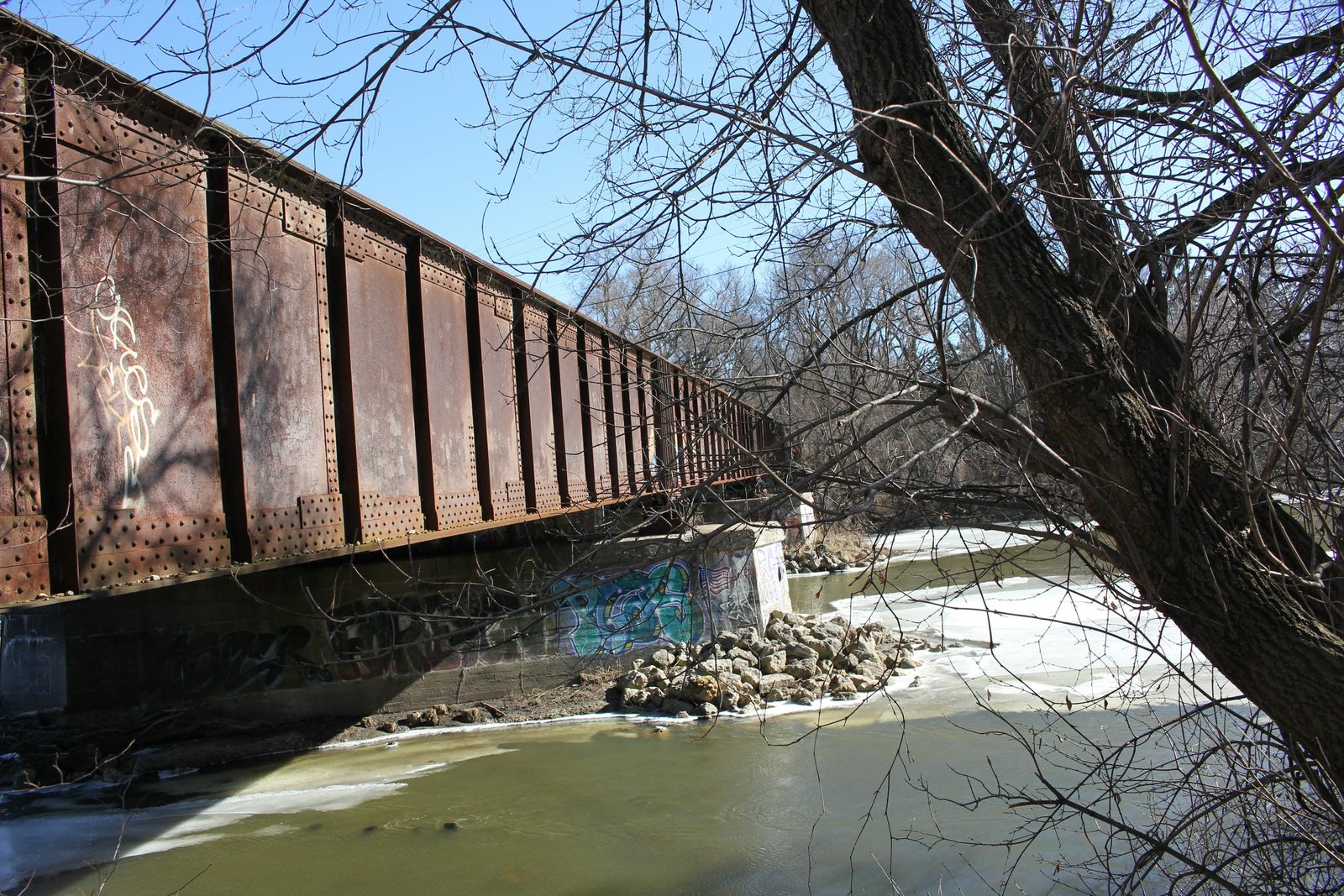
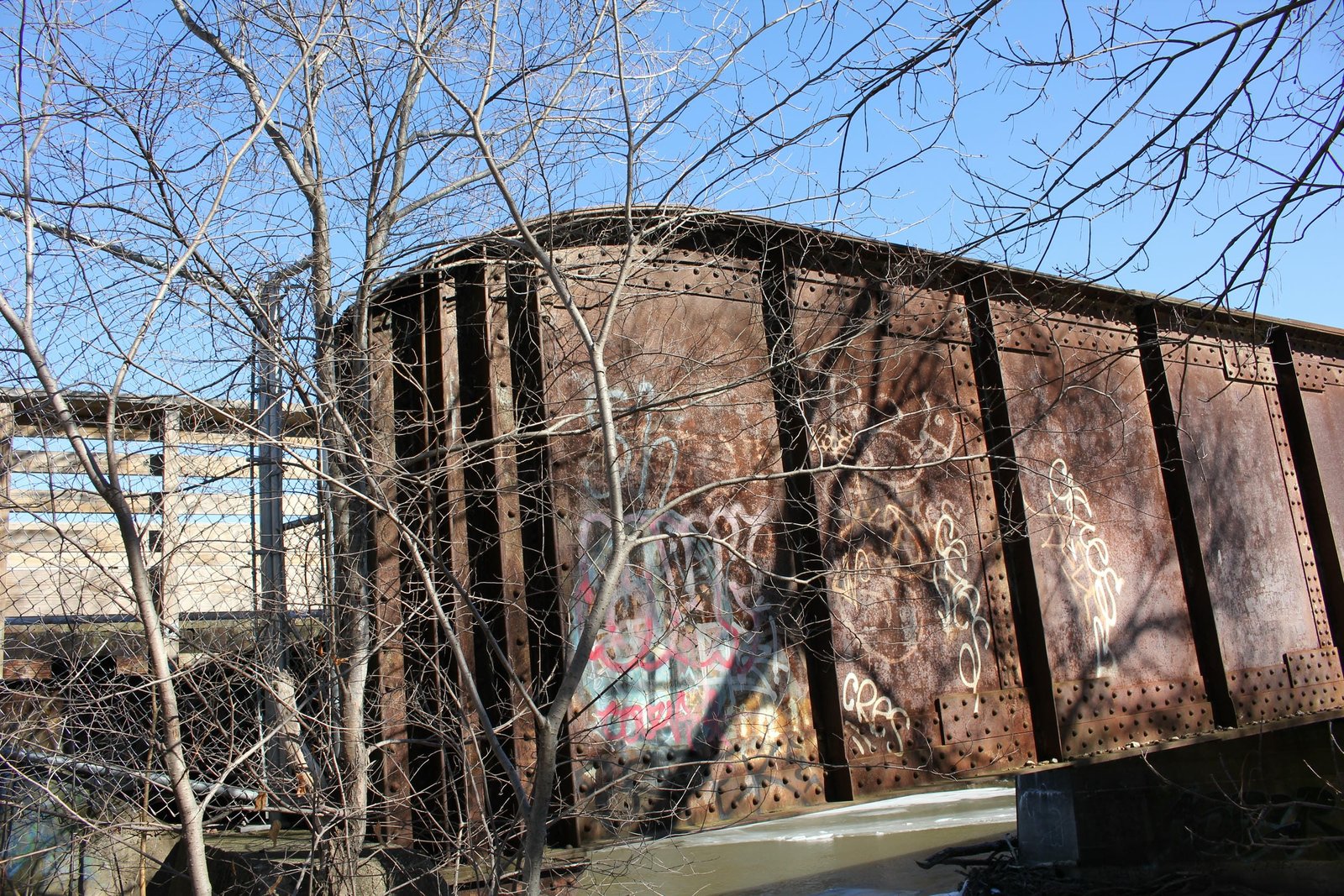
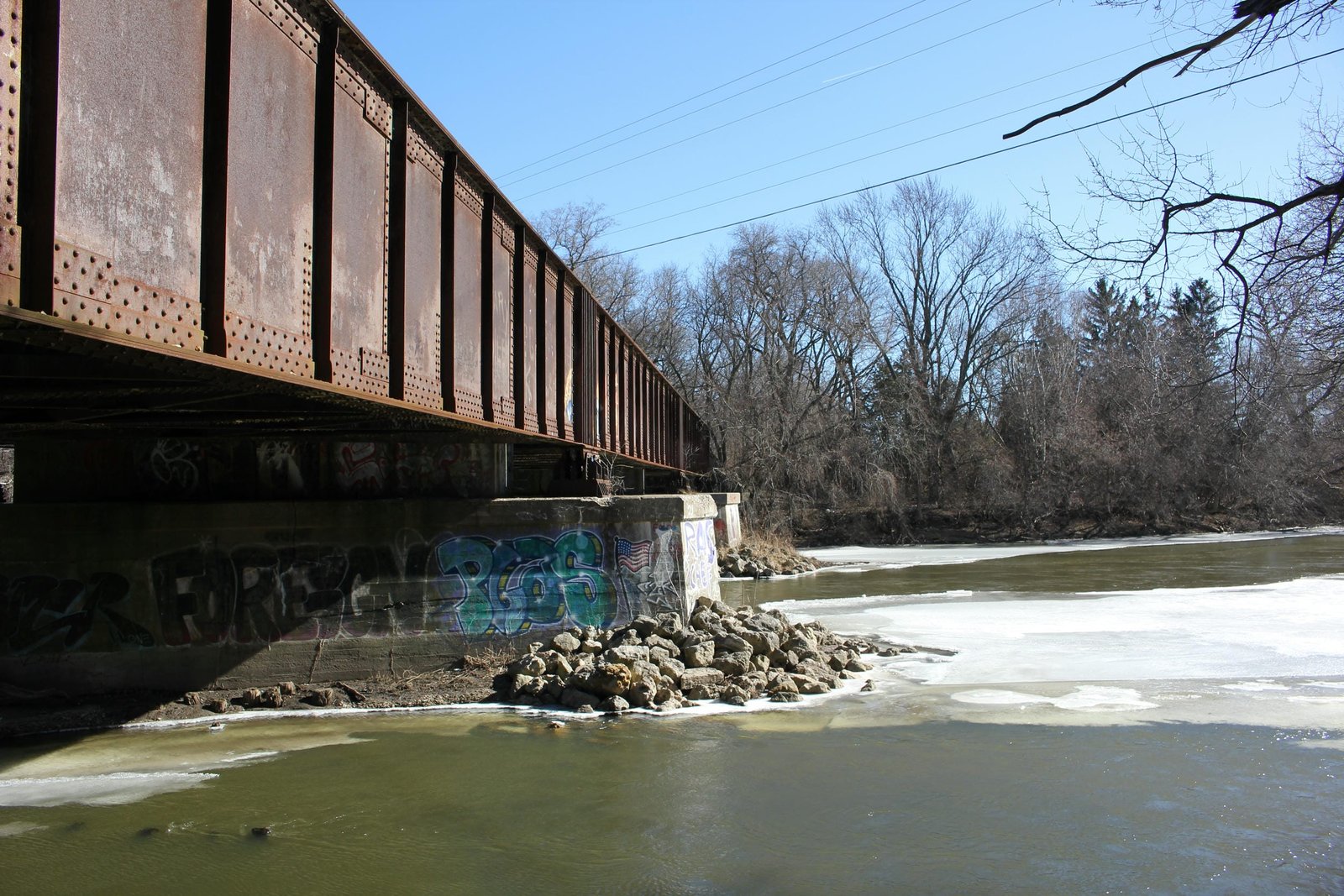
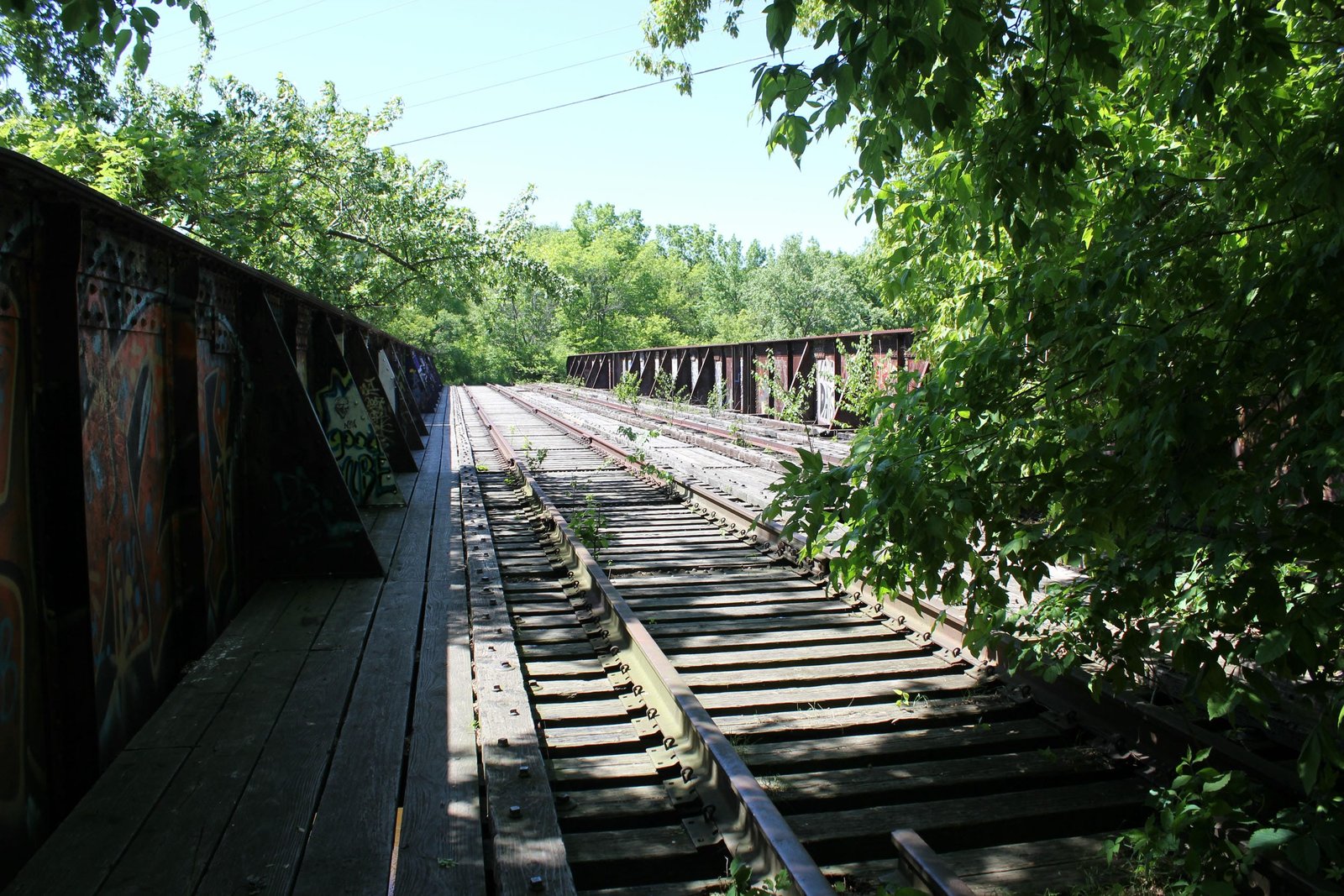
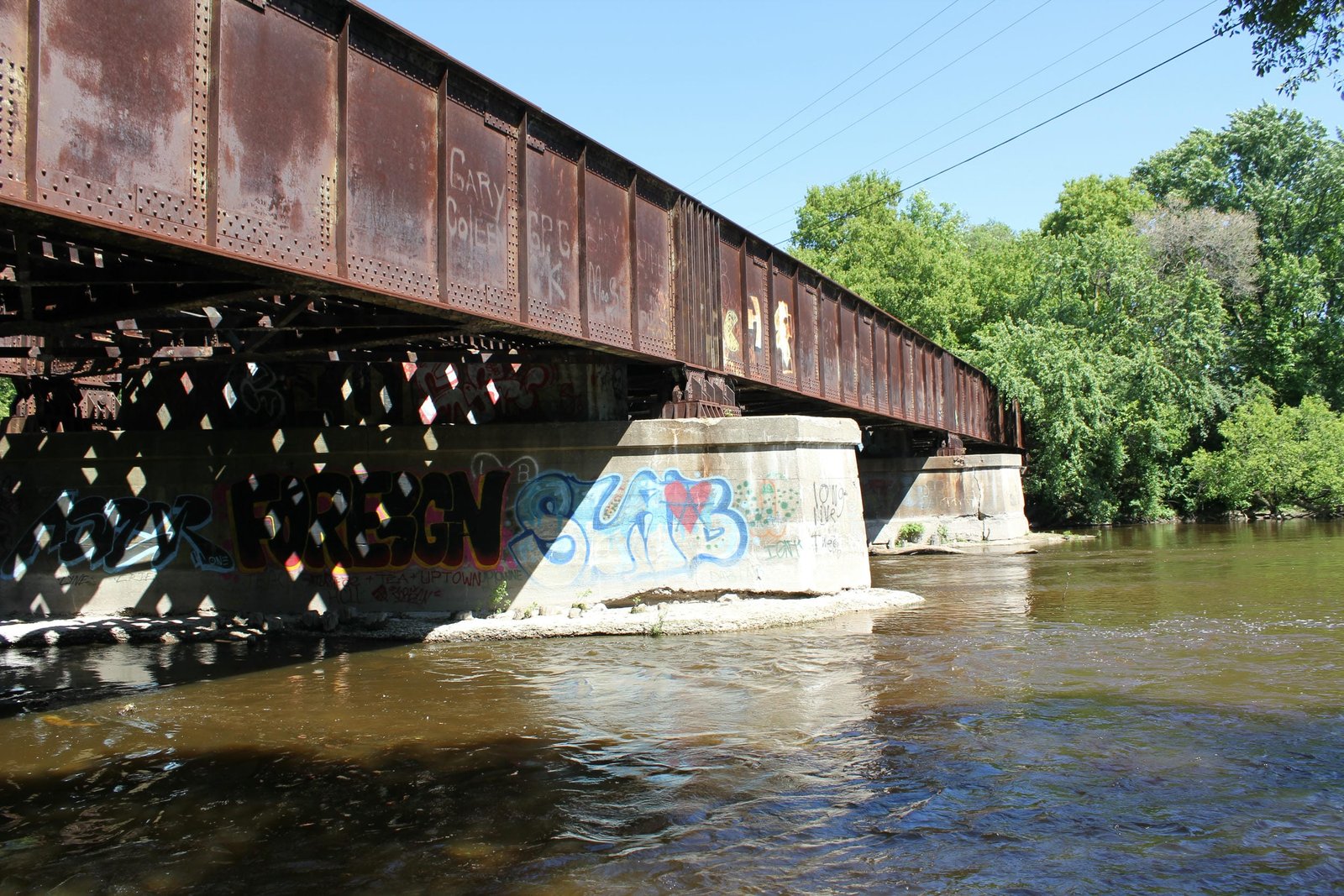
| Superstructure Design | Through Plate Girder |
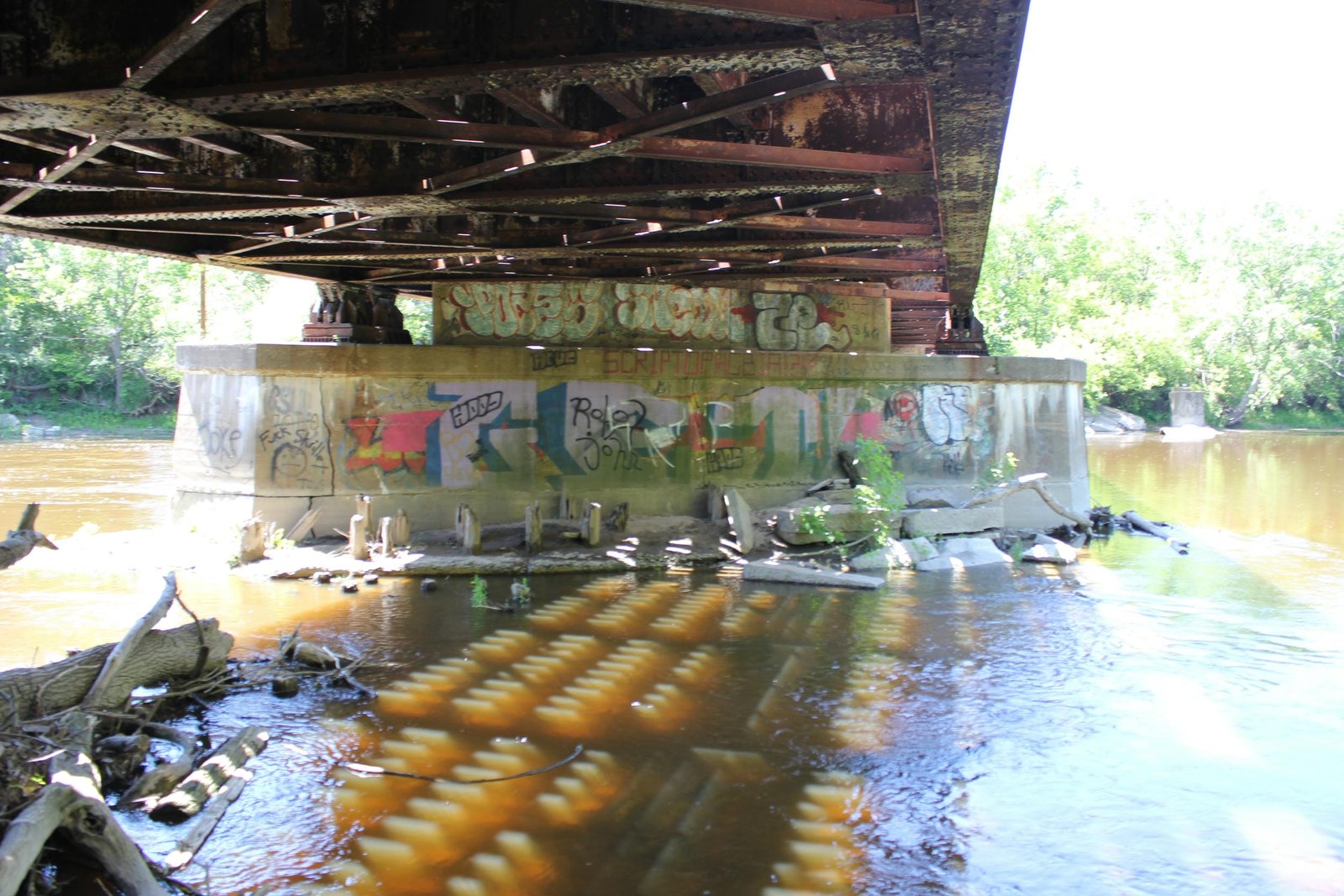
| Substructure Design | Concrete |
| Date Built | 1911 |
| Traffic Count | 0 Trains/Day (Bridge is Open to Pedestrian Traffic) |
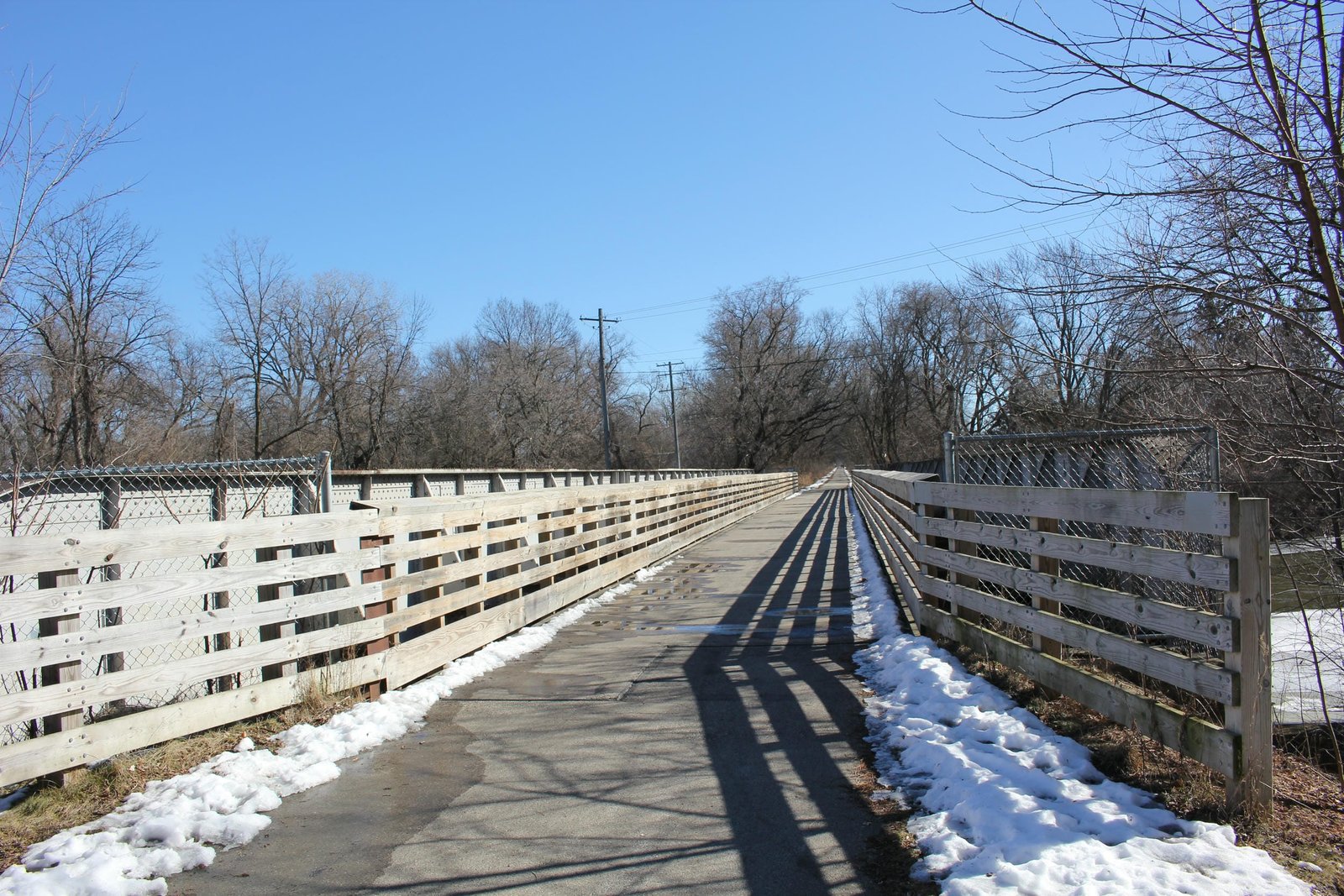
| Current Status | Open to Pedestrian Traffic |
| Chicago & North Western Railway Bridge Number | 1609 |
| Significance | Local Significance |
| Documentation Date | 6/13/2014; 2/11/2023 |
In 1873, the Northwestern Union Railway (NWU) constructed 63 miles of new railroad, extending from Milwaukee, Wisconsin to Fond du Lac, Wisconsin. The NWU was consolidated into the Chicago and Milwaukee Railway (C&M) in 1881. During 1881, the C&M became part of the Chicago, Milwaukee and North Western Railway (CM&NW), which was purchased by the Chicago & North Western Railway (C&NW) in 1883. At the southern end, the line connected to an existing mainline between Chicago and Milwaukee. At the north end, the line connected to an existing mainline between Janesville, Wisconsin and Green Bay, Wisconsin. This line provided the C&NW with a direct connection between Milwaukee and Fond du Lac, shortening the travel time between Chicago and Green Bay. A large depot was constructed at the end of Wisconsin Avenue along Lake Michigan in 1890.
By the early 20th Century, the C&NW was one of the premiere Midwest railroads, operating an extensive network of lines throughout the area. This route initially served as a mainline for both freight and passenger service. Bypasses of Milwaukee constructed between 1910 and 1912 allowed freight trains to bypass downtown Milwaukee, instead joining this line at Wiscona, a junction on the north side of Milwaukee. In 1964, Milwaukee County purchased the Lake Front Depot and surrounding areas for future freeway construction. In 1966, a portion of the line through the Lower East Side of Milwaukee was abandoned, and the depot would be demolished in 1968. South of Wiscona, this line would continue to be used as an industrial lead, serving a handful of industries.
In 1988, the C&NW sold the Granville, Wisconsin to Fond du Lac segment of this line to the Fox River Valley Railroad, which became the Fox Valley and Western Ltd. (FV&W) in 1993. The FV&W was a subsidiary of the successful Wisconsin Central Ltd. (WC), which had acquired a large amount of former Milwaukee Road and Soo Line trackage in Wisconsin. Also in 1993, the C&NW abandoned the remaining line south of Hampton Avenue, and the right-of-way was acquired for trail use. The C&NW was purchased by Union Pacific Railroad (UP) in 1995. A short connection between the WC tracks and the former C&NW line at Fond du Lac was constructed in the late 1990s, and the northern portion of the C&NW line was abandoned. A portion of the line between south of West Bend and Eden was abandoned in 1998, and also acquired for trail use. In 2001, WC was purchased by Canadian National Railway (CN), and became the American subsidiary of the railroad. UP abandoned the line south of Wiscona in 2008, and the railroad was acquired for trail use. In 2021, CN sold the Granville to West Bend and Eden to Fond du Lac segments of the line to Wisconsin & Southern Railroad (WSOR). Today, UP operates the Granville Industrial Lead between Wiscona and Granville; WSOR operates the West Bend Subdivision between Granville and West Bend and the Eden Spur between Fond du Lac and Eden. The former railroad between West Bend and Eden is used as part of the Eisenbahn State Trail, while much of the former railroad between downtown Milwaukee and Wiscona is used as part of the Oak Leaf Trail.
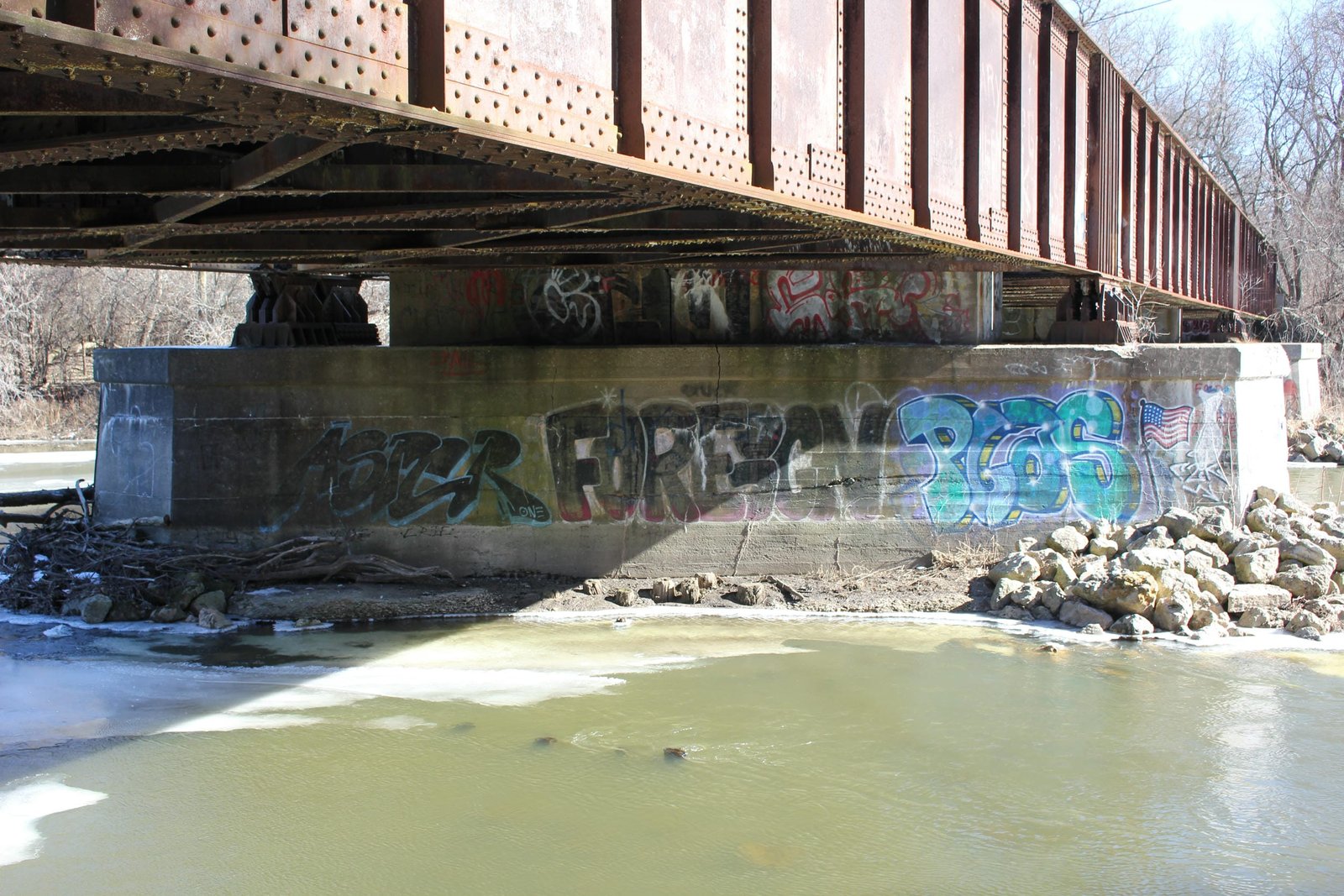
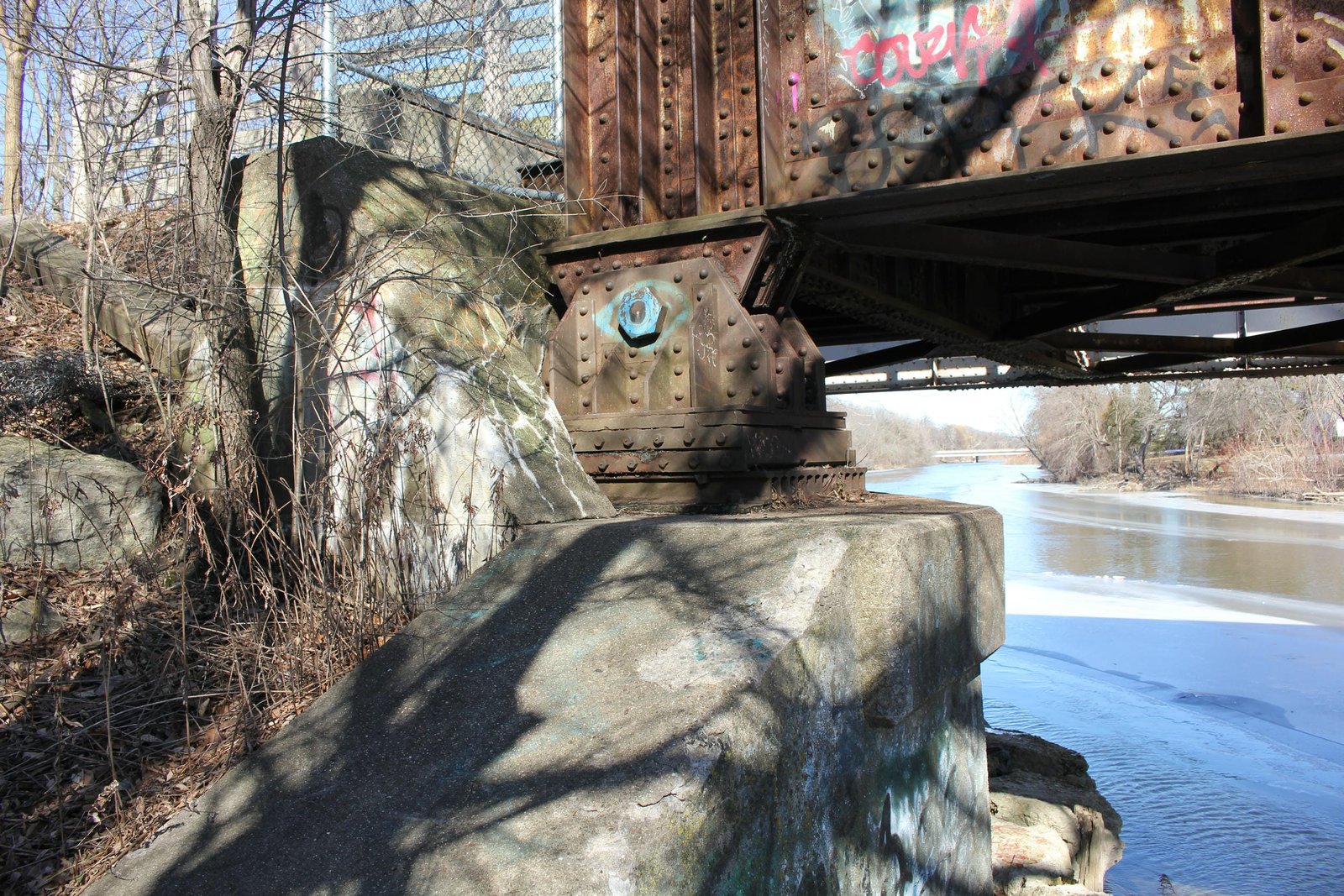
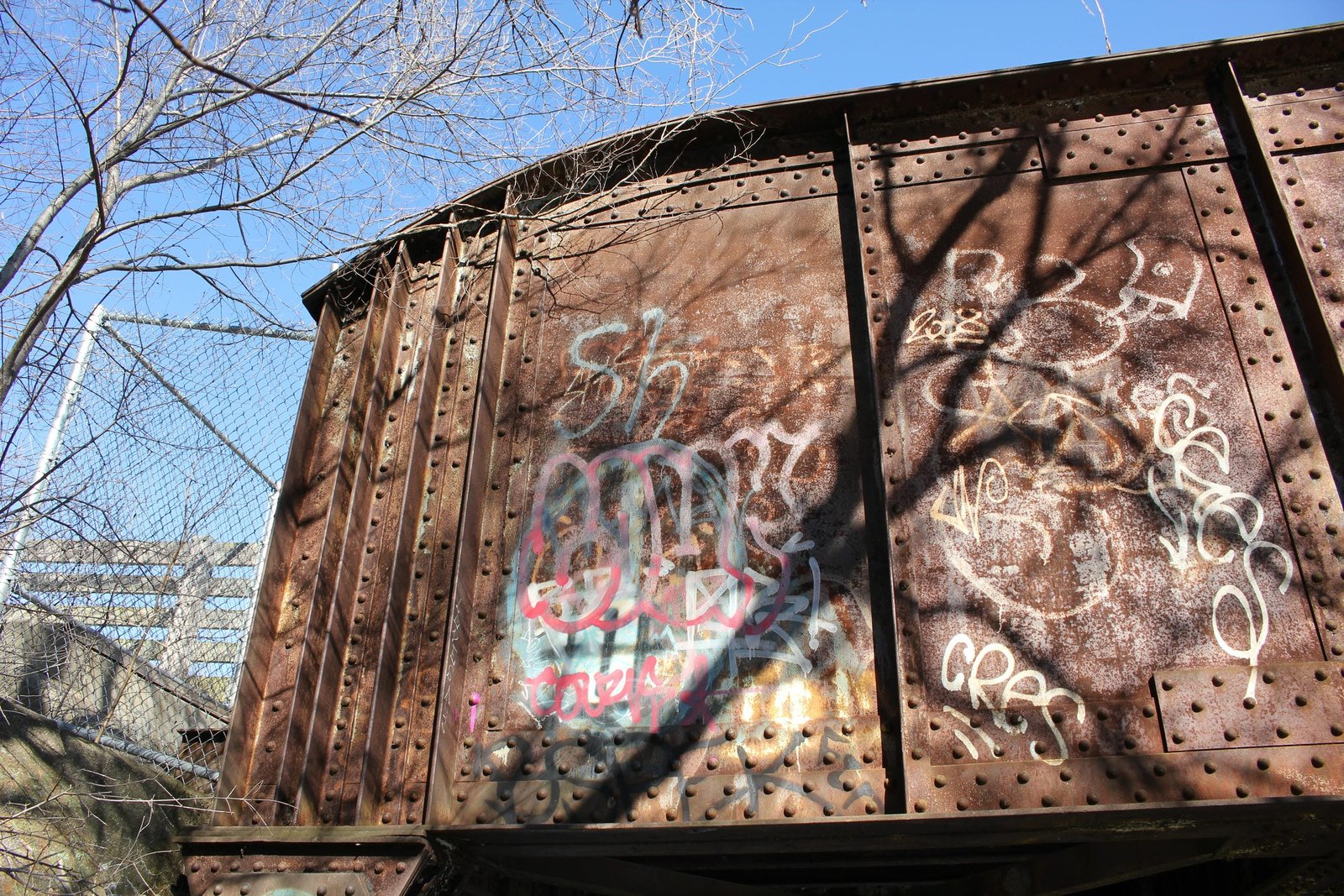
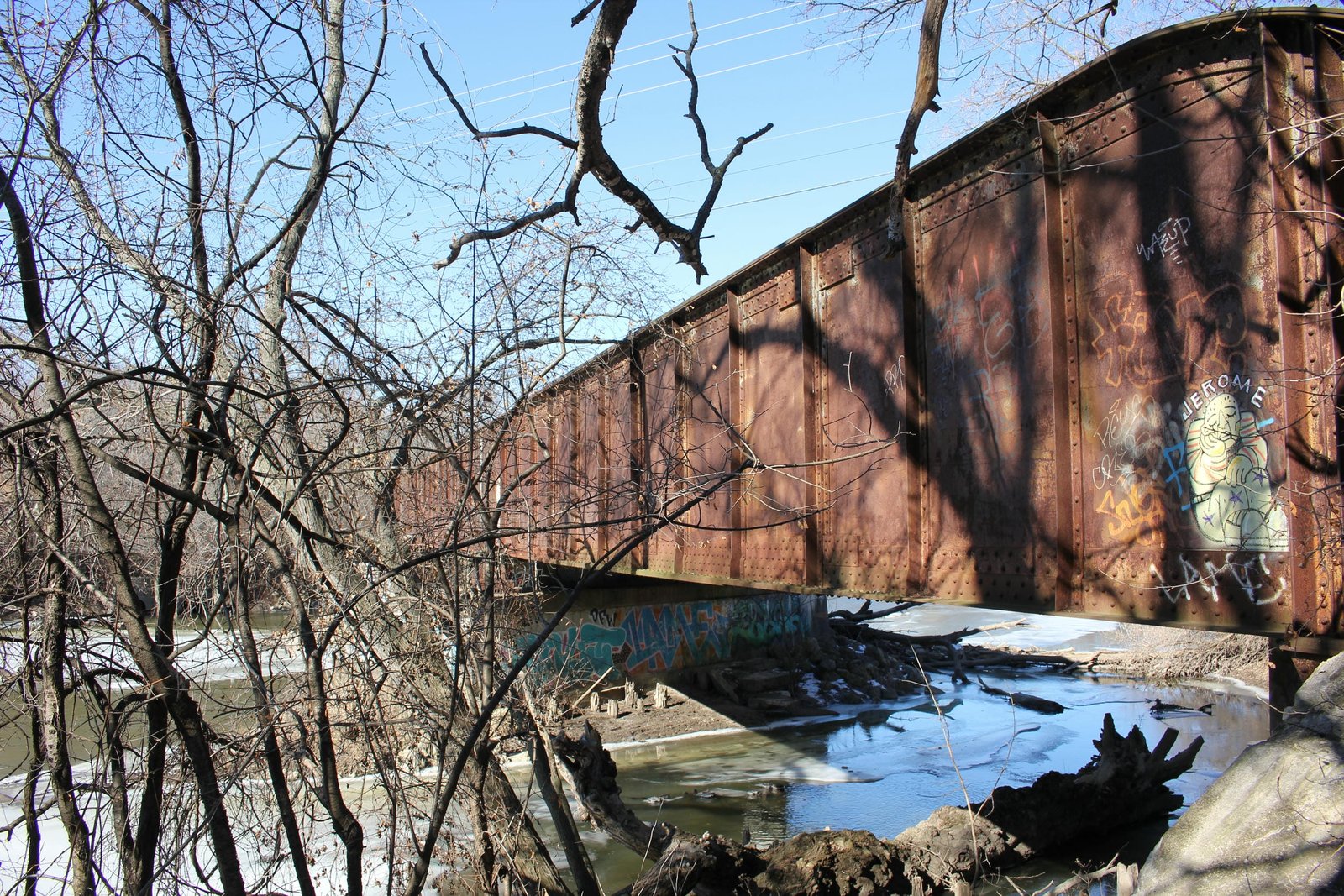
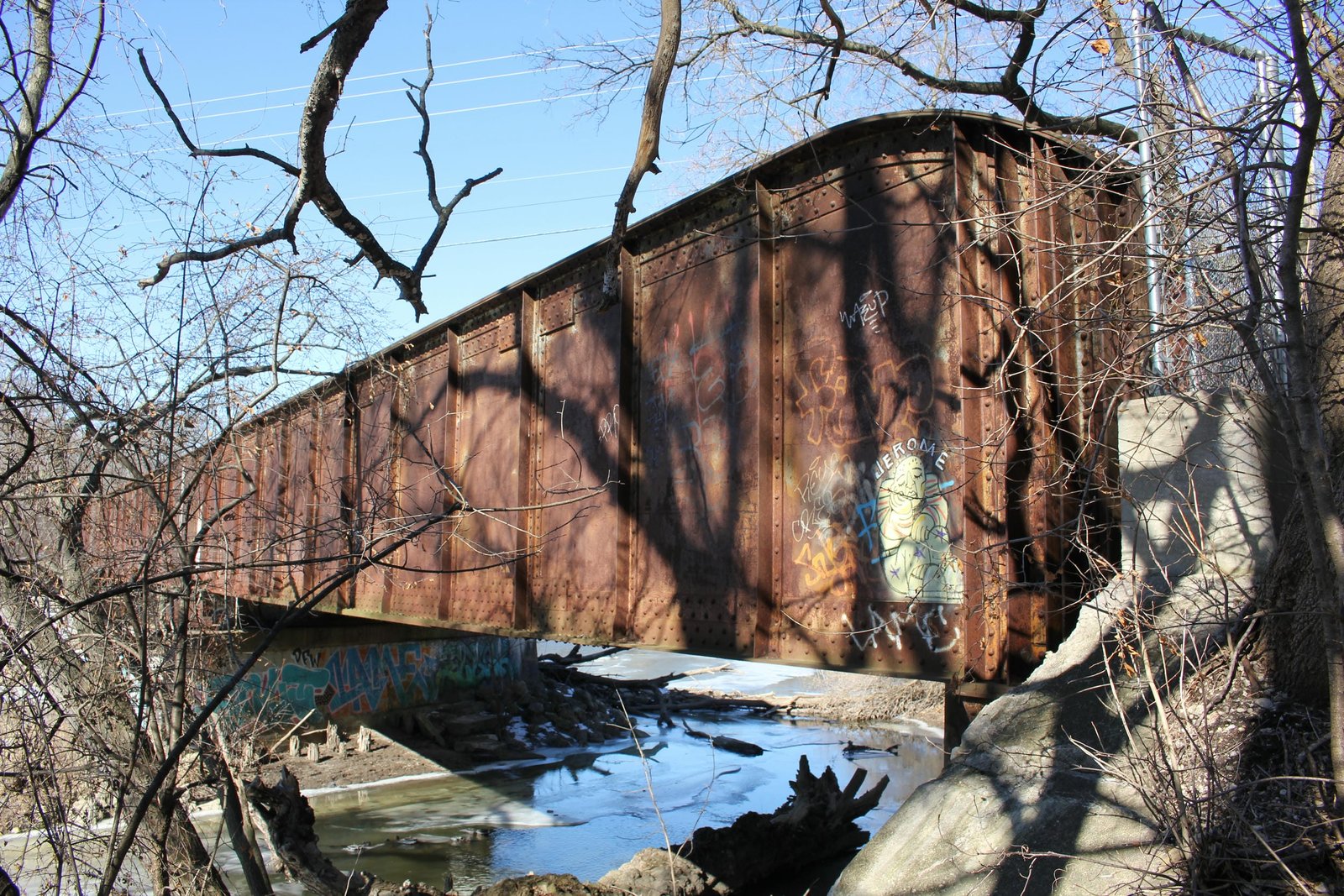
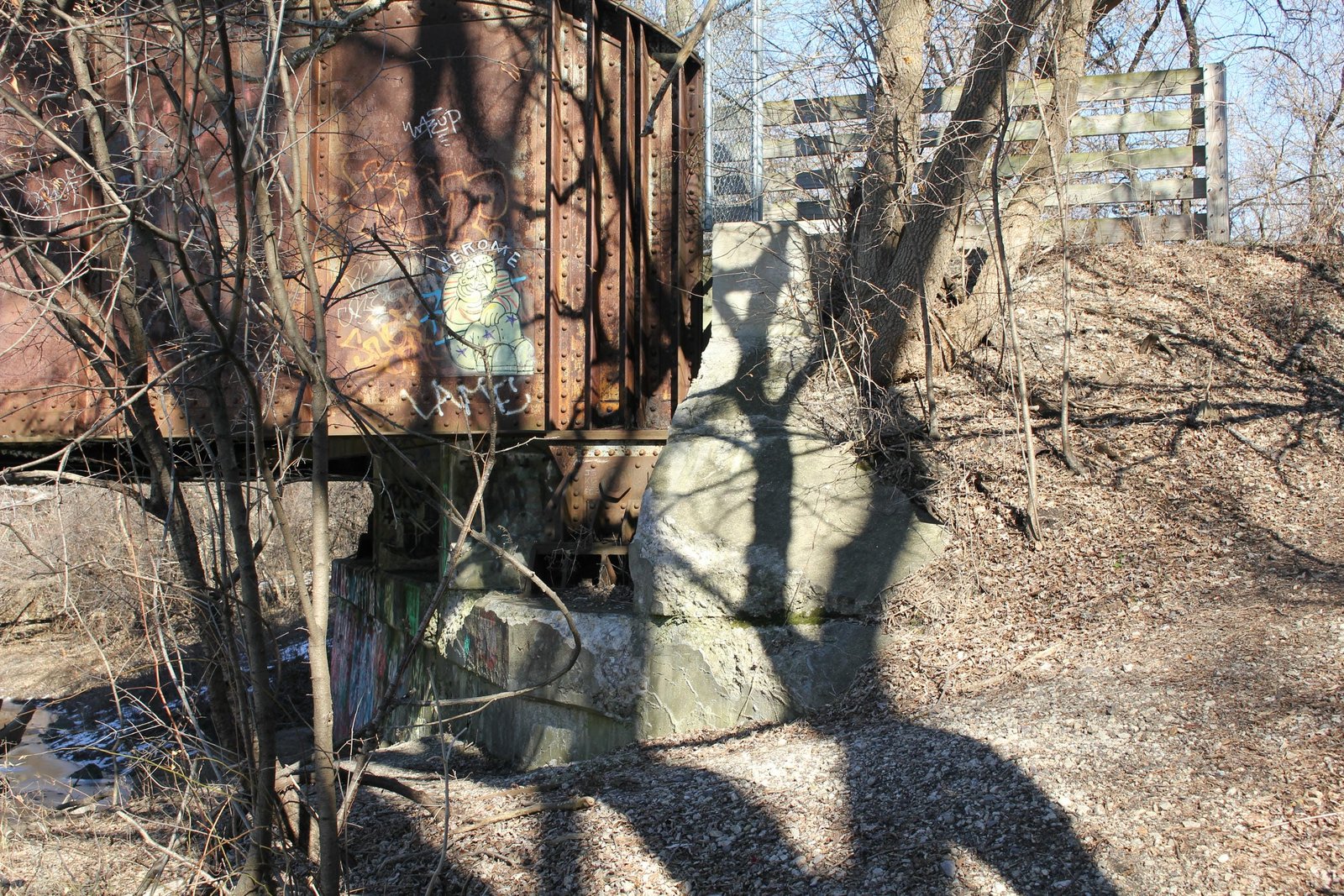
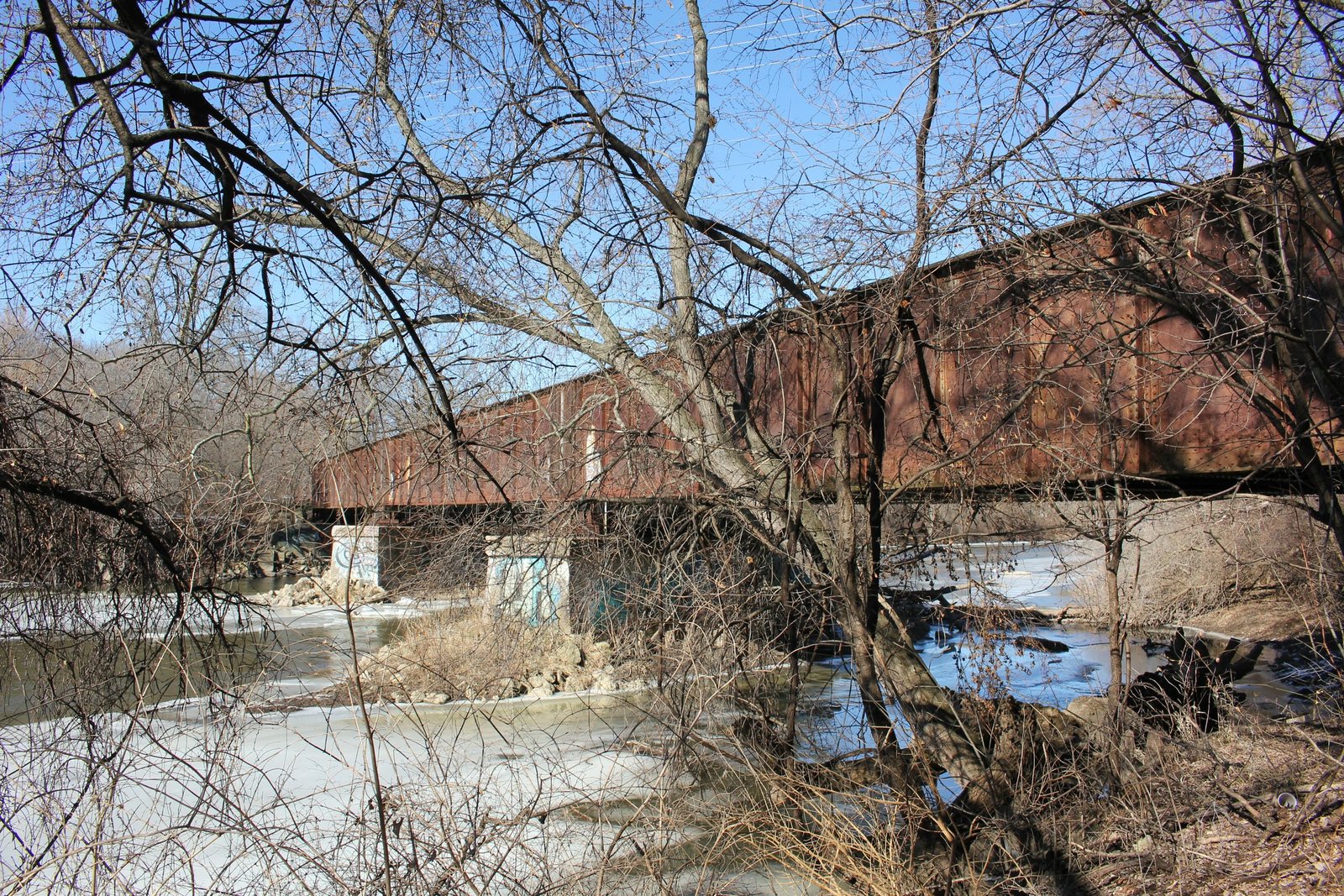
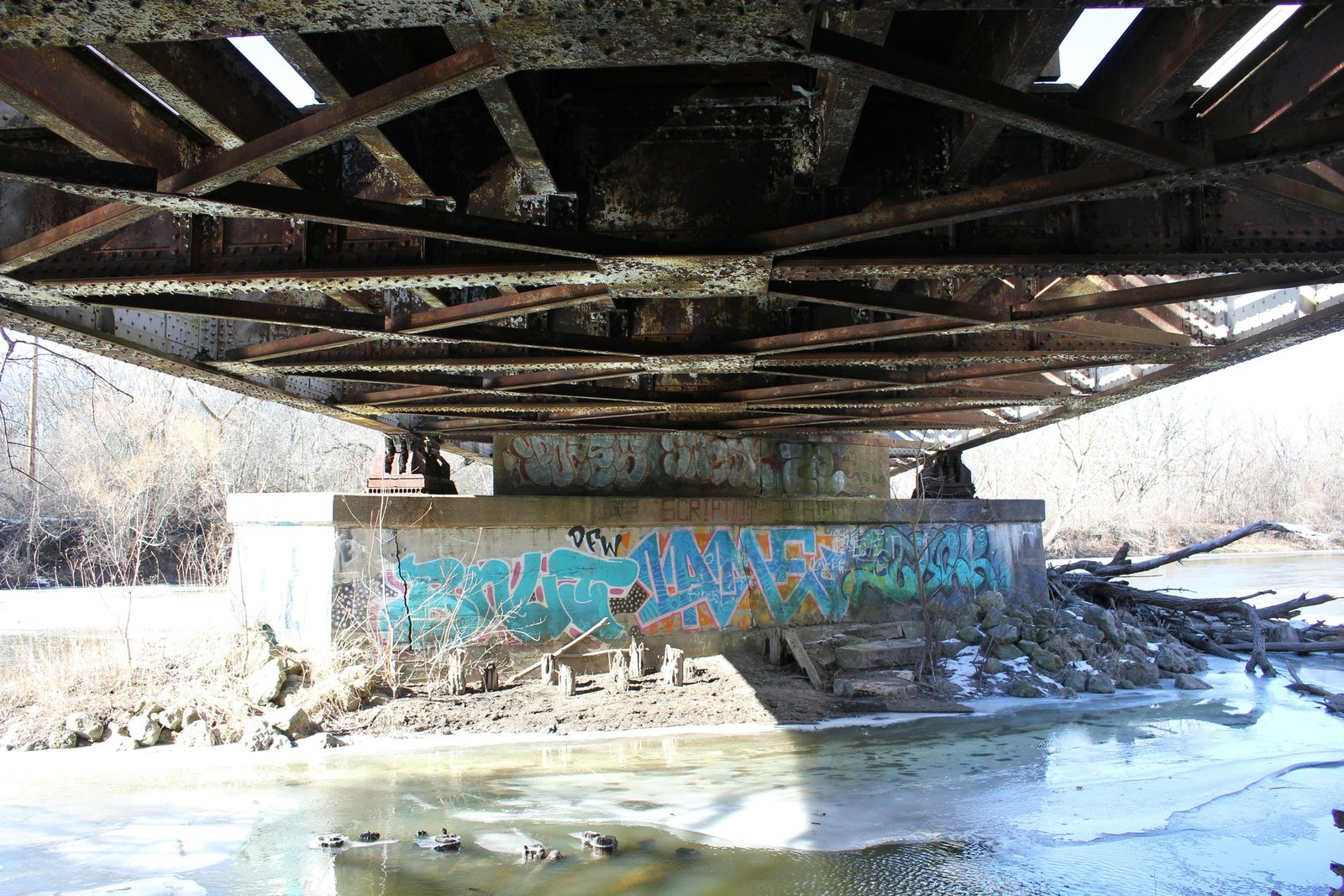
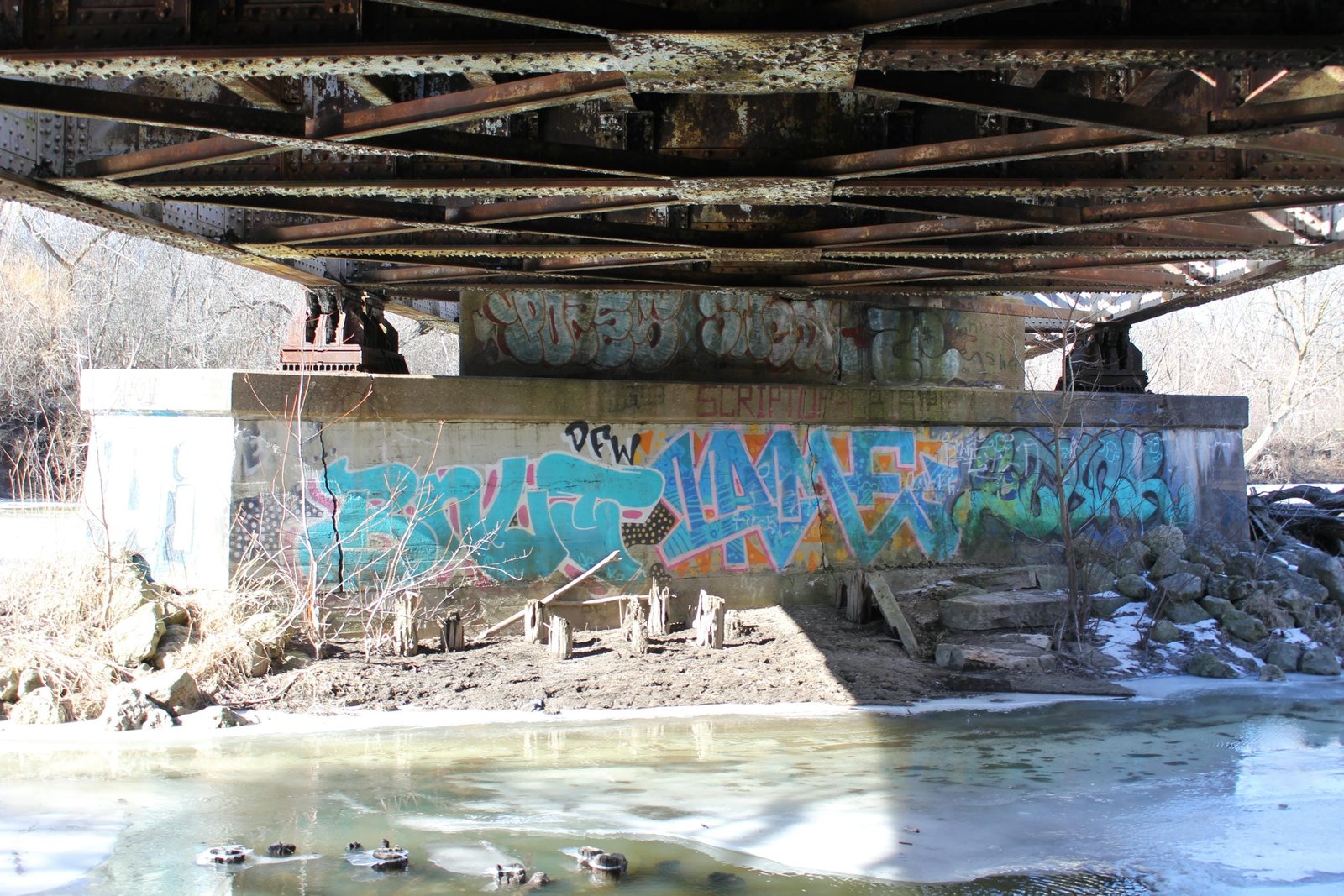
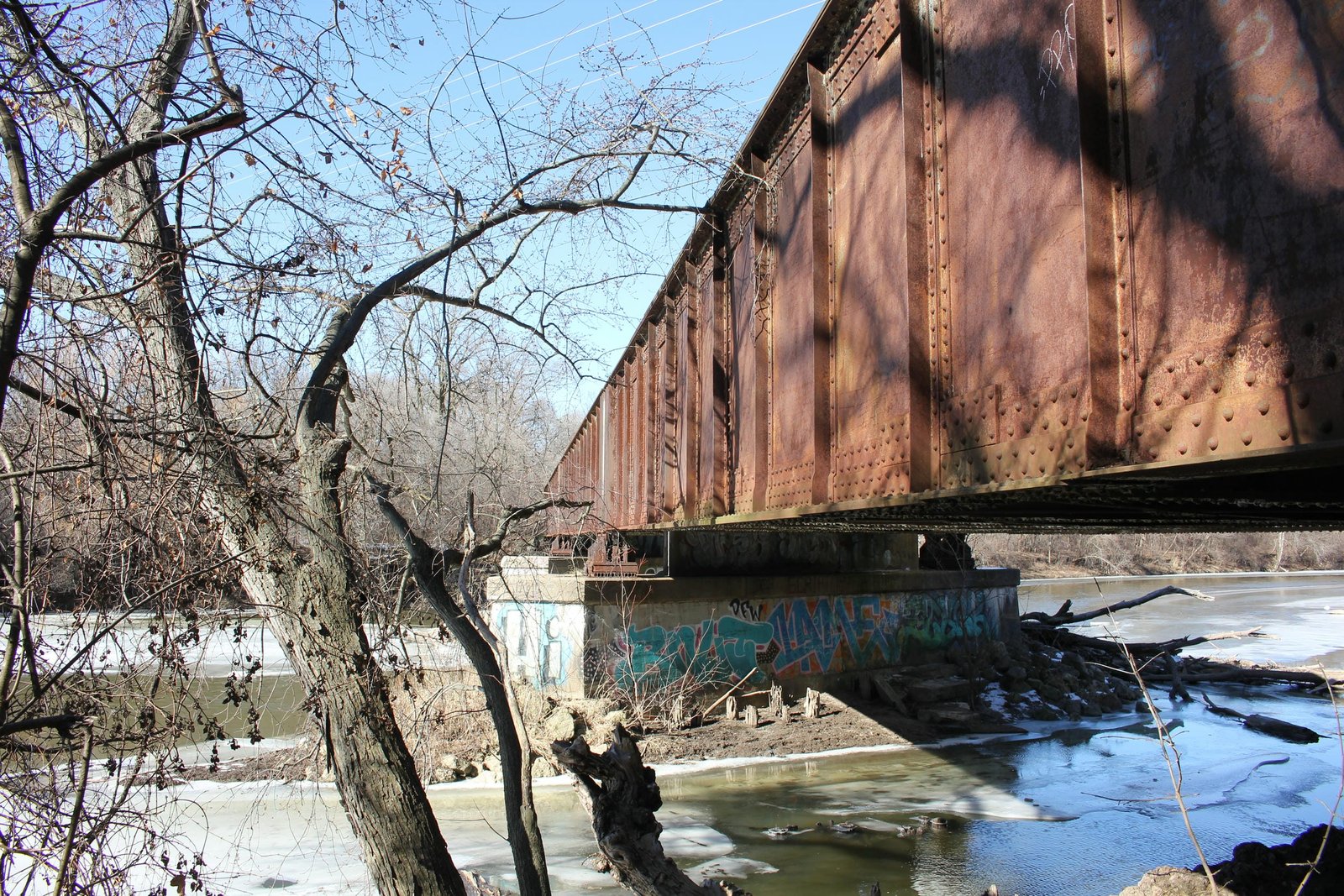
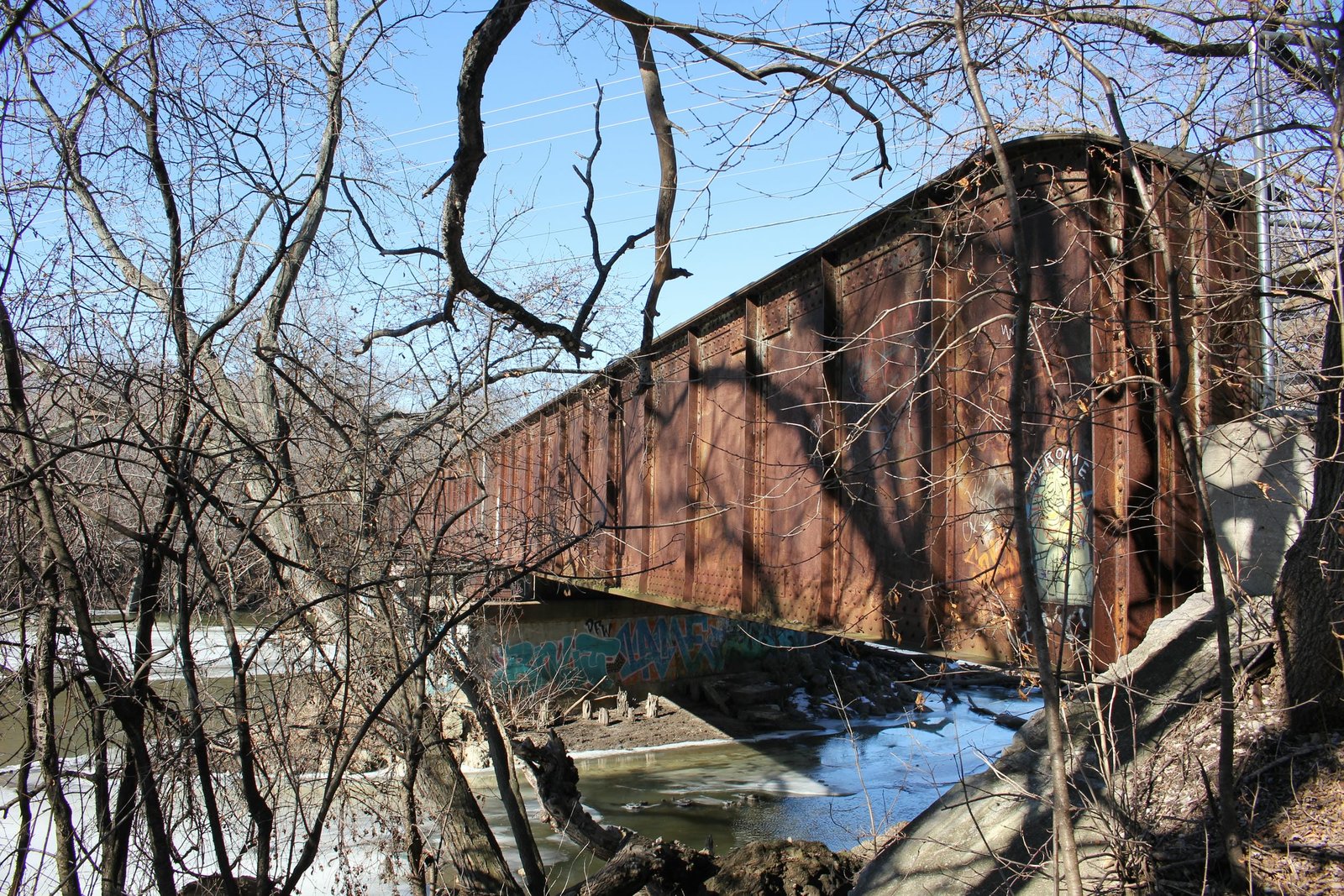
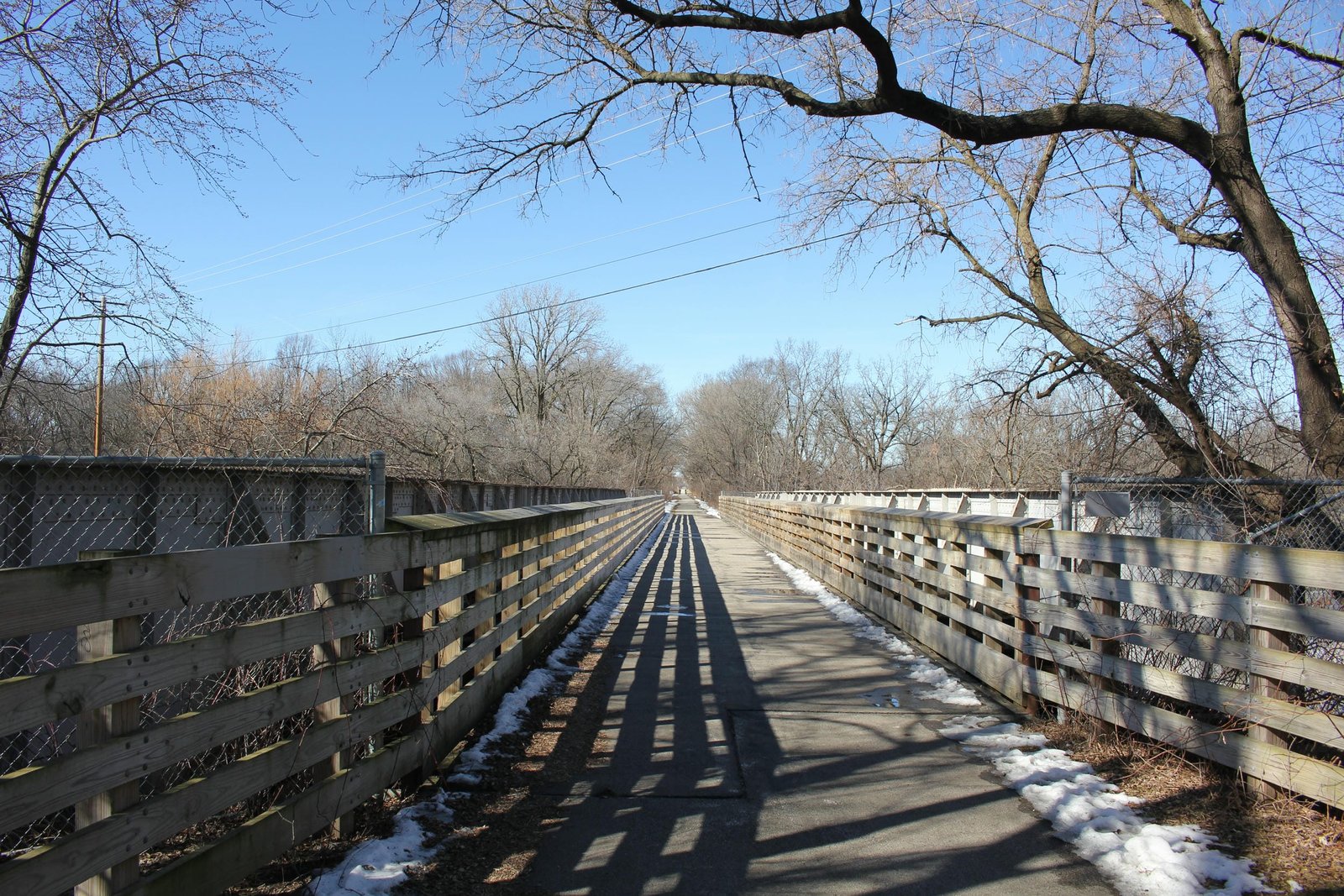
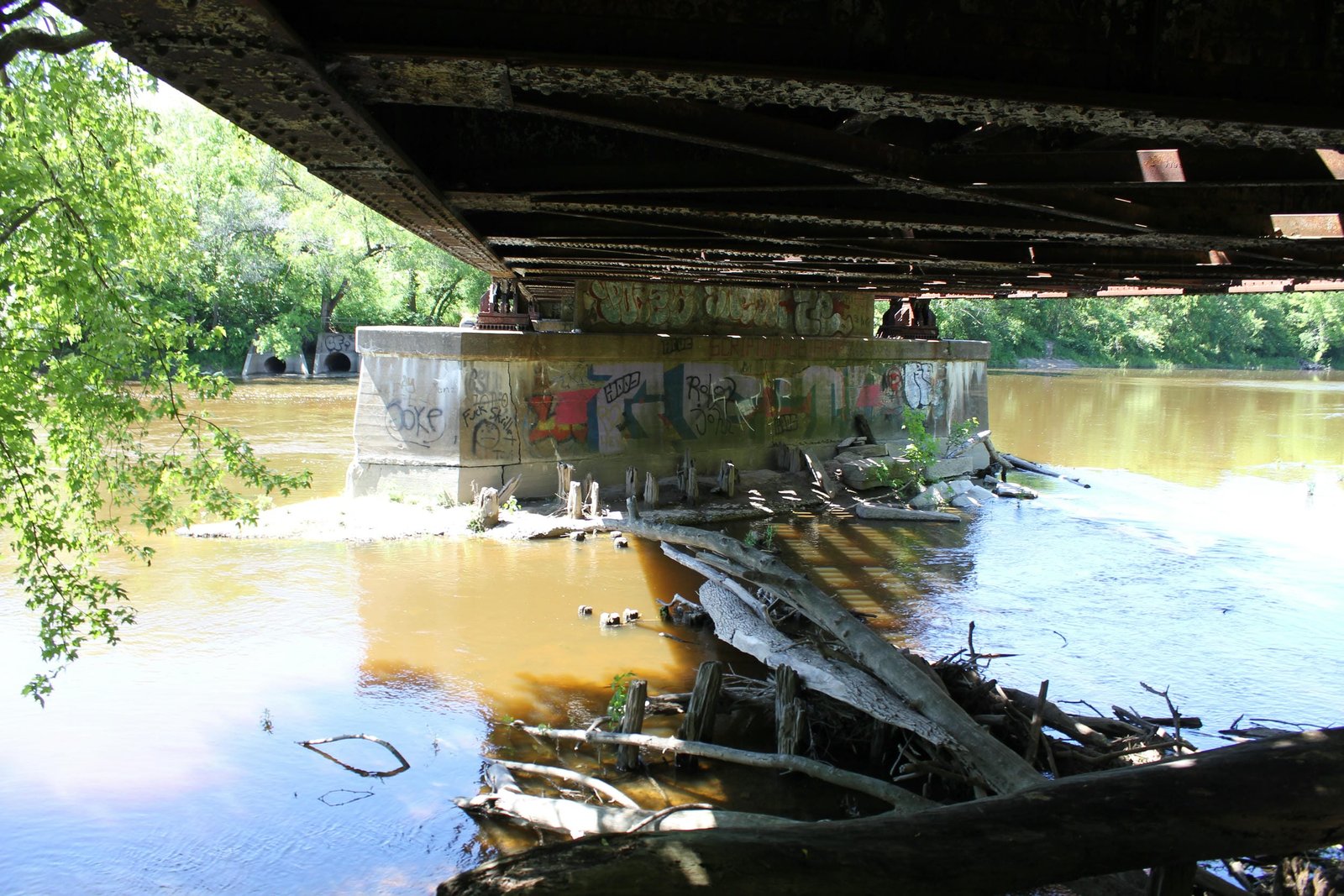
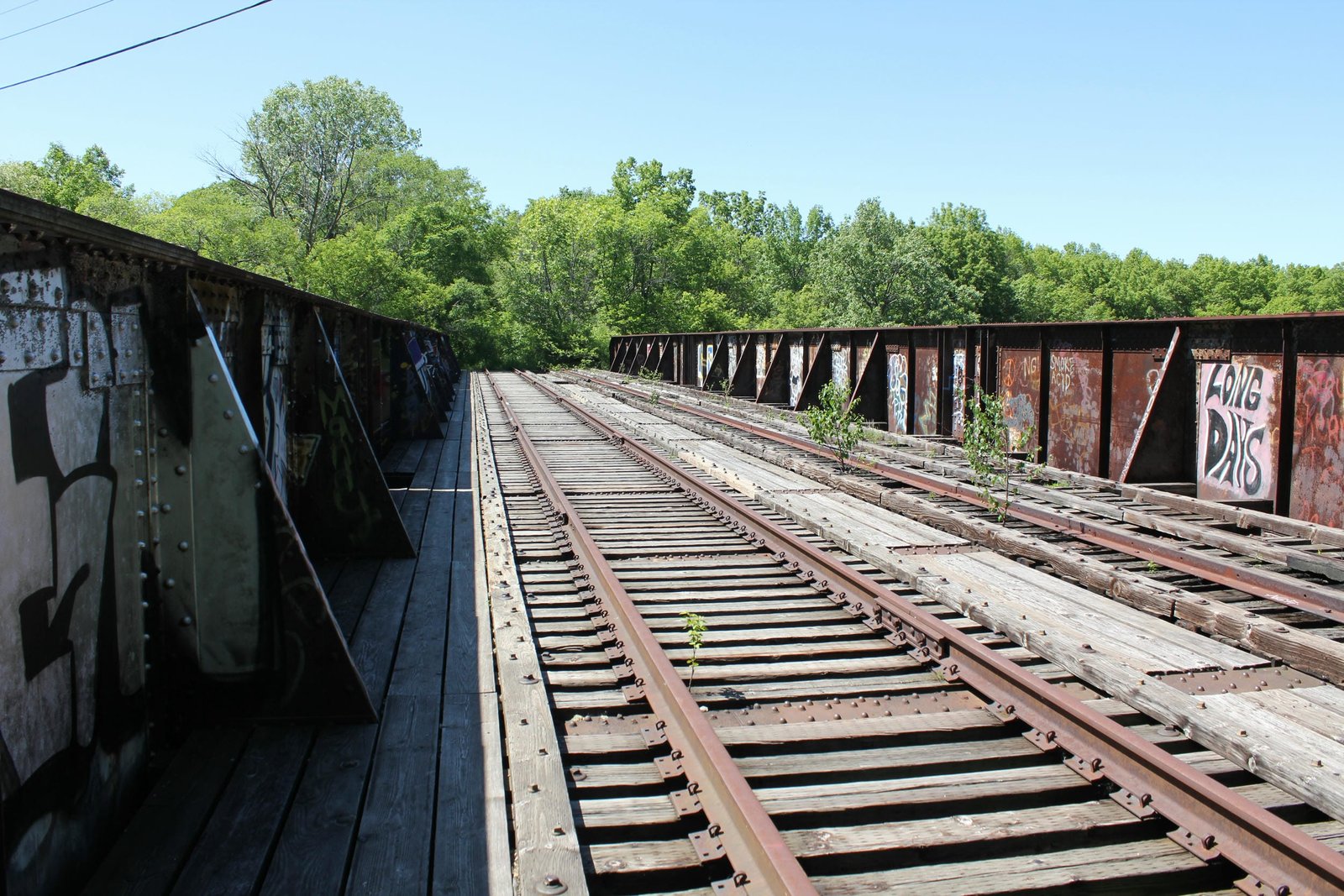
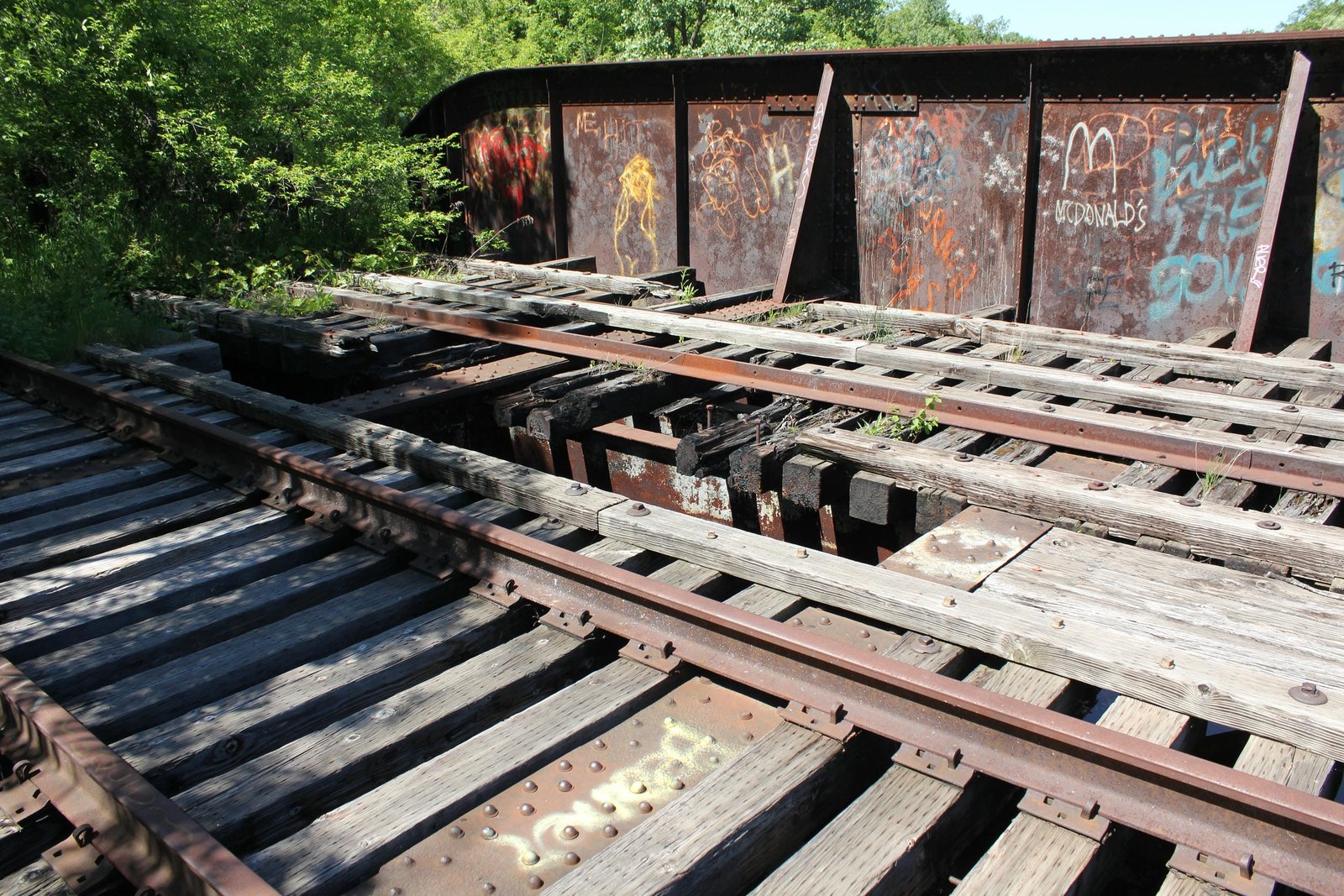
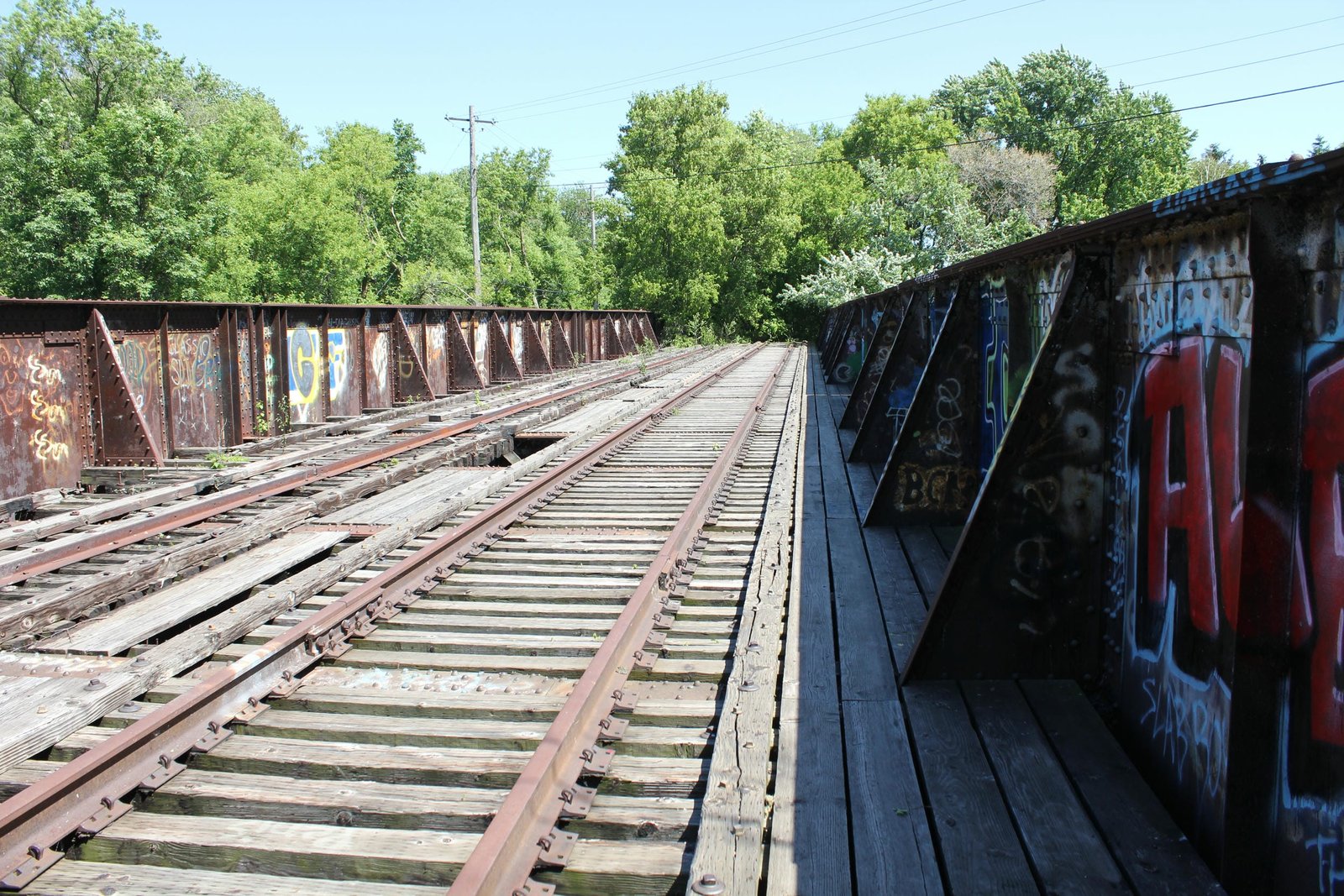
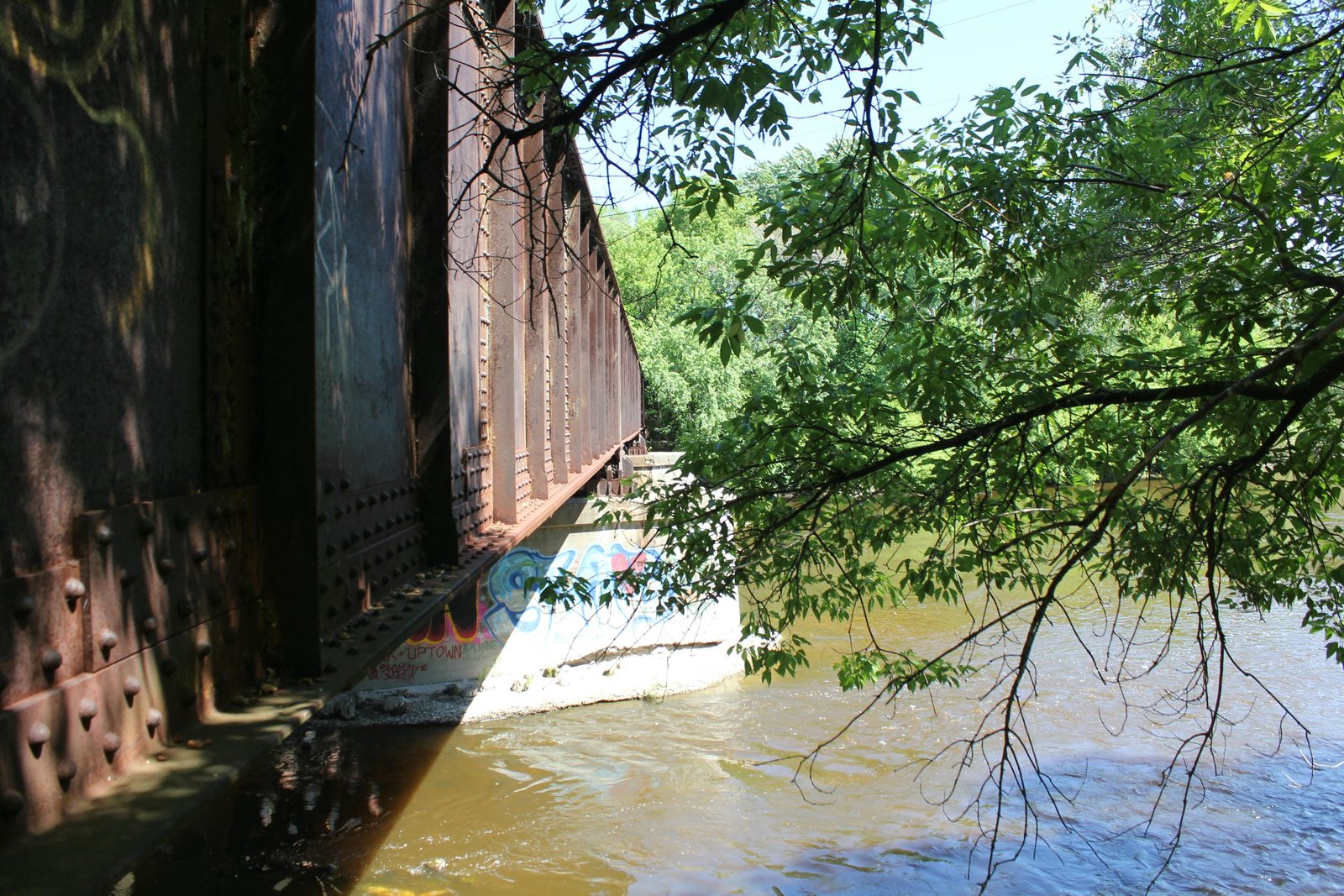
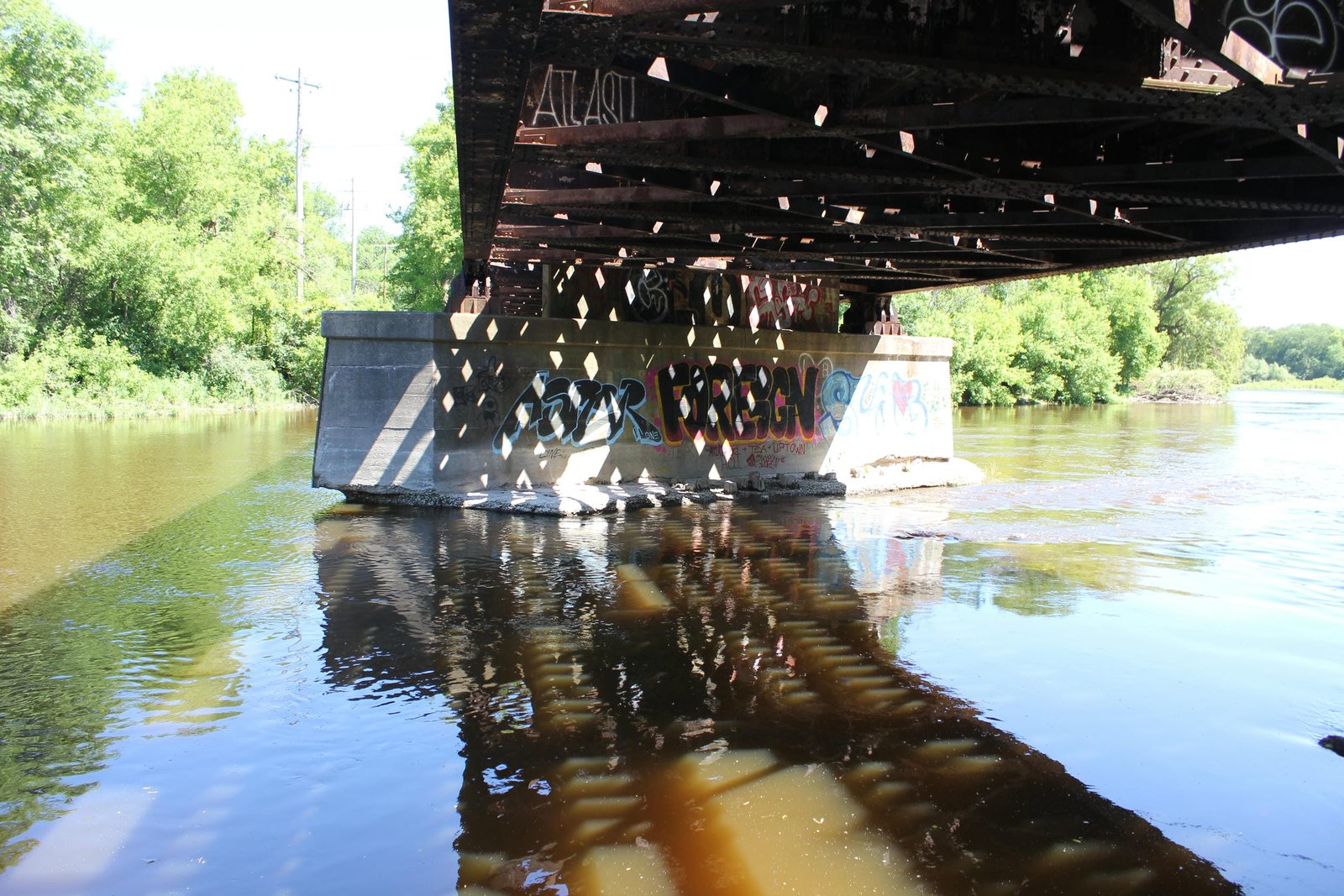
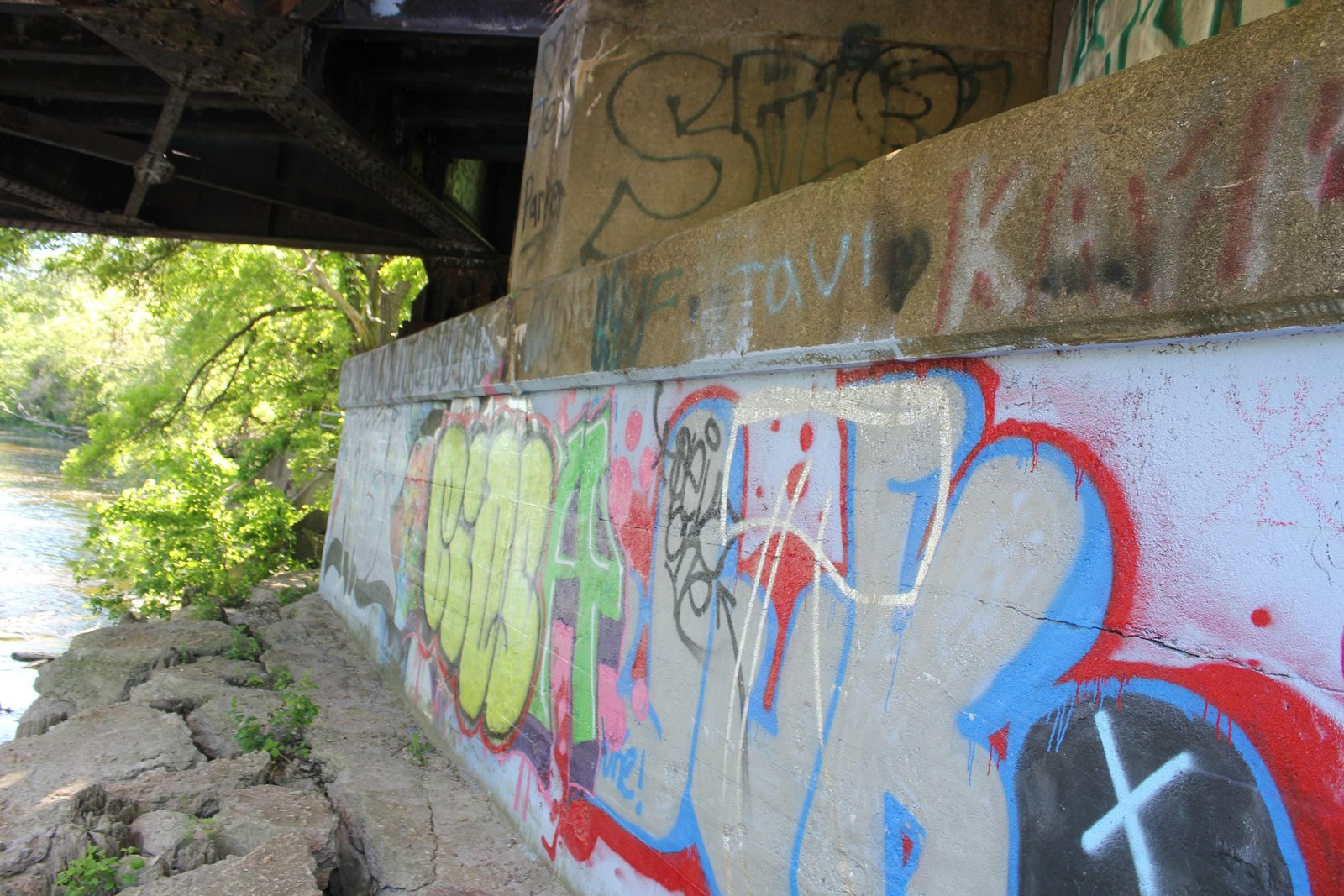
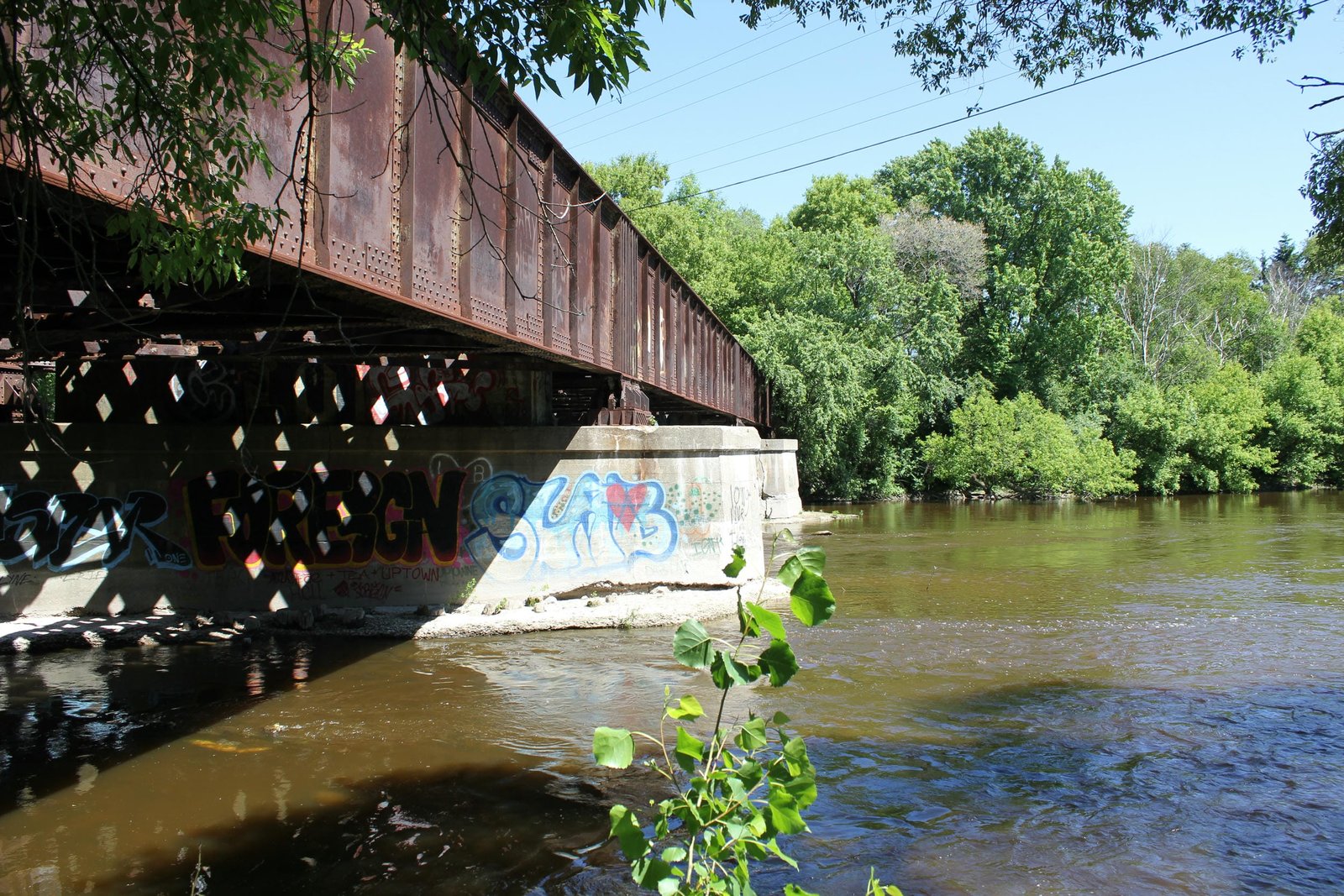
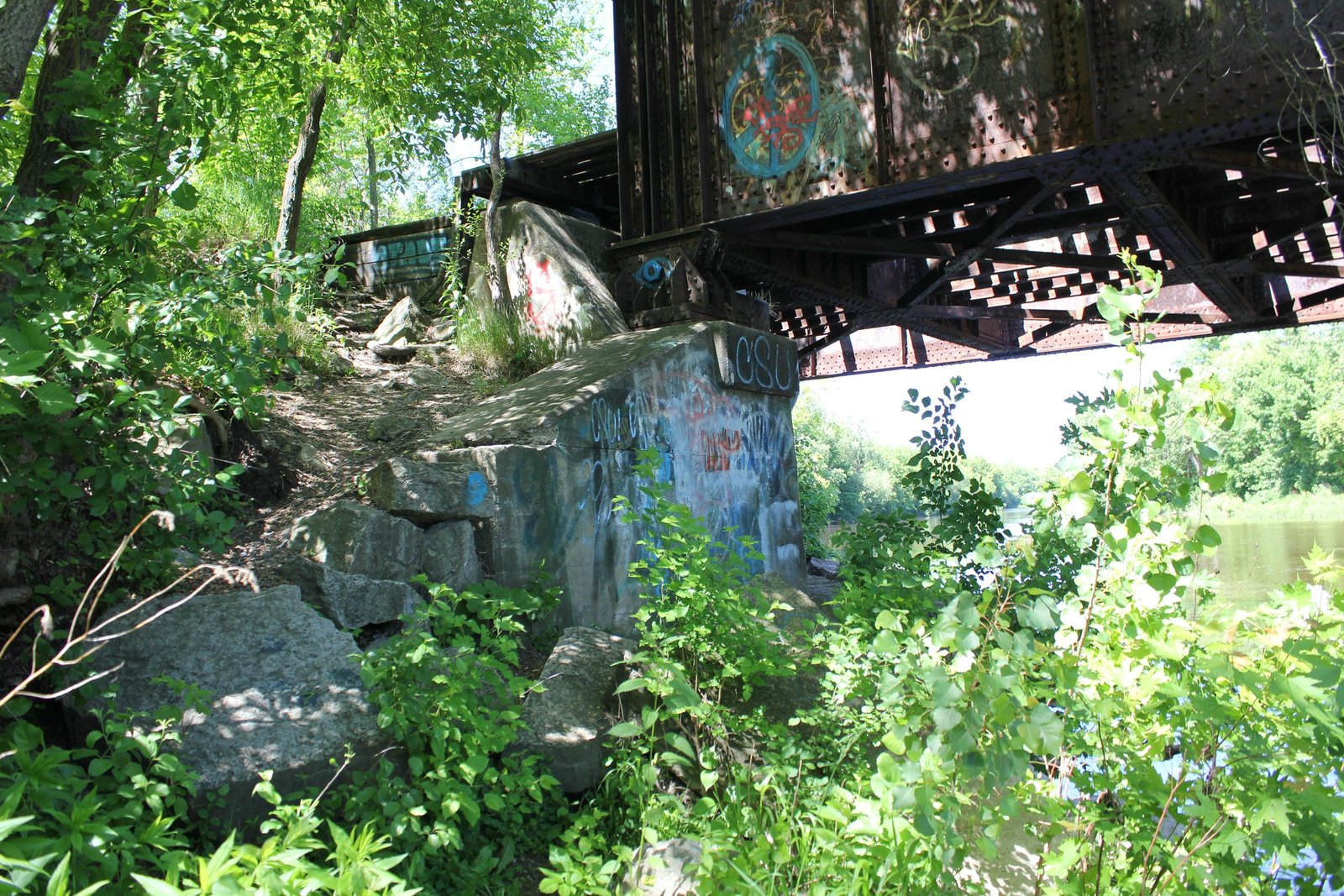
Located on the north side of Milwaukee, this through plate girder bridge carries the former Chicago & North Western Railway mainline over the Milwaukee River. The first bridge at this location was likely a wooden trestle or truss bridge, constructed when the line was first built. In the late 1870s and early 1880s, the C&NW invested significant capital into this line, replacing timber bridges with stone and iron structures. In 1880, a new iron truss bridge was constructed at this location, set onto stone substructures. This bridge likely consisted of riveted double intersection Warren pony or deck truss spans, a typical design used by the C&NW during the late 1870s and early 1880s. In 1911, the Milwaukee, Sparta & North Western Railway constructed a new double track route between Wiscona Junction and Wyeville, Wisconsin. As part of the work, the existing C&NW line between Milwaukee and Wiscona was also reconstructed for a second track, including replacing the bridge with the present structure. Currently, the bridge consists of three 80-foot through plate girder spans, constructed for double track, set at a heavy skew and placed onto concrete substructures. The superstructure uses a similar design to other C&NW bridges, with two heavy plate girders, a standard floor system and rounded and tapered girder ends. The substructures use a standard design, with diamond shaped piers and abutments with short wing walls. Cambria Steel Company fabricated the superstructure, while the Cleary-White Construction Company constructed the substructure. Through plate girder spans were commonly used by railroads, as they were durable and easy to construct. Since the 1911 construction, the bridge has seen few alterations, and now carries the Oak Leaf Trail. Overall, the bridge appears to be in fair to good condition, with no significant deterioration noted. The author has ranked this bridge as being locally significant, due to the common design.
Citations
| Builders and build date | Chicago & North Western Railway Valuation Notes at the Chicago & North Western Historical Society Archives |
| Railroad History Citation | ICC Valuation Information, Compiled by Richard S. Steele |