
Click the photo to view the full-size version
| Name | Westminster Junction Tunnel #3 |
| Built By | Chicago, St. Paul, Minneapolis & Omaha Railway Northern Pacific Railway |
| Currently Owned By | Union Pacific Railroad |
| Contractor | McMullen & Company of St. Paul, Minnesota |
| Length | 70 Feet Total |
| Width | 25 Feet |
| Height Above Ground | 25 Feet (Estimated) |
| Superstructure Design | Stone Arch Tunnel |
| Substructure Design | Stone Masonry |
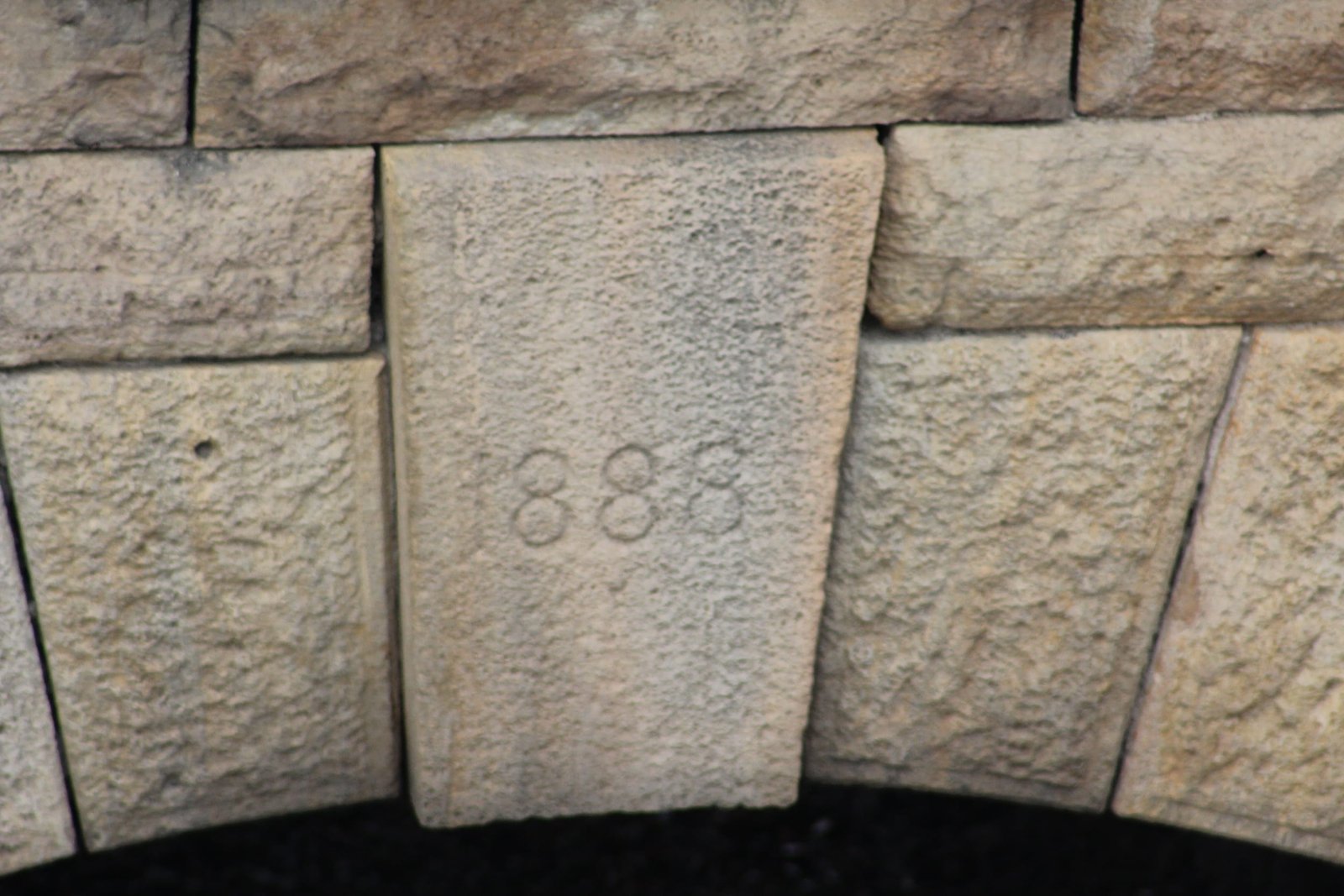
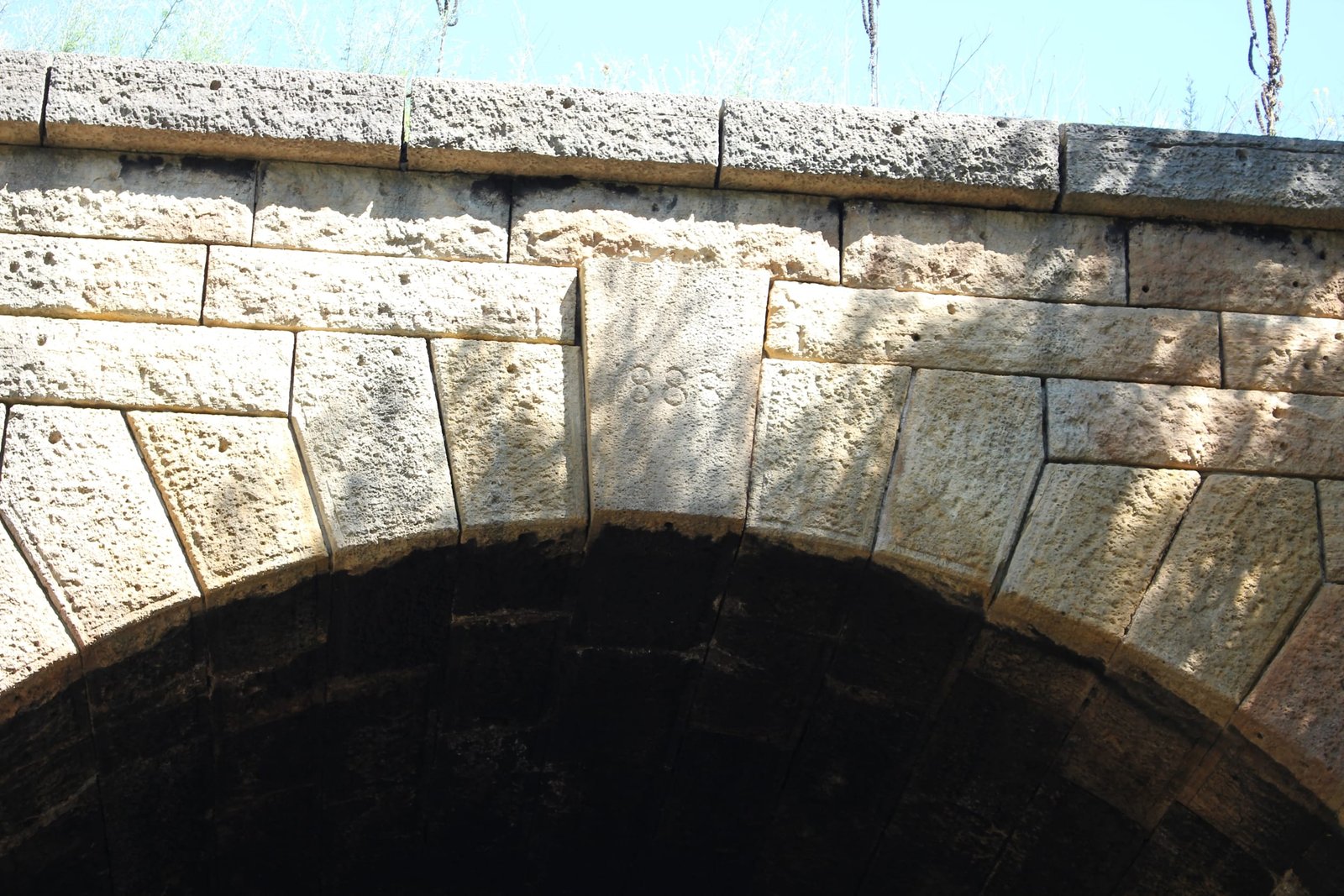
| Date Built | 1888 |
| Traffic Count | 15 Trains/Day (Estimated) |
| Current Status | In Use |
| Chicago & North Western Railway Bridge Number | 447 |
| Significance | Moderate Significance |
| Documentation Date | 11/28/2013; 7/2/2017 |
In 1885, the Saint Paul and Northern Pacific Railway Company (StP&NP) began construction on five separate lines in Minneapolis. Line "A" would extend from Seventh Street in St. Paul to 20th Street in Minneapolis, crossing the Mississippi River twice. Line "B" would extend from St. Anthony Junction (near present day MN-280 and Kasota Avenue) to Northtown Junction. Line "C" would extend along Ramsey Street from Line "A" to Plymouth Avenue. Line "D" consisted of a 1 mile long industrial line along 2nd Street. Line "E" consisted of a connection between Line "A" and Line "C" along Mulberry Street. Work on the five lines would be completed in 1886.
The StP&NP would be purchased by the Northern Pacific Railway (NP) in 1896. NP continued to operate these lines as part of their vast Twin Cities network. Portions of line "C" would be abandoned in the 1960s. In 1970, NP would merge with rival Great Northern Railway and the Chicago, Burlington & Quincy to form Burlington Northern Railroad (BN). Line "E" would be abandoned during the 1970s. Portions of line "A" through downtown Minneapolis were removed during the 1980s, and Bridge #9 was purchased by the City of Minneapolis for trail use. In 1996, BN merged with the Atchison, Topeka & Santa Fe Railway to form BNSF Railway. BNSF currently owns line "A" and line "B" as part of the St. Paul Subdivision. The northern portions of Line "A" are also used by BNSF as a spur to serve the Cemstone plant. Lines "C" and "D" have largely been developed, and line "E" has become part of a trail.
View an article about the Wetminster Junction Tunnels
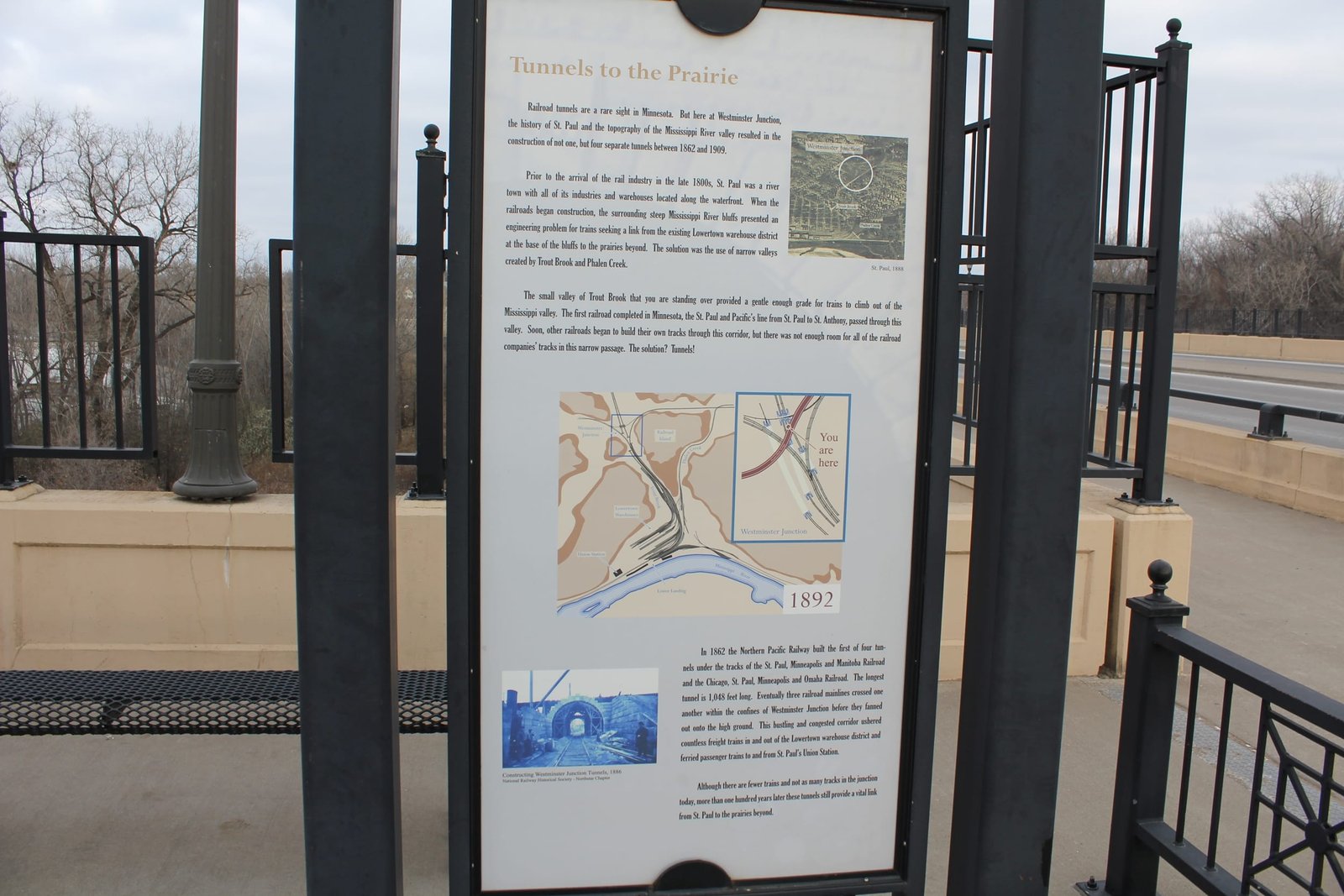
During the early years of railroads in Minnesota, there were limited options for entering St. Paul from the north/northwest. One of the flattest routes was through the Trout brook Valley, which offered reasonable gradients but confined conditions with a meandering stream. The St. Paul & Pacific Railroad (StP&P) constructed the first line through the valley in 1862. This line was part of a 10 mile route that would head north before turning west towards Minneapolis at Westminster Street. In 1871, the St. Paul, Stillwater & Taylors Falls Railroad (StPS&TF) constructed a line in the area, which would enter the Trout Brook valley at Westminster Street. The line turned south to follow the east side of the StP&P, forming the east leg of a wye. A second line was built west to meet with the StP&P line towards Minneapolis, which formed the north leg of a wye. The StP&P became part of the St. Paul, Minneapolis & Manitoba Railway (StPM&M) in 1879; the StPS&TF part of the St. Paul & Sioux City Railway (StP&SC) in 1880 and the StP&SC was acquired by the Chicago, St. Paul, Minneapolis & Omaha Railway (Omaha Road) in 1881.
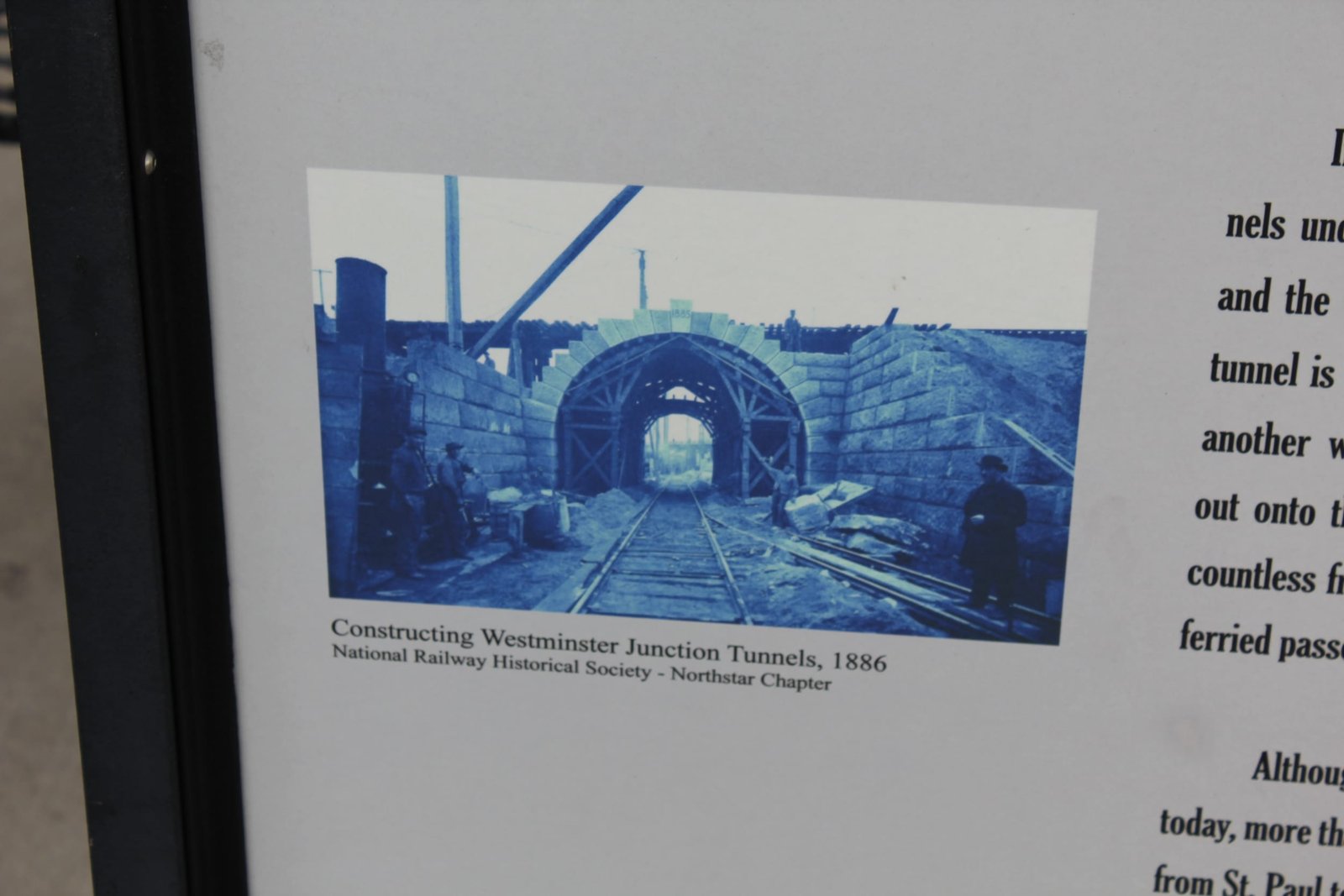
By the early 1880s, the Trout Brook valley had become congested with two railroads operating mainlines, sprawling terminal facilities and several industries. Between 1881 and 1886, the StPM&P widened its line to four tracks at the Westminster Street junction. It is believed that the Omaha Road also widened its line to two tracks at the junction in the early 1880s. By the mid-1880s, much of Trout Brook had been channelized or covered in a stone arch sewer. In 1885, the St. Paul & Northern Pacific Railway (StP&NP) constructed a new 10 mile line to link its system at Minneapolis to the terminals at St. Paul. As part of the work, the StP&NP constructed "Line A" or the "West Side Line" from north of Maryland Avenue to 3rd Street. The West Side Line would follow the west side of the StPM&M tracks between Westminster Street and 3rd Street. To avoid the use of a grade crossing, the StP&NP developed an expensive solution to cross through the wye. Between 1885 and 1886, a lengthy double track tunnel was constructed under the north and west legs of the wye. To expand operations, the StP&NP constructed the "East Side Line" between 1888 and 1889. This line added two additional tracks and involved constructing two shorter tunnels under the east side of the wye. In 1890, the StPM&M was leased to the Great Northern Railway (GN); and in 1896, the StP&NP was merged into the Northern Pacific Railway (NP). The StPM&M ceased to exist in 1907 after selling all property to the GN.
A fourth railroad sought access to the valley in the early 20th Century. The Minneapolis, St. Paul & Sault Ste. Marie Railway (Soo Line) had previously bypassed St. Paul to the north an desired a connection to terminals and warehouses in the city. In 1908, work began on a short branch line into St. Paul. As part of the work, an additional tunnel was constructed under the west side of the wye, with the Soo Line tracks following the west side of the NP West Side Line. In addition to the four main railroads, several other railroad companies utilized trackage rights over the lines to reach St. Paul. Throughout the 20th Century, operations in the valley were gradually reduced, with the GN, NP, Omaha Road and Soo Line all reducing trackage and consolidating facilities. The Omaha Road had been leased by the Chicago & North Western Railway (C&NW) since 1882, and was fully consolidated into the C&NW in 1957. In 1970, NP and GN merged with the Chicago, Burlington & Quincy Railroad to form Burlington Northern Railroad (BN). The Soo Line branch was abandoned in the early 1980s, and the tunnel subsequently demolished. The C&NW became part of Union Pacific Railroad in 1995 and BN was merged into BNSF Railway in 1996. Today, BNSF operates much of the trackage at the junction, including the St. Paul Subdivision (former NP) and Midway Subdivision (former GN). UP also operates the north and east legs of the wye as part of the Altoona Subdivision. Both the St. Paul and Midway Subdivisions have been reduced to double track each, while the Altoona Subdivision operates as a single track. Despite this, the junction remains an important piece of railroad infrastructure in the Midwest.
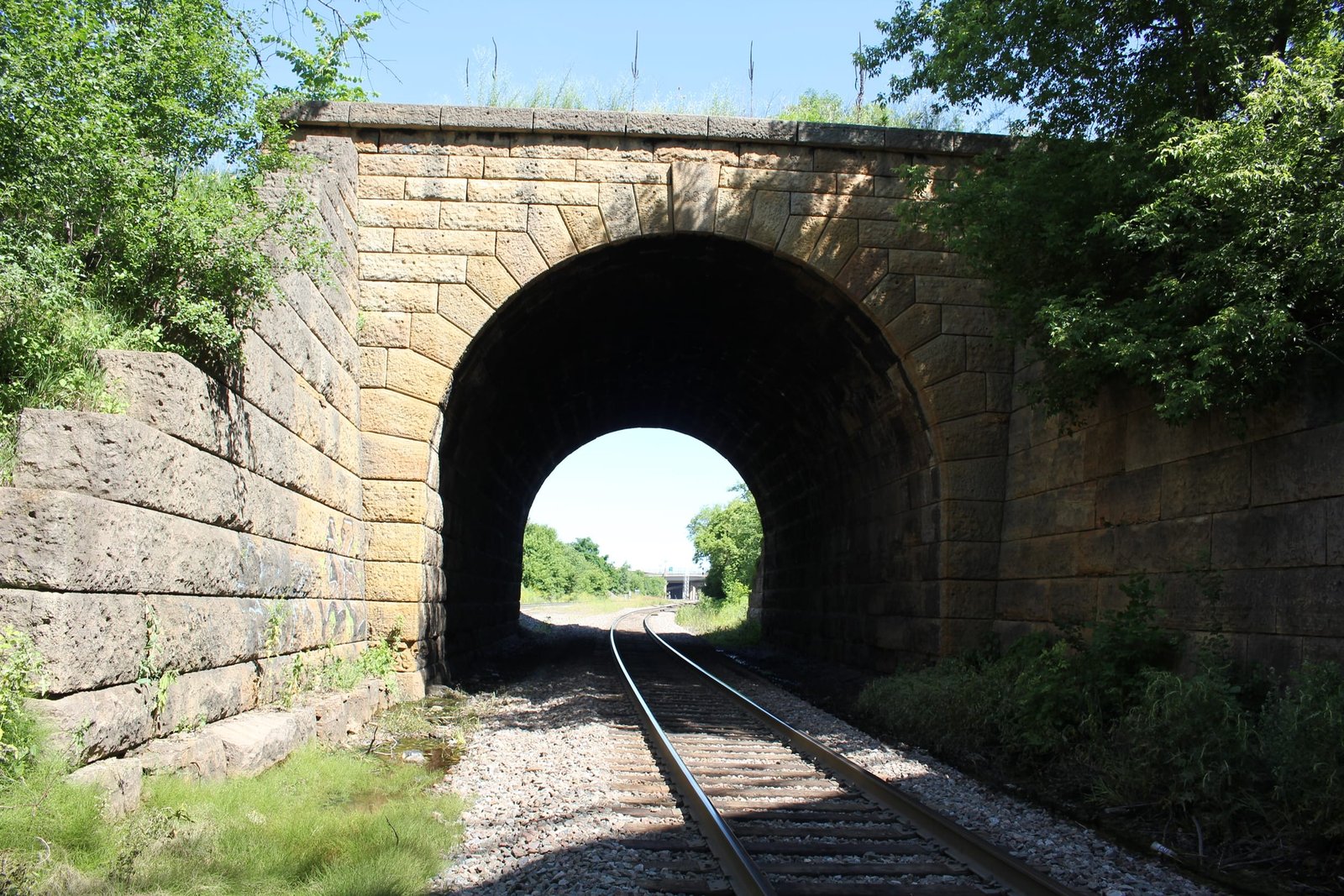
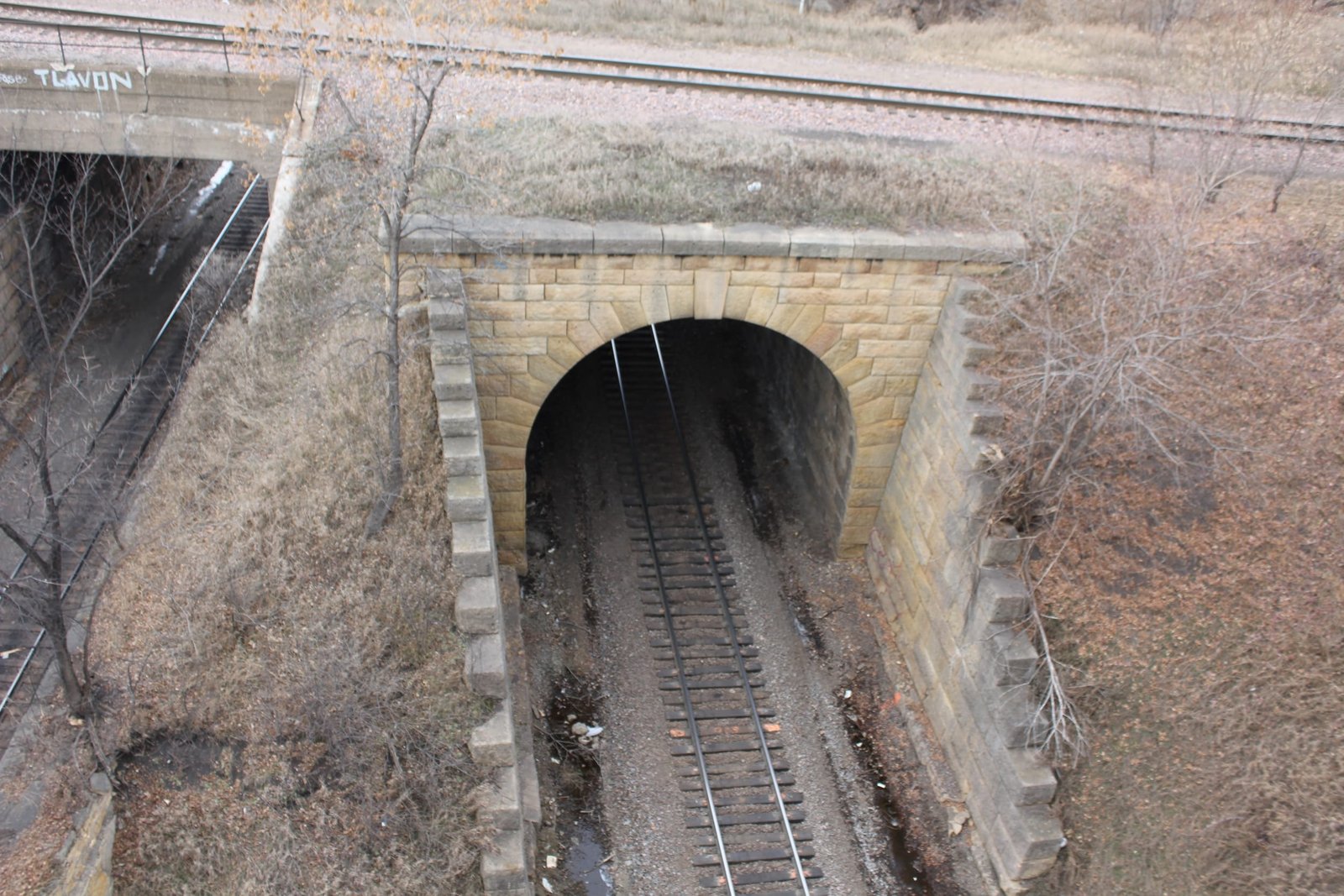
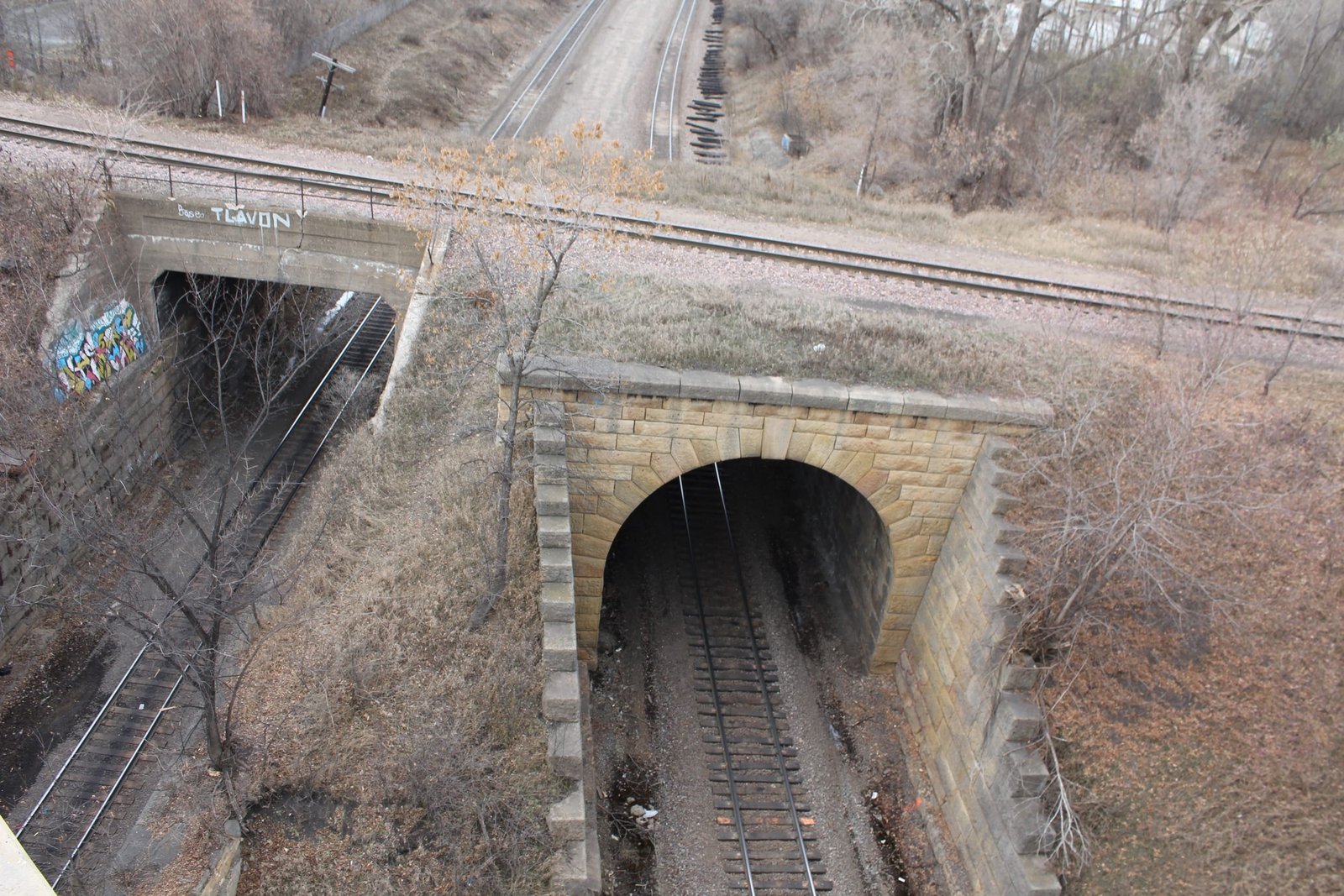
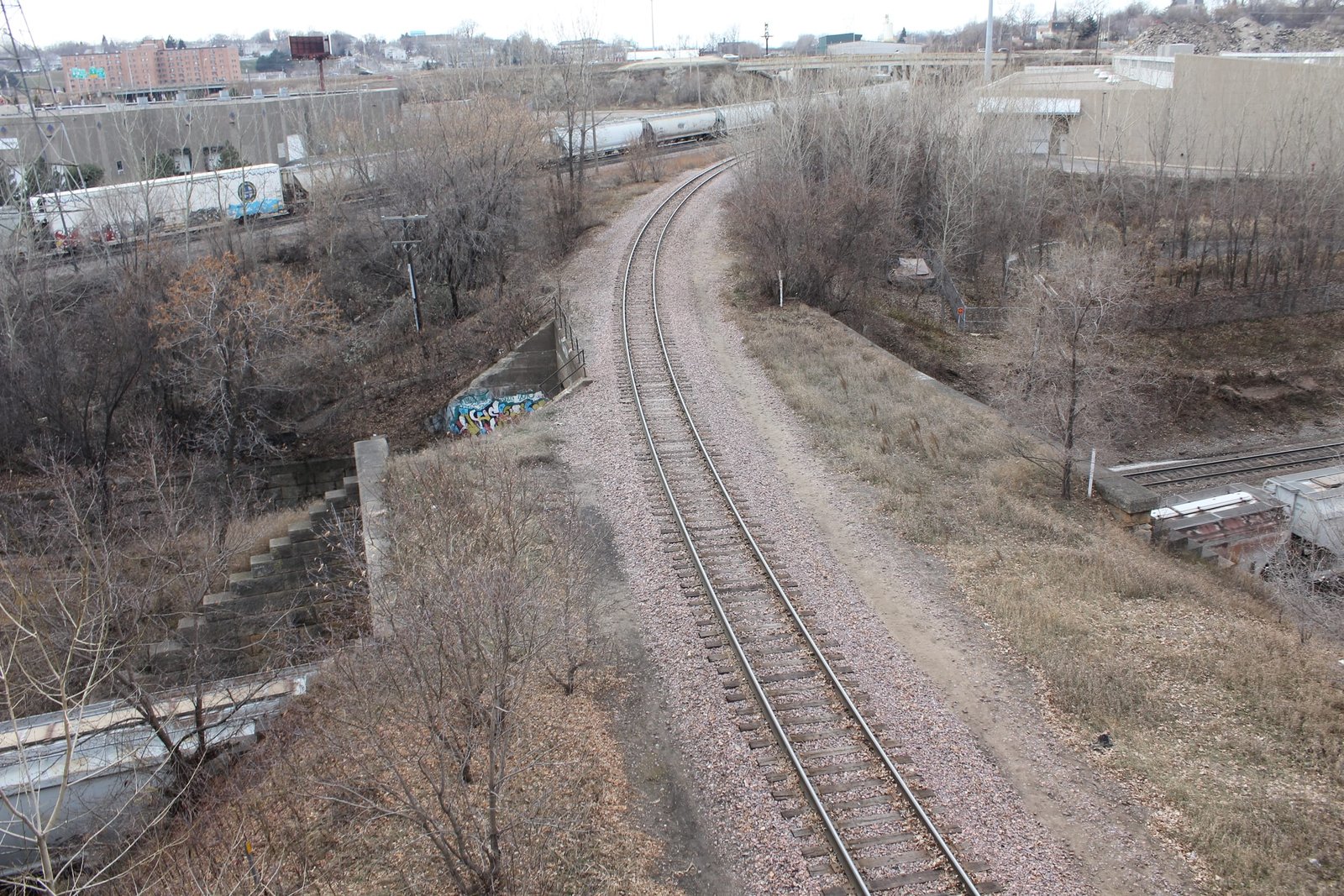
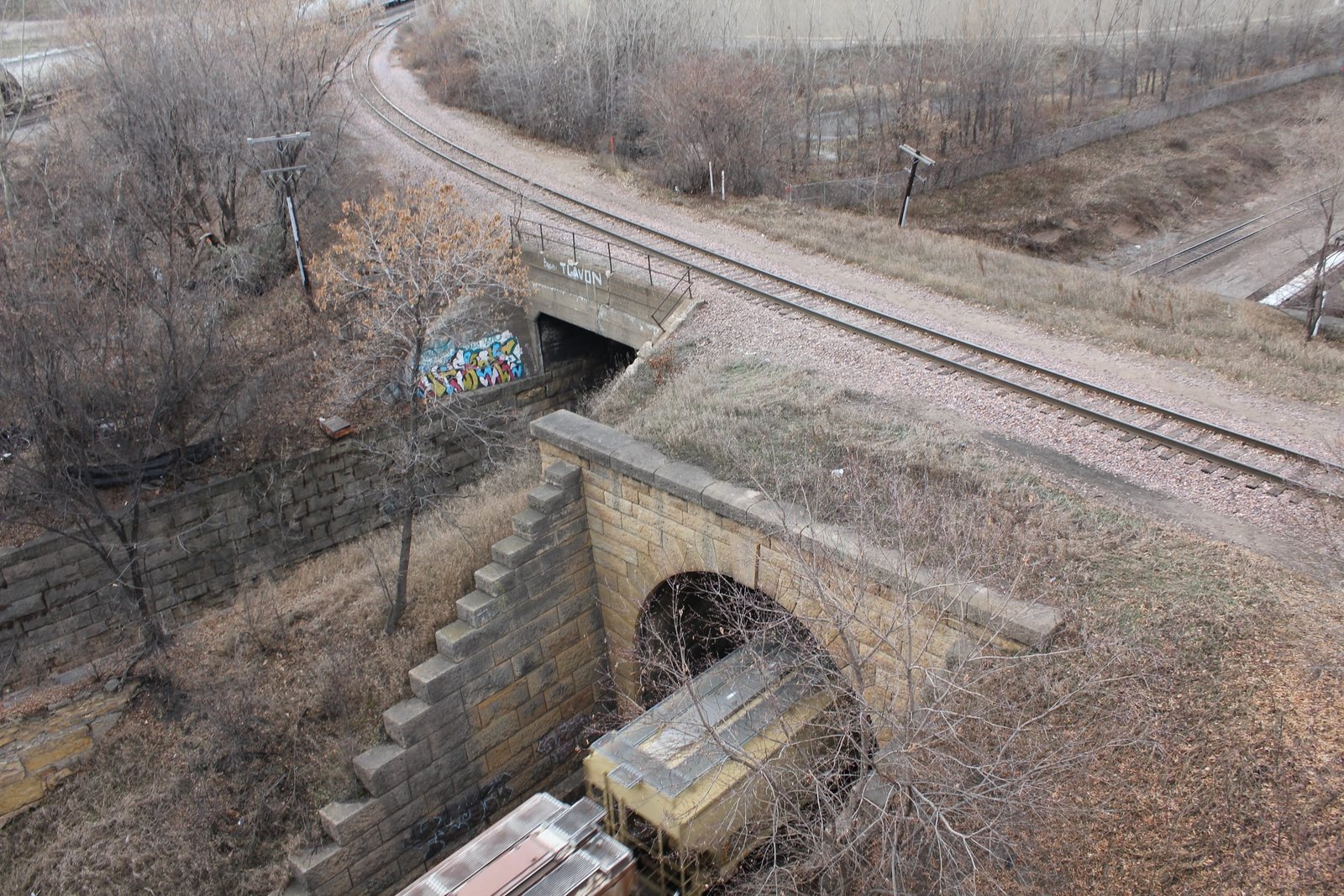
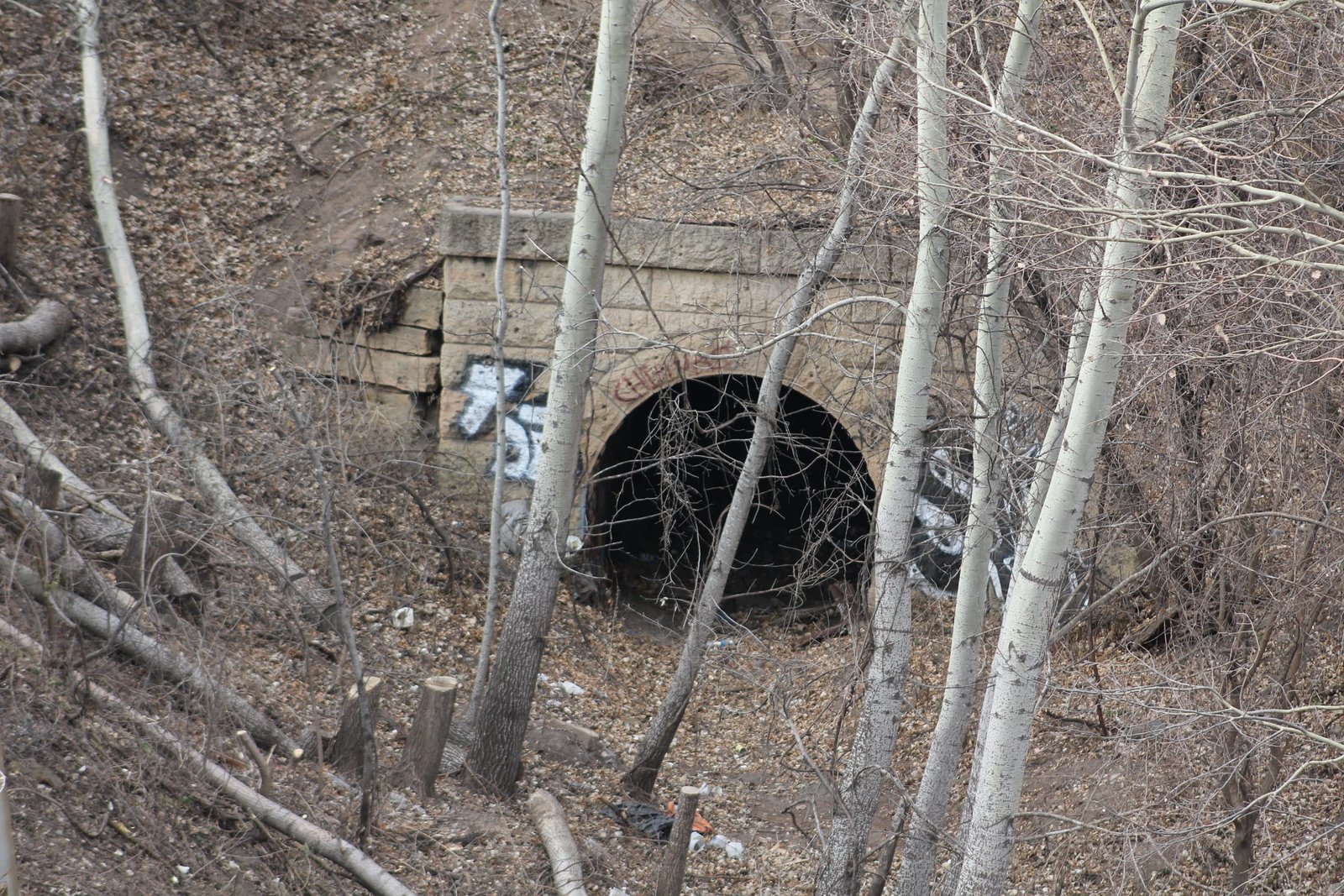
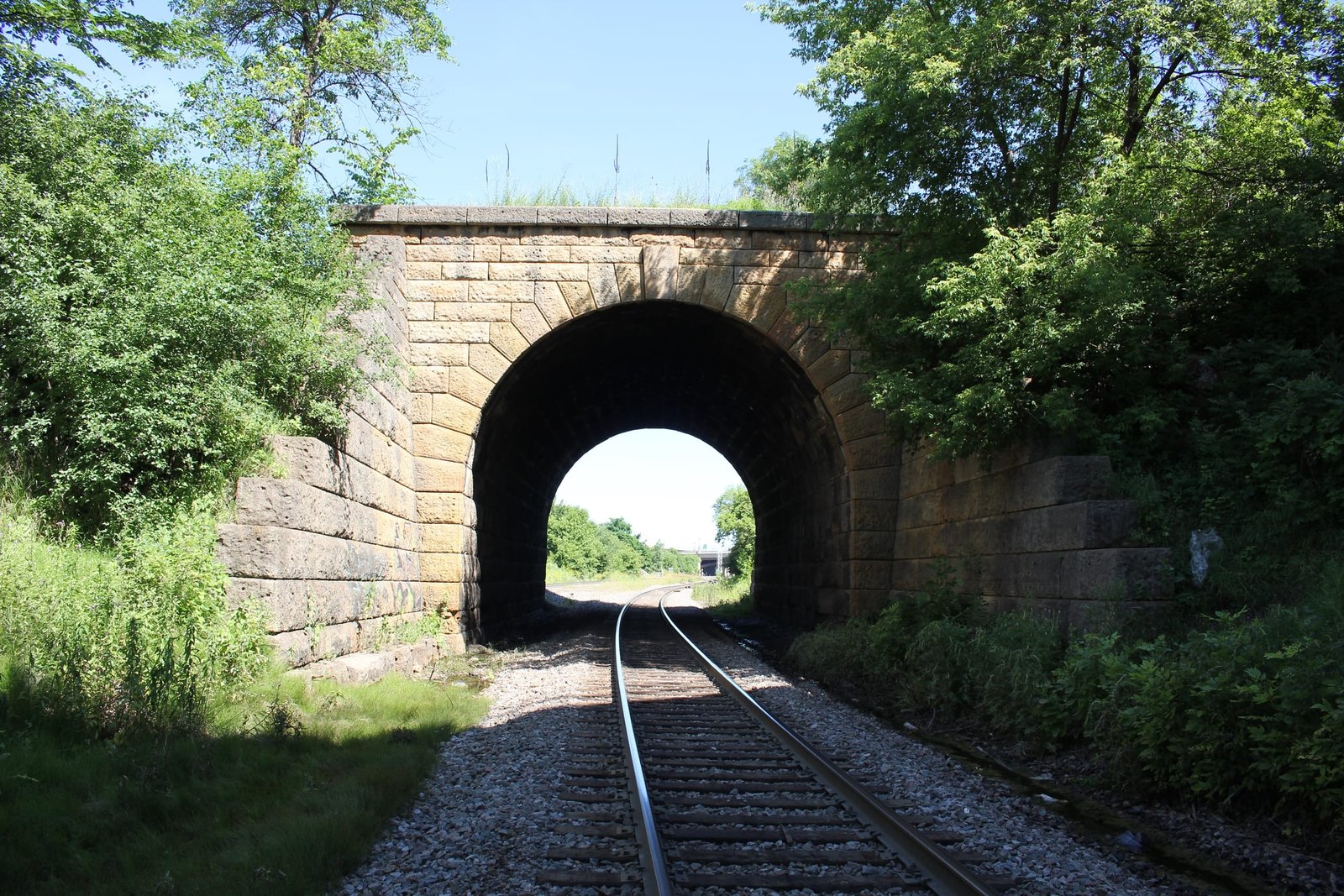
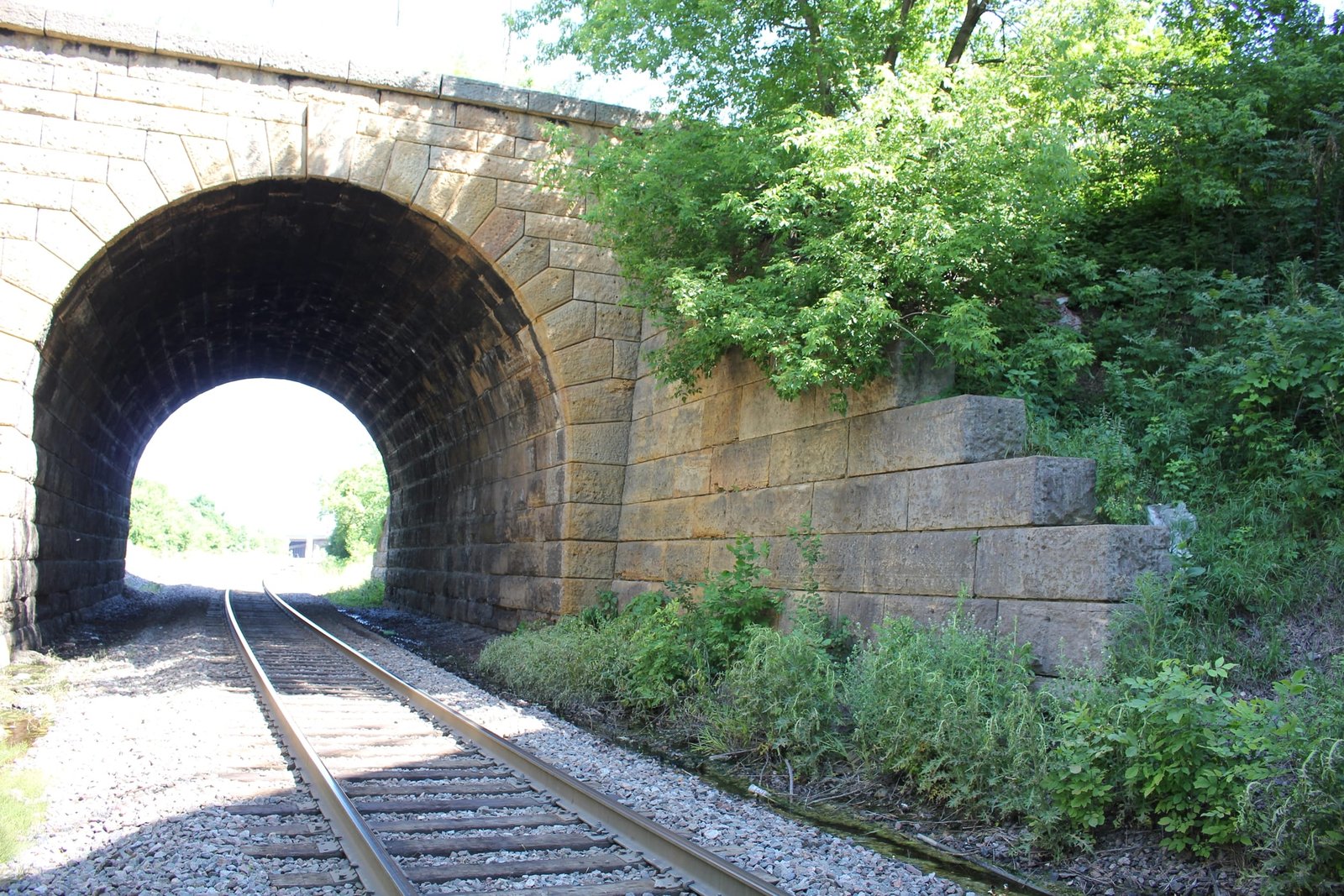
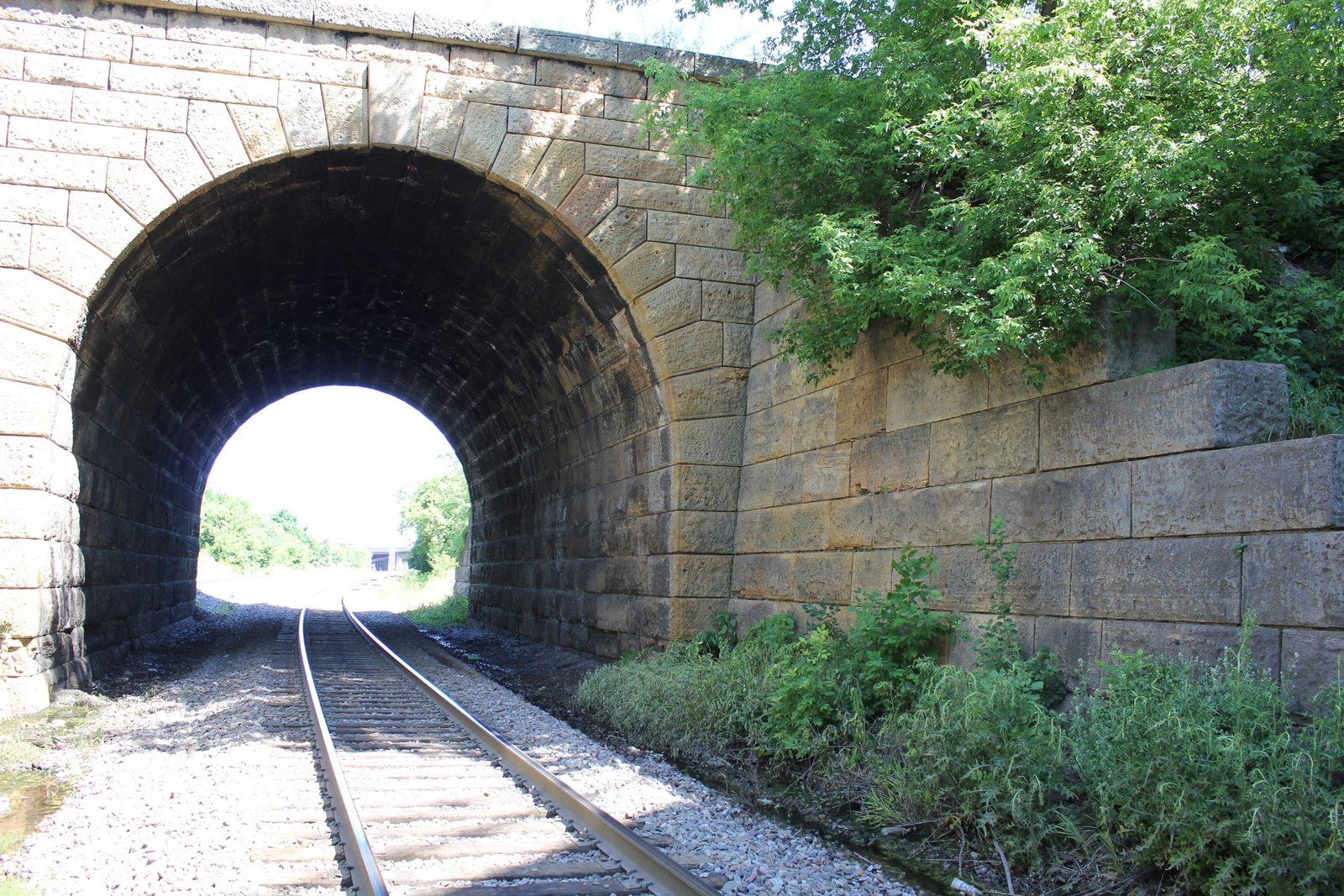
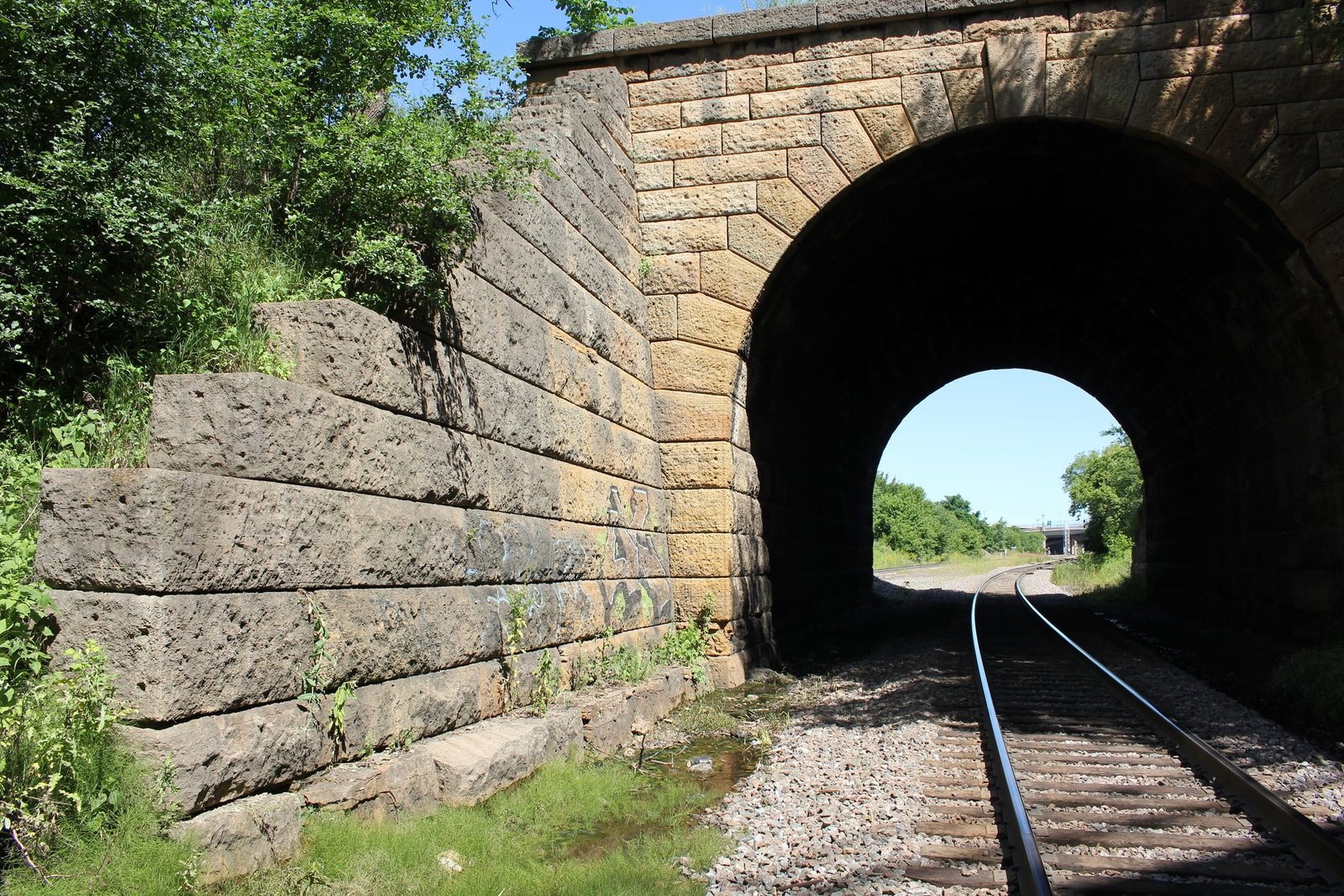
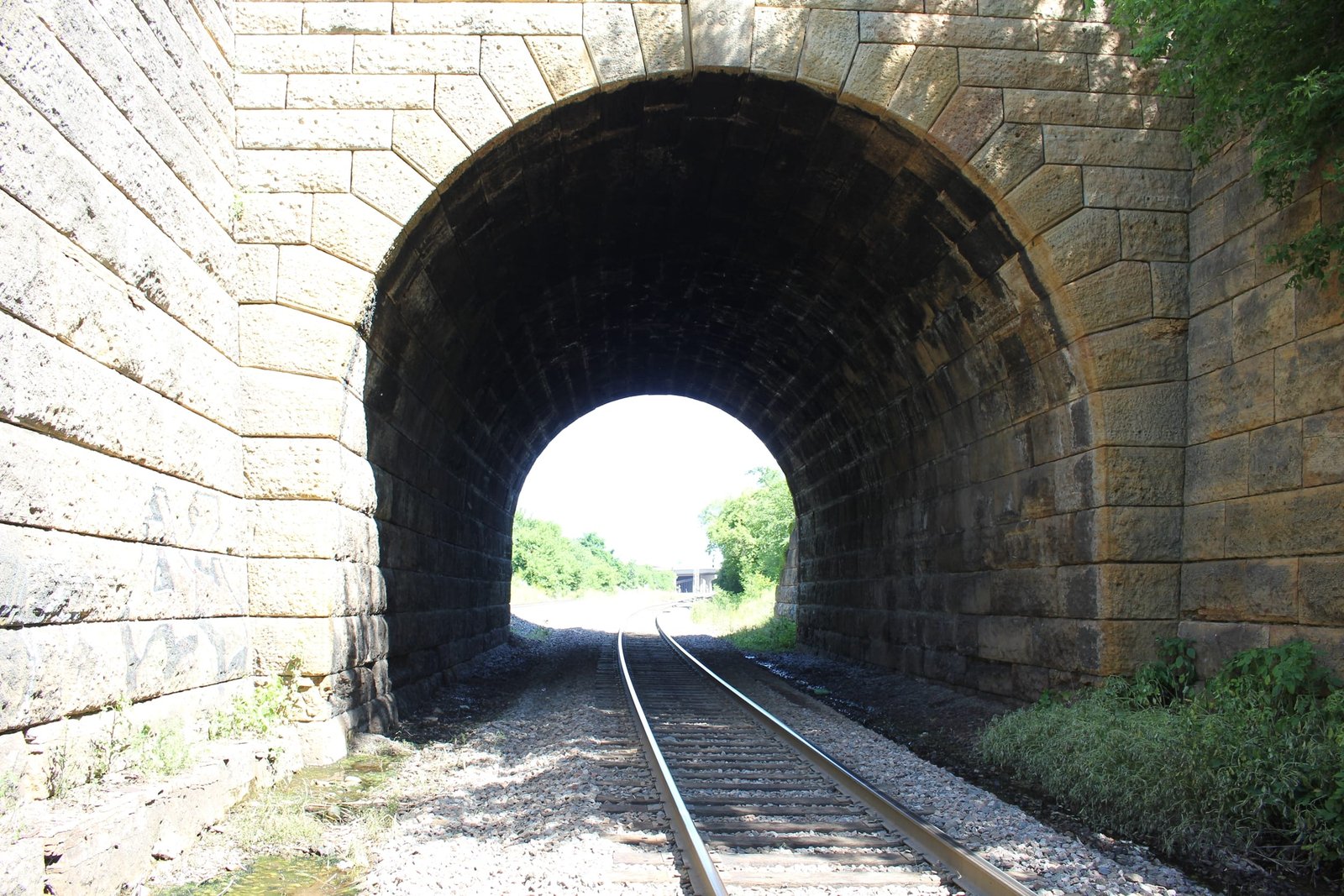
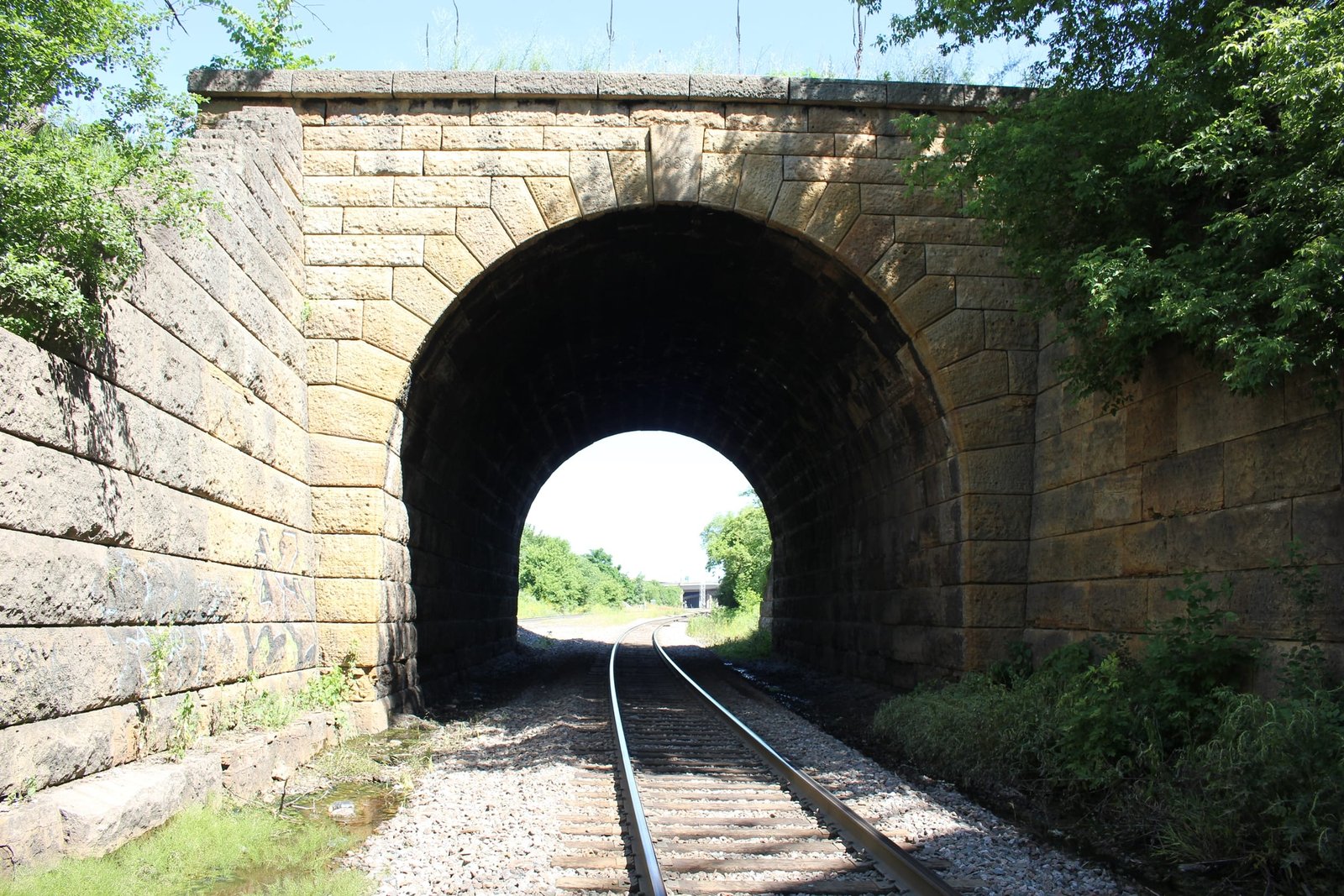
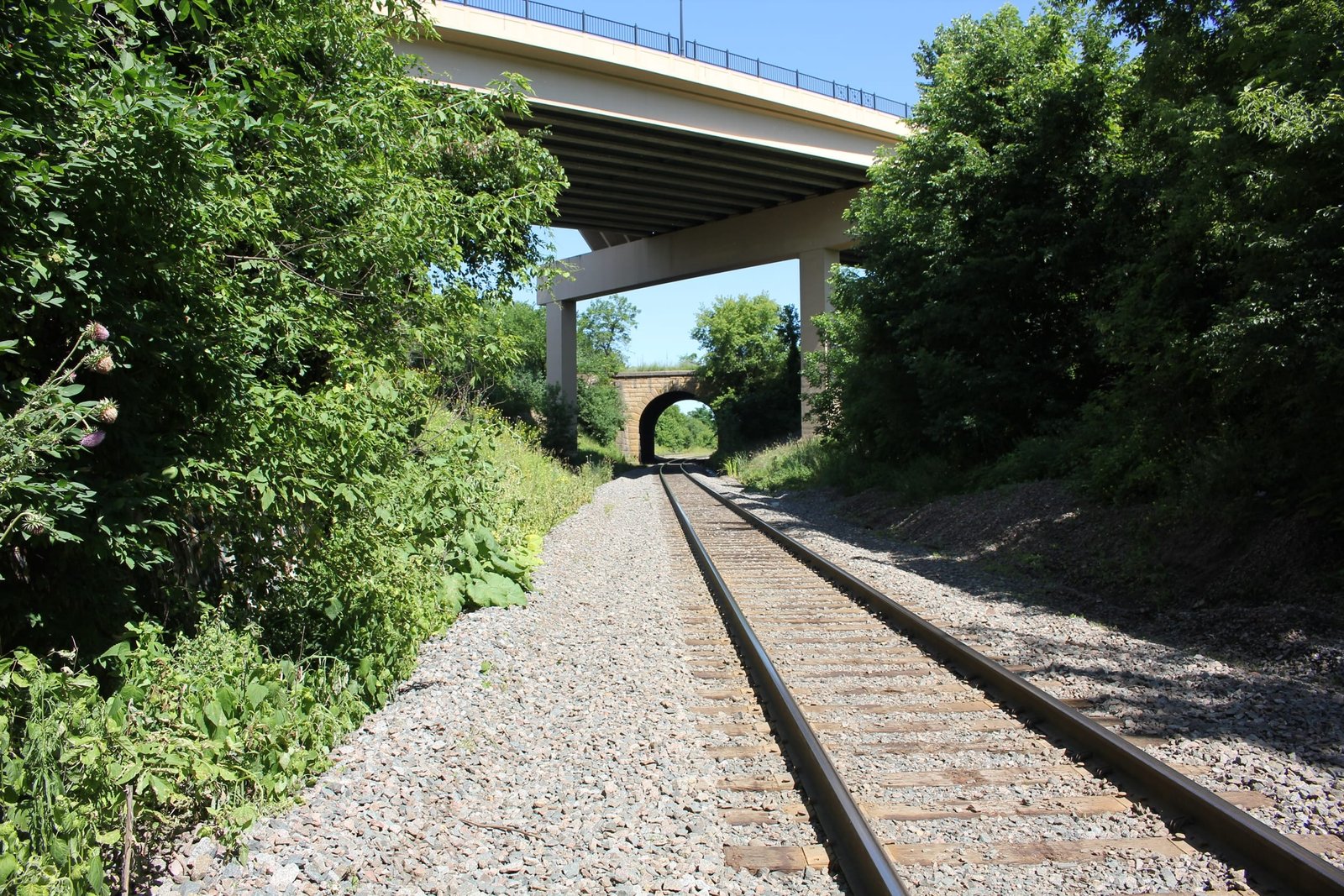
Tunnel #3 is the northeast tunnel at the junction, which carries the former NP East Side Line underneath the Omaha Road mainline at the north leg of the wye. Construction on the tunnel began in 1888 and was completed later that year. Currently, the tunnel consists of a 70-foot long by 25-foot wide stone arch tunnel. The south portal of the tunnel is independent, while the north portal of the tunnel is combined with Tunnel #4. Trout Brook crosses underneath the former NP line through a 10-foot stone arch culvert located immediately south of the south portal, and underneath the former Omaha Road line through a 10-foot stone arch culvert west of Tunnel #4. The culvert under the former NP is completely covered and connected to other portions of the Trout Brook sewer, while the culvert under the Omaha Road remains visible. Like all tunnels at the junction, the tunnel was constructed using cut-and-cover methods, which involved constructing a temporary timber trestle under the Omaha Road tracks, constructing a large stone arch structure by traditional means and filling the remaining opening. Since the tunnel is relatively shallow and placed through fill, this method was the only option feasible for construction.
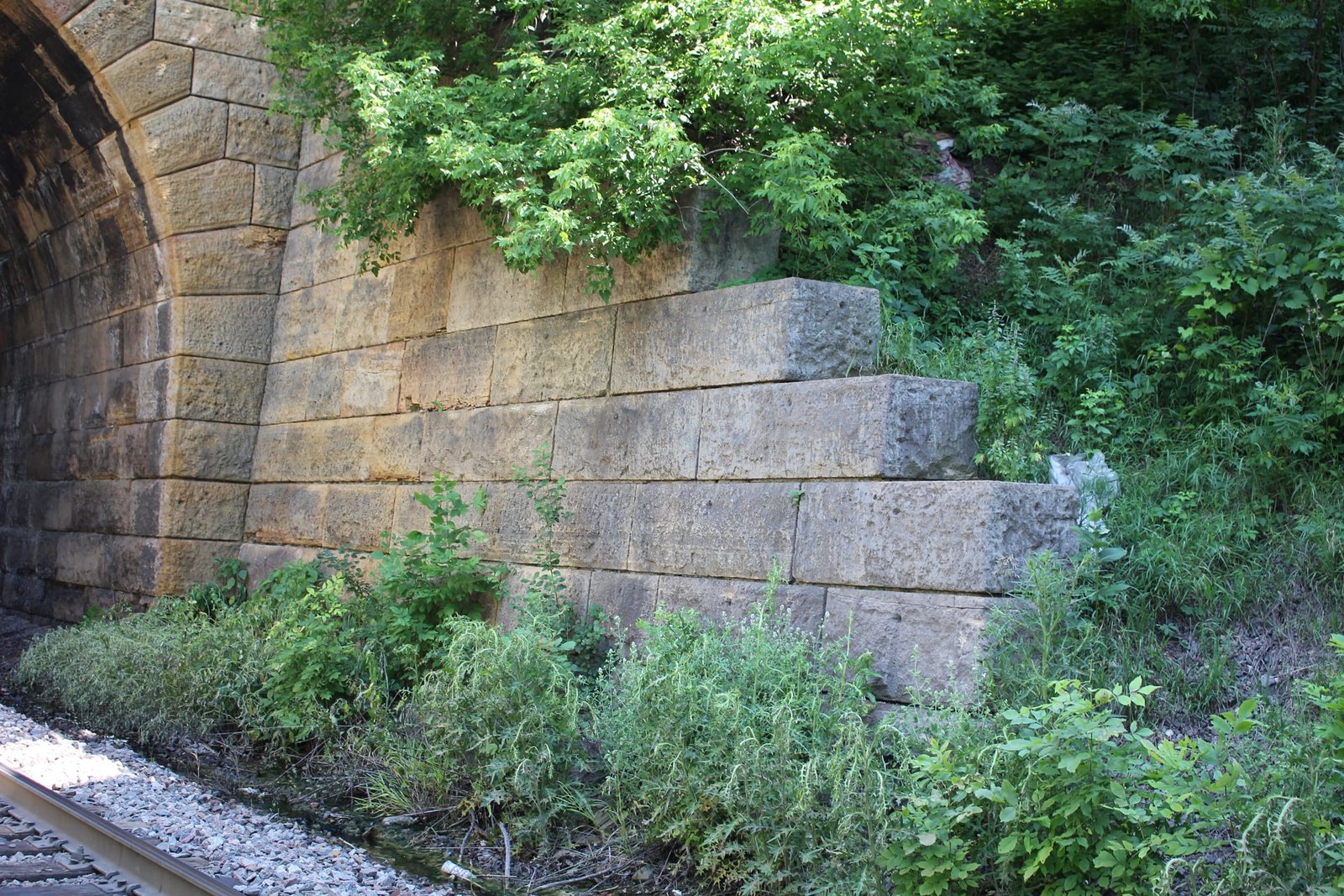
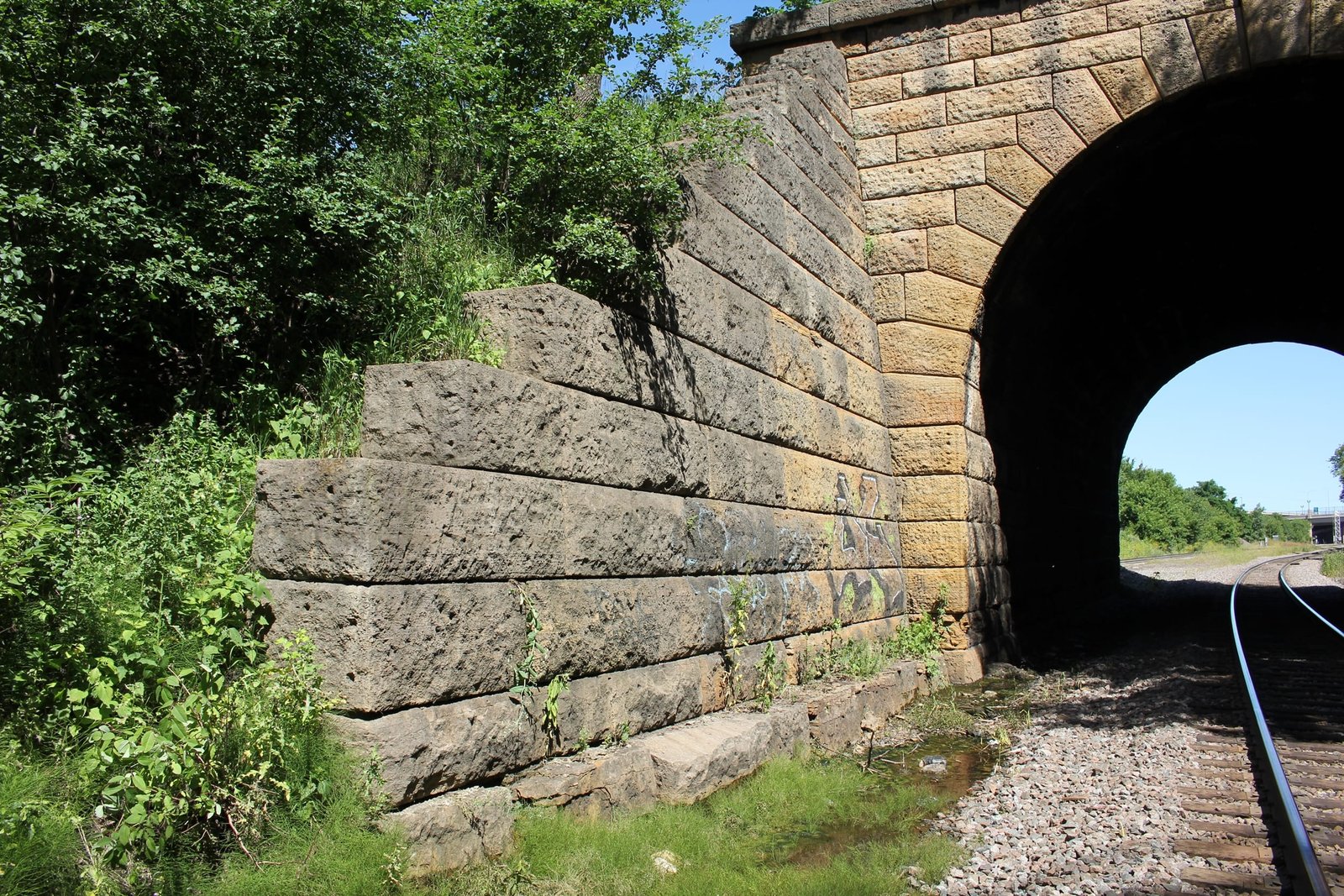
The tunnel uses a traditional semicircular shape, which is set onto large stone abutments. The arch is formed using stones of various shapes, typical of large stone arch structures. The tunnel also has shallow headwalls, and is capped by a single row of stones. Wing walls at the southeast, southwest and northeast corners of the tunnel use a stepped design, which extends parallel to the railroad underneath. To construct the tunnel, the north portal of Tunnel #4 was modified and the original northeast wing wall removed. Stone for the tunnel consists of a yellow limestone, which was likely quarried at Mankato, Minnesota. Stone for the retaining wall consists of a grey stone, quarried at an unknown location. McMullen & Company constructed this tunnel as part of work on the East Side Line, while the tunnel was designed by railroad engineers. It is believed the same firm built the NP stone arch culvert over Trout Brook, while Winston Brothers of Minneapolis, Minnesota constructed the stone culvert on the Omaha Road.
While not a true tunnel, railroad tunnels are exceptionally uncommon in Minnesota. The only true bored tunnels are located in northern Minnesota, where large hills and solid rock allowed for traditional tunnel construction. Cut-and-cover tunnels were developed in the 19th Century for situations like this location, with limited depth, poor soil and extensive development overhead. While the NP considered this to be a tunnel, the Omaha Road assigned the structure a bridge number and considered it to be a stone arch bridge. Although the tunnel was built to carry two tracks on both the top and bottom, it only carries one track above and below today. Since the initial construction, the tunnel has seen no significant alterations, and remains in regular use. Overall, the tunnel appears to be in fair to good condition, with no significant deterioration noted. The author has ranked the tunnel as being moderately significant, due to the age, unique design and importance of the junction.
Citations
| Build Date | Date carving |
| Builder | Minneapolis Star Tribune; Jun 17, 1889 |
| Railroad History Citation | ICC Valuation Information, Compiled by Richard S. Steele |