
Click the photo to view the full-size version
| Name | Cascade Bridge |
| Built By | City of Burlington (Used By Burlington Light & Railway Company) |
| Currently Owned By | City of Burlington |
| Superstructure Contractor | Milwaukee Bridge & Iron Works of Milwaukee, Wisconsin |
| Substructure Builder | City of Burlington Labor |
| Design Engineer | Boynton & Warriner of Cedar Rapids, Iowa |
| Length | 464 Feet Total, 204 Foot Main Span |
| Width | 30 Feet |
| Height Above Ground | 90 Feet (Estimated) |
| Superstructure Design | Baltimore Deck Truss and Pratt Deck Truss |
| Substructure Design | Concrete and Steel Tower |
| Date Built | 1896 |
| Traffic Count | 0 Vehicles/Day (Bridge is Closed To Traffic) |
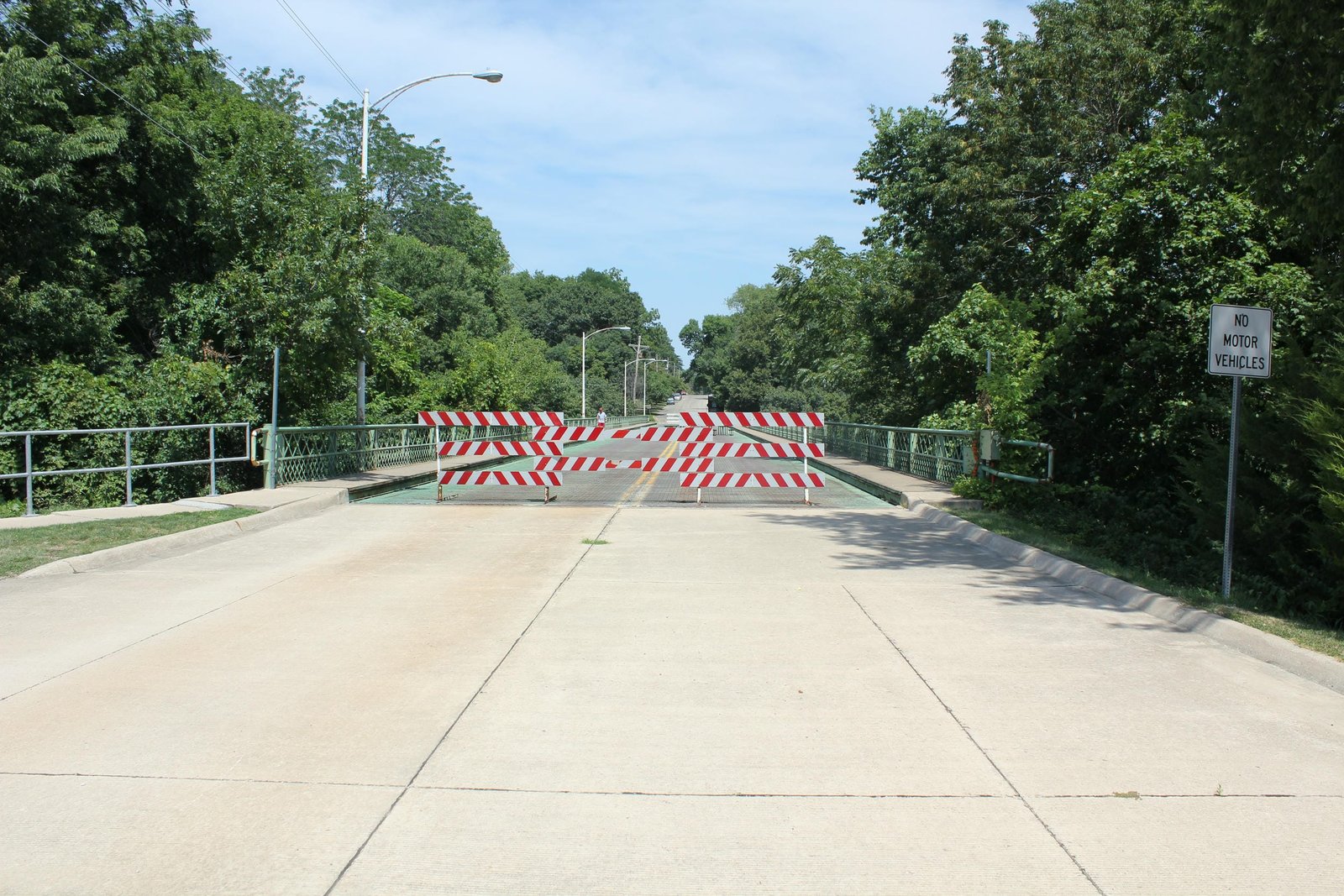
| Current Status | Closed to all Traffic, Replacement Planned |
| Significance | High Significance |
| Documentation Date | 8/11/2013 |
View the Historic American Engineering Record documentation for this bridge
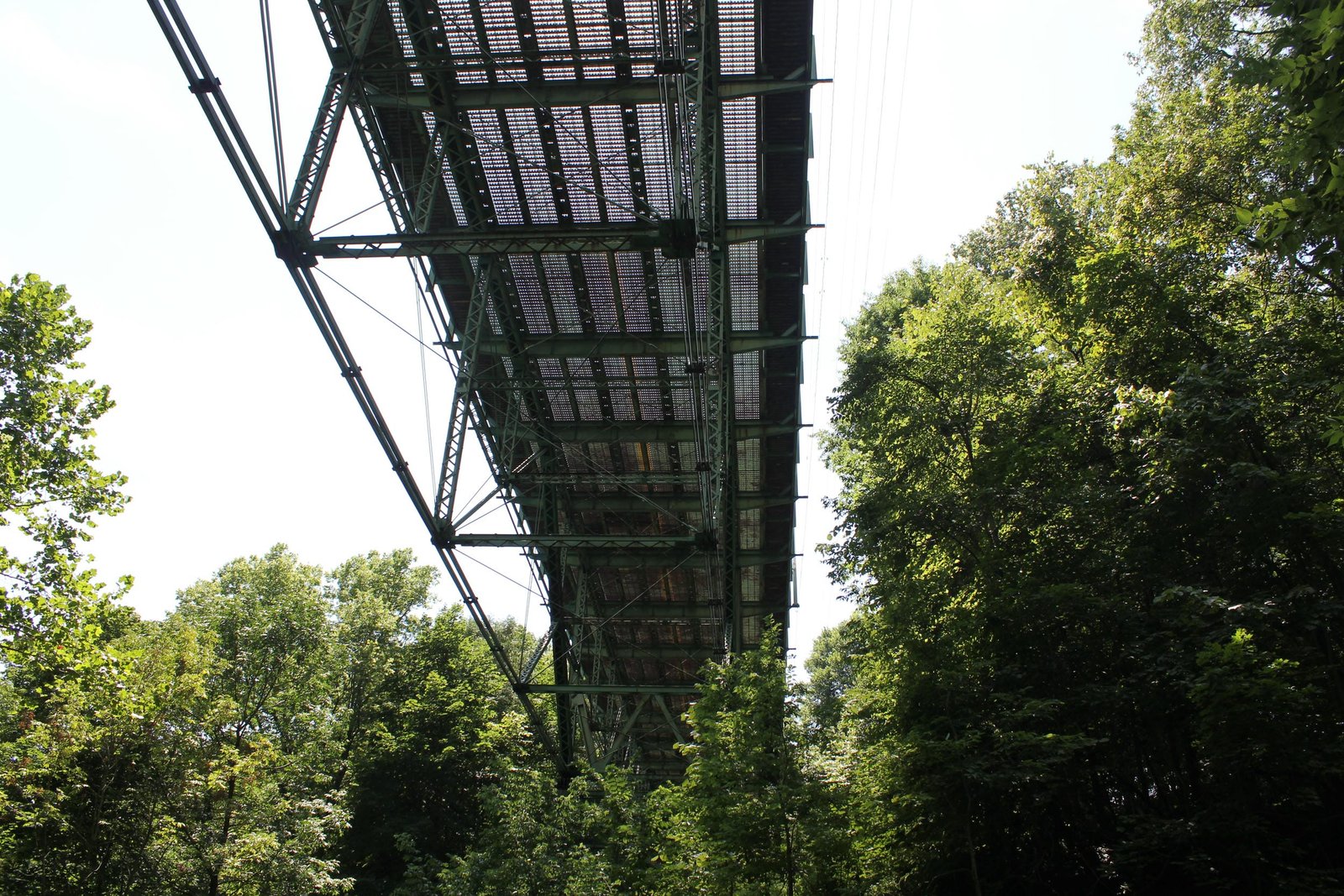
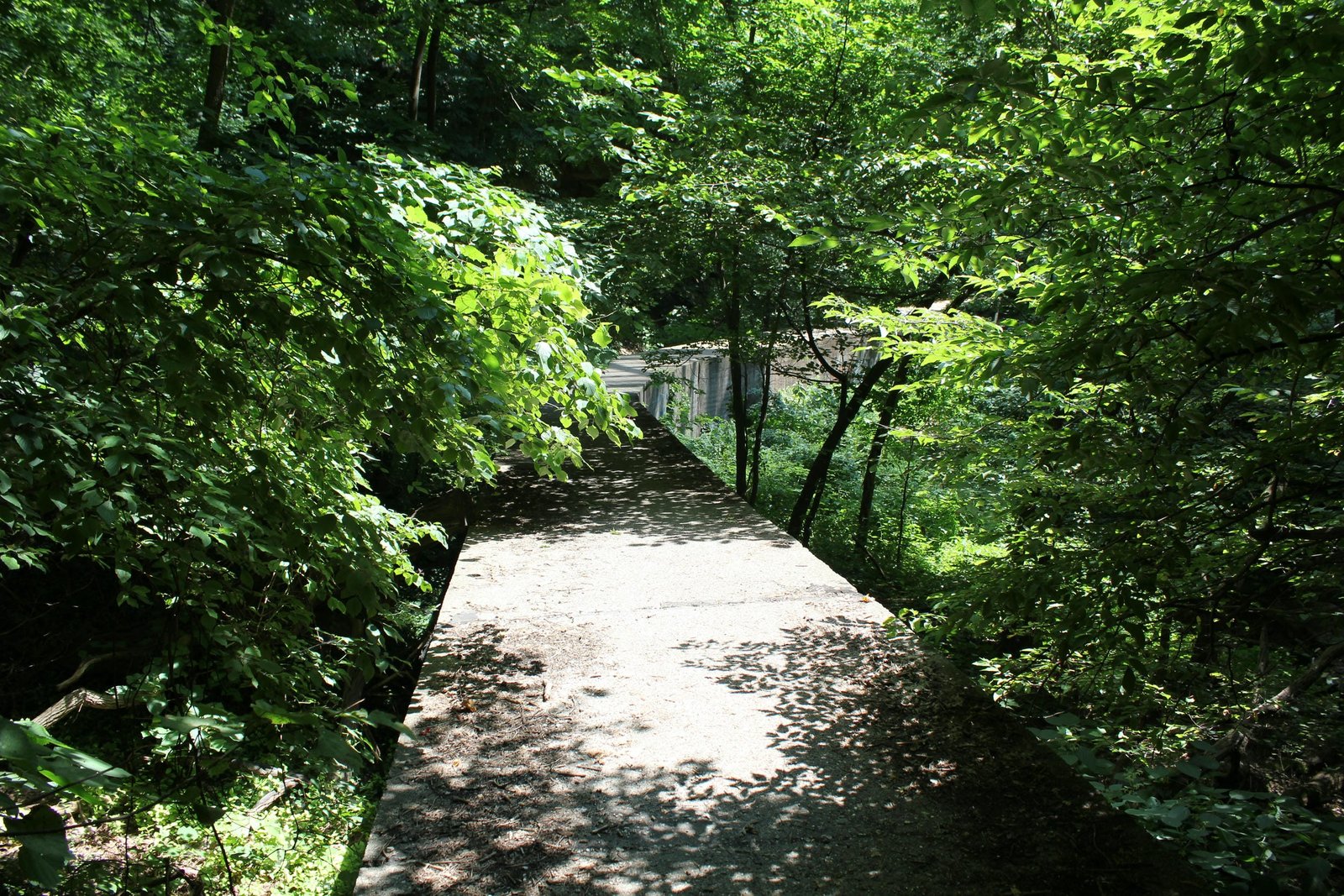
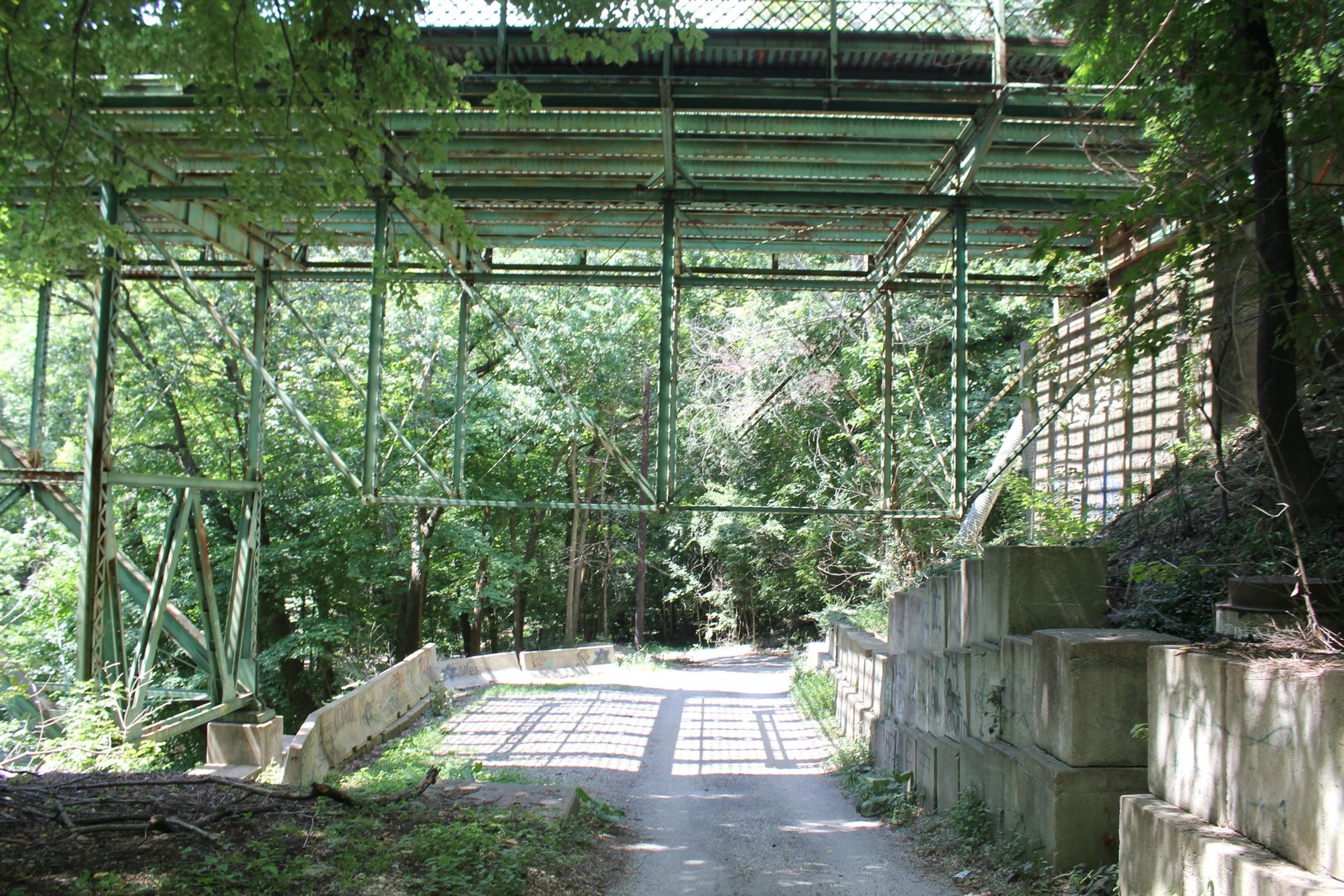
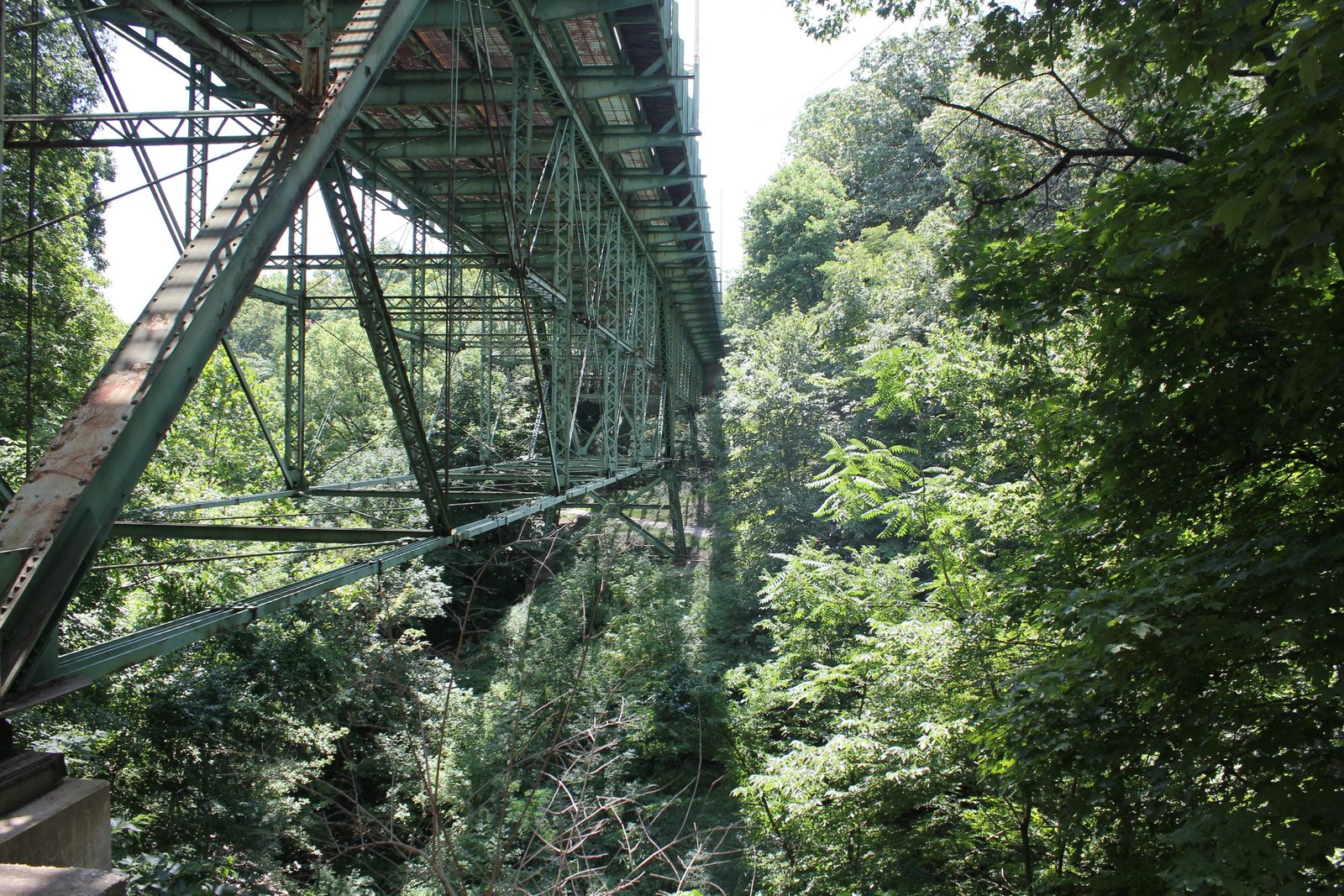
Located in Crapo Park in Burlington, this deck truss bridge carries Main Street and a former streetcar line over Cascade Ravine. In 1895, the City of Burlington established Crapo Park as part of Burlington's semi-centennial celebration. Allegedly, the park is the site where the American Flag was first raised on Iowa's soil by Zebulon Pike in 1805. A large celebration was planned for the fall of 1896, with several outstanding questions on how to improve access to the park. In early 1896, leaders in Burlington began planning a series of improvements to allow citizens to reach the park, including constructing a new streetcar line. That same year, the Burlington Light & Railway Company was formed to take over the existing streetcar system and construct a new line to the park. There was significant controversy on where to locate the new streetcar line, and it was decided to extend Main Street to the park. One of the biggest hurdles was crossing Cascade Ravine, located between the city and the park. It was decided that a tall bridge would be the most practical solution. To have a successful celebration, the bridge would need to be constructed on an accelerated timeline. The project was advertised for bid on May 18th, 1896; and the bids were presented to the City Council on June 2nd. Several firms bid on different alternates for the project, including alternates for the bridge, complete; an alternate for the superstructure only and two alternates for brick and stone substructures. The Groton Bridge & Manufacturing Company submitted a bid of $15,975 for the complete bridge; James B. Diver & Company submitted a bid of $12,950 for the superstructure only and the Milwaukee Bridge & Iron Works submitted a bid of $13,900 for the superstructure only. The City Council recommended that the superstructure be awarded to Milwaukee Bridge & Iron Works; and the substructure be constructed by city labor. It is unclear why the Milwaukee firm was awarded this contract when they were not the low bid, nor did the firm provide an adequate bid bond.
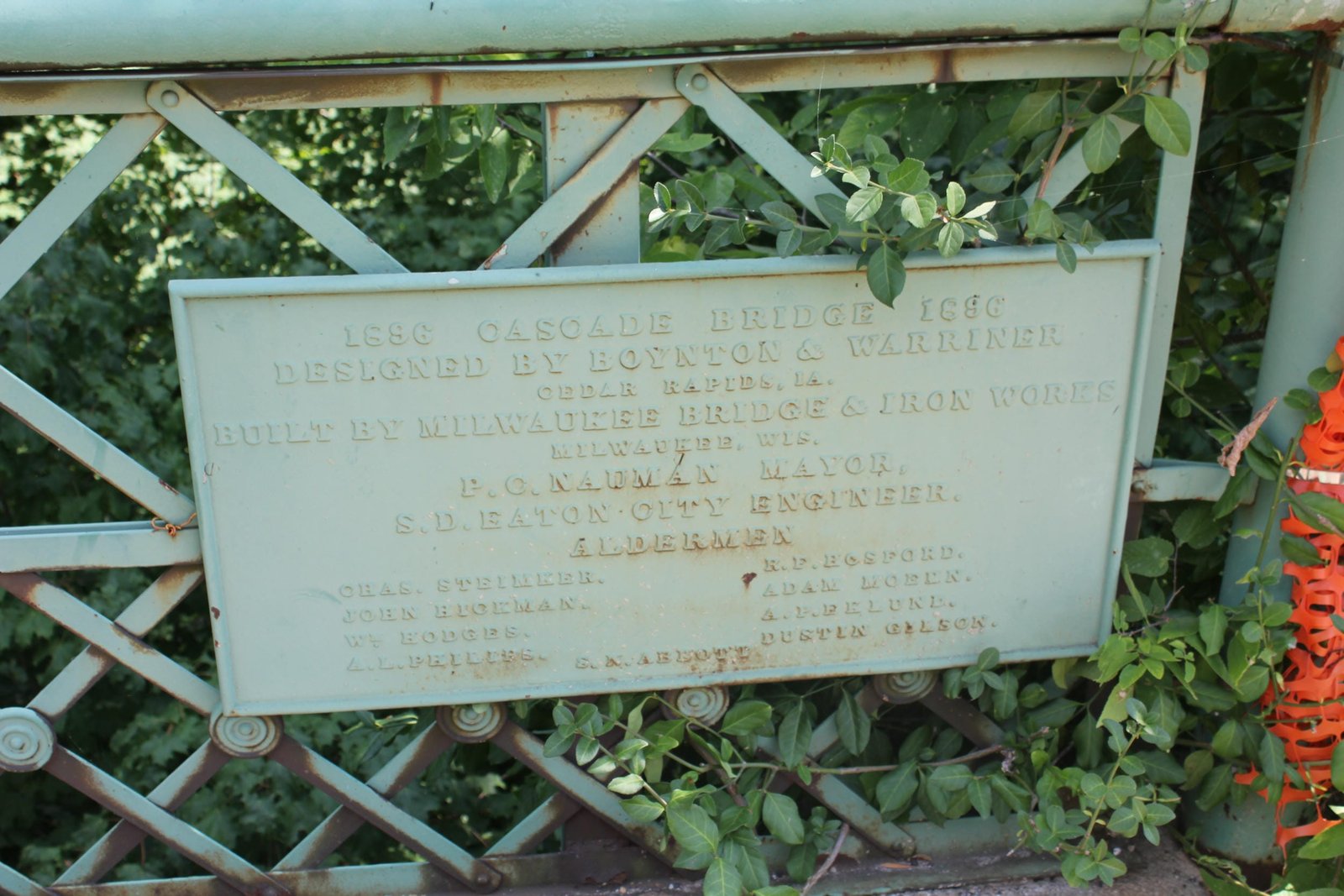
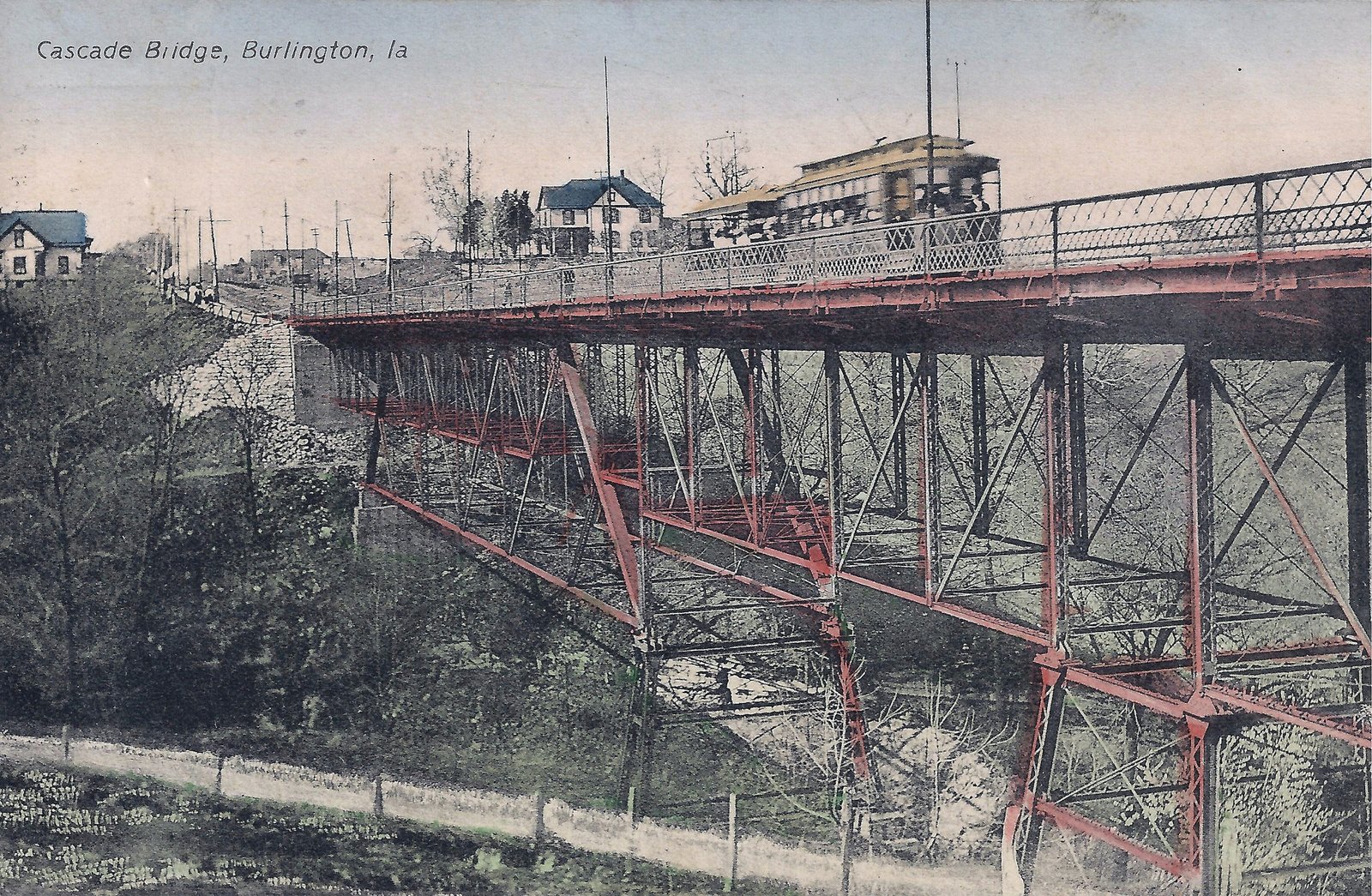
Work began at once, and the substructures were completed by August 27th. Delays forced the crews to work extra shifts to ensure the bridge was completed on schedule. During the construction, the contract was amended to also include the railings needed for the bridge. On September 15th, the superstructure of the bridge was completed, and the first wagons used the bridge on September 22nd. On September 26th, the streetcar line was completed and the first streetcar crossed the bridge. Only a few days later, the streetcar company was required to adjust the location of their electric poles to minimize hazards to the general public. The bridge quickly became a landmark for Burlington and was considered to be an engineering achievement. Engineering firm Boynton & Warriner completed the design of the bridge. The bridge was fabricated by the Milwaukee Bridge & Iron Works, while the substructures were constructed by city labor under the direction of City Engineer S.D. Eaton. Since the bridge was completed, it has underwent a handful of alterations. The street car tracks were removed from the bridge in approximately 1929. In 1953, the bridge underwent a significant rehabilitation. Several truss bearings were replaced, the concrete footings were repaired and the truss members were strengthened. One of the most notable alterations involved welding structural members at the lower connections. Further alterations were made in 1964, when the original timber deck was replaced with an open grid steel deck.
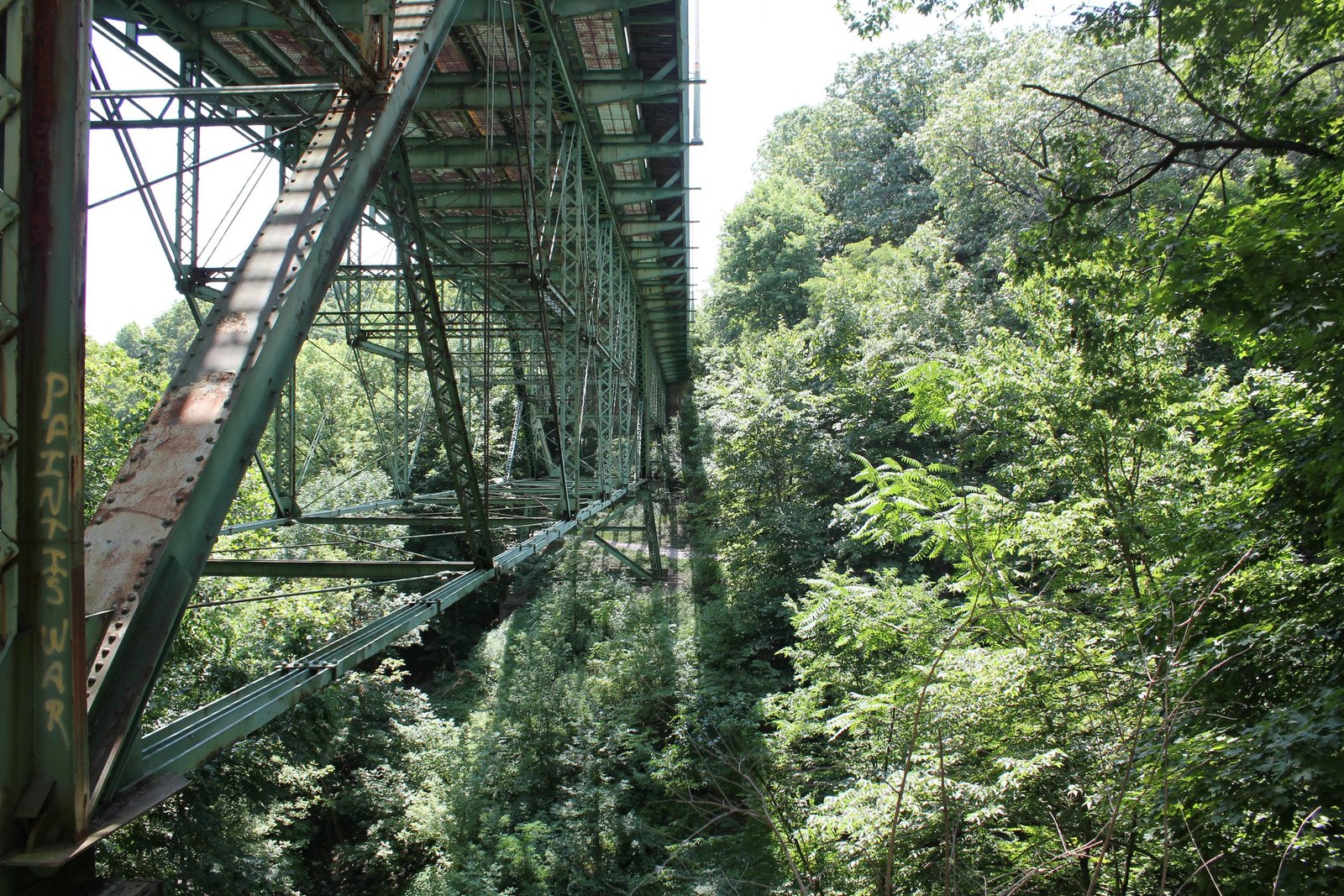
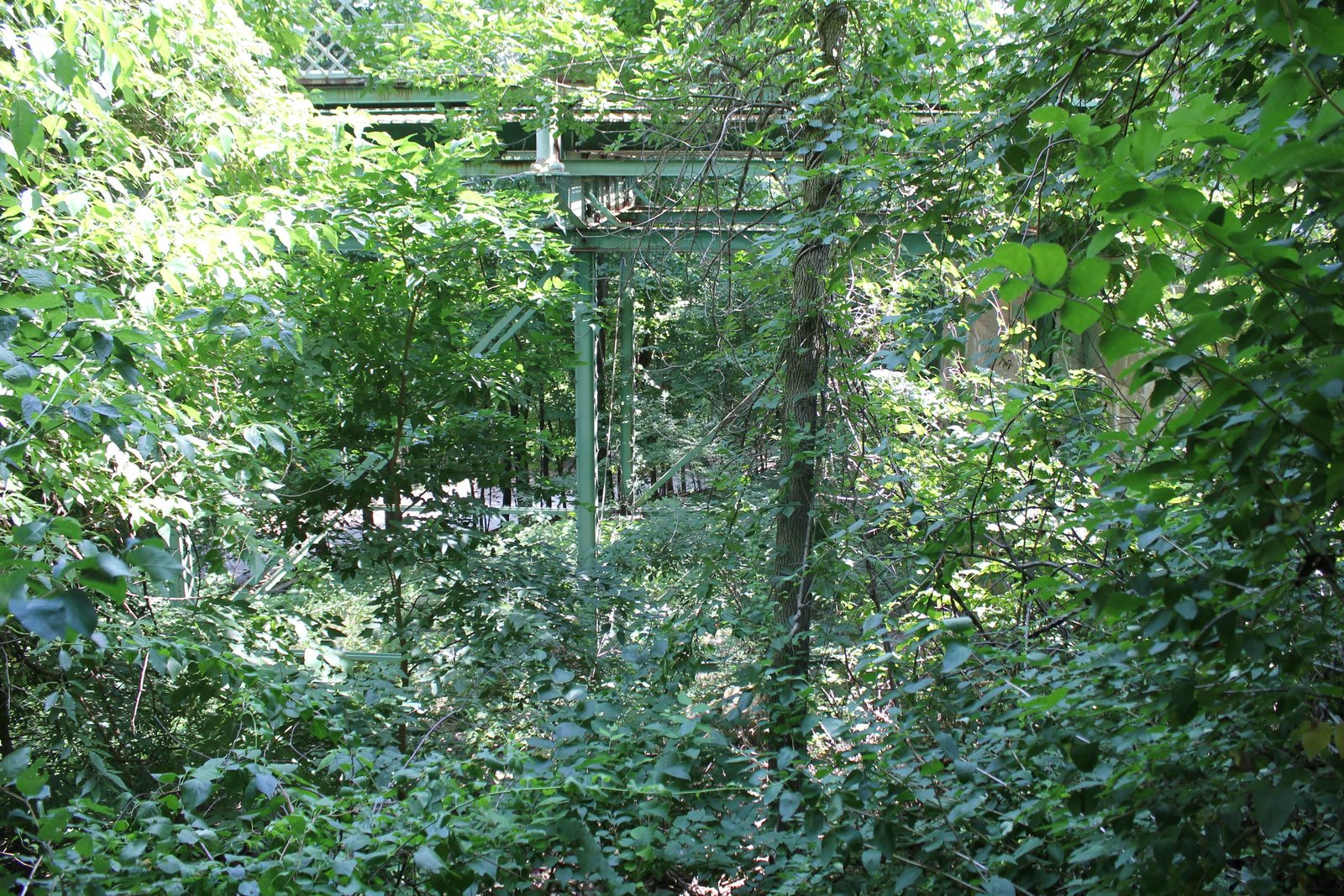
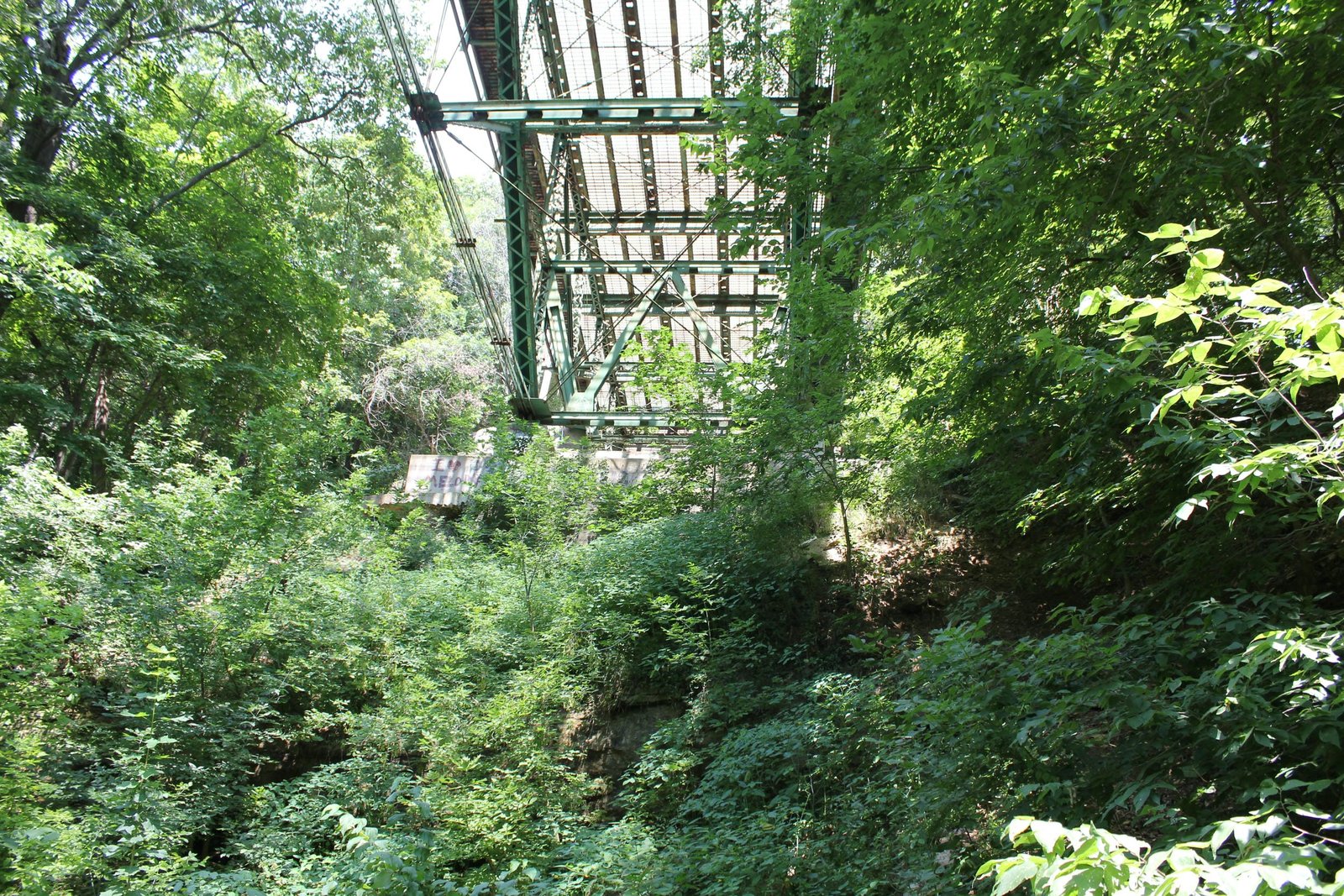
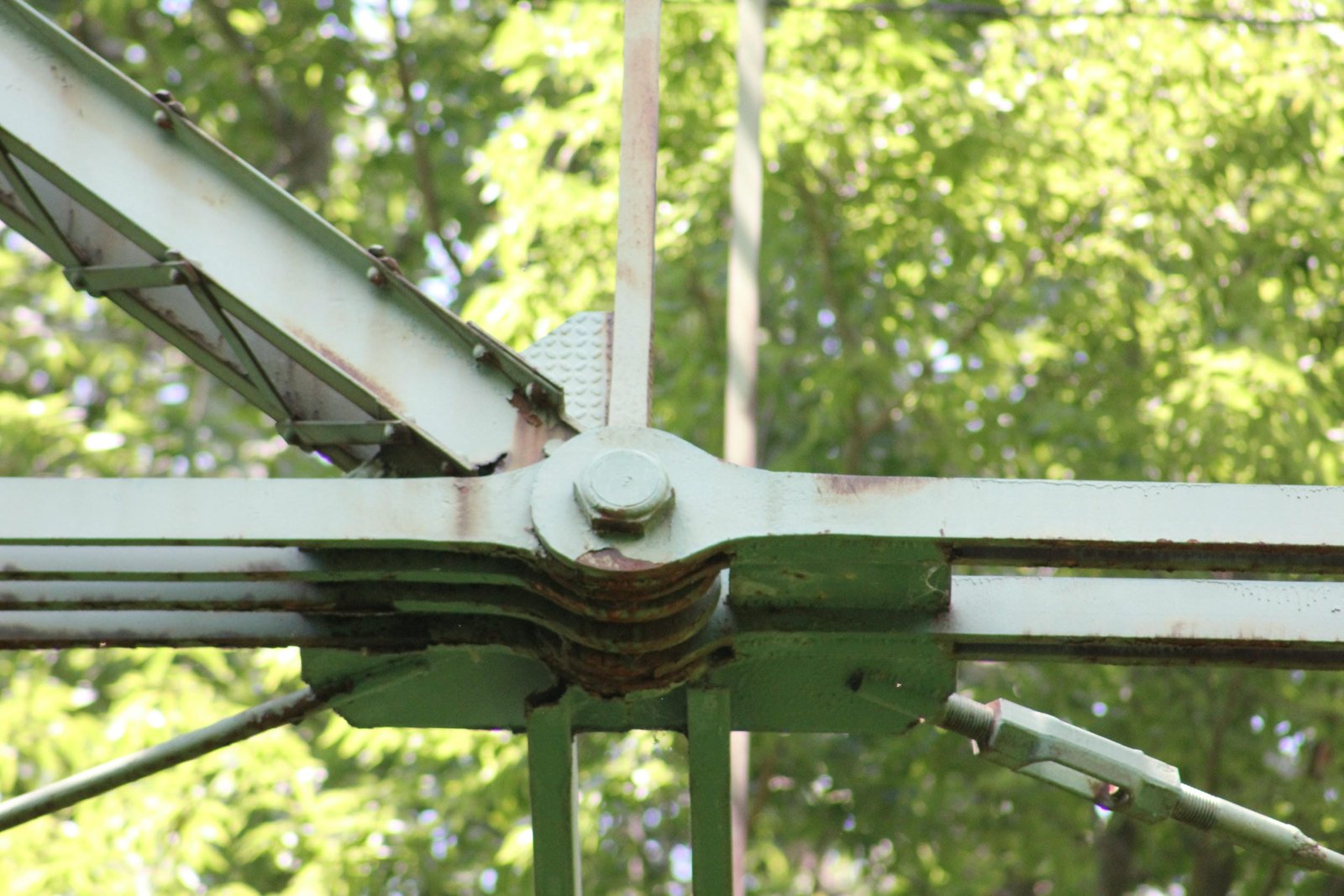
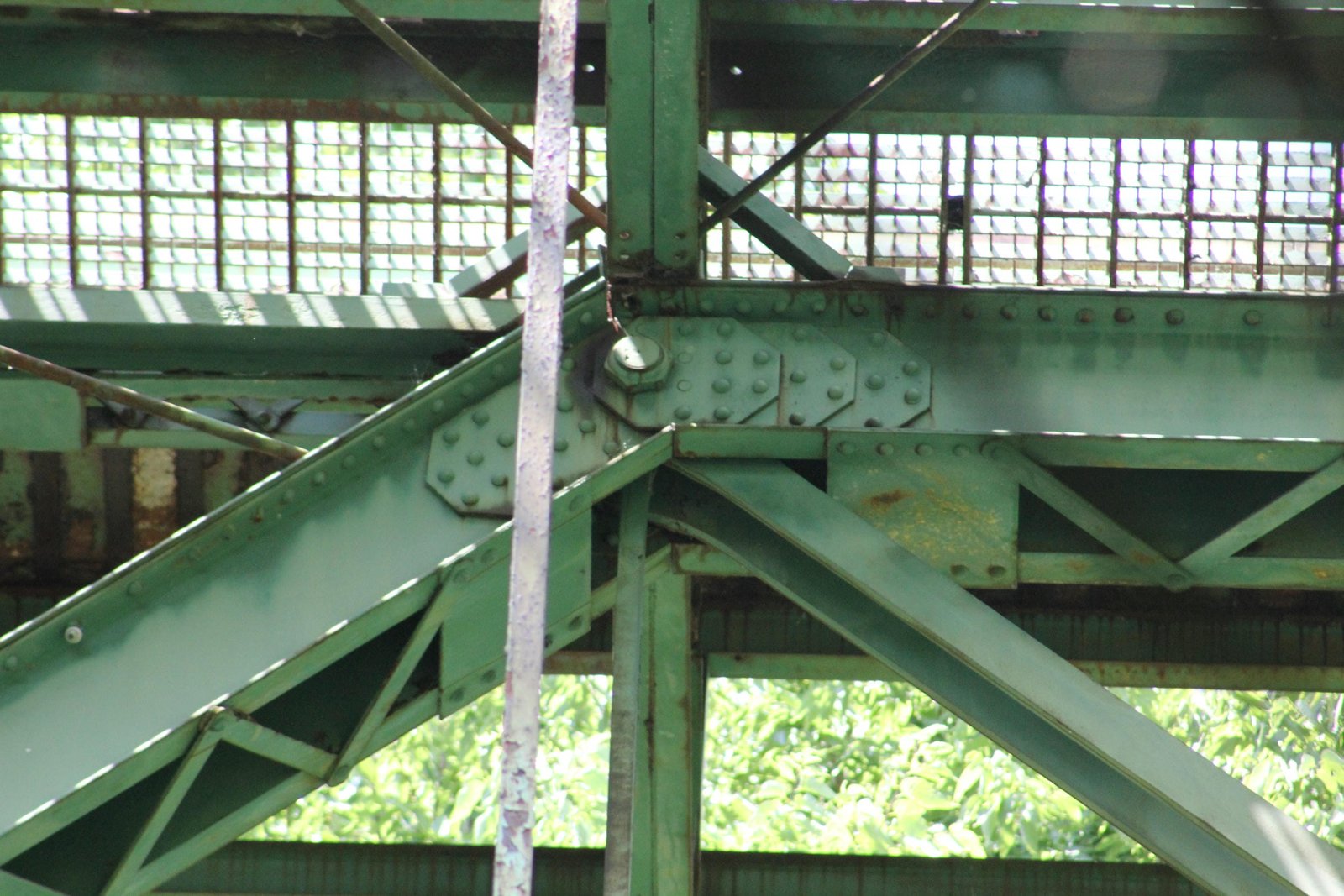
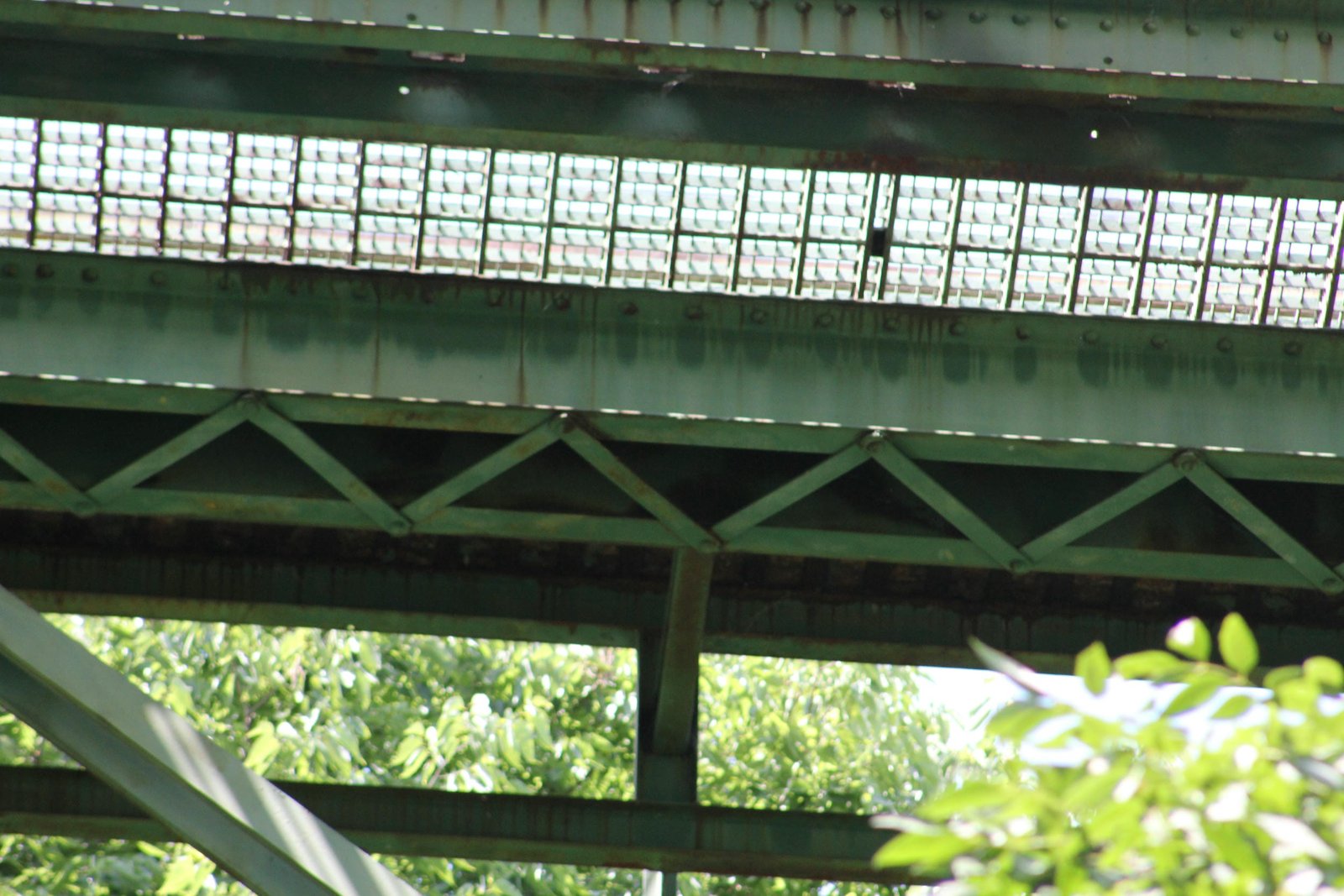
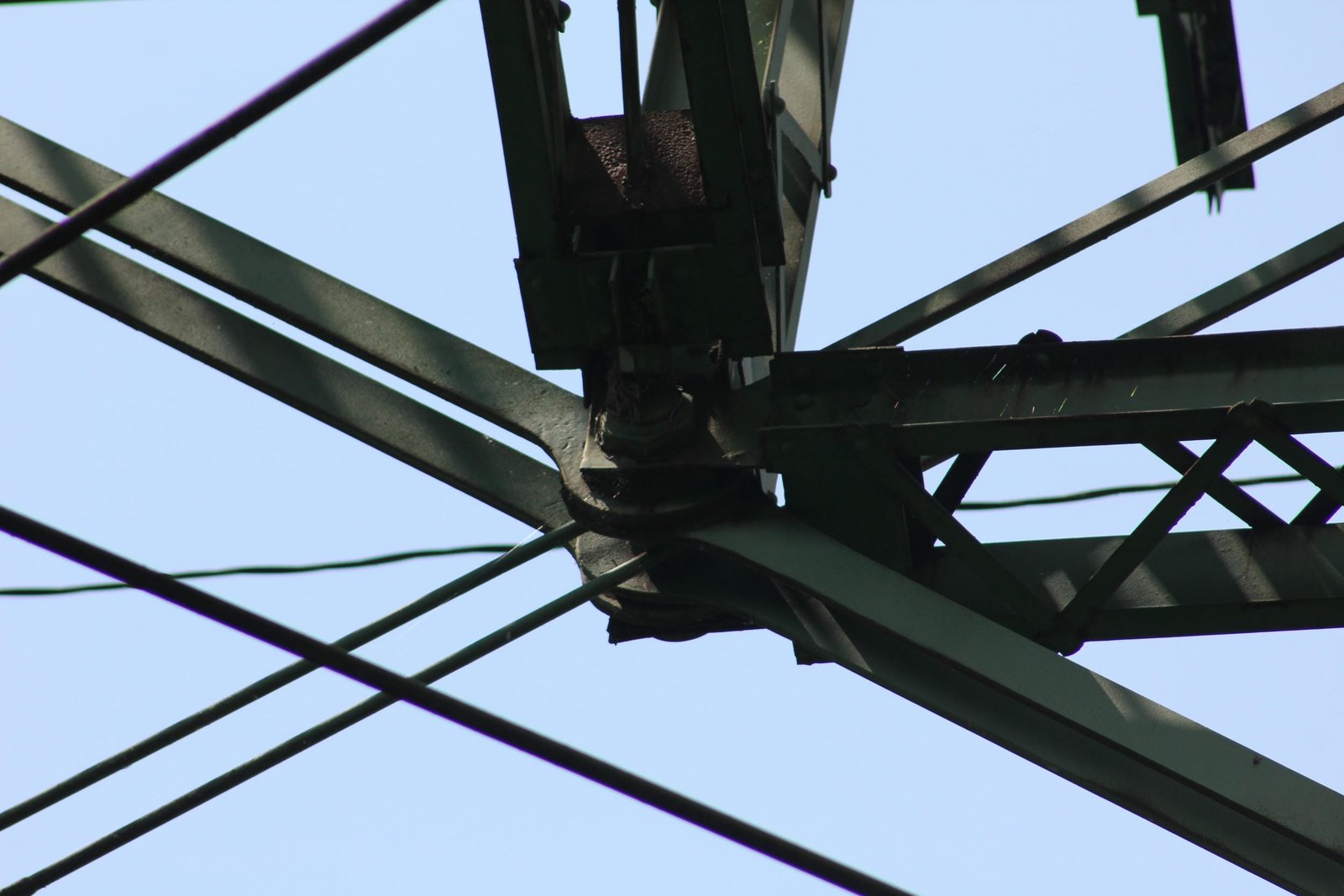
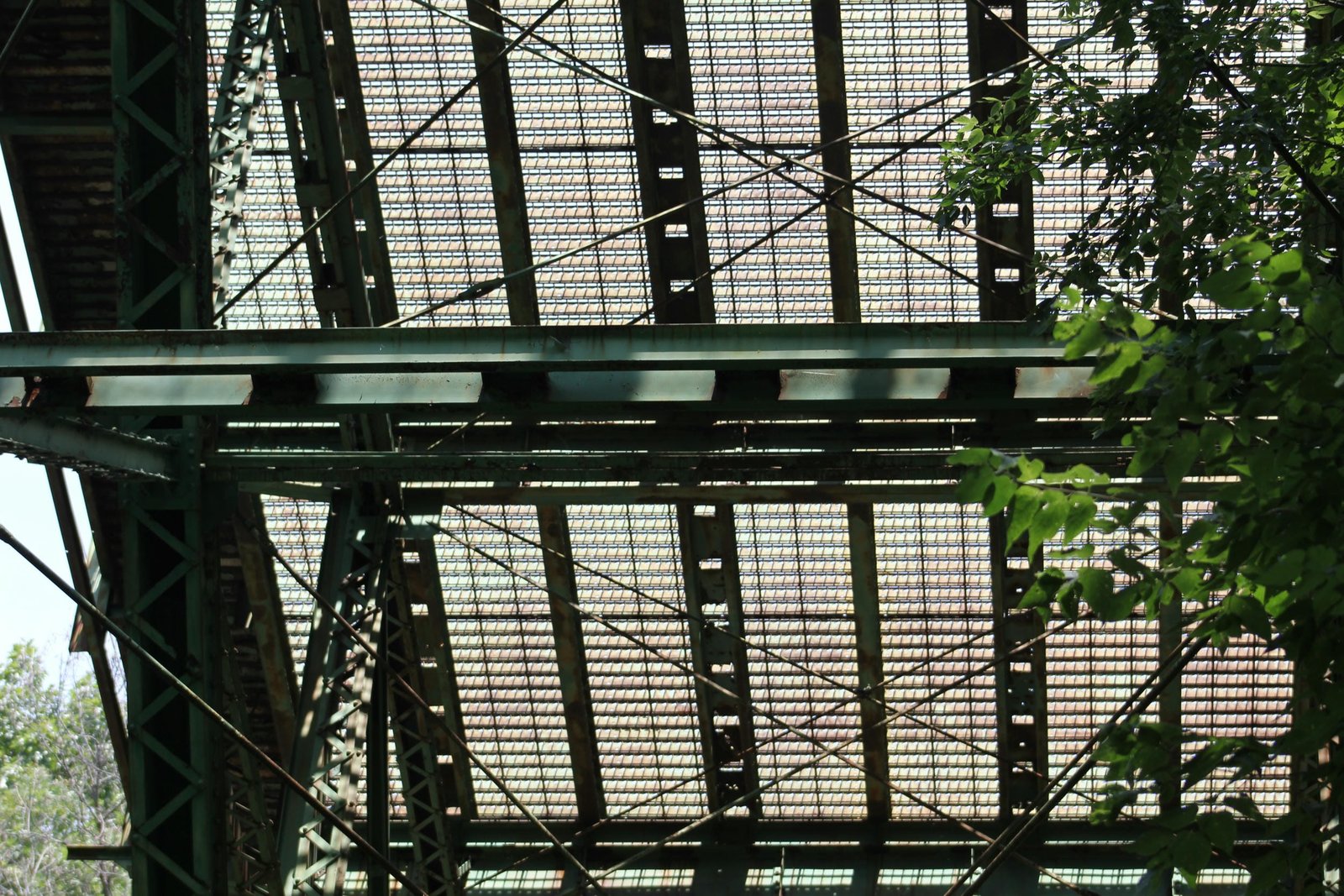
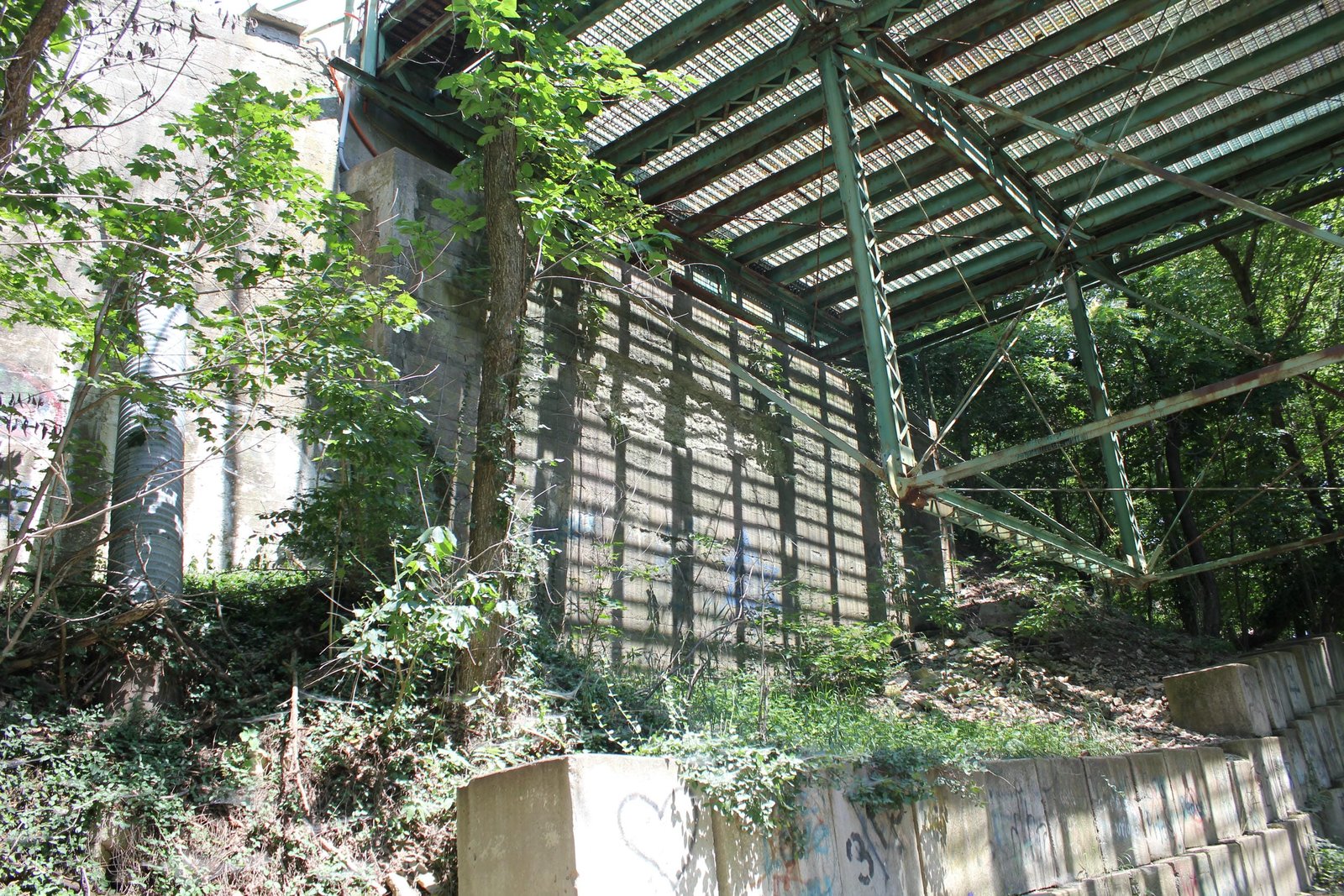
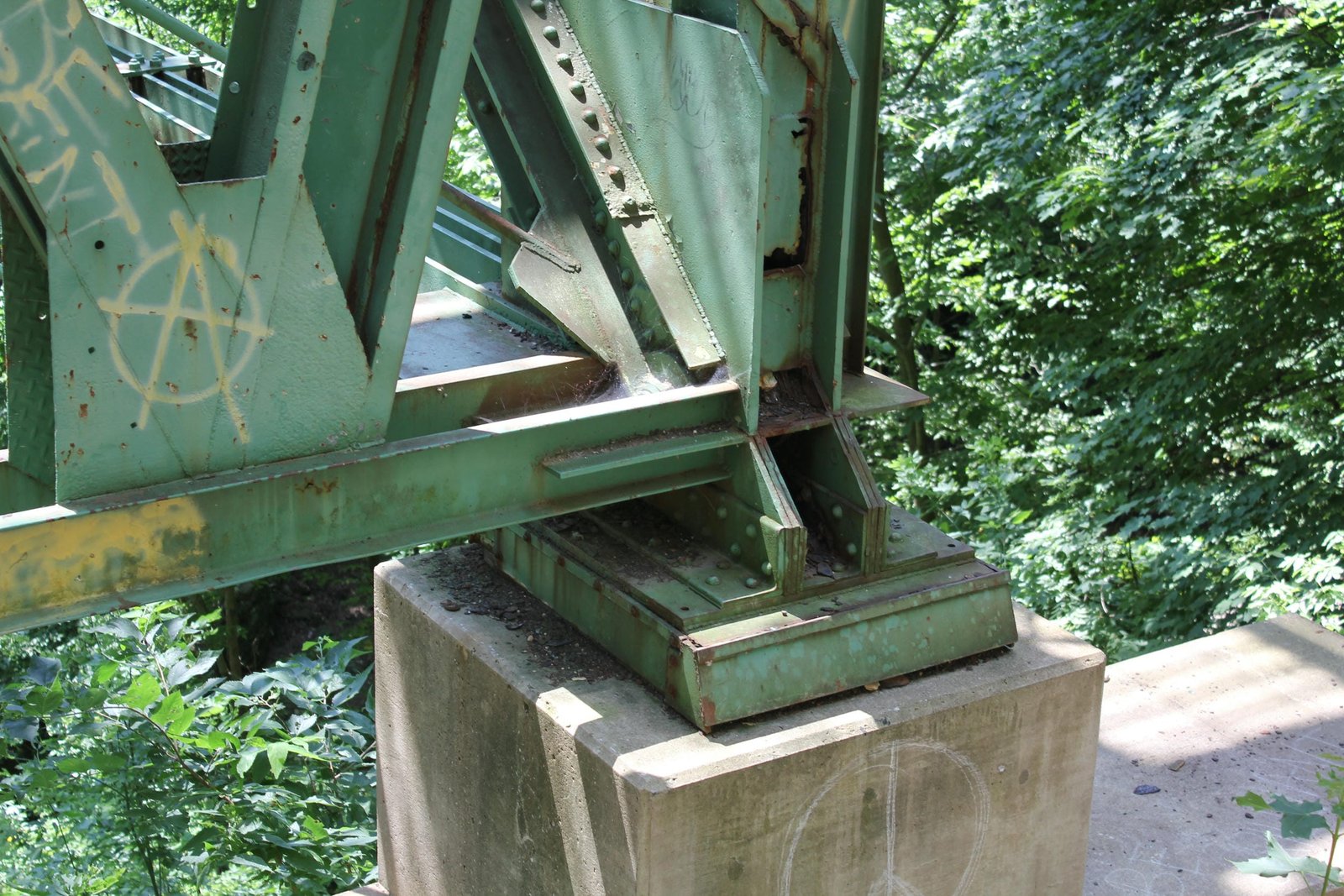
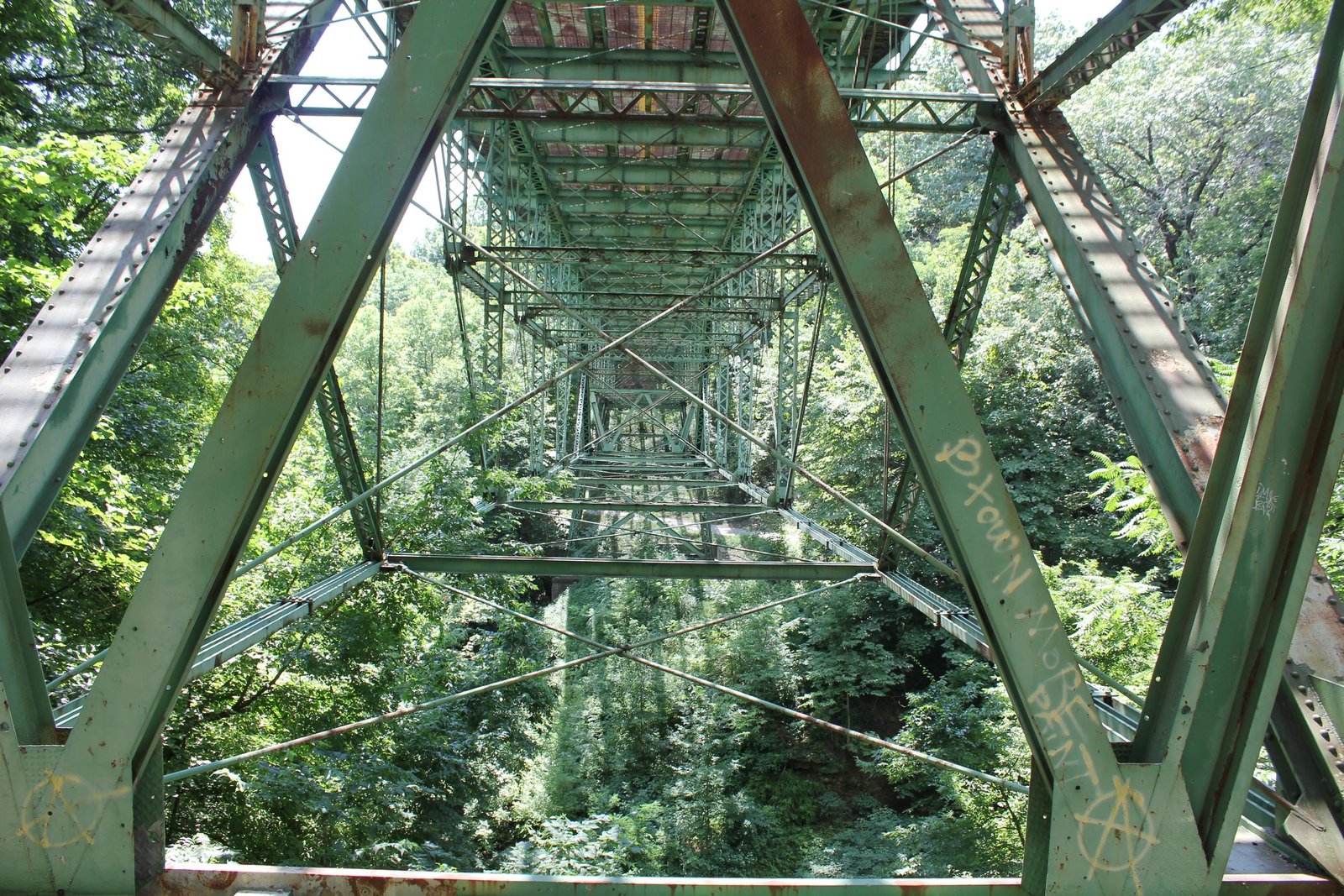
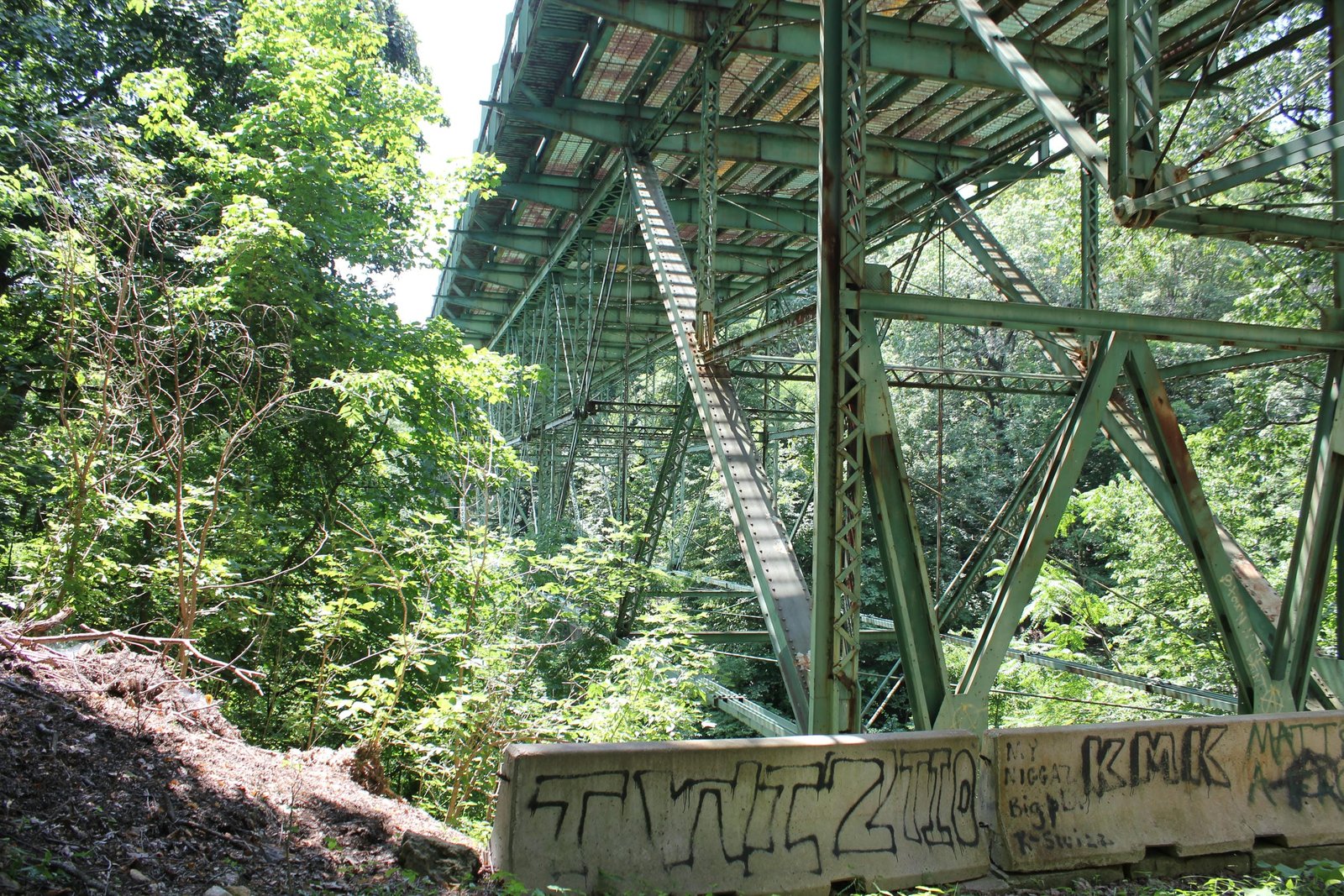
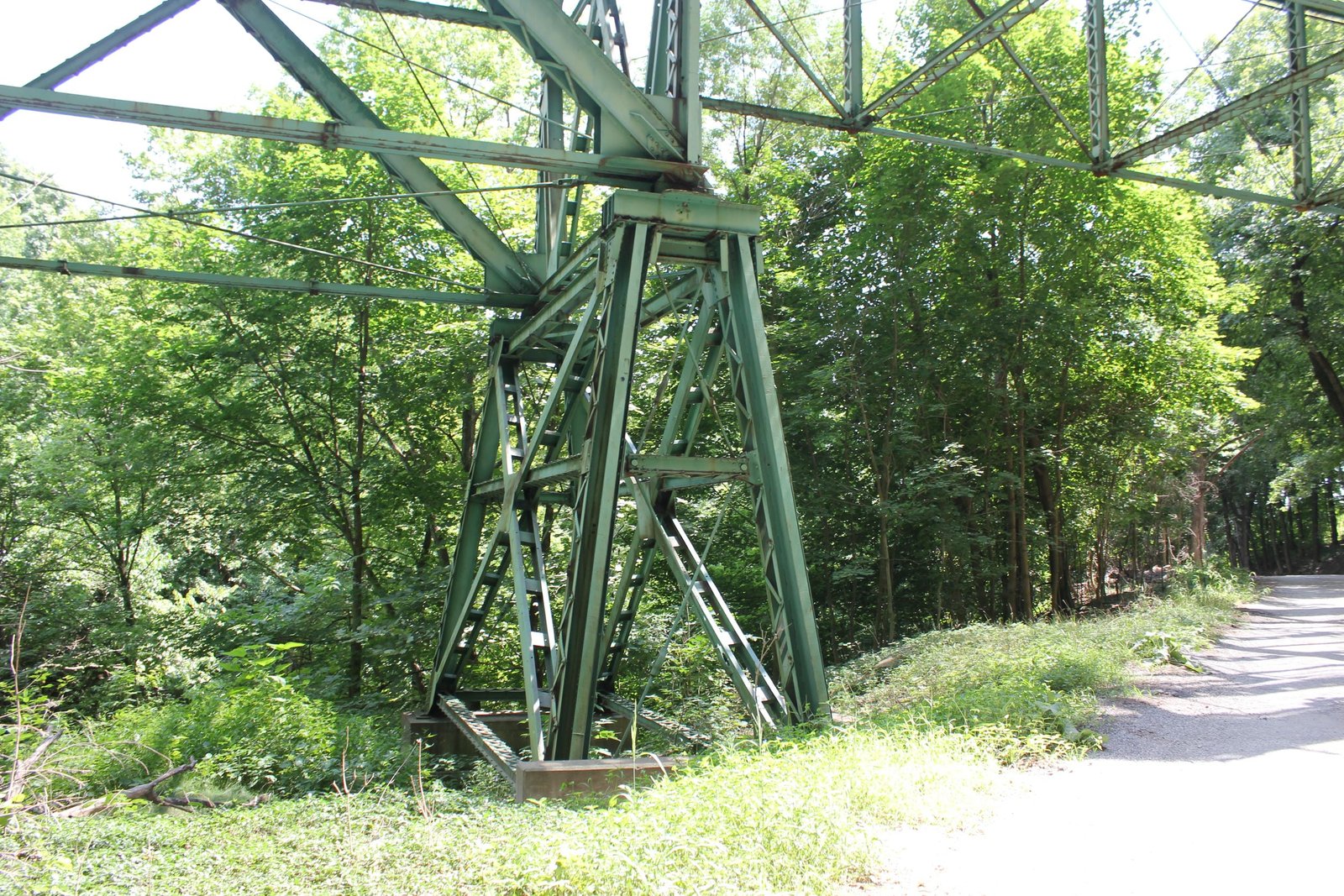
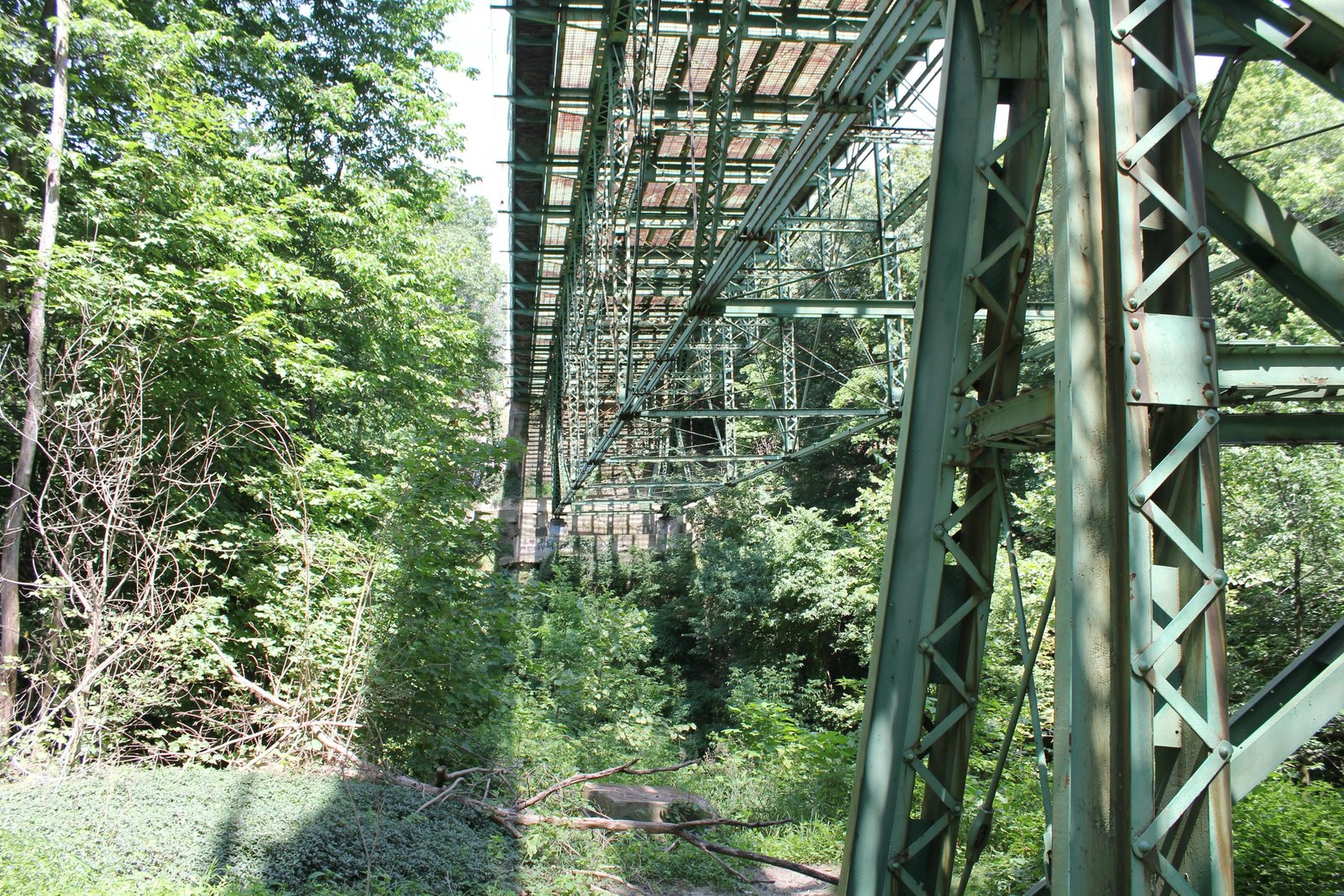
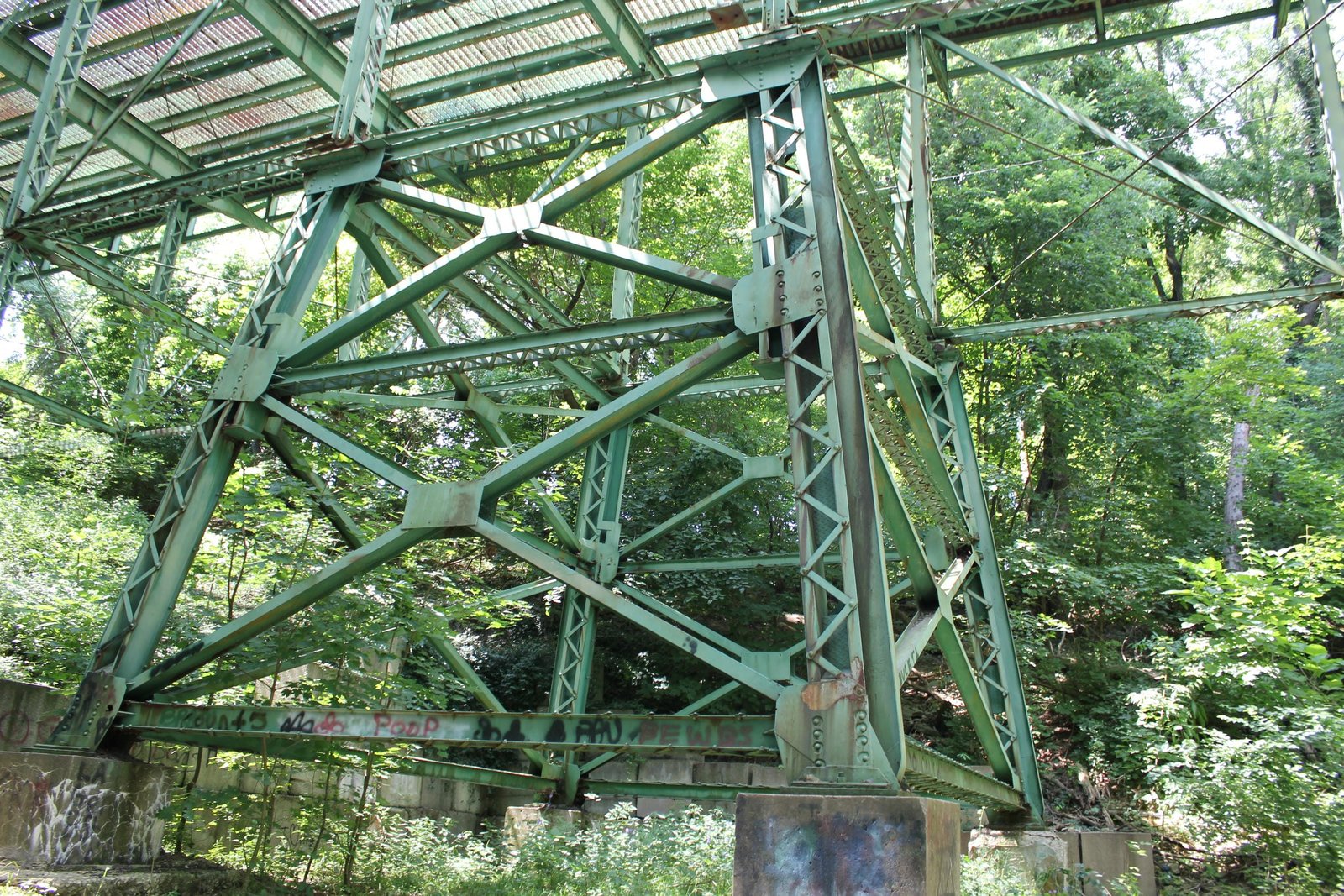
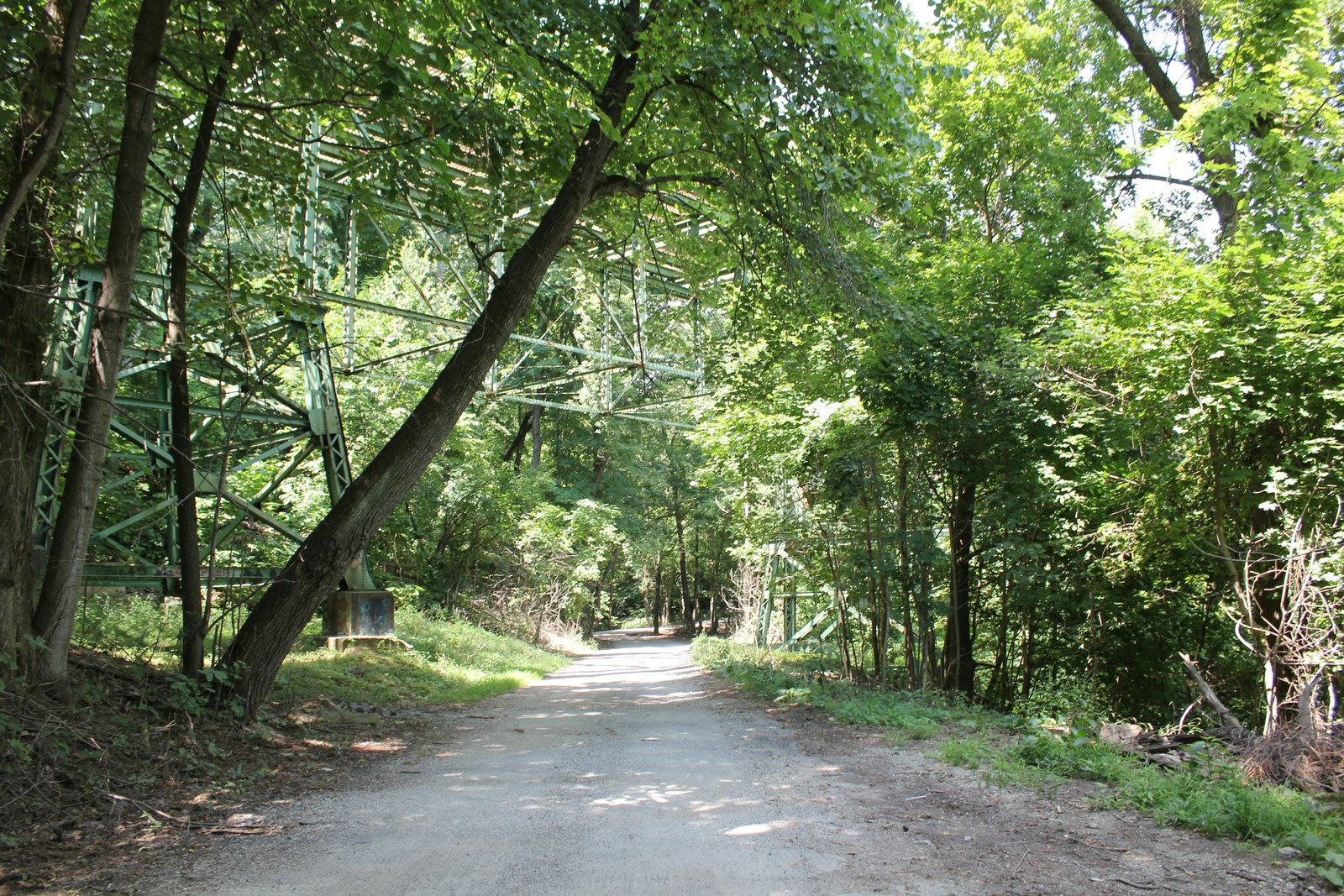
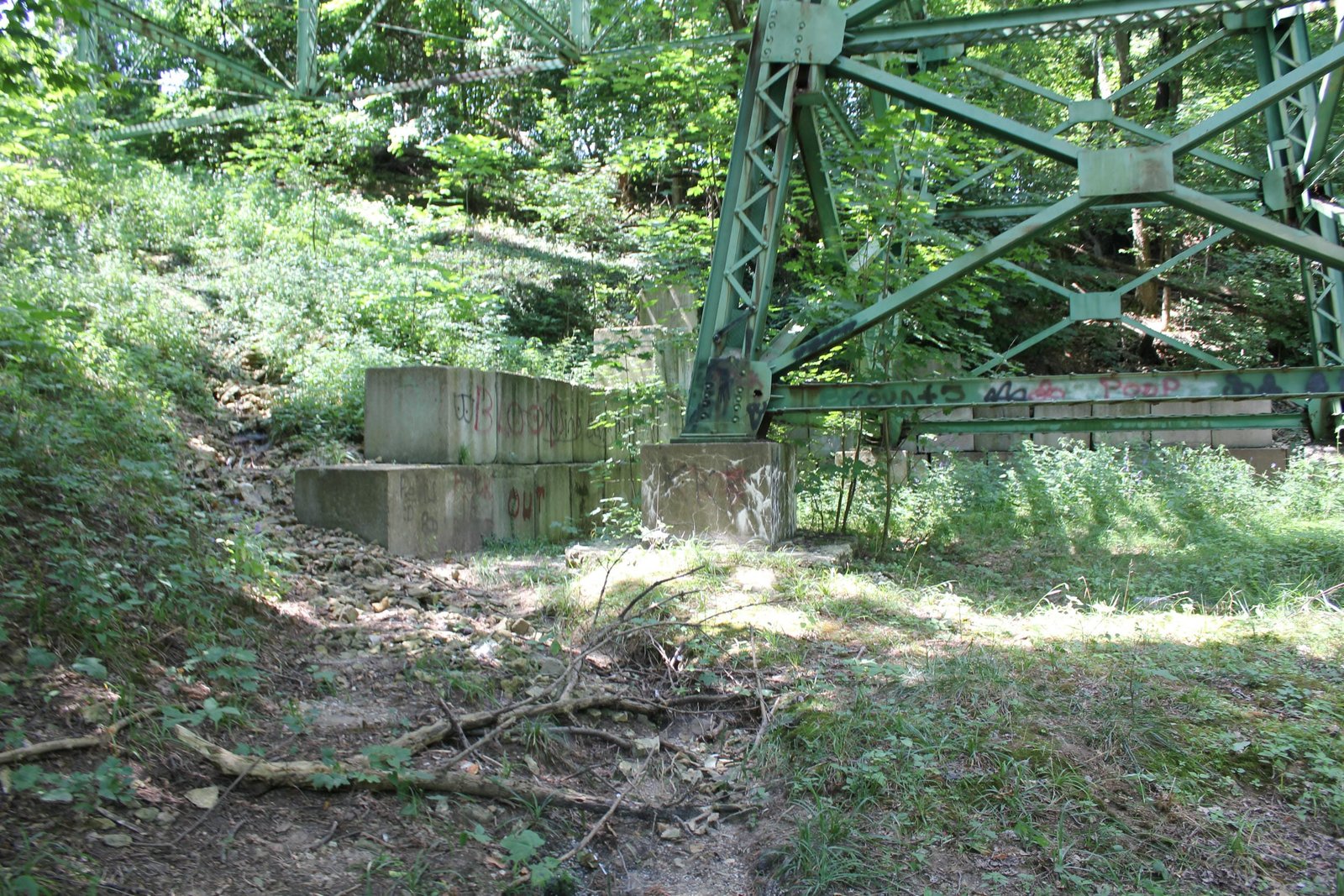
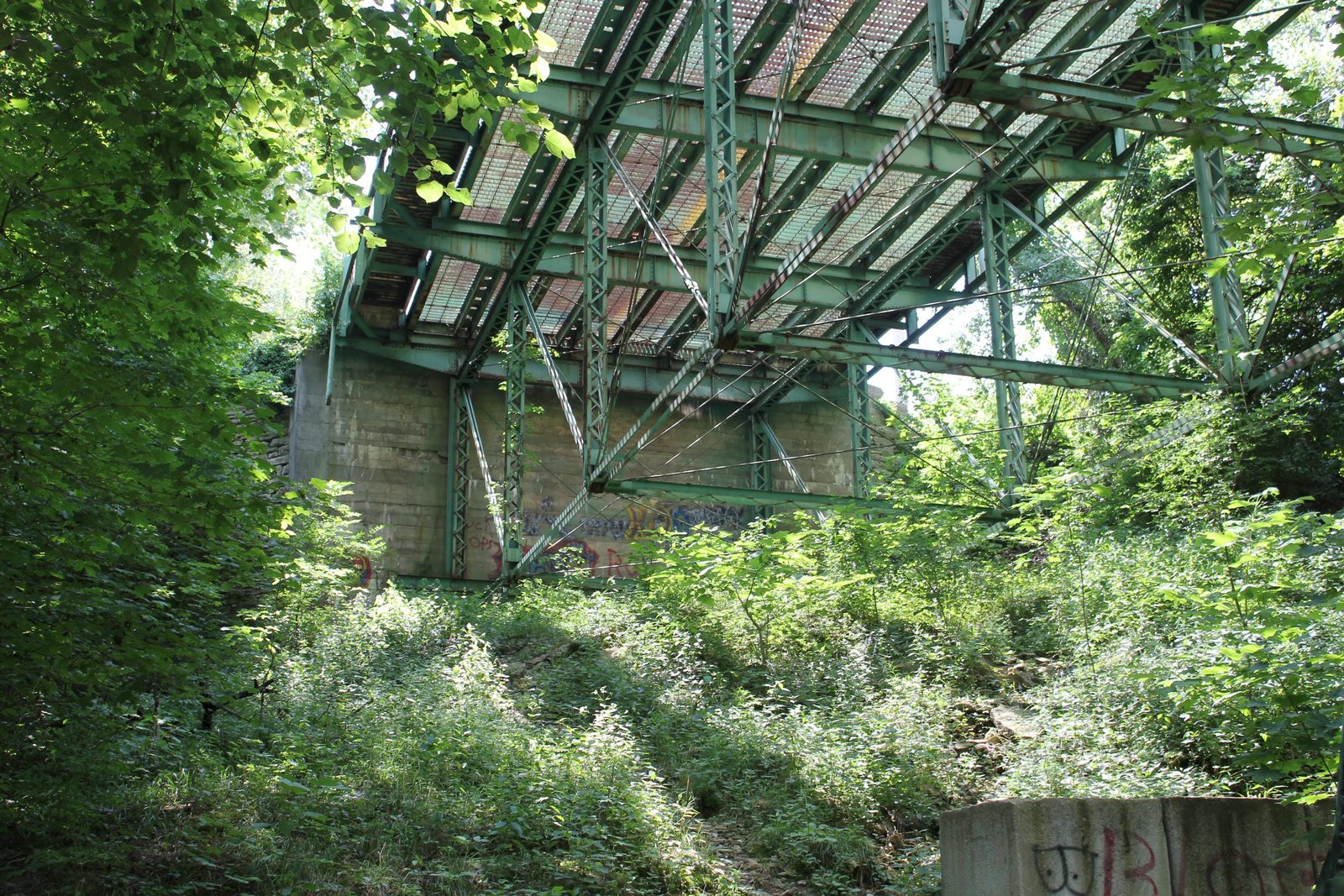
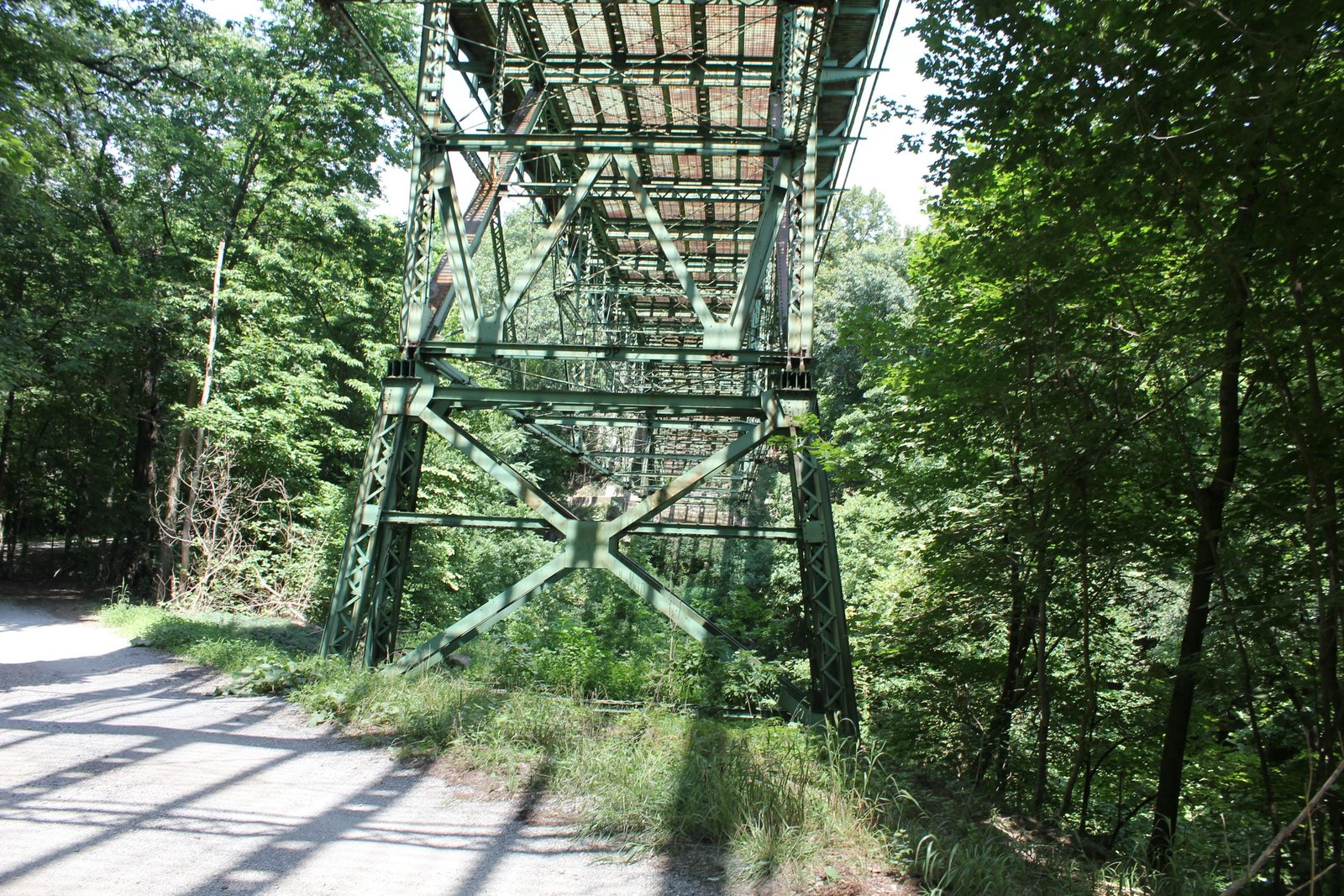
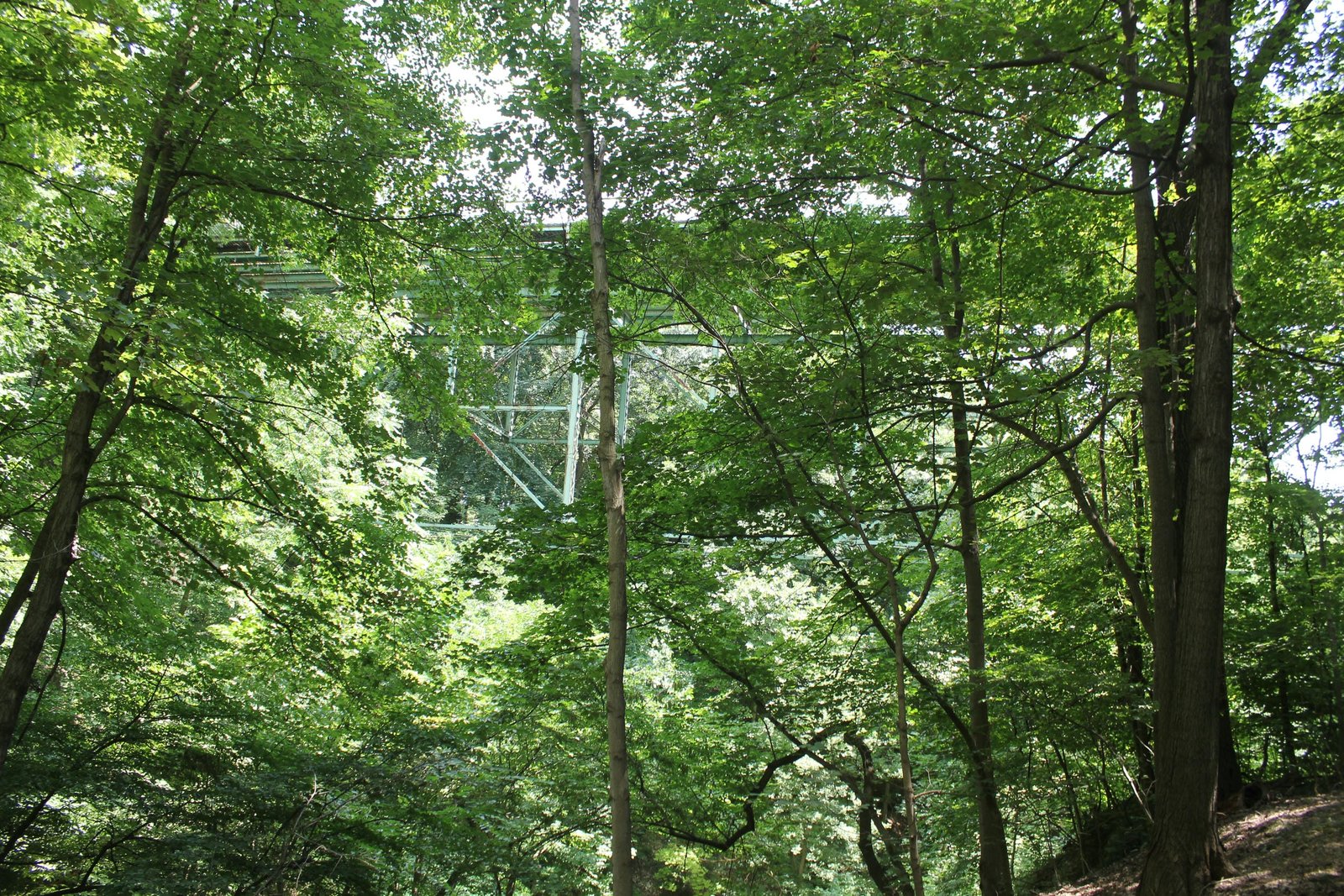
Currently, the bridge consists of four deck truss spans, set approximately 90 feet above the ravine. At the south end, there are two 90-foot, 5-panel, pin-connected Pratt deck trusses, constructed at a depth of 18 feet. The third span consists of a 204-foot, 12-panel, pin-connected Baltimore deck truss span, constructed at a depth of 30 feet. The northernmost span consists of a 60-foot, 4-panel, pin-connected Pratt deck truss, constructed at a depth of 18 feet. There is a significant gap between the two 90-foot truss spans, although the stringers continue across the gap. The bridge is supported by steel towers between the two 90-foot spans and at the south end of the 204-foot span. Both abutments and the south pier of the 204-foot span are constructed of concrete, and the towers are founded on concrete pedestals. The truss spans are typically constructed for roadway spans, although have several unusual features. All spans are composed of a series of V-laced members and eyebars, with some looped diagonal members in each of the trusses. The main span is unusual, as the inclined endposts cover two panels on each end, although the diagonal and vertical members continue above the endposts. The floorbeams consist of trapezoidal stringers, while the main roadway stringers consist of shallow beams. Both abutments and the north 204-foot span pier consist of concrete structures, which are mainly founded on bedrock and use different shapes. The railings consist of a decorative lattice design, which appears to be original to the bridge.
During the 1890s, many cities in the United States began to develop streetcar systems. Many of these systems doubled as transportation and utility companies. Sometime after 1874, the Burlington Street Railway Company and the Burlington City Railroad Company both opened a horse-driven streetcar system. In 1887, the systems became part of the Burlington Street Railroad Company. In 1891, the company was reorganized as the Burlington Electric Railway Company, with the intetion of replacing the horse-driven cars with electric cars. The Burlington Railway & Light Company was formed in 1897 to purchase the predecessor companies and expand the system. This company lasted until 1901, when it became the Peoples Gas & Electric Company. In 1912, the company was again reorganized as the Burlington Railway & Light Company; and was once again reorganized as the United Utilities Corporation in 1921. In 1924, the system became the Iowa Southern Utilities Company. In 1929, the streetcars were shut down and completely replaced with motorized buses. While it is unclear if any bridges were constructed by the streetcar companies, several bridges were constructed for shared use. After the streetcars ceased operations, the double track rails of this bridge were covered by steel plates. It is believed the tracks were removed when the steel grate deck was installed.
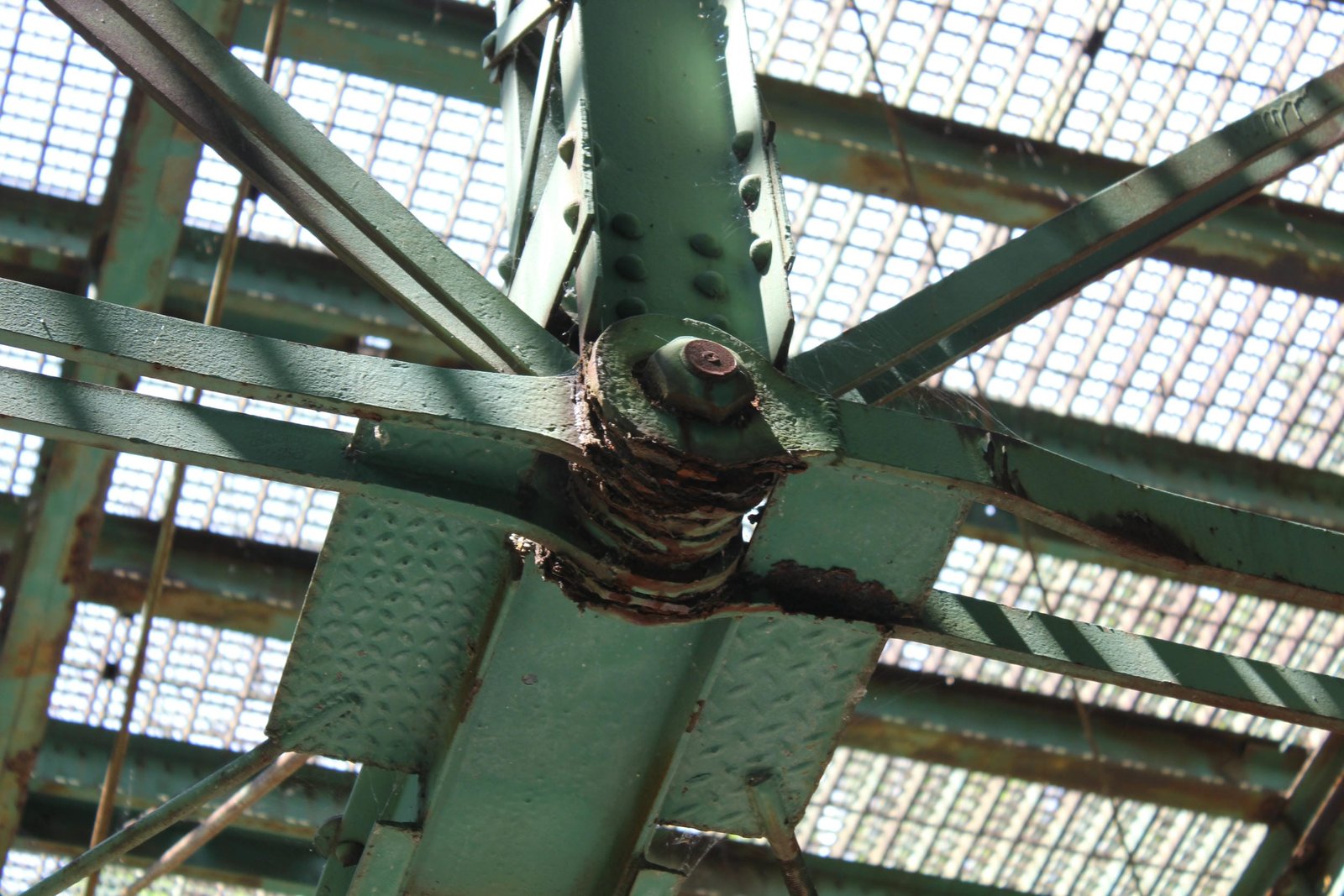
One significant consequence of installing a steel grate deck is the ability for road salt to drip into the truss elements. A 1995 inspection recommended welding the remaining connections and rehabilitating the bridge, which would extend the life of the structure. These recommendations were never adhered to, and in 2008 the bridge closed to all traffic. After years of debate, the bridge was scheduled for replacement with a completely new structure. As of late 2026, the bridge will be demolished in the summer of 2027. The proposed replacement is unlikely to bear any resemblance to the historic structure, or incorporate any historic elements. Overall, the bridge is in poor condition, with significant corrosion and section loss, primarily at the joints. Unfortunately, the condition of the bridge has resulted in too severe of deterioration to fix. The author has ranked the bridge as being highly significant, as it is a unique example of a deck truss in this part of Iowa. This bridge is yet another National Register of Historic Places-listed bridge that will be demolished in Iowa due to neglect.
Citations
| Build date and builder and engineer | Plaque |
| Railroad History Citation | ICC Valuation Information, Compiled by Richard S. Steele |