

Click the photo to view the full-size version
| Name | UP Davisons Creek Bridge Chicago & North Western Railway Bridge #439 |
| Built By | Chicago & North Western Railway |
| Currently Owned By | Union Pacific Railroad |
| Superstructure Contractor | American Bridge Company of New York |
| Substructure Contractor | Cleary-White Construction Company of Chicago, Illinois |
| Length | 55 Feet Total |
| Width | 2 Tracks |
| Height Above Ground | 10 Feet (Estimated) |
| Superstructure Design | Deck Plate Girder |
| Substructure Design | Concrete |
| Date Built | 1911 |
| Date Replaced | 2013 |
| Traffic Count | 0 Trains/Day (Bridge has been Replaced) |
| Current Status | Replaced by a new bridge |
| Chicago & North Western Railway Bridge Number | 439 |
| Union Pacific Railroad Bridge Number | 145.12 |
| Significance | Local Significance |
| Documentation Date | 6/30/2013 |
In 1856, the Chicago, Iowa & Nebraska Rail Road (CI&N) began construction on a new mainline across Iowa, connecting an existing Galena & Chicago Union Railroad (G&CU) line at Fulton, Illinois to the Missouri River. To establish construction, a temporary ferry was installed across the Mississippi River at Clinton in 1856. In 1857, the first 44 miles were completed to Wheatland, Iowa. The following year, 20 miles were completed to Lisbon, Iowa; and in 1859, an addition 17 miles were completed to Cedar Rapids, Iowa. In 1861, the Cedar Rapids & Missouri River Railroad (CR&MR) constructed an additional 41 miles to Chelsea, Iowa; followed by 29 miles to Marshalltown, Iowa in 1862. After pausing in 1863, an additional 29 miles were completed to Nevada, Iowa in 1864, followed by 23 additional miles to Boone, Iowa in 1865. In 1864, both the CI&N and CR&MR were leased by the Chicago & North Western Railway (C&NW). In 1867, the line continued west from Boone, reaching the Missouri River at Council Bluffs, Iowa in 1867.
During the second half of the 19th Century, the C&NW had constructed and acquired a large amount of trackage throughout the Midwest. This line formed a principal mainline for the C&NW, connecting western railroads at Omaha to the railroad hub of Chicago. In 1884, the C&IN and CM&MR were formally acquired by the C&NW. In 1887, the Linn County Railway (LC) constructed a 6-mile cutoff, bypassing Cedar Rapids to the south between Otis, Iowa and Beverly, Iowa. At the end of the year, the LC was formally acquired by the C&NW. During the late 19th Century, several other improvements were made to this line. Between 1890 and 1891, a second track was constructed between Clinton and Lowden, Iowa; and between Libson and the Cedar River bridge. Between 1893 and 1894, a second track was constructed between Lowden and Lisbon. A second track was added to the original mainline through Cedar Rapids in 1898, and between 1898 and 1899, a second track was constructed between the Cedar River bridge and the west side of Marshalltown. In 1901, a second track was completed between Marshalltown and Boone, and new facilities were constructed at Boone. Throughout the 20th Century, the Cedar River bridge remained a gauntlet structure, severely hindering efficient operations.
By the 20th Century, the C&NW was operating an extensive railroad network, which radiated north and west from Chicago. This line served as the backbone of the C&NW, connecting transcontinental freight and passengers at Omaha to Chicago. Known as the Overland Route, this line became one of the most significant railroad routes in the United States. This route saw continuous upgrades during the 20th Century, including significant bridge, rail, tie and signal upgrades. In 1995, the C&NW was purchased by Union Pacific Railroad (UP). In 2002, UP constructed a second track at the Cedar River bridge, eliminating a single track bottleneck in the network. Today, this line remains vital to UP and is still well maintained. The Clinton to Boone segment is known as the Clinton Subdivision, and remains a heavily used double track mainline.
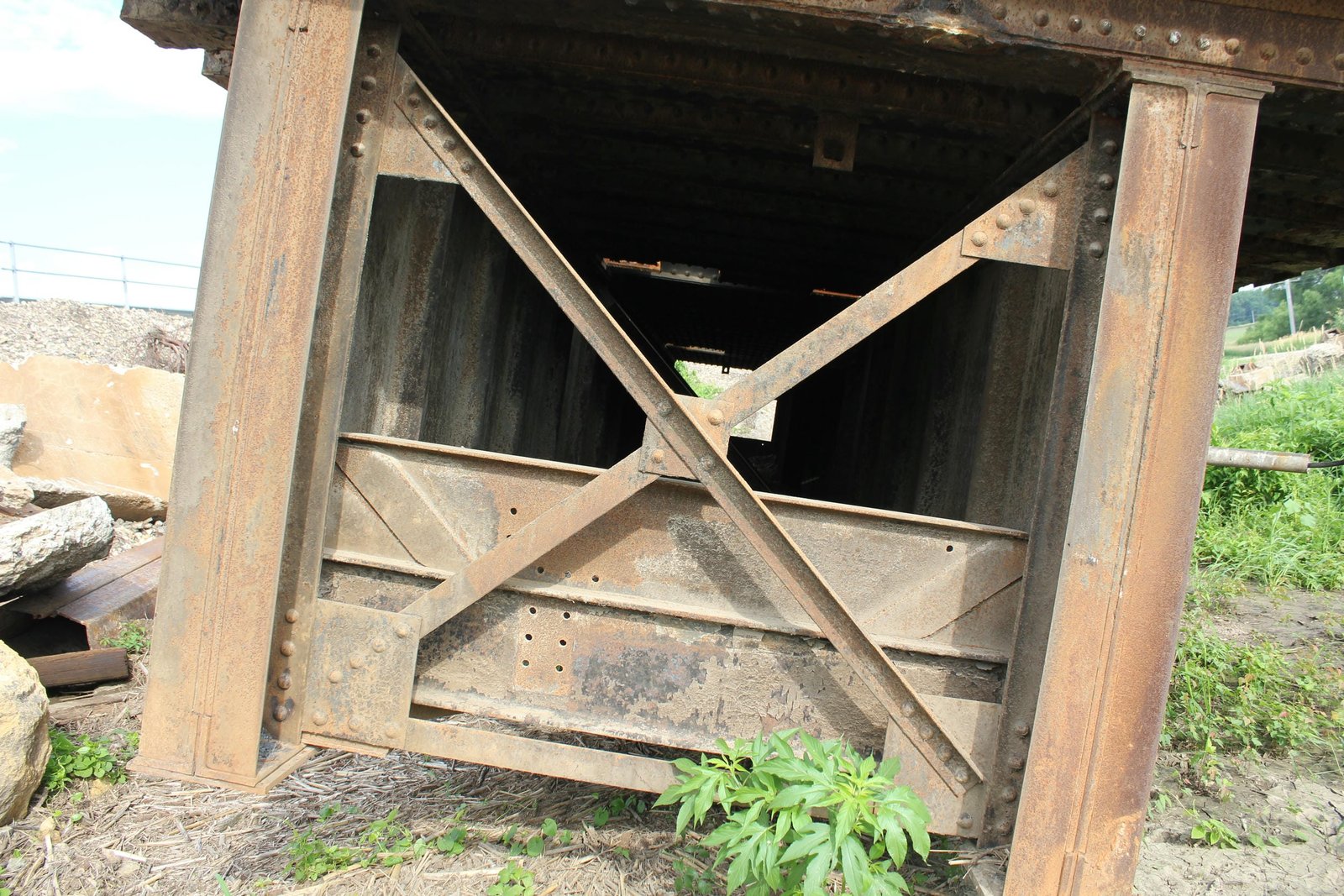
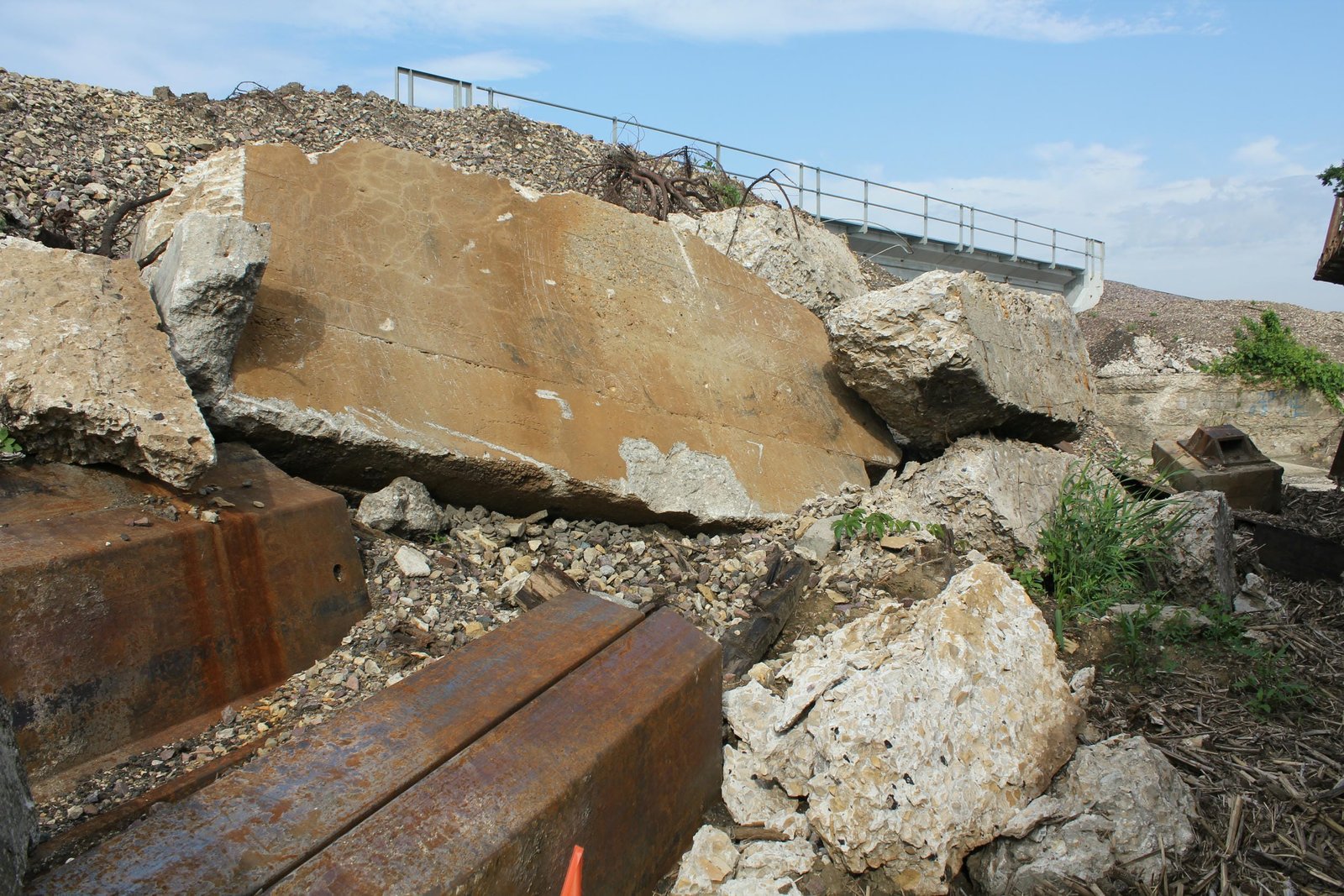
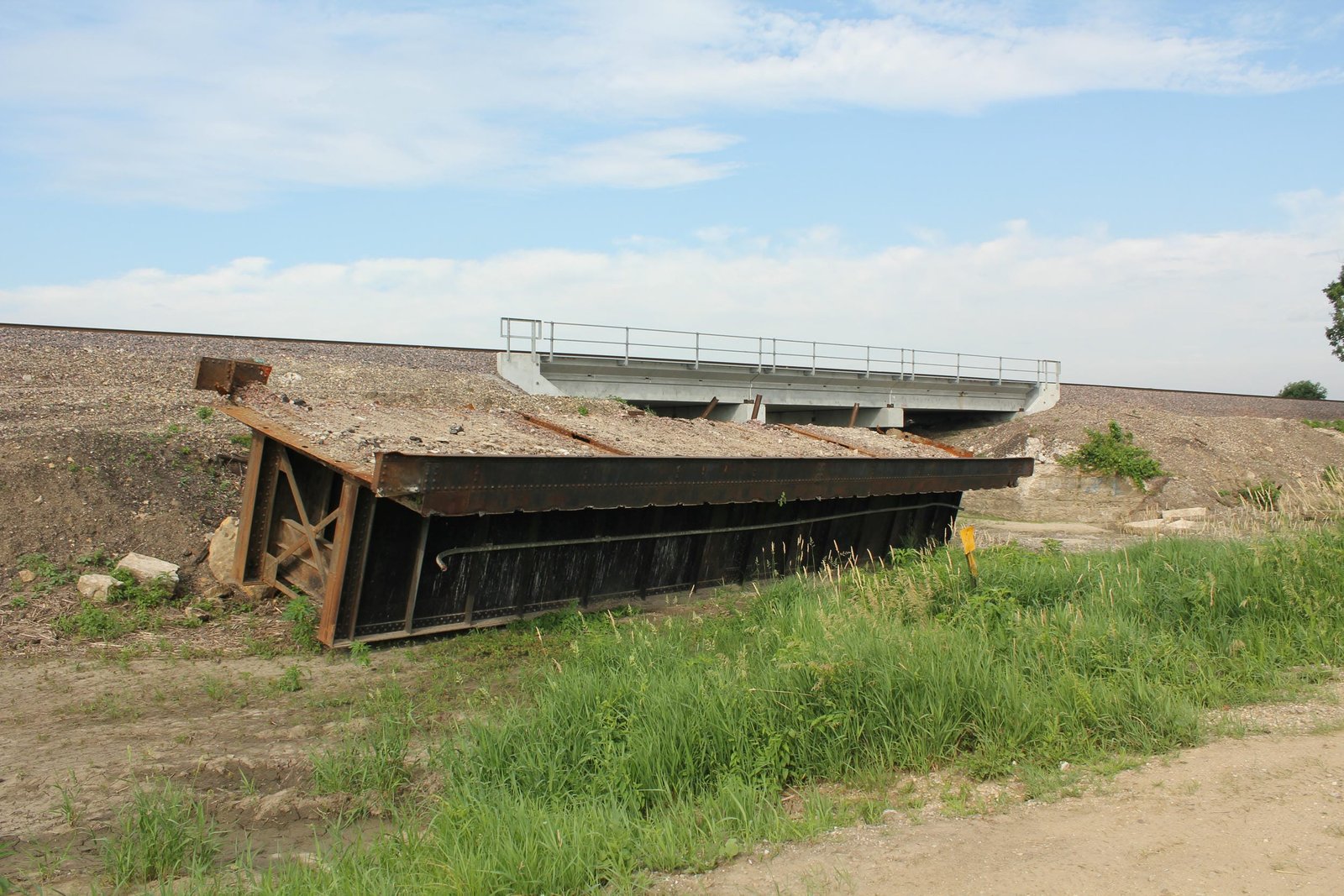
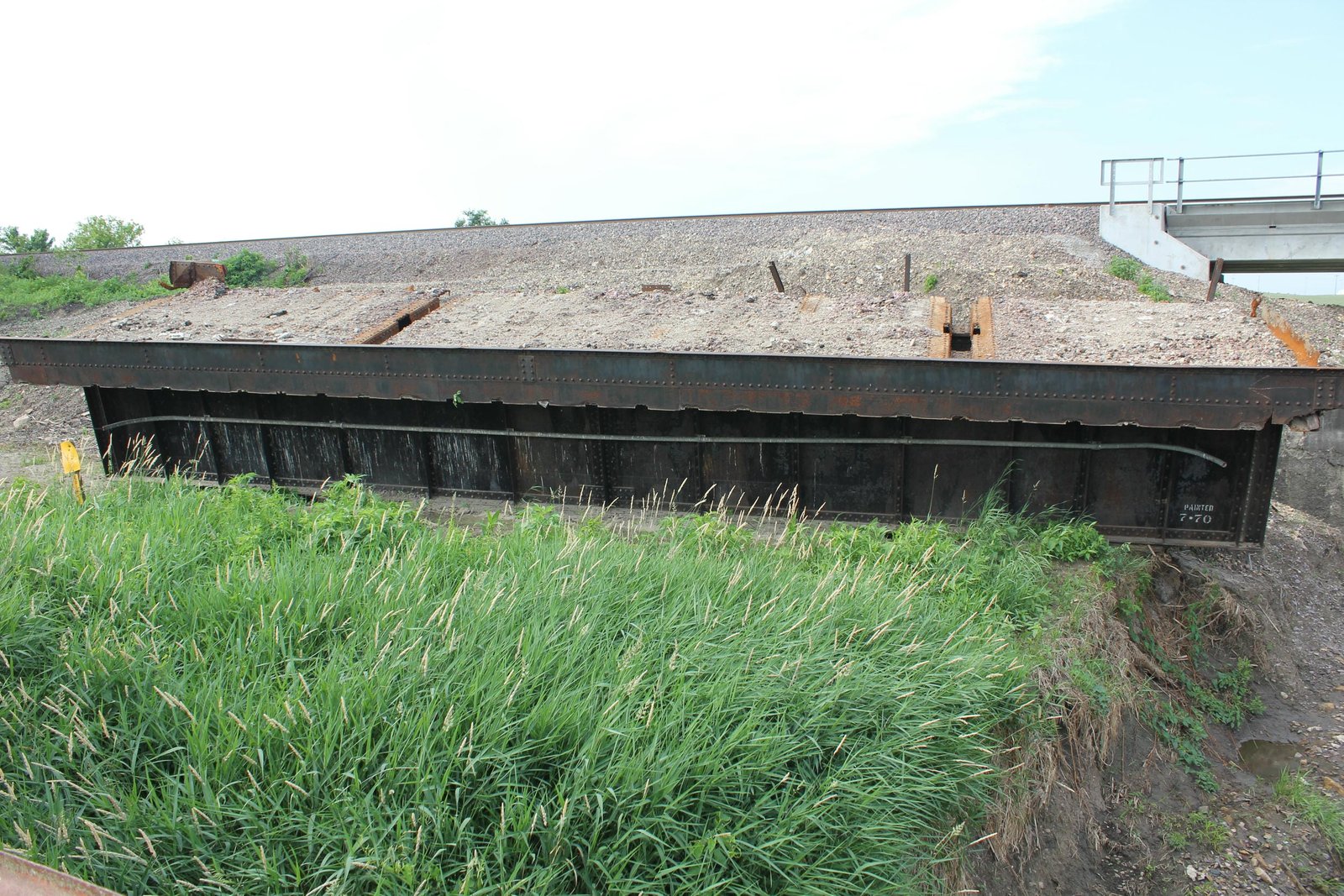
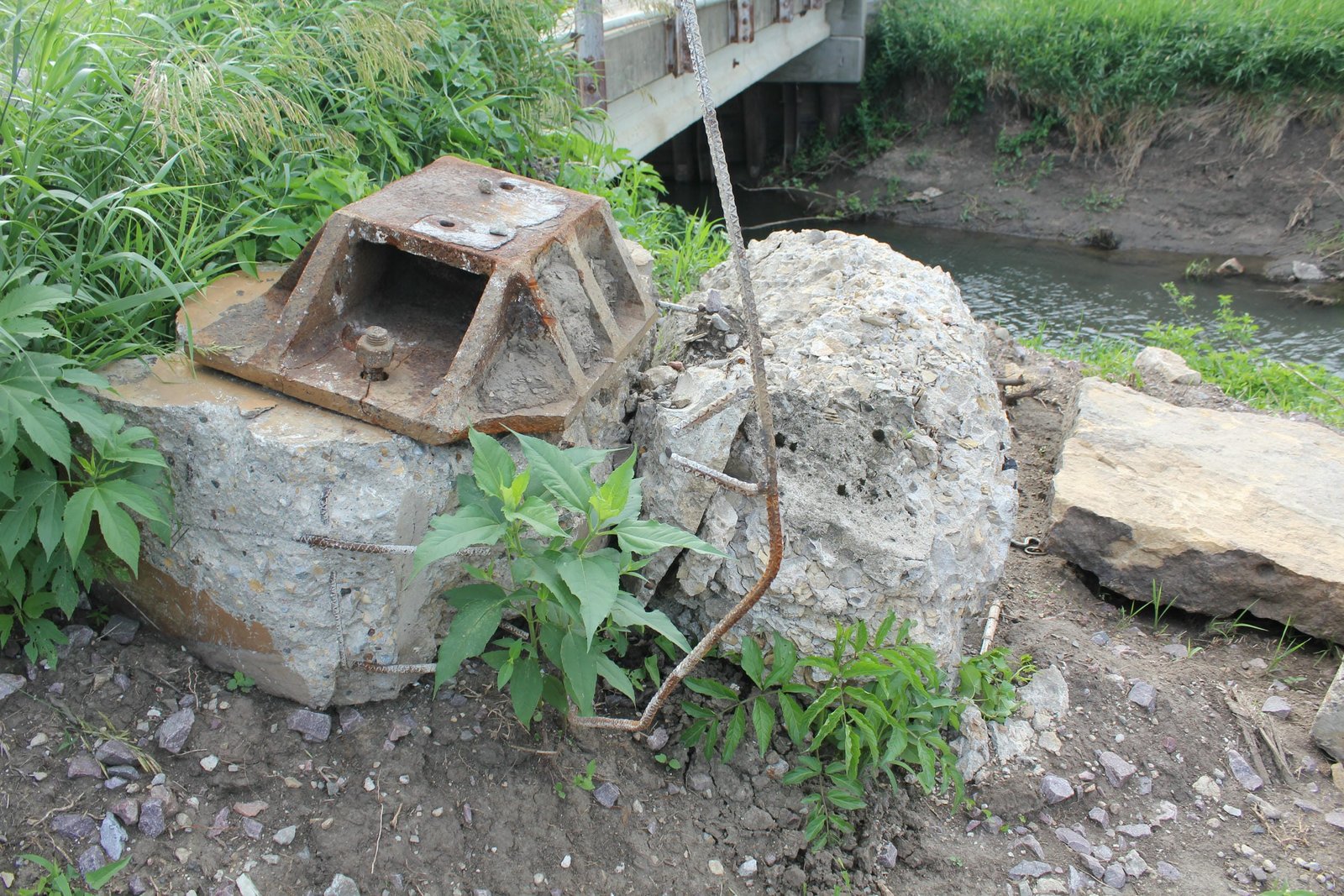
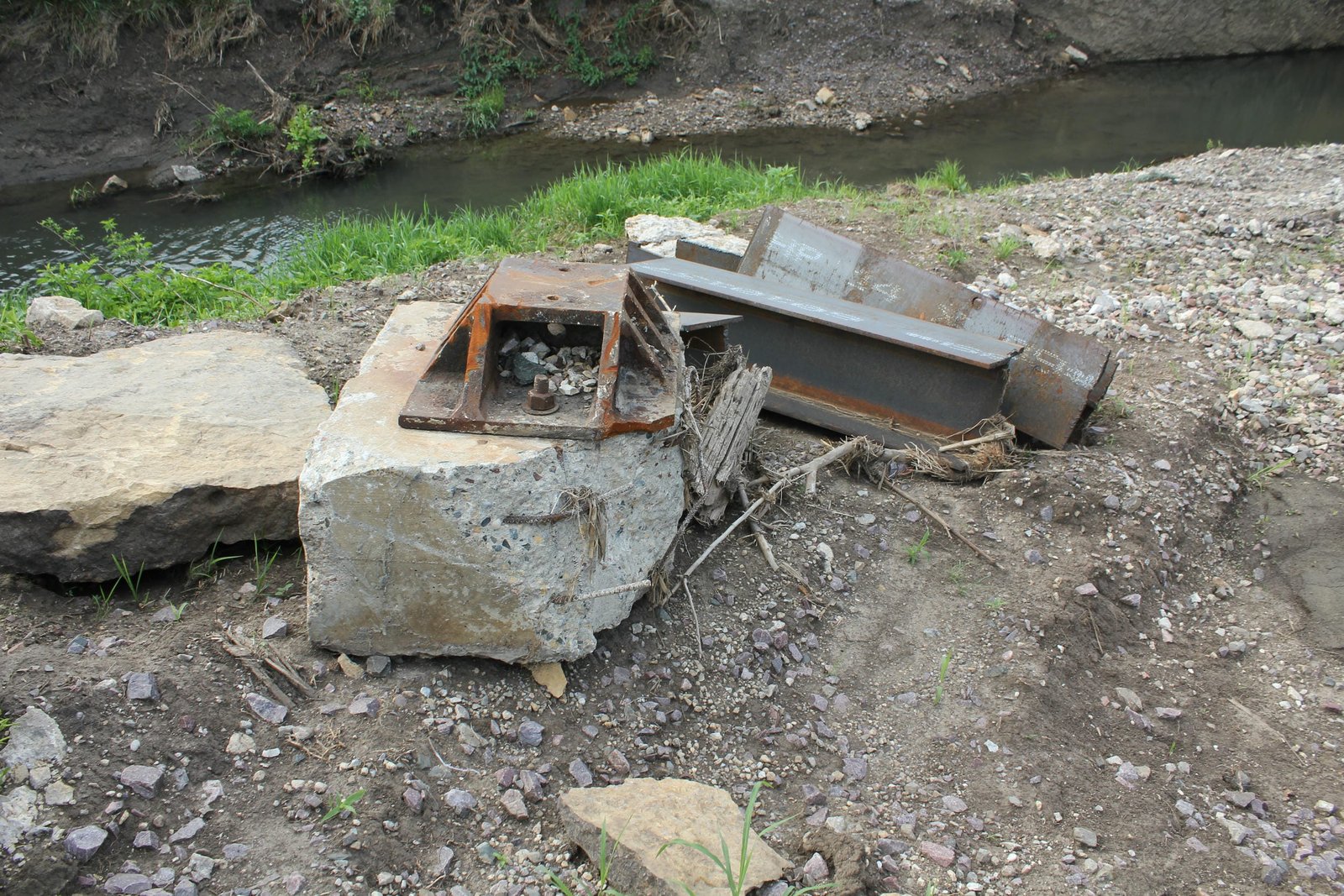
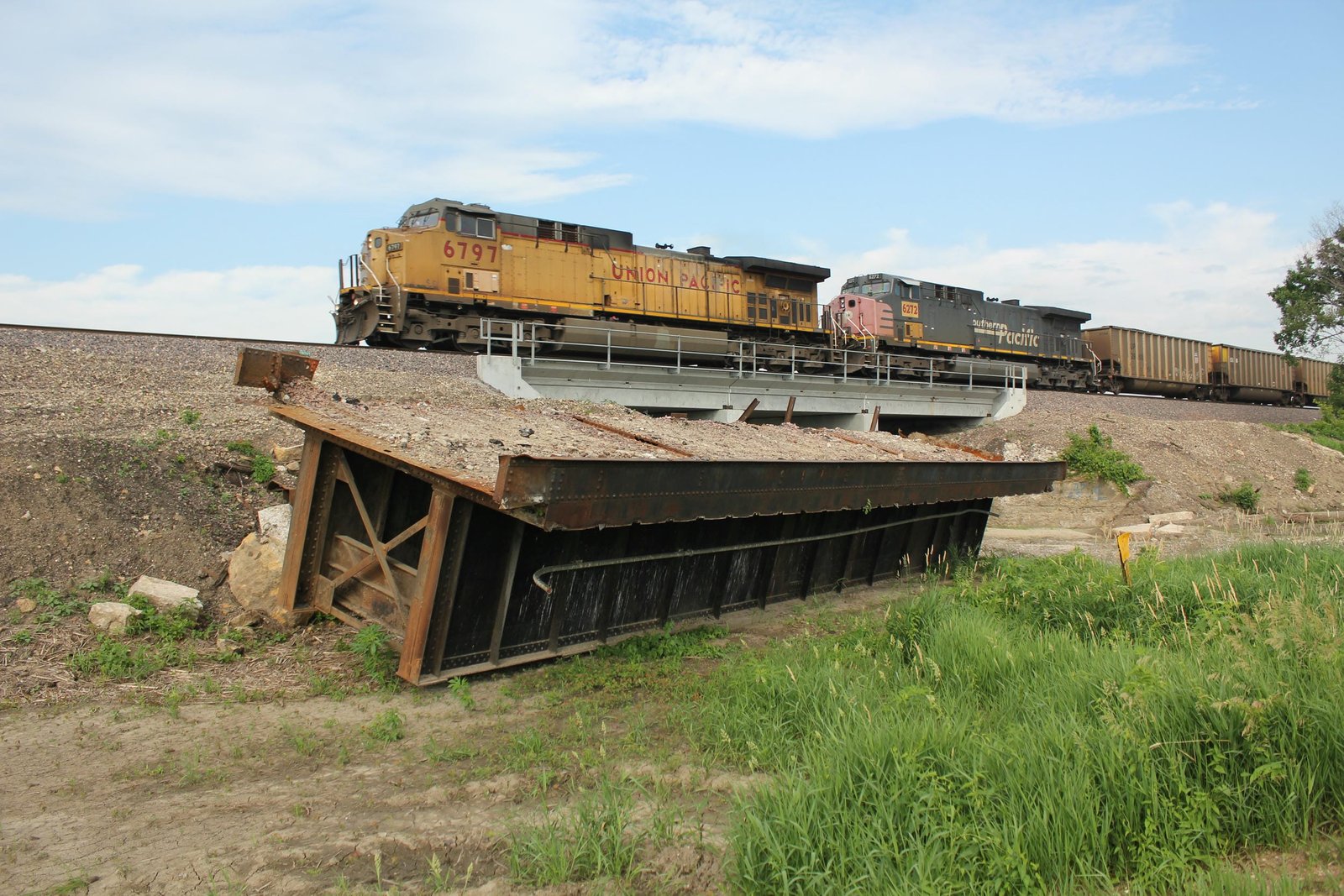
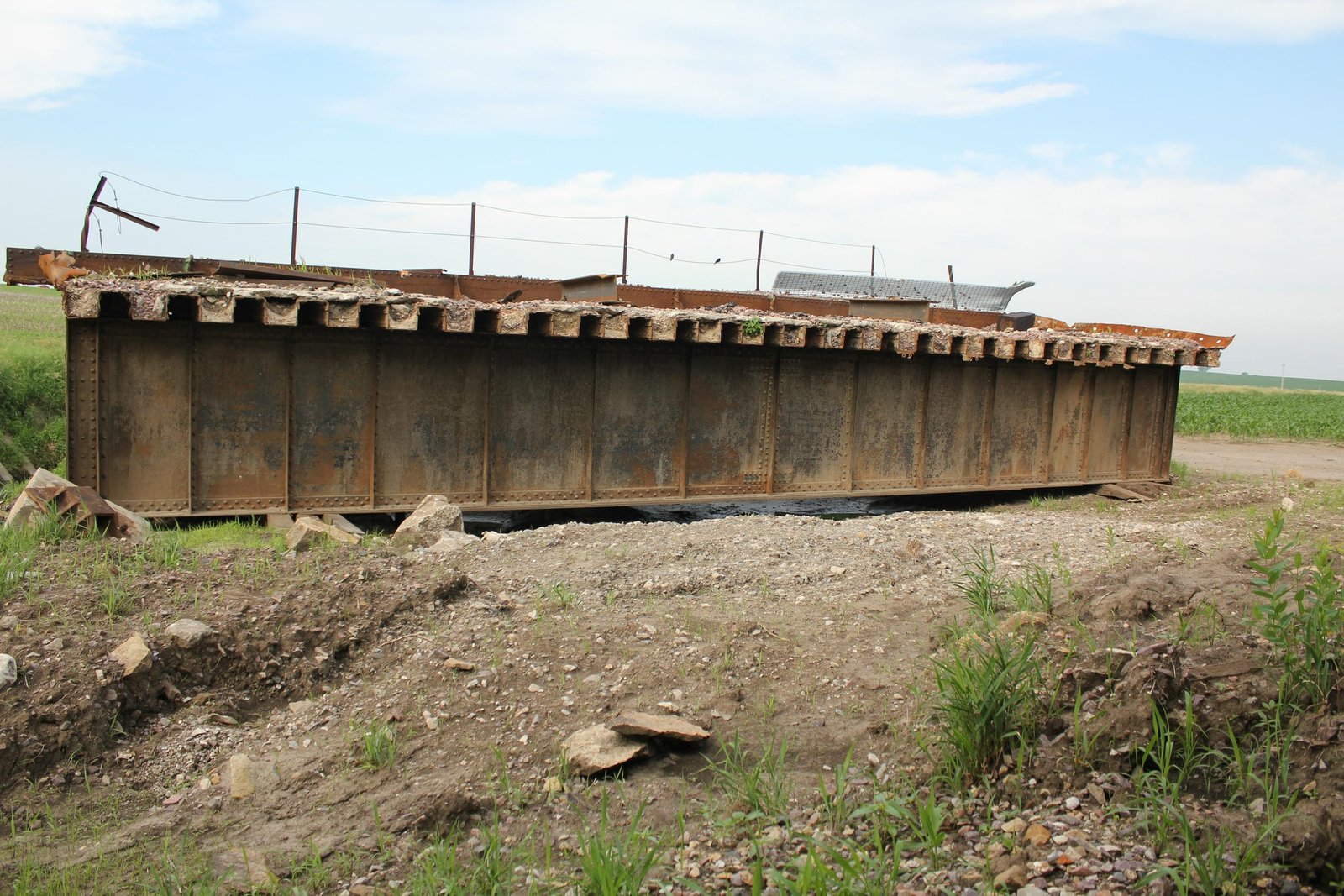
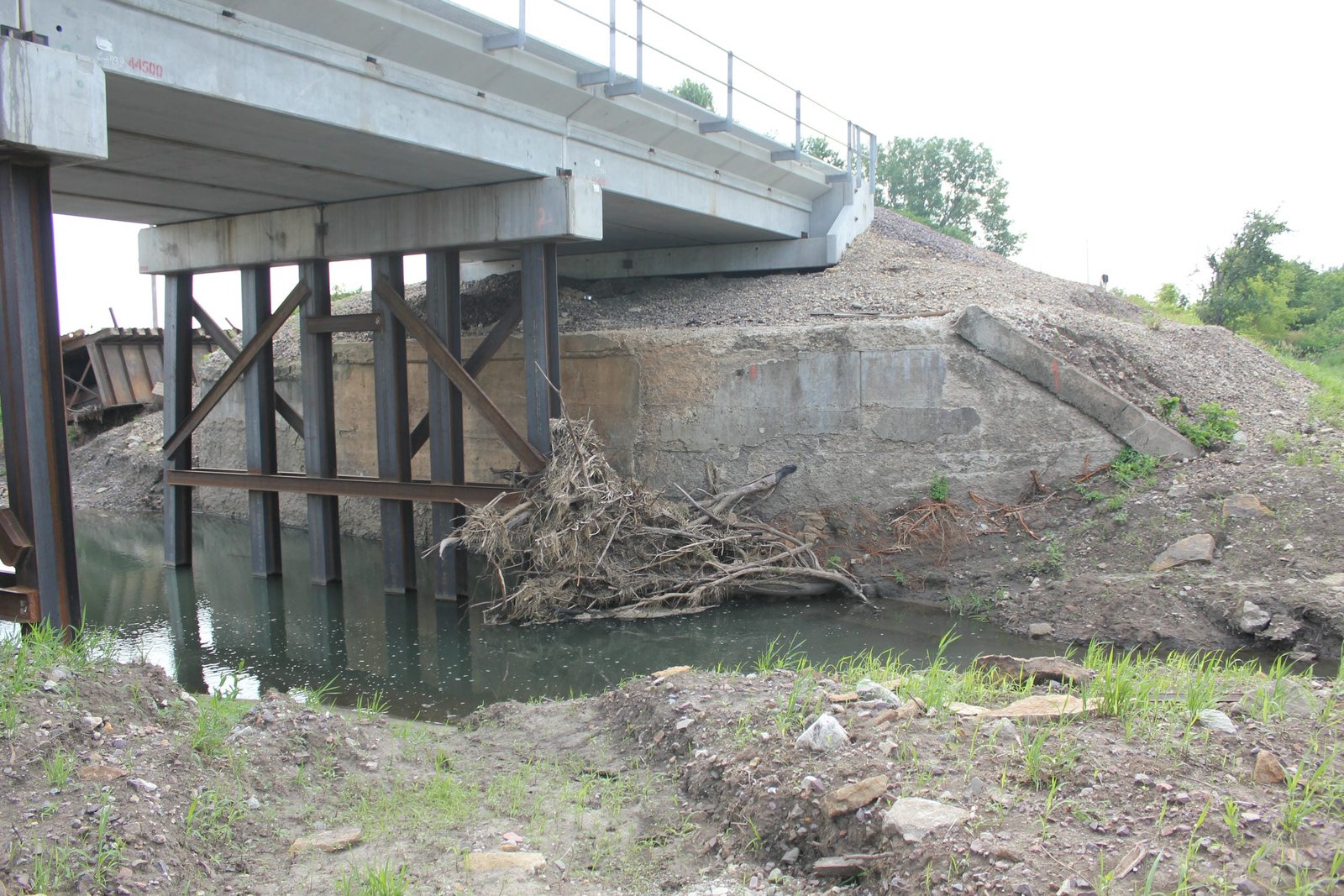
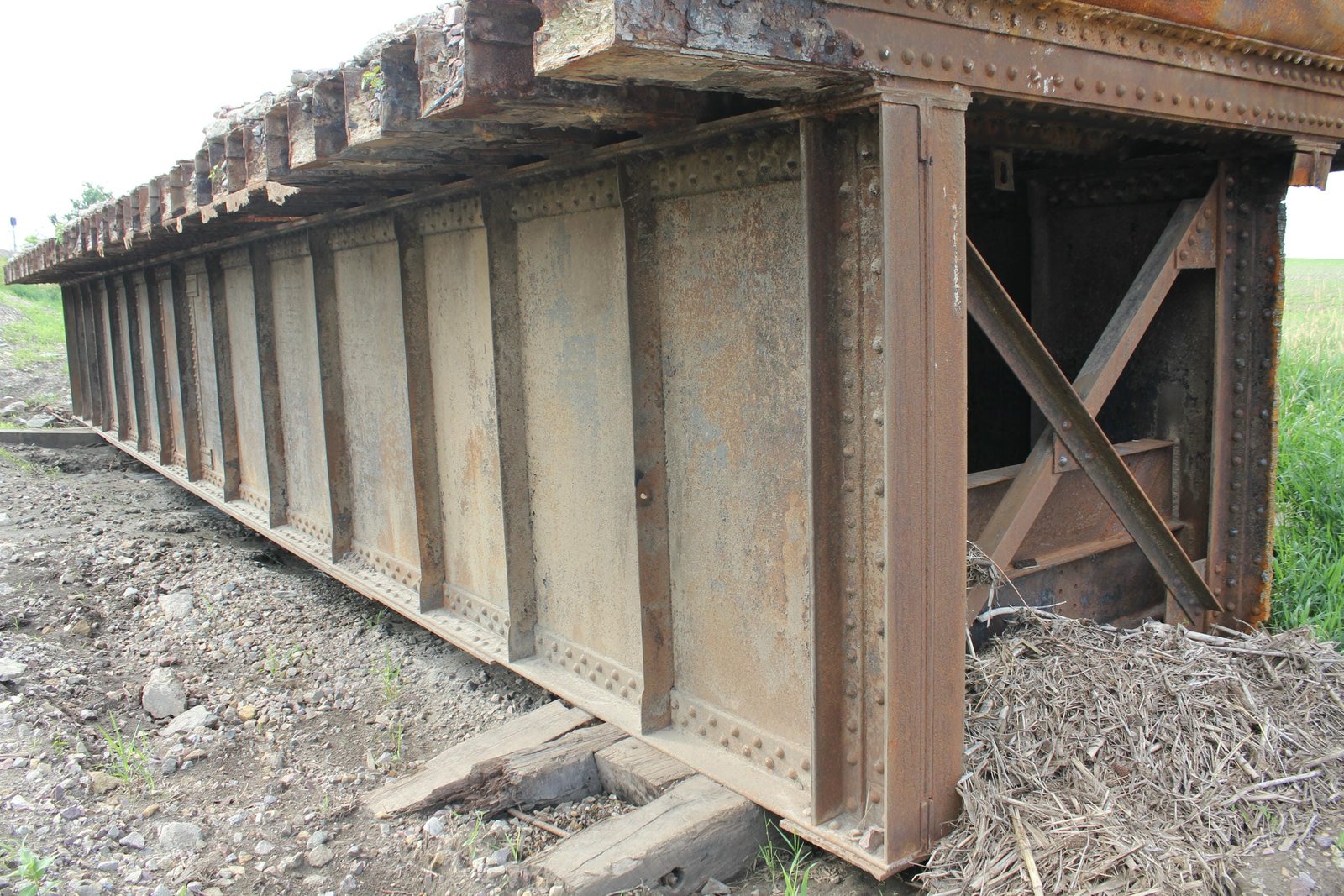
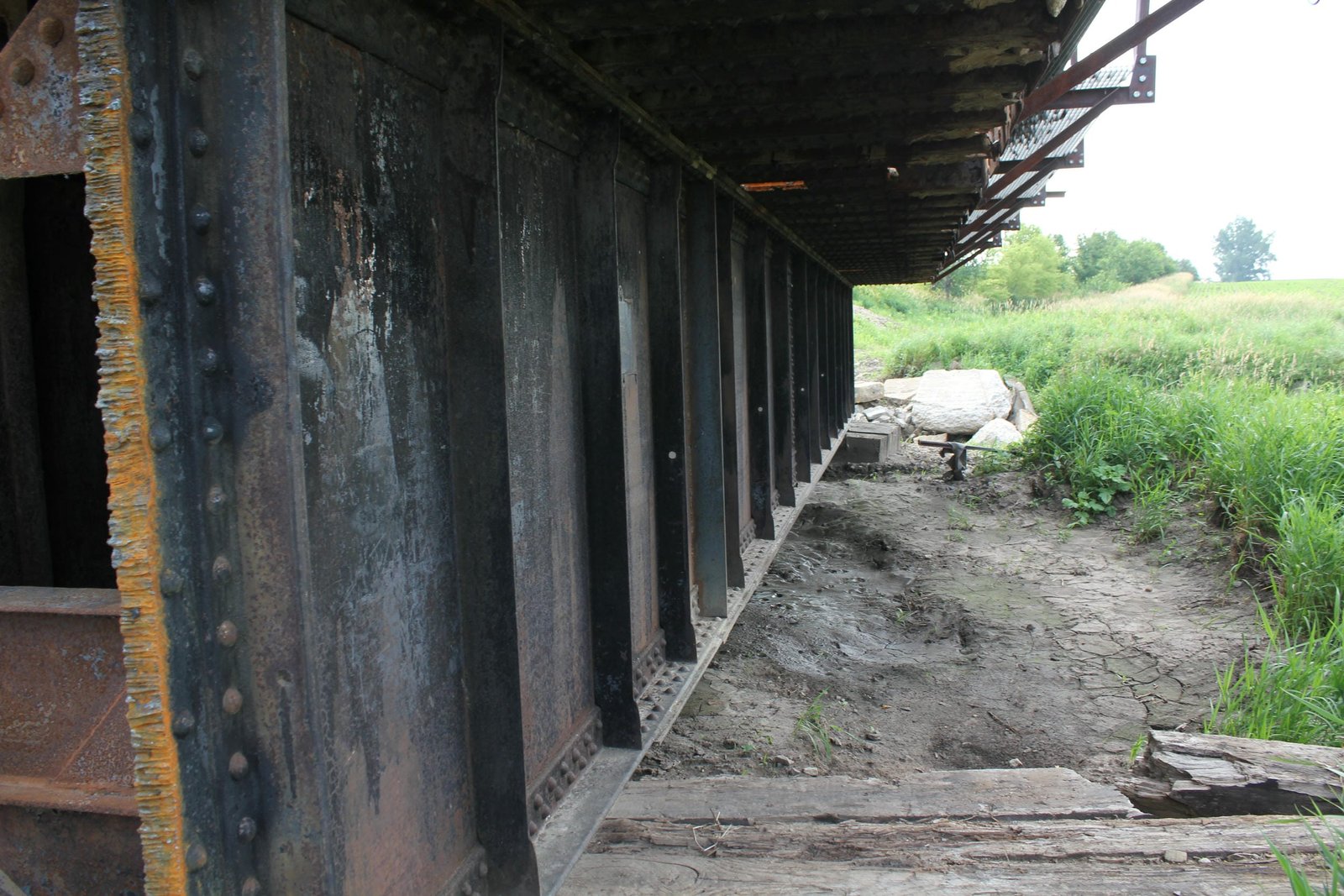
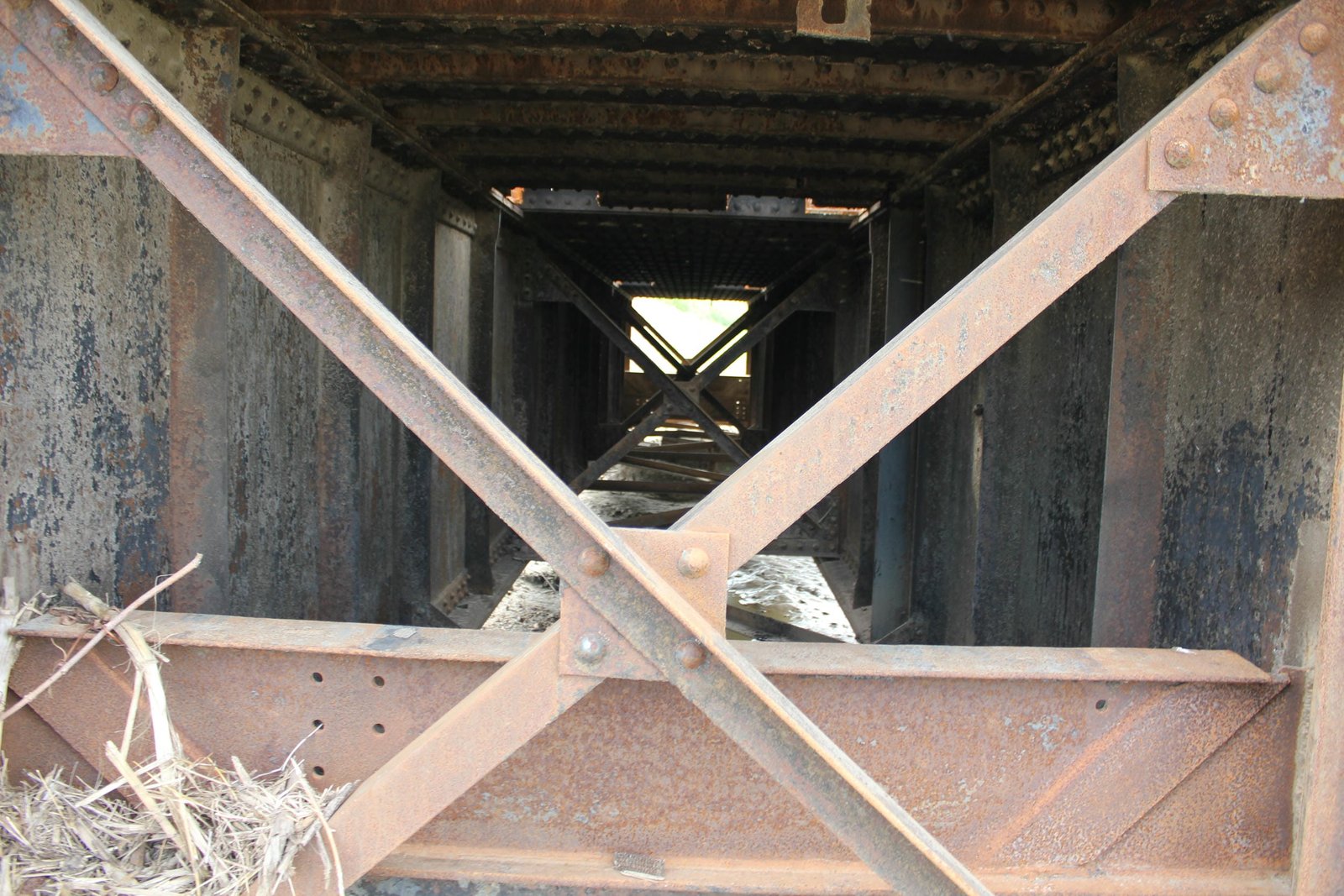
Authors Note: This bridge was in the process of being demolished at the time of documentation. The photos show the bridge after the superstructure had already been removed and placed on adjacent ground
Located along Quarry Road near Quarry (between Le Grand and Marshalltown), this deck plate girder bridge once carried a former Chicago & North Western Railway mainline over Davisons Creek. The first bridge at this location was likely a timber pile trestle bridge, constructed when the line was first built. Between 1898 and 1902, the C&NW undertook a large double tracking project between Cedar Rapids, Iowa and Council Bluffs, Iowa. As part of the project, a 20-foot stone arch bridge was constructed at this location. This bridge followed a standard design, and was constructed by the Widell Company of Mankato, Minnesota; which did much of the stonework along this line. In May 1909, a significant flood completely destroyed the stone arch, which was replaced by a temporary trestle. In 1911, a new steel girder bridge with a larger opening was constructed at this location. The bridge consisted of a 55-foot double track deck plate girder span, set onto concrete abutments. The superstructure followed a standard design, with two heavy plate girders per track and a ballast deck. Each track used a slightly different deck design, with one track using a trough design, while the other used a thinner steel deck design. Both abutments used a standard design, with sloped wing walls which extended from the bridge at an angle. American Bridge Company fabricated the superstructure, while the Cleary-White Construction Company constructed the abutments. Deck plate girder spans were popular for railroad use, as they were durable and easy to construct. Since the initial construction, the bridge had seen only minor alterations, including alterations to the abutments in 1959. The bridge was replaced by a modern concrete girder bridge in 2013. At the time of replacement, the bridge appeared to be in fair condition, and it is unclear if the bridge was replaced due to its condition or to increase the opening underneath. The author has ranked this bridge as being locally significant, due to the common design.
Citations
| Builders and build date | Chicago & North Western Railway Drawing Collection at the Chicago & North Western Historical Society Archives |
| Railroad History Citation | ICC Valuation Information, Compiled by Richard S. Steele |