







Click the photo to view the full-size version
| Name | Davenport Waterworks Trestle Chicago, Milwaukee & St. Paul Railway Bridge #H-8 |
| Built By | Chicago, Milwaukee & St. Paul Railway |
| Currently Owned By | Canadian Pacific Kansas City Limited |
| Superstructure Contractor | Unknown (East River Drive Spans) Unknown (11th Street Spans) |
| Substructure Contractor | Lunda Construction Company of Black River Falls, Wisconsin (East River Drive Piers) |
| Length | 1,405 Feet Total, 134 Foot Largest Span |
| Width | 1 Track |
| Height Above Ground | 30 Feet (Estimated) |
| Superstructure Design | Warren Pony Truss, Deck Plate Girder, Steel Stringer and Timber Pile Trestle |
| Substructure Design | Concrete, Steel Pile and Timber Pile |
| Date Built | 1931, 1941 and 1958 (Timber Spans) 1899 (11th Street Span) 1984 (East River Drive Spans) |
| Traffic Count | 1 Train/Day (Estimated) |
| Current Status | In Use |
| Chicago, Milwaukee, St. Paul & Pacific Railroad Bridge Number | H-8 |
| Significance | Moderate Significance |
| Documentation Date | 12/27/2012; 9/10/2017 |
In 1870, the Davenport and St. Paul Rail Road (D&StP) constructed an 31-mile railroad line, extending from Davenport, Iowa to Wheatland, Iowa. The following year, an additional 21 miles were completed between Wheatland and Wyoming, Iowa. In 1872, an additional 32 miles were completed to between Wyoming and Delhi, Iowa; followed by an additional 44 miles to Fayette, Iowa by the end of 1873. The D&StP was sold to the Davenport and North Western Railway (D&NW) in 1876, which was sold to the Chicago, Milwaukee & St. Paul Railway (Milwaukee Road) in 1879. In 1880, the Milwaukee Road constructed an additional 28 miles between Fayette, Iowa and Jackson Junction, Iowa; where the line connected to an existing mainline. By the late 19th Century, the Milwaukee Road had developed a large railroad network throughout the Midwest. This line served as a secondary line, connecting northern Iowa to the Mississippi River at Davenport. The Milwaukee Road was often in financial trouble, especially after the costly Pacific Extension was completed in 1909. In 1925, the company declared bankruptcy, and reorganized as the Chicago, Milwaukee, St. Paul and Pacific Railroad in 1928.
Despite the financial strain, this line remained an important secondary line for the Milwaukee Road. Financial hardship continued through the 20th Century for the Milwaukee Road. In 1940, a segment between Dixon, Iowa and Oxford Junction, Iowa was abandoned. In 1957, an additional segment between Center Junction, Iowa and Monticello, Iowa was abandoned, followed by additional segments between Wyoming and Center Junction in 1965, Eldridge to Dixon in 1970 and to Oxford Junction and Center Junction in 1973. A large segment between Hopkinton, Iowa and Jackson Junction was abandoned in 1976. The Milwaukee Road again filed for bankruptcy in 1977. In 1979, the remainder of the line between Monticello and Hopkinton was abandoned. By 1985, a suitor for the Milwaukee Road was being sought, and the Soo Line Railroad, controlled by Canadian Pacific Railway (CP) purchased the Milwaukee Road in 1986. In 1997, CP would sell this line to I&M Rail Link, which was purchased by the Dakota, Minnesota & Eastern Railroad (DM&E) subsidiary Iowa, Chicago & Eastern Railroad (IC&E) in 2002. The DM&E/IC&E were purchased by Canadian Pacific in 2008. CP merged with Kansas City Southern Railway in 2023 to form CPKC, the current owner of the remaining line. Today, CPKC operates the Eldridge Spur between Davenport and Eldridge. The remainder of the line has been abandoned and largely reverted to adjacent property owners.
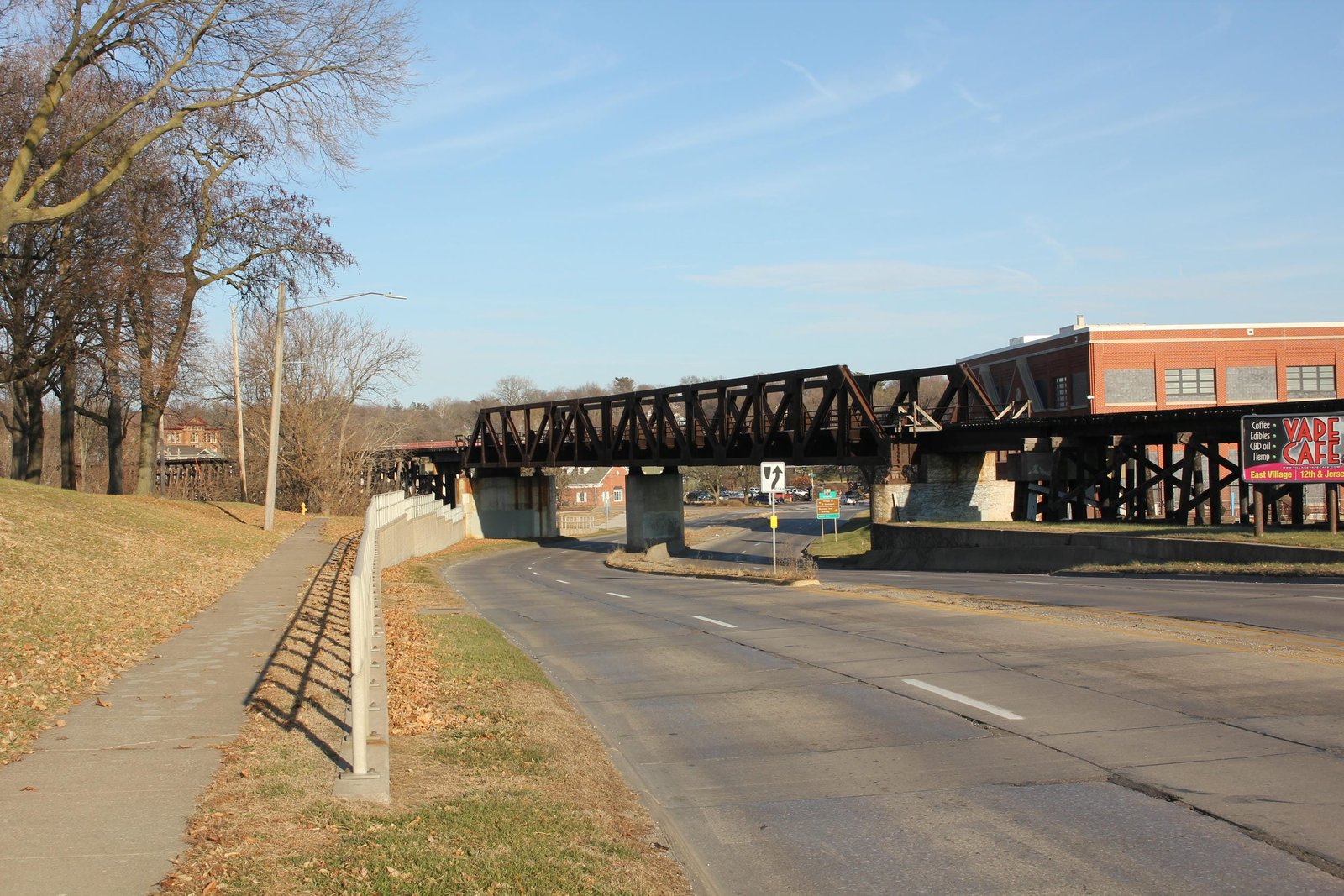
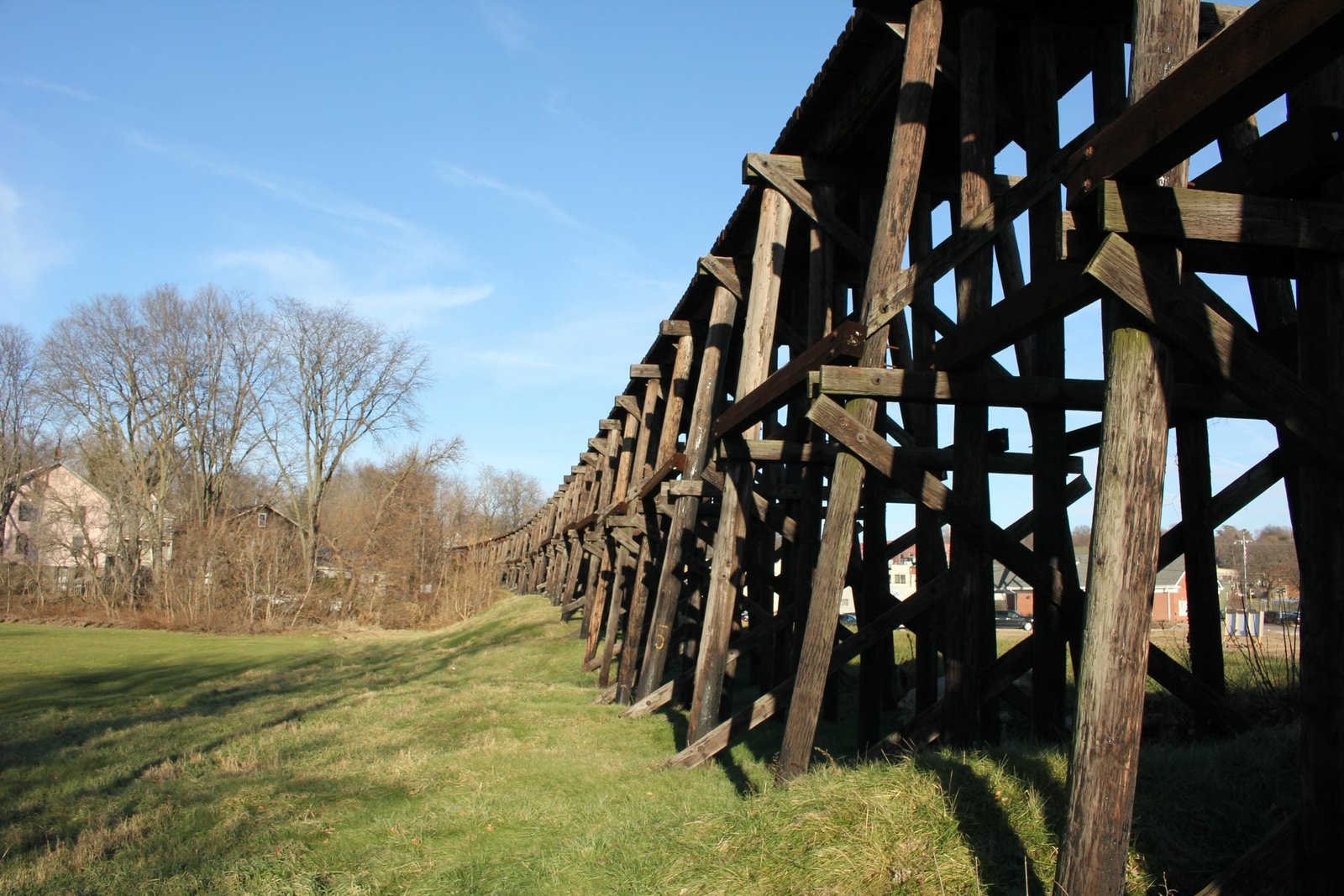
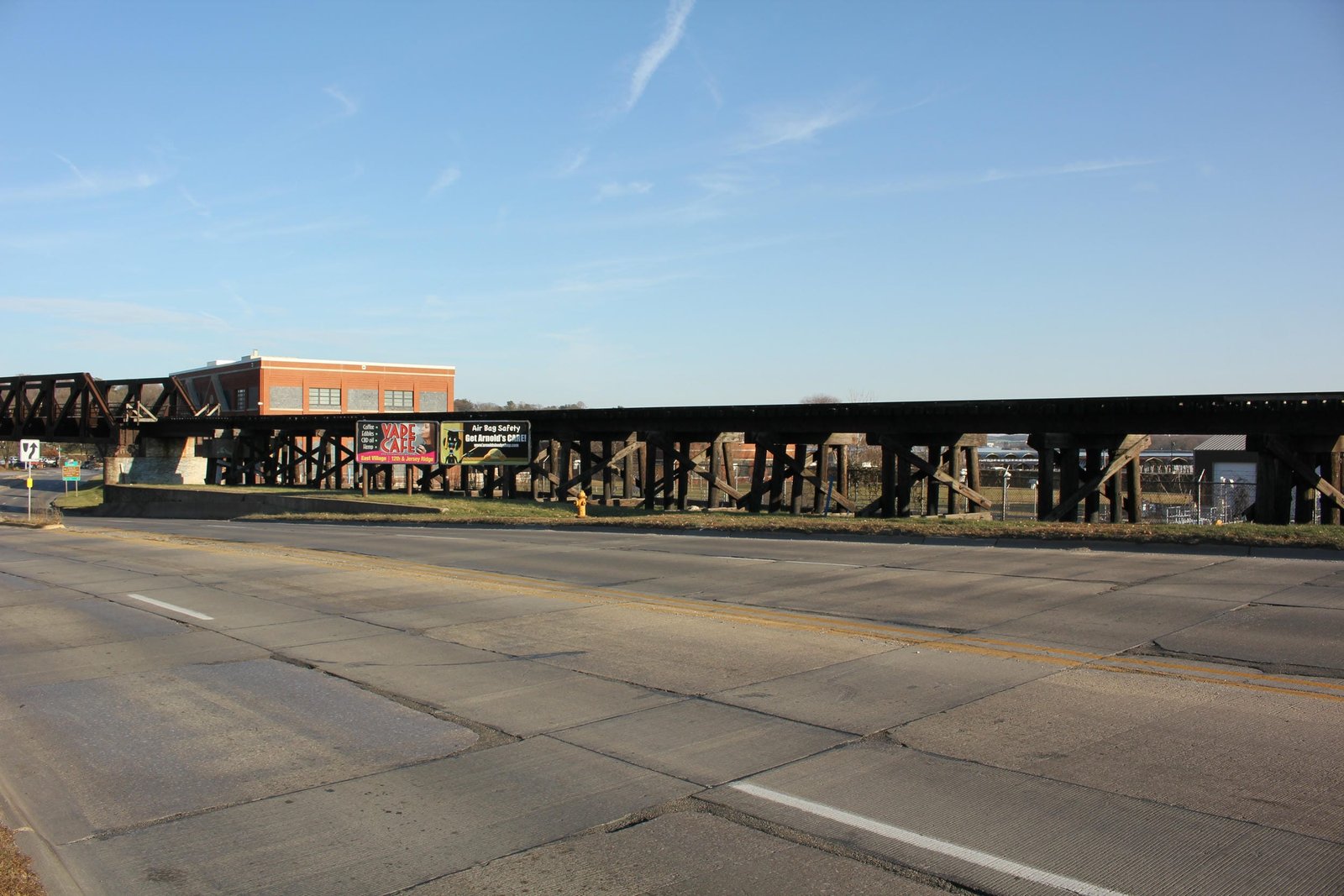
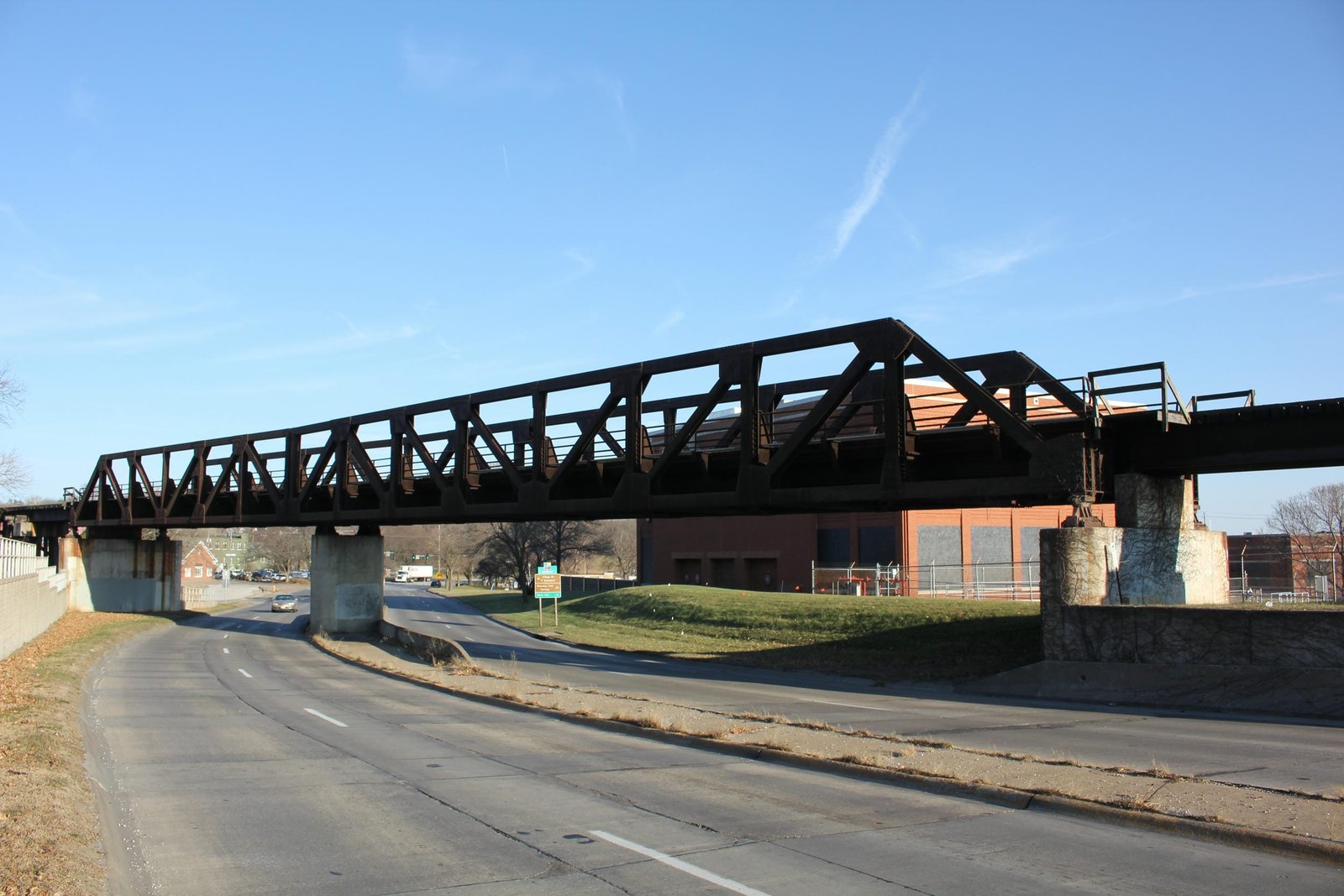
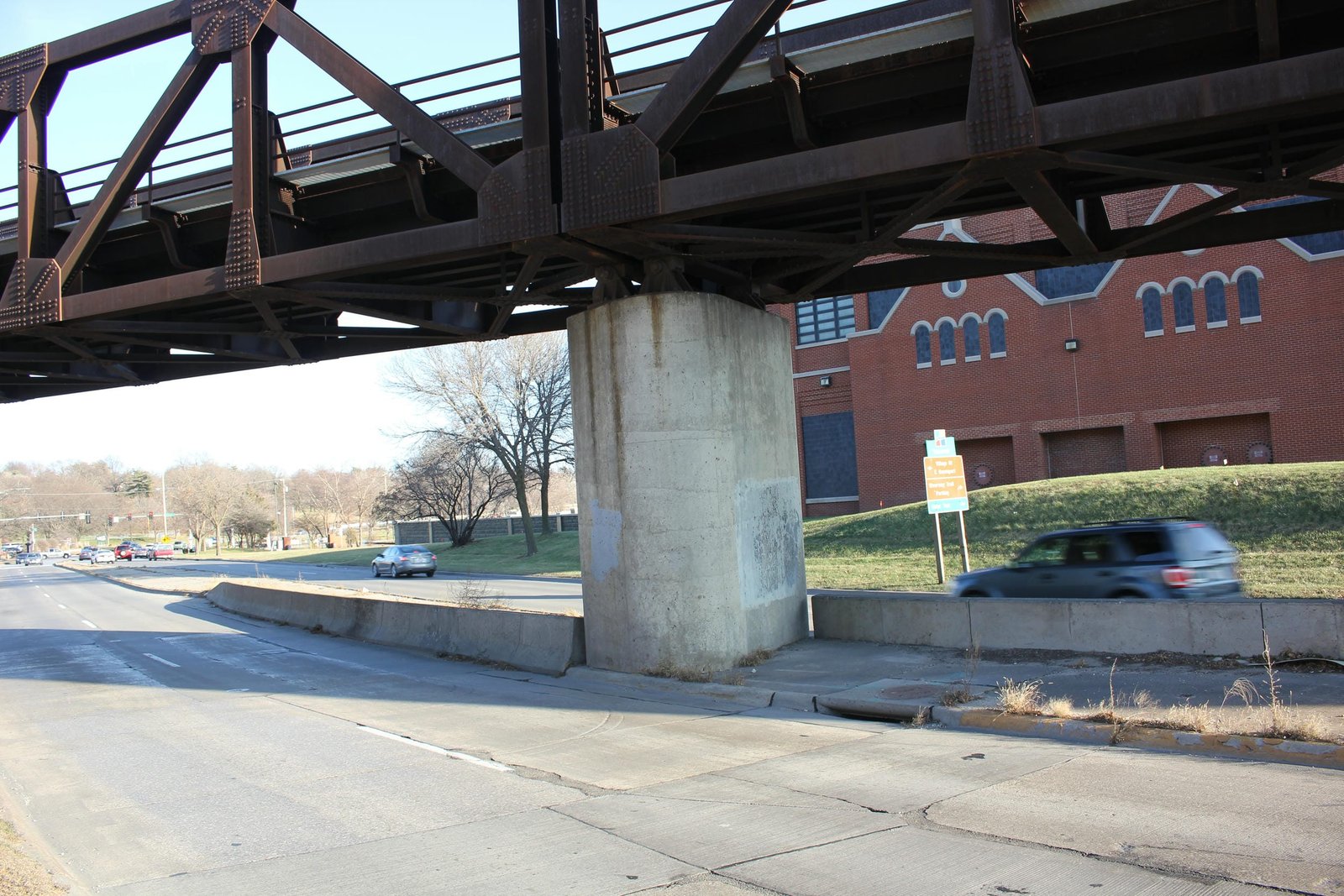
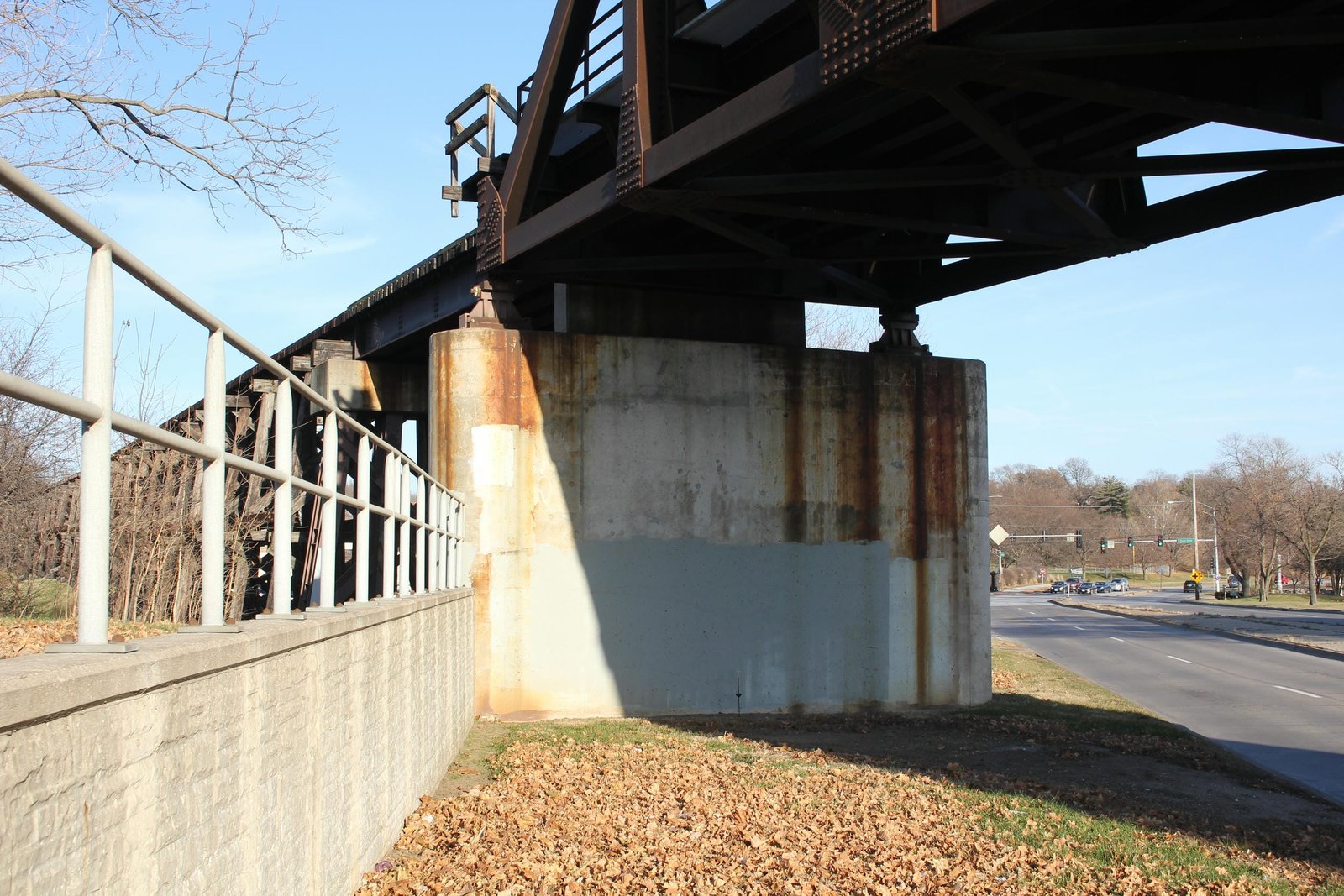
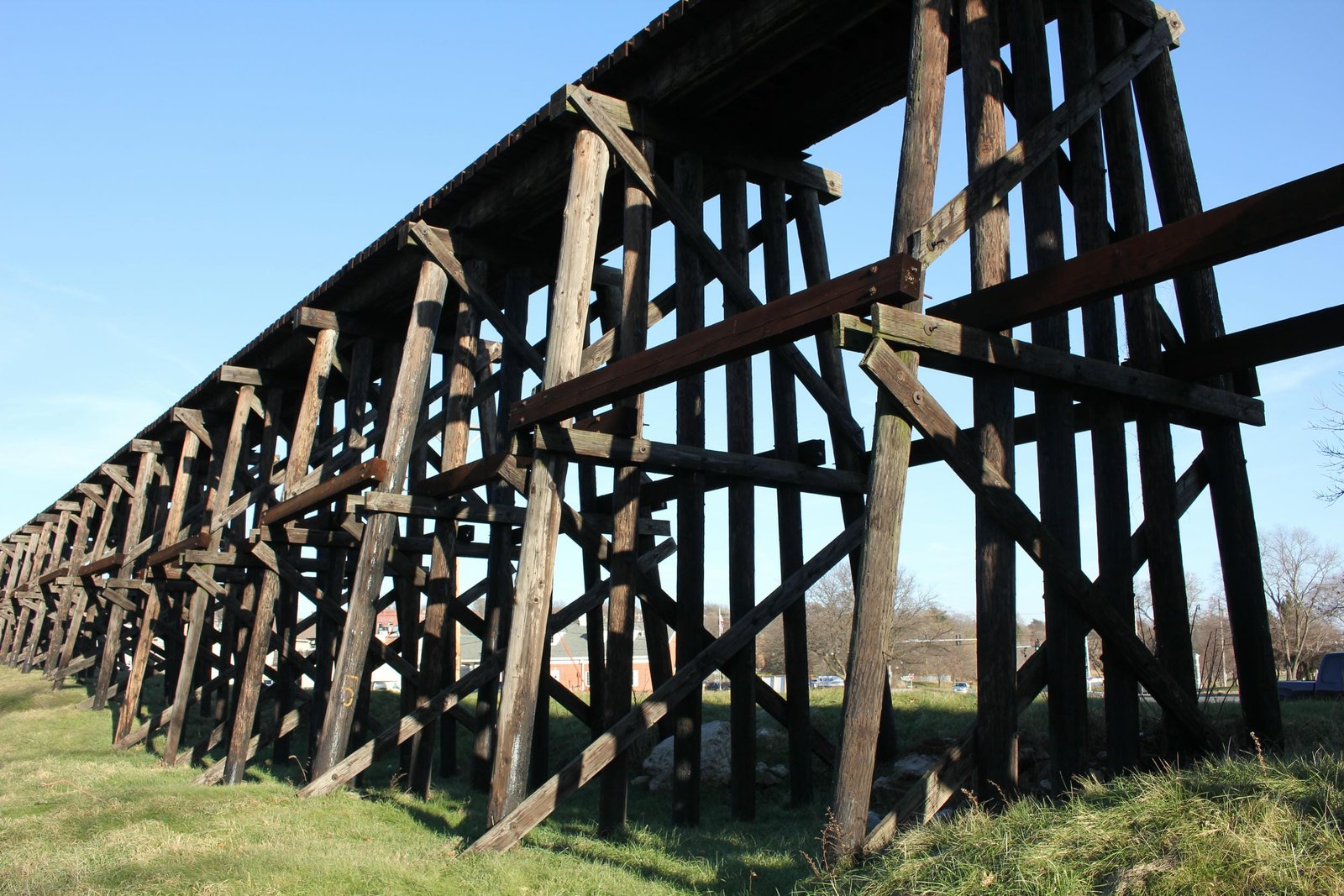
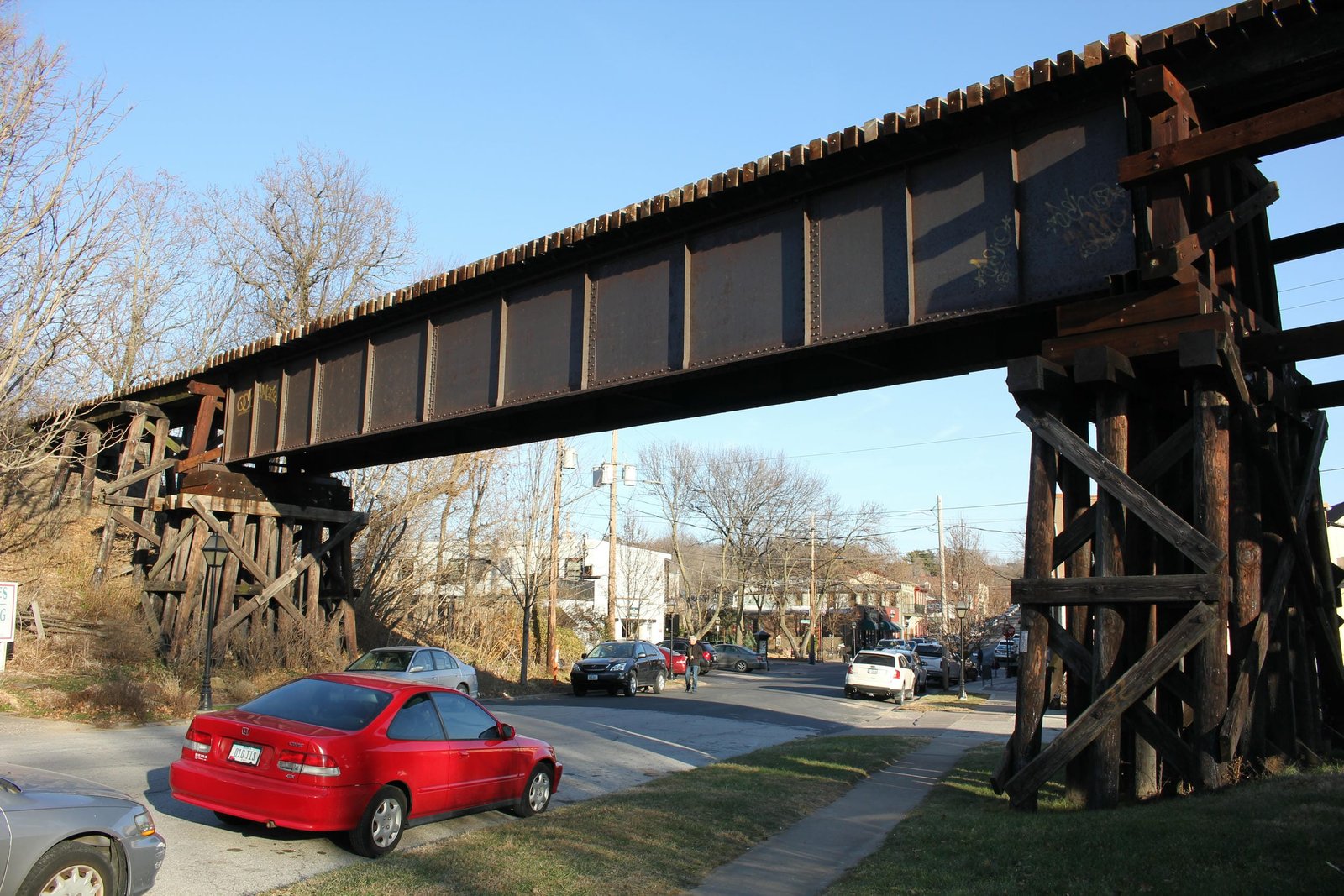
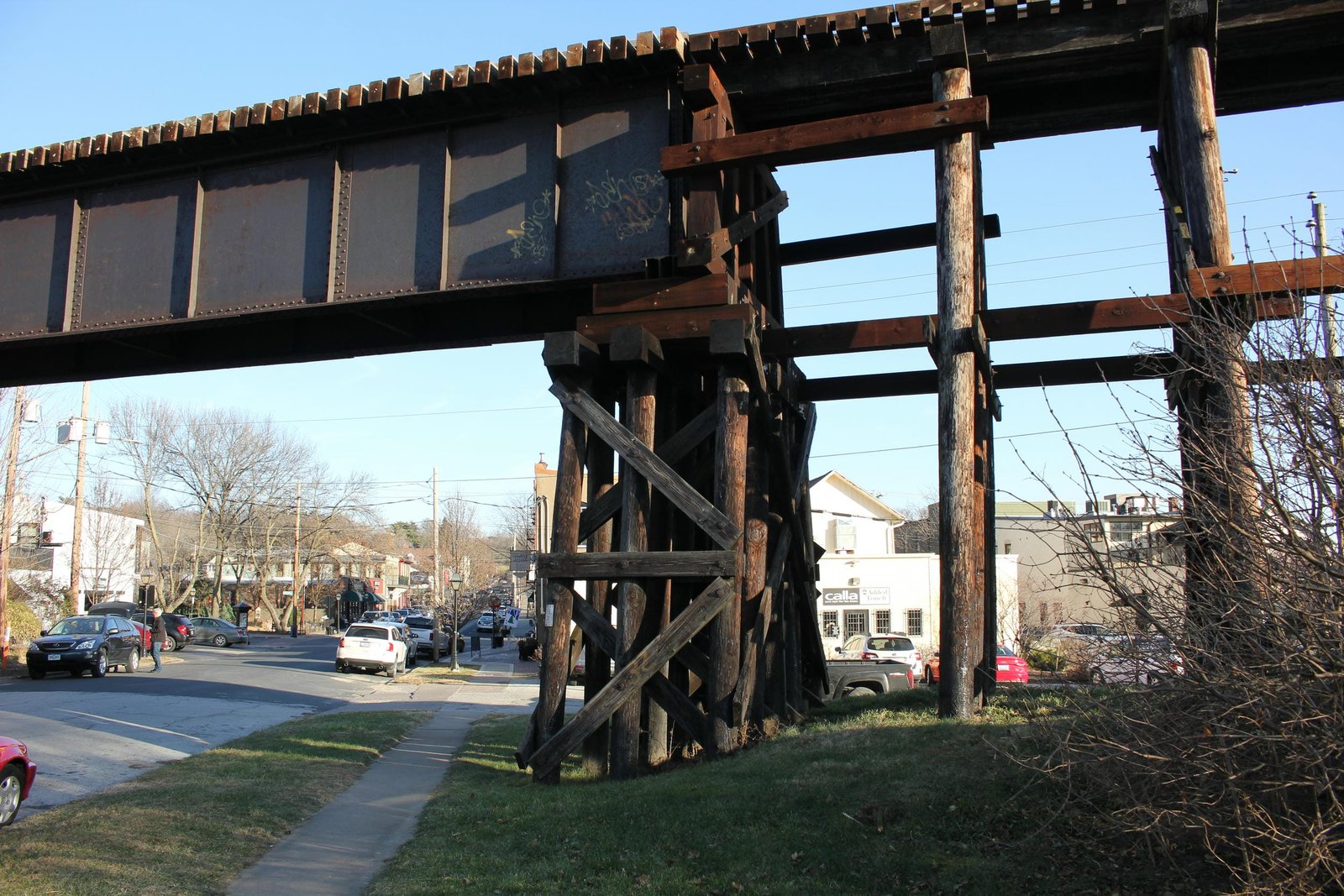
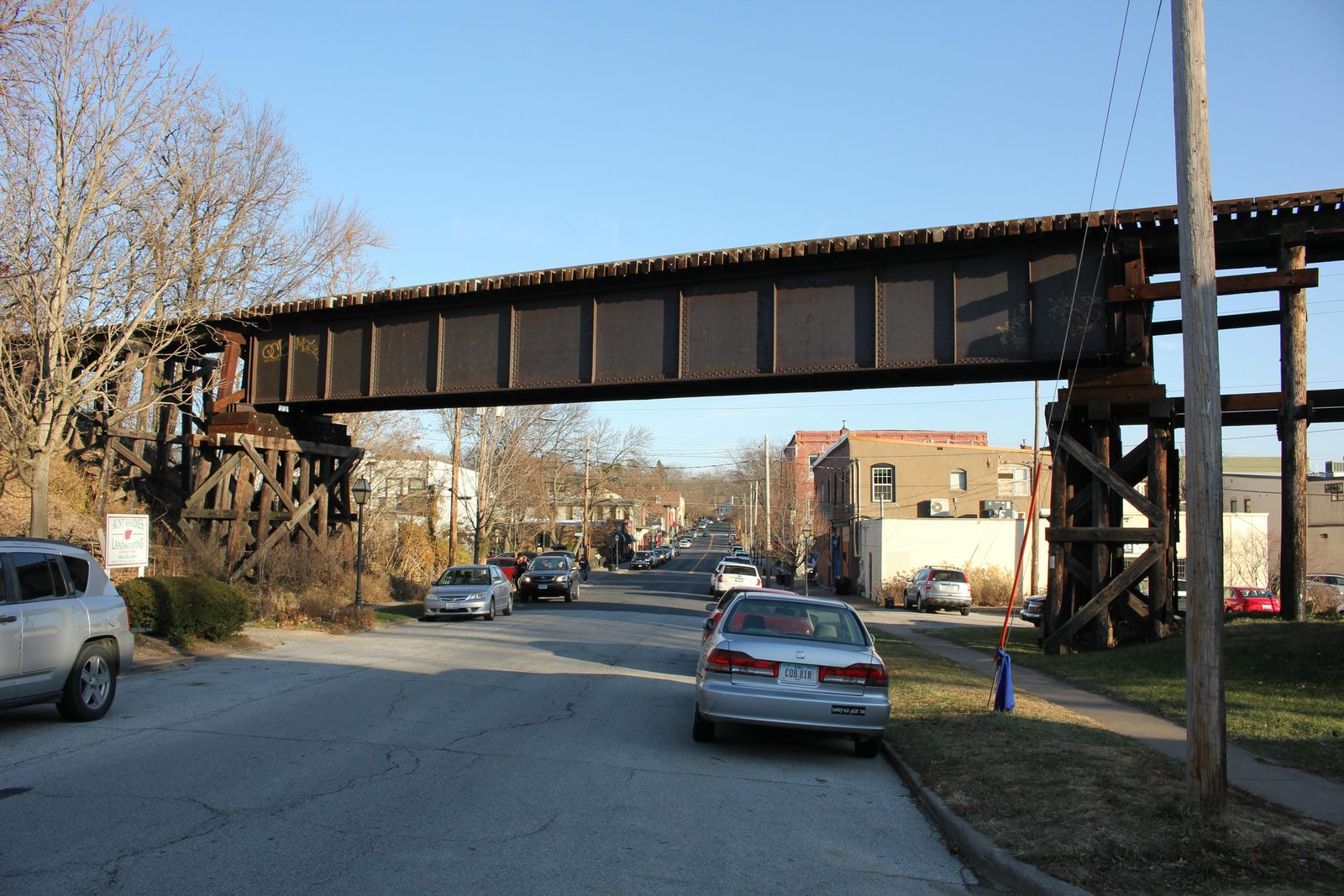
Located on the east side of Davenport, this historic trestle carries a former Chicago, Milwaukee, St. Paul & Pacific Railroad (Milwaukee Road) secondary line over US Highway 67 (East River Drive) and 11th Street (formerly Eddy Street). A bridge has existed at this location since 1870-71, when the Davenport and St. Paul Rail Road was first constructed. It is not clear why a trestle was constructed instead of an embankment, but it may have been due to the railroads close proximity to established buildings or the steep and curvy route the railroad took. Similar to all timber railroad bridges, the structure required periodic renewal and maintenance to replace deteriorated timber piles, bents and stringers. The first major alteration to the bridge came in early 1899, when a large deck plate girder span set onto timber pile piers was installed over 11th Street (then Eddy Street) to replace several timber pile trestle spans. Another alteration to the bridge occurred in 1905, when a 105-foot, 8-panel, riveted Warren pony truss span replaced several additional timber pile trestle spans across Spring Street. This span was set onto concrete piers, and was reportedly fabricated by the Wisconsin Bridge & Iron Company. Eventually, East River Drive (now US Highway 67) was extended under the bridge, creating a dangerous S-curve under the pony truss span. The north end of the trestle was renewed in 1931; the center section of the trestle was renewed in 1941 and the south section of the trestle was last renewed in 1958. As part of the renewals, structural material was replaced in-kind as necessary.
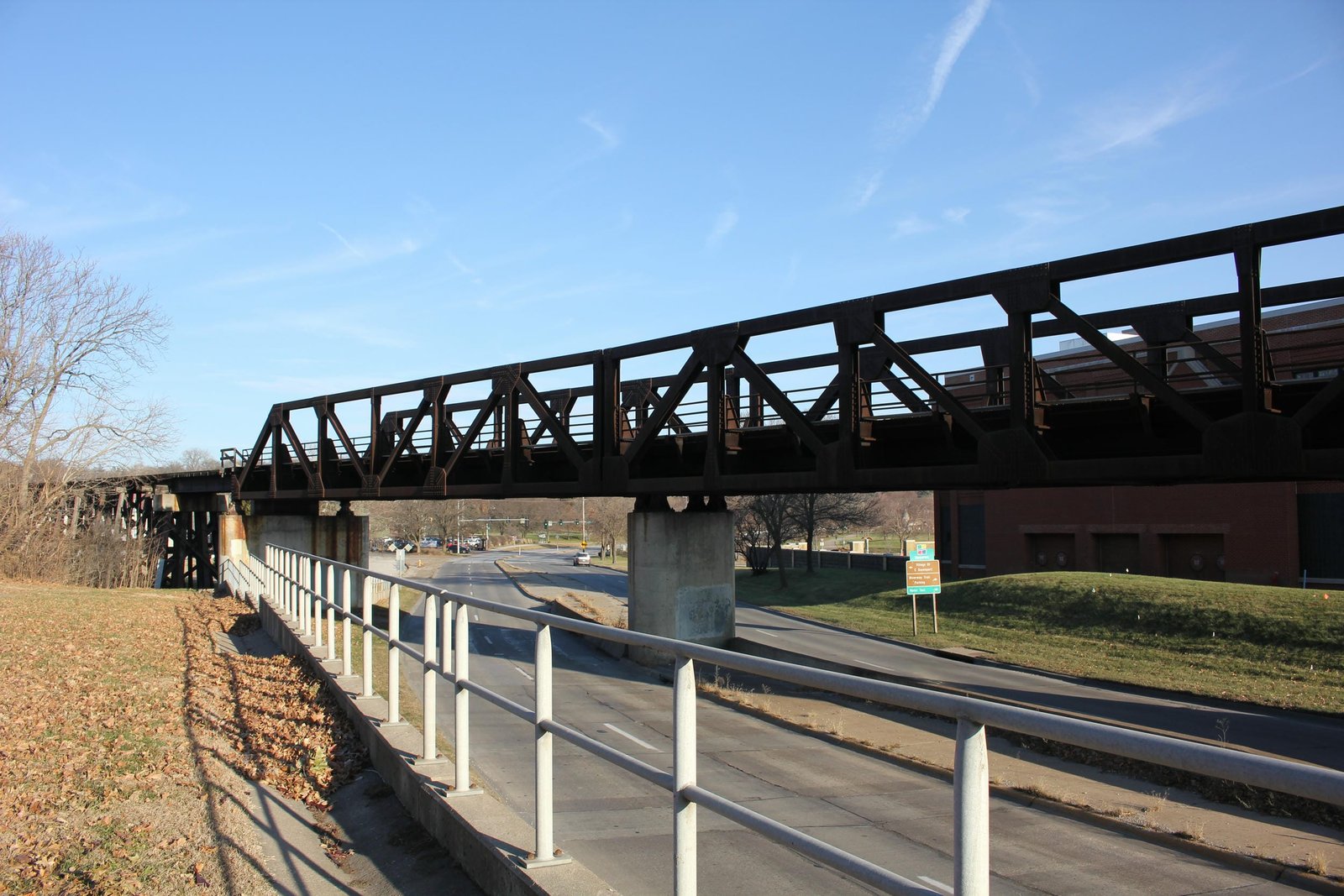
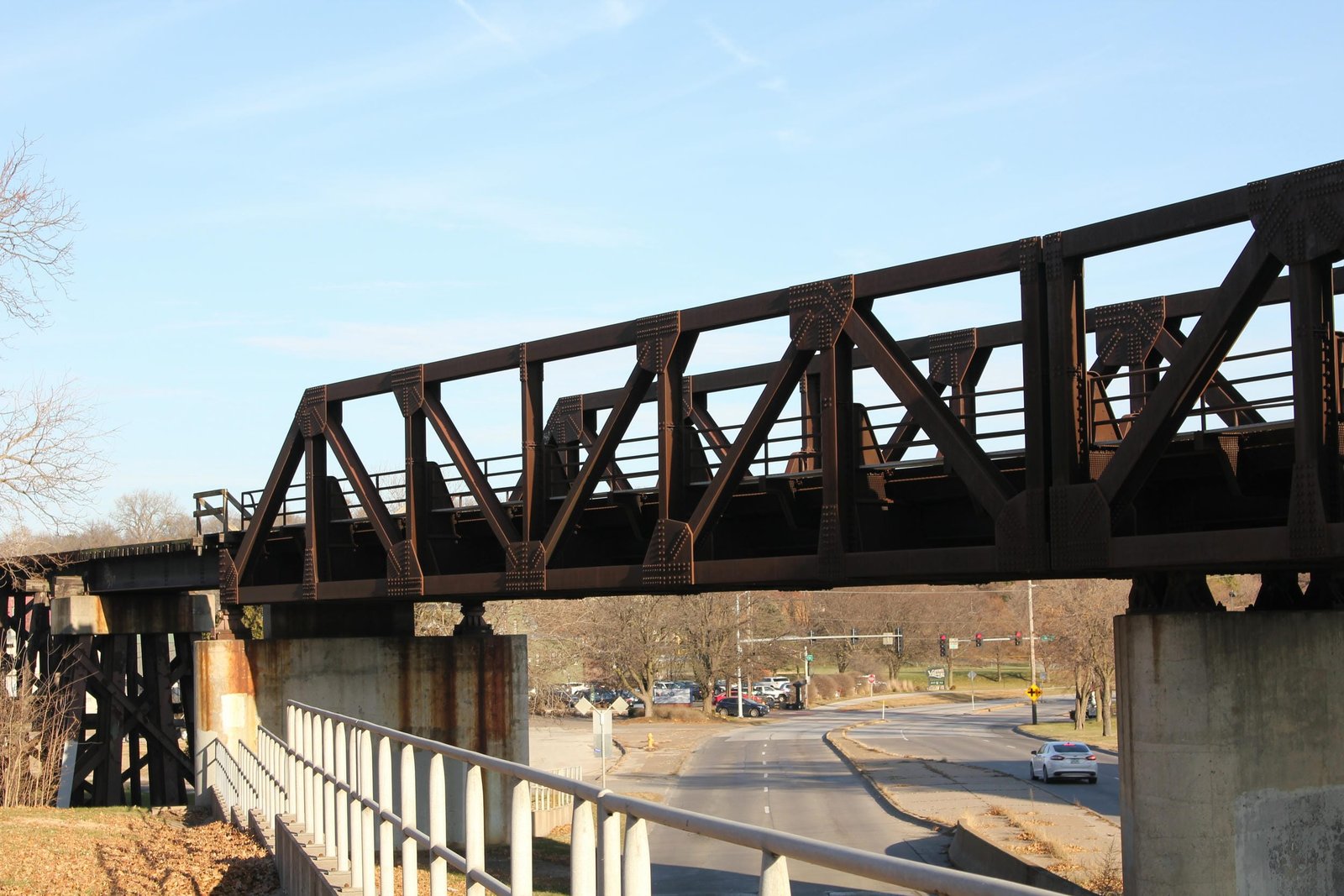
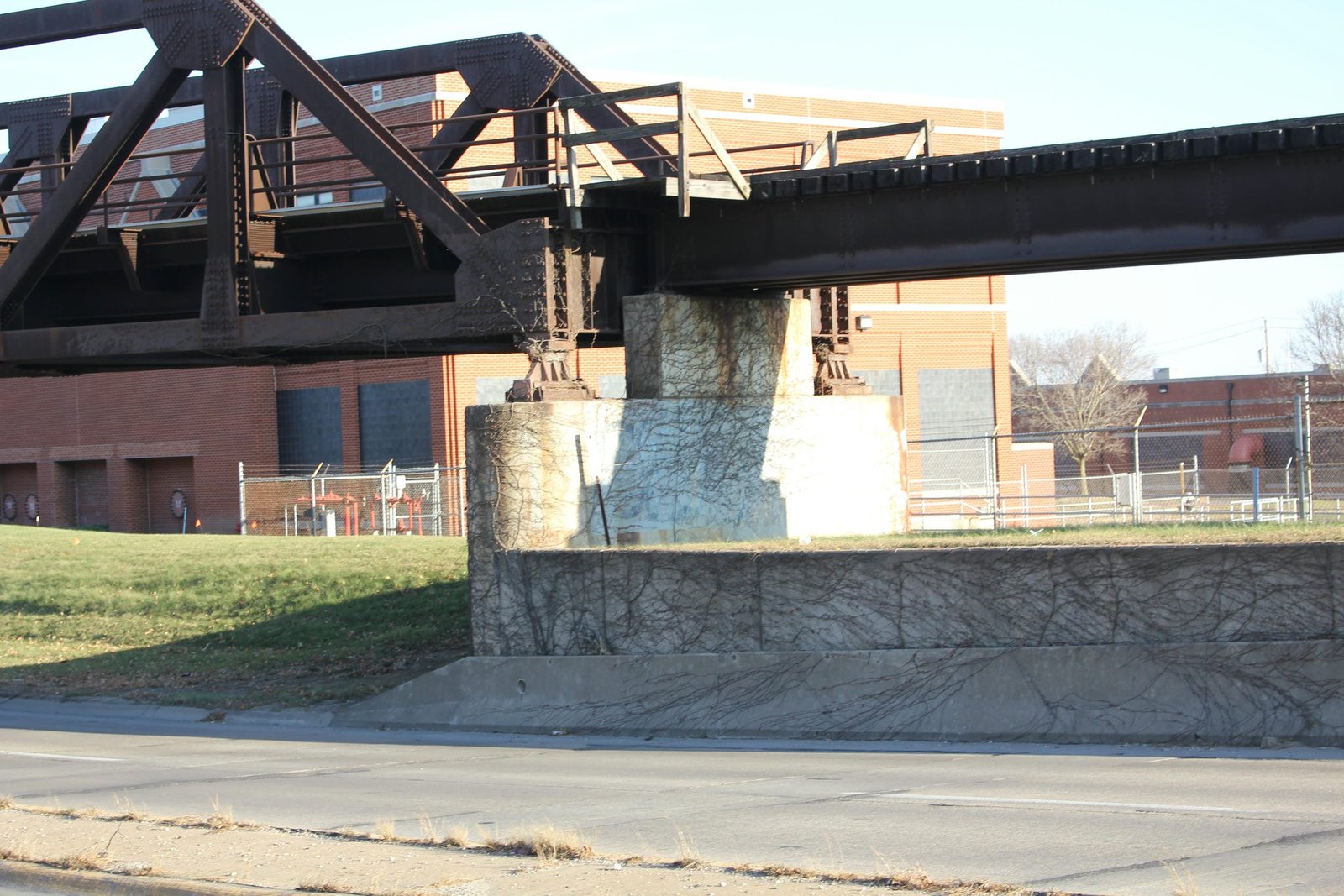
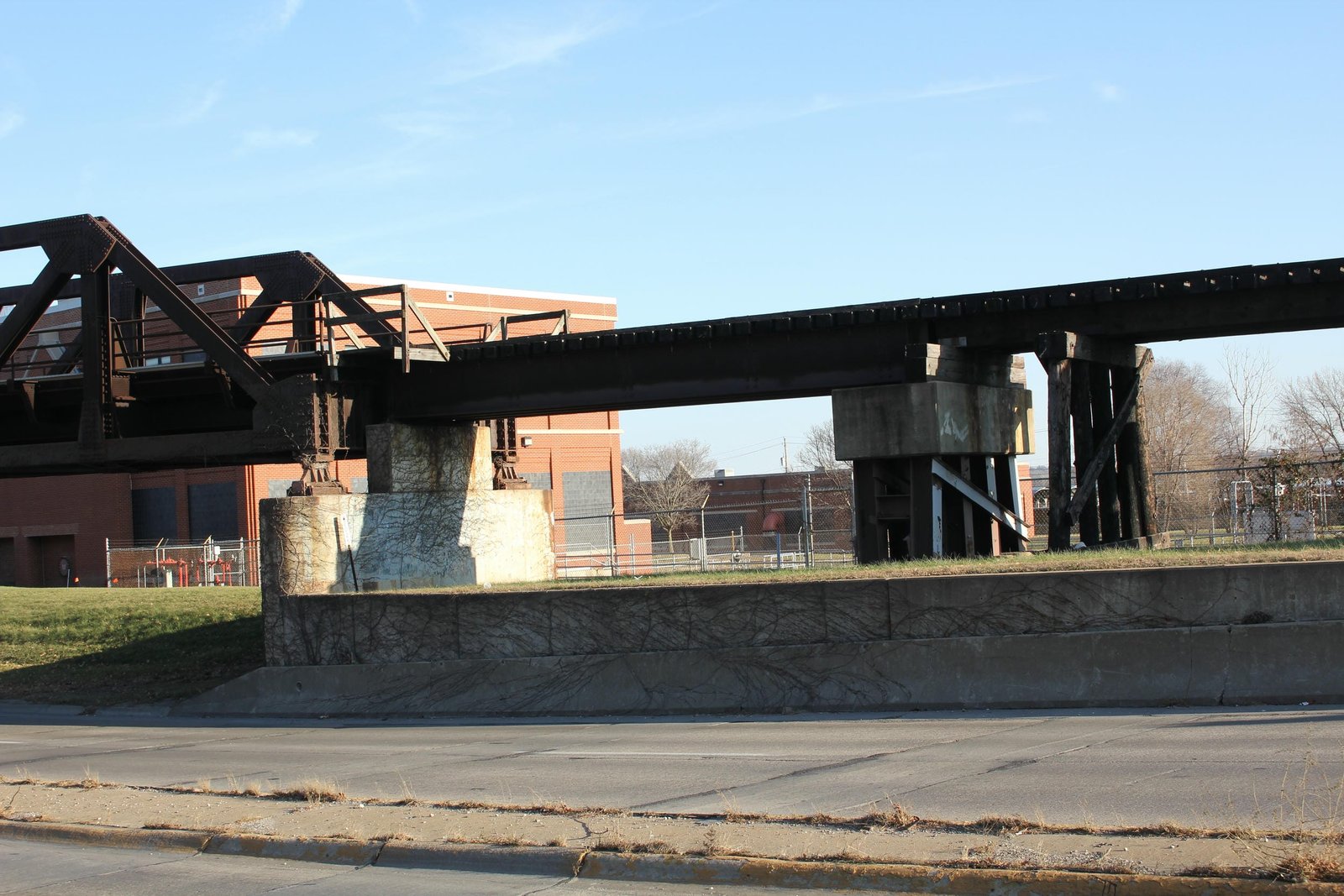
By the mid-20th Century, the danger presented by the S-curve on East River Drive had become obvious to the community and to transportation officials in Iowa. By the 1970s, discussions were had about removing or rebuilding the trestle. Options included rebuilding the section over East River Drive with larger spans, completely filling the trestle or adding a parallel set of lanes and a second identical pony truss span over the additional lanes. In 1979, a proposal was released to completely eliminate the trestle or replace it entirely with a new steel bridge. This proposal sparked fierce community opposition and resulted in the trestle being listed as an Iowa Historic Landmark and nominated to the National Register of Historic Places. Eventually, a compromise was reached to rebuild the section over East River Drive with a similar yet modern pony truss span. As part of the work, the road would be lowered and widened. Contracts were awarded in 1983, and construction on the bridge was completed in 1984. As part of the work, a section of the trestle was replaced with modern pony truss spans, giving the bridge its present configuration. From the south end, the bridge currently consists of 30 timber pile trestle spans, one 34-foot steel stringer span, one 134-foot, 8-panel, bolted Warren pony truss, one 98-foot, 6-panel, bolted Warren pony truss, one 43-foot steel stringer span, 32 timber pile trestle spans, one 80-foot deck plate girder span and three additional timber pile trestle spans. The bridge is set onto concrete and steel pile piers at East River Drive and timber pile piers and bents throughout the remainder of the structure. In addition, the bridge is curved at either end, is set onto a grade and is slightly skewed in spots.
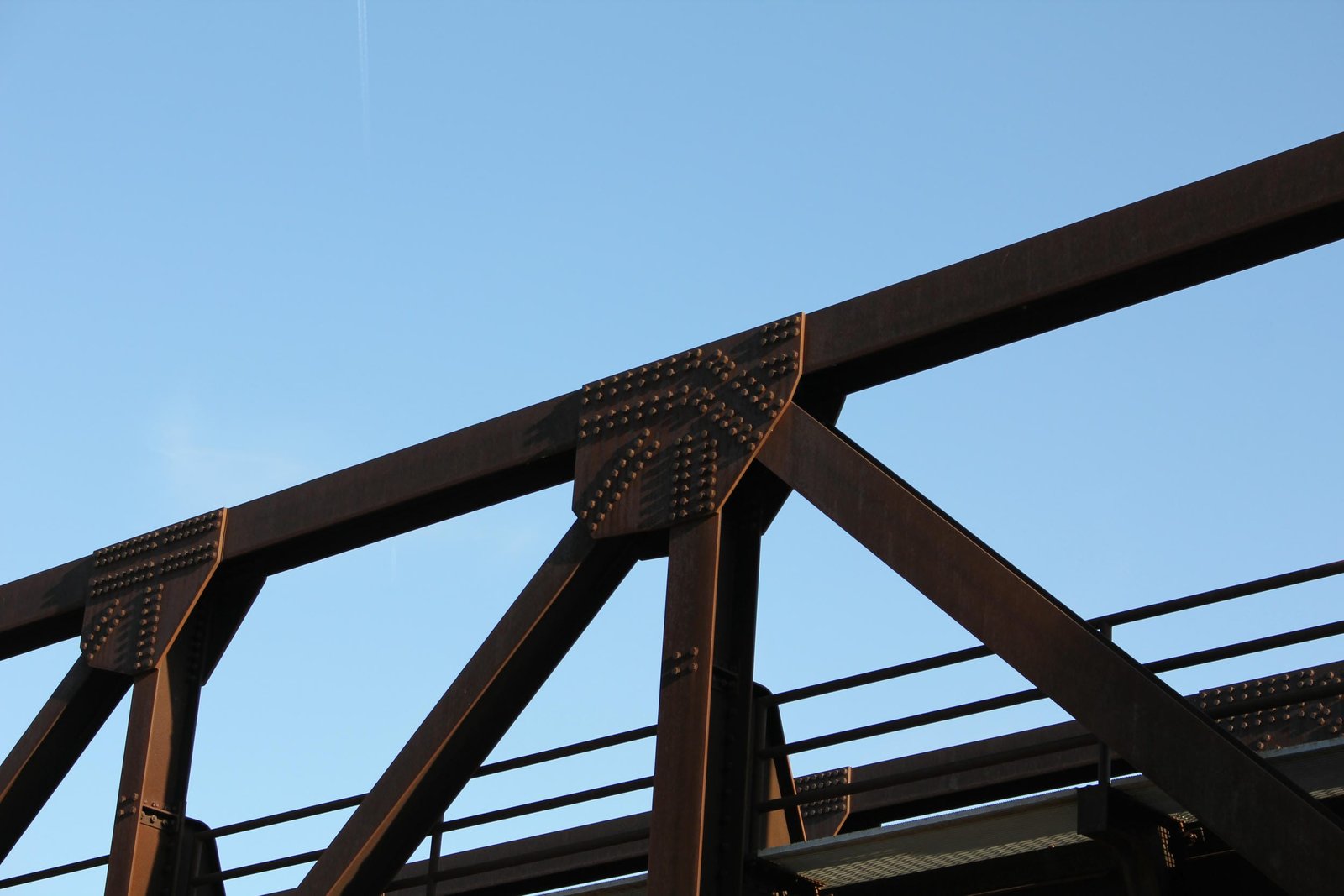
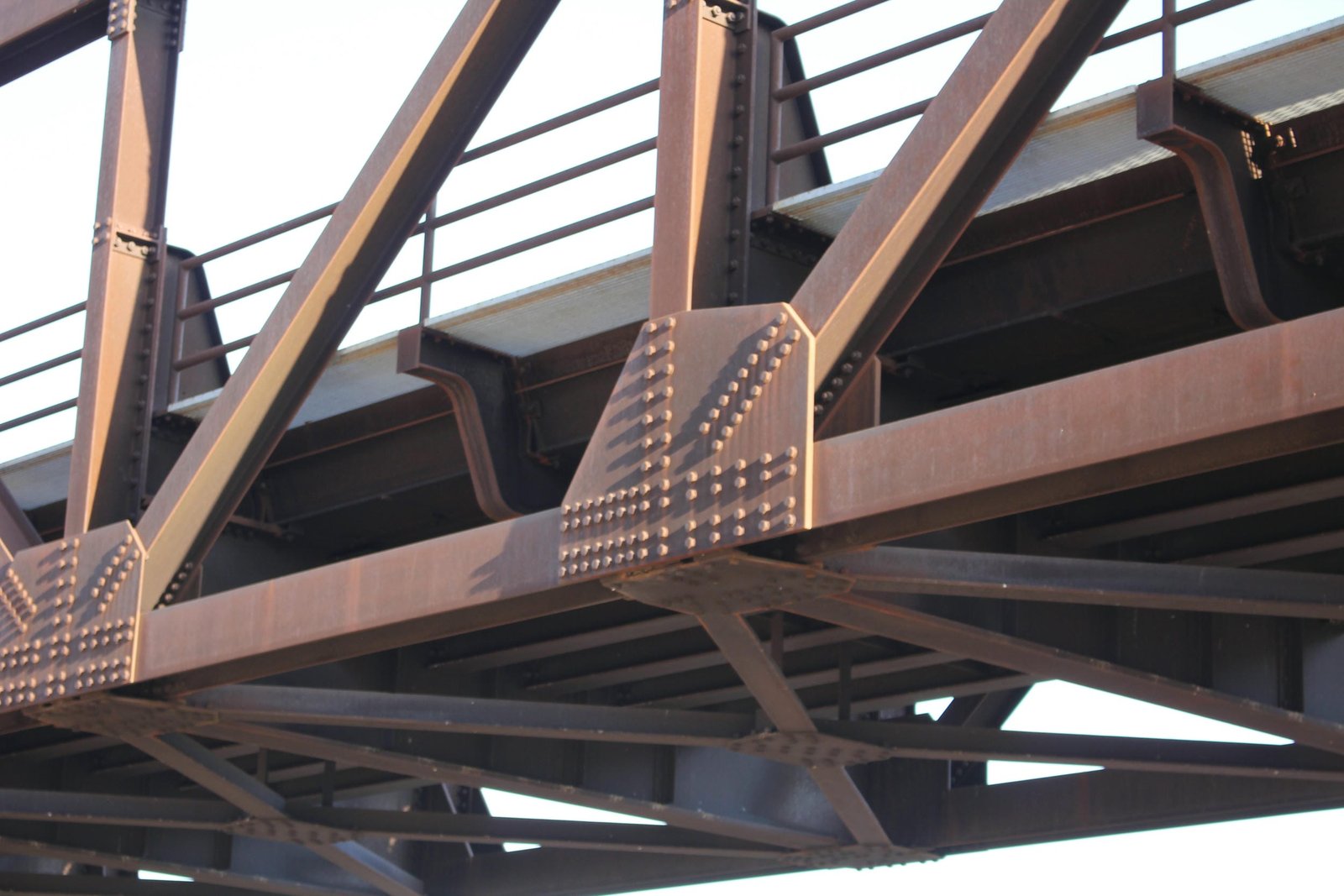
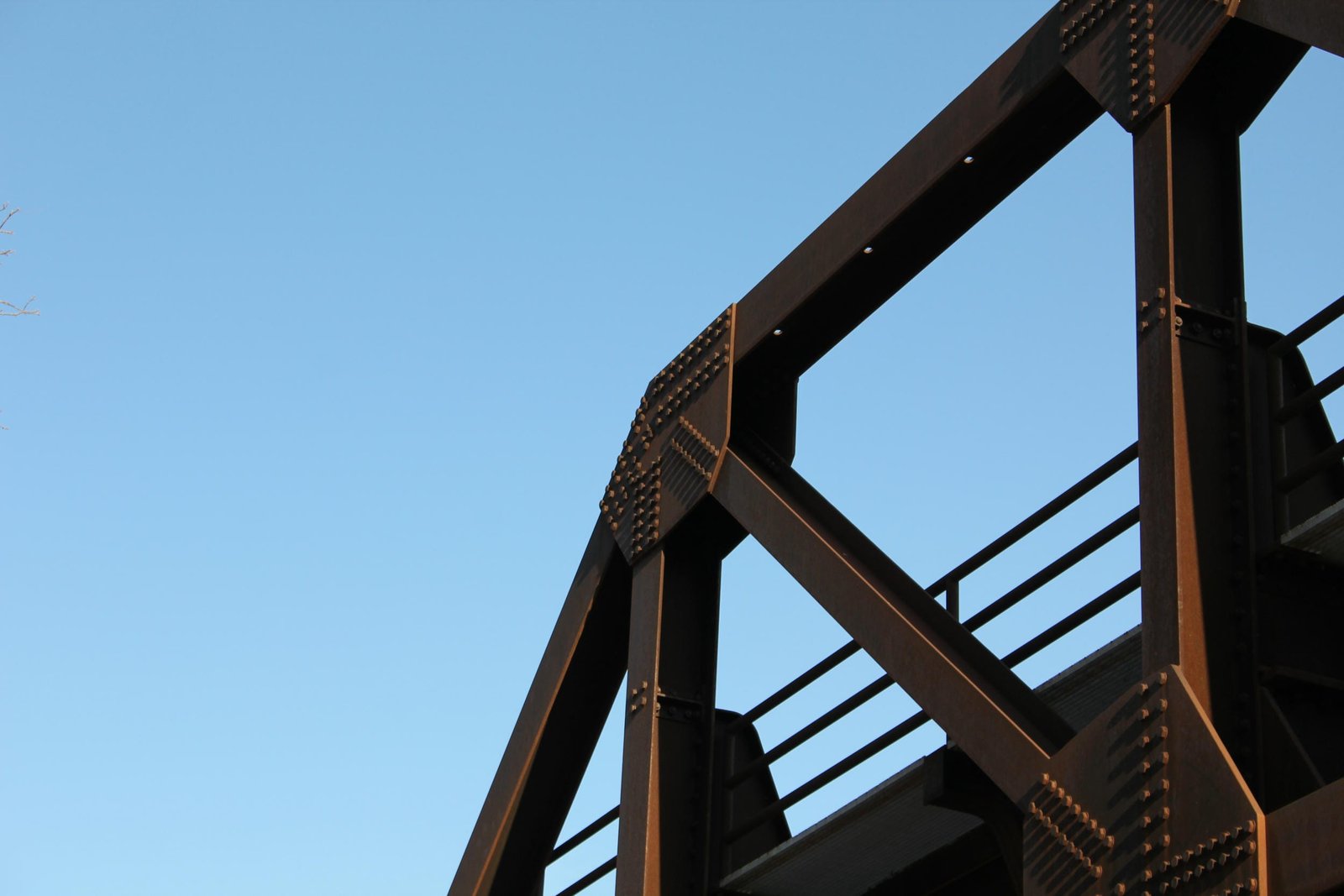
The main pony truss spans follow a standard design for the era, with bolted connections, high strength steel members and a metal floor. All of the members are constructed from weathered steel I-beams, and horizontal members are fabricated with weepholes to allow for water to drain. The floor system uses five shallow stringers and plate girder floorbeams at the panel points. The trusses appear continuous, but are two separate spans which are kinked at the joint between the spans. Each of the beam spans use a standard design with four shallow beams. The deck plate girder span over 11th Street is heavily constructed, with two massive plate girders and an open deck. All of the timber pile trestle spans use a standard design, with timber stringers supported by timber bents. For the most part, the timber bents use round timber piles, which are reportedly driven to bedrock. The three main piers at East River Drive uses a rounded rectangular concrete design, while the steel pile piers use a standard design with concrete caps. An unknown contractor fabricated the span over 11th Street, while an additional unknown contractor fabricated the spans over East River Drive. Lunda Construction Company completed the substructures and erection of the East River Drive spans, while railroad company forces built and renewed the timber pile trestle spans. Timber pile trestles, deck girders and pony truss spans range from common to very common by themselves, although it is unusual to see such a large structure constructed with so many different designs and during different times. Since the 1984 reconstruction, the bridge has seen no significant alterations, and still remains in occasional use. Overall, the bridge appears to be in fair condition, with no significant deterioration noted. The author has ranked the bridge as being moderately significant, due to the unique combination of designs and the size.
Citations
| Build date (11th Street Span) | Milwaukee Road Bridge Index, located at the Milwaukee Road Archives at the Milwaukee Public Library |
| Build date and substructure builder (East River Drive spans) | The Quad-City Times; June 2, 1983 |
| Railroad History Citation | ICC Valuation Information, Compiled by Richard S. Steele |