
Click the photo to view the full-size version
| Name | Chicago & North Western Railway Bridge #2103 |
| Built By | Chicago & North Western Railway |
| Currently Owned By | Polk County Conservation Board |
| Superstructure Contractor | American Bridge Company of New York (Lassig Plant) |
| Substructure Contractor | Cleary-White Construction Company of Chicago, Illinois |
| Length | 24 Feet Total |
| Width | 1 Track |
| Height Above Ground | 15 Feet (Estimated) |
| Superstructure Design | Steel Stringer |
| Substructure Design | Concrete |
| Date Built | 1913 |
| Traffic Count | 0 Trains/Day (Bridge is Open to Pedestrian Traffic) |
| Current Status | Open to Pedestrian Traffic |
| Chicago & North Western Railway Bridge Number | 2103 |
| Significance | Local Significance |
| Documentation Date | 4/2/2019 |
In 1874, the Iowa and Minnesota Railway (I&M) began construction on a 37-mile narrow gauge railroad line, extending from Des Moines, Iowa to Ames, Iowa. The I&M was sold to the Des Moines and Minneapolis Rail Road (DM&M) in 1873, and the DM&M completed the line in 1874. In 1878, an additional 20 miles were completed between Ames and Callanan, Iowa, located south of present-day Jewell, Iowa. In 1879, the DM&M was leased to the Chicago & North Western Railway (C&NW). In 1882, the Toledo and Northwestern Railway (T&NW) constructed an additional 2 mile line between Callanan and Jewell, and also standard gauged the line. The T&NW also had been leased by the C&NW in 1879. In 1884, the DM&M was purchased by the C&NW; and in 1890, the T&NW was purchased by the C&NW. By the early 20th Century, the C&NW had developed into a significant railroad network in the midwest, with lines radiating north and west from Chicago. In particular, the C&NW developed dozens of secondary and branch lines in Iowa to serve agricultural industries and small towns. While the C&NW developed several predominantly east-west routes in Iowa, there were relatively few north-south routes. This line served as a secondary mainline, connecting several C&NW lines throughout central Iowa. North of Jewell, the line would extend to the Minnesota border town of Elmore, and connect to the C&NW-controlled Chicago, St. Paul, Minneapolis & Omaha Railway (Omaha Road).
In 1981, the C&NW purchased the better constructed Chicago, Rock Island & Pacific Railroad "Spine Line", which ran approximately 10 miles east of this line. In 1985, the line between Slater, Iowa and Ames was abandoned. In 1995, the C&NW was purchased by Union Pacific Railroad (UP). The segment between Ankeny, Iowa and Slater was abandoned in 2003, followed by a segment between the north side of Des Moines and Ankeny in 2012. Today, UP operates the segment between Ames and Jewell as part of the Jewell Subdivision, and the segment to the north side of Des Moines as the Ankeny Industrial Lead. A large section between the north side of Des Moines and Slater has been reused as part of the High Trestle Trail, a popular trail in central Iowa. Between Slater and Ames, the line has largely reverted to adjacent landowners, and has been converted to farm field use.
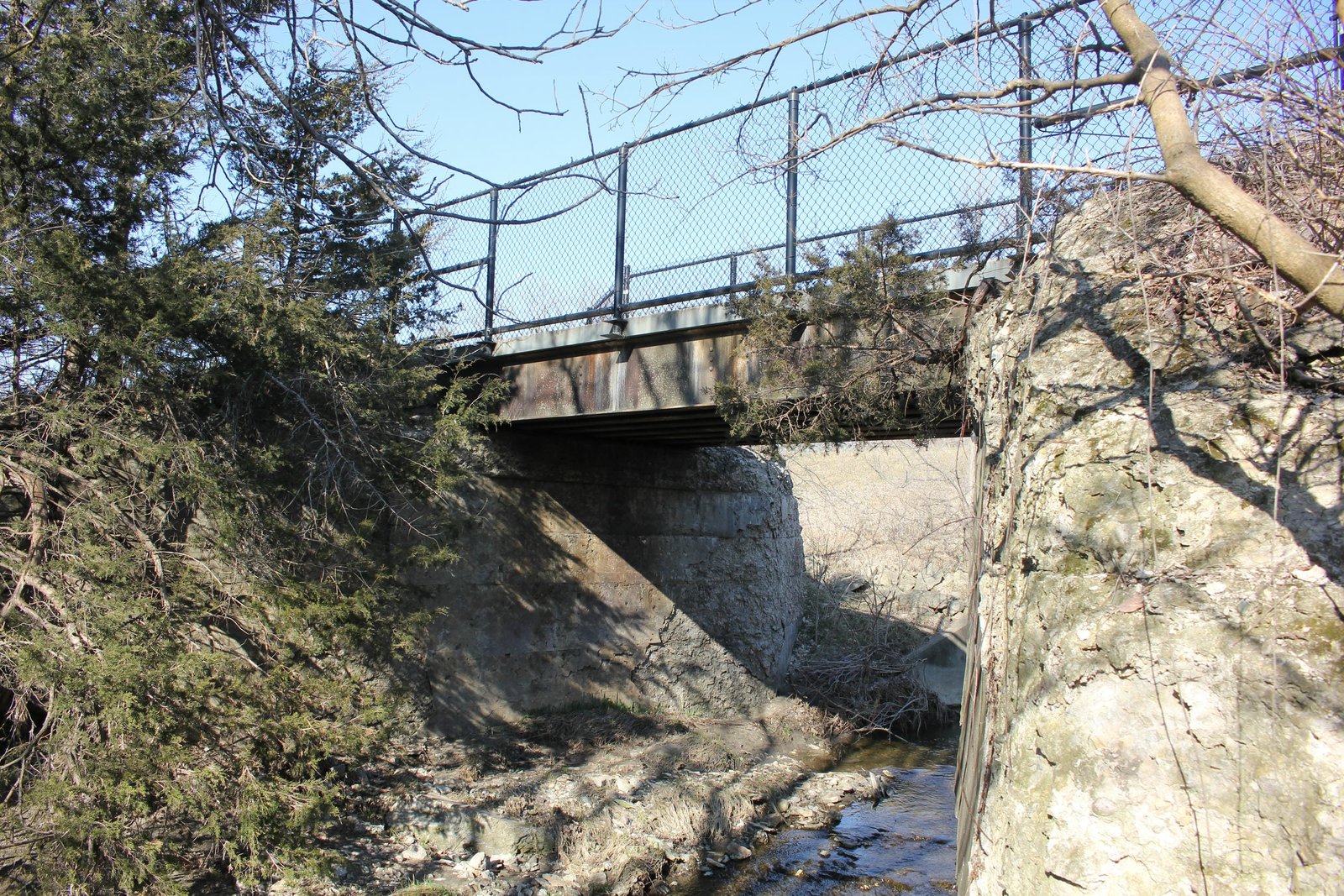
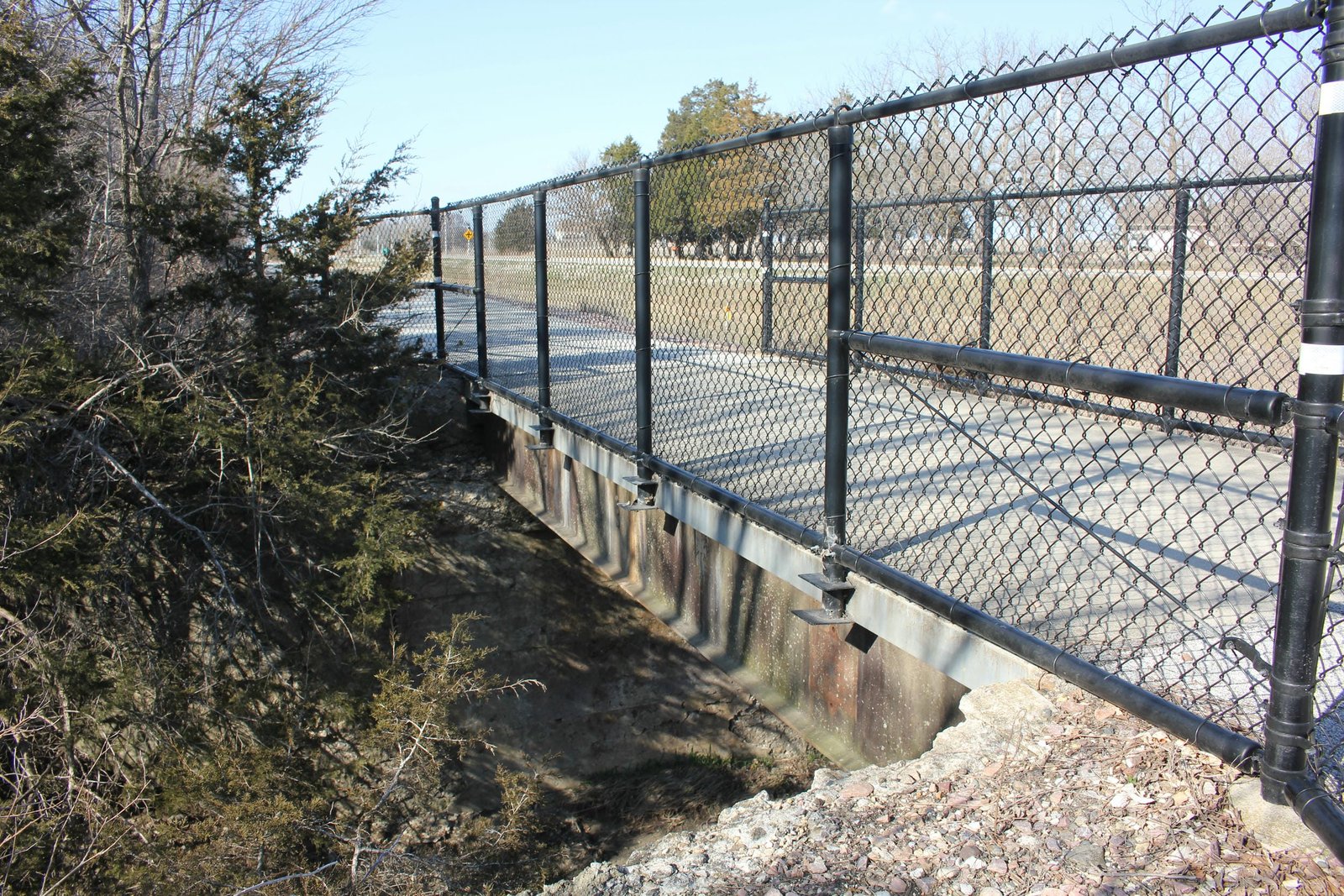
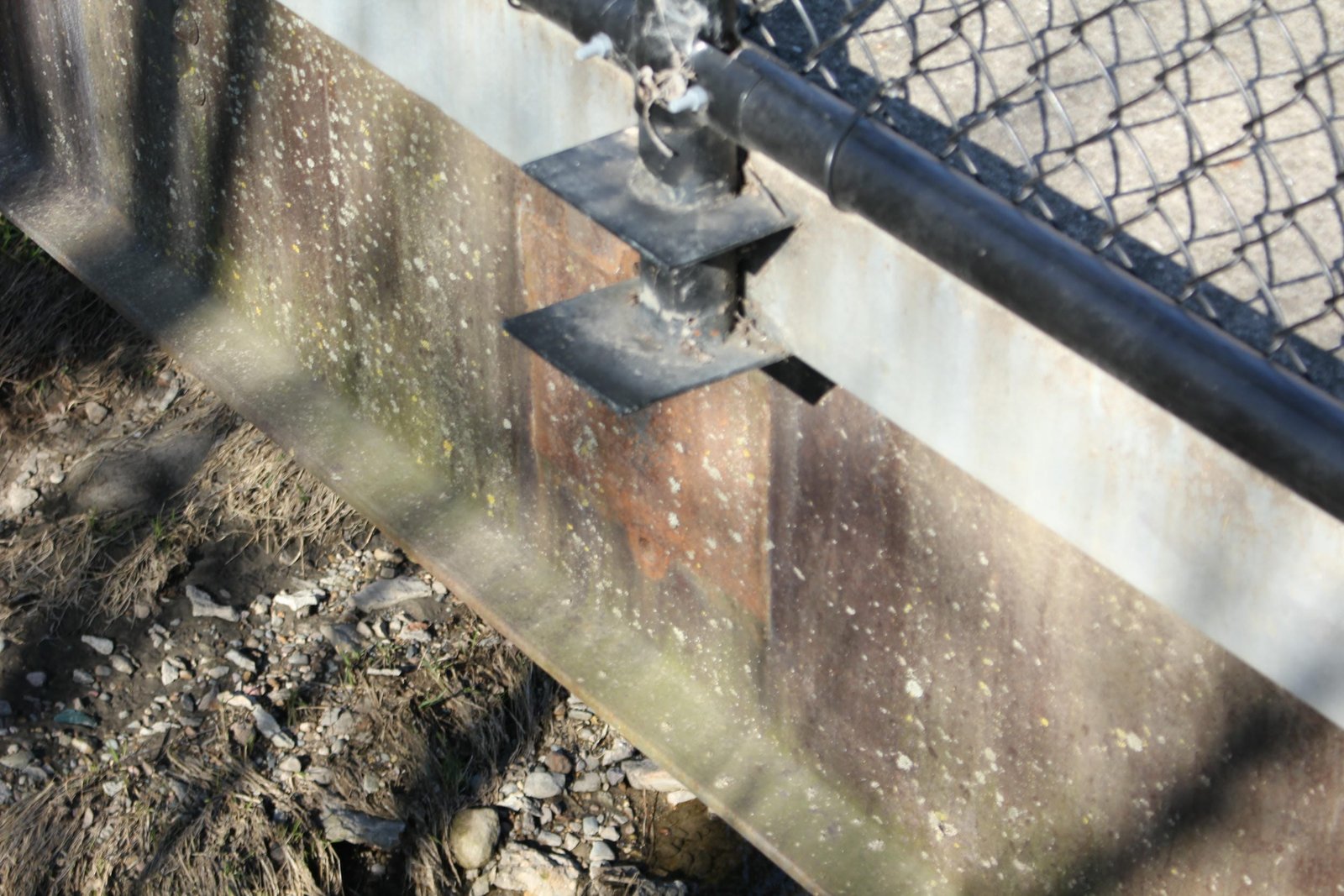
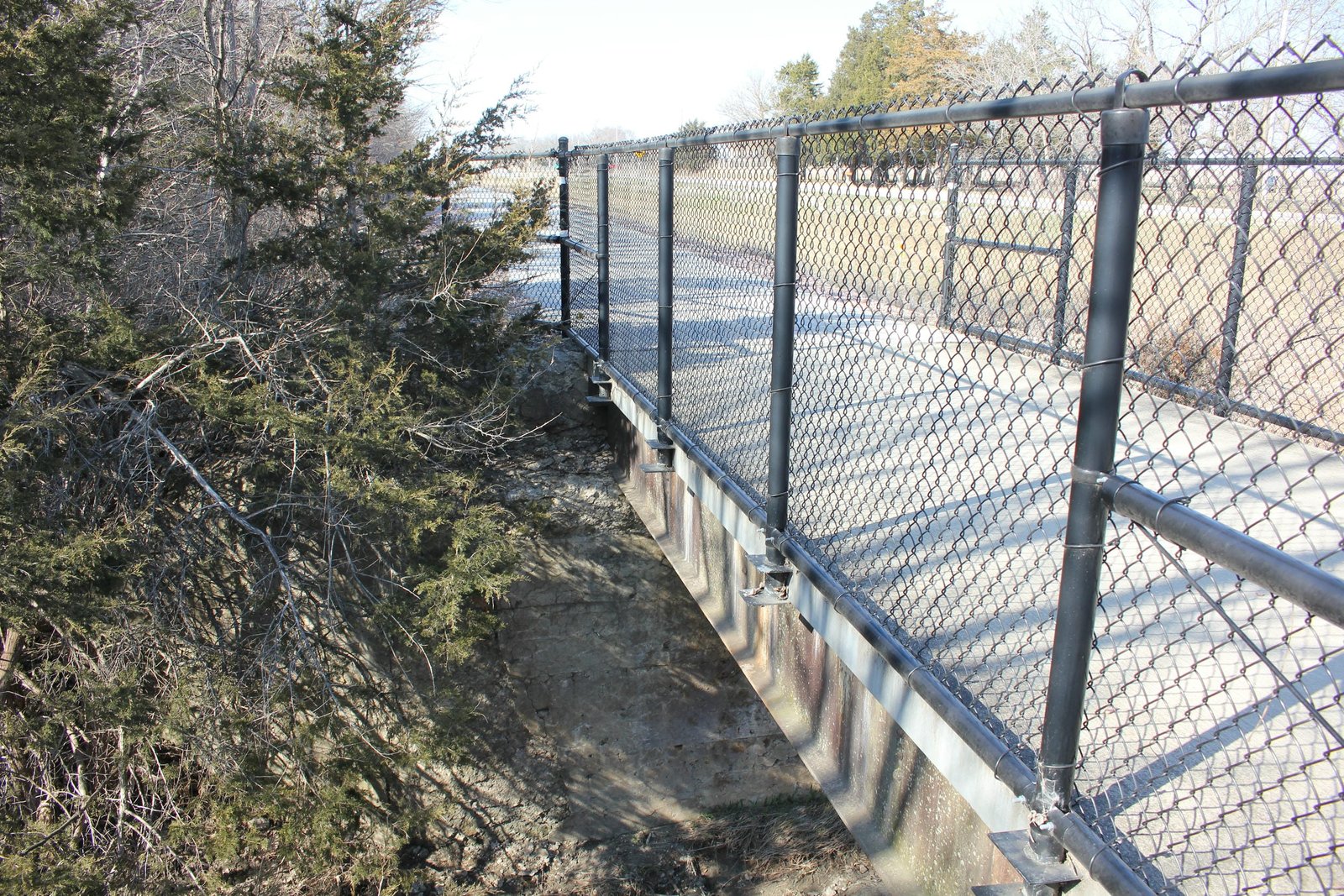
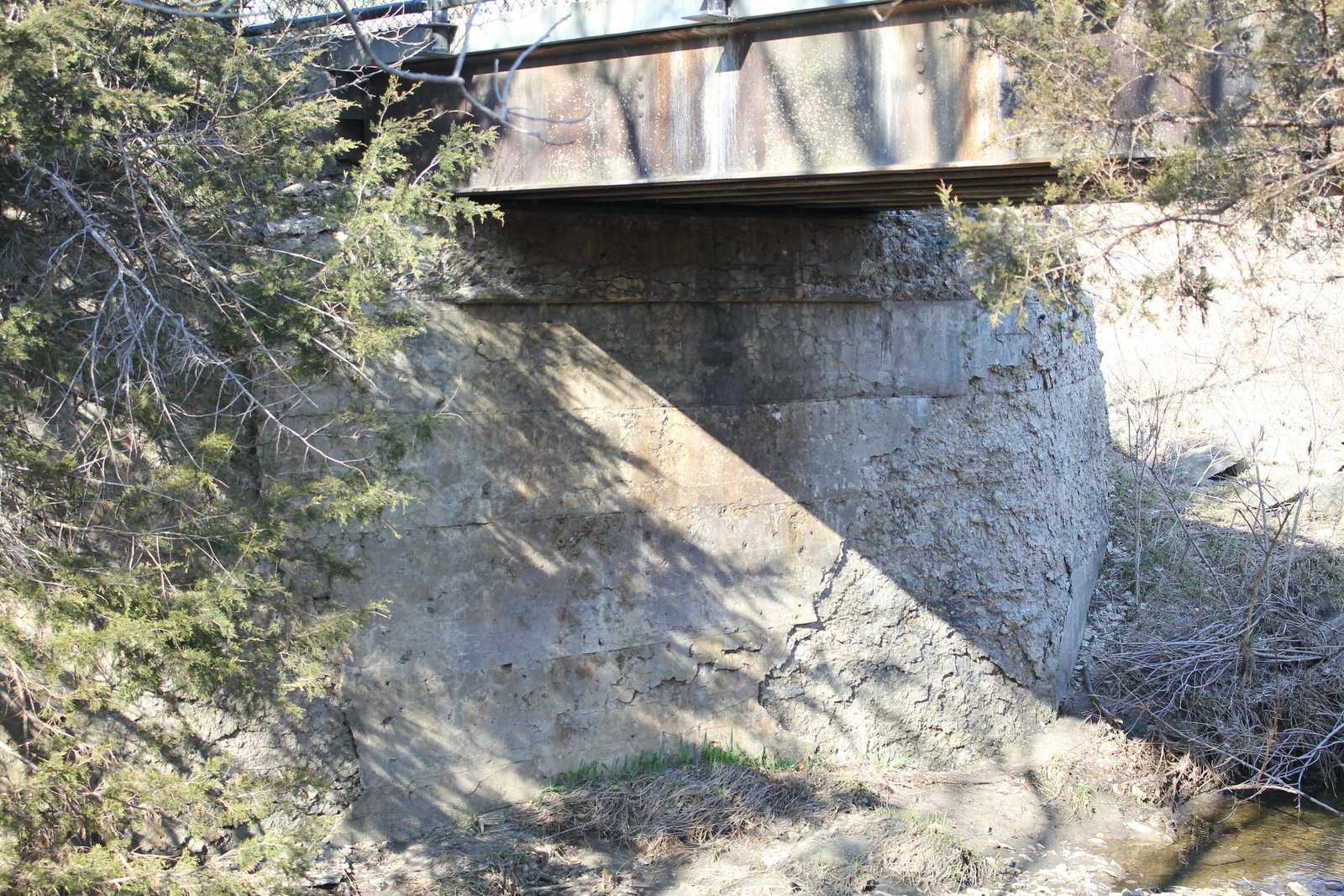
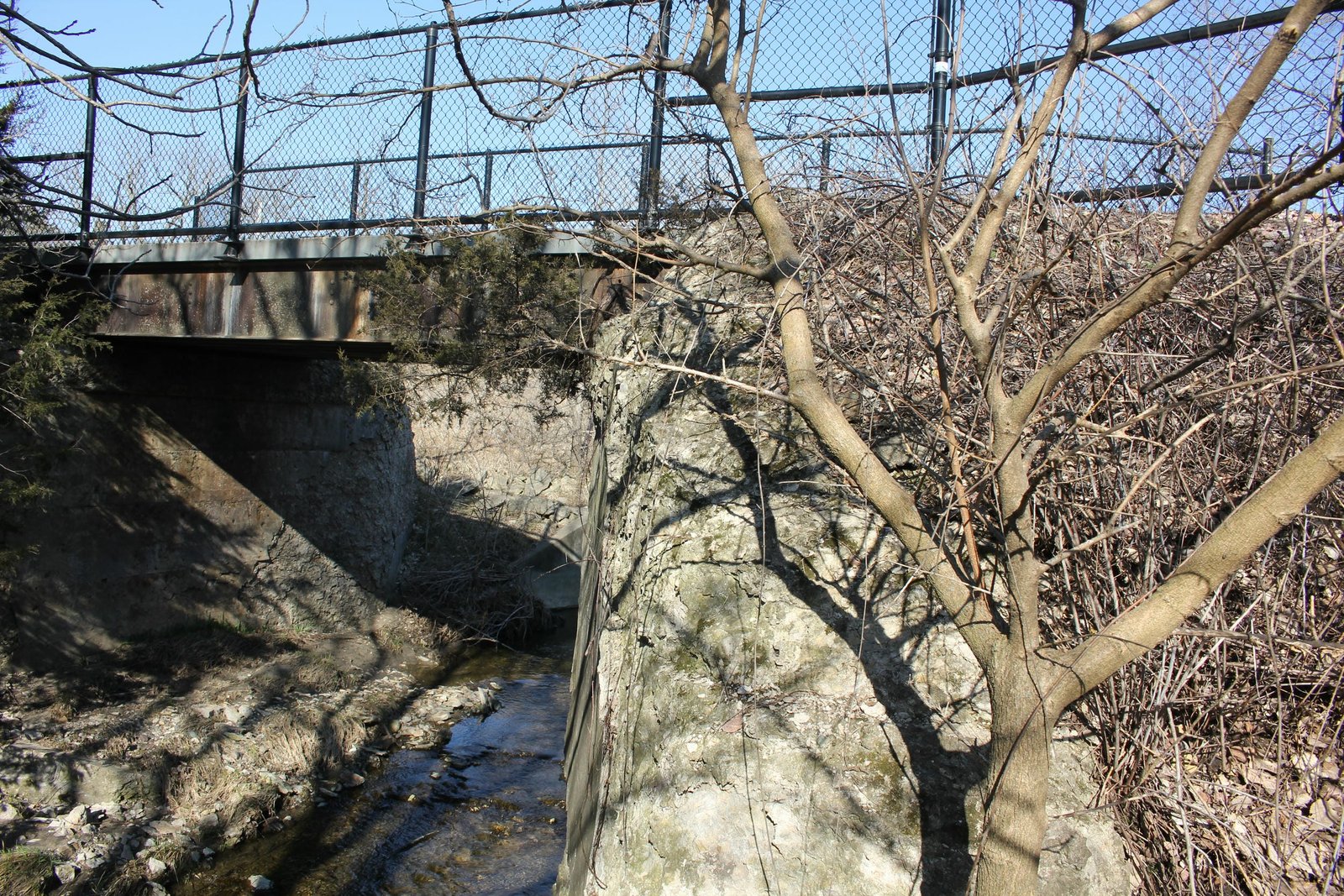
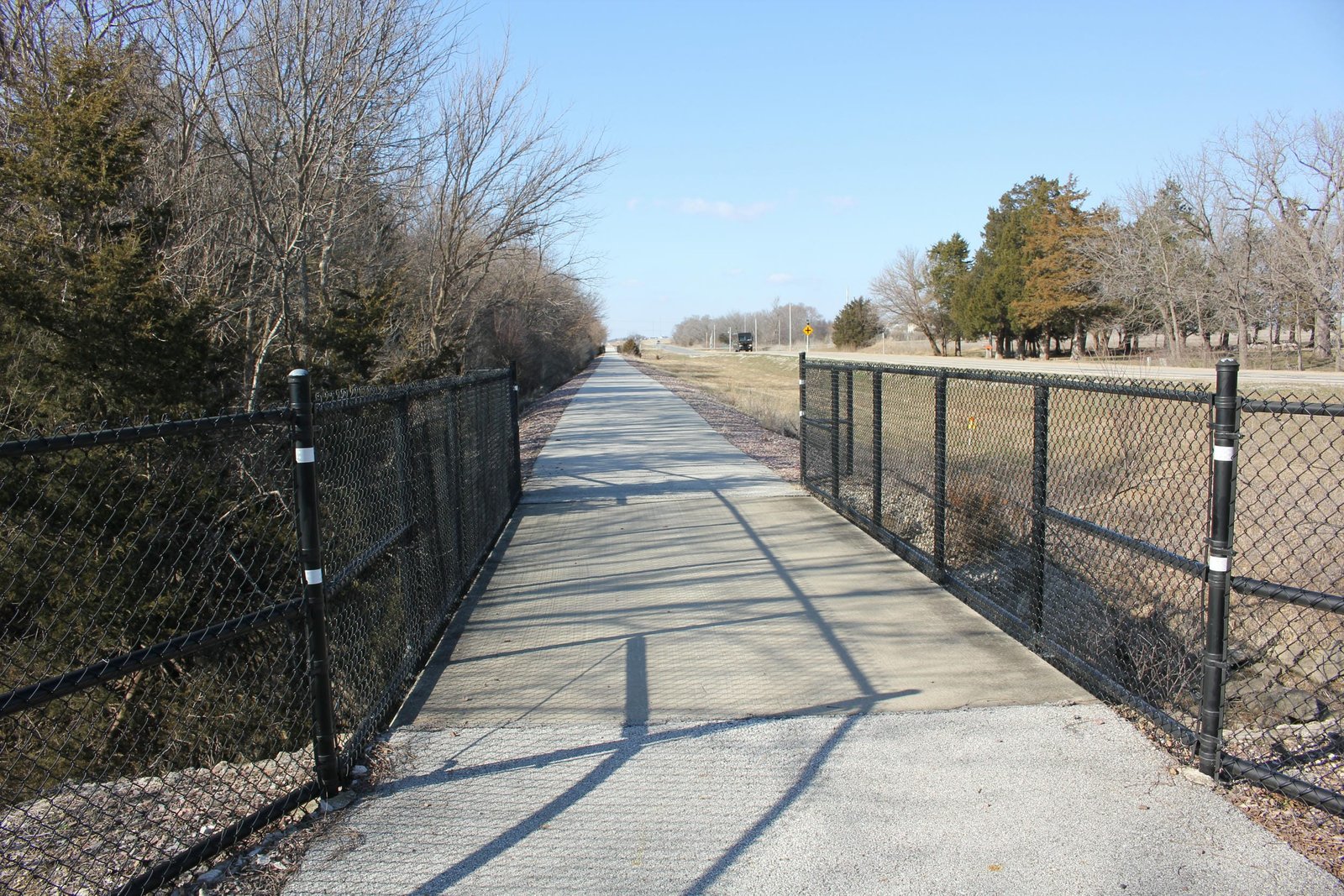
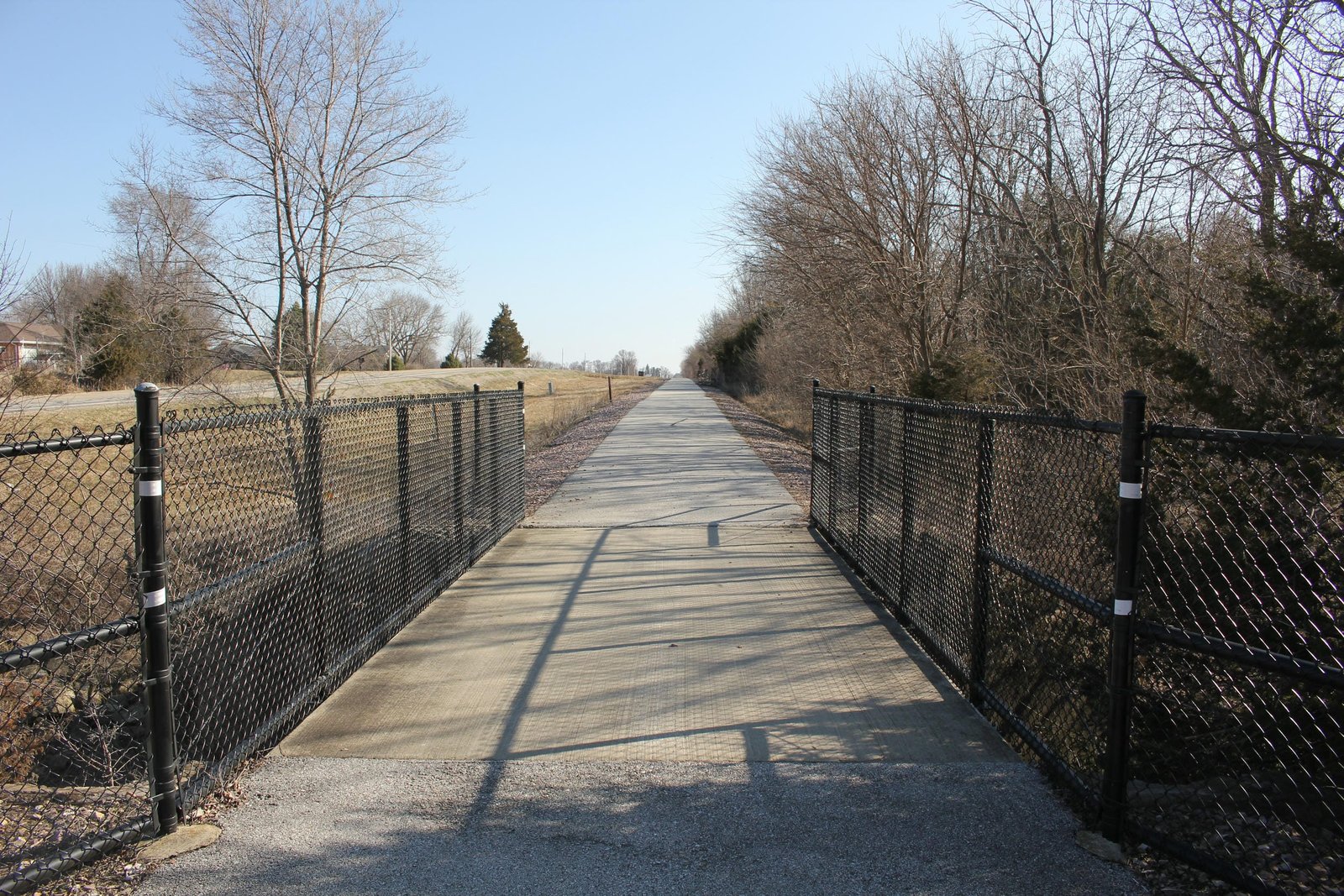
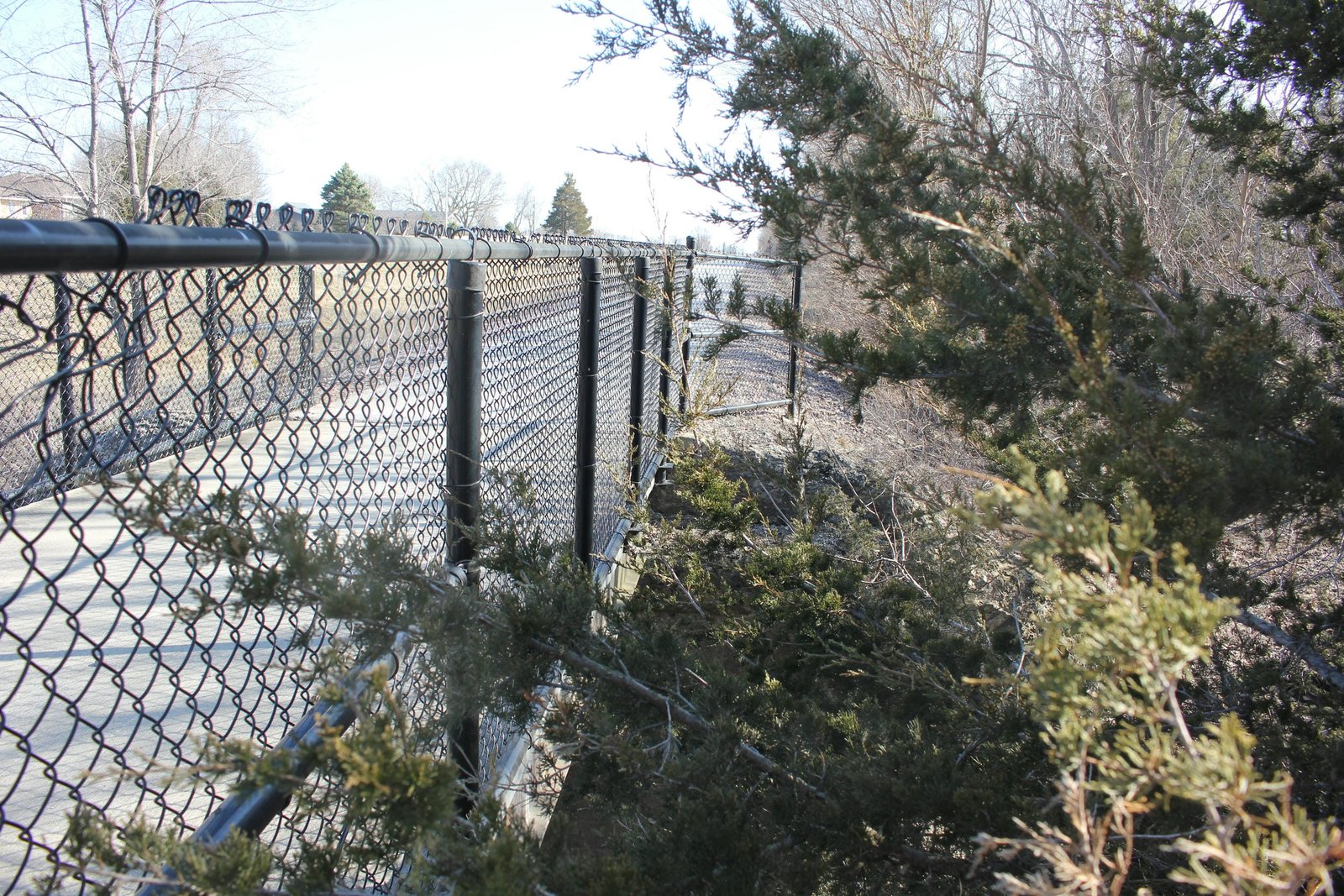
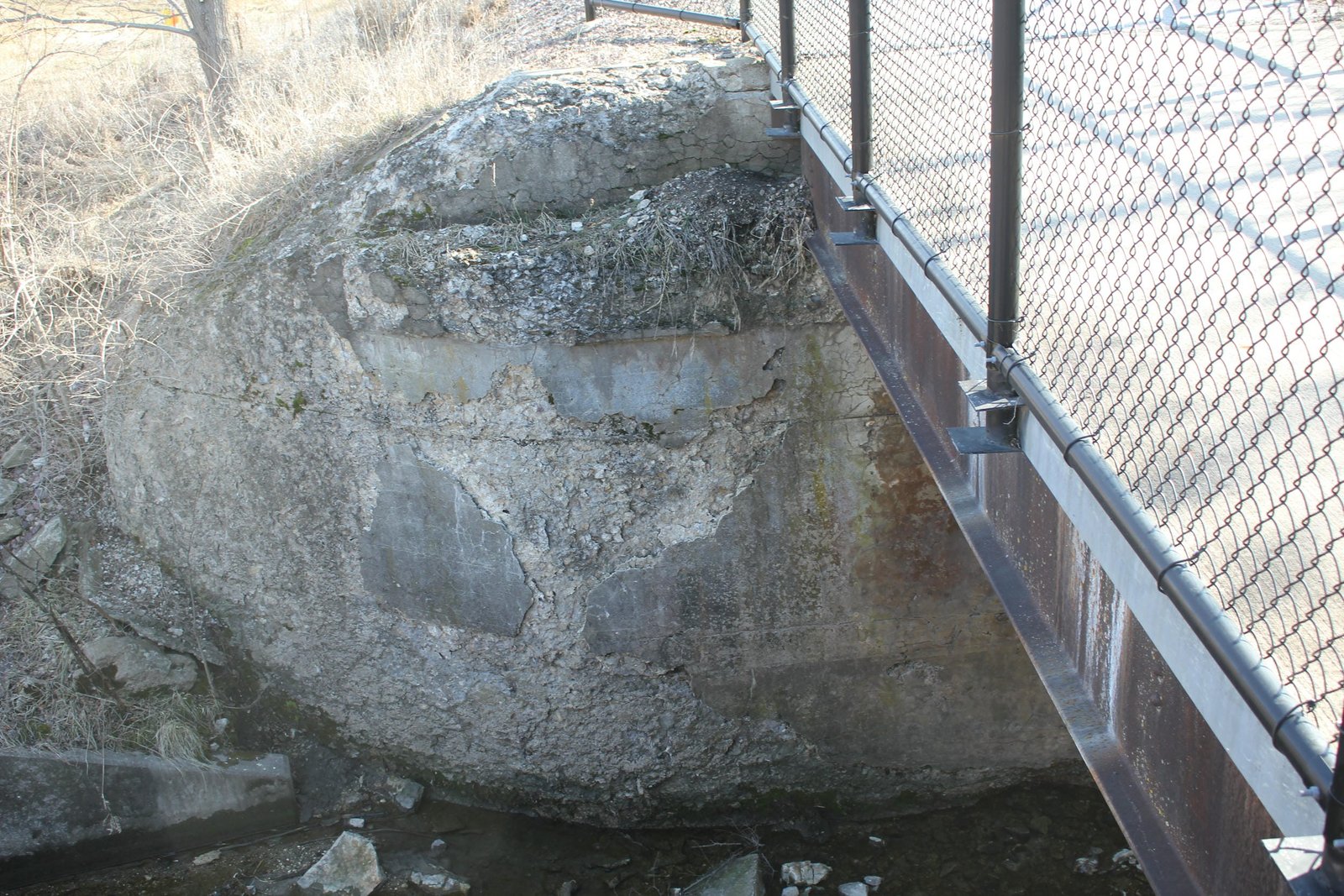
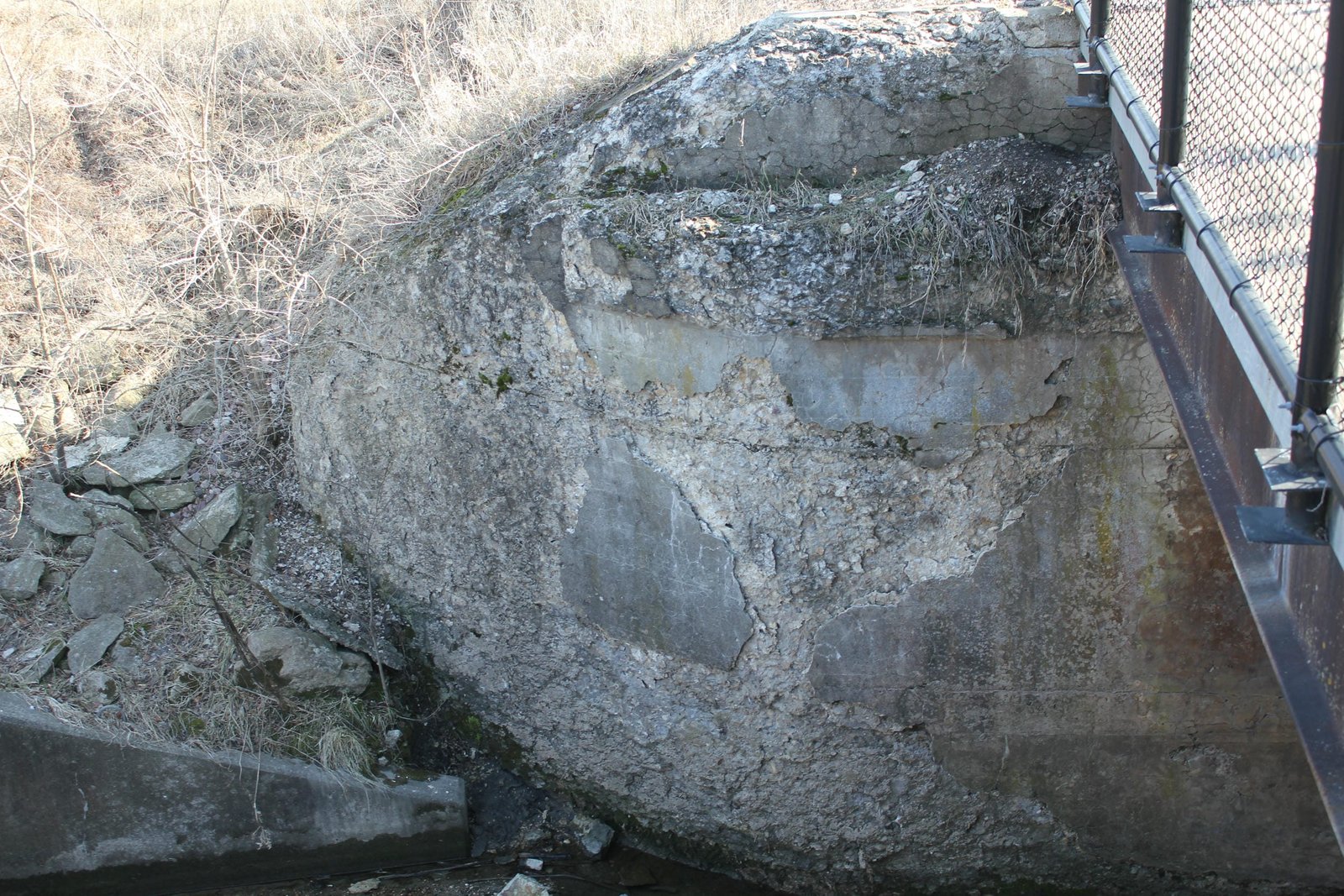
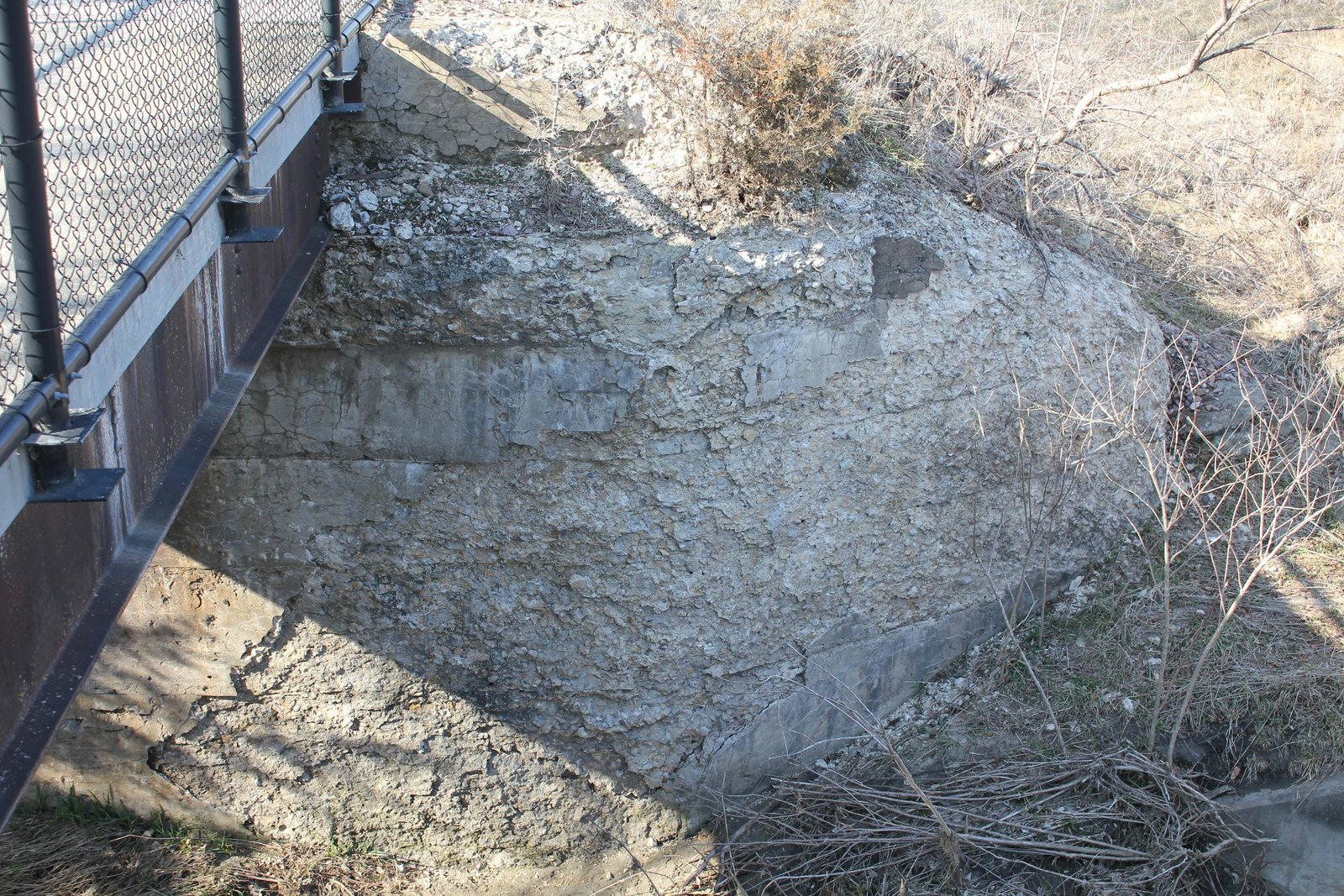
Located alongside Northwest 58th Street between Polk City and Sheldahl, this small steel stringer bridge carries a former Chicago & North Western Railway secondary line over an unnamed creek. The first bridge at this location was likely a timber pile trestle bridge, constructed when the line was first built. Between 1900 and 1915, the C&NW invested significant capital into this line, replacing aging timber bridges with stone, concrete and steel structures. During the 1913 construction season, the present bridge was constructed. Currently, the bridge consists of a 24-foot steel stringer span, set onto concrete abutments. The superstructure follows a standard design, with numerous shallow beams. Originally, the span featured a concrete ballast deck. However, the ballast deck was removed when the bridge was converted to pedestrian use, and a new paved deck was constructed. The substructure also follows a standard design, with sloped wing walls which extend from the bridge at an angle. American Bridge Company fabricated the superstructure at their Lassig plant in Chicago, Illinois; while it is believed that the substructure was constructed by the Cleary-White Construction Company. This company worked extensively on concrete bridges along this line during the 1913 and 1914 construction seasons. Steel stringer spans were popular for railroad use, as they were durable and easy to construct. Since the initial construction, the only significant alteration to the bridge came in approximately 2008, when the original ballast deck was replaced with the present paved deck. Overall, the bridge appears to be in fair condition, with some spalling noted throughout the substructures. The author has ranked this bridge as being locally significant, due to the common design.
Citations
| Build date and builder (superstructure) | Chicago & North Western Railway Valuation Notes at the Chicago & North Western Historical Society Archives |
| Builder (substructure) | Based on other concrete bridges and culverts constructed along this line during 1913 |
| Railroad History Citation | ICC Valuation Information, Compiled by Richard S. Steele |