
Click the photo to view the full-size version
| Name | CN Boyer River Bridge #4 Illinois Central Railroad Bridge #WA443.5 |
| Built By | Illinois Central Railroad |
| Currently Owned By | Canadian National Railway |
| Superstructure Contractor | American Bridge Works of Chicago, Illinois (North Approach) Unknown (Main Span and South Approach) |
| Substructure Contractor | George B. Swift Company of Chicago, Illinois (Original Substructure) Illinois Central Railroad Company Forces (1961 Alterations) |
| Length | 149 Feet Total, 76 Foot Main Span |
| Width | 1 Track |
| Height Above Ground | 20 Feet (Estimated) |
| Superstructure Design | Through Plate Girder, Steel Stringer and Deck Plate Girder |
| Substructure Design | Concrete |
| Date Built | 1961, Reusing a Span Fabricated 1899 |
| Traffic Count | 2 Trains/Day (Estimated) |
| Current Status | In Use |
| Illinois Central Railroad Bridge Number | WA443.5 |
| Canadian National Railway Bridge Number | 443.5 |
| Significance | Local Significance |
| Documentation Date | 12/30/2018 |
Between 1857 and 1870, the Dubuque and Sioux City Railroad (D&SC) had acquired and constructed a mainline across central Iowa, extending from the Mississippi River at Dubuque, Iowa to the Missouri River at Sioux City, Iowa. The D&SC had operated under lease from the Illinois Central Railroad (IC) since 1867, and connected to the IC system by using a bridge across the Mississippi River at Dubuque. This line provided several opportunities for the construction of branch lines. By the late 19th Century, the IC desired to enter the Council Bluffs, Iowa/Omaha, Nebraska markets. In 1890, the Omaha Bridge & Terminal Railway (OB&T) began construction on a line extending between Council Bluffs, Iowa and Omaha, Nebraska. A new bridge was constructed across the Missouri River between 1893 and 1894, with the goal of breaking the Union Pacific Railroad (UP) monopoly of traffic crossing the Missouri River at Omaha. Between September 1898 and January 1900, the Fort Dodge and Omaha Railroad (FD&O) constructed a 131-mile railroad line, extending from the existing D&SC mainline at Tara, Iowa to Council Bluffs, Iowa. The FD&O and OB&T were both leased by the D&SC/IC in 1899.
By the late 19th Century, the IC had developed and operated a sprawling railroad network in the central United States. This line served as a secondary mainline for the company, connecting Chicago to the Missouri River at Omaha. In the 20th Century, the IC had become a respected railroad, connecting several major cities in the central United States. The D&SC was fully merged into the IC in 1946. In 1972, the IC merged with the Gulf, Mobile & Ohio Railroad (GM&O) to form the Illinois Central Gulf (ICG). The bridge across the Missouri River was placed out of service in approximately 1980, although the tracks remain today. The entire IC system in Iowa, as well as the line between Dubuque and Chicago, were sold to the Chicago Central & Pacific Railroad (CC&P) in 1995. In 1988, the ICG was reorganized as the Illinois Central Railroad (IC). In 1996, the CC&P was repurchased by IC and in 1998, IC was purchased by the Canadian National Railway (CN). Today, CN operates the Omaha Subdivision between Tara and Council Bluffs.
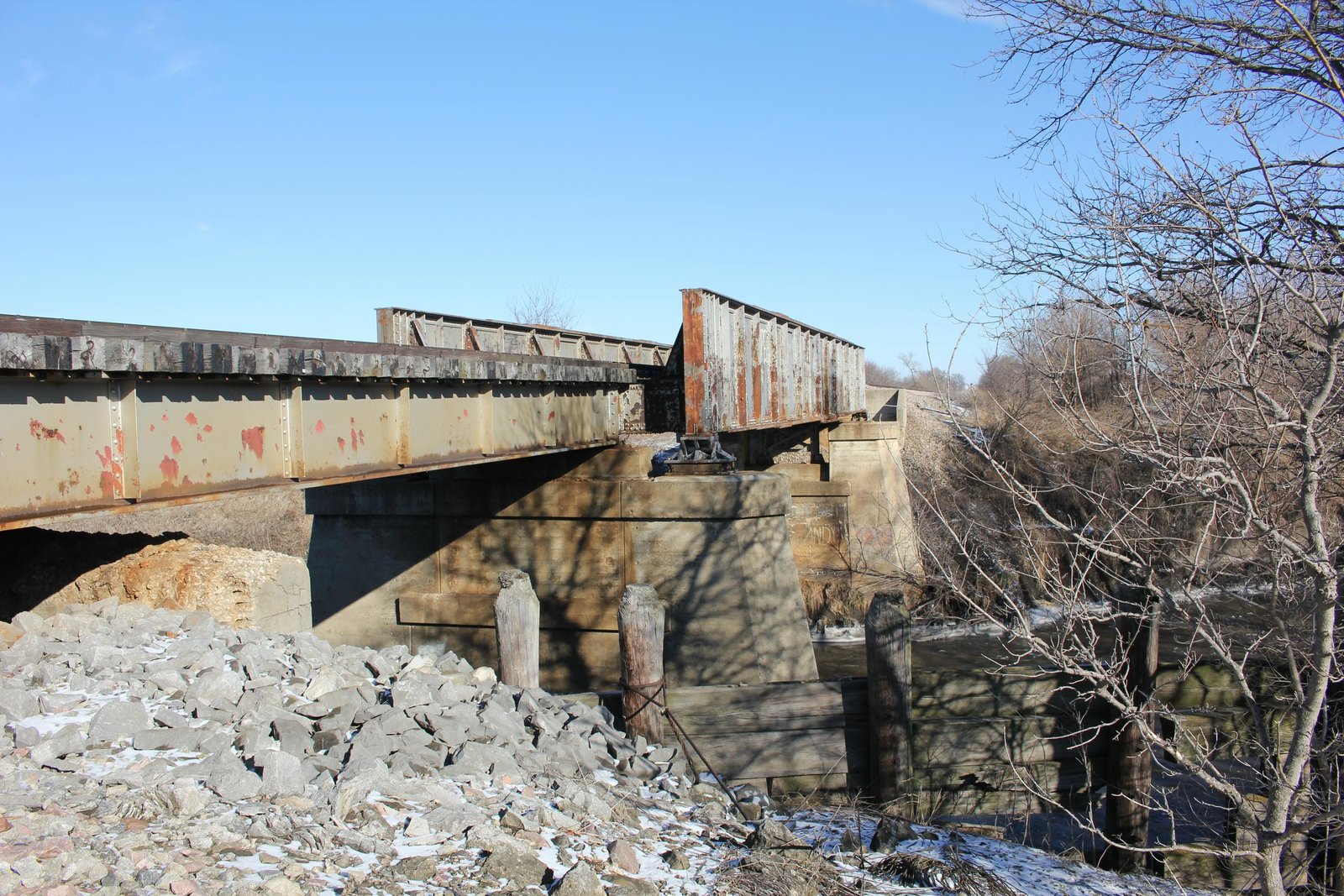
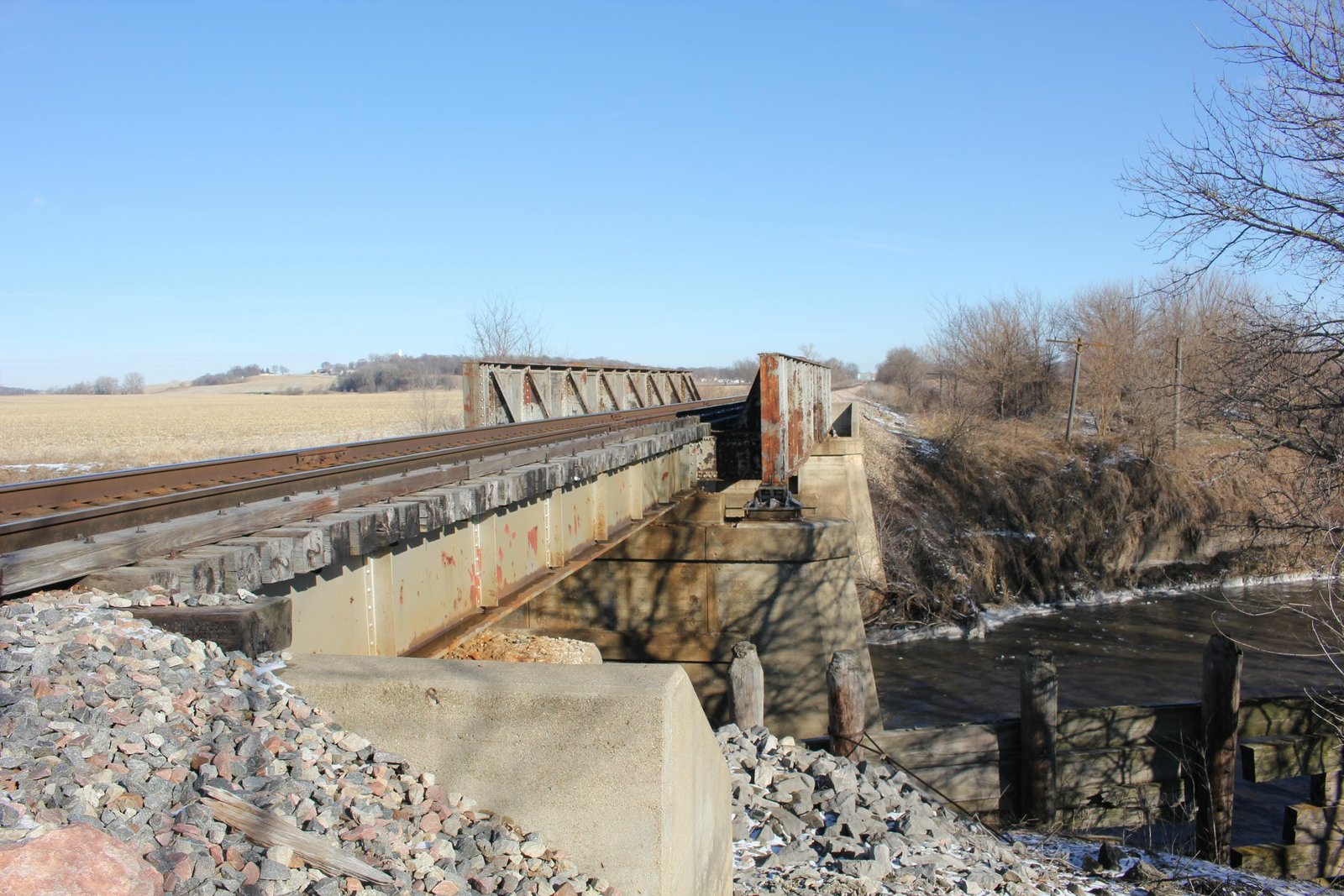
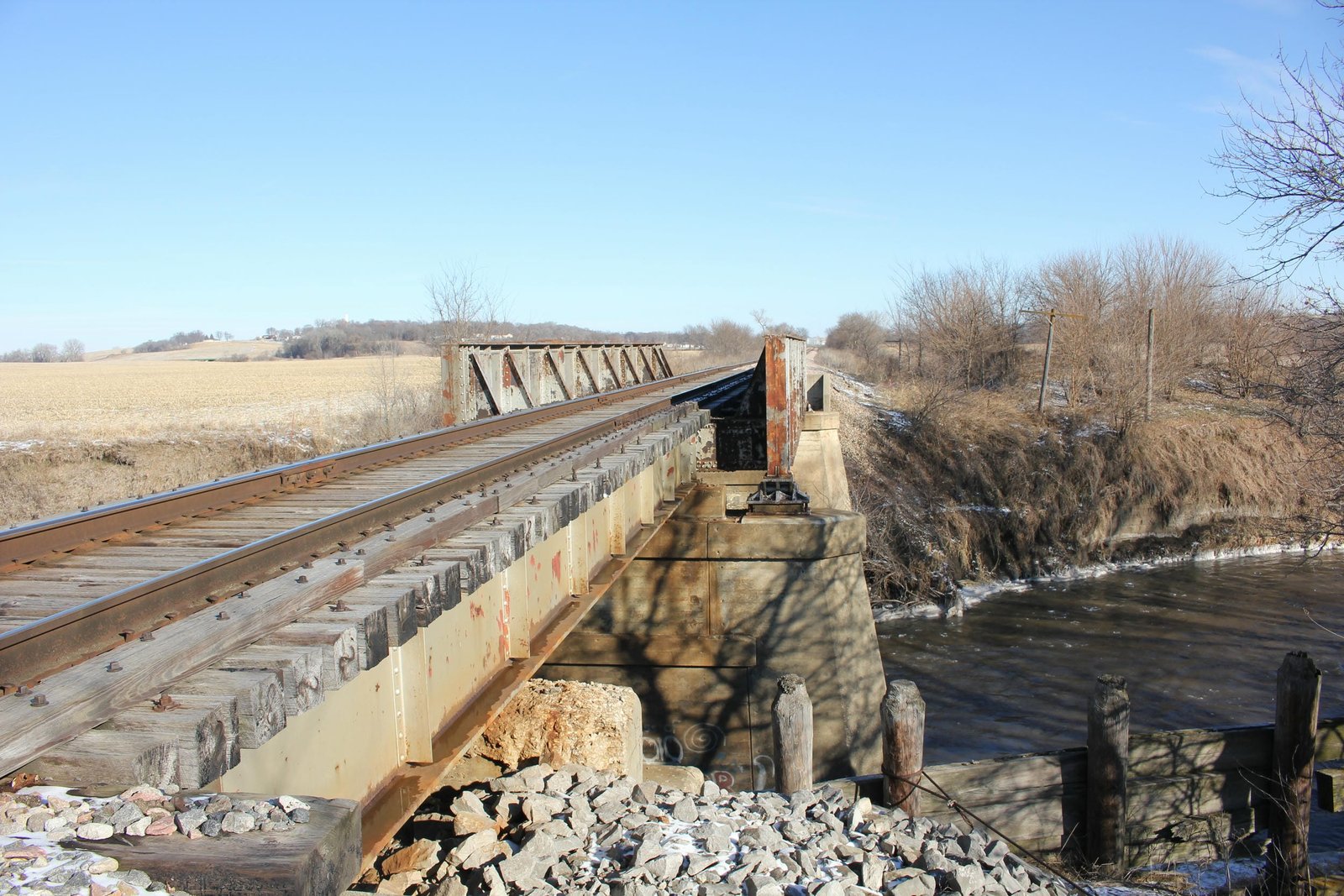
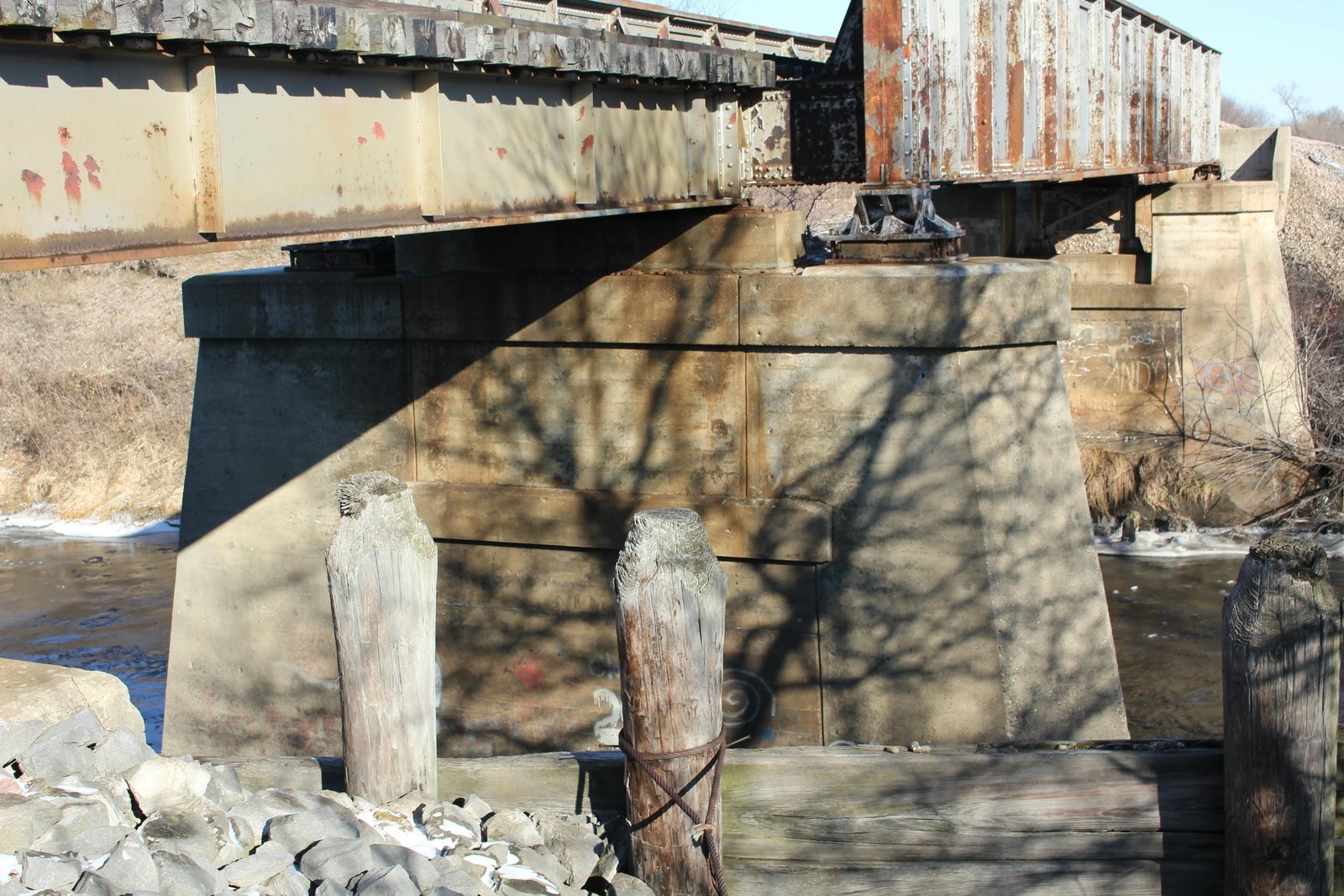
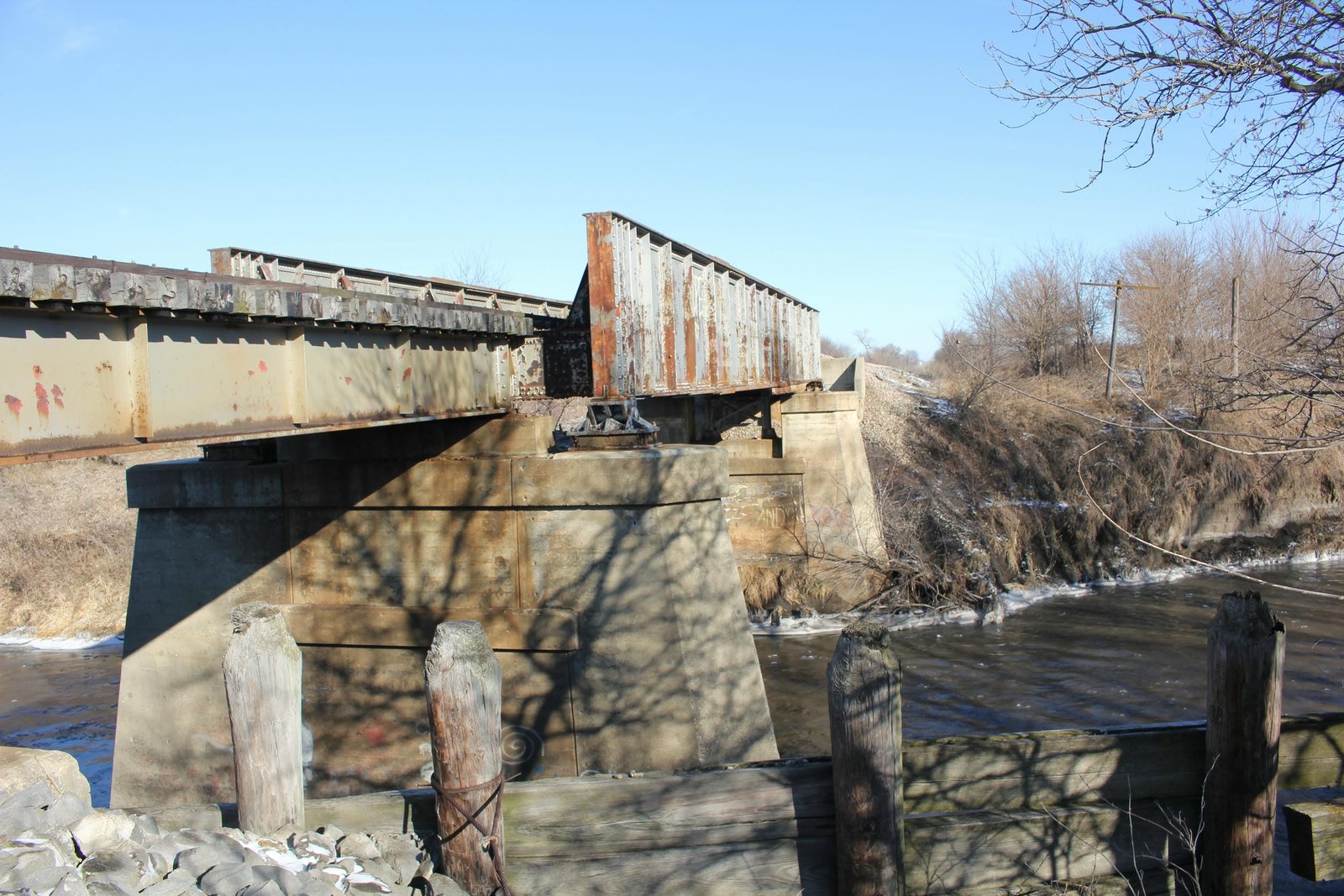
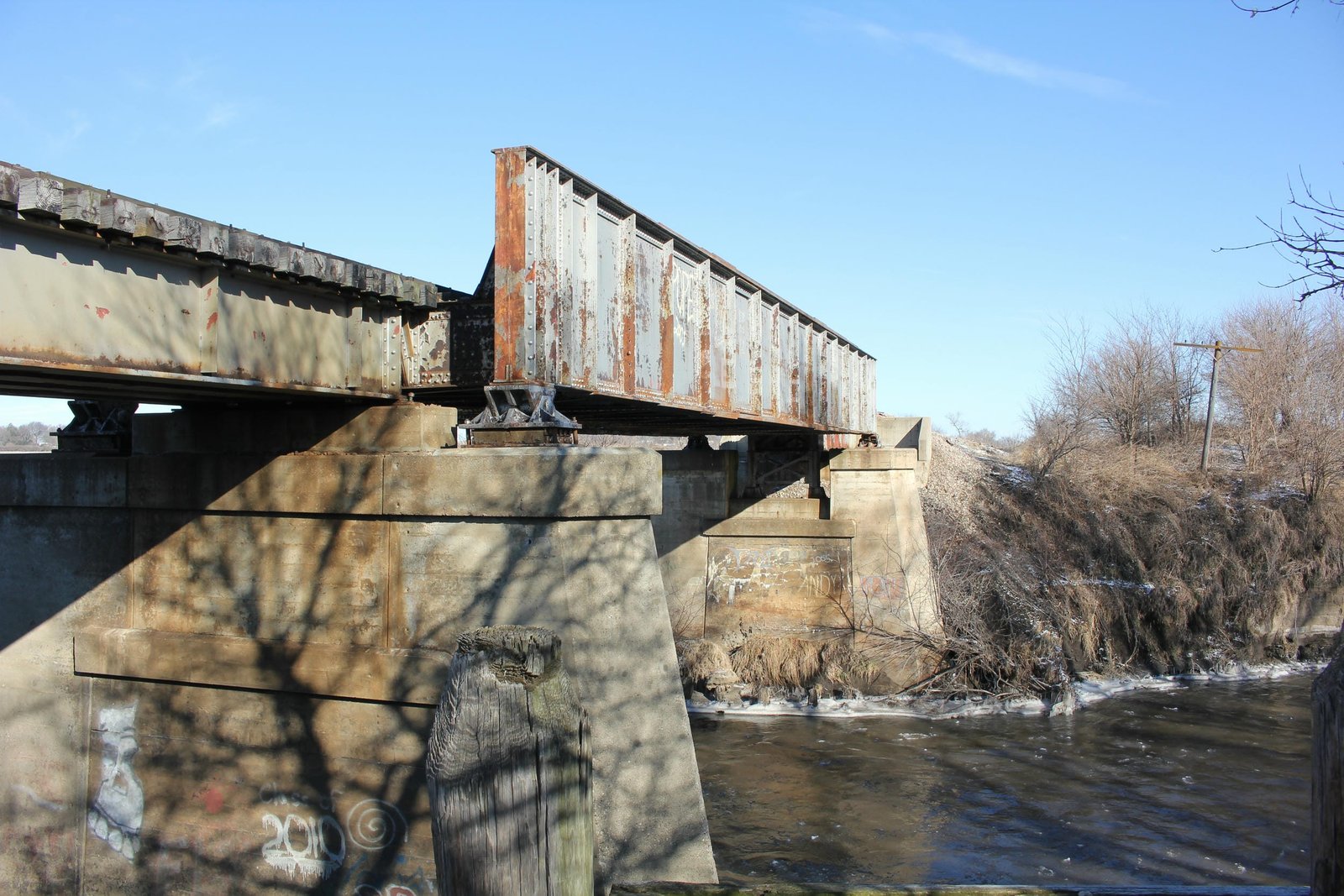
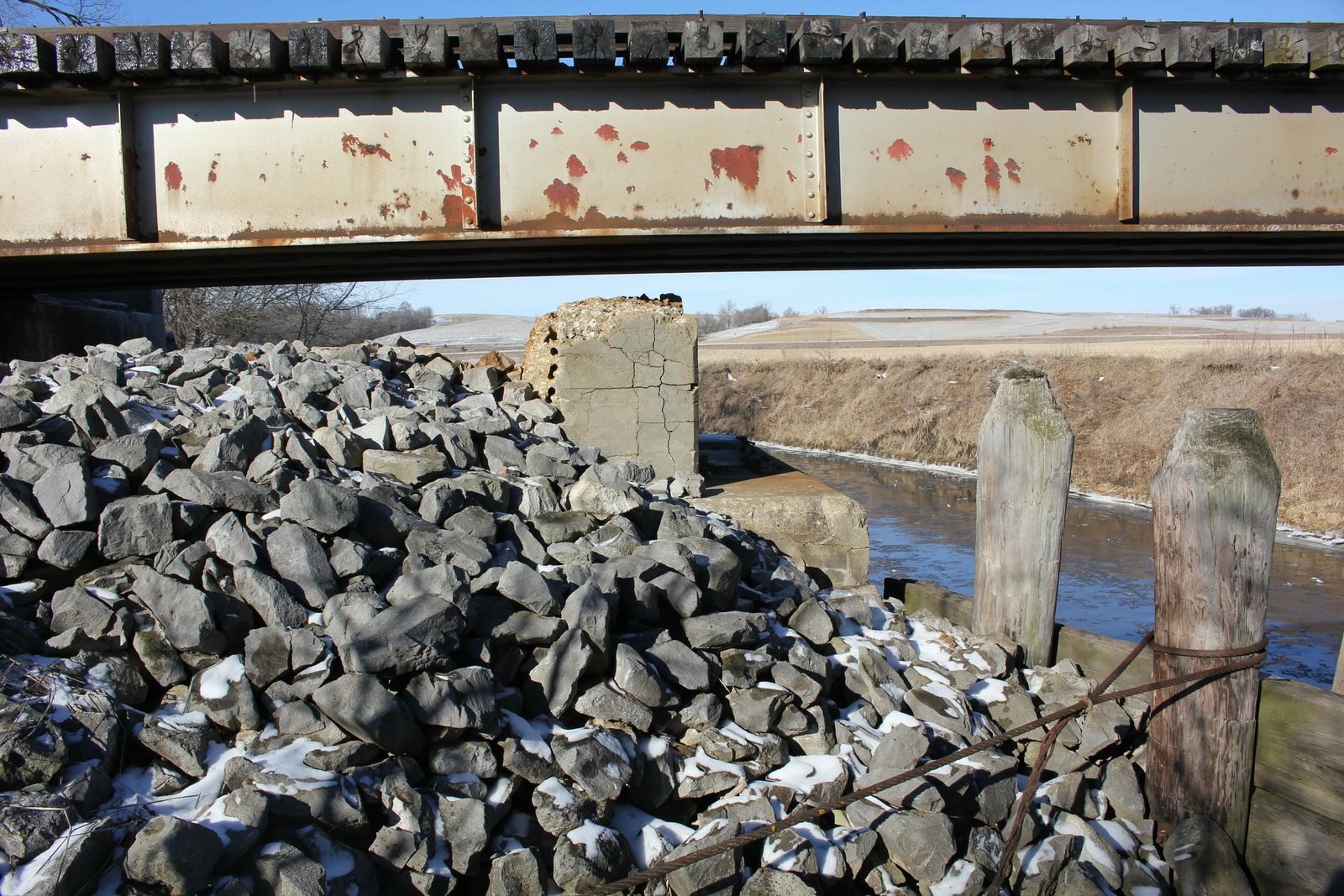
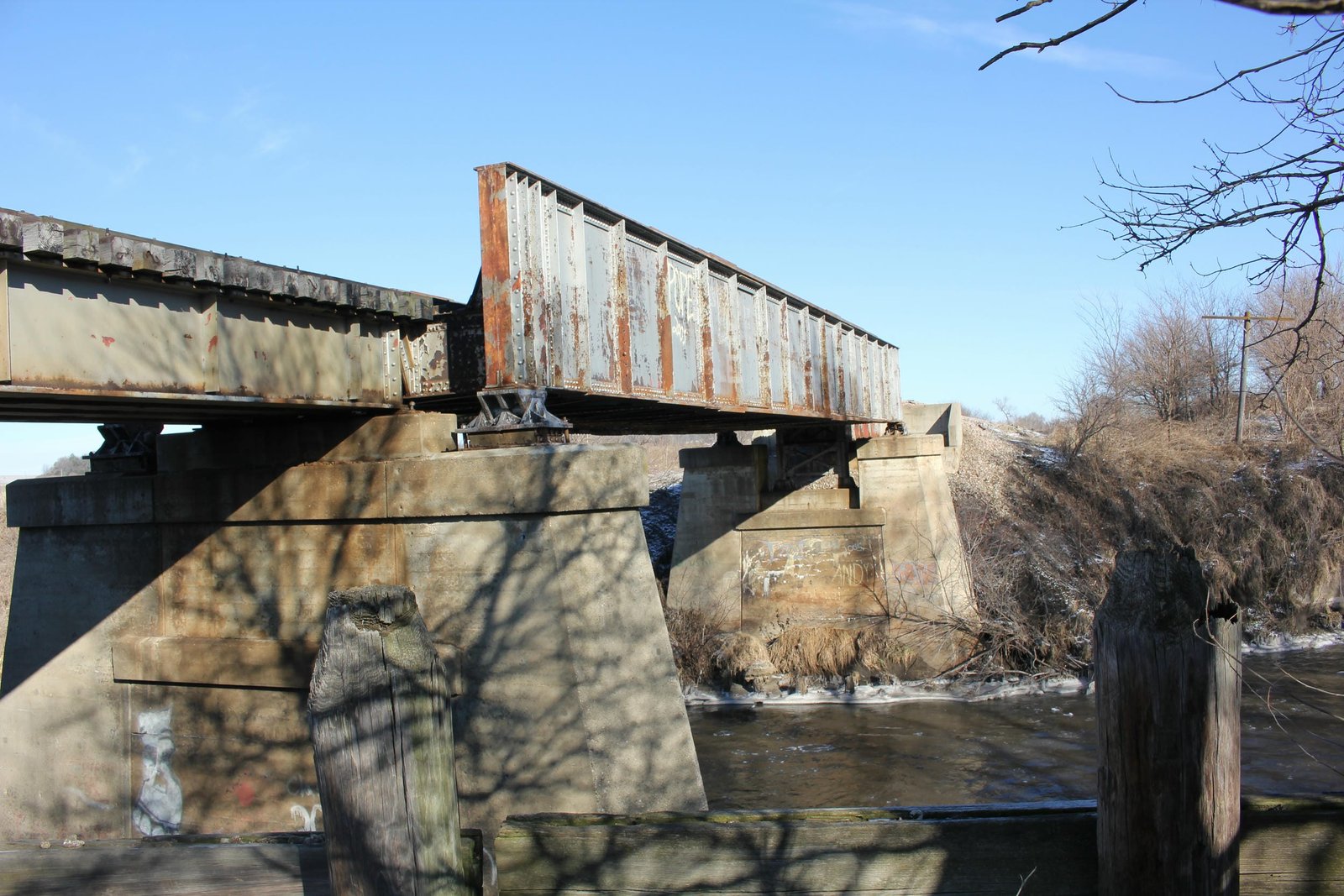
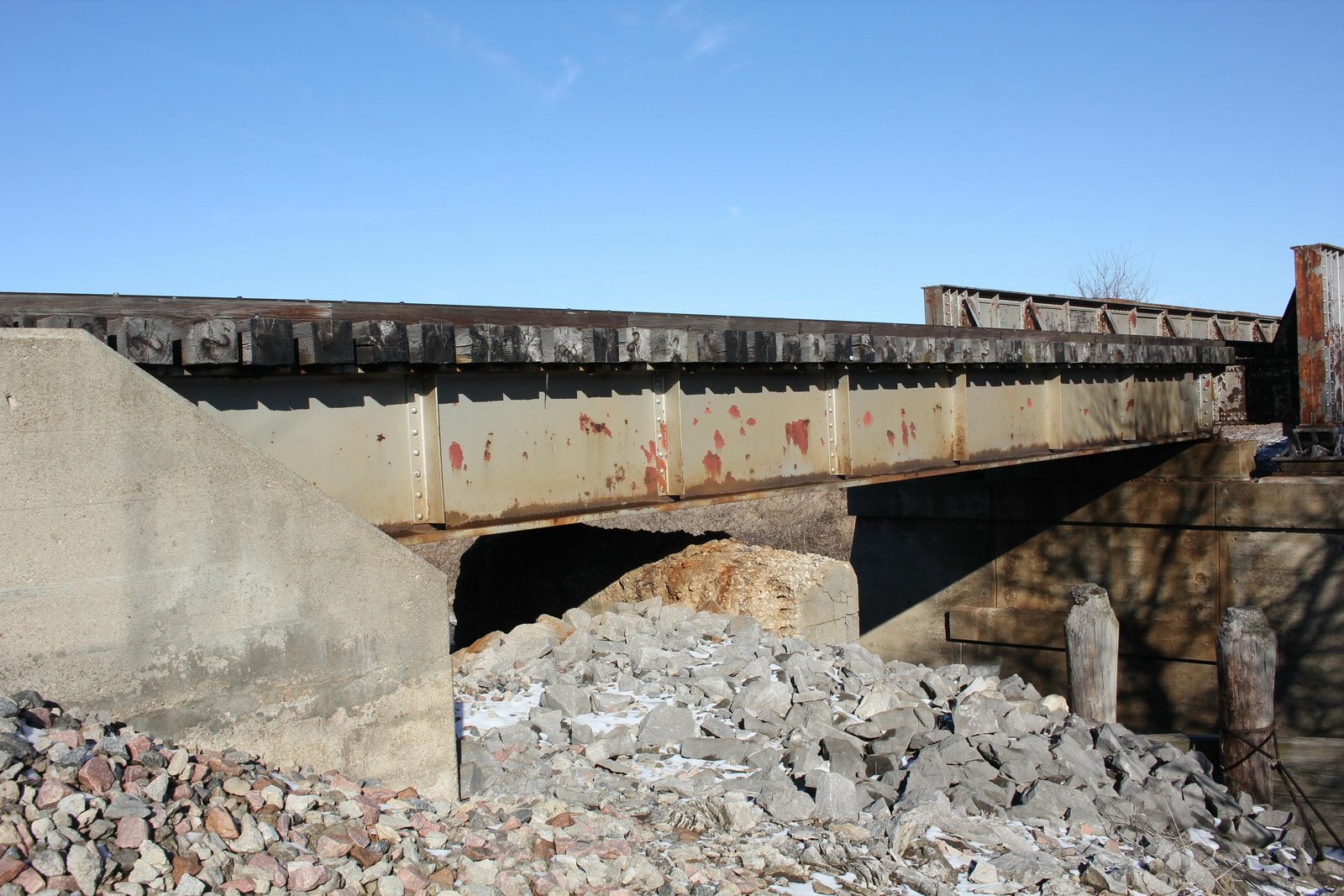
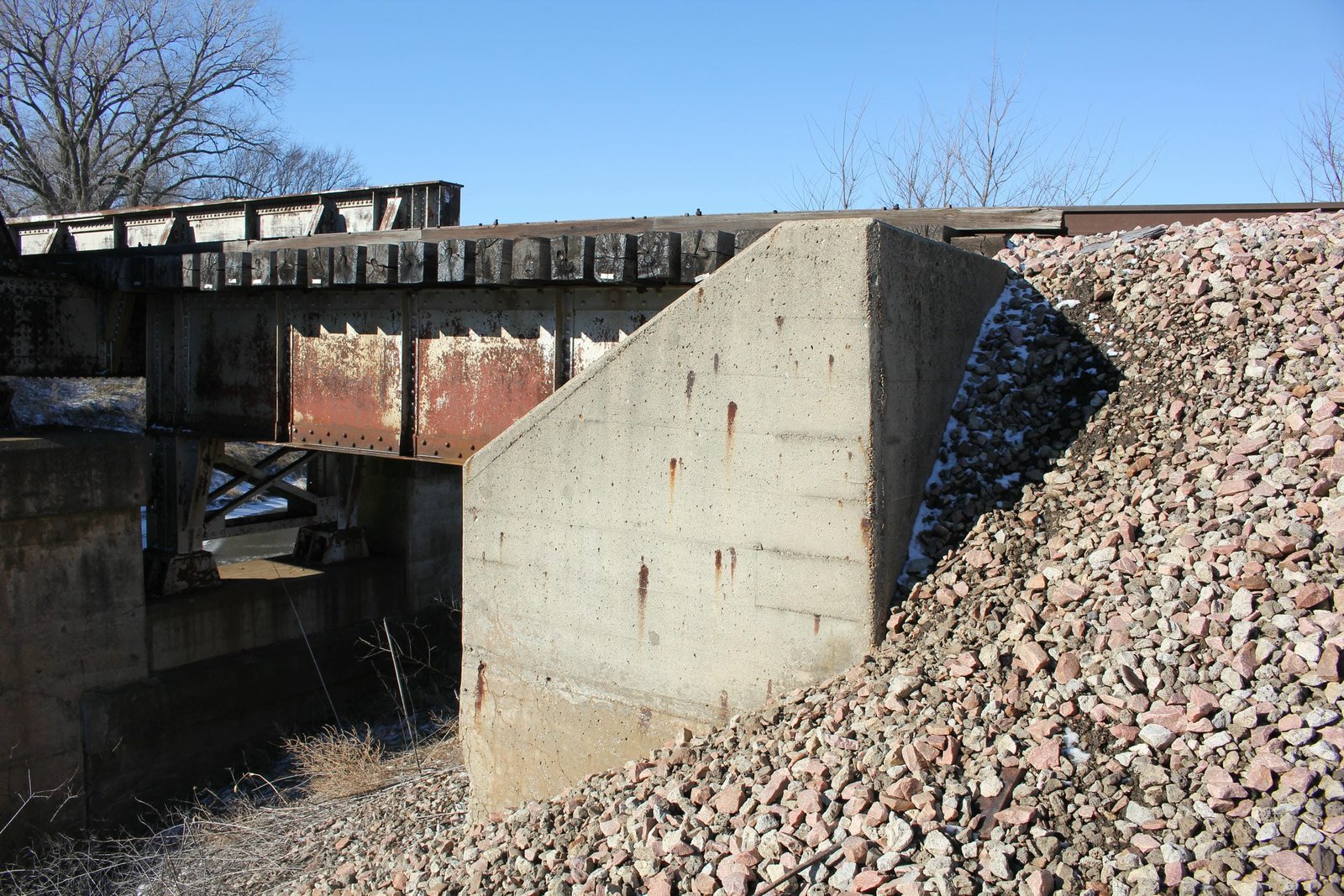
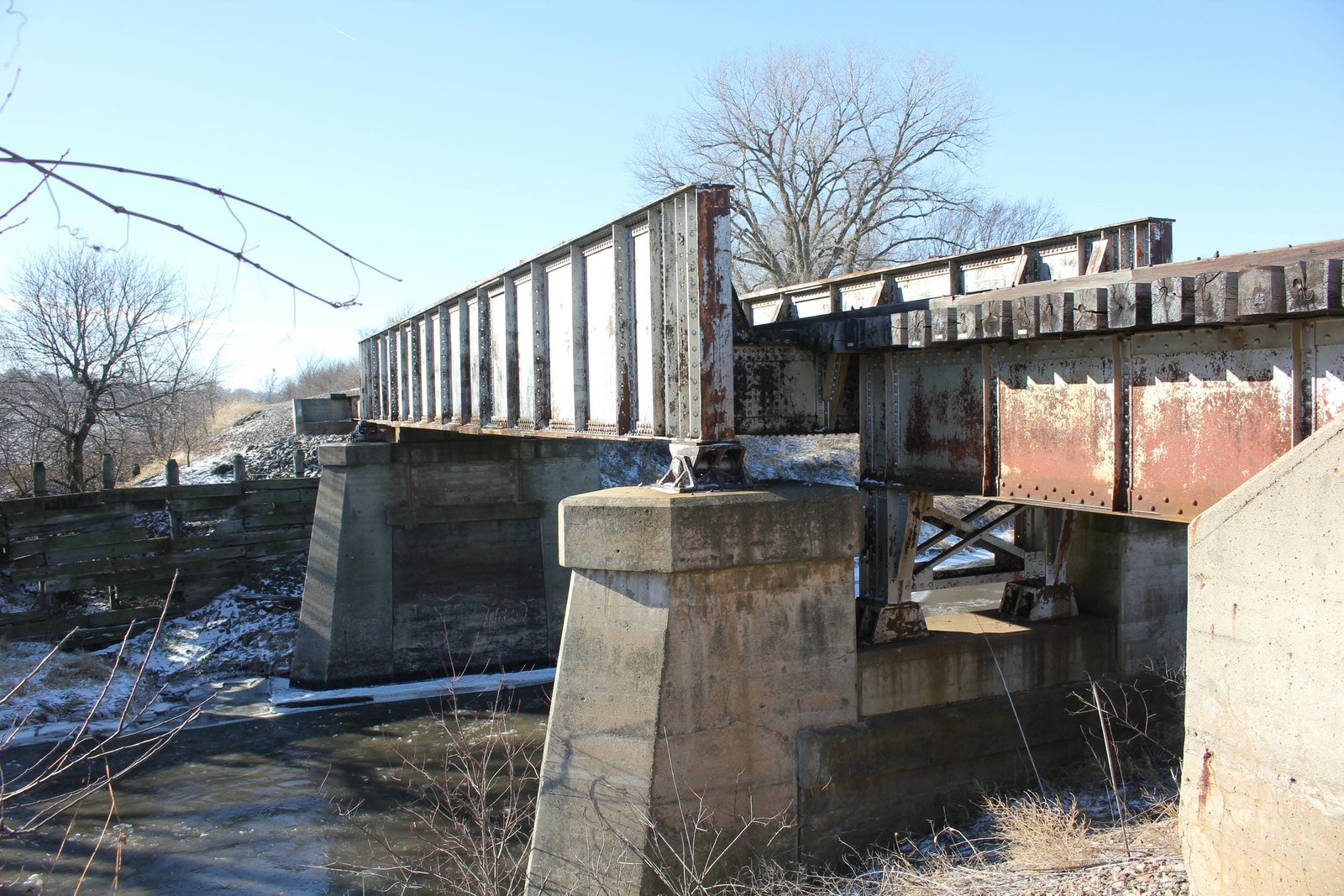
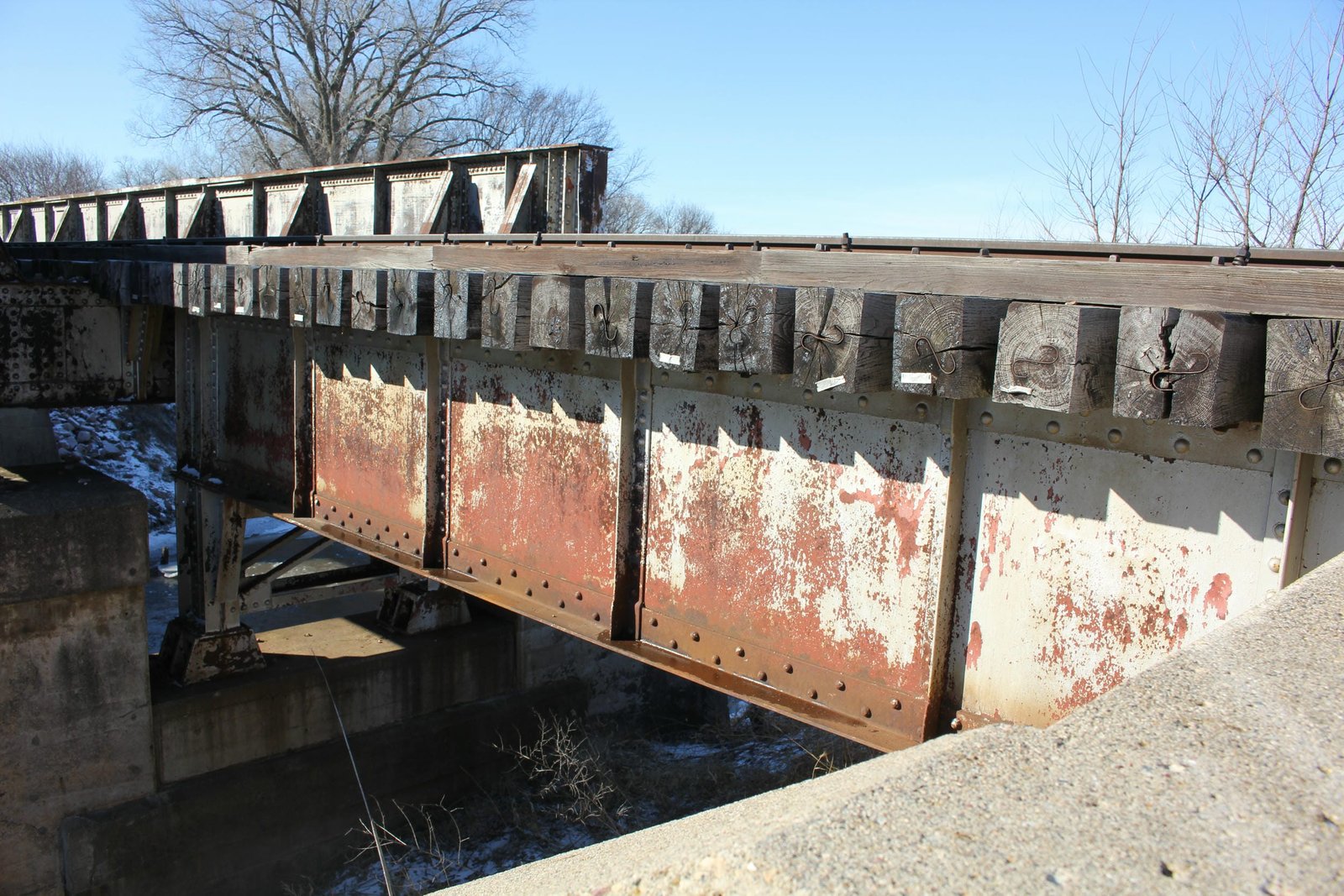
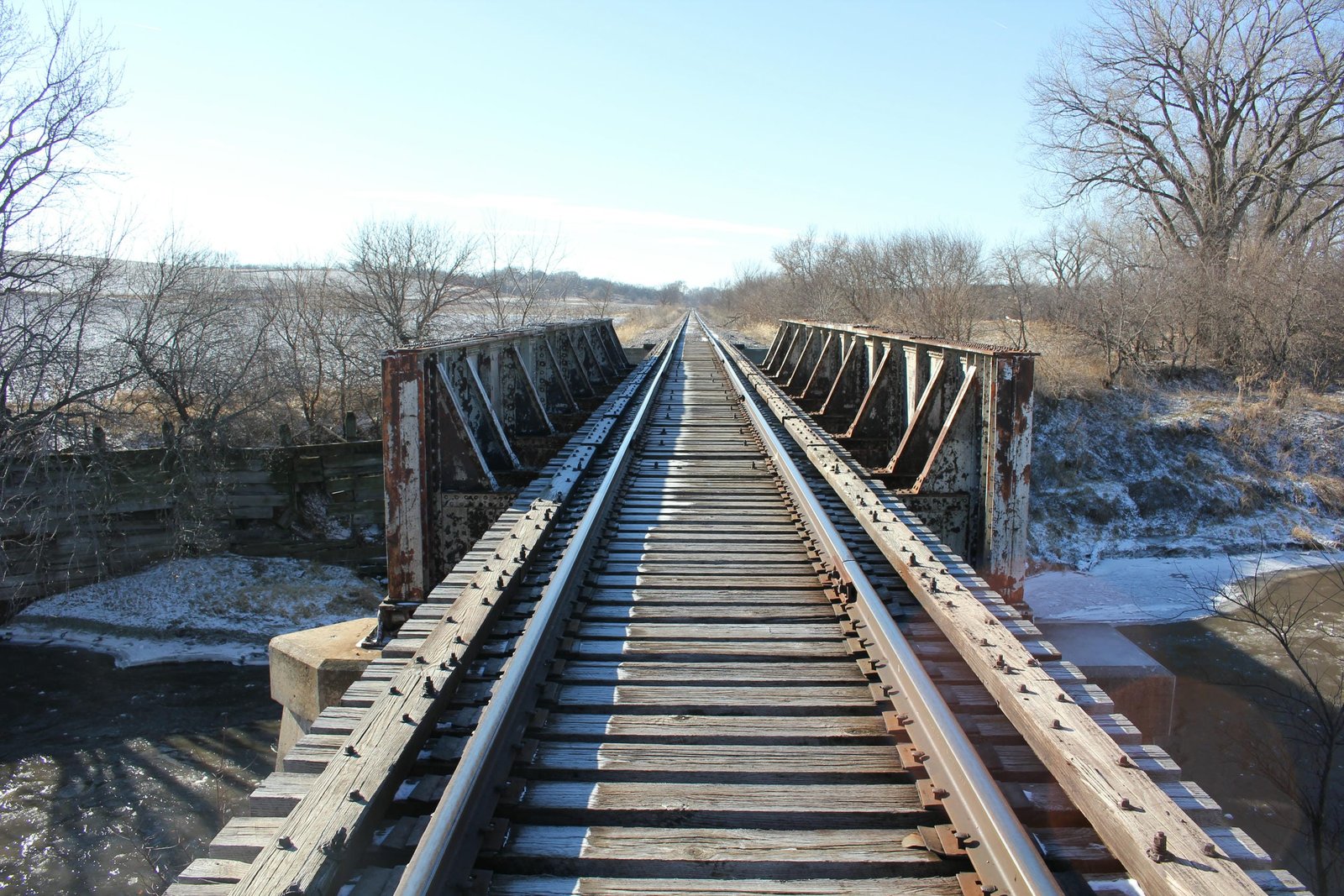
Located near the small town of Deloit, this through and deck plate girder bridge is the fourth bridge carrying a former Illinois Central Railroad mainline over the Boyer River. When the railroad originally was constructed, the first bridge at this location consisted of a 75-foot and two 30-foot deck plate girder spans, set onto concrete substructures. The Boyer River had long experienced severe floods, and by the early to mid-20th Century it was decided to channelize the river. In 1961, the bridge was extensively reconstructed by raising the bridge, installing a new main span, new south approach span and shortening and reusing the original north approach span. Currently, the bridge consists of a 76-foot through plate girder span, approached by a 24-foot deck plate girder span on the north end and a 48-foot steel stringer span on the south end. The entire bridge is set onto concrete substructures. An unknown contractor fabricated the main span and south approach, while American Bridge Works fabricated the north approach span. George B. Swift Company constructed the original piers, while Illinois Central Railroad company forces rebuilt the piers and constructed new abutments.
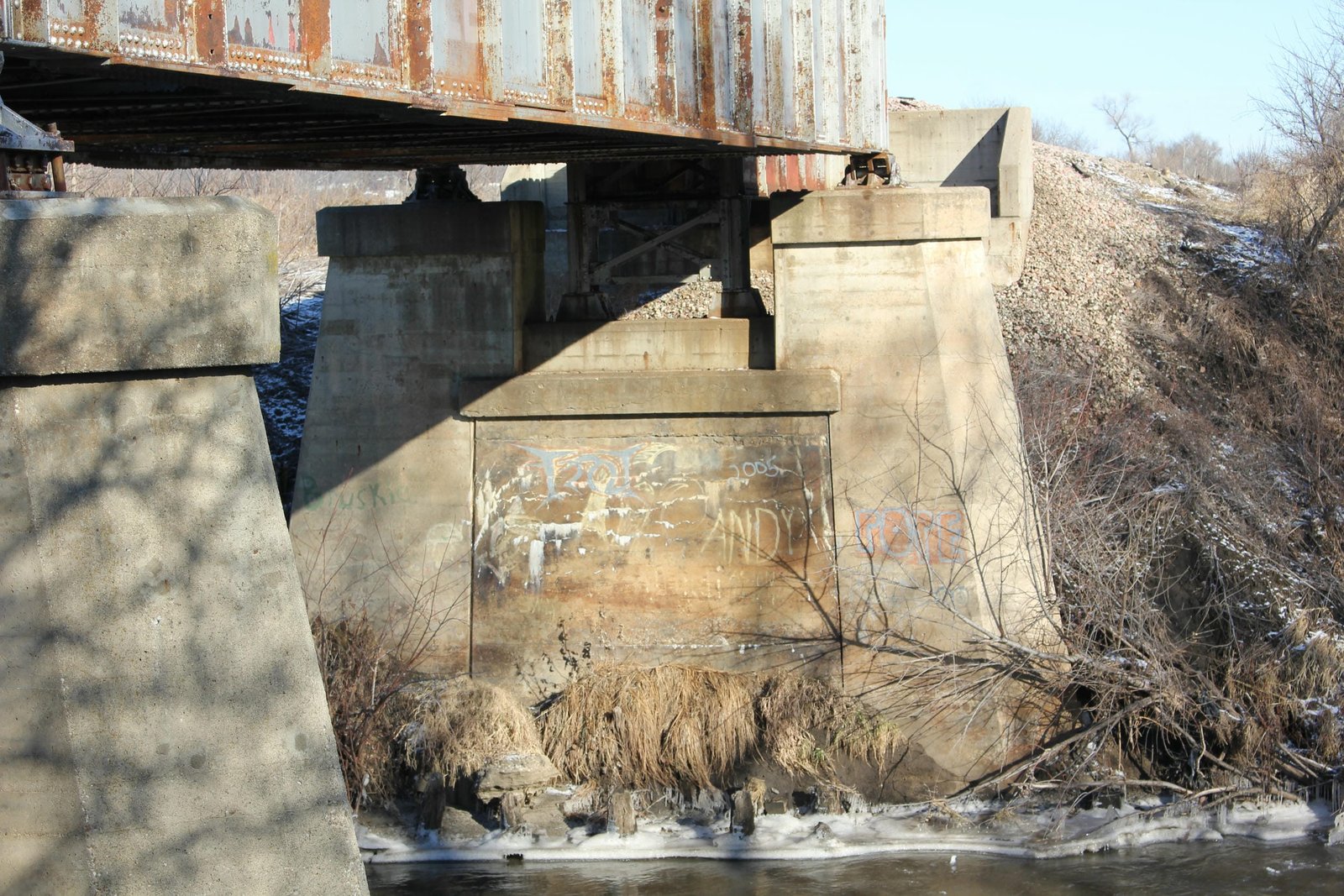
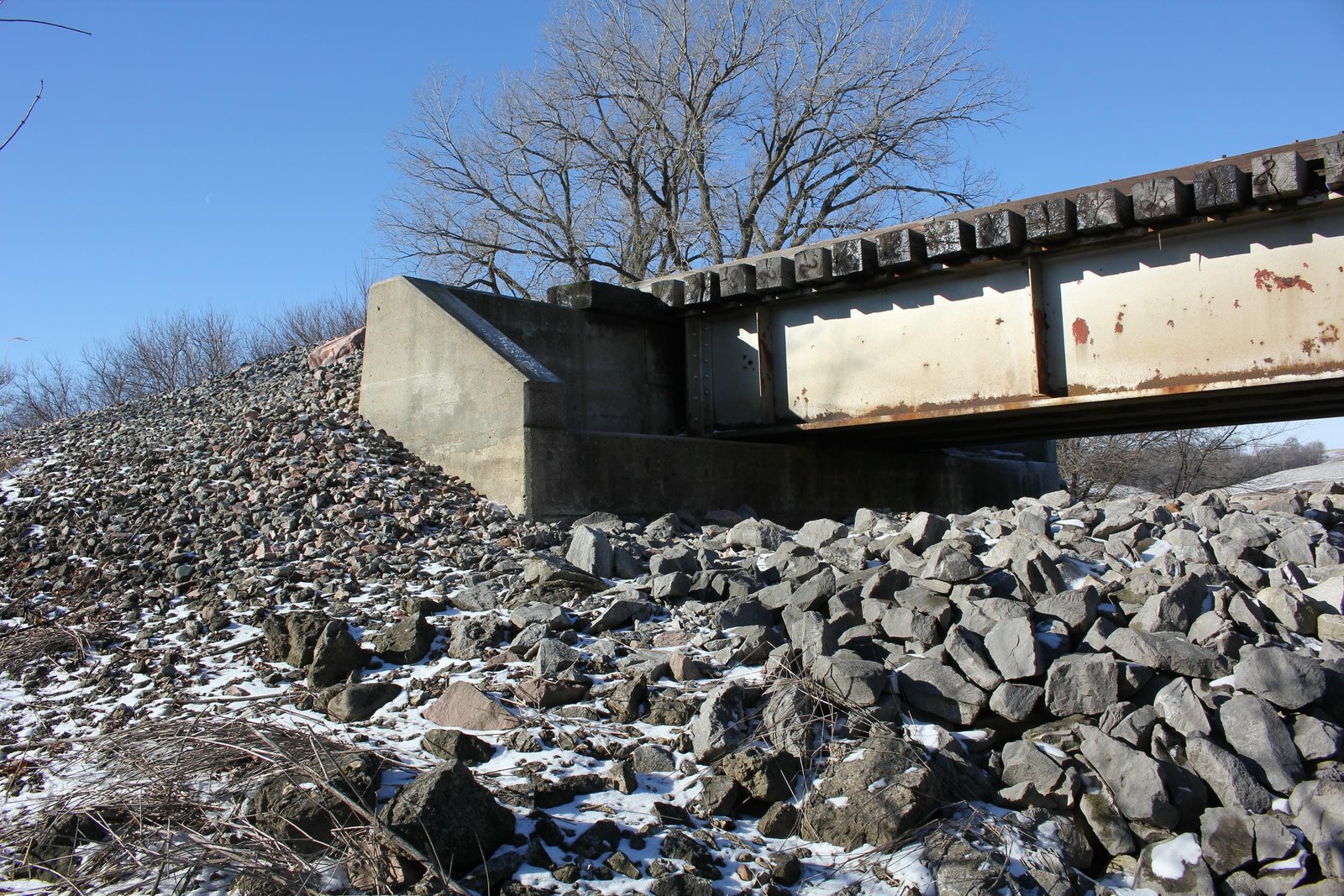
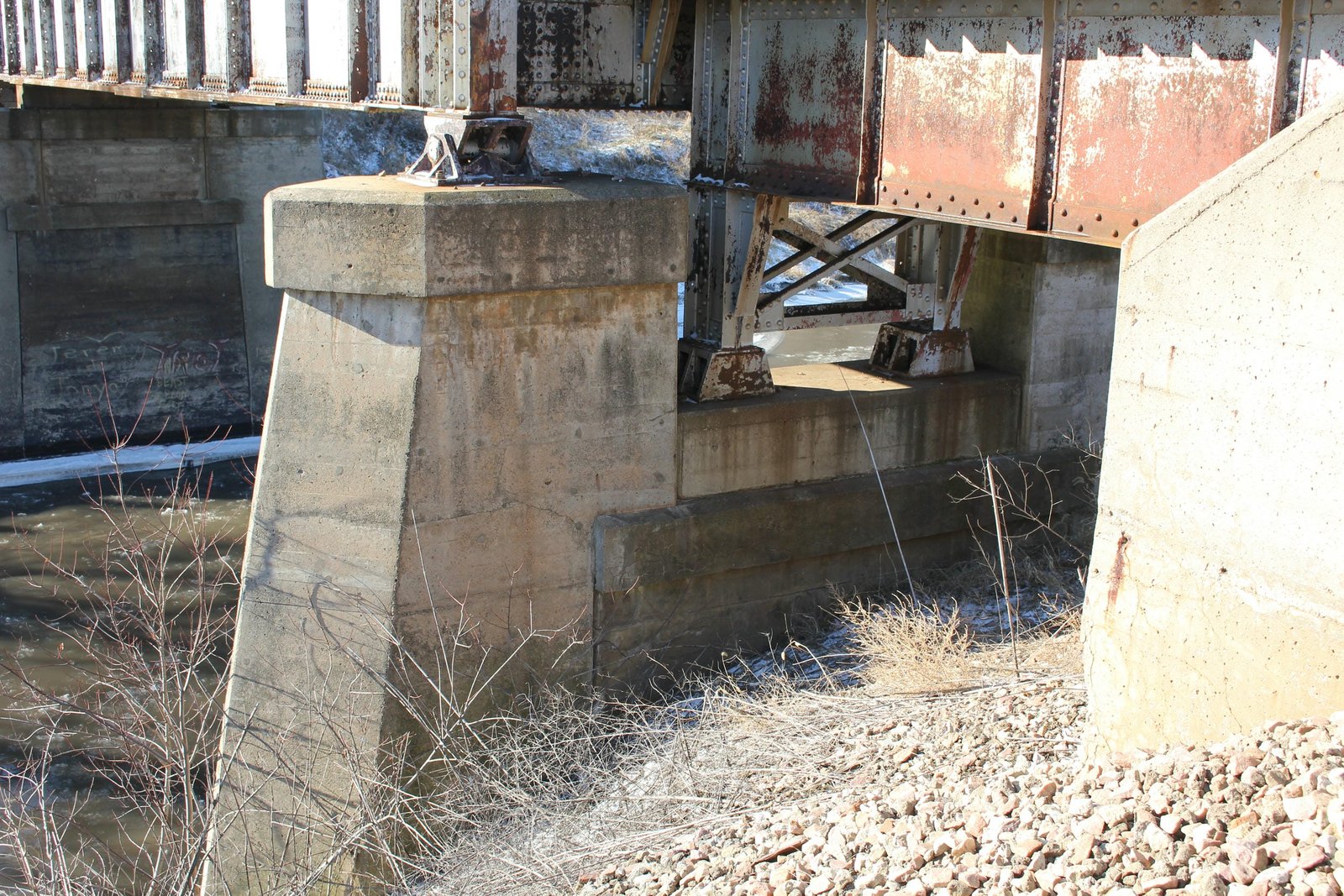
The center span follows a standard design for the era, with two heavy plate girders, square girder ends and a standard floor. While welded and bolted construction was becoming more common by the early 1960s, this span still is heavily riveted and uses a largely traditional design for the early 20th Century. The north approach span also uses a standard design for the era, with two light plate girders and an open deck. It is believed that this span was cut down from an original length of 30 feet. The south span follows a standard design for the era, with four shallow beams and mainly welded connections. Originally, the piers consisted of rectangular structures founded on timber piles. During the 1961 reconstruction, the north pier was rebuilt with concrete additions on either side and a steel riser to fit the deck plate girder girder span. The south pier was rebuilt with additions on either side and a large concrete riser in the middle. Both abutments use a standard U-shaped design with no wing walls, typical of some bridges along this line. Through plate girder spans were popular for railroad use, as they were durable and easy to construct. Since the 1961 reconstruction, the bridge has seen no significant alterations, and remains in regular use. Overall, the bridge appears to be in fair to good condition, with no significant deterioration noted. The author has ranked the bridge as being locally significant, due to the common design.
Citations
| Build dates | Illinois Central Gulf Railroad Iowa Division 1973 Track Profile |
| Builder (north approach superstructure and original substructure) | Engineering News; Volume 43, Issue 4 |
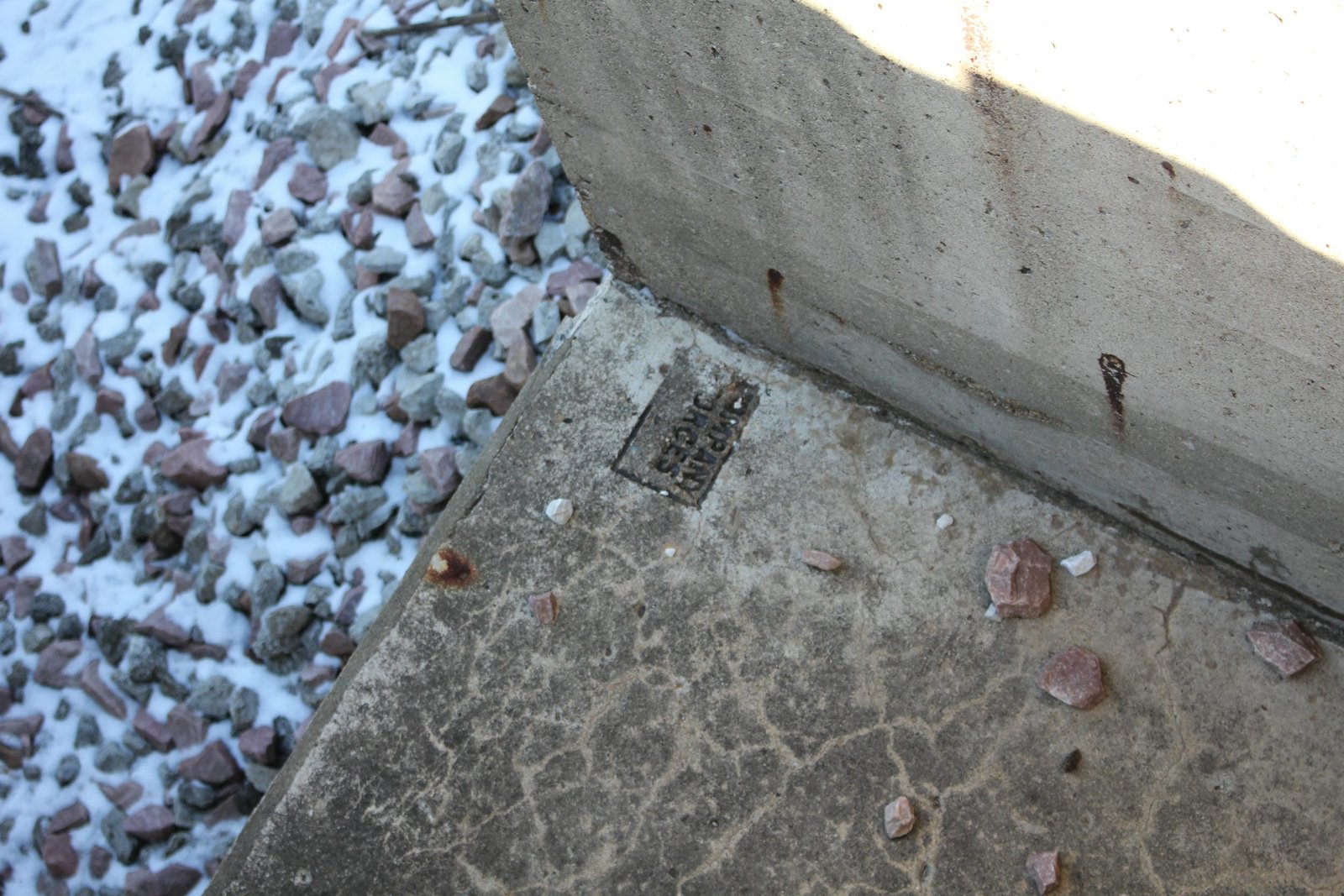
| Builder (substructure alterations) | Company Forces stamp |
| Railroad History Citation | ICC Valuation Information, Compiled by Richard S. Steele |