
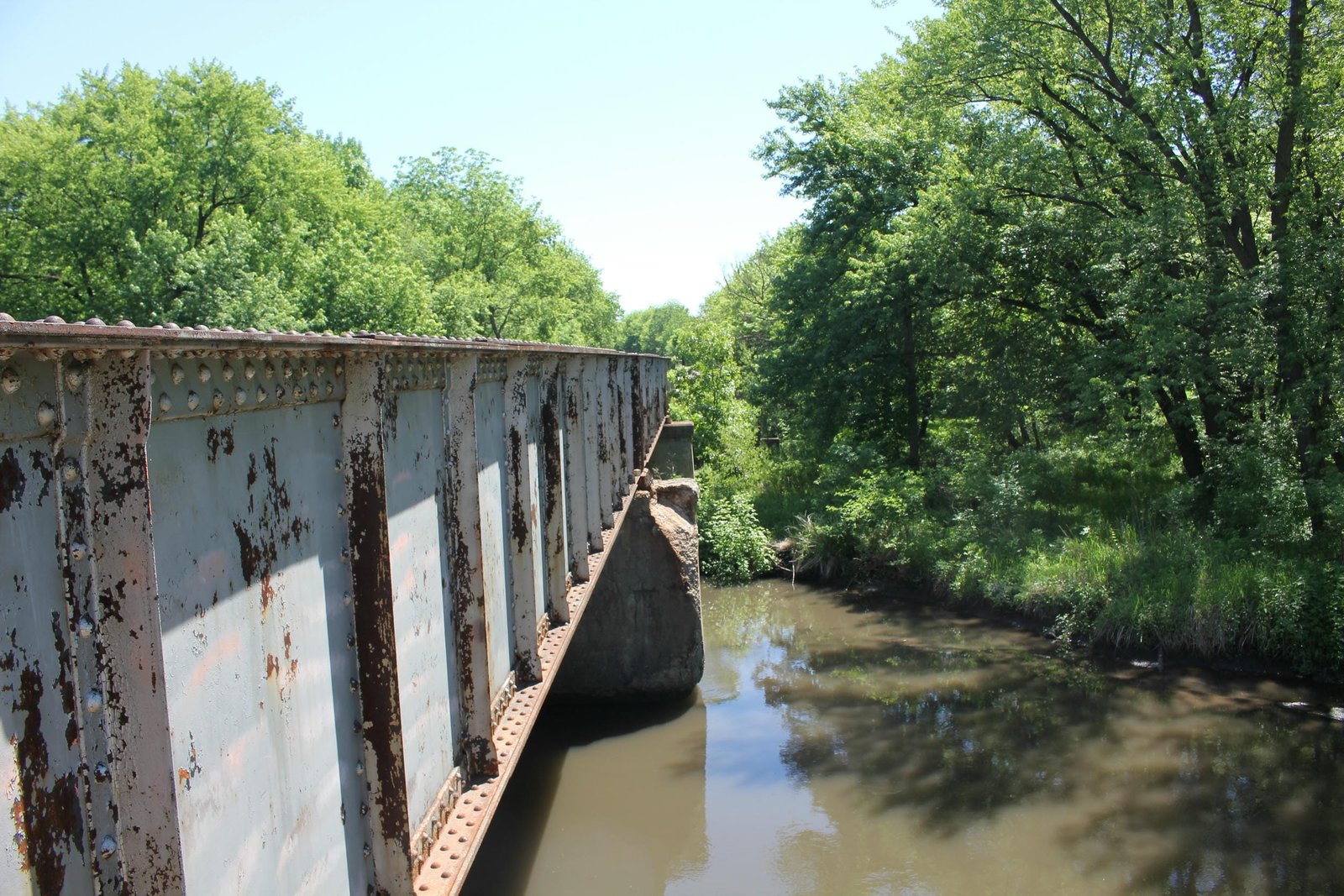
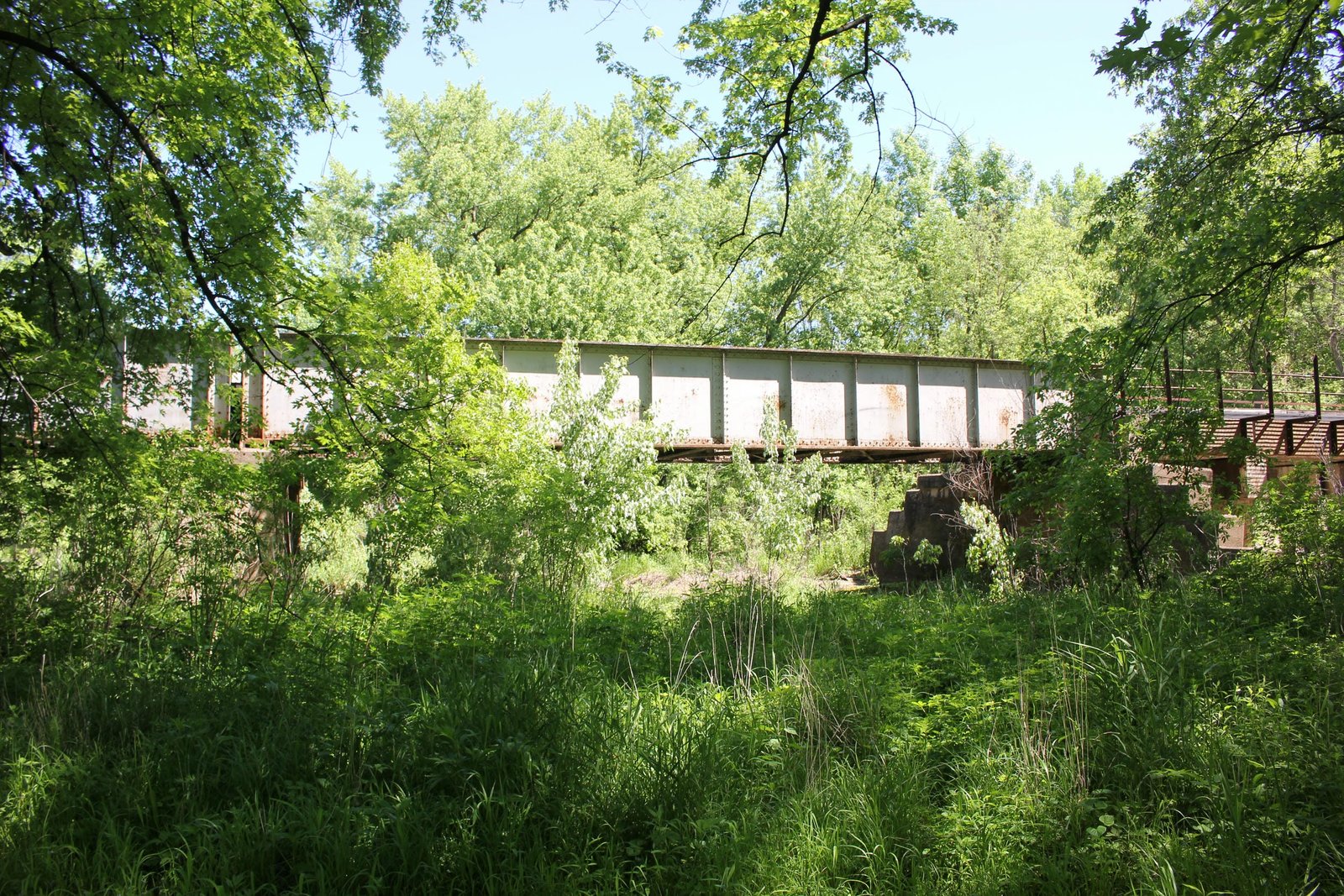
Click the photo to view the full-size version
| Name | CN South Beaver Creek Bridge Illinois Central Railroad Bridge #W301.5 |
| Built By | Illinois Central Railroad |
| Currently Owned By | Canadian National Railway |
| Superstructure Contractor | American Bridge Company of New York |
| Substructure Contractor | Unknown |
| Length | 245 Feet Total, 60 Foot Main Spans |
| Width | 1 Track |
| Height Above Ground | 15 Feet (Estimated) |
| Superstructure Design | Through Plate Girder and Concrete Slab |
| Substructure Design | Concrete and Concrete Pile |
| Date Built | 1911, East Approach Added 1920 |
| Traffic Count | 3 Trains/Day (Estimated) |
| Current Status | In Use |
| Illinois Central Railroad Bridge Number | W301.5 |
| Canadian National Railway Bridge Number | 301.5 |
| Significance | Local Significance |
| Documentation Date | 5/26/2018 |
In 1857, the Dubuque and Pacific Railroad (D&P) began construction of a new mainline across central Iowa, which sought to link to the existing Illinois Central Railroad (IC) at Dubuque, Iowa. In May 1857, the first 29 miles were completed between Dubuque and Dyersville, Iowa. In March 1860, the line was completed an additional 49 miles from Dyersville to Jesup, Iowa. In 1860, the D&P was sold to the Dubuque and Sioux City Railroad (D&SC). The D&SC completed an additional 22 miles to Cedar Falls, Iowa in 1861; followed by an additional 43 miles to Iowa Falls, Iowa in 1866. By 1867, the IC had garnered interest in this line, and leased the D&SC. The following year, a bridge across the Mississippi River at Dubuque was completed to link this line and the IC line towards Freeport, Illinois. In August 1869, the Iowa Falls and Sioux City Railroad (IF&SC) completed an additional 49 miles from Iowa Falls to Fort Dodge, Iowa. In October 1870, an additional 135 miles were completed west to the Missouri River at Sioux City, Iowa. The IF&SC was also affiliated with the D&SC and IC; and was fully merged into the D&SC in 1888.
By the late 19th Century, the IC had developed and operated a sprawling railroad network in the central United States. This line served as a principal mainline for the company, connecting Chicago to the Missouri River at Sioux City. In the 20th Century, the IC had become a respected railroad, connecting several major cities in the central United States. The D&SC was fully merged into the IC in 1946. In 1972, the IC merged with the Gulf, Mobile & Ohio Railroad (GM&O) to form the Illinois Central Gulf (ICG). The entire IC system in Iowa, as well as the line between Dubuque and Chicago, were sold to the Chicago Central & Pacific Railroad (CC&P) in 1995. In 1988, the ICG was reorganized as the Illinois Central Railroad (IC). In 1996, the CC&P was repurchased by IC and in 1998, IC was purchased by the Canadian National Railway (CN). Today, CN operates the Dubuque Subdivision between Dubuque and Waterloo, Iowa; the Waterloo Subdivision between Waterloo and Fort Dodge, and the Cherokee Subdivision between Fort Dodge and Sioux City.
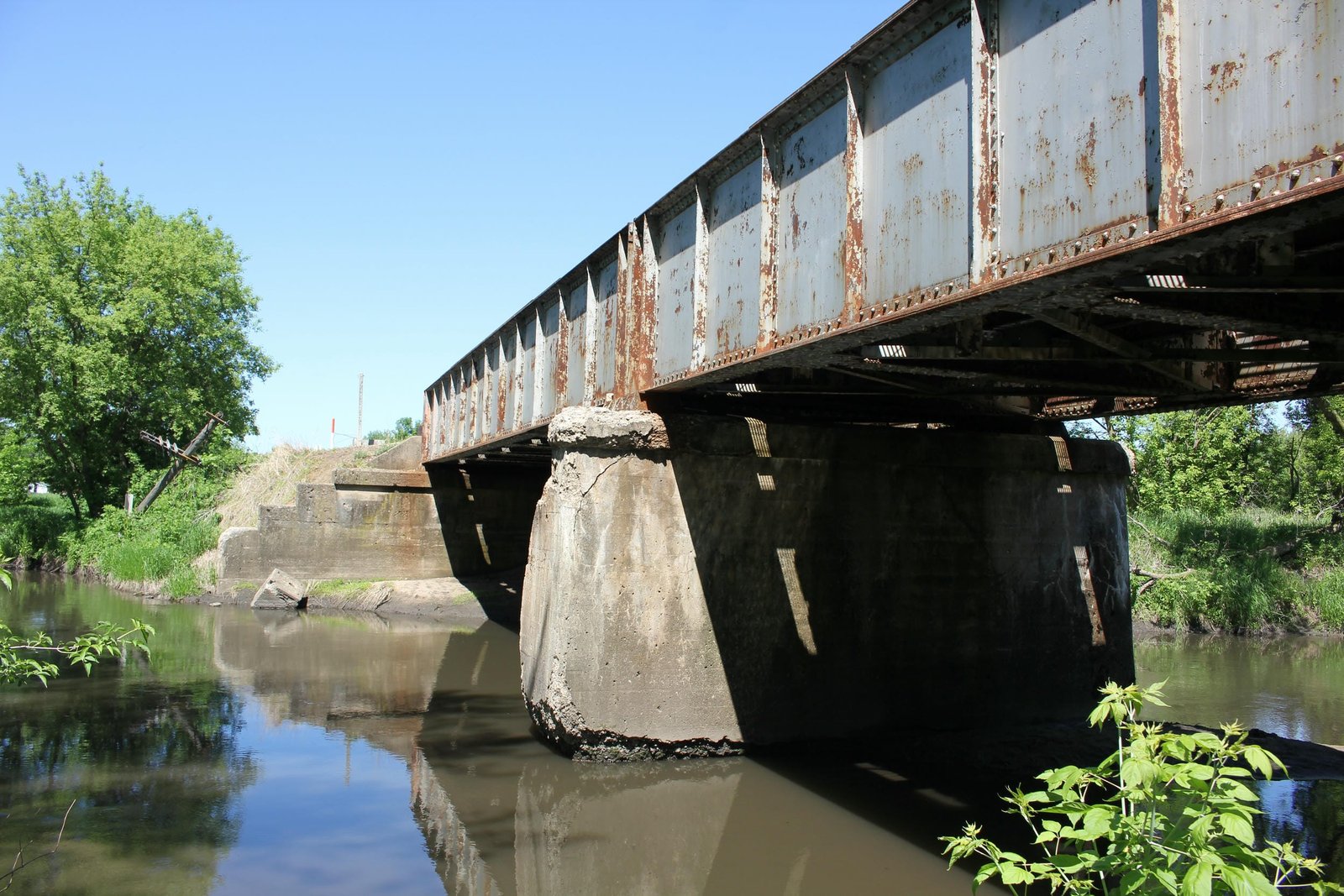
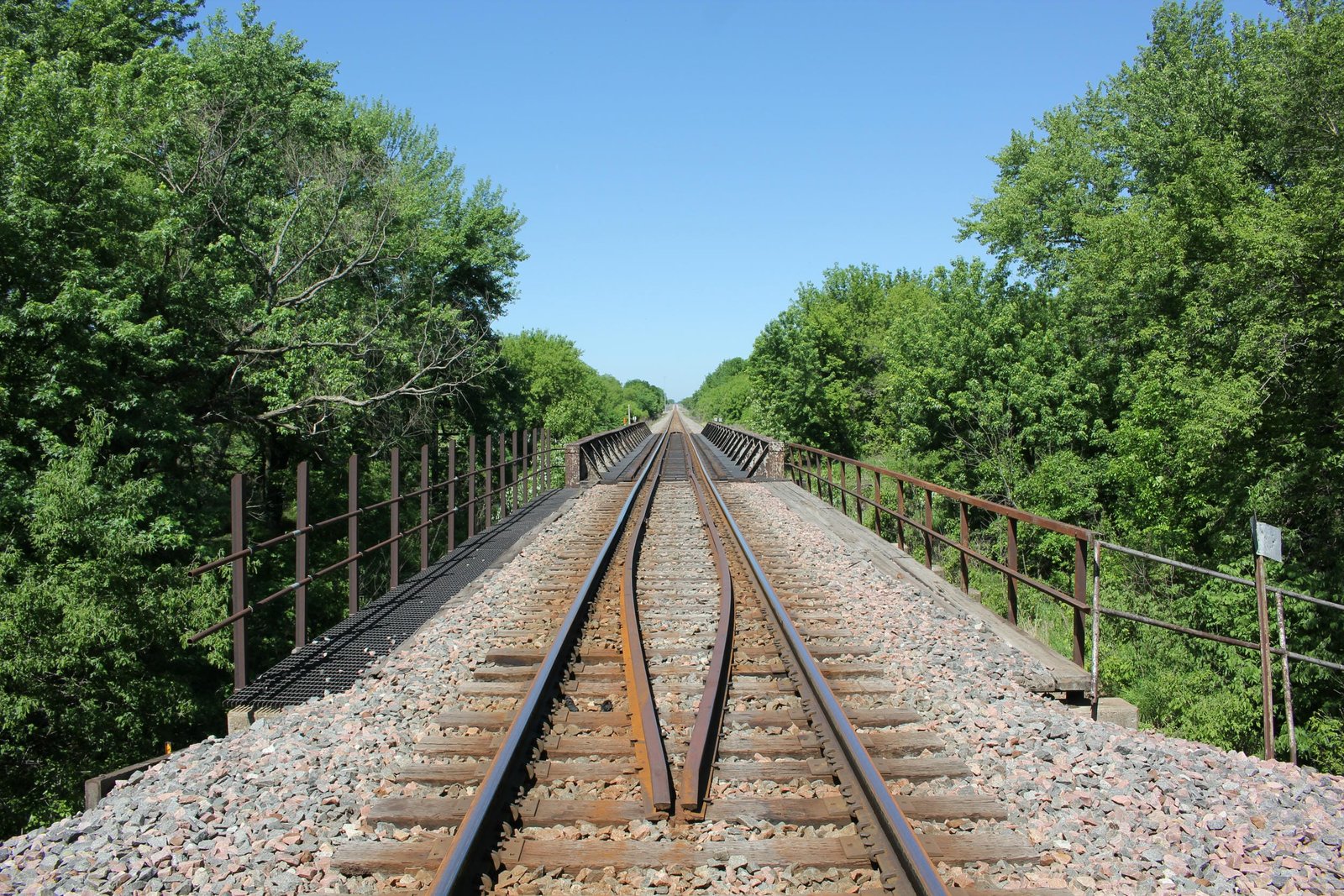
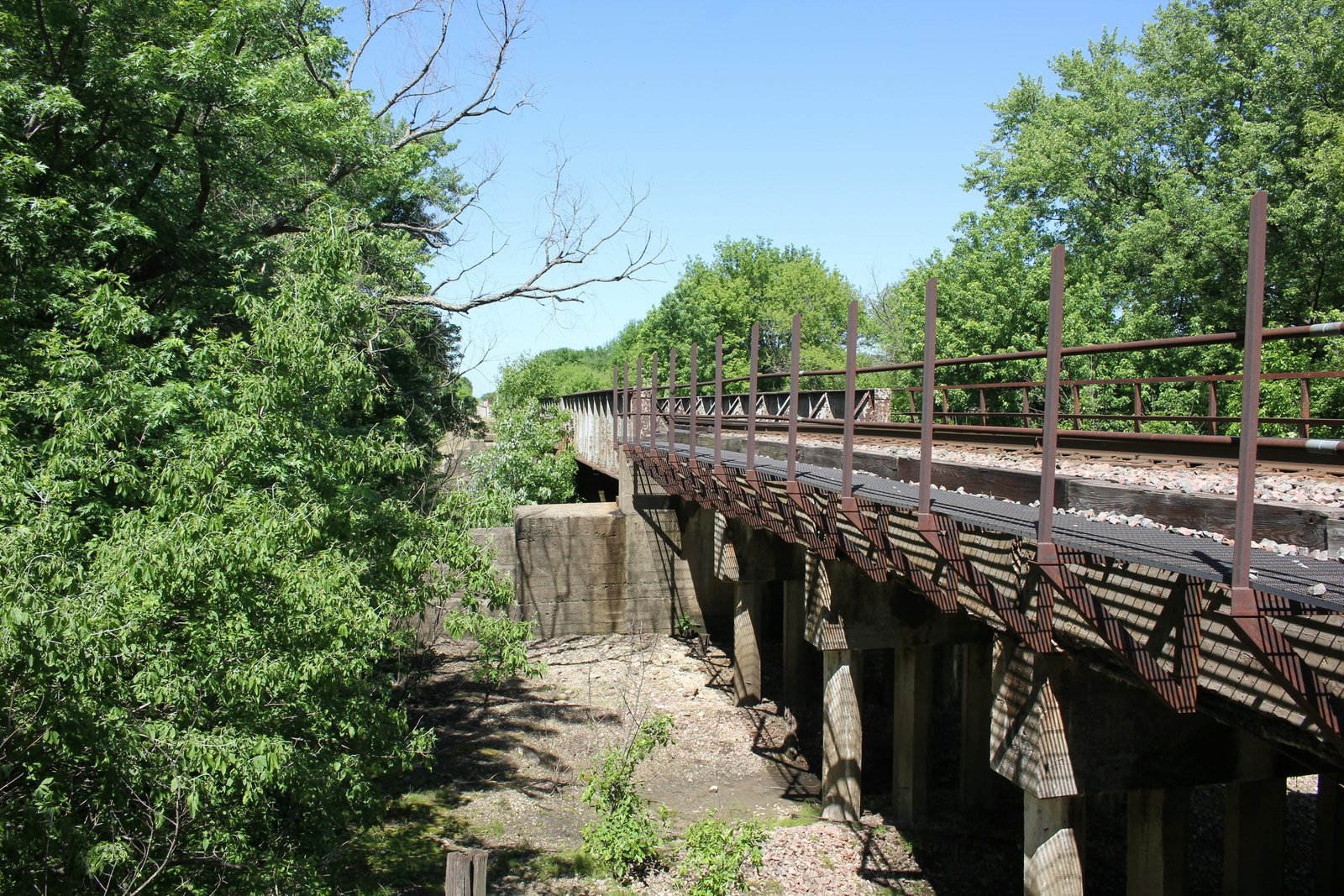
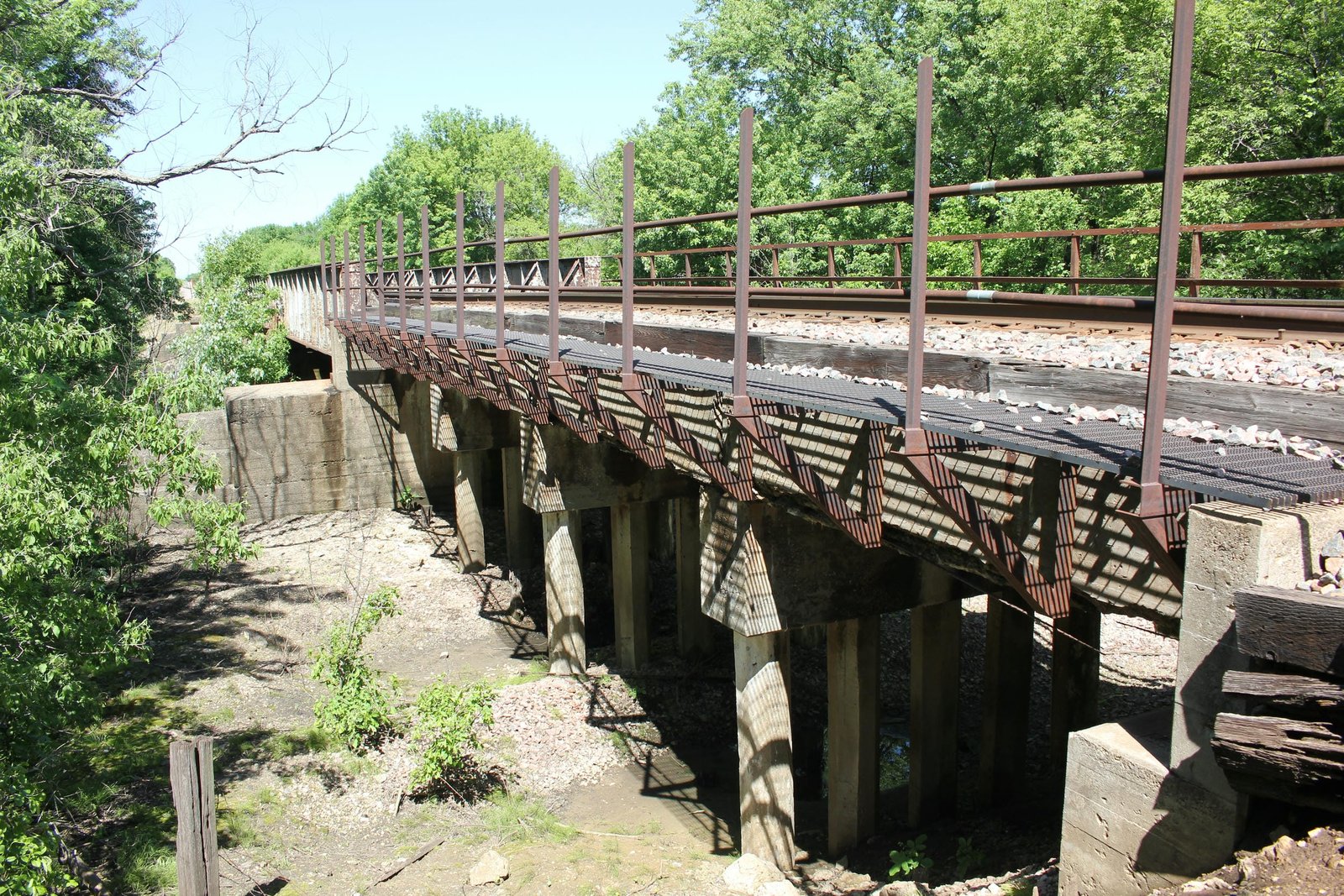
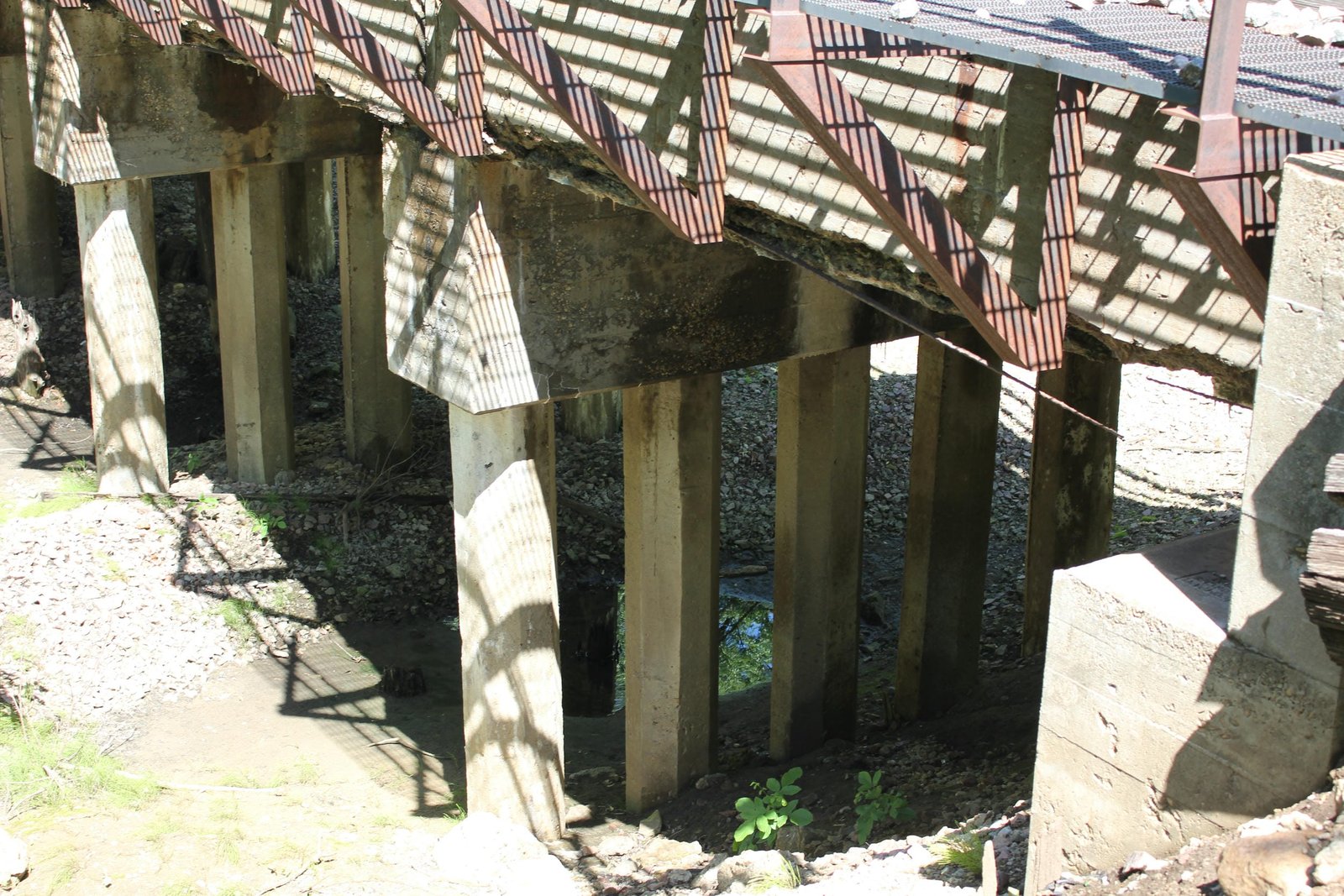
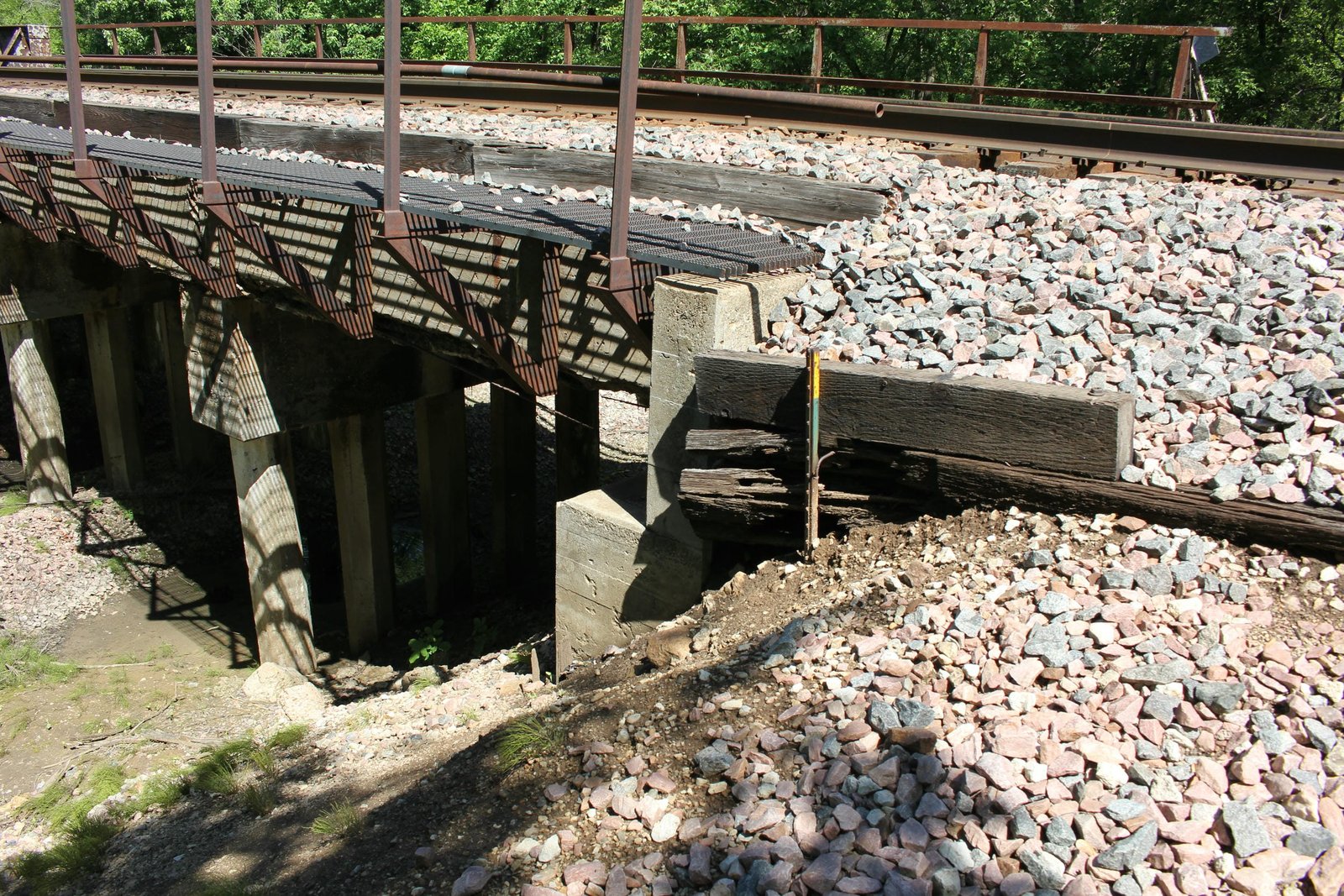
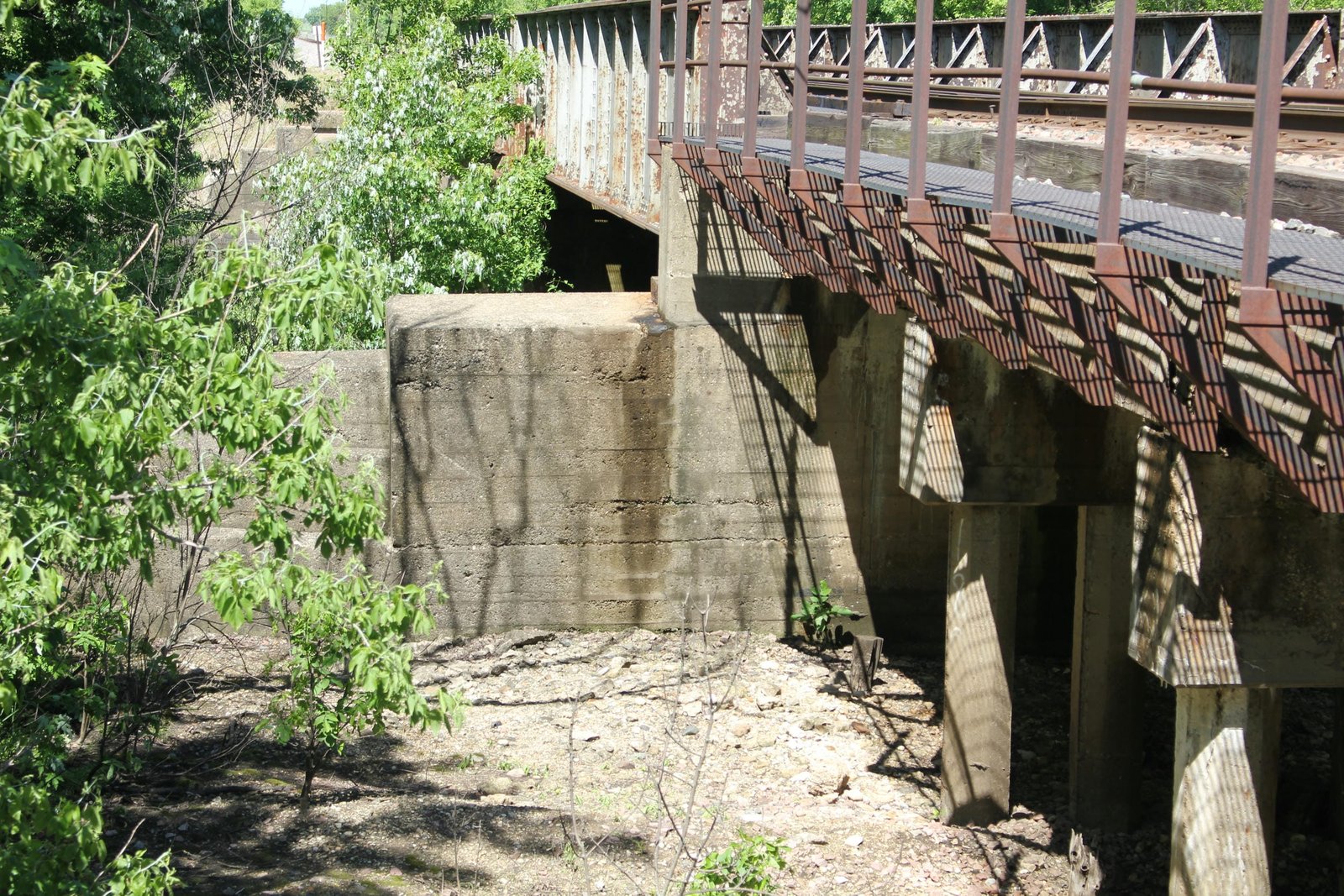
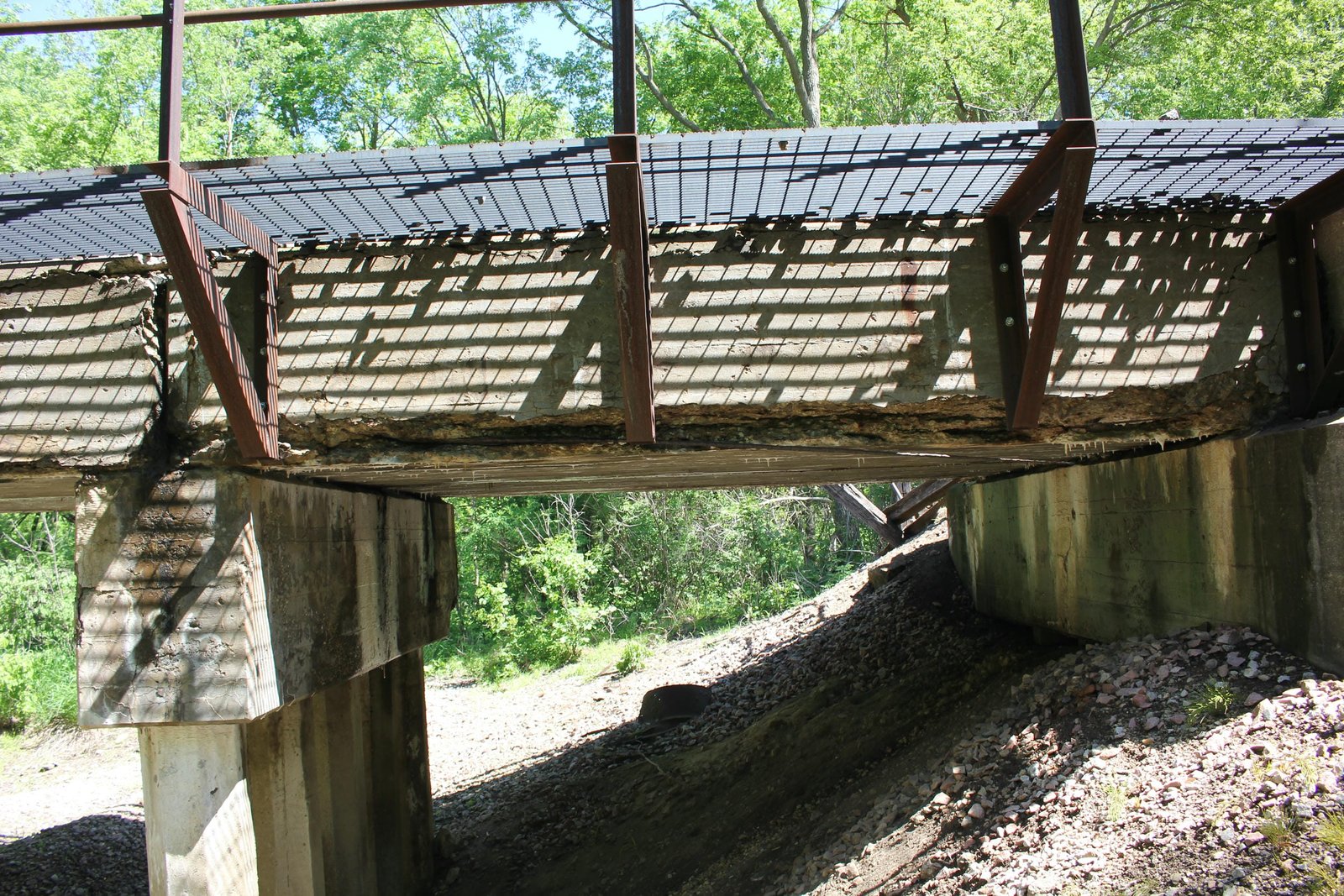
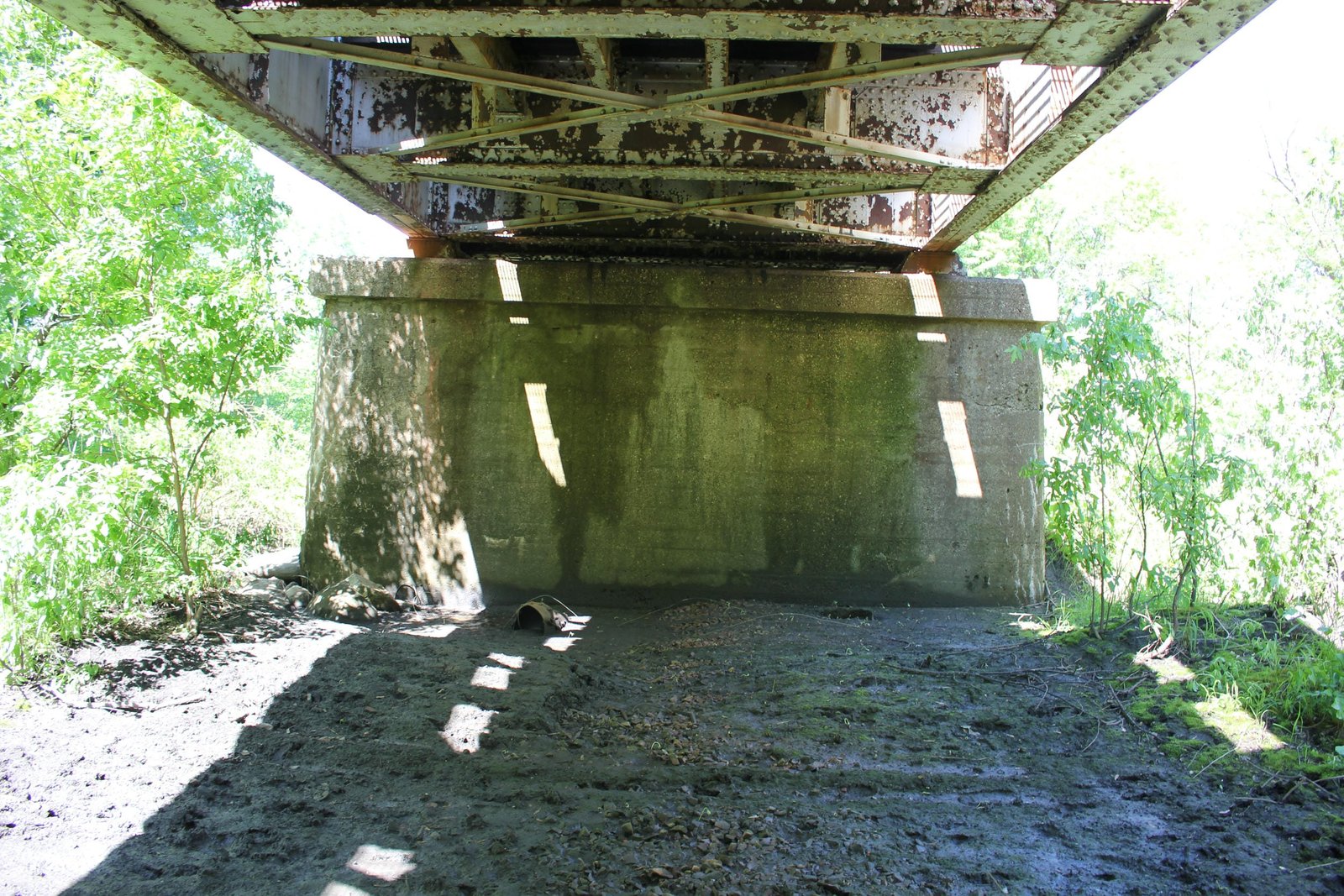
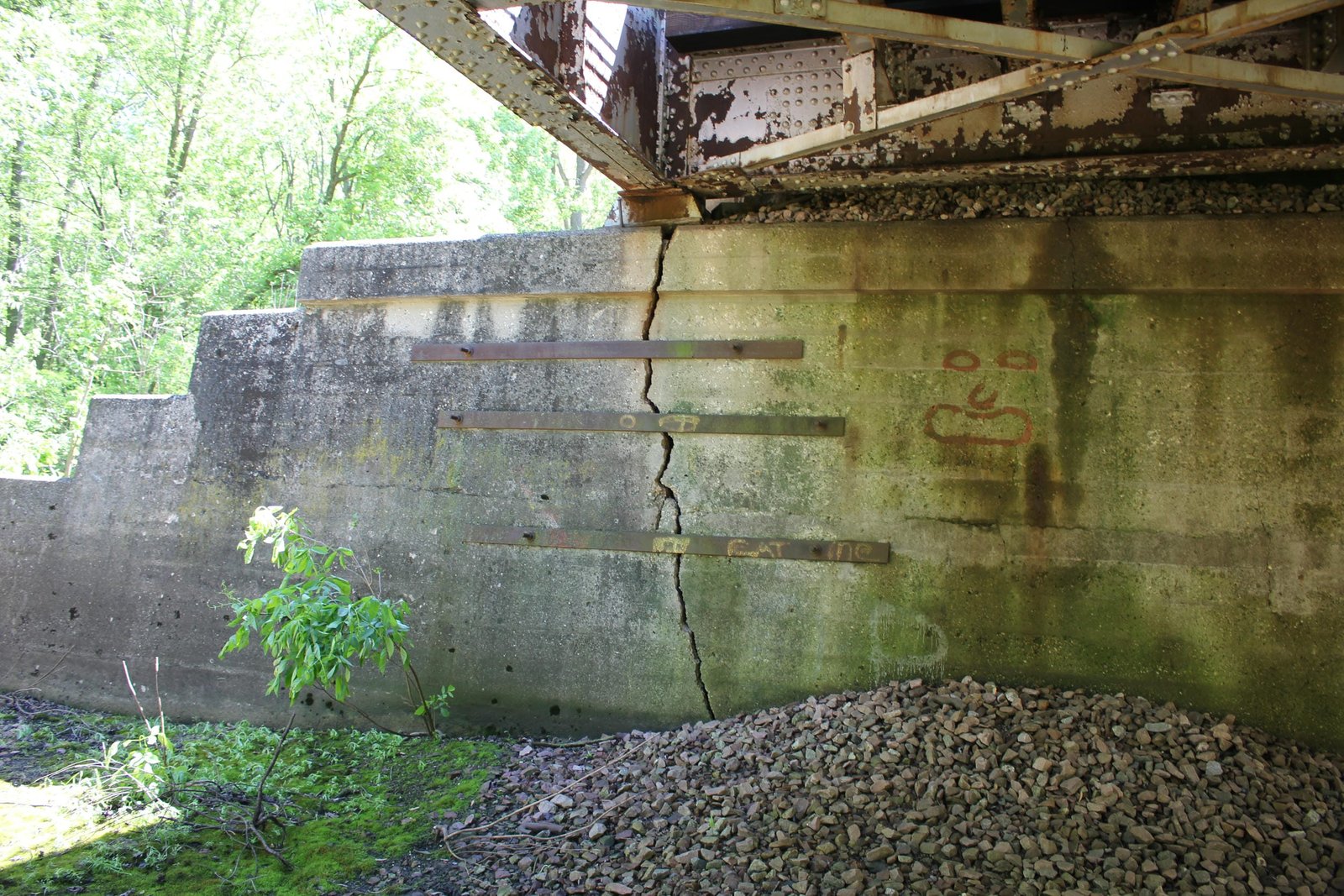
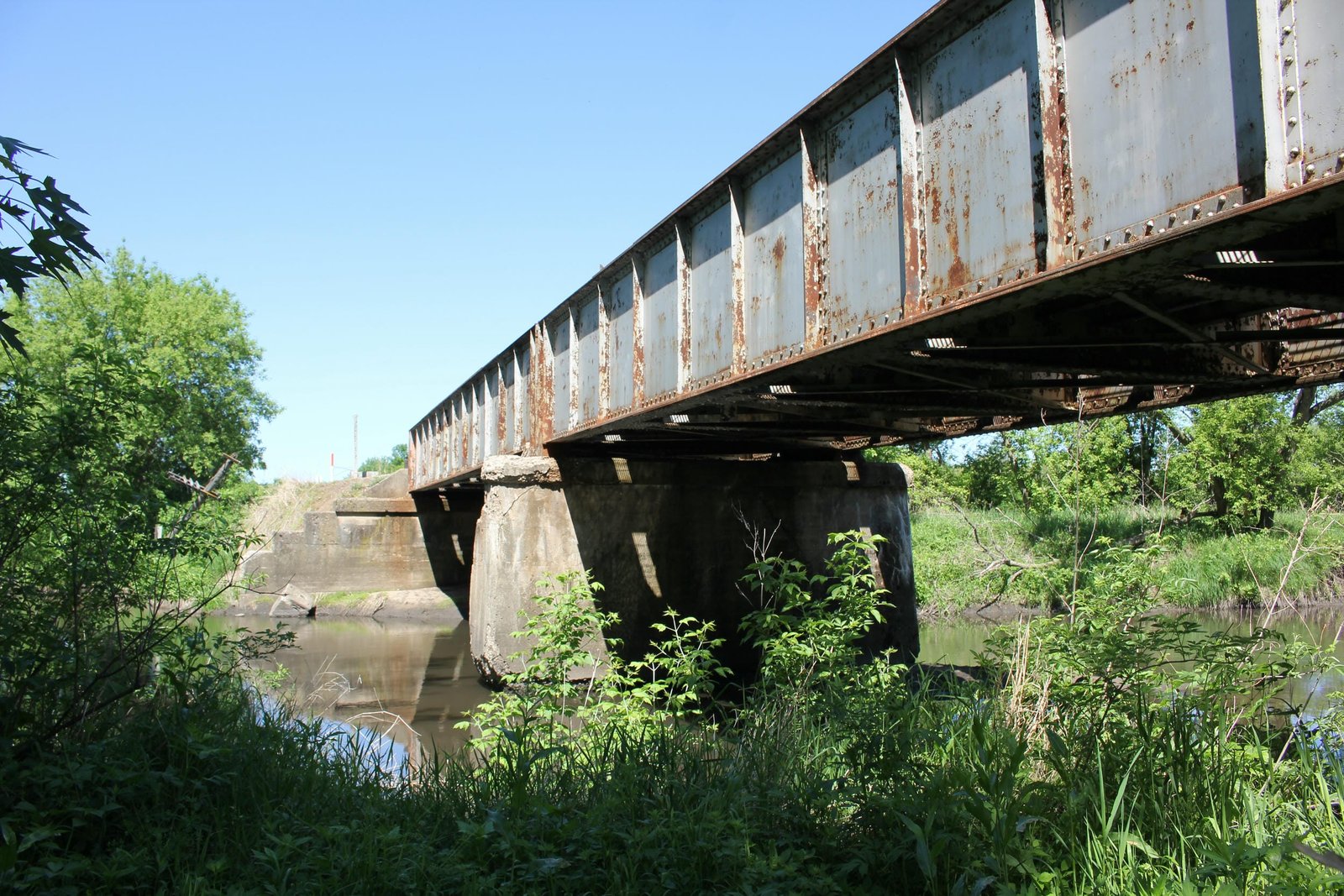
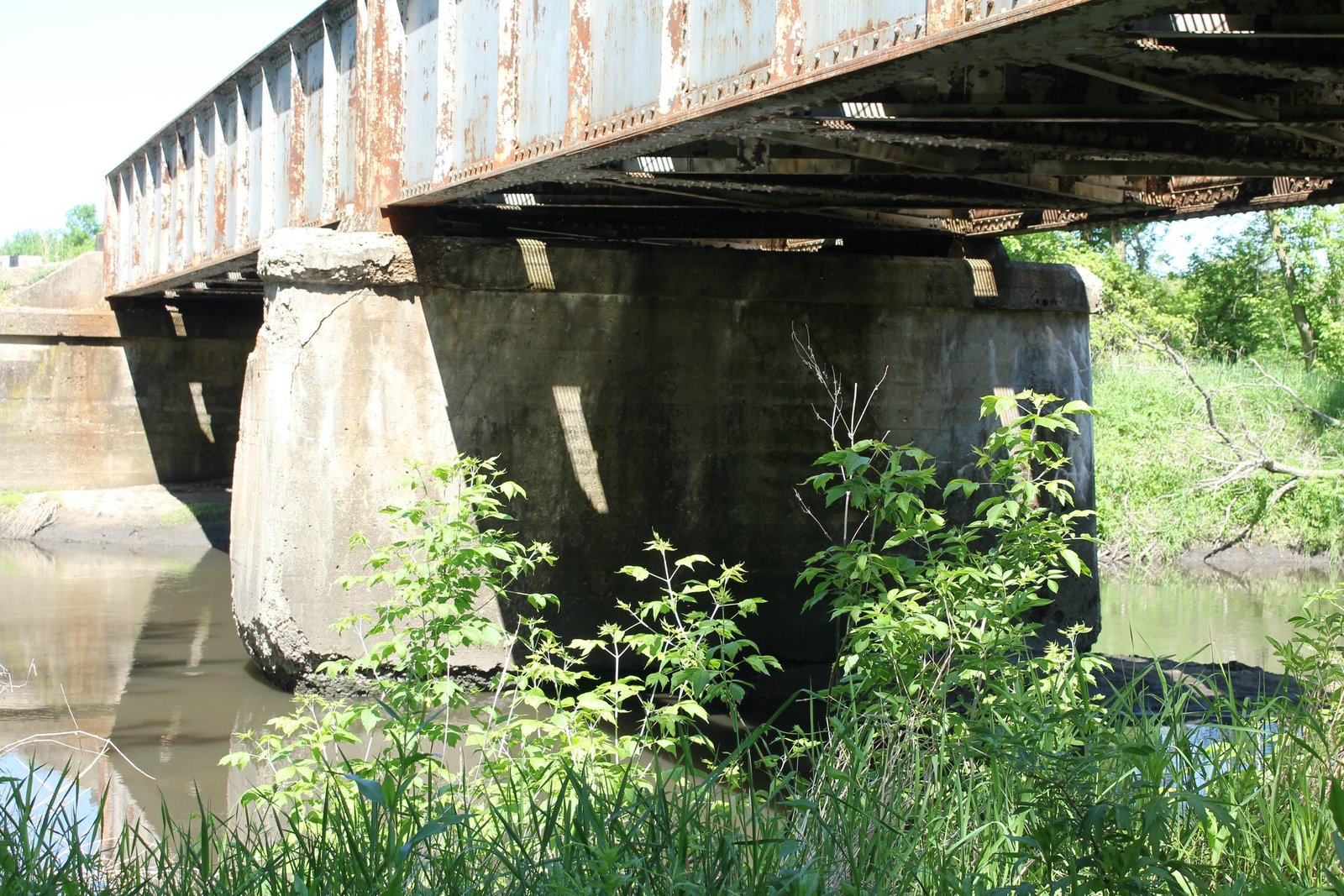
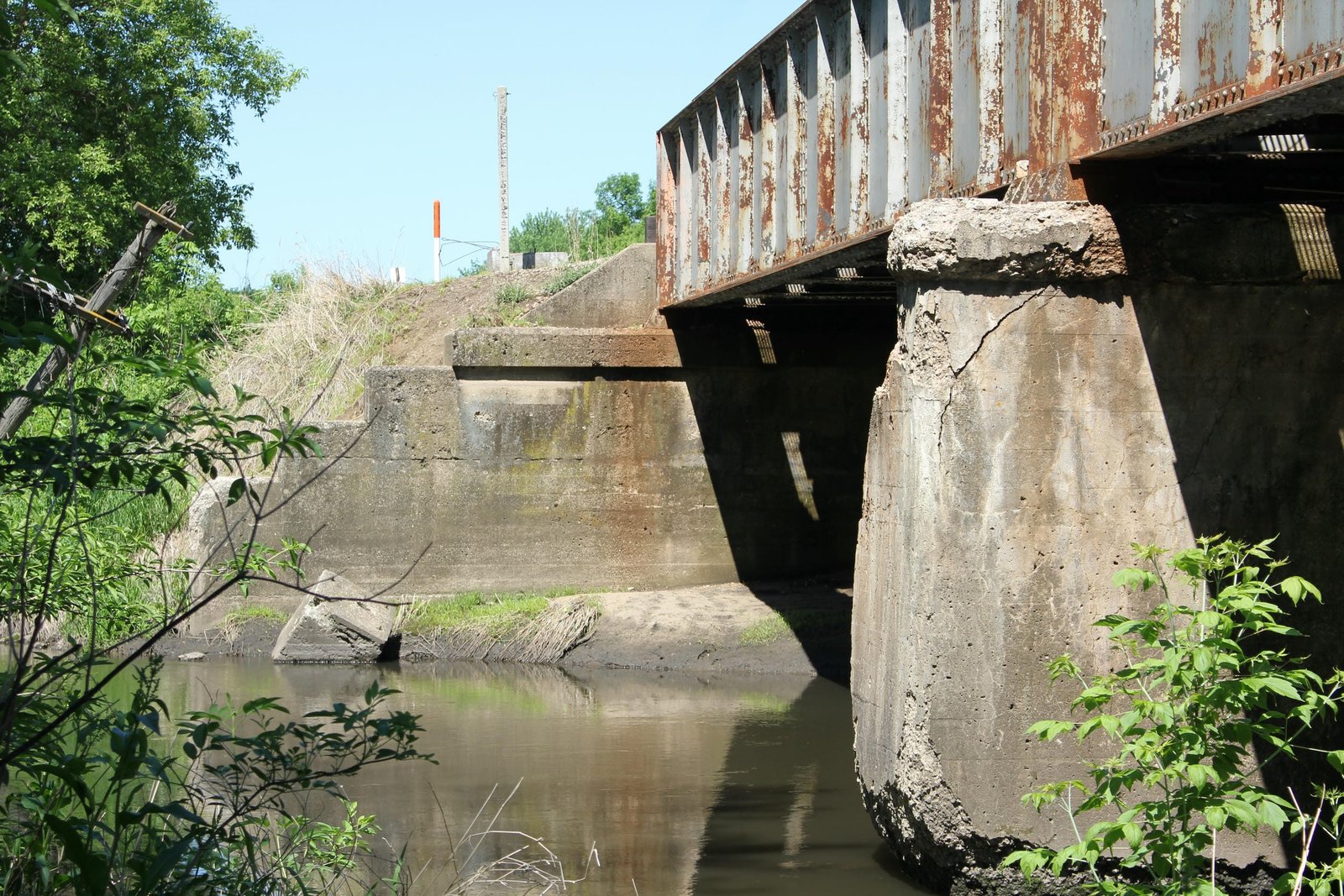
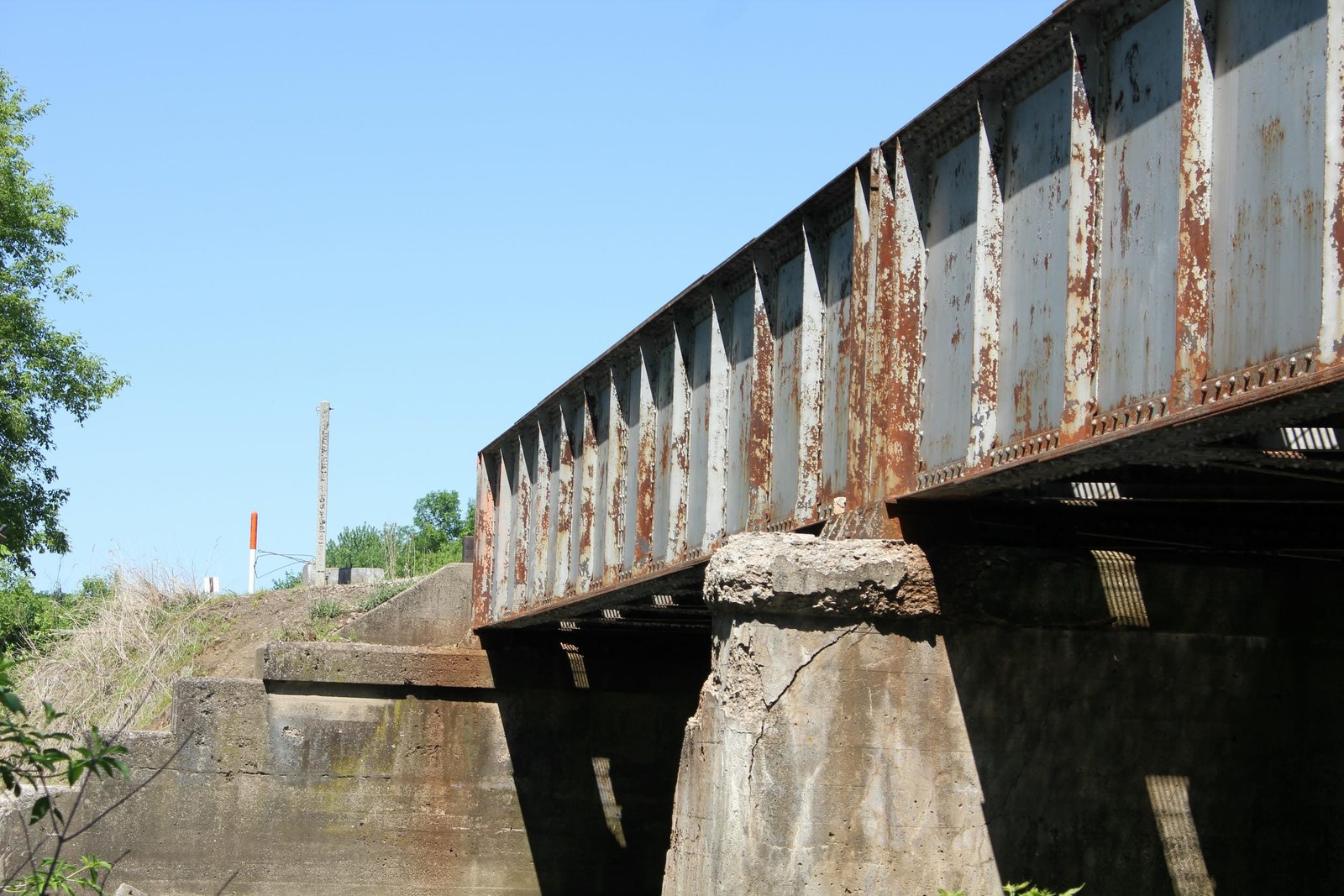
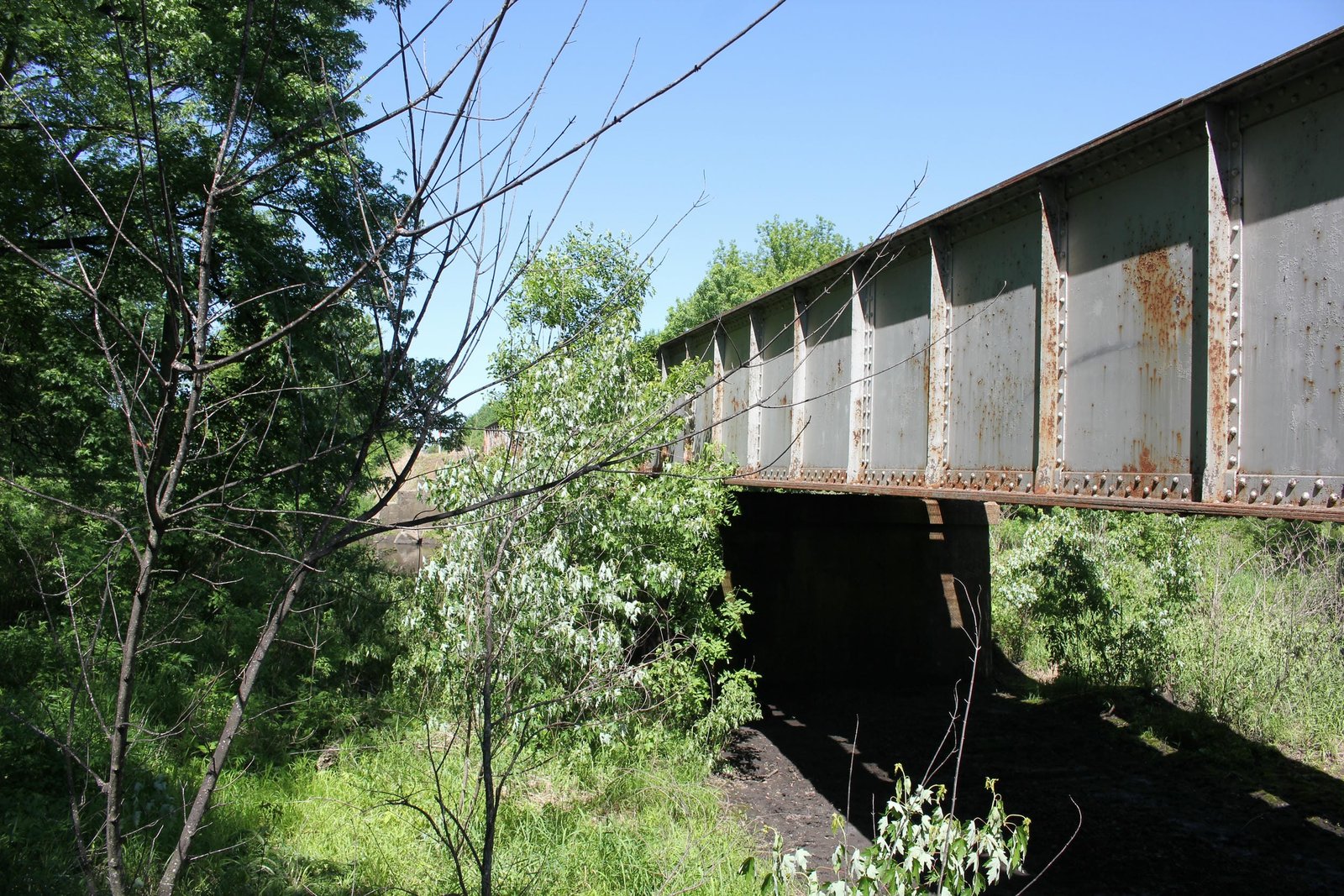
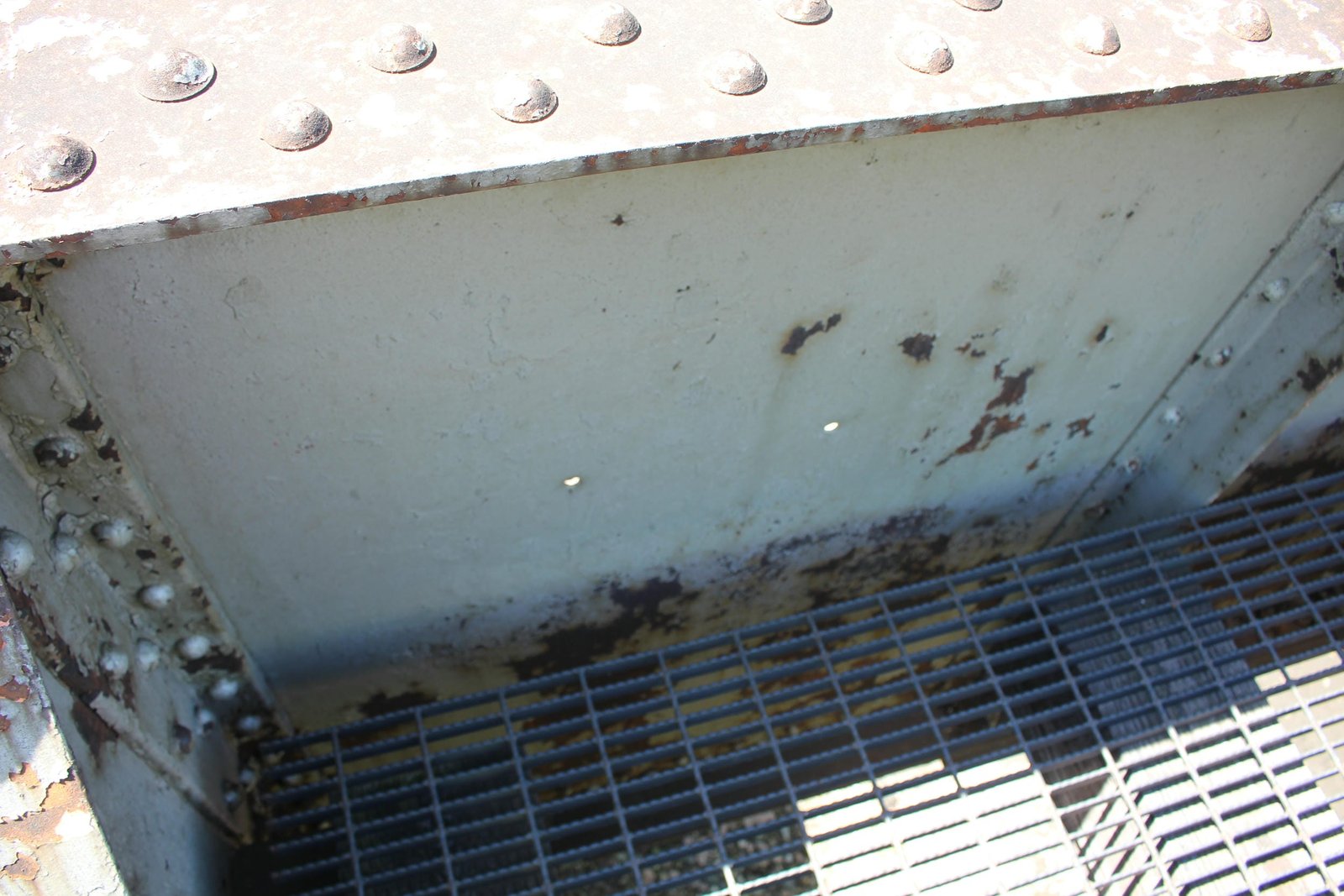
Located on the west side of Parkersburg, this through plate girder bridge carries a former Illinois Central Railroad mainline over South Beaver Creek. The first bridge at this location was likely a timber pile trestle, constructed when the line was first built. In 1911, the bridge would be replaced by a three span through plate girder bridge, set onto concrete substructures. For an unknown reason, a concrete slab approach was added to the east end in 1920, giving the bridge its present configuration. Currently, the bridge consists of three 60-foot through plate girder spans, approached by four 16-foot concrete slab spans. The main spans are set onto concrete substructures, while the approach spans are set onto concrete pile substructures. The main spans follow a standard design, with two heavy plate girders, square girder ends and a traditionally composed floor. The approach spans also follow a standard design, with heavily reinforced slabs. The center and west piers of the bridge use a standard rectangular shape, and the west abutment uses a standard design with stepped wing walls extending perpendicular from the bridge. The east pier uses an identical design to the west abutment, indicating the original east abutment was reused as a pier when the approach was added. The approach substructures use a standard concrete pile design with concrete caps. American Bridge Company fabricated the girder spans, while it is unclear if railroad company forces or an unknown contractor constructed the main substructures. It is believed that the entire approach and associated substructures were constructed by railroad company forces. Through plate girder spans were popular for railroad use, as they were durable and easy to construct. Concrete slab spans (known as "trestles" to the IC) became popular in the early 20th Century as an alternative to timber bridges. These structures could easily be precast offsite and installed with minimal interruption to traffic. Since the 1920 alterations, the bridge has seen no significant changes. Today, it remains in use as part of the Canadian National Railway line across Iowa. Overall, the bridge appears to be in fair condition, with some significant cracking and spalling noted throughout the bridge. The author has ranked this bridge as being locally significant, due to the common design.
Citations
| Build dates | Illinois Central Gulf Railroad Iowa Division 1973 Track Profile |
| Builder (superstructure) | Missing American Bridge Company plaque |
| Railroad History Citation | ICC Valuation Information, Compiled by Richard S. Steele |