
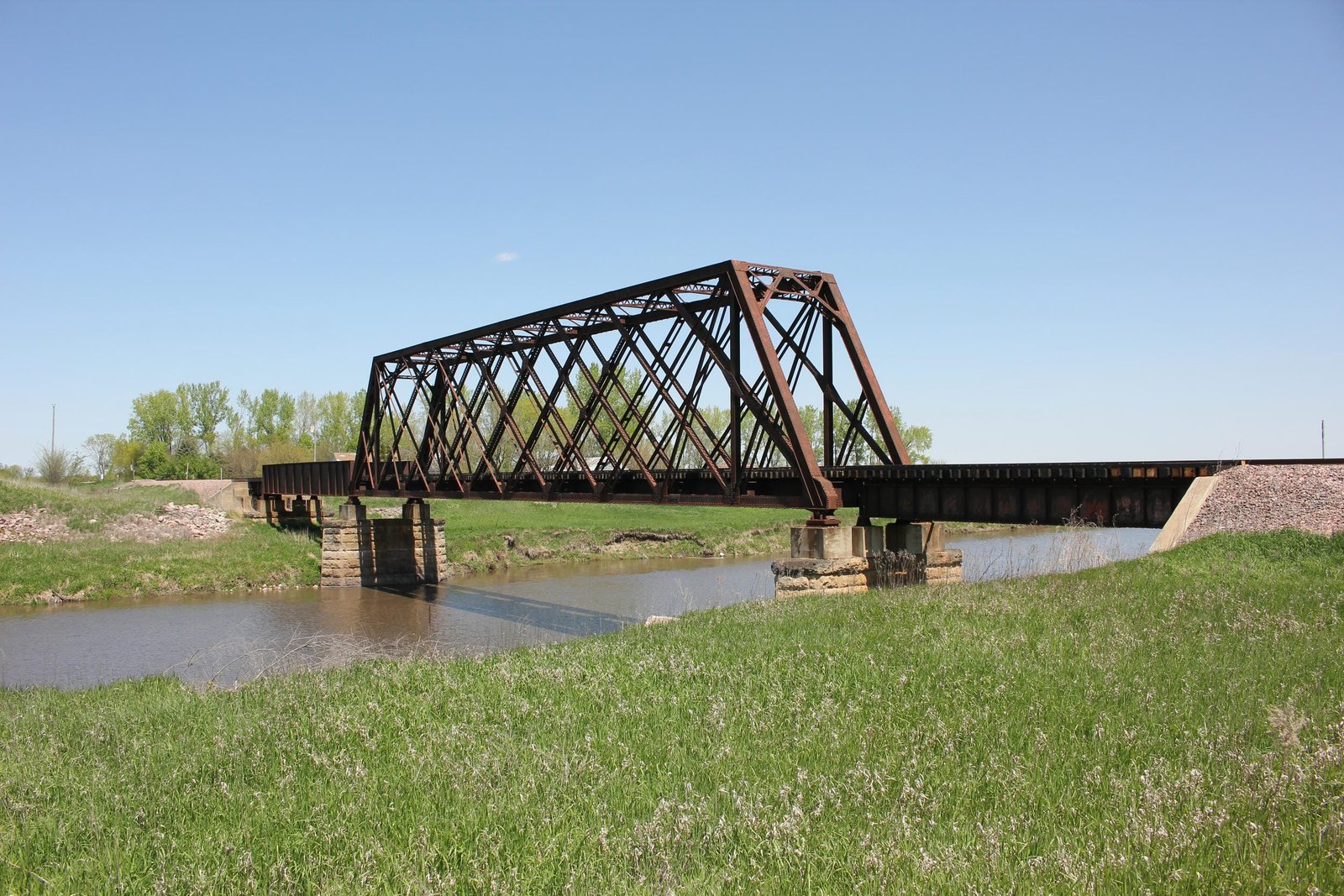
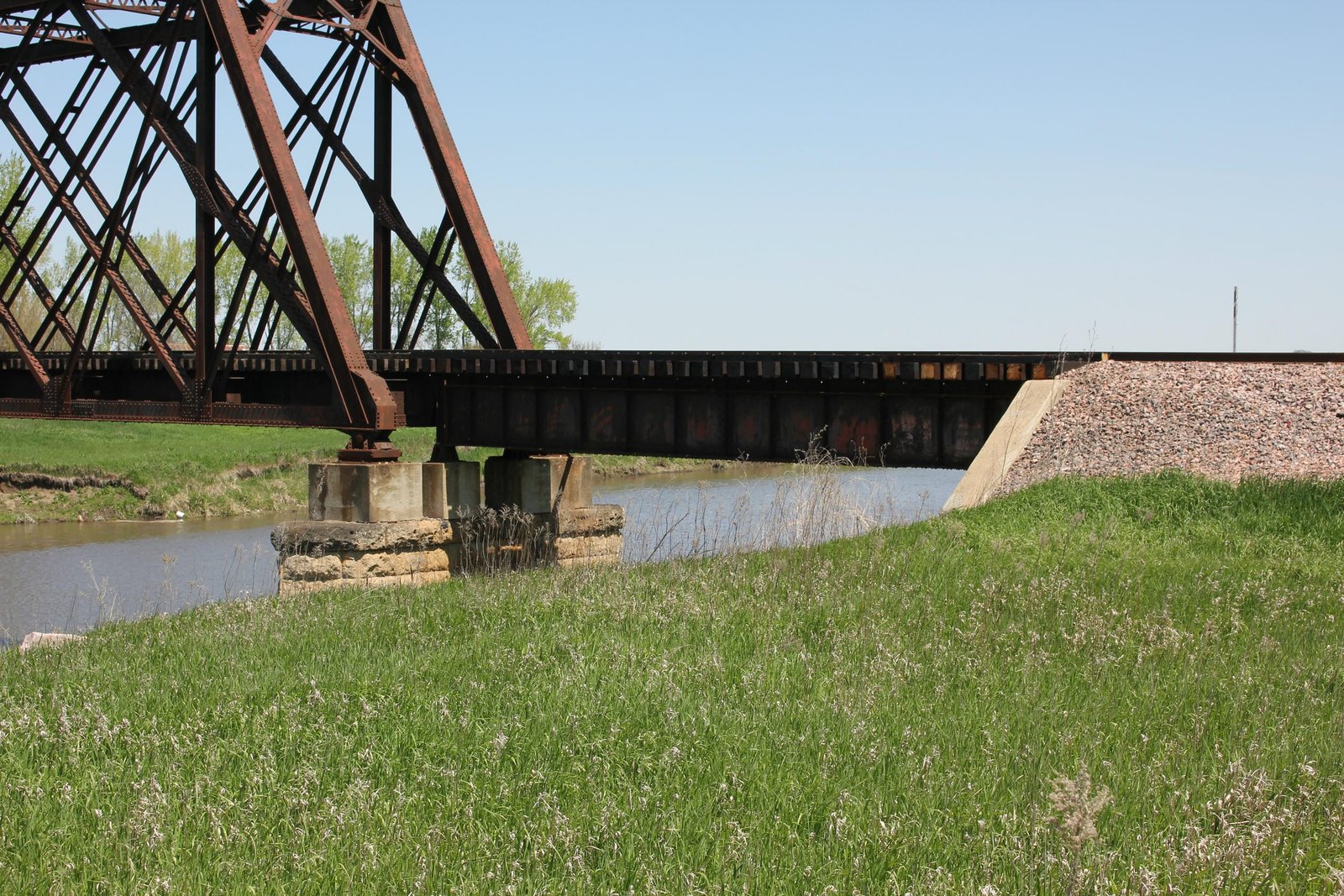
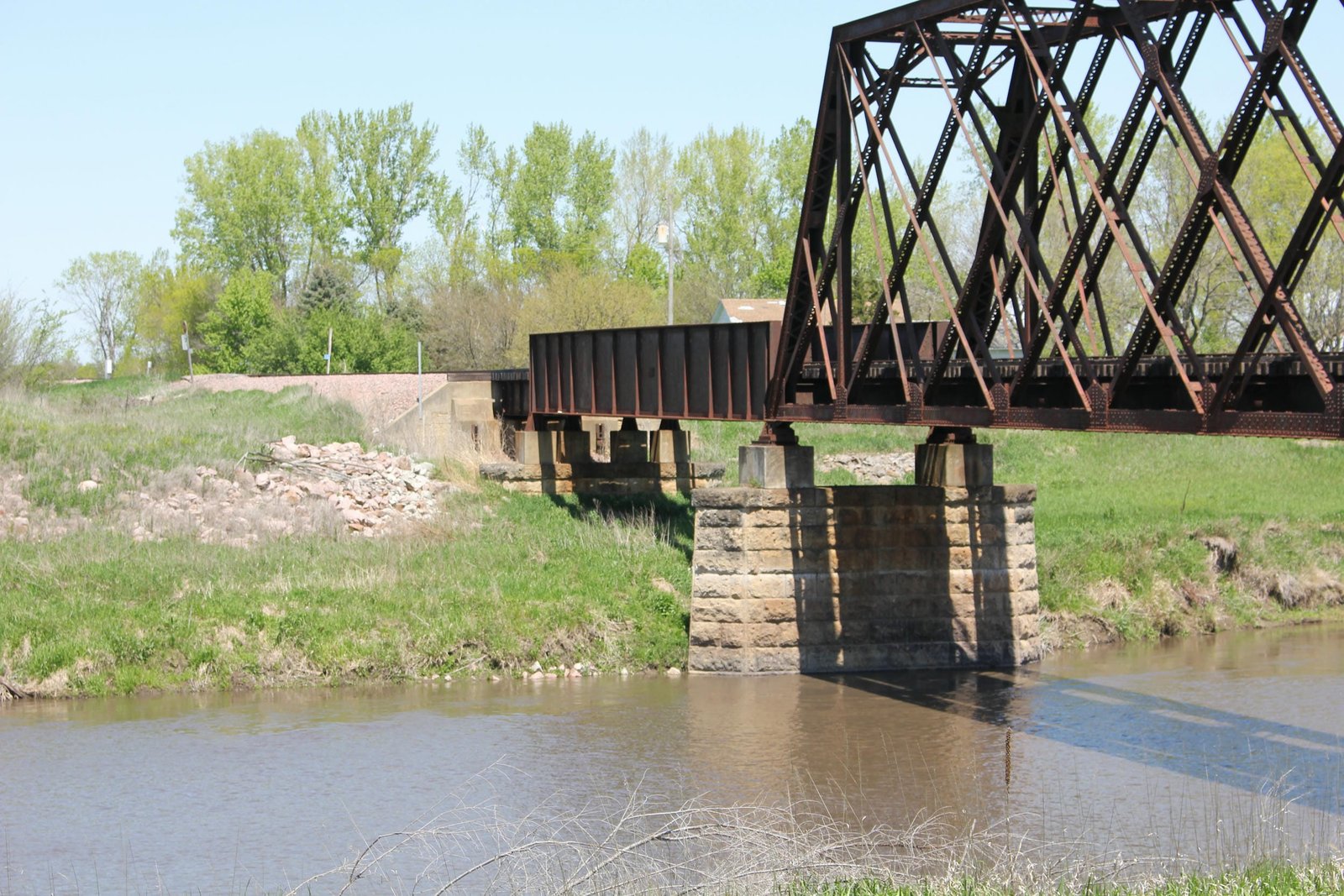
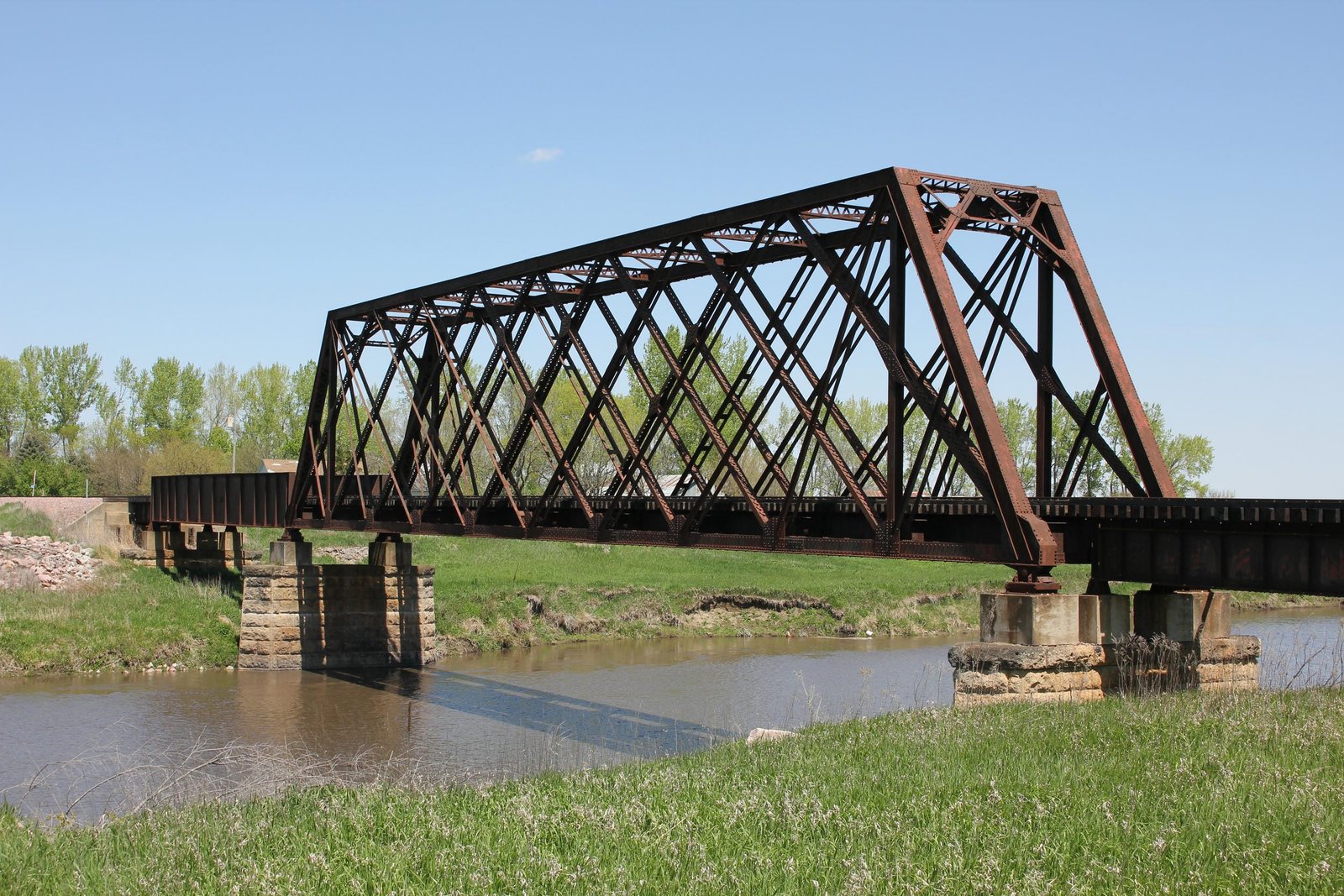
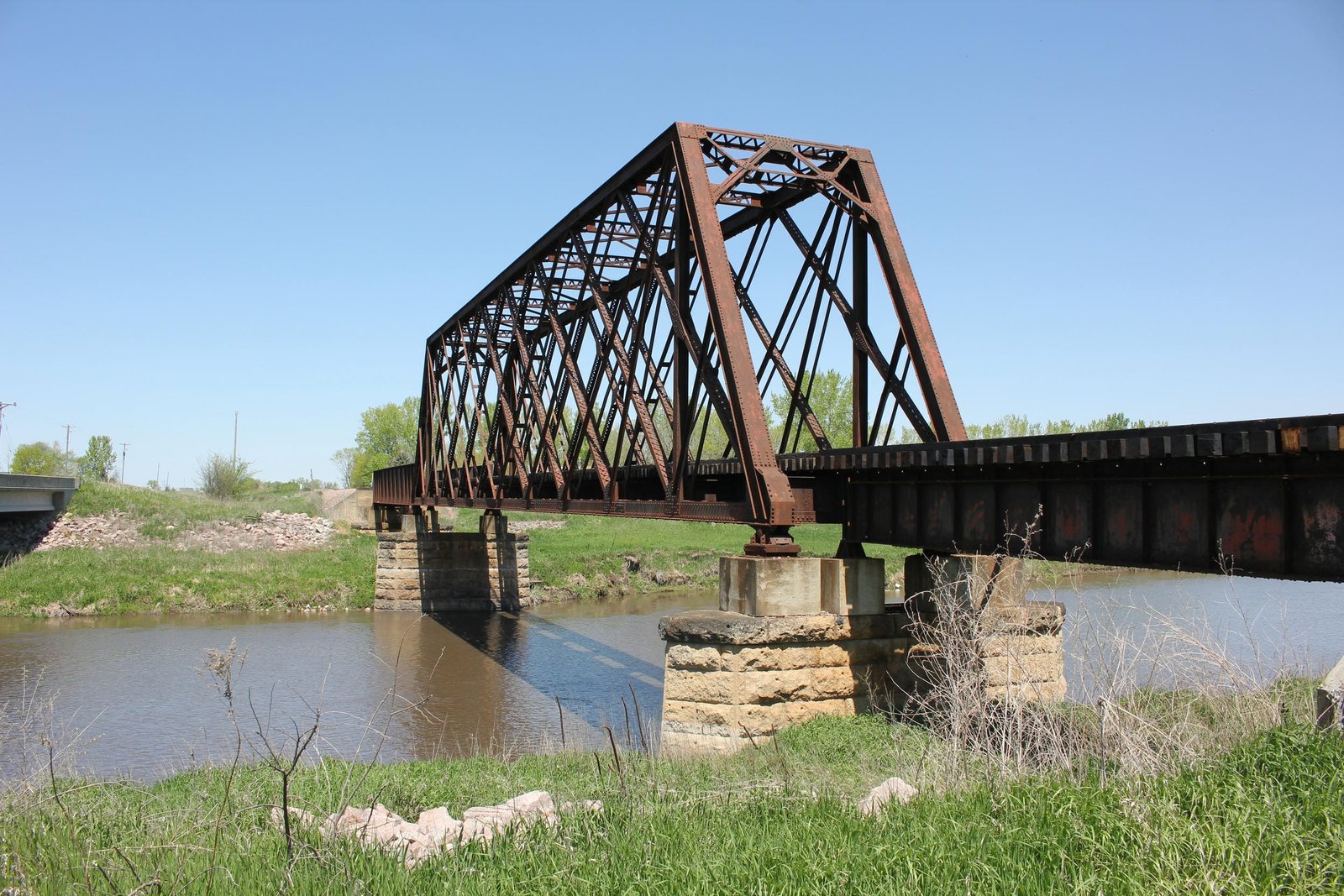
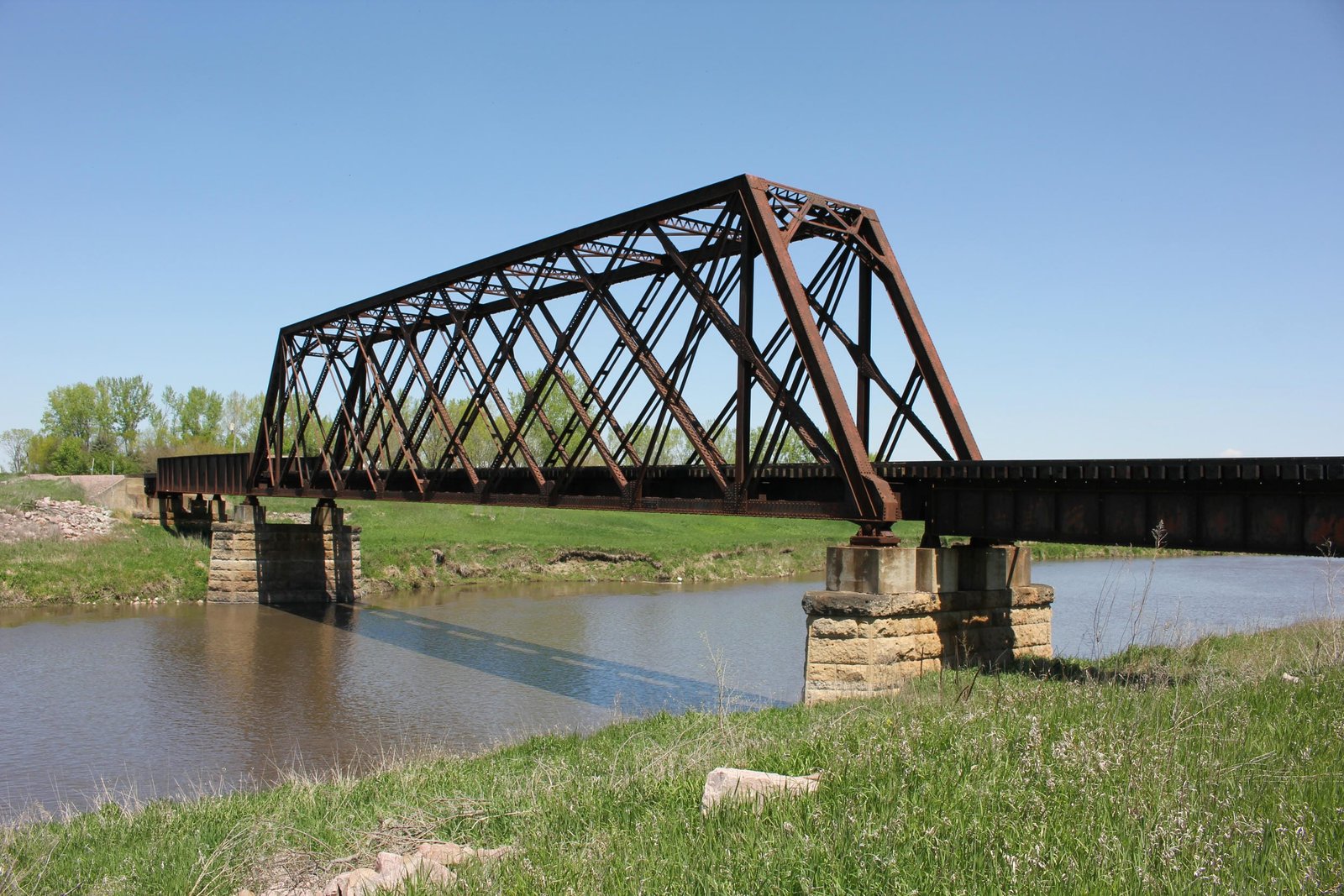
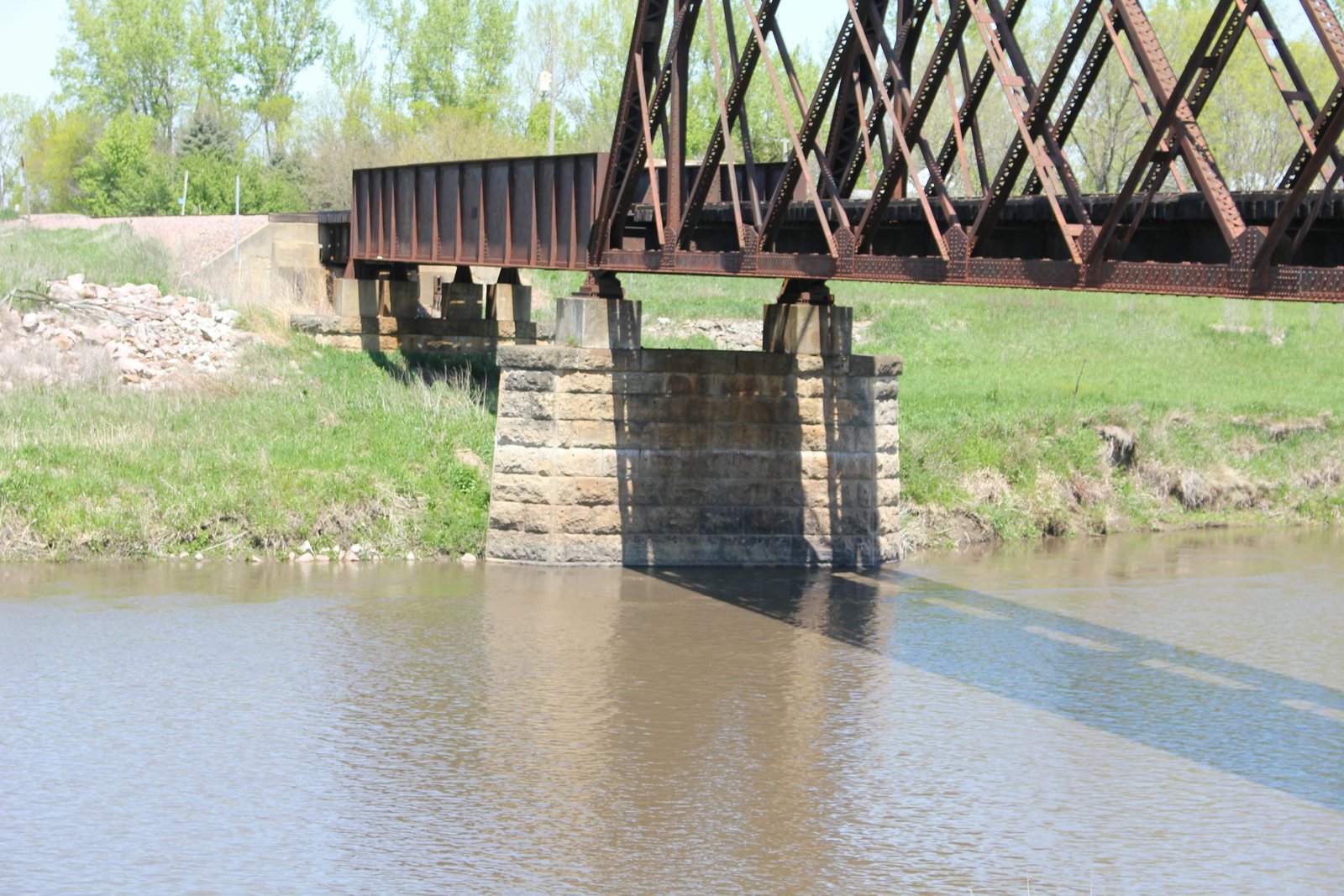
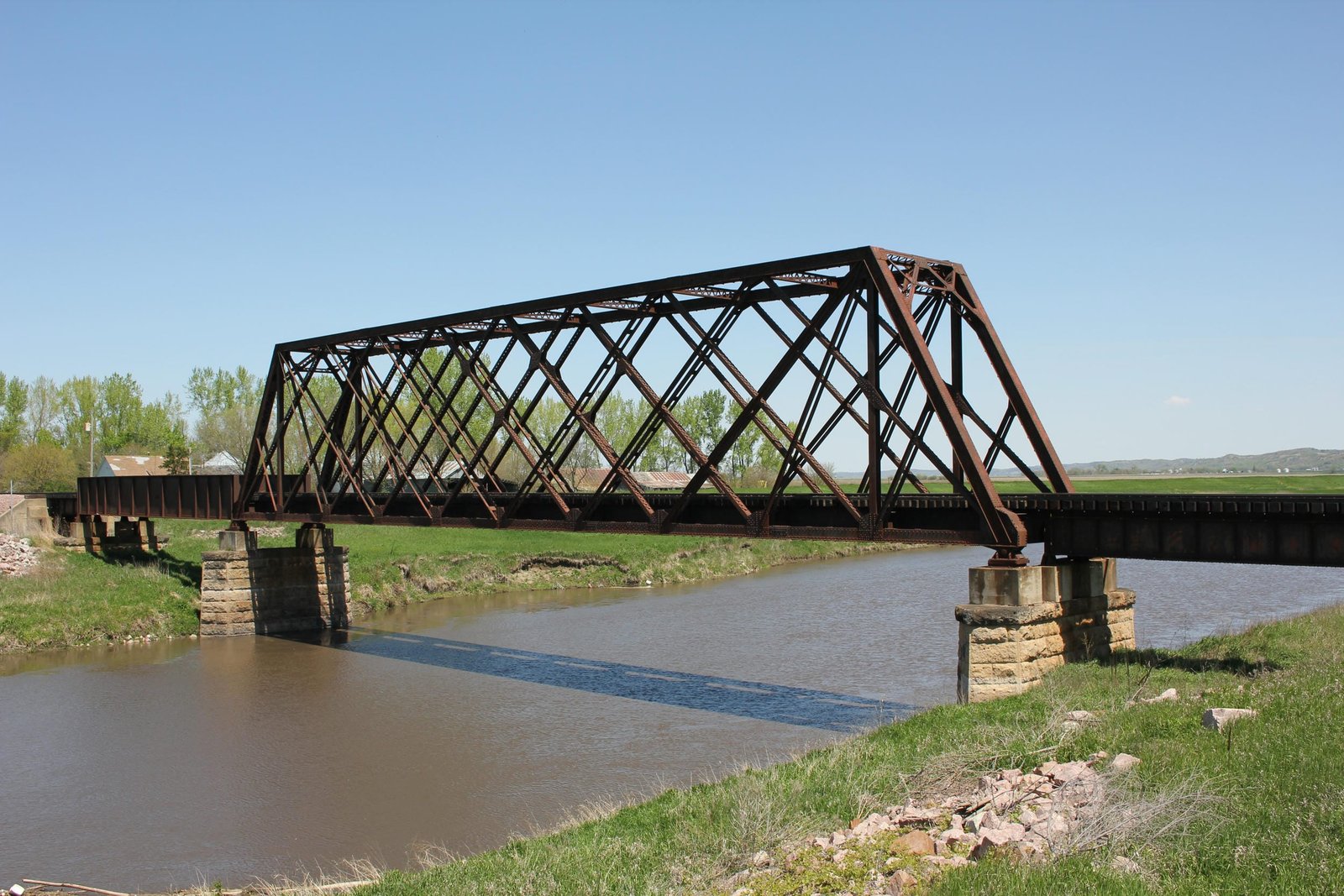
Click the photo to view the full-size version
| Name | UP Little Sioux River Bridge Chicago & North Western Railway Bridge #523 |
| Built By | Chicago & North Western Railway |
| Currently Owned By | Union Pacific Railroad |
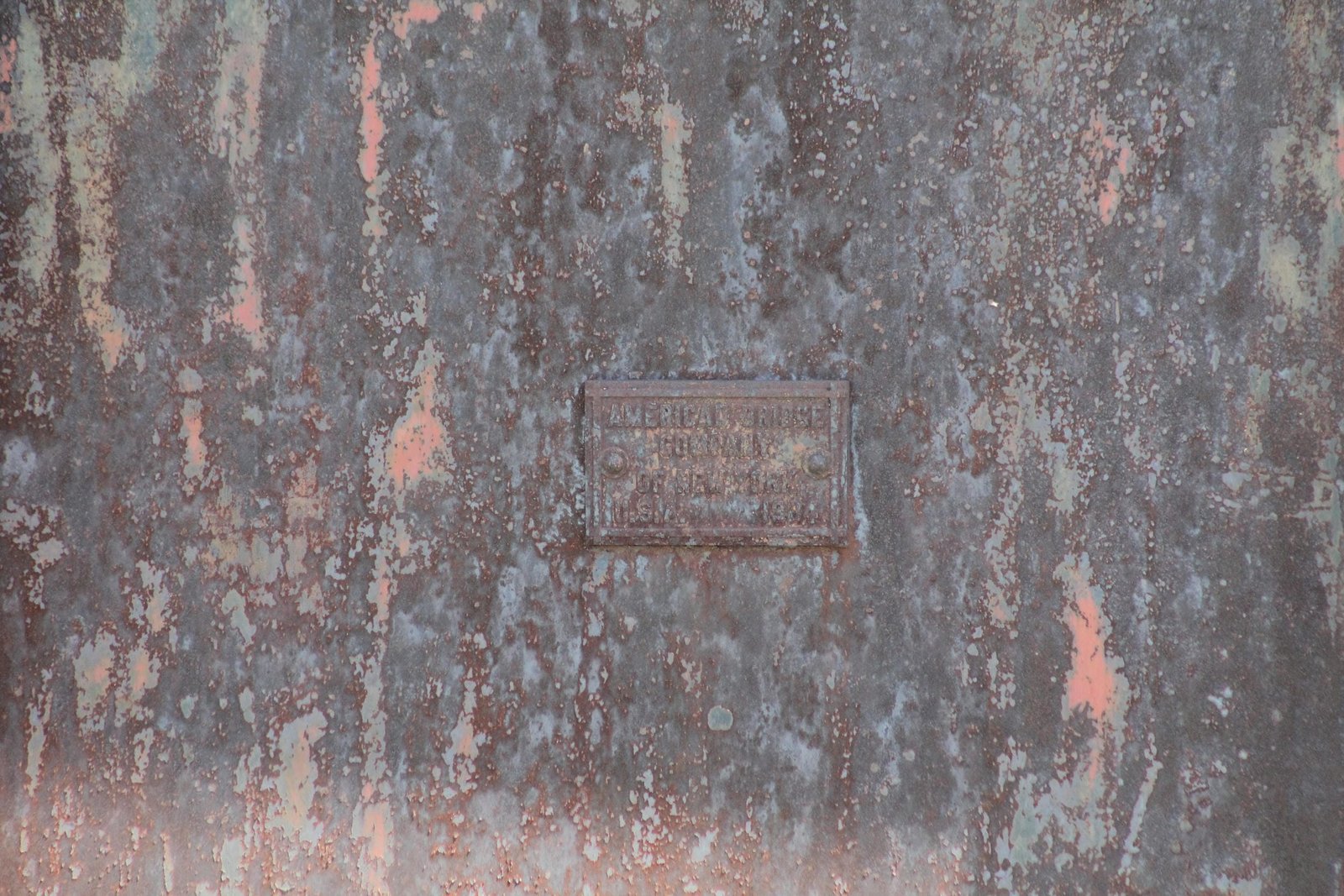
| Superstructure Contractor | Unknown (Truss and Deck Girder Spans) American Bridge Company of New York (Through Girder Span) |
| Substructure Contractor | Widell Company of Mankato, Minnesota (Stone Substructures) Unknown (Concrete Alterations) |
| Length | 310 Feet Total, 160 Foot Main Span |
| Width | 1 Track |
| Height Above Ground | 20 Feet (Estimated) |
| Superstructure Design | Quadrangular Lattice Through Truss and Through Plate Girder Deck Plate Girder |
| Substructure Design | Stone Masonry and Concrete |
| Date Built | 1902, Through Girder Span Added 1904; Raised c. 1930 |
| Traffic Count | 10 Trains/Day (Estimated) |
| Current Status | In Use |
| Chicago & North Western Railway Bridge Number | 523 |
| Union Pacific Railroad Bridge Number | 23.58 |
| Significance | Moderate Significance |
| Documentation Date | 5/5/2017 |
After the Cedar Rapids and Missouri River Railroad (CR&MR) completed a mainline across Iowa in 1867, several branch lines began to develop to connect Iowa to the CR&MR line. In 1867, the Sioux City and Pacific Rail Road (SC&P) constructed a 50-mile railroad line, extending from California Junction, Iowa to Sloan, Iowa. The following year, an additional 20 miles were completed to Sioux City, Iowa. This line closely paralleled the Missouri River, and connected a major western Iowa city in Sioux City to the CR&MR mainline. In September 1868, the railroad was reorganized, keeping the same name. In the late 1860s, the SC&P constructed a handful of important branch lines in western Iowa and eastern Nebraska. In 1873, the SC&P came under control of the Chicago & North Western Railway (C&NW) although was maintained as a separate entity. The C&NW had also purchased the CR&MR in the 1880s.
Throughout the late 19th Century, the C&NW had developed into a significant railroad network in the midwest, with lines radiating north and west from Chicago. In particular, the C&NW developed dozens of secondary and branch lines in Iowa to serve agricultural industries and small towns. This line served as a mainline, connecting an existing C&NW mainline at California Junction to the Chicago, St. Paul, Minneapolis & Omaha Railway (Omaha Road) mainline at Sioux City. The Omaha Road was also controlled by the C&NW. Between the 1880s and early 20th Century, the C&NW constructed several branch lines, which connected to this line at Mondamin, Iowa; Onawa, Iowa and Sergeant Bluff, Iowa. In 1901, the C&NW purchased the SC&P and completed ownership of this line. In the mid-20th Century, the branch lines were abandoned, but this line remained significant for connecting the C&NW mainline to the Omaha Road mainline. In 1995, the C&NW was purchased by Union Pacific Railroad (UP). Currently, UP owns this line and operates it as the Sioux City Subdivision.
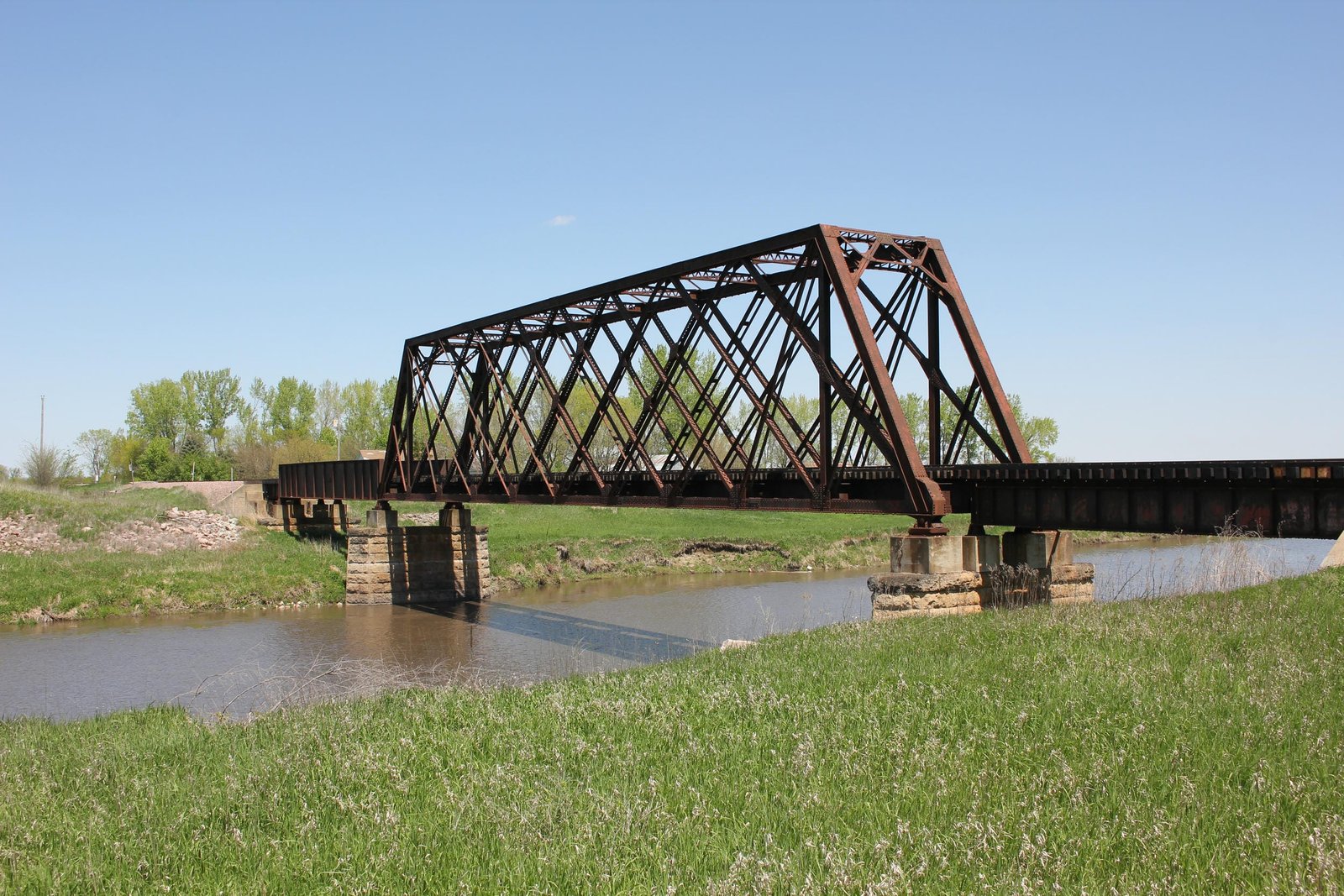
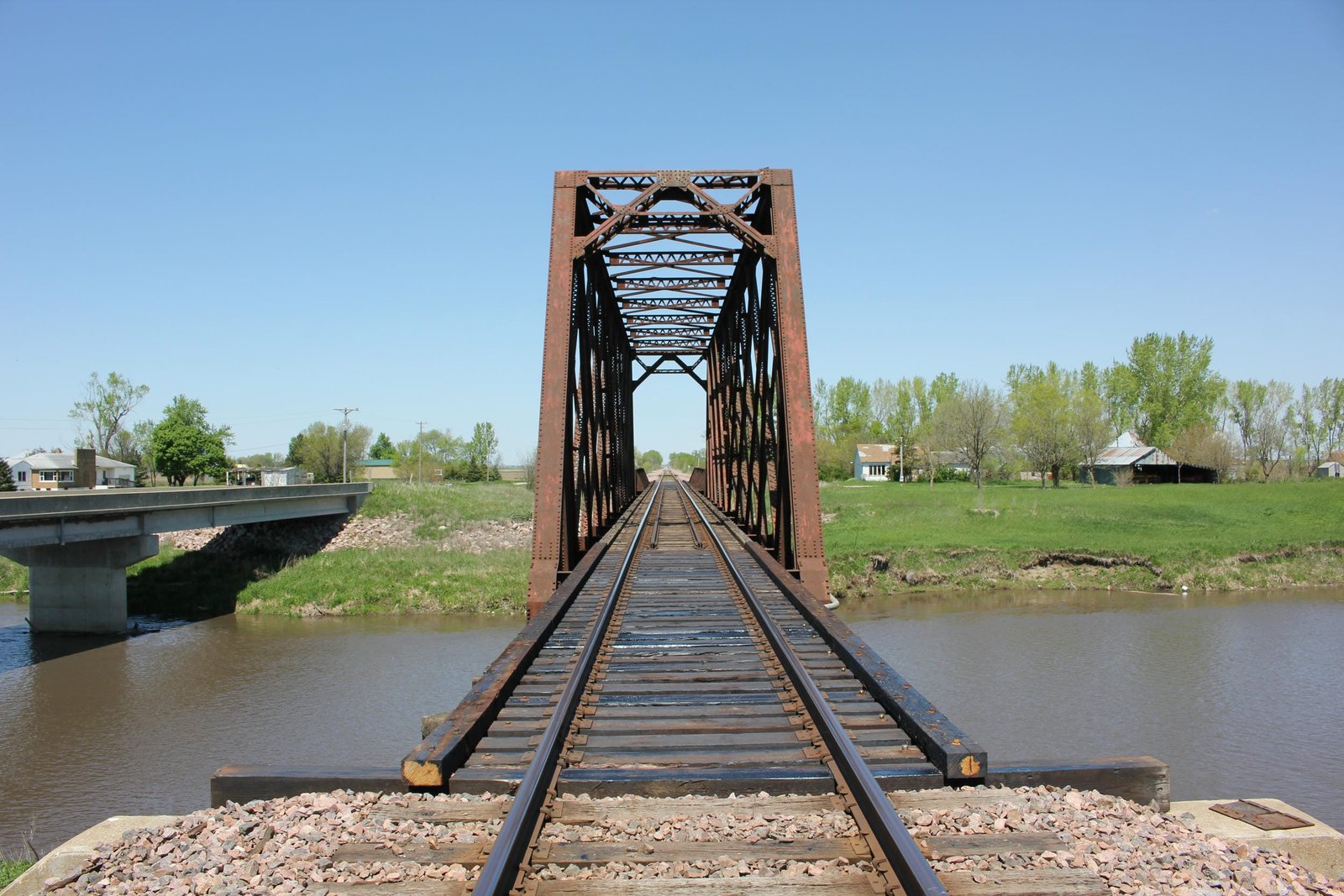
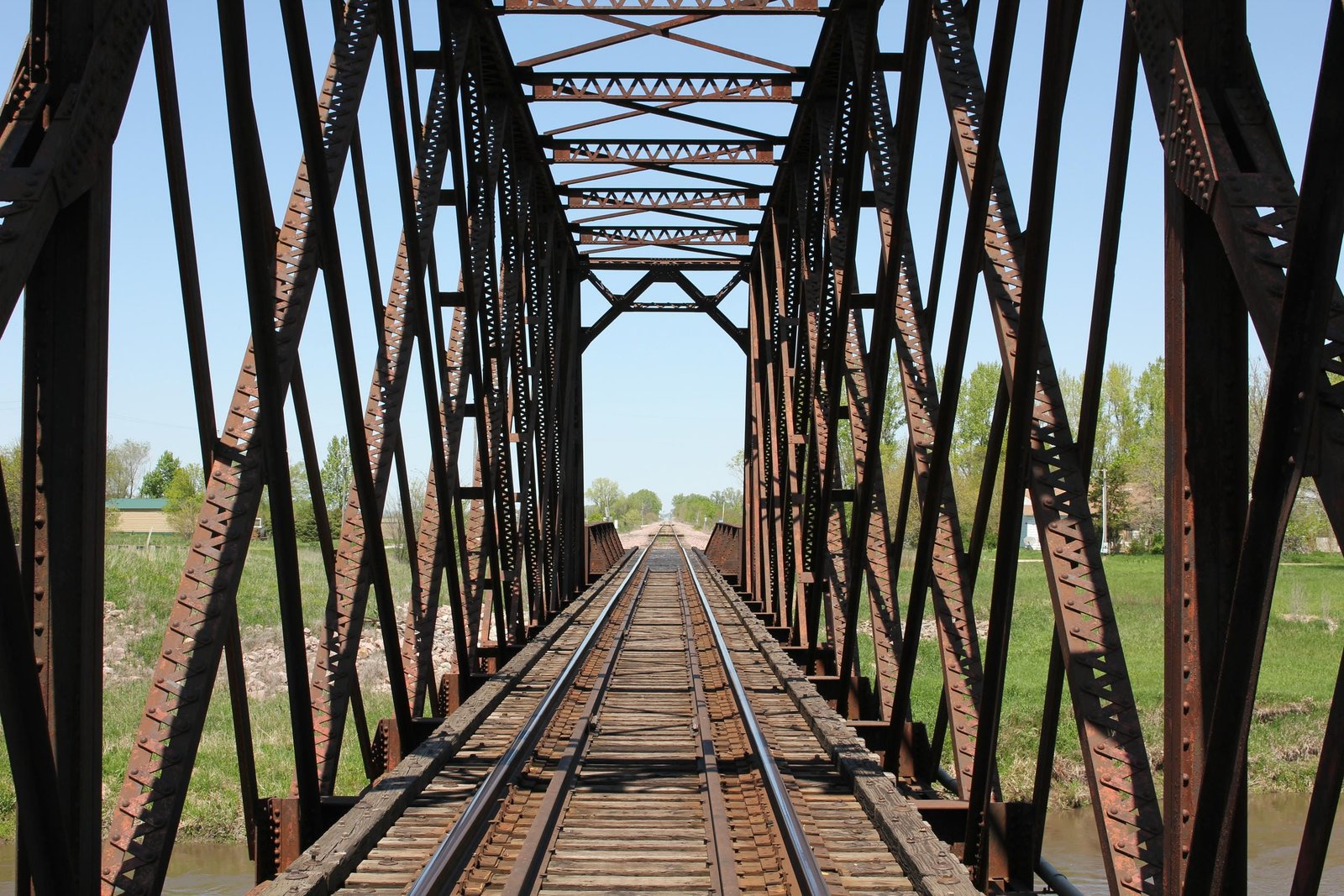
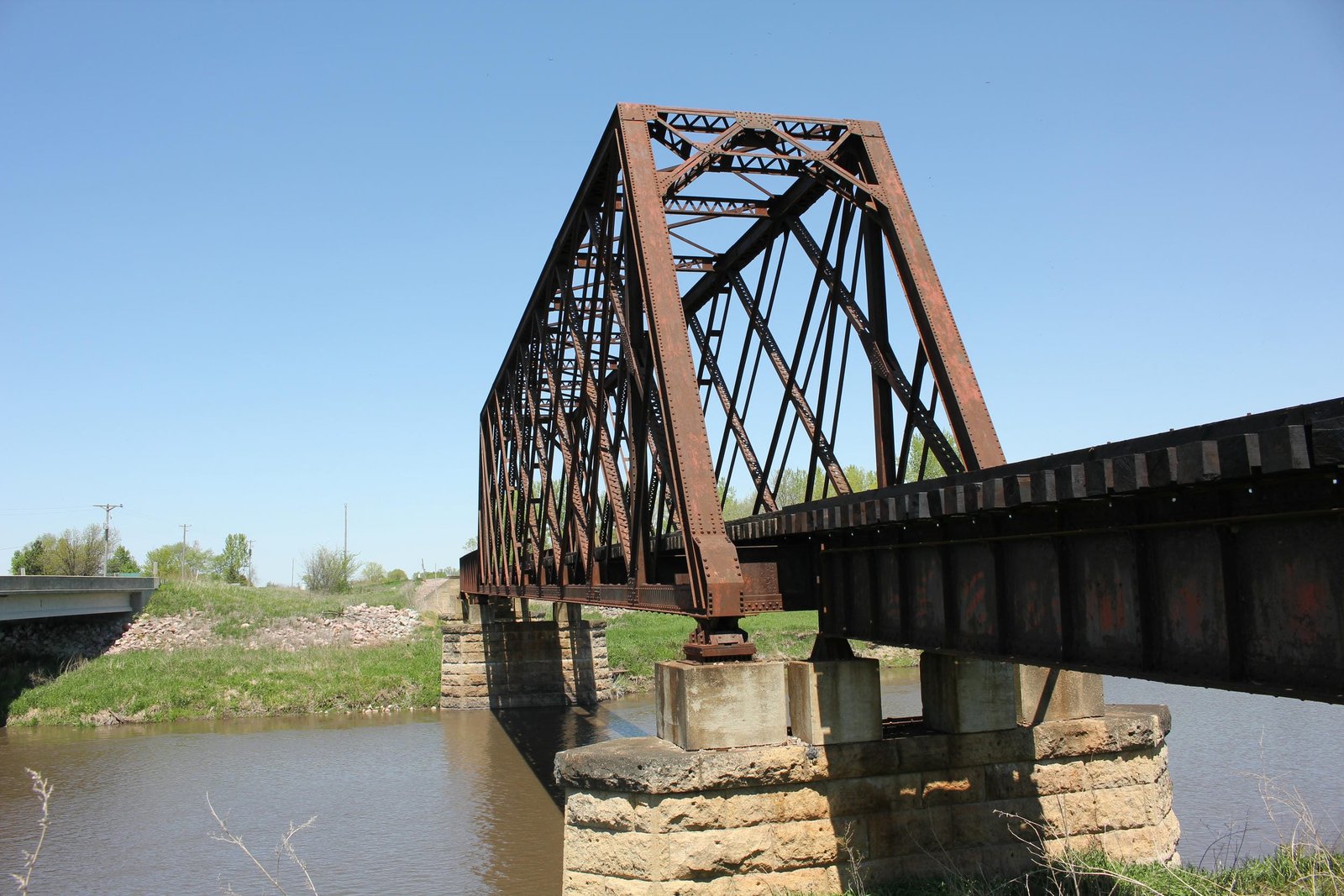
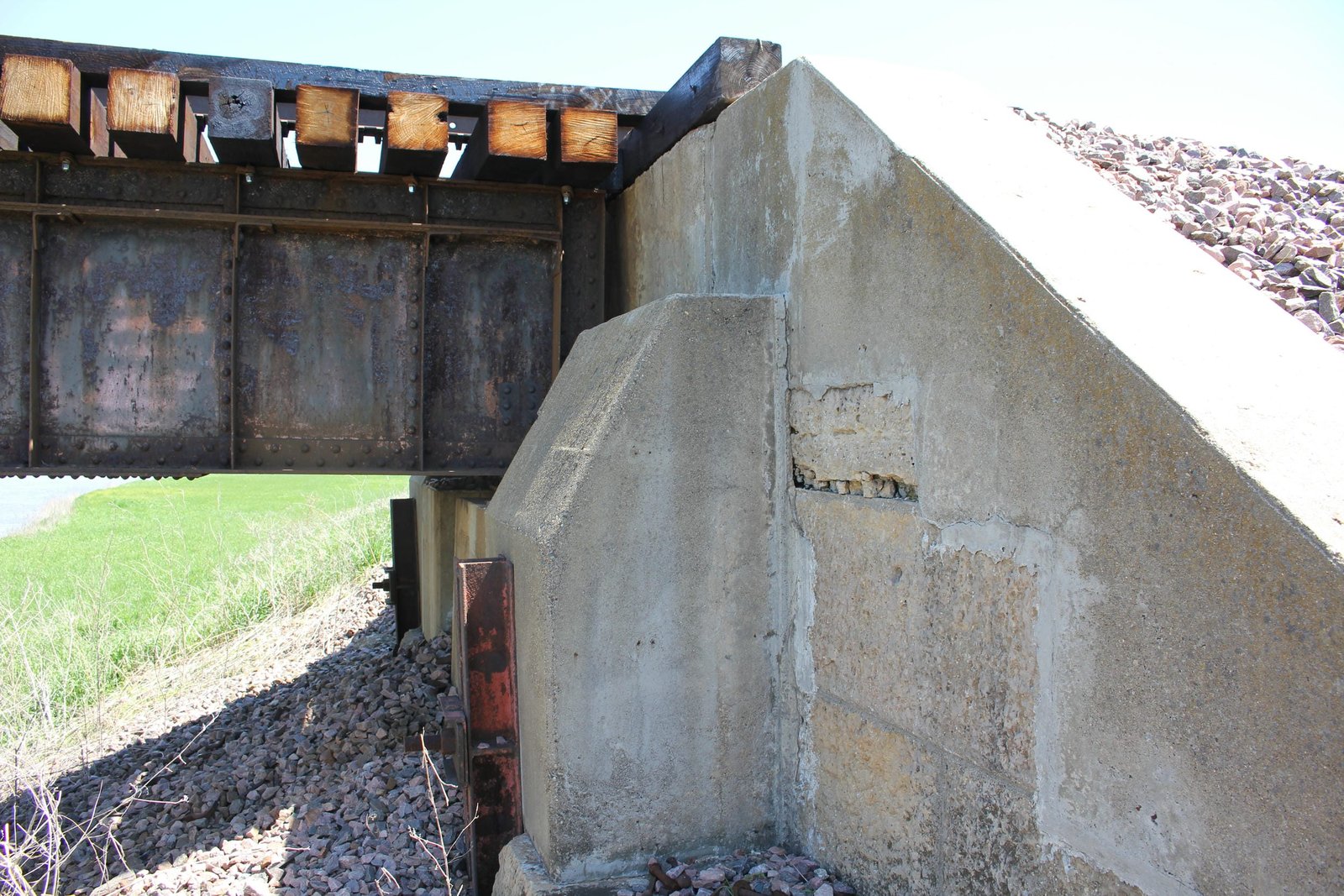
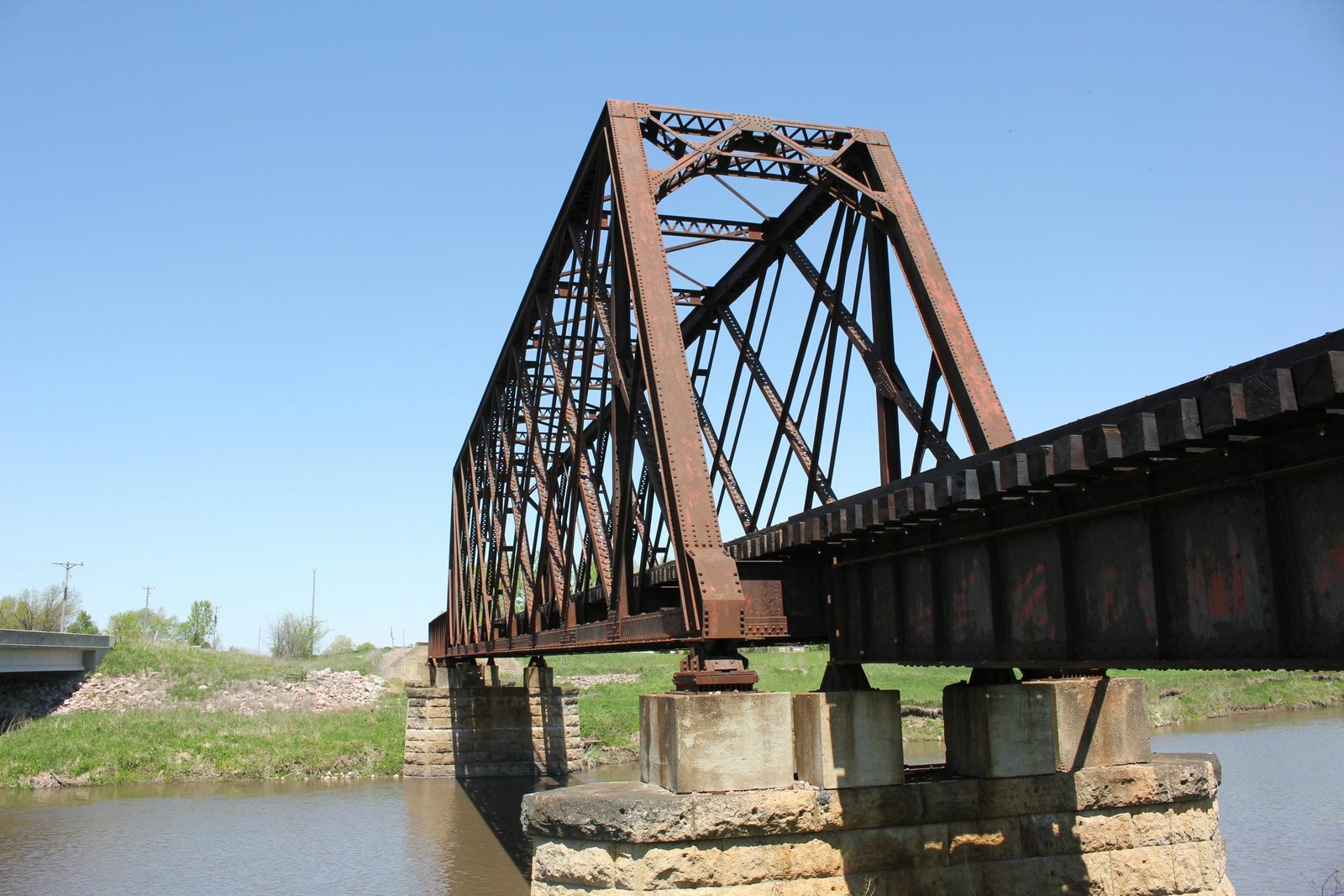
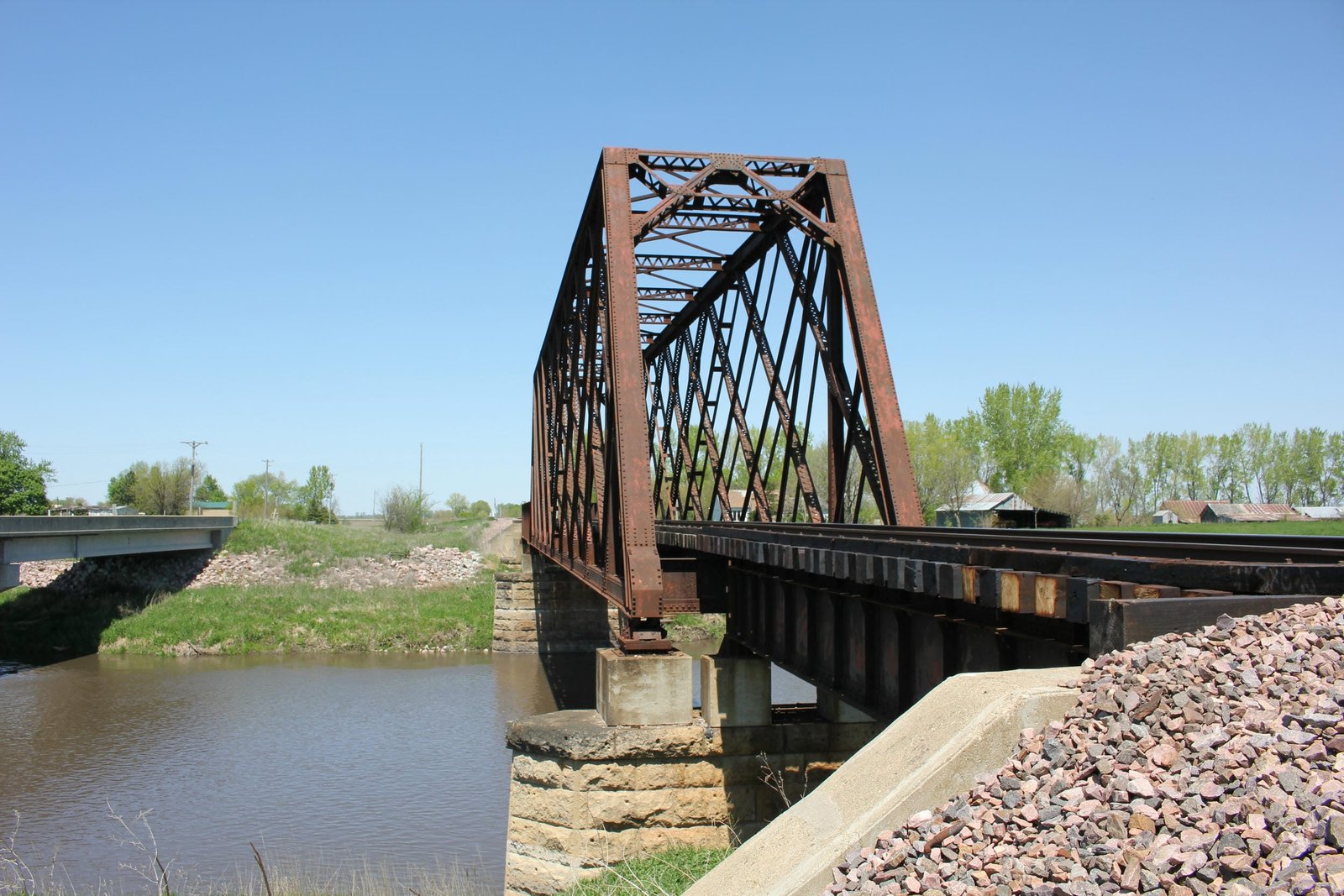
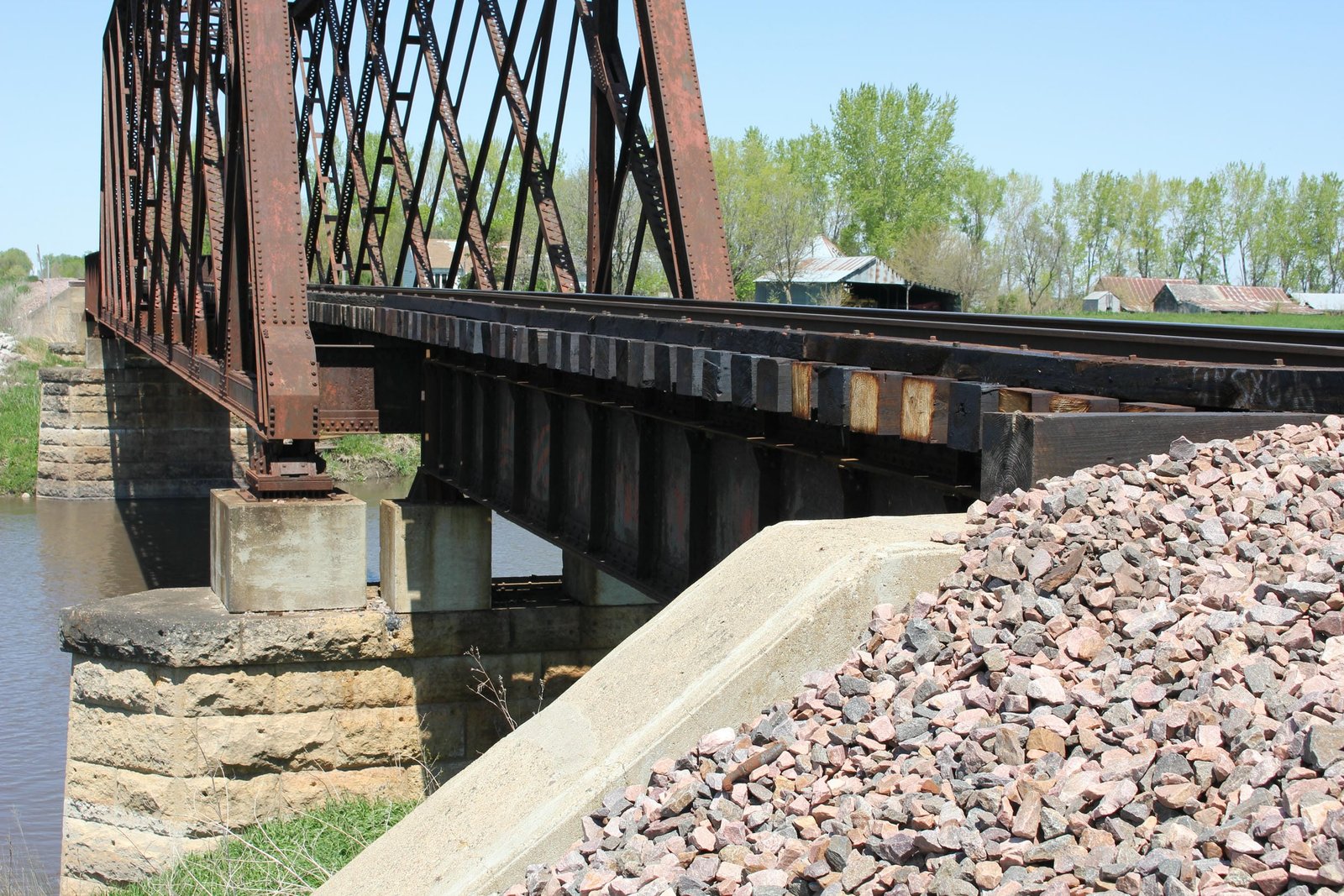
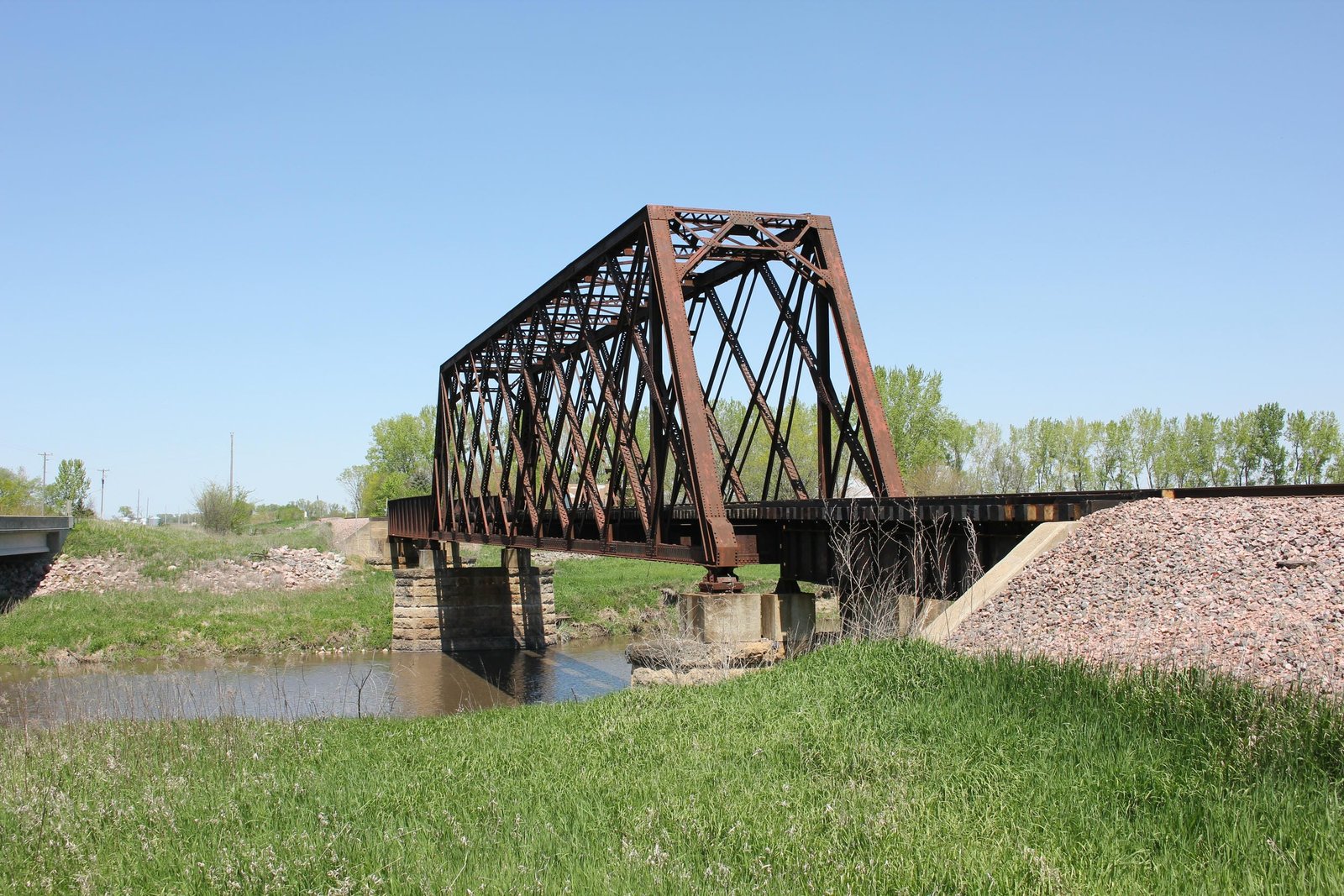
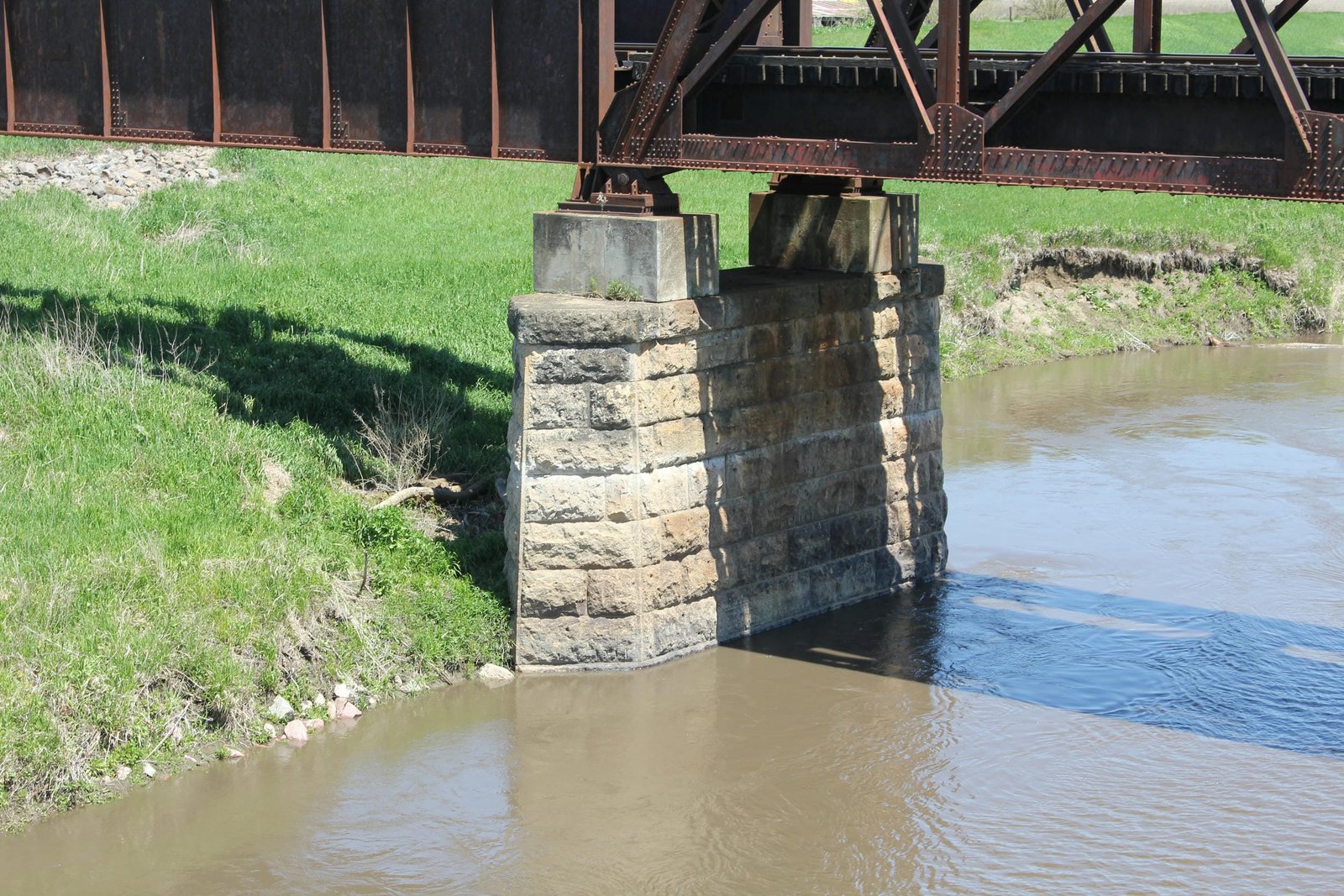
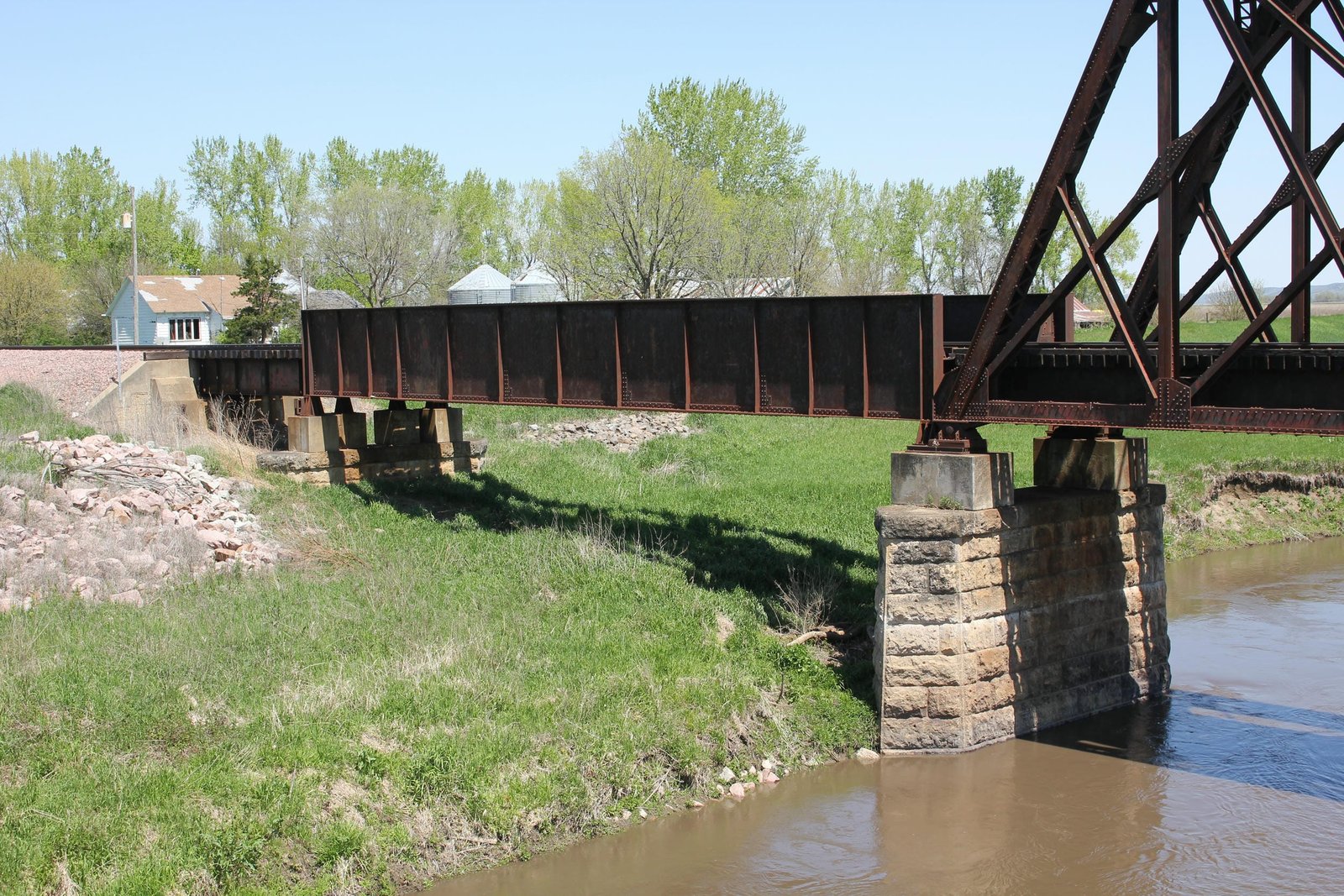
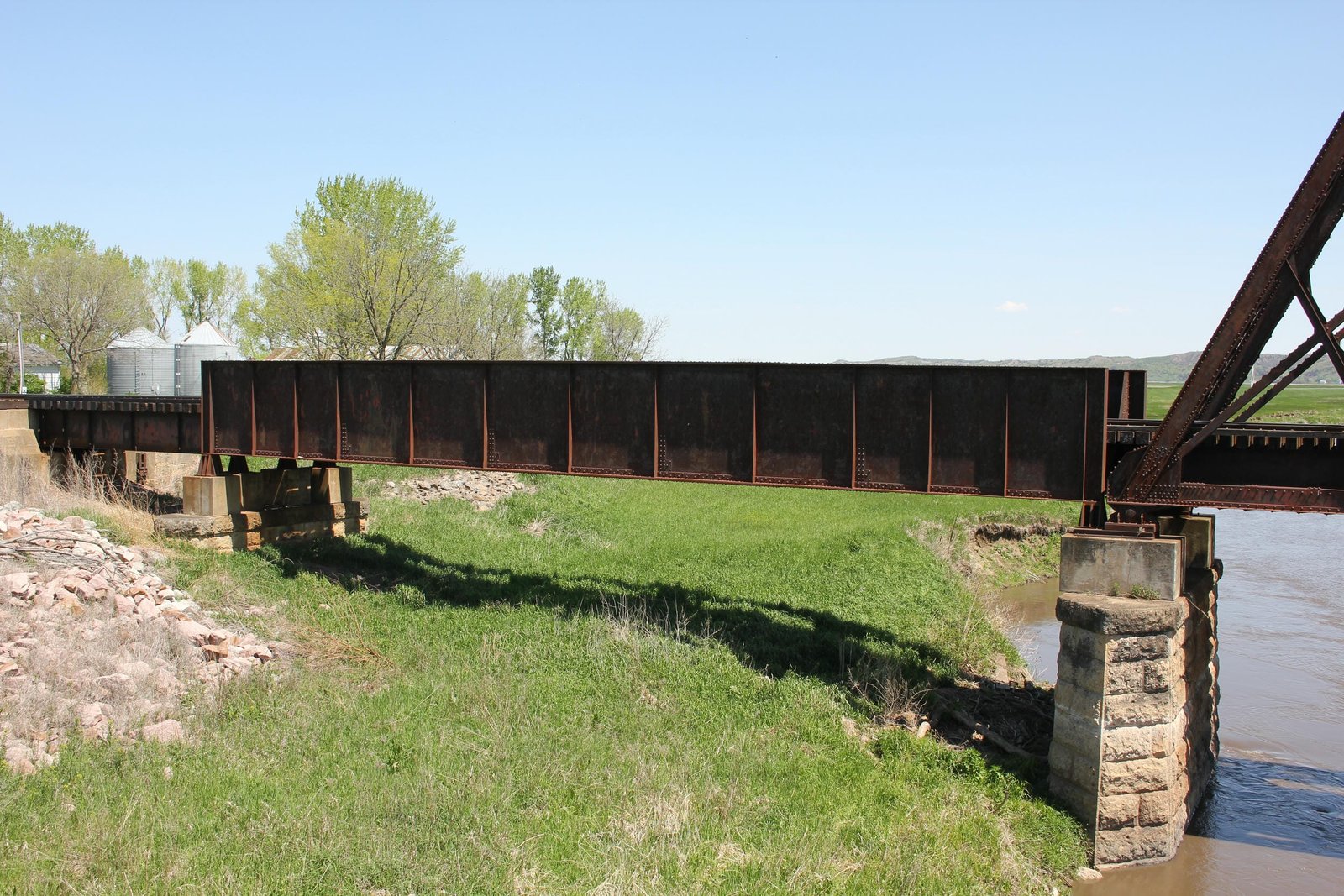
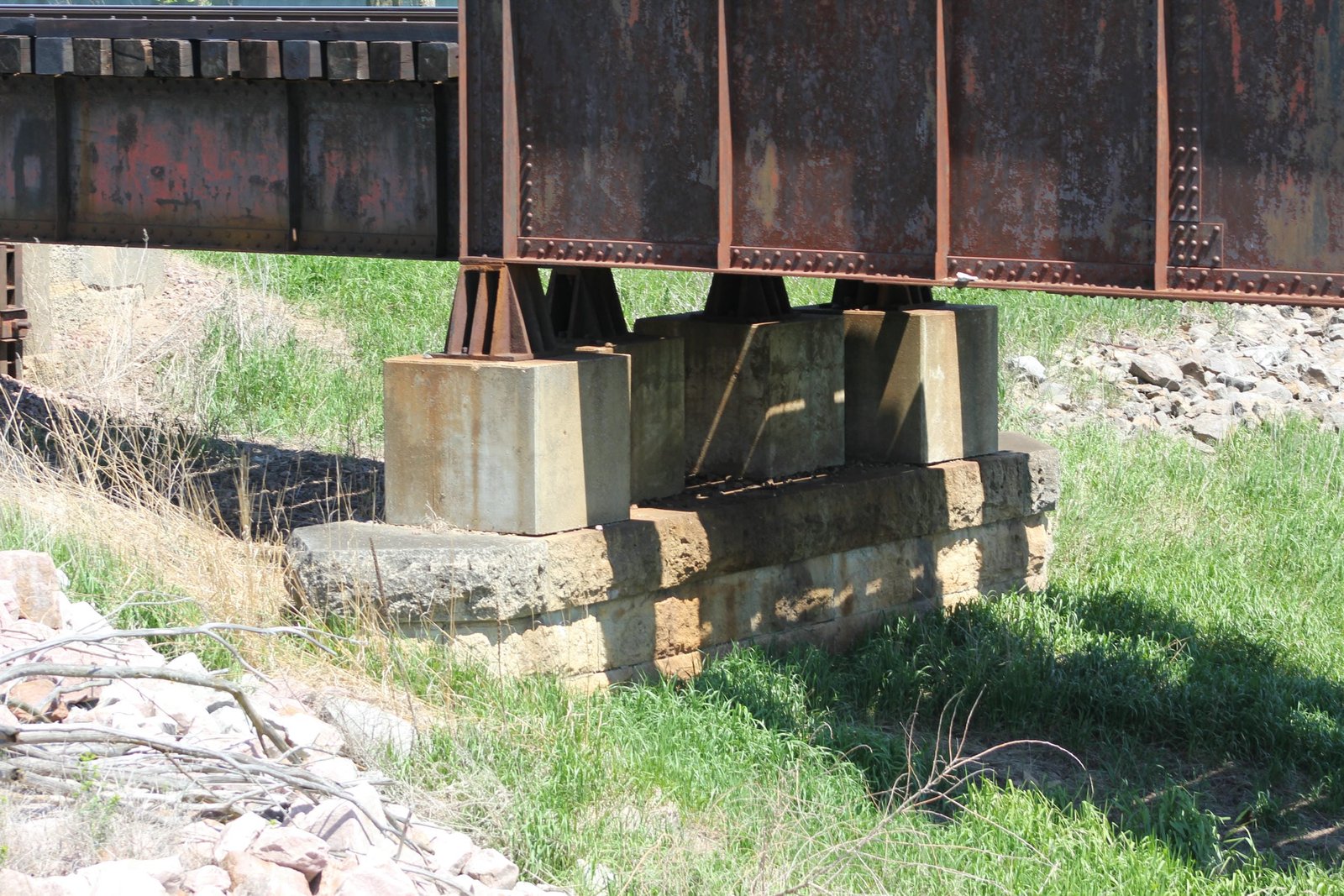
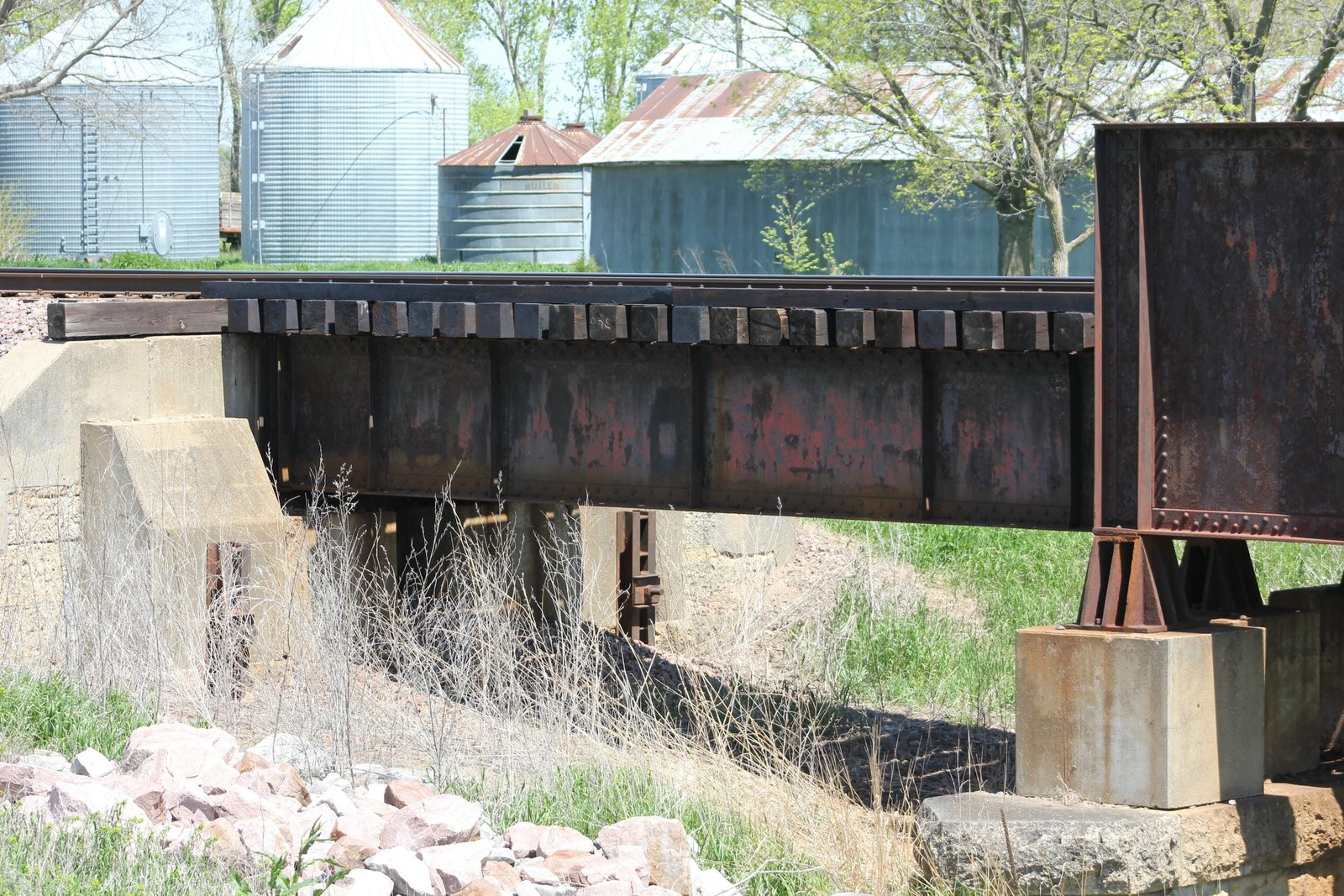
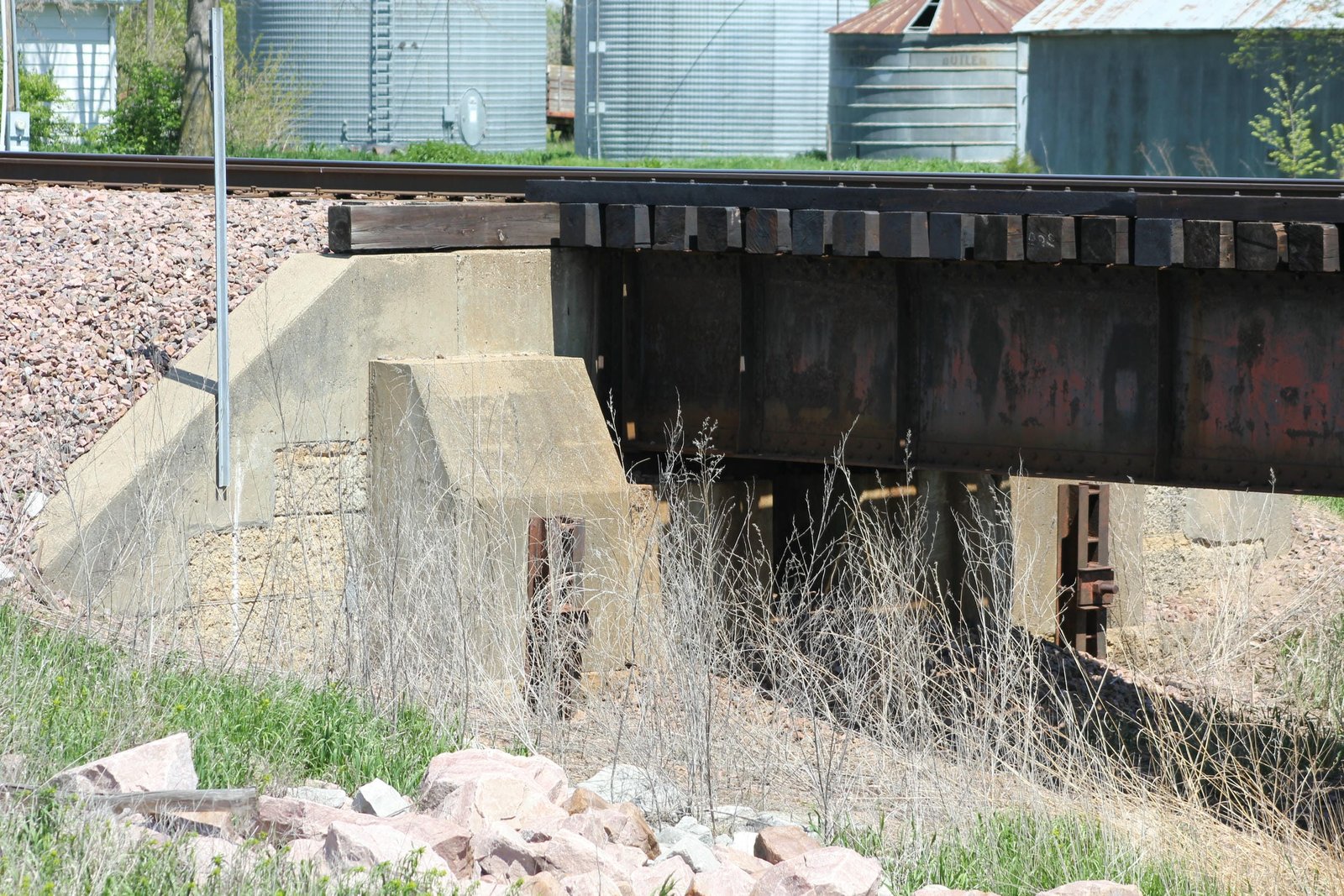
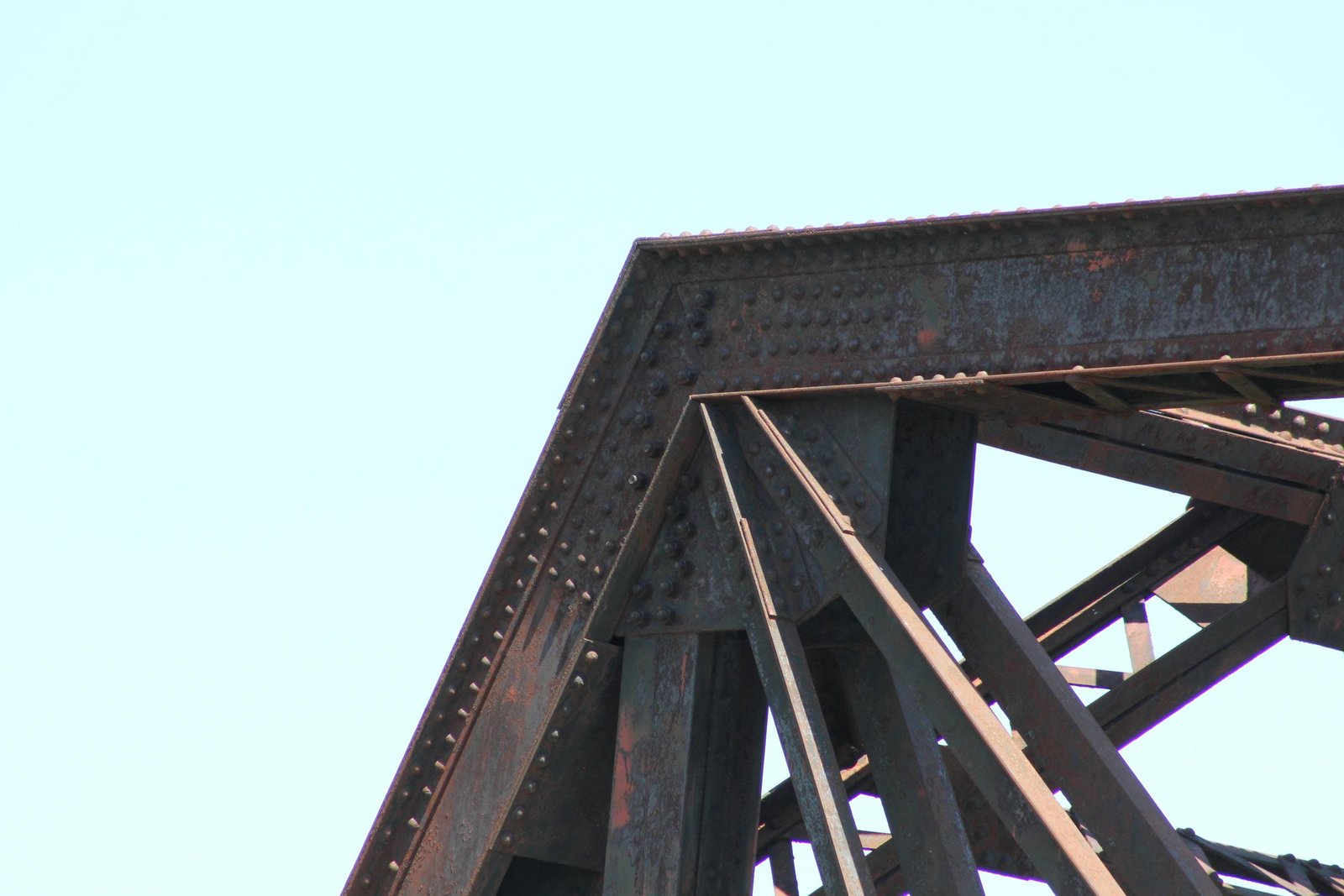
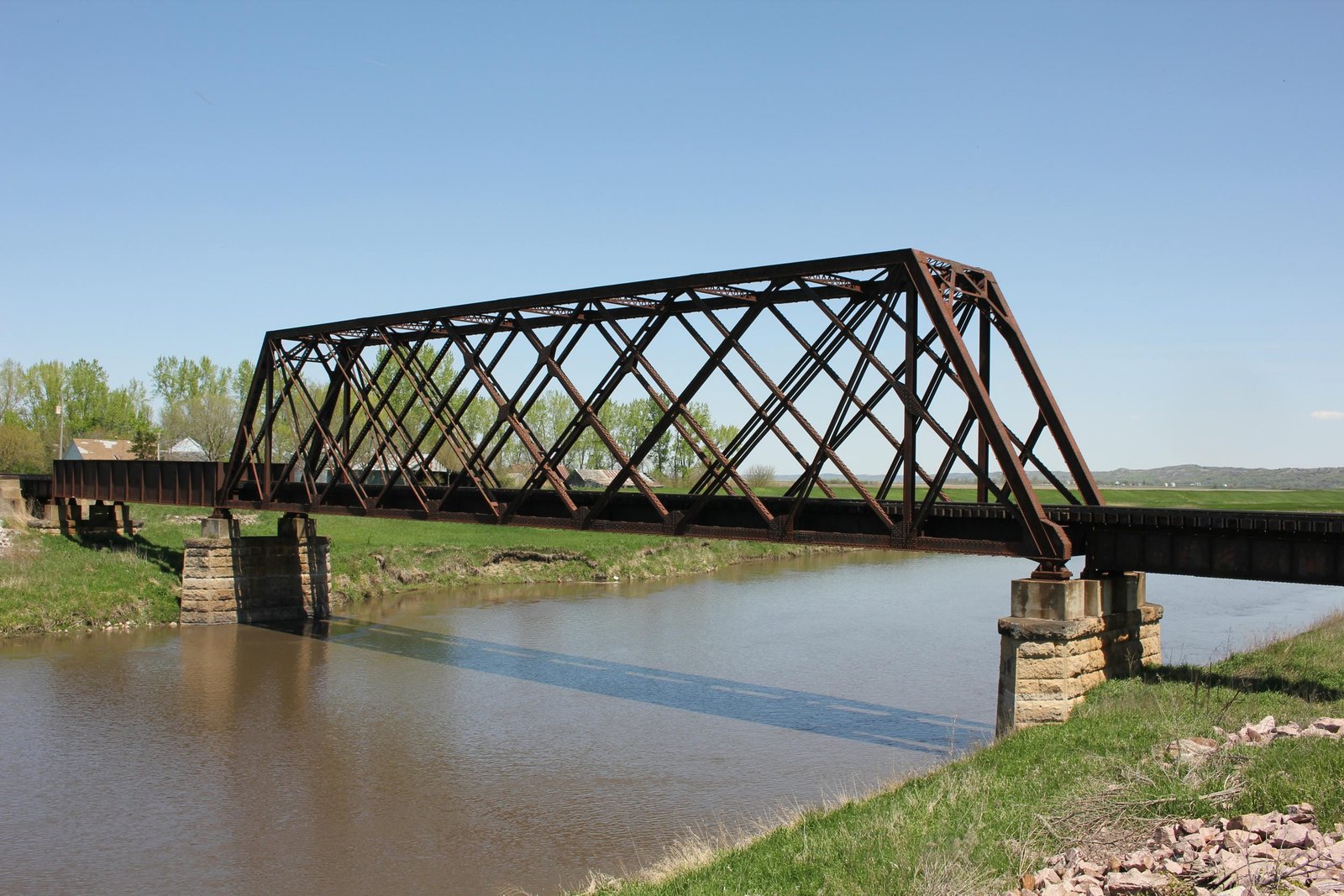
Located alongside County Road K45 north of Little Sioux and River Sioux, this through truss bridge carries a former Chicago & North Western Railway mainline over the Little Sioux River. The first bridge at this location was likely a timber truss bridge, set onto timber piers. It is likely that this bridge was renewed with a combination bridge at some point in the 1880s. Due to the location near the mouth of the Little Sioux River, this location had long been flood prone, and in 1902 a new steel bridge on stone substructures was constructed at this location. In 1904, a major flood washed out one of the spans, which was promptly replaced with a new through plate girder span. The most recent alteration to the bridge came in approximately 1930, when the bridge was raised several feet and the abutments reconstructed with concrete, giving the bridge its present configuration. Currently, the bridge consists of a 160-foot, riveted quadrangular lattice through truss span, approached by an 80-foot through plate girder span and a 30-foot deck plate girder span on the north end, and a 40-foot deck plate girder span on the south end. The bridge is set onto stone piers with concrete risers, and the abutments are constructed of concrete. American Bridge Company fabricated the through girder span, while an unknown contractor fabricated the remaining spans. Widell Company constructed the stone piers, while an unknown contractor constructed the abutments.
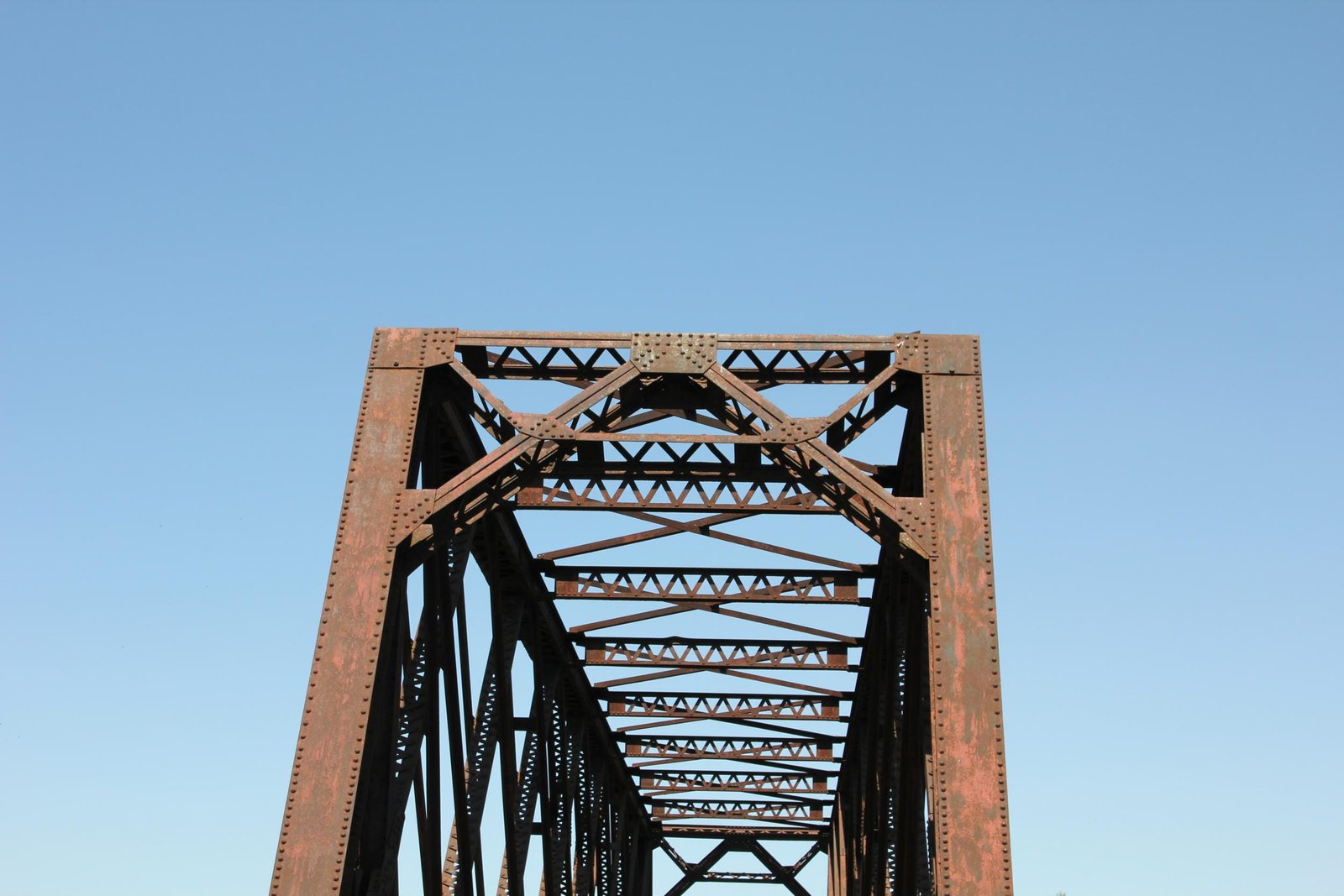
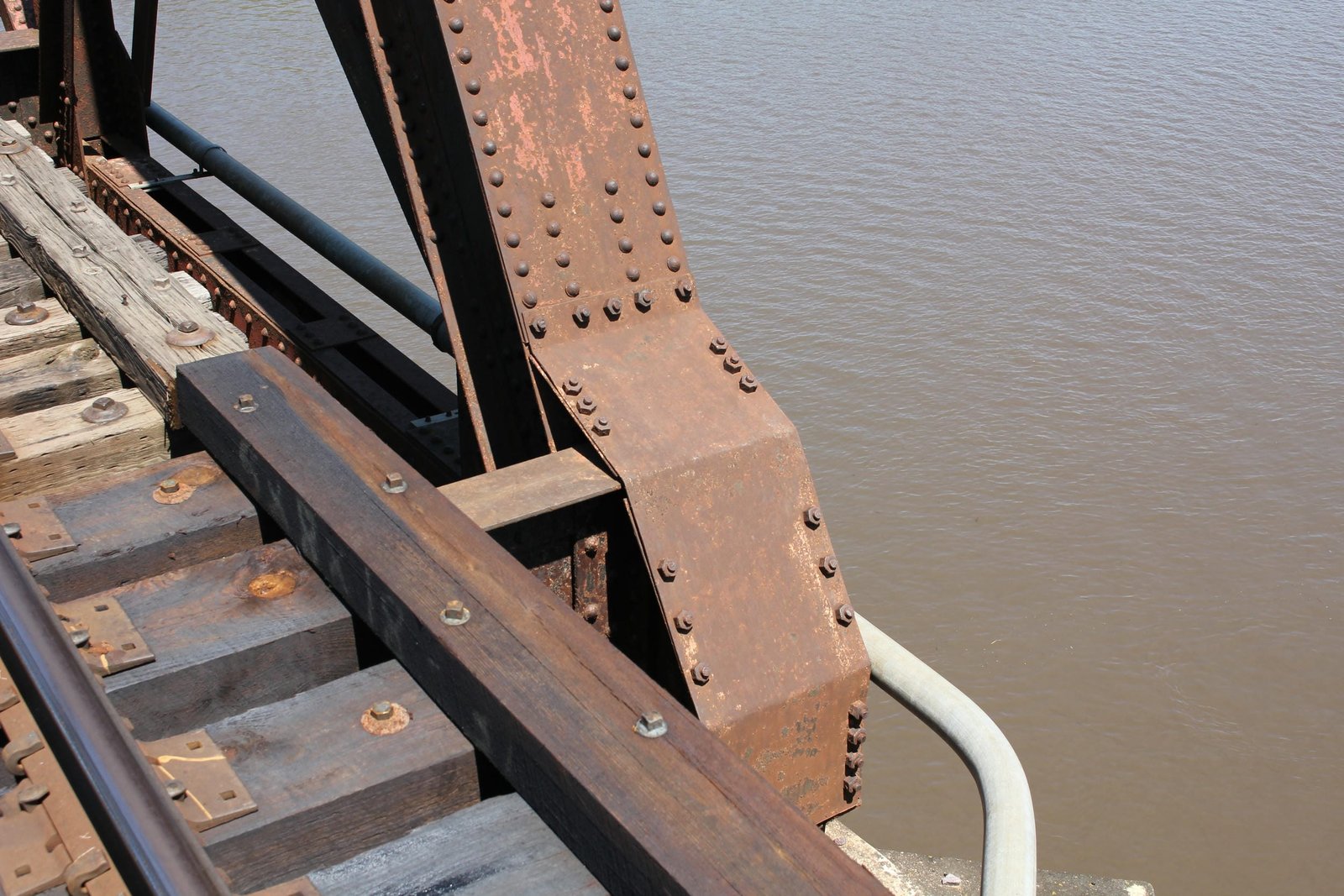
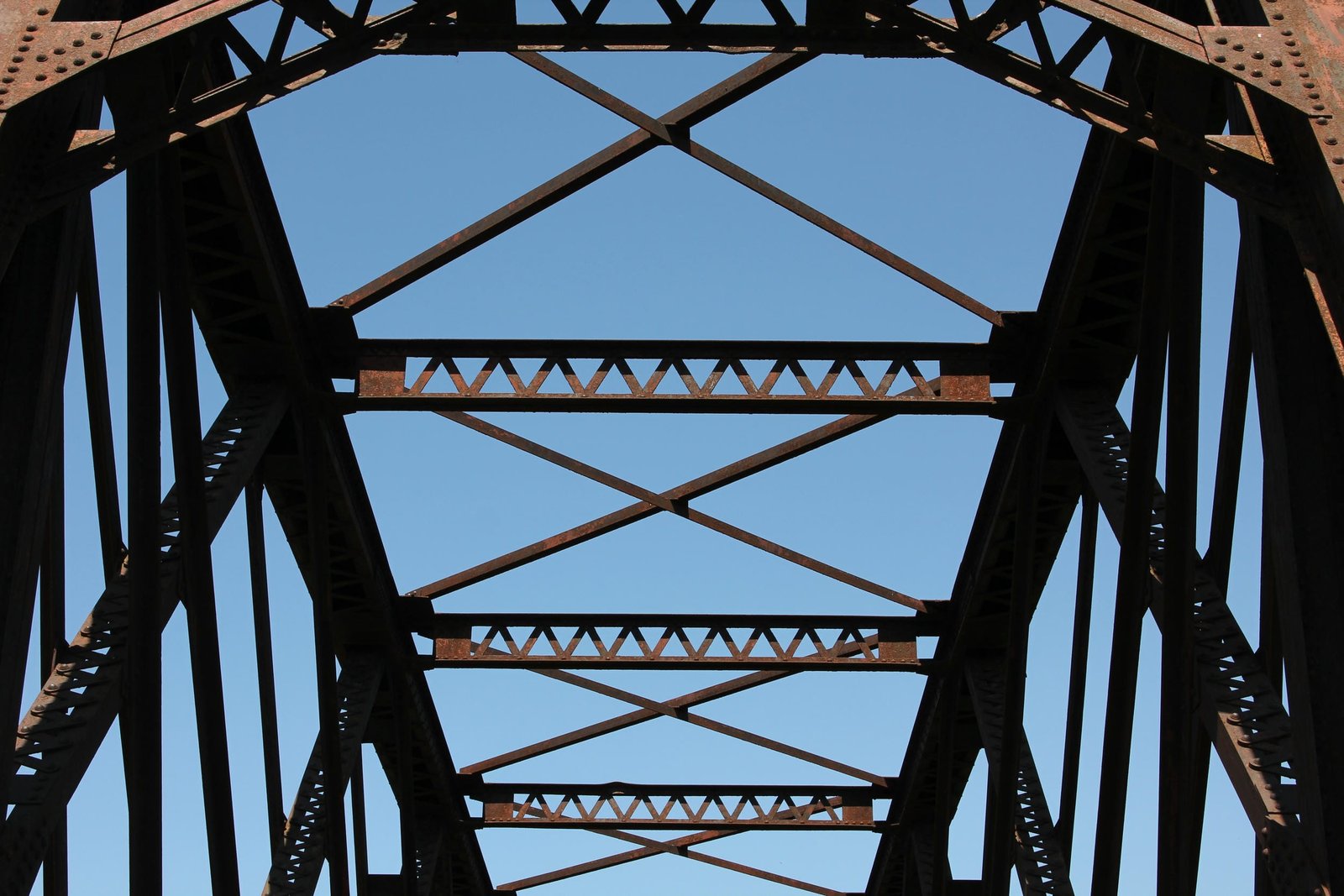
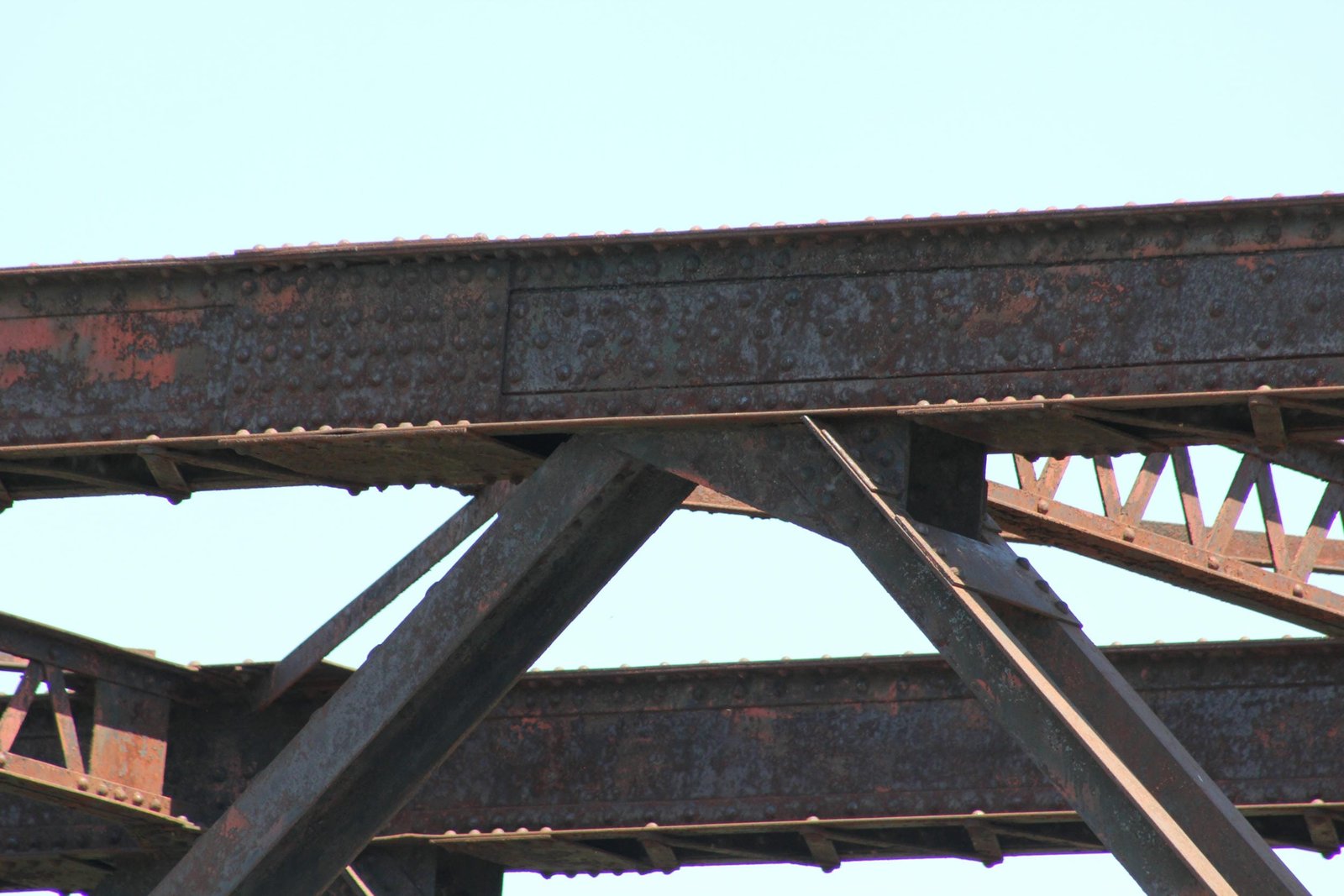
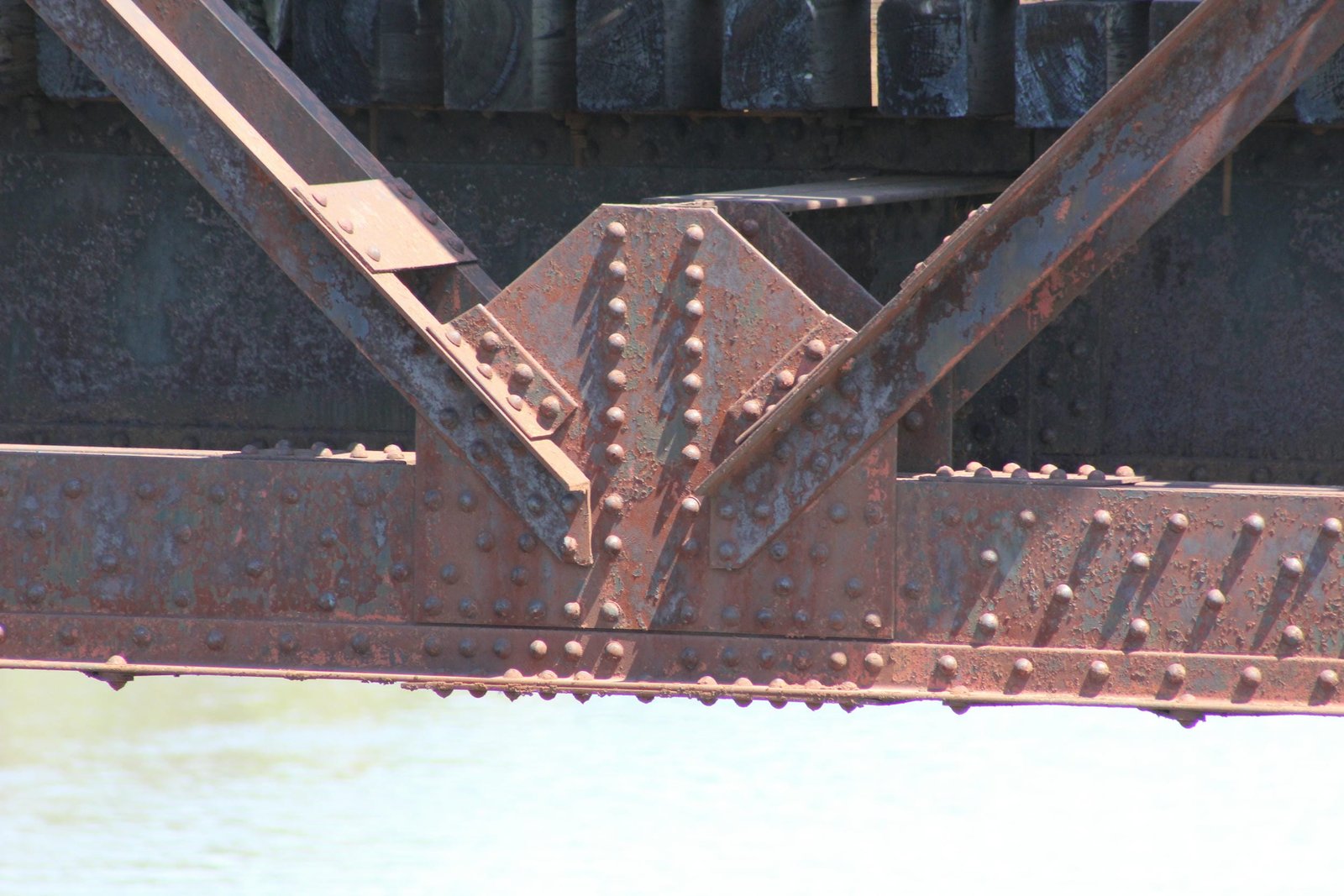
The main span follows a standard design for the era, with heavy members, an A-frame portal and a standard floor. The top chord and endposts both use a built-up design, consisting of two channels which are joined by a solid plate on top and V-lacing on the bottom. The bottom chord consists of two channels, which are connected by transverse plates spaced throughout the member. The compression members of the truss consist of tightly V-laced members, while the tension members consist of solid L-shaped bars. In addition, a solid vertical beam is present underneath the hips of the truss. The floor system is simply constructed, using plate girder floorbeams and two plate girder stringers throughout the structure. The portal bracing utilizes an A-frame design, which is composed of V-laced beams. In addition, V-laced beams form the sway bracing of the structure. Both the upper and lower lateral bracing are composed of solid bars. The through plate girder span uses a standard design, and consists of two heavy plate girders, square girder ends and a standard floor. Each deck girder also follows a standard design, with two shallow girders and an open deck. The piers all use a diamond design, standard for C&NW bridges from this era. Large rectangular concrete blocks have been added to the tops, raising the bridge approximately 4 feet. Both abutments consist of stone rectangles, which have been reinforced with concrete to raise the bridge and add additional sloped wing walls. Stone for the substructures consists of a yellow limestone, quarried at Mankato, Minnesota.
This type of truss design is relatively uncommon throughout the United States. However, a few railroads preferred the design, such as the Chicago, Rock Island & Pacific Railway (Rock Island), the Chicago & North Western Railway (C&NW) and the Chicago, St. Paul, Minneapolis & Omaha Railway (Omaha Road). Spans constructed in the late 1870s and early 1880s for the C&NW featured an arched and pedimented lattice portal bracing, light sway bracing and laced members. The second generation was nearly exclusively constructed by Lassig Bridge & Iron Works between 1884 and 1900, and featured heavier members and a pedimented portal bracing. While the design fell out of favor for the Rock Island and Omaha Road around the turn of the 20th Century, the design remained popular with the C&NW into the 1920s. 19th Century versions of this design were primarily constructed out of iron, while 20th Century versions of this design used much heavier members and were constructed of steel. The C&NW preferred this design, as it was both strong and demonstrated great resilience in case of a derailment. Since the c. 1930 reconstruction, the bridge has seen no significant alterations. Today, the bridge remains in regular use as part of a Union Pacific Railroad secondary mainline. Overall, the bridge appears to be in fair to good condition, with no significant deterioration noted. The author has ranked this bridge as being moderately significant, due to the truss design.
Citations
| Build dates | Chicago & North Western Railway Valuation Notes at the Chicago & North Western Historical Society Archives |
| Builder (through plate girder span) | American Bridge Company plaque |
| Builder (stone substructure) | The Minneapolis Times; April 26, 1902 |
| Railroad History Citation | ICC Valuation Information, Compiled by Richard S. Steele |