
Click the photo to view the full-size version
| Name | IAIS Culvert #368.68 Chicago, Rock Island & Pacific Railroad Culvert #368.68 |
| Built By | Chicago, Rock Island & Pacific Railway |
| Currently Owned By | Iowa Interstate Railroad |
| Builder | Chicago, Rock Island & Pacific Railway Company Forces |
| Length | 8 Feet Total |
| Width | 1 Track (25 Feet) |
| Height Above Ground | 10 Feet (Estimated) |
| Superstructure Design | Concrete Railtop Box Culvert |
| Substructure Design | Concrete |
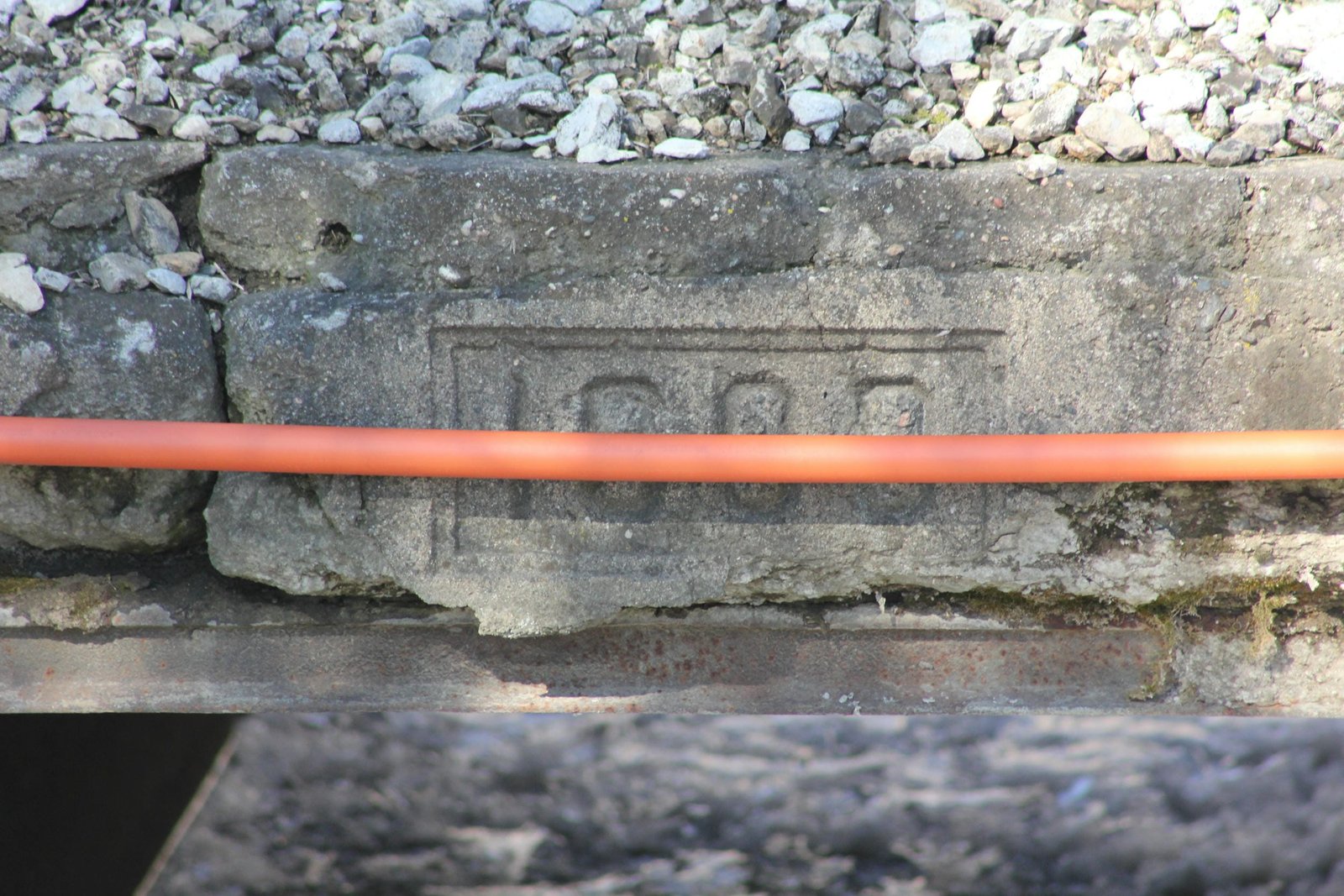
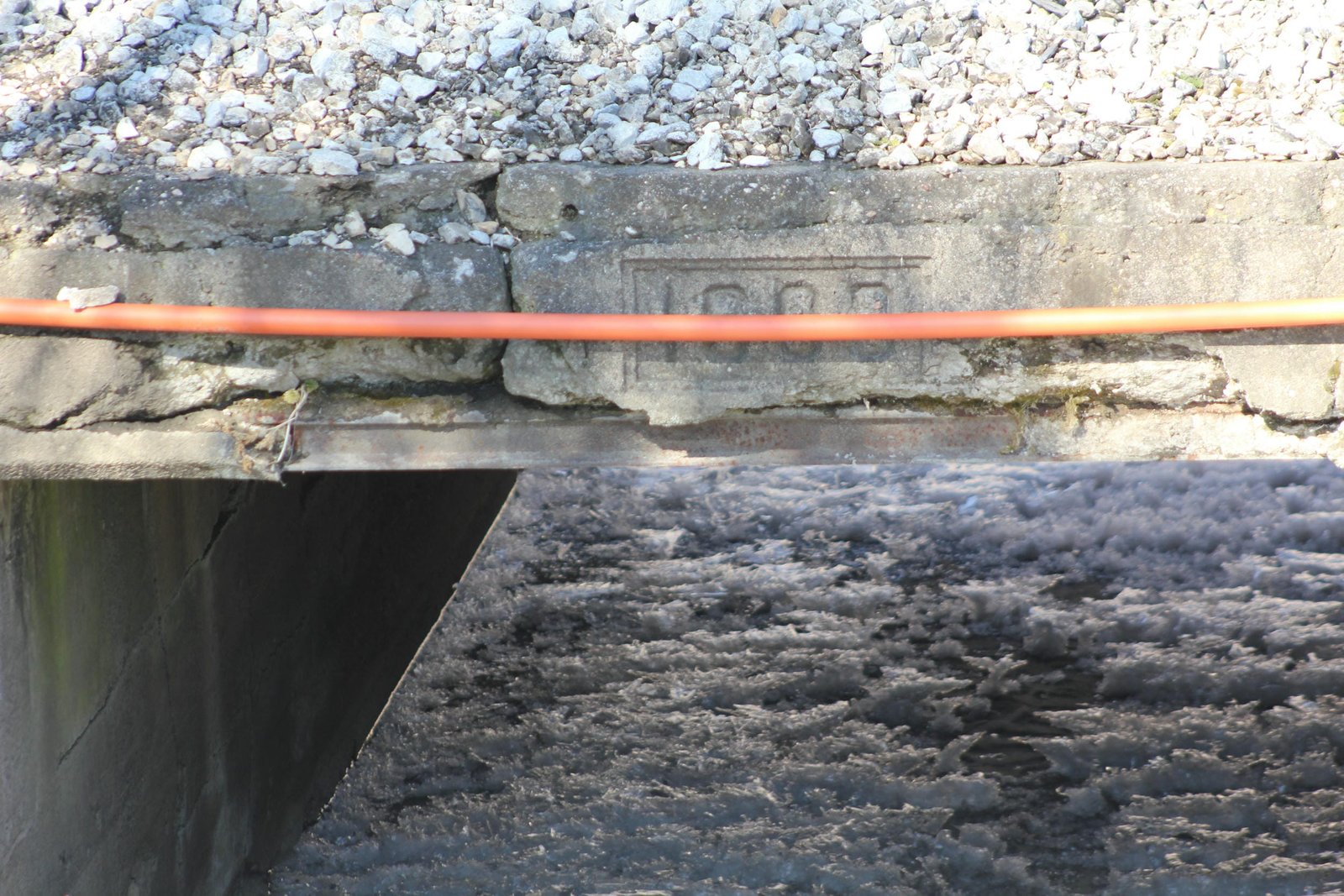
| Date Built | 1900 |
| Traffic Count | 3 Trains/Day (Estimated) |
| Current Status | In Use |
| Chicago, Rock Island & Pacific Railroad Bridge Number | 368.68 |
| Iowa Interstate Railroad Bridge Number | 368.68 |
| Significance | Minimal Significance |
| Documentation Date | 2/21/2020 |
In 1869, the Chicago, Rock Island & Pacific Railroad (Rock Island) constructed 142 miles of new railroad, extending from the end of the existing mainline at Des Moines, Iowa to Council Bluffs, Iowa. Originally, the line went west to Atlantic, Iowa; before turning northwest and going through Avoca, Iowa and Shelby, Iowa. At Shelby, the line would turn back southwest, and run through Neola, Iowa and Underwood, Iowa before arriving in Council Bluffs. In 1880, the Rock Island was reorganized as the Chicago, Rock Island & Pacific Railway. The Rock Island constructed and acquired a large network of railroads during the late 19th Century, covering much of the central United States. This line became part of the principal mainline of the Rock Island, and allowed for further development of branch lines throughout central Iowa and eventual expansion west of the Missouri River. In the late 19th Century, several improvements were made to the line, including revising grades, curves and replacing wooden bridges with stone and iron structures.
The Rock Island struggled financially throughout much of its history, experiencing repeated bankruptcies and chronic instability. After World War II, the Rock Island struggled to survive, proposing mergers and deferring maintenance on their routes. The railroad reorganized as the Chicago, Rock Island & Pacific Railroad in 1948. During the early 1950s, the Rock Island undertook a series of improvements in Western Iowa to eliminate harsh grades and shorten the line. Between 1952 and 1953, the Rock Island constructed the Atlantic Cutoff, which included constructing 34 miles of new railroad between Atlantic and McClelland, Iowa. West of McClelland, the Rock Island used the Chicago Great Western Railway (CGW) tracks to reach Council Bluffs. The new route saved 10 miles, and much of the old route was abandoned in 1953. A short segment was retained between Walnut, Iowa and Shelby, which was abandoned in 1966. An additional revision was made near Adair in 1954, which involved straightening the route. By the mid-1970s, the railroad was in serious decline. The railroad secured loans to eliminate slow orders, acquired new equipment, and attempted to restore profitability. Several sections of this line had fallen into serious disrepair, hampering the Rock Islands ability to maintain efficient operations. In 1978, the railroad came close to profit, but creditors were lobbying for a complete shutdown of the Rock Island. During the fall of 1979, a strike crippled the railroad, and by January of 1980, the entire system was ordered to be shut down and liquidated. Many of the lines and equipment were scrapped. Profitable sections of railroad were prepared for sale.
In November 1981, the Iowa Railroad Company (IARR) began operations over the former Rock Island mainline in western Iowa. In June 1982, the IARR entered into a two-year lease for the entire Rock Island mainline between Bureau, Illinois and Council Bluffs. In 1983, concerns had grown over the ability of the IARR to provide reliable service to shippers along the line, and several industries came together to form Heartland Rail Corporation, which purchased the line between Bureau and Council Bluffs from the Rock Island trustees. Iowa Interstate Railroad (IAIS) was chosen to operate the line, and began operations in late 1984. After years of thin profit margins, IAIS began making significant financial strides in the 1990s and early 2000s, eventually becoming a major railroad in central Iowa. Increased profit margins and large grants meant IAIS could rebuild deteriorated track, improve bridges and expand operations. Today, IAIS continues to operate the Council Bluffs Subdivision between Des Moines and Council Bluffs. Except for a short portion near Shelby, the entirety of the original mainline between Atlantic and Council Bluffs remains abandoned.
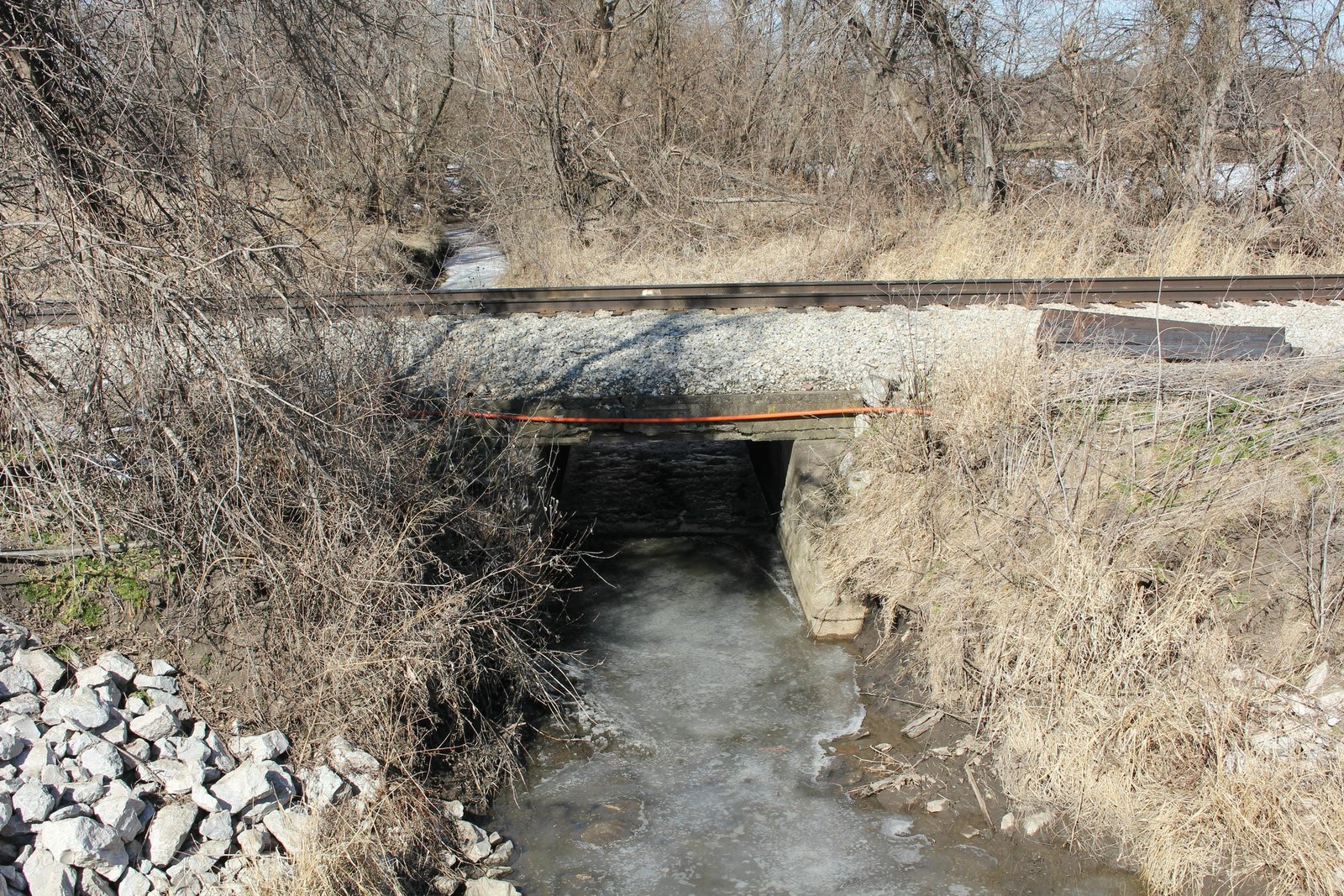
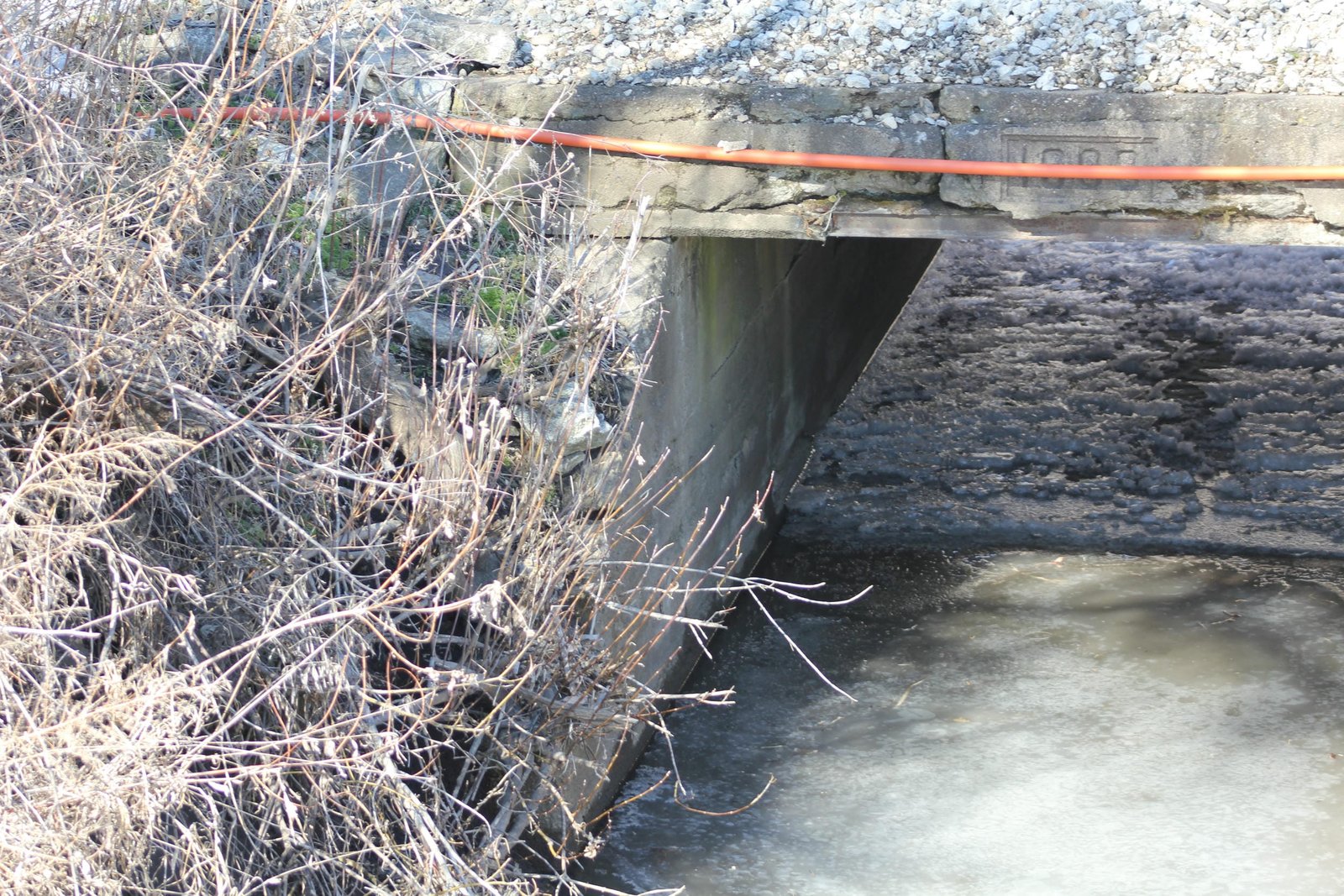
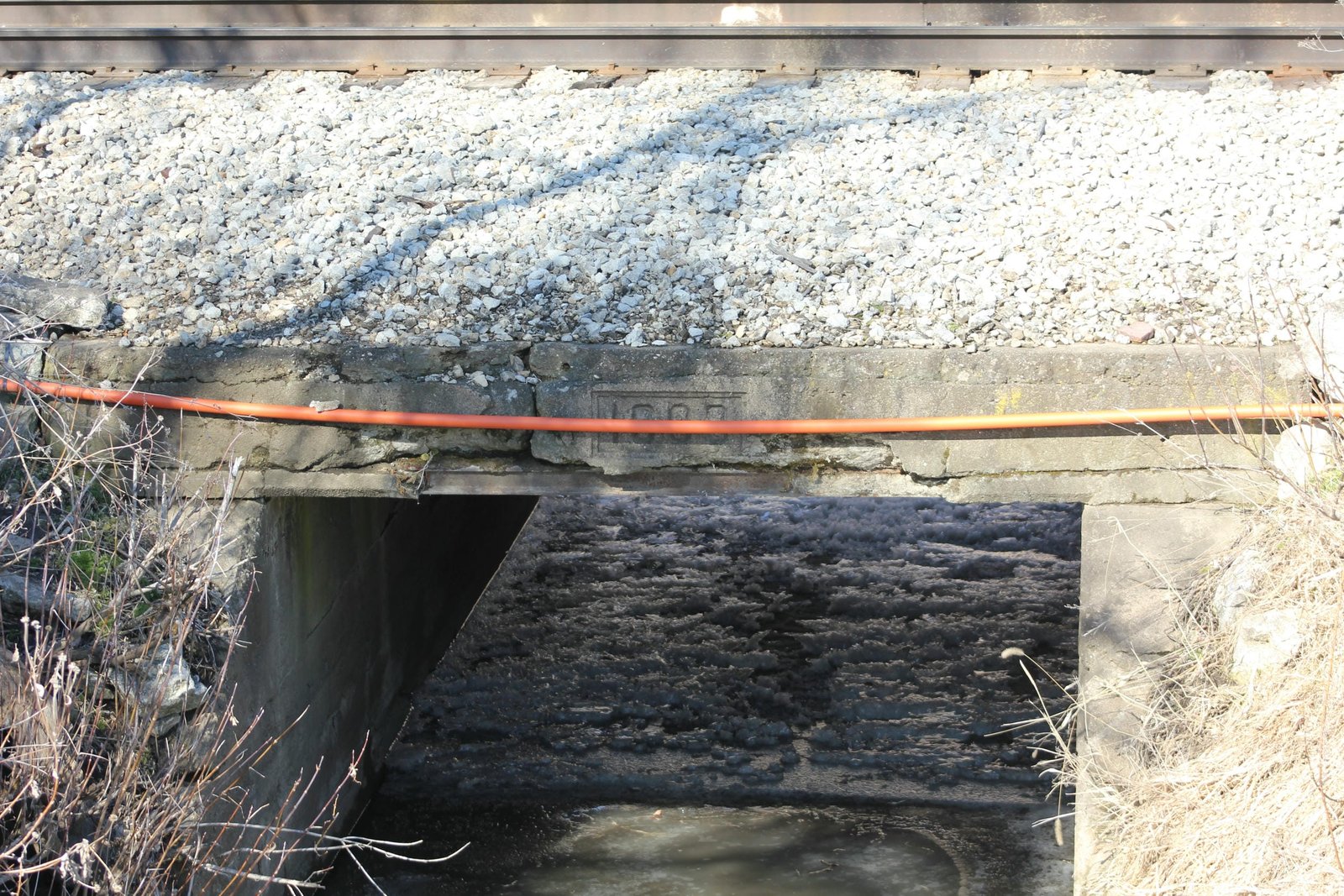
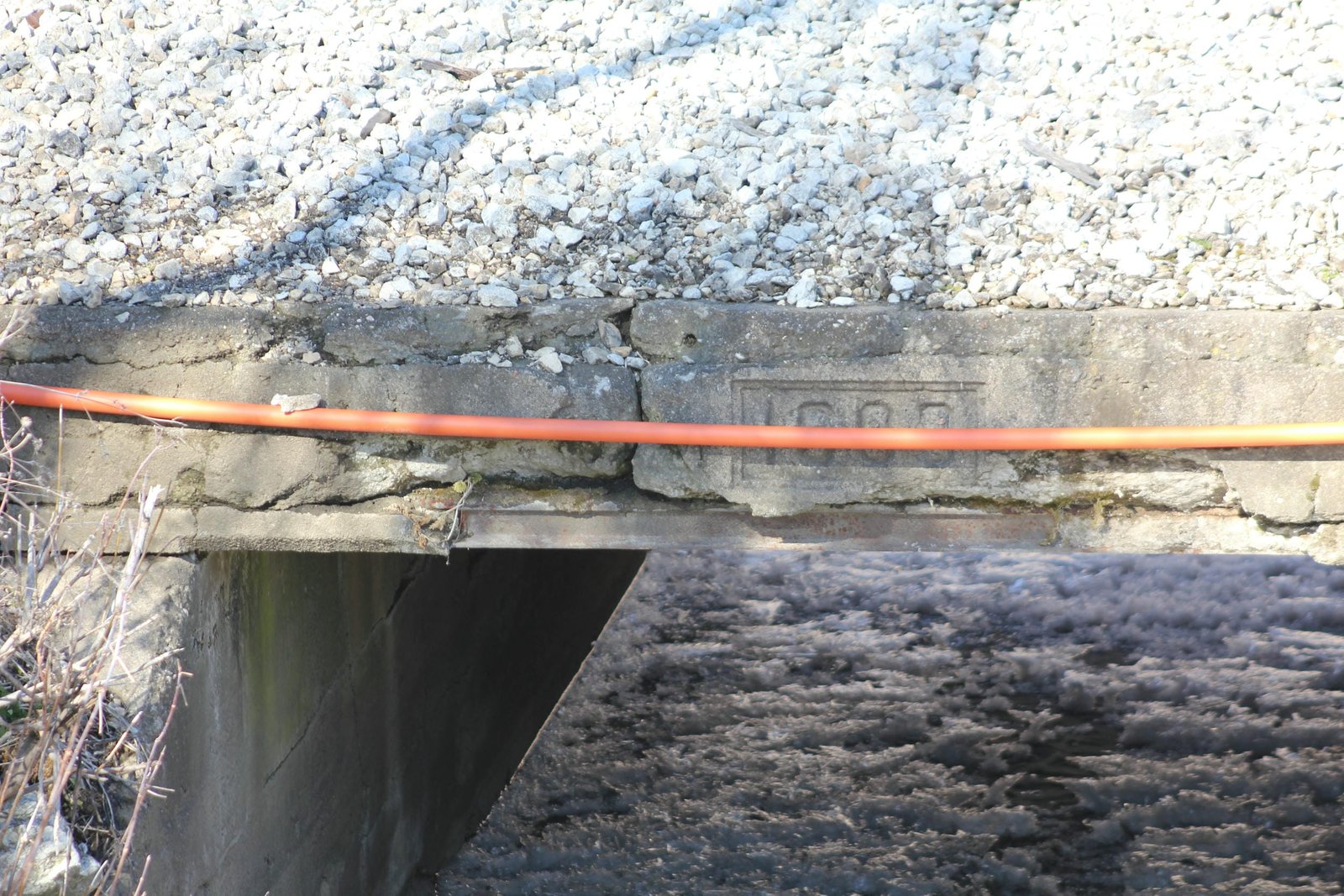
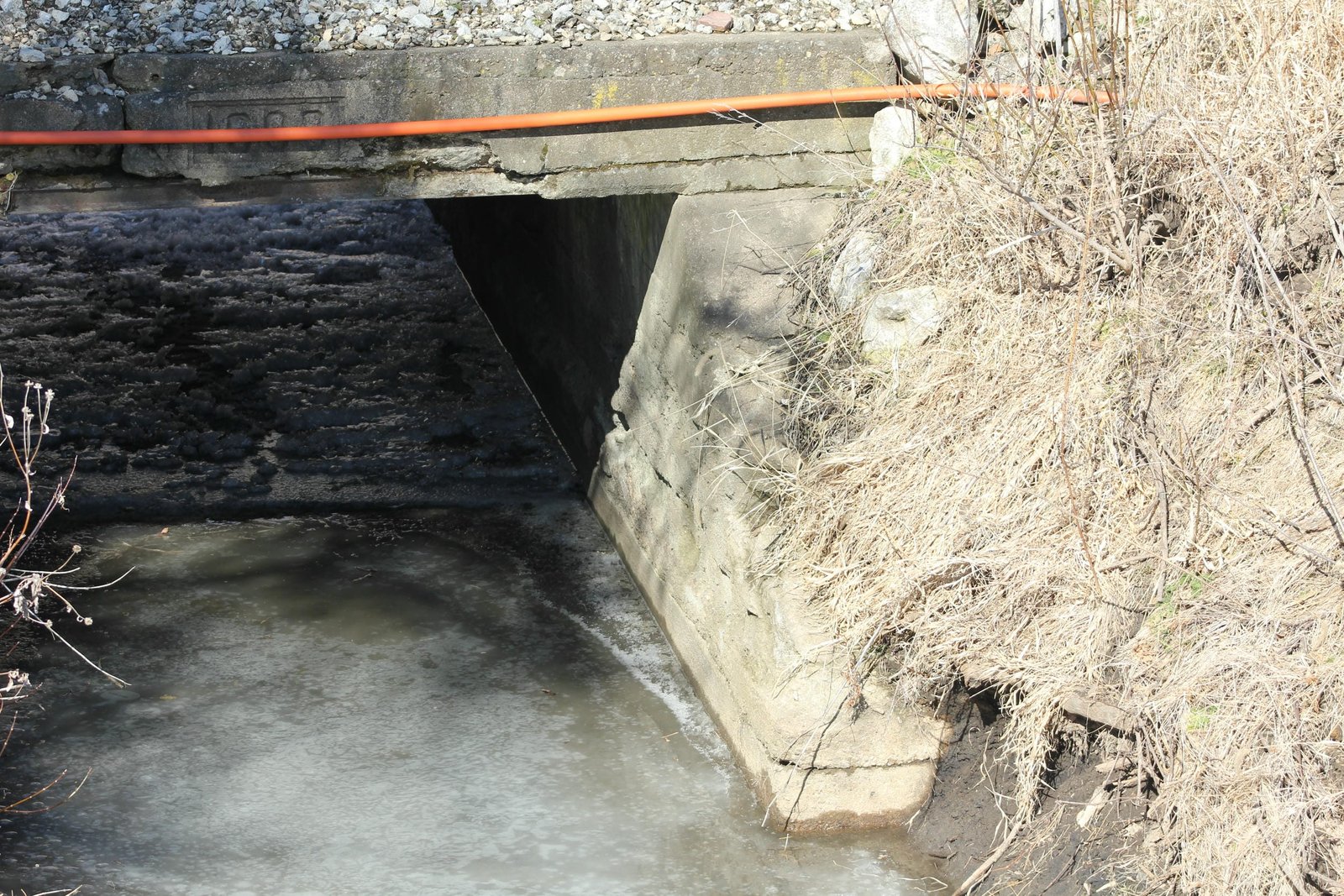
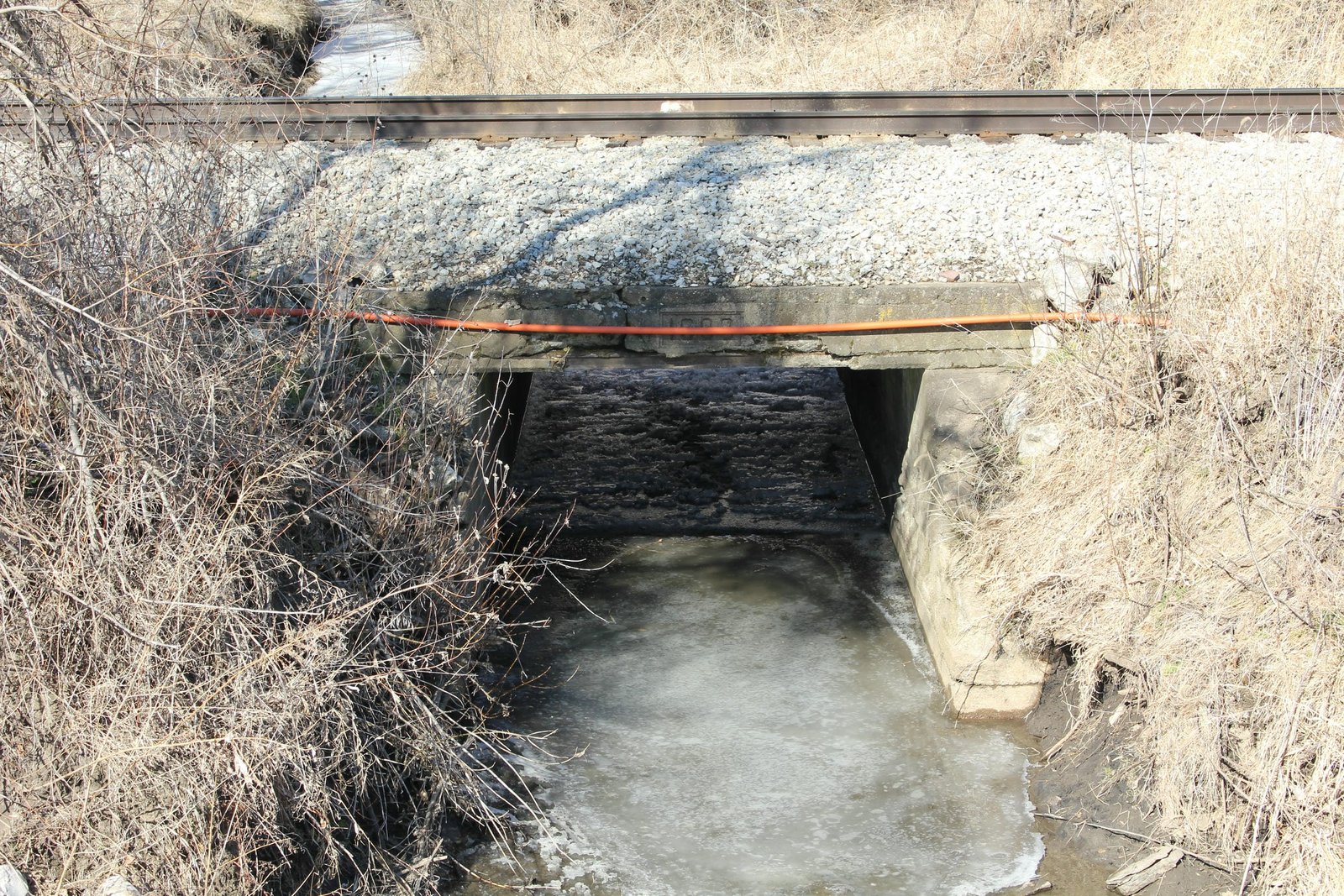
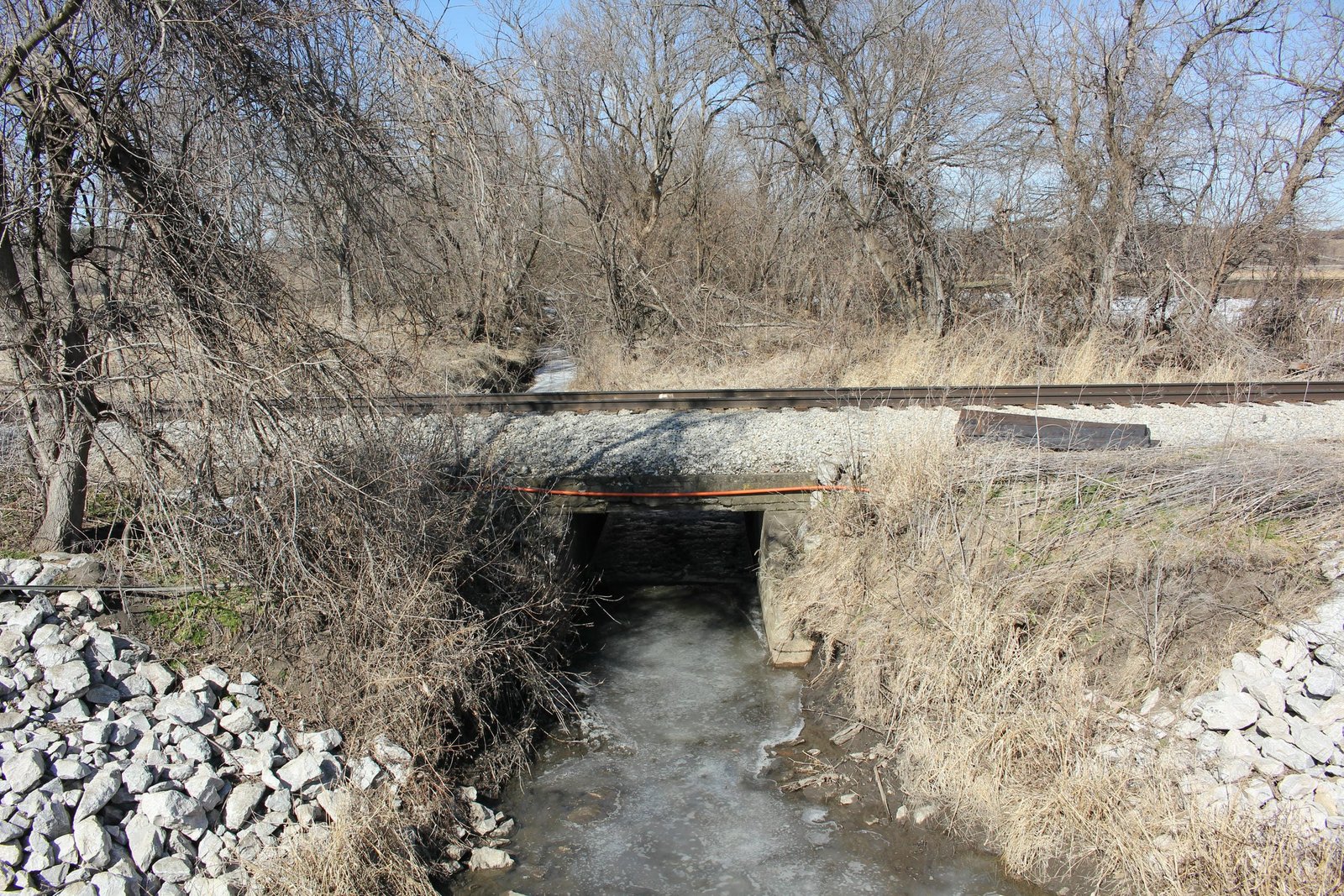
Located along County Road F90 east of Booneville, this small concrete culvert carries a former Chicago, Rock Island & Pacific Railroad (Rock Island) mainline over an unnamed creek. The first bridge at this location was likely a timber pile trestle, constructed when the line was first built. In the early 1900s, the Rock Island invested significant capital into this line, replacing timber bridges with new steel and concrete structures. The present culvert was constructed in 1900. Currently, the culvert consists of an 8-foot by 9-foot concrete railtop box culvert, set onto concrete substructures and constructed at a width of 25 feet. The culvert follows a standard design, with numerous scrap rails laid longitudinally between the abutments and covered by a concrete slab. The abutments also use a standard design, with sloped wing walls extending perpendicular from the culvert. Typical of concrete structures constructed by the Rock Island in 1900, it is believed that the culvert was constructed by railroad company forces. Railtop culverts became popular for railroad use in the late 1890s and early 1900s, as they were economical, durable and easy to construct. Early versions typically used stone abutments and slabs of stones above the rails, while later versions typically used concrete. Dozens of similar culverts were constructed along the Rock Island system between the late 1890s and early 20th Century. Since the initial construction, the culvert has seen no significant alterations, and remains in regular use. Overall, the culvert appears to be in fair condition, with significant cracking and spalling visible. The author has ranked the culvert as being minimally significant, due to the common design.
Citations
| Build date | Date stamp |
| Railroad History Citation | ICC Valuation Information, Compiled by Richard S. Steele |