
Click the photo to view the full-size version
| Name | Three Rivers Trail - Pilot Creek Bridge Chicago & North Western Railway Bridge #2576 |
| Built By | Chicago & North Western Railway |
| Currently Owned By | Pocahontas County Conservation Board |
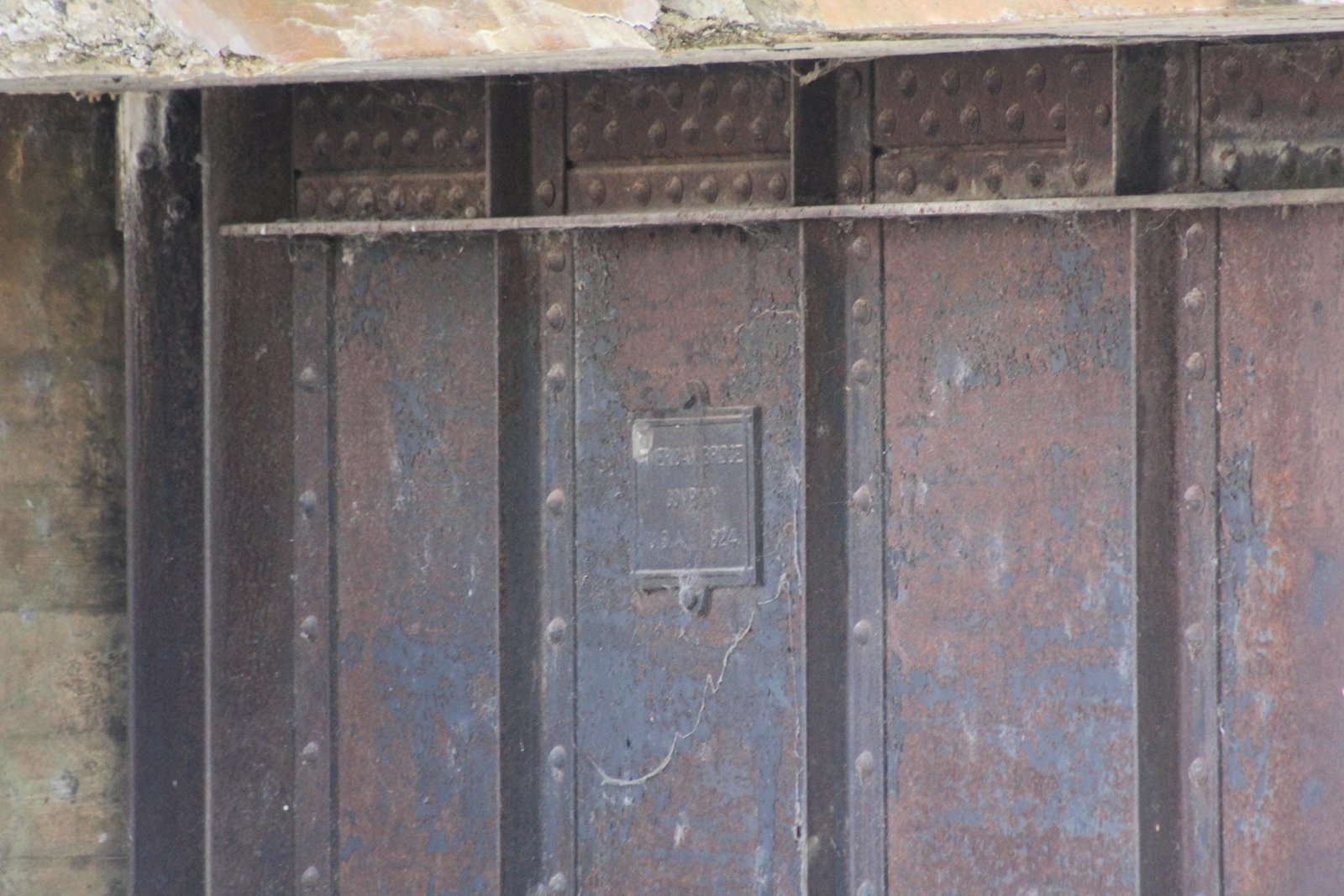
| Superstructure Contractor | American Bridge Company of New York |
| Substructure Contractor | Unknown |
| Length | 100 Feet Total, 50 Foot Spans |
| Width | 1 Track |
| Height Above Ground | 10 Feet (Estimated) |
| Superstructure Design | Deck Plate Girder |
| Substructure Design | Concrete |
| Date Built | 1924 |
| Traffic Count | 0 Trains/Day (Bridge is Open to Pedestrian Traffic) |
| Current Status | Open to Pedestrian Traffic |
| Chicago & North Western Railway Bridge Number | 2576 |
| Significance | Local Significance |
| Documentation Date | 1/4/2019 |
In 1881, the Toledo & Northwestern Railway (T&NW) began construction on a 160-mile railroad line extending from Eagle Grove, Iowa towards Hawarden, Iowa. The T&NW had been leased by the Chicago & North Western Railway (C&NW) in 1879, and was awarded funding to construct additional lines in northern Iowa. The first 30 miles were completed to Bradgate, Iowa at the end of the year, followed by an additional 115 miles between Bradgate and Hawarden in 1882. In 1883, the Dakota Central Railway (DC) continued the line, constructing an additional 125 miles between Hawarden and Iroquois, South Dakota. The DC was another railroad leased by the C&NW, and was also awarded funding to complete railroad lines in South Dakota. The T&NW was purchased by the C&NW in 1890, and the DC was purchased by the C&NW in 1902. By the early 20th Century, the C&NW had developed into a significant railroad network in the midwest, with lines radiating north and west from Chicago. In particular, the C&NW developed dozens of secondary and branch lines in Iowa to serve agricultural industries and small towns. This line served as a secondary mainline, connecting lines in western Iowa and South Dakota. In addition, the line connected the Dakota Division mainline at Iroquois to the Iowa Division mainline at Tama, Iowa.
Due to the rapid expansion of the C&NW in the late 19th and early 20th Century, this line paralleled several other routes. By the mid-20th Century, this line had largely become a branch line, connecting agricultural industries and small towns in western Iowa and eastern South Dakota. By the 1970s, the C&NW sought to abandon excess trackage and consolidate service. The first segment abandoned was from Orange City, Iowa to Hawarden in 1975. The Beresford, South Dakota to Iroqouis segment was abandoned in 1979, and the Hawarden to Beresford segment sold to the State of South Dakota in 1980. The Marathon, Iowa to Orange City segment was also abandoned in 1980. The D&I Railroad began operations over the Beresford Branch in 1980. The line was further abandoned in 1982, when the Alton, Iowa to Orange City segment was abandoned. The Eagle Grove to Rolfe, Iowa segment was abandoned in 1988, and would be sold to Wright, Humboldt and Pochahontas Counties for trail usage. In 1995, the C&NW would be purchased by the Union Pacific Railroad (UP). Currently, UP operates the Rolfe to Marathon segment as part of the Laurens Subdivision, and the D&I operates the Hawarden to Beresford segment. The State of South Dakota sold the Hawarden to Beresford segment to D&I in 2021 as part of an effort to sell state-owned railroad lines. The Rolfe to Eagle grove segment used as part of the Three Rivers Trail. Remaining segments have been abandoned and the right-of-way largely reverted to adjacent landowers.
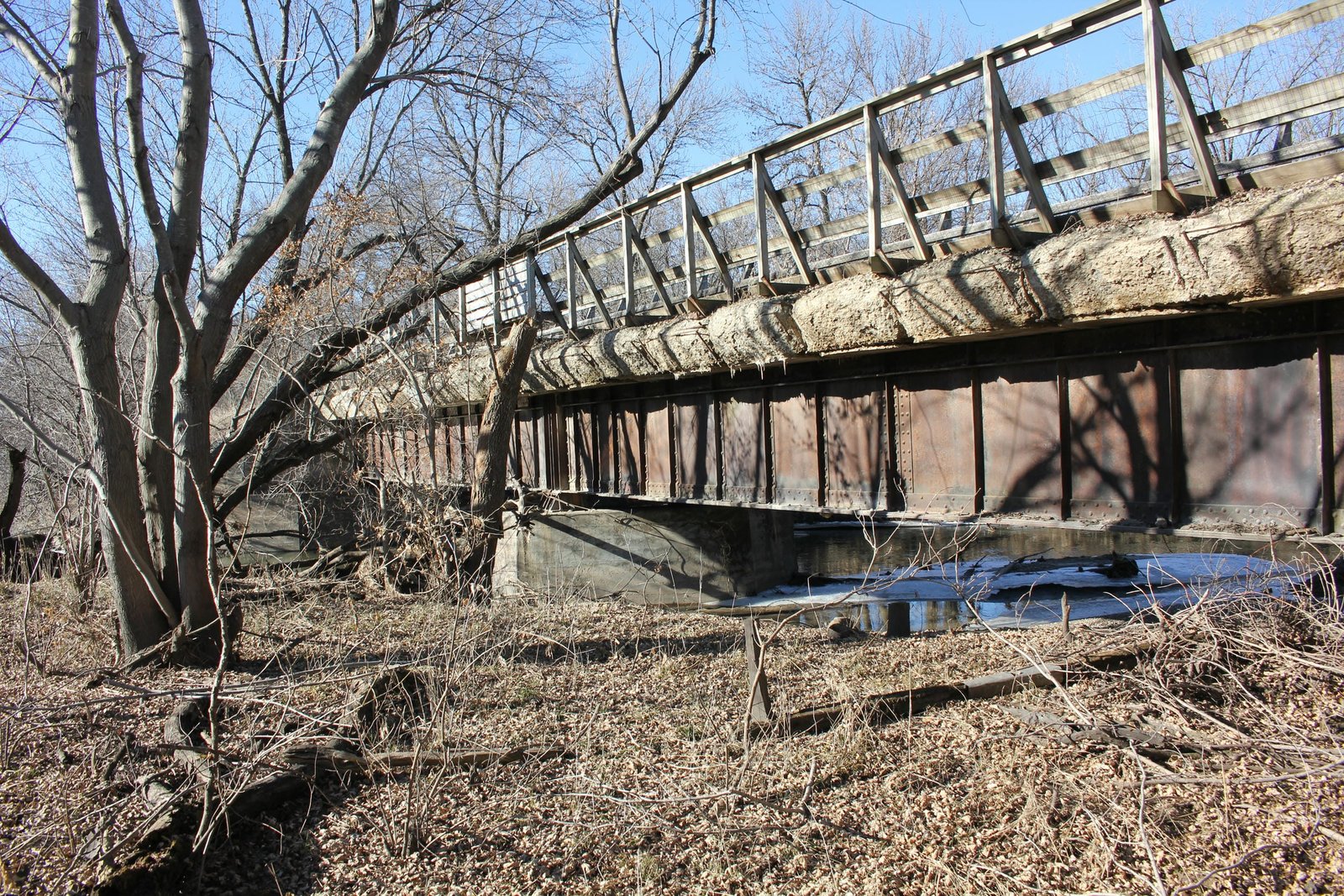
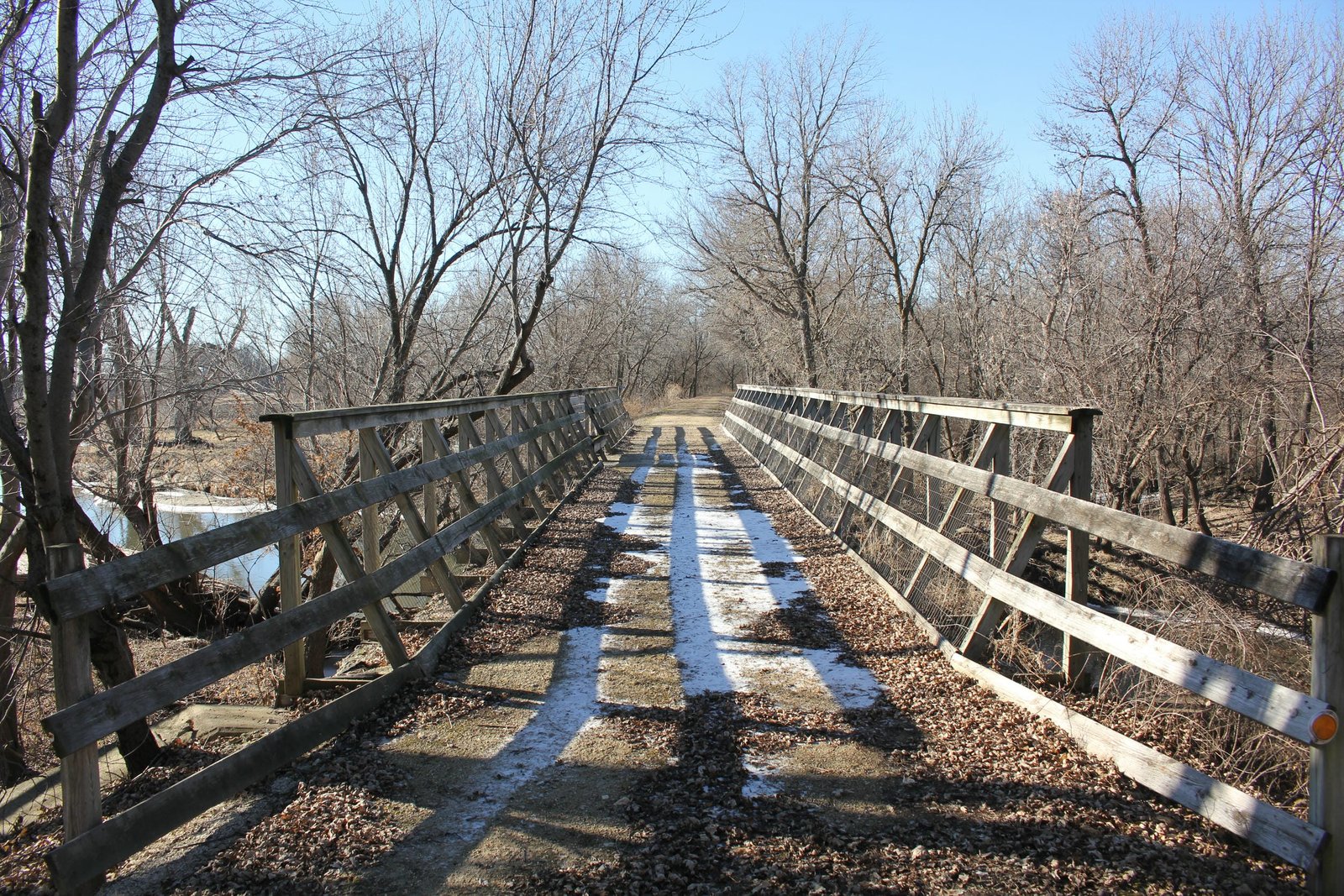
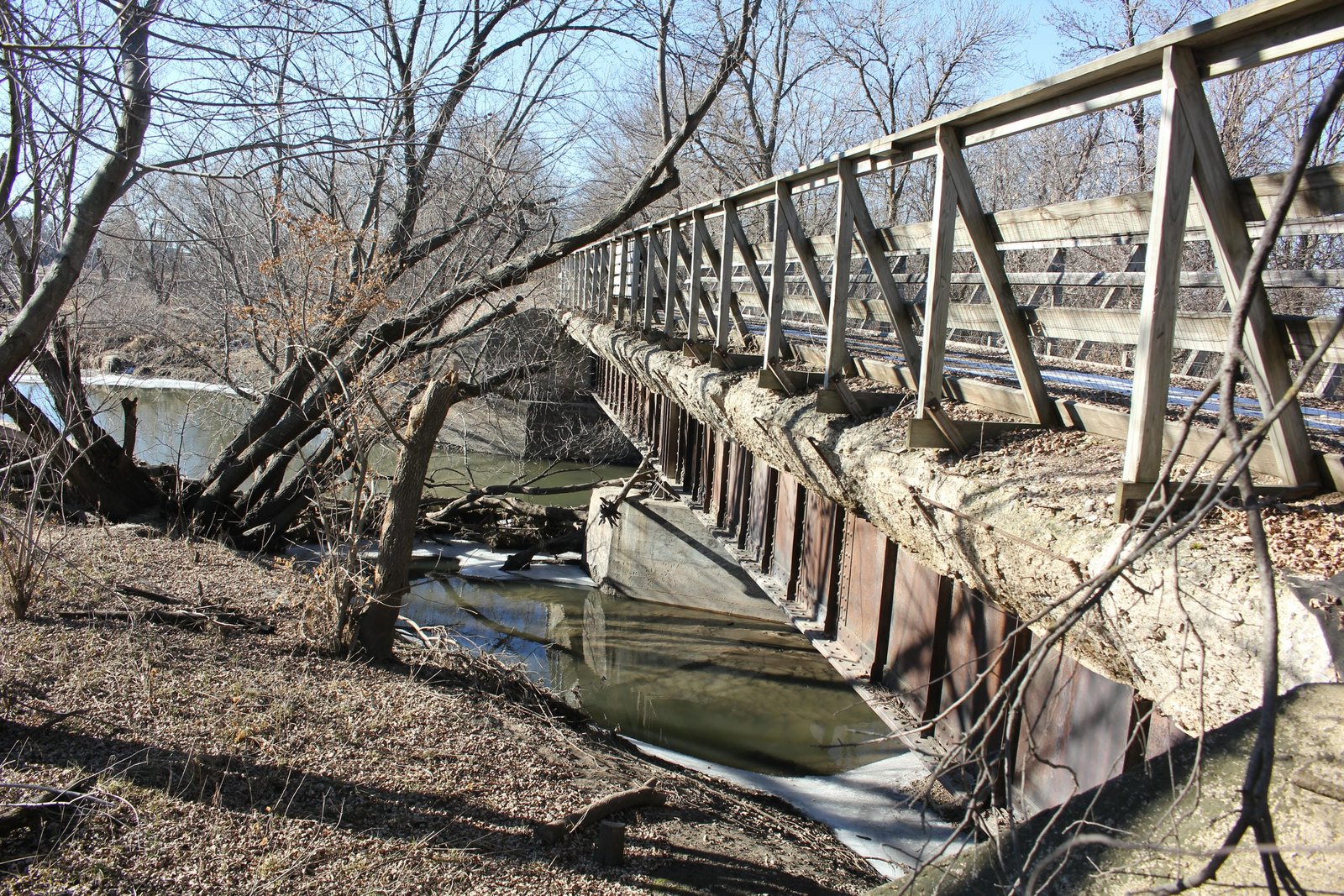
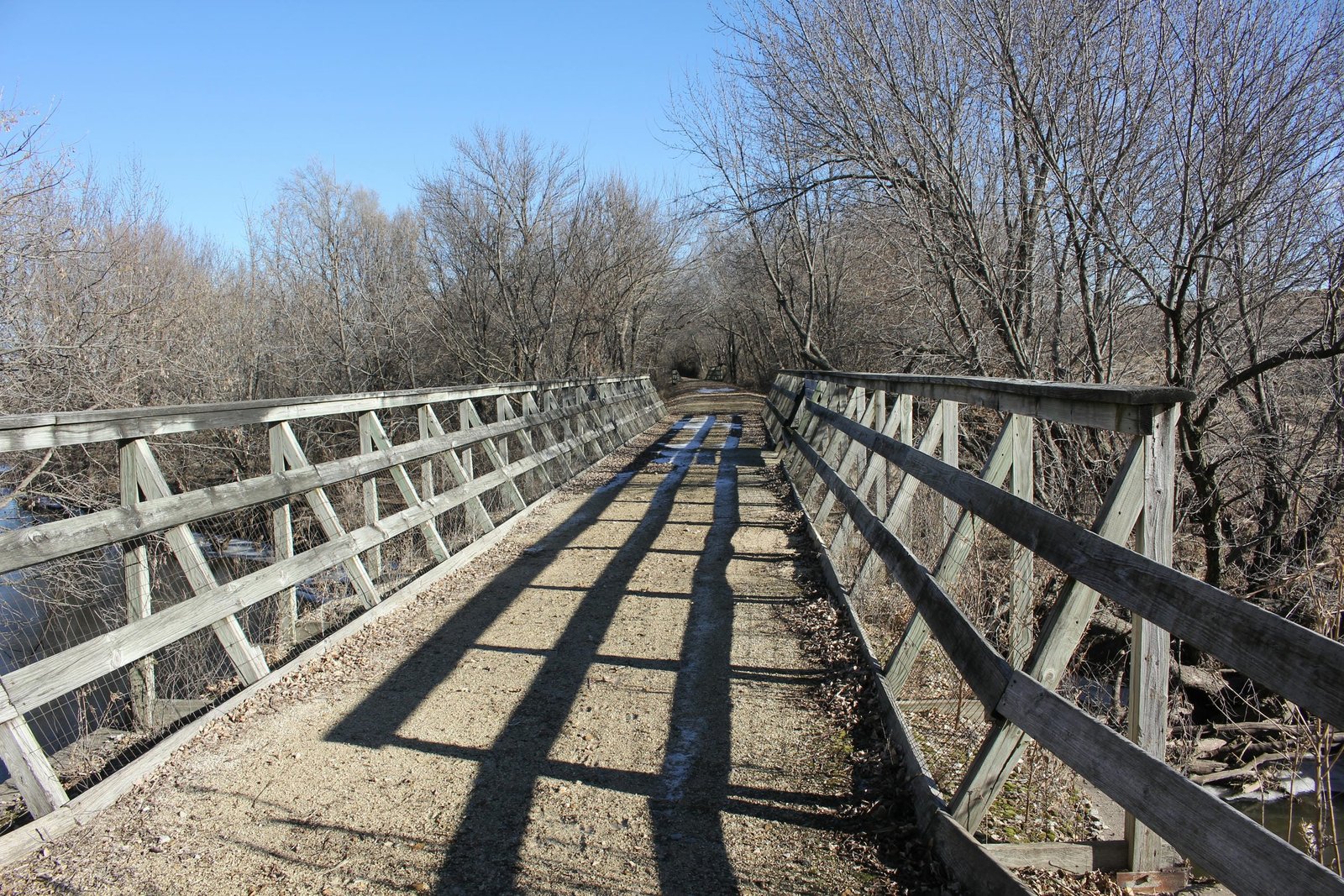
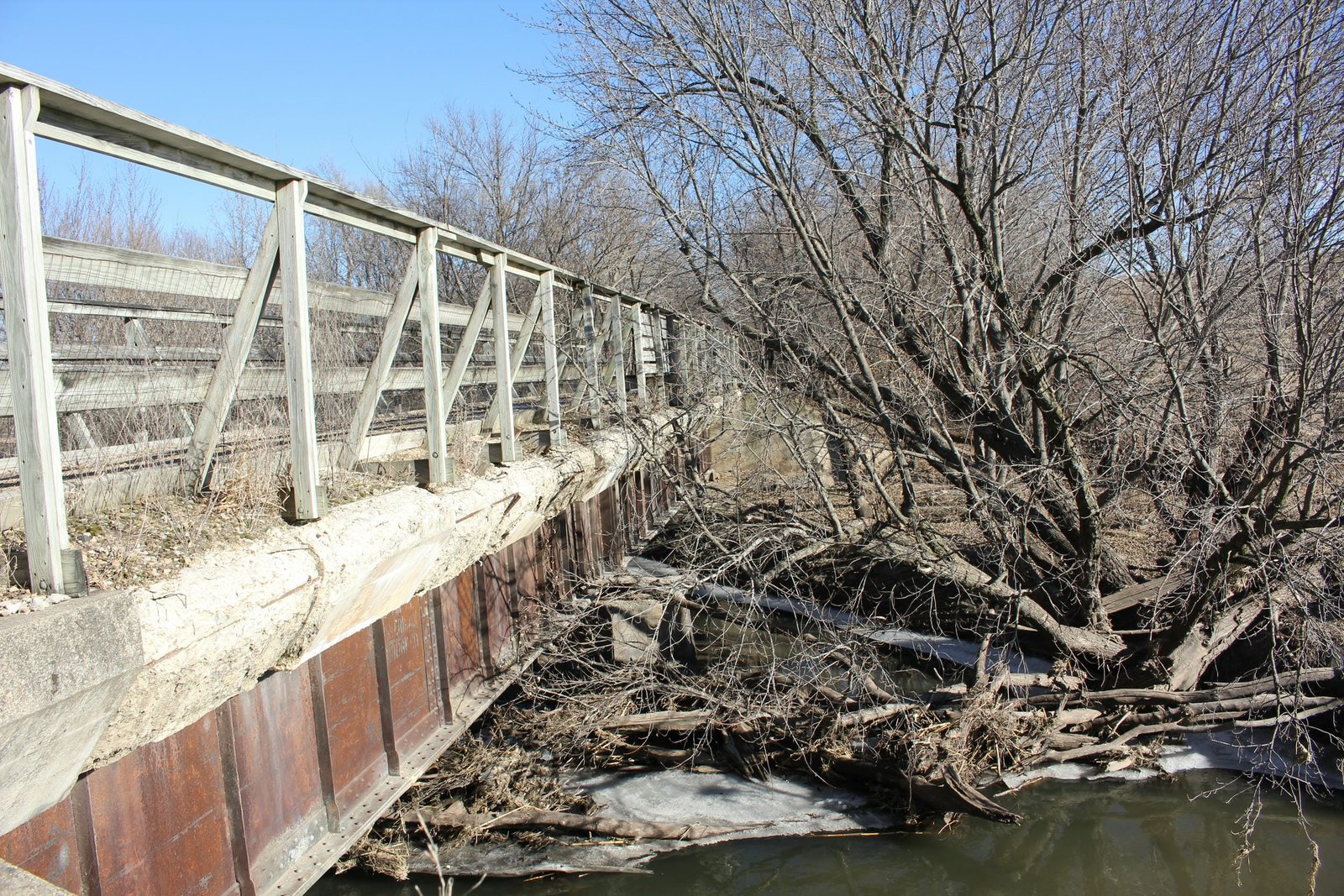
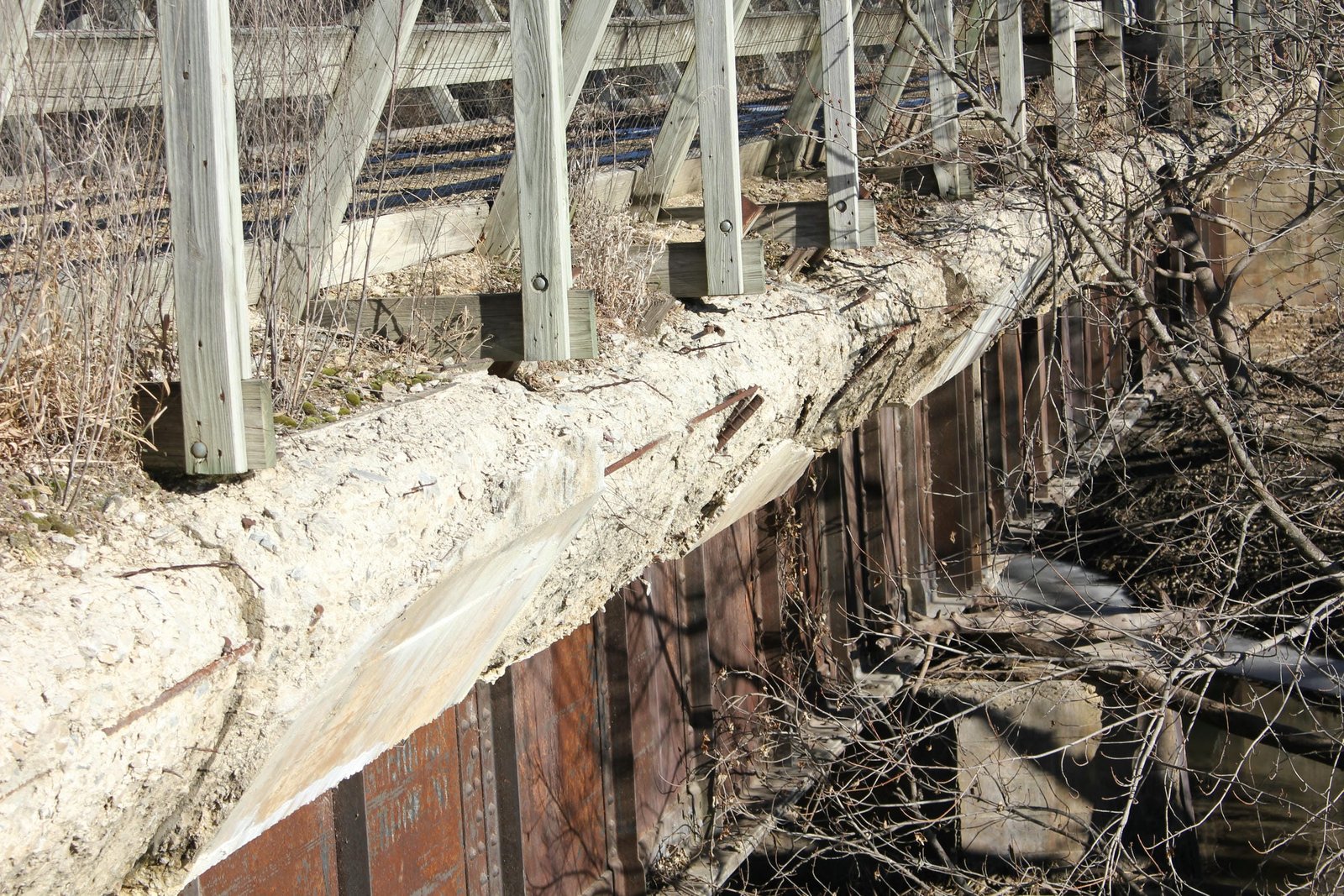
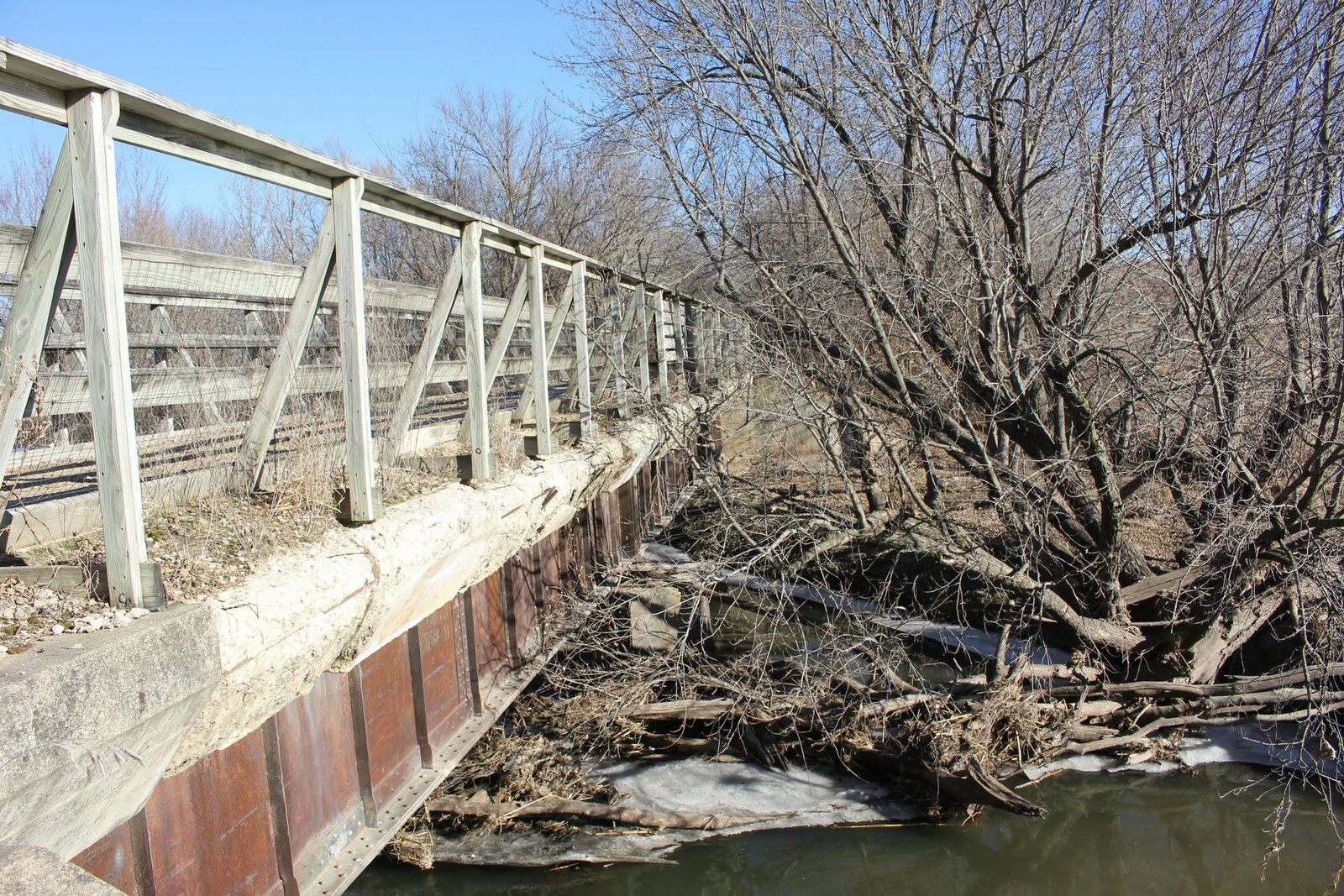
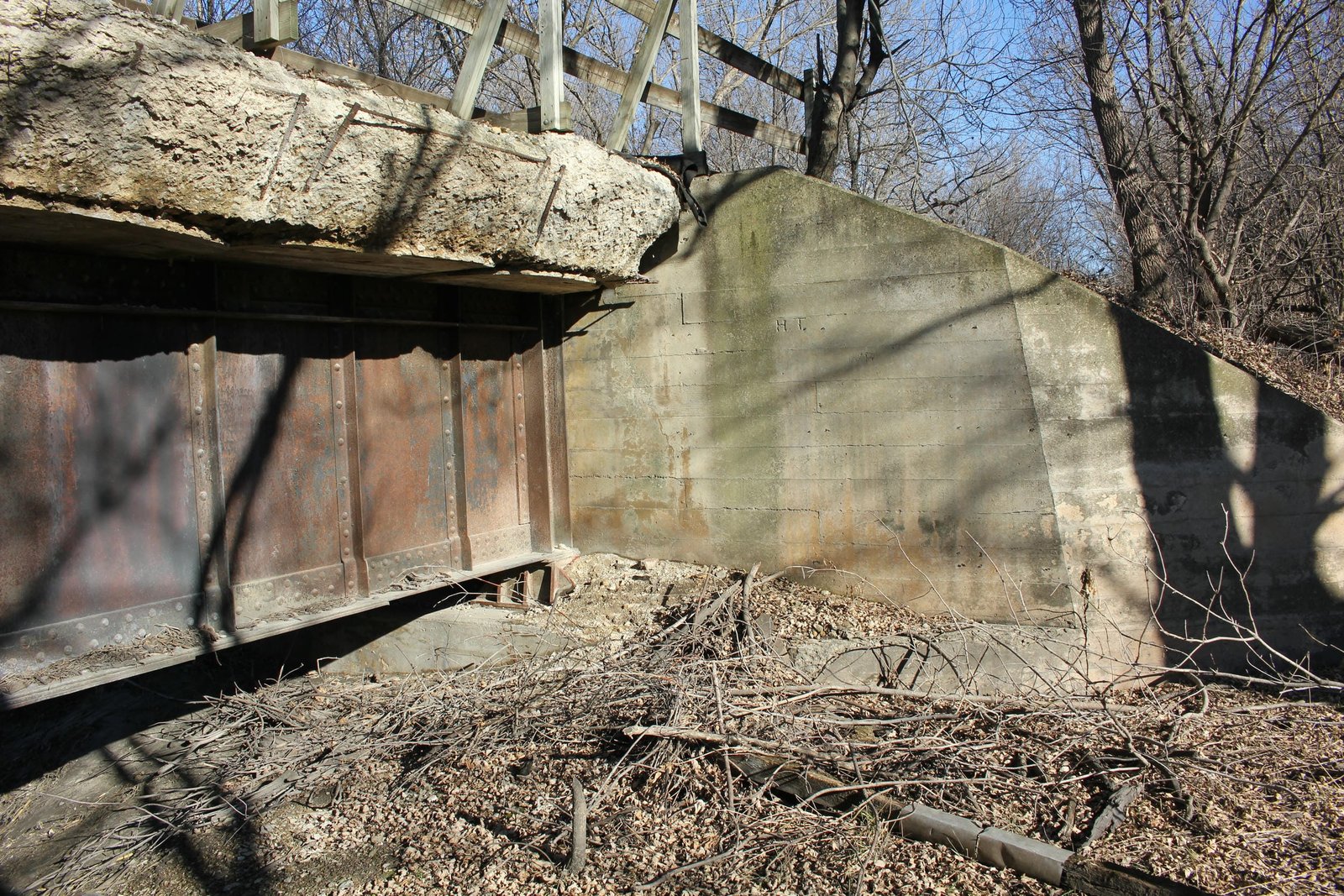
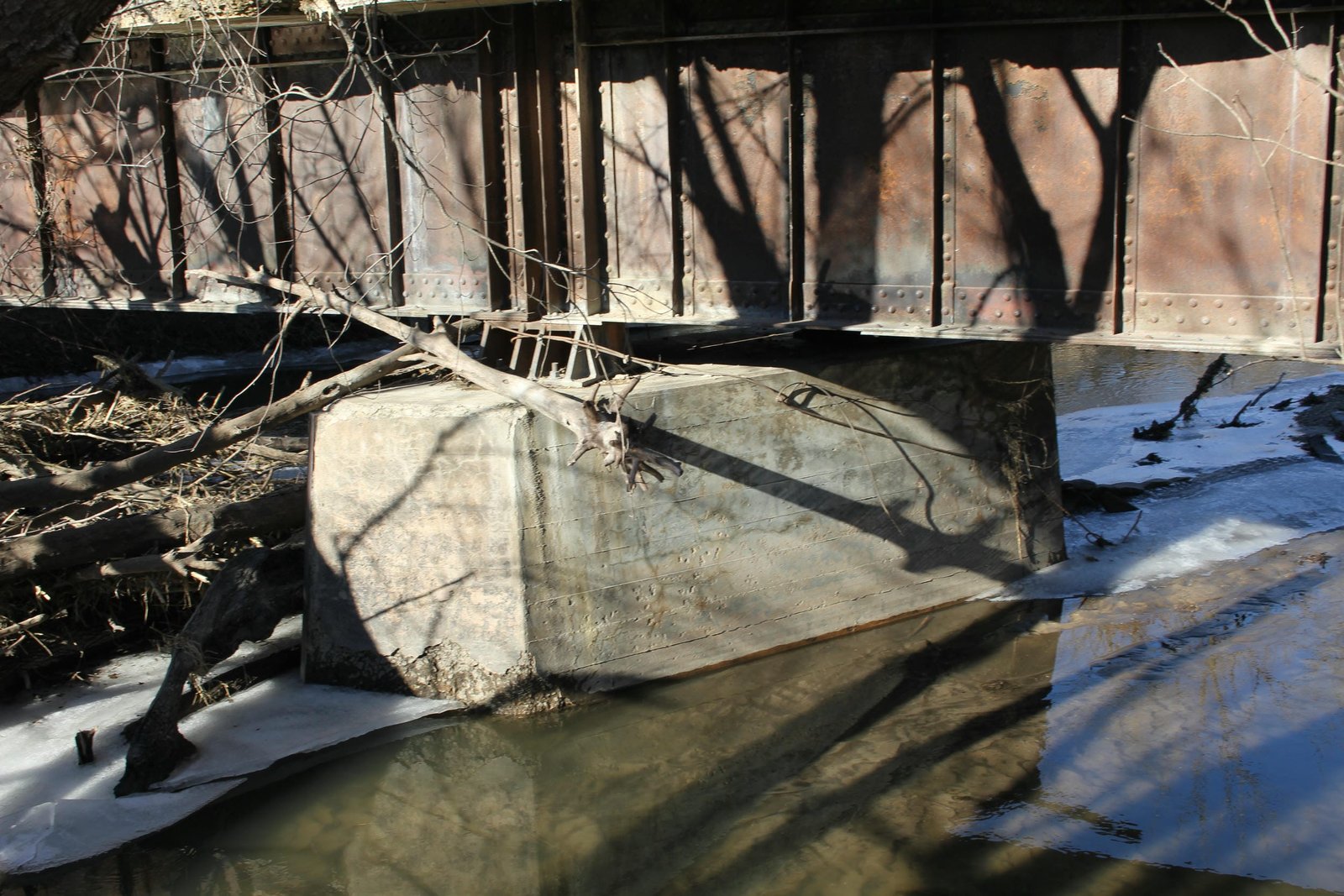
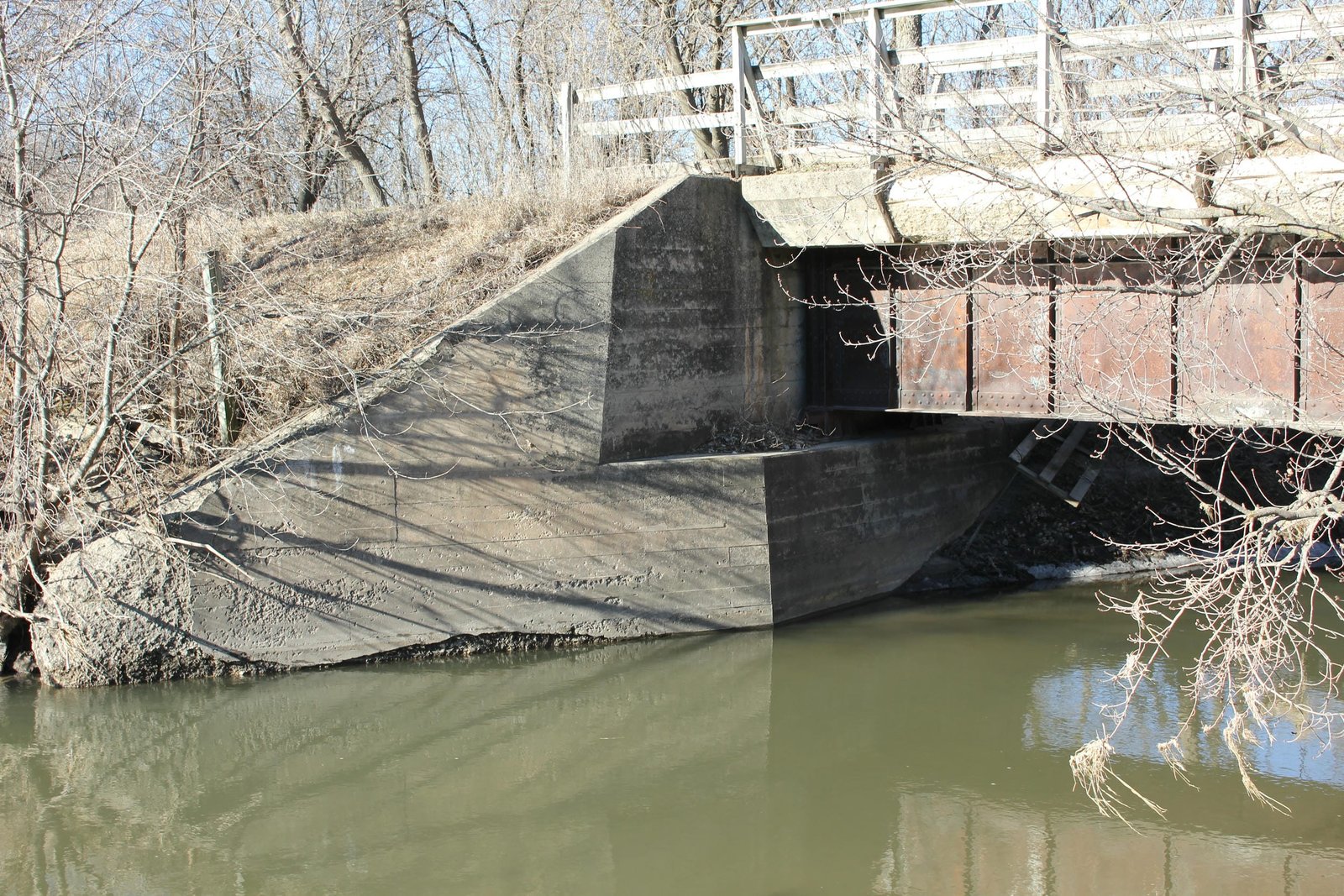
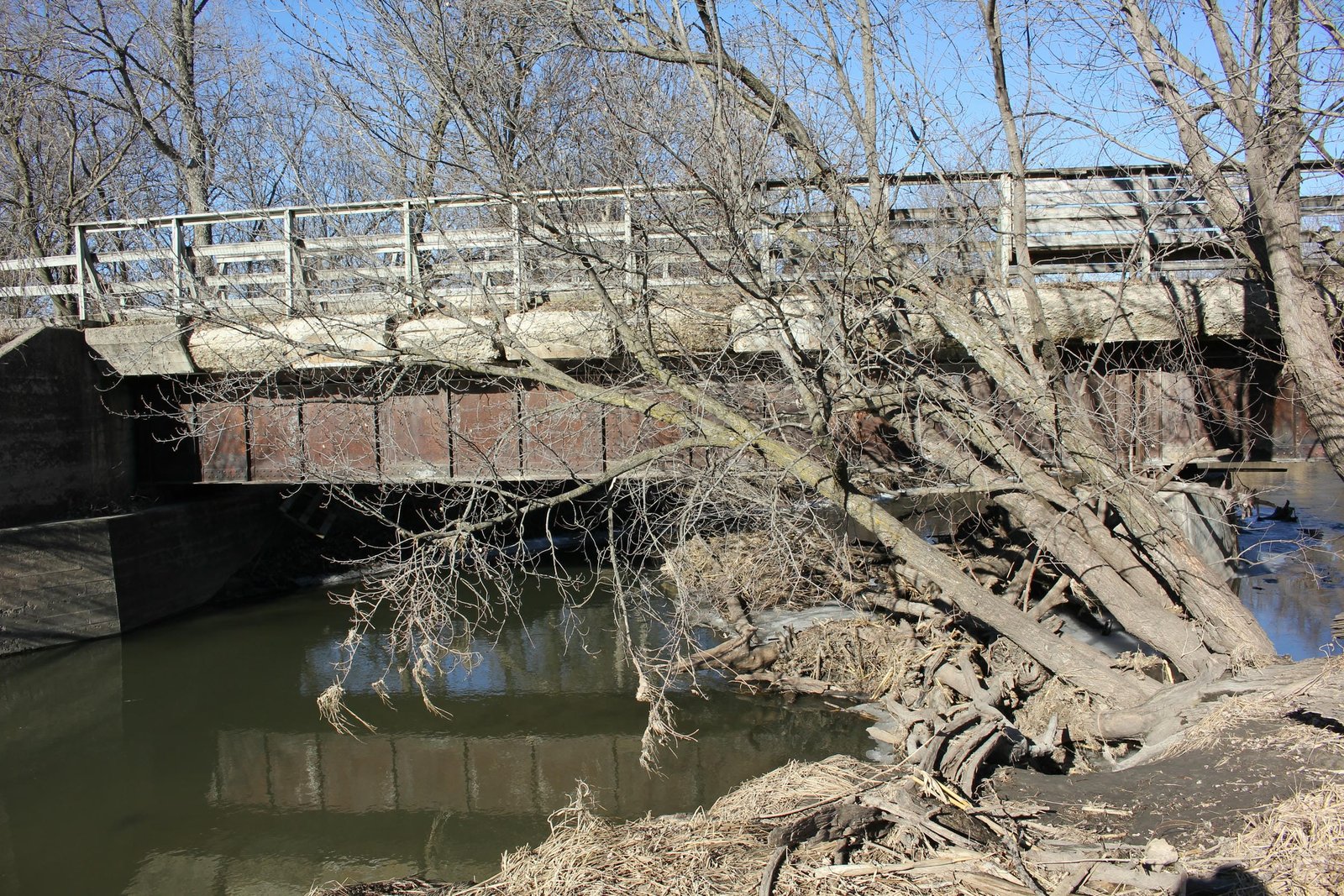
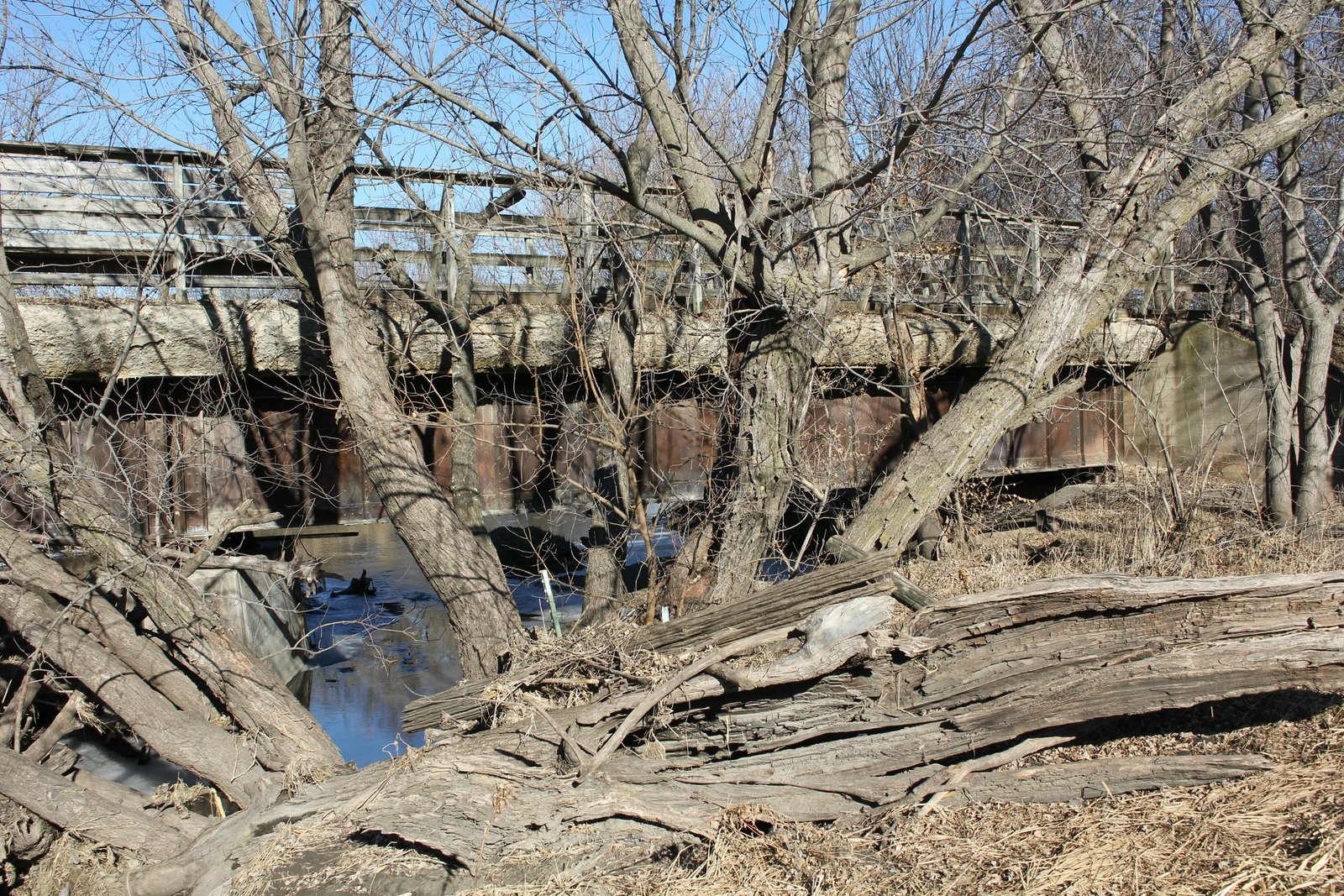
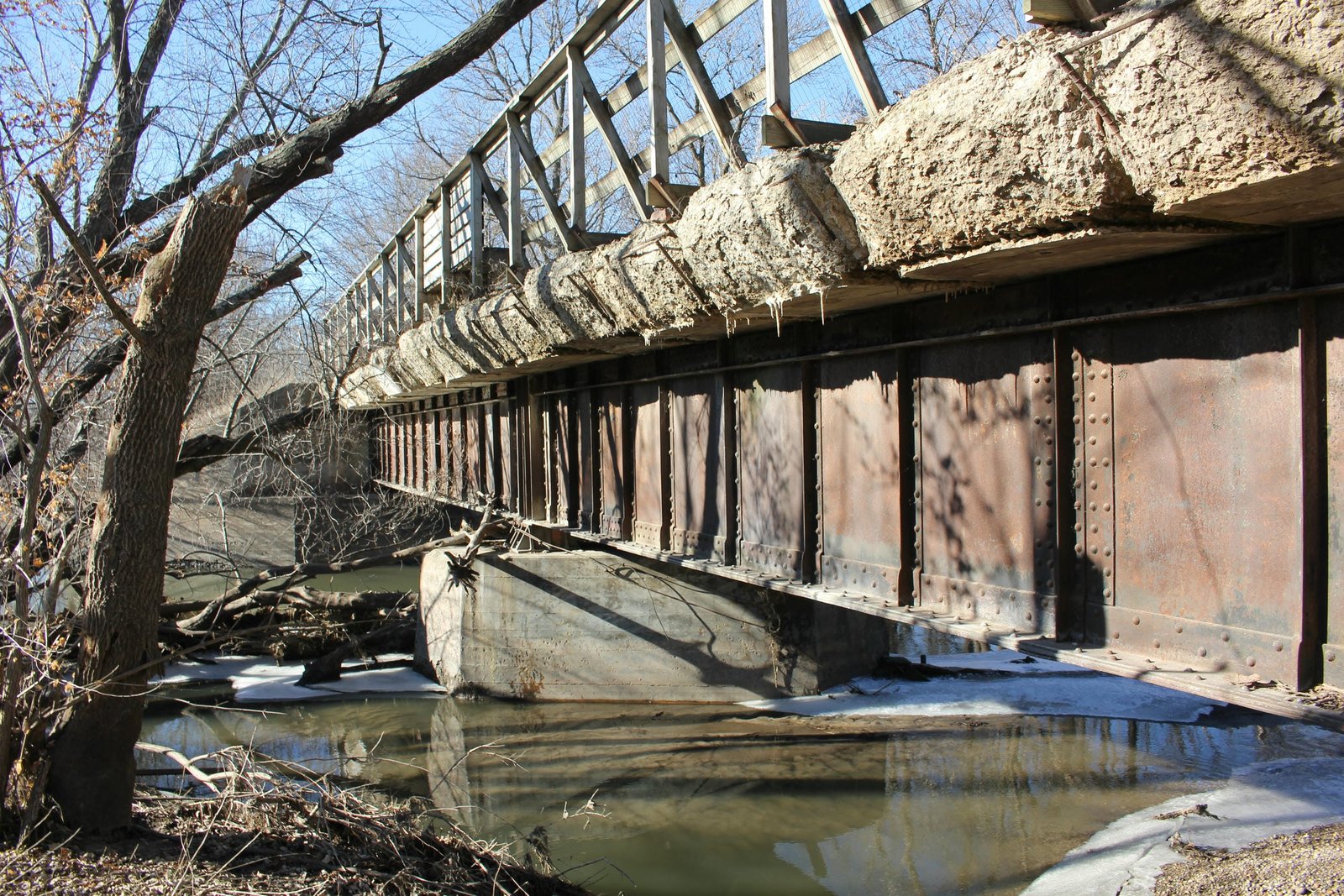
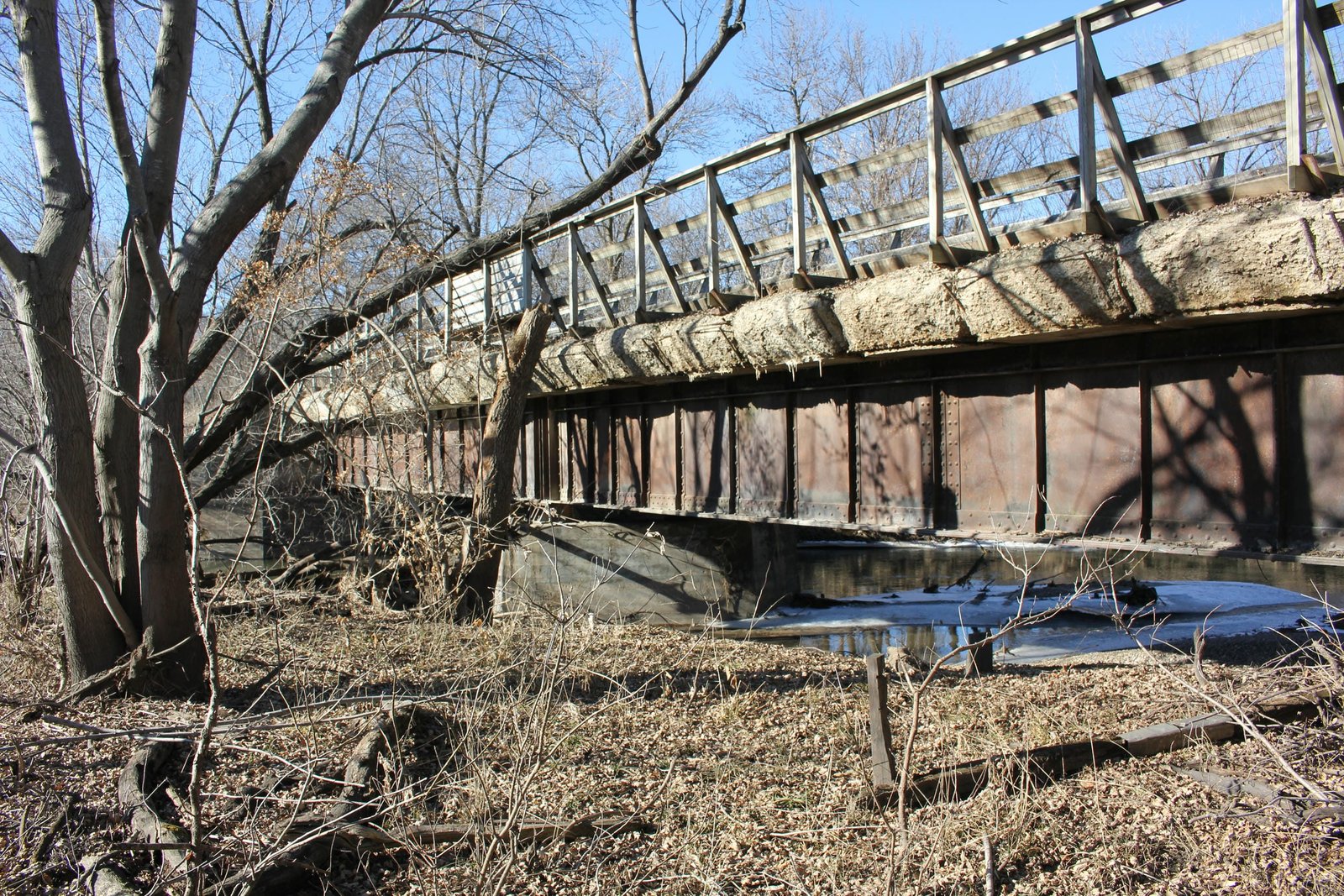
Located east of Rolfe, this deck plate girder bridge carries a former Chicago & North Western Railway line over Pilot Creek. The first bridge at this location was a timber pile trestle bridge, which was periodically renewed since the initial construction. While most bridges along this line were rebuilt with stone and steel between 1901 and 1905, this crossing remained a timber bridge until 1924, when it was rebuilt with the present structure. Currently, the bridge consists of two 50-foot deck plate girder spans, set onto concrete substructures. The superstructure follows a standard design, with two modest sized girders and a concrete ballast deck. The ballast deck is formed out of precast concrete panels, which are set directly onto the girders. The substructures follow a standard design, with a diamond shaped piers and sloped wing walls at the abutments. American Bridge Company fabricated the superstructure, while an unknown contractor constructed the substructure. Deck girder bridges were commonly used by railroads, as they were durable and easy to construct. Concrete ballast decks became popular in the 1910s, as they reduced the amount of maintenance required for a bridge. Since the initial construction, the bridge has seen no significant alterations. Today, the bridge is used as part of the Three Rivers Trail, and wooden railings have been added to the bridge. Overall, the bridge appears to be in fair to good condition, with minor deterioration noted. In particular, the precast ballast deck panels have severe spalling on the edges. The author has ranked the bridge as being locally significant, due to the common design.
Citations
| Build date and builder (superstructure) | American Bridge Company plaque |
| Railroad History Citation | ICC Valuation Information, Compiled by Richard S. Steele |