
Click the photo to view the full-size version
| Name | Chicago & North Western Railway Bridge #2539 |
| Built By | Chicago & North Western Railway |
| Currently Owned By | Humboldt County Conservation Board |
| Superstructure Contractor | Unknown |
| Length | 5 Feet Total |
| Width | 1 Track (124 Feet) |
| Height Above Ground | 5 Feet (Estimated) |
| Superstructure Design | Stone Arch Culvert |
| Substructure Design | Stone Masonry |
| Date Built | 1882 |
| Traffic Count | 0 Trains/Day (Bridge is Open to Pedestrian Traffic) |
| Current Status | Open to Pedestrian Traffic |
| Chicago & North Western Railway Bridge Number | 2539 |
| Significance | Local Significance |
| Documentation Date | 1/4/2019 |
In 1881, the Toledo & Northwestern Railway (T&NW) began construction on a 160-mile railroad line extending from Eagle Grove, Iowa towards Hawarden, Iowa. The T&NW had been leased by the Chicago & North Western Railway (C&NW) in 1879, and was awarded funding to construct additional lines in northern Iowa. The first 30 miles were completed to Bradgate, Iowa at the end of the year, followed by an additional 115 miles between Bradgate and Hawarden in 1882. In 1883, the Dakota Central Railway (DC) continued the line, constructing an additional 125 miles between Hawarden and Iroquois, South Dakota. The DC was another railroad leased by the C&NW, and was also awarded funding to complete railroad lines in South Dakota. The T&NW was purchased by the C&NW in 1890, and the DC was purchased by the C&NW in 1902. By the early 20th Century, the C&NW had developed into a significant railroad network in the midwest, with lines radiating north and west from Chicago. In particular, the C&NW developed dozens of secondary and branch lines in Iowa to serve agricultural industries and small towns. This line served as a secondary mainline, connecting lines in western Iowa and South Dakota. In addition, the line connected the Dakota Division mainline at Iroquois to the Iowa Division mainline at Tama, Iowa.
Due to the rapid expansion of the C&NW in the late 19th and early 20th Century, this line paralleled several other routes. By the mid-20th Century, this line had largely become a branch line, connecting agricultural industries and small towns in western Iowa and eastern South Dakota. By the 1970s, the C&NW sought to abandon excess trackage and consolidate service. The first segment abandoned was from Orange City, Iowa to Hawarden in 1975. The Beresford, South Dakota to Iroqouis segment was abandoned in 1979, and the Hawarden to Beresford segment sold to the State of South Dakota in 1980. The Marathon, Iowa to Orange City segment was also abandoned in 1980. The D&I Railroad began operations over the Beresford Branch in 1980. The line was further abandoned in 1982, when the Alton, Iowa to Orange City segment was abandoned. The Eagle Grove to Rolfe, Iowa segment was abandoned in 1988, and would be sold to Wright, Humboldt and Pochahontas Counties for trail usage. In 1995, the C&NW would be purchased by the Union Pacific Railroad (UP). Currently, UP operates the Rolfe to Marathon segment as part of the Laurens Subdivision, and the D&I operates the Hawarden to Beresford segment. The State of South Dakota sold the Hawarden to Beresford segment to D&I in 2021 as part of an effort to sell state-owned railroad lines. The Rolfe to Eagle grove segment used as part of the Three Rivers Trail. Remaining segments have been abandoned and the right-of-way largely reverted to adjacent landowers.
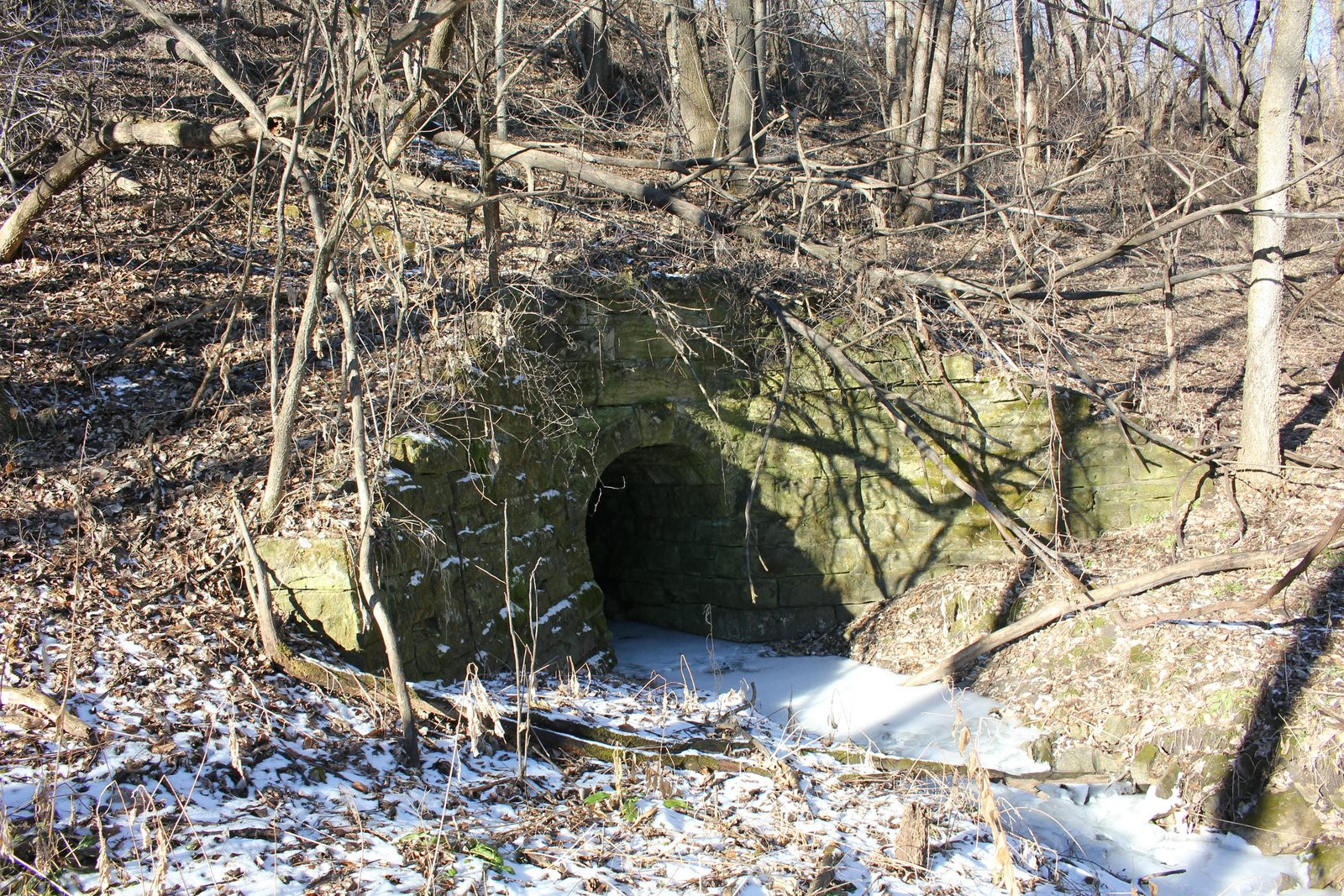
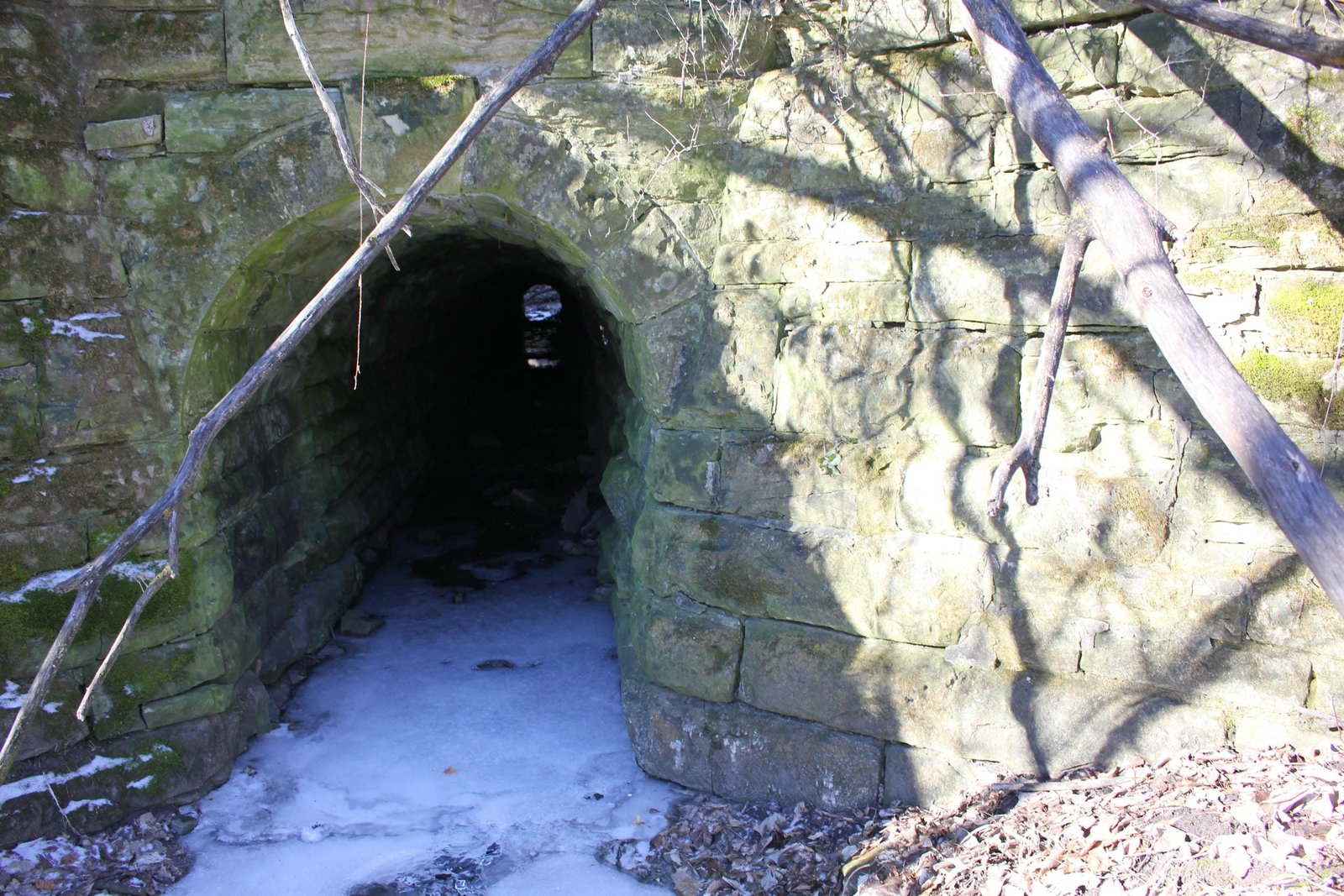
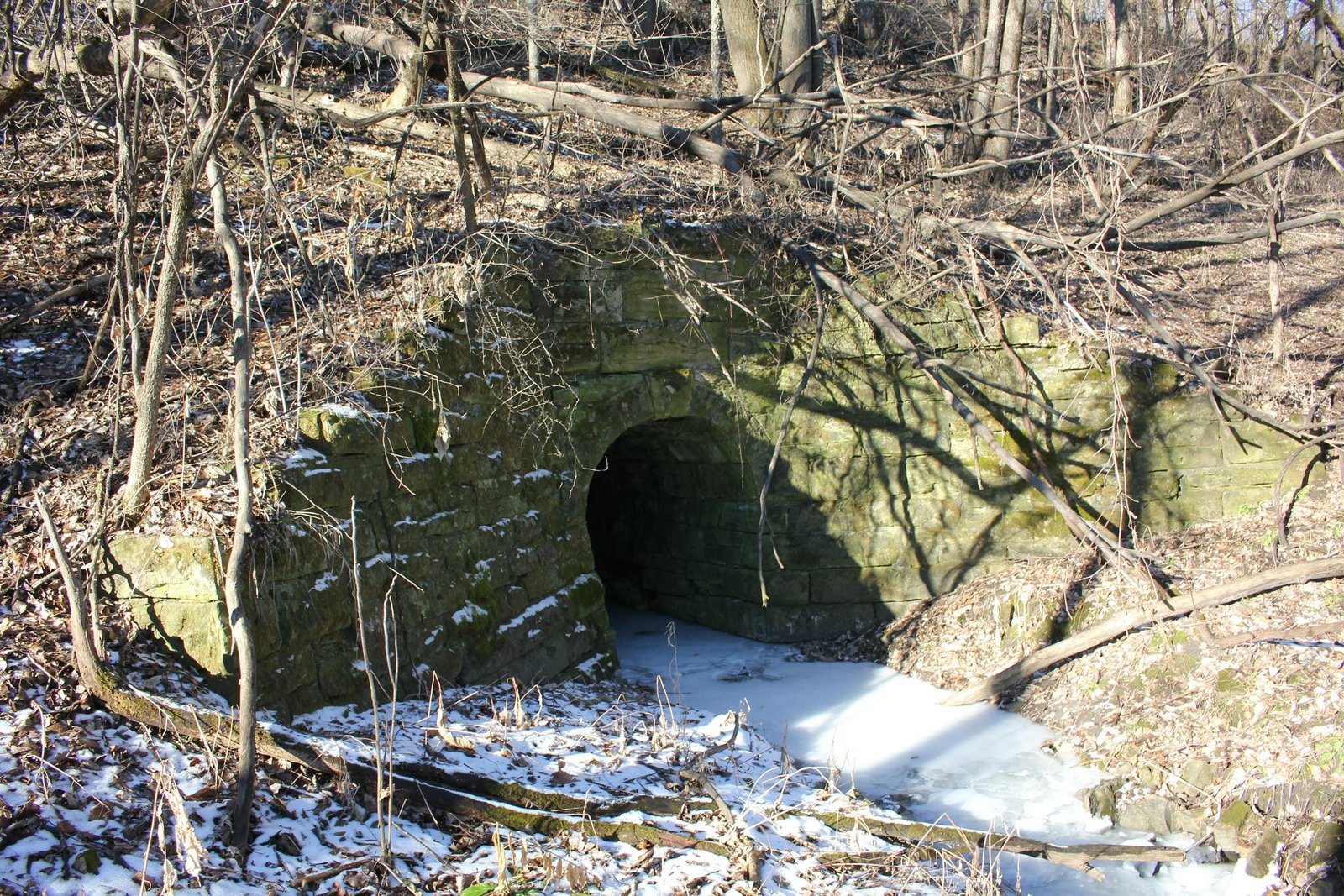
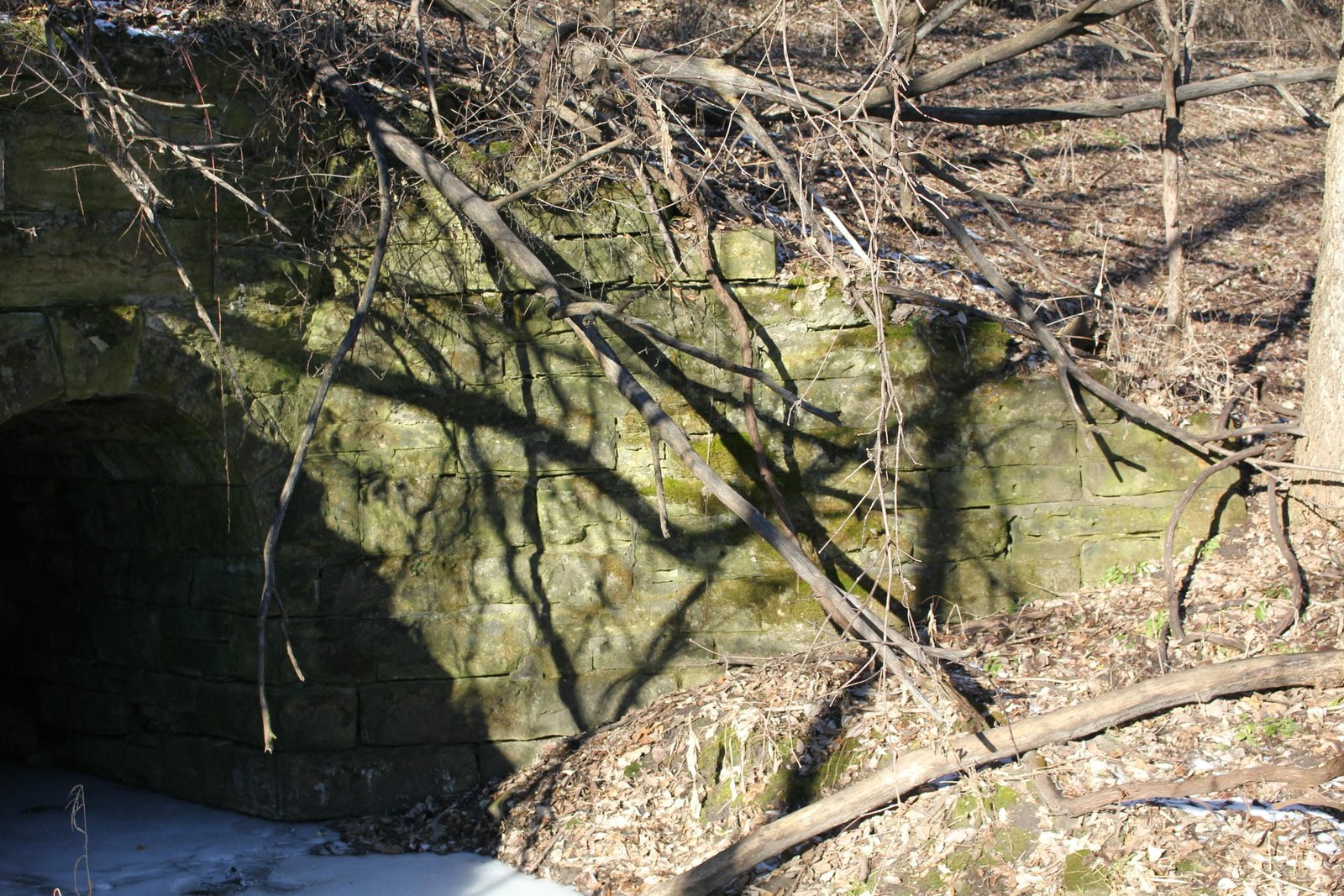
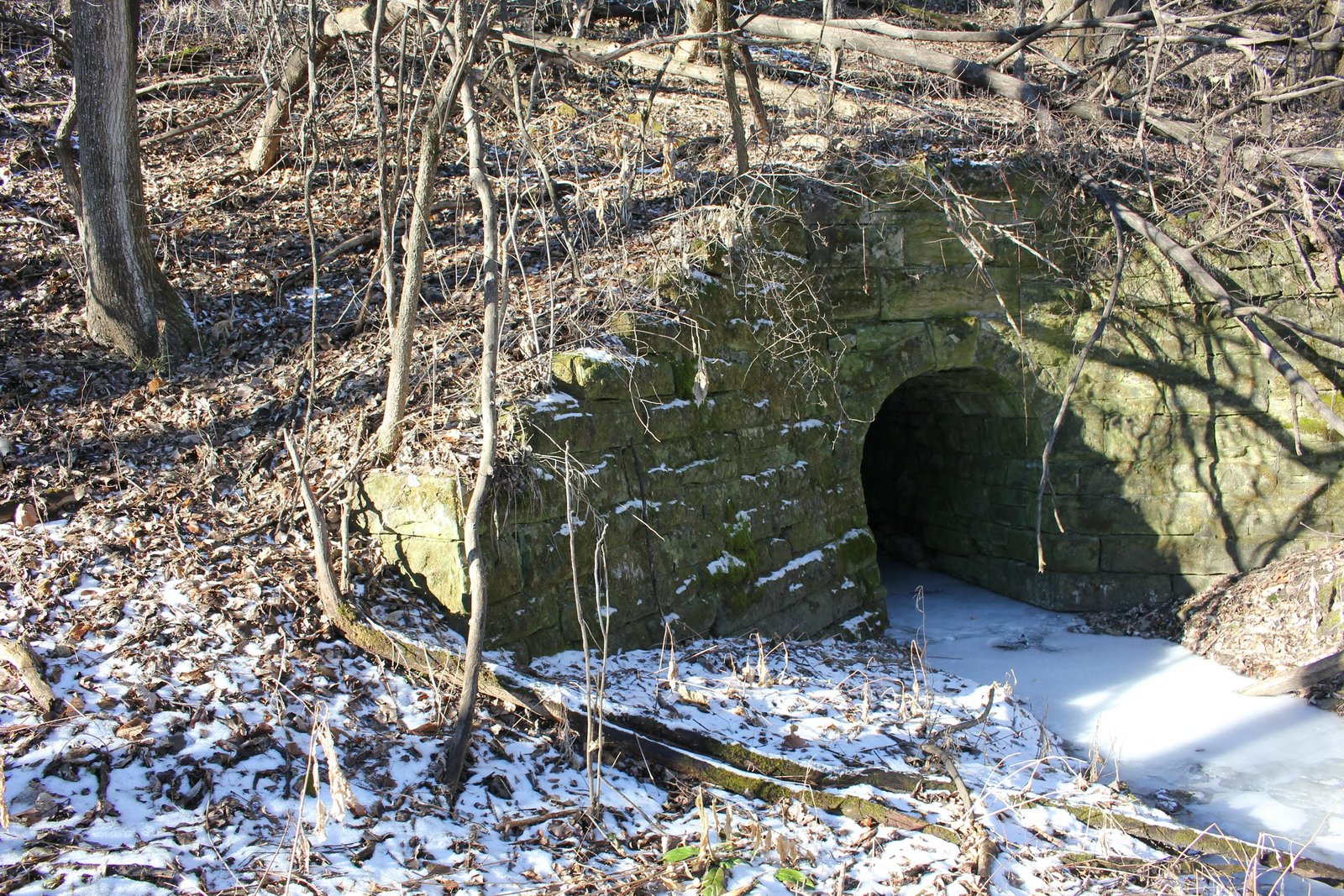
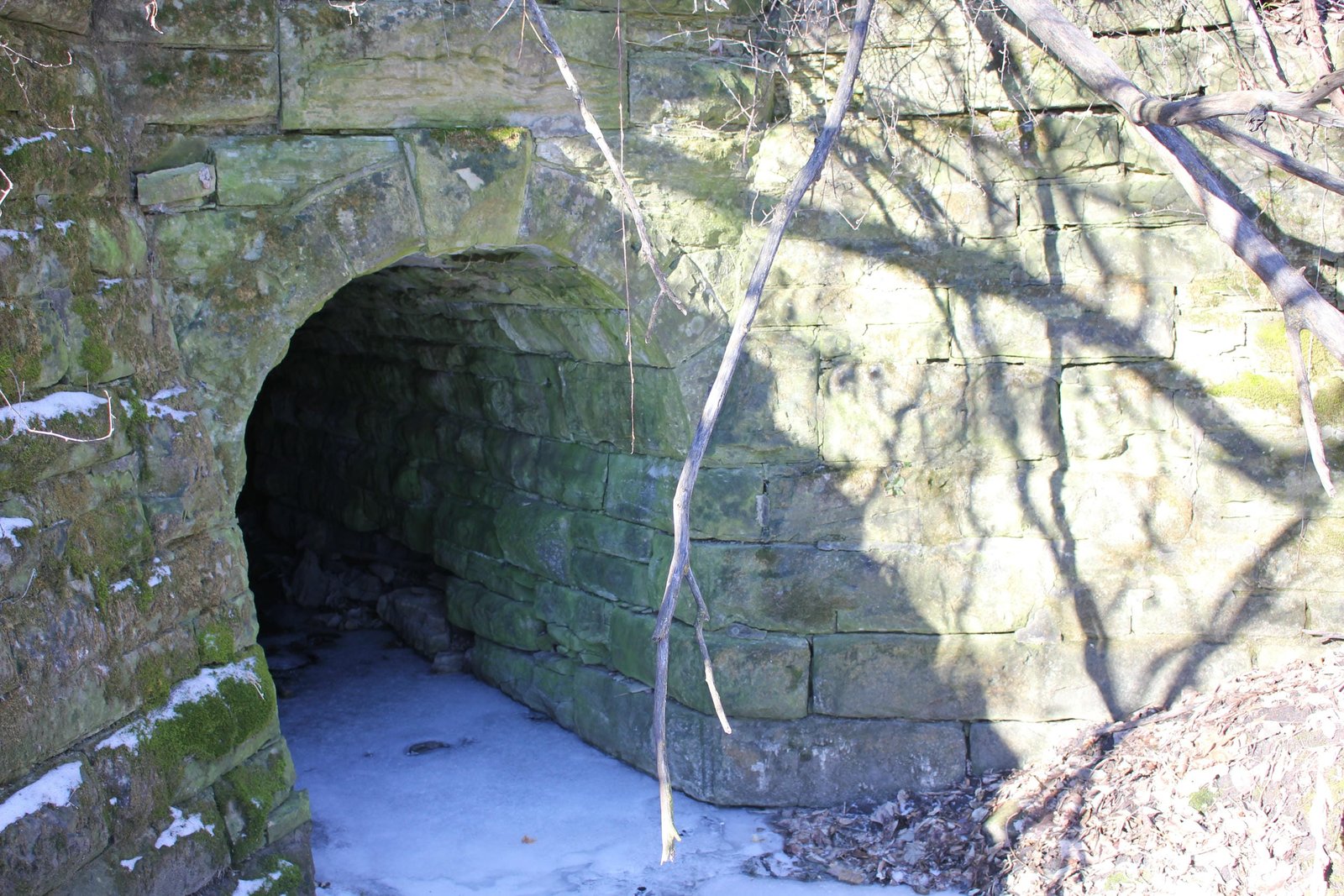
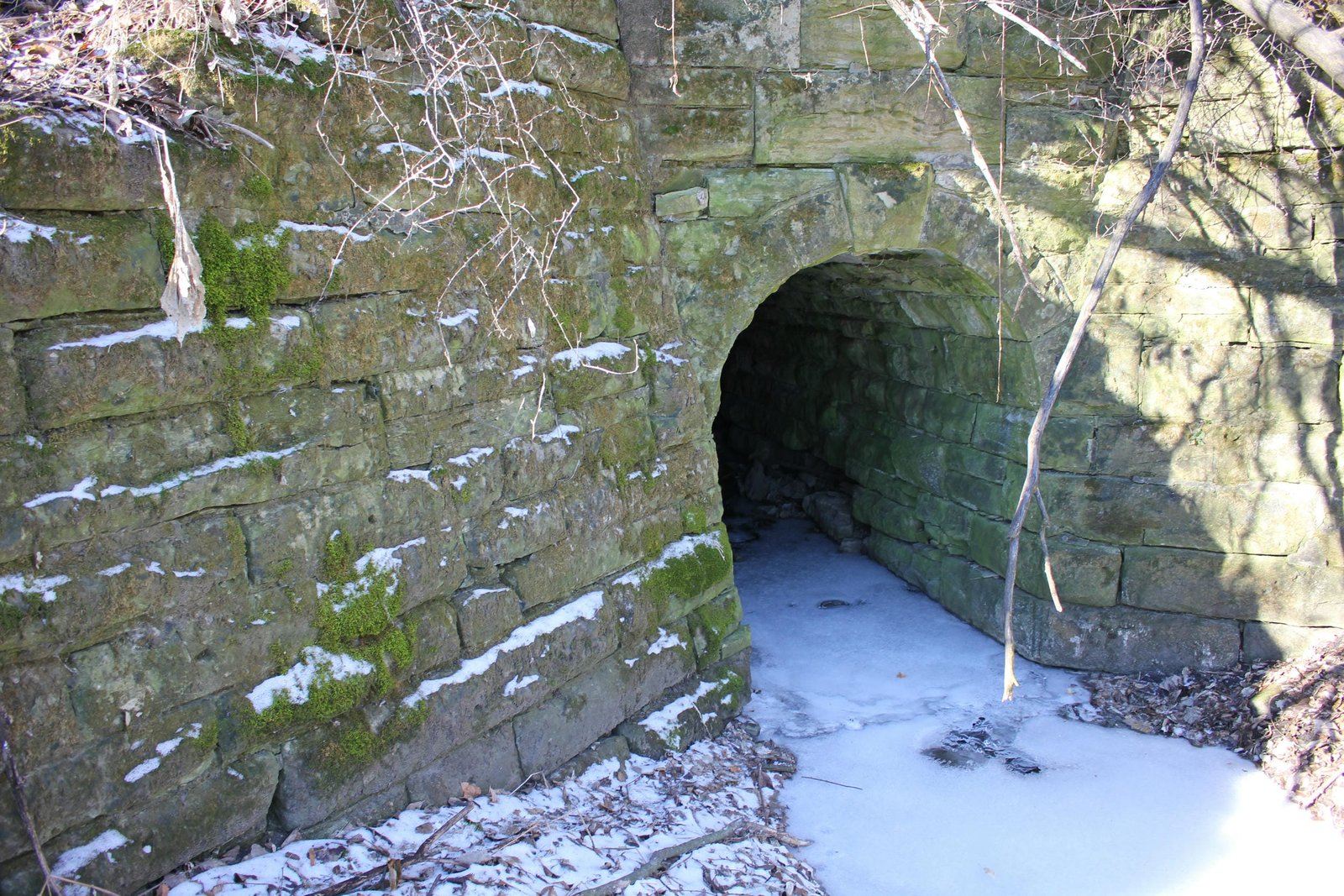
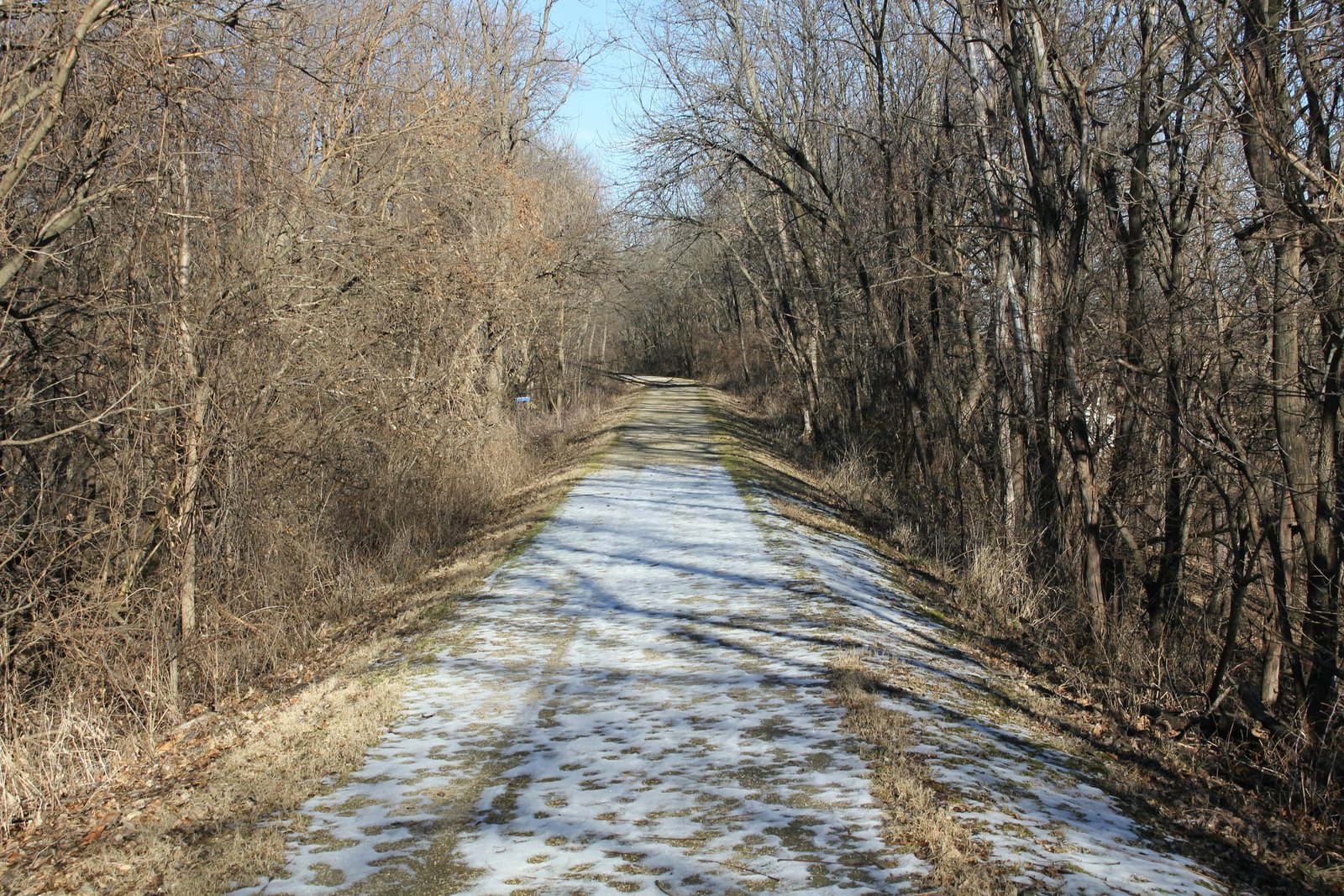
Located alongside the East Fork Des Moines River south of Dakota City, this small stone arch culvert carries a former Chicago & North Western Railway line over an unnamed creek. When the railroad first reached Dakota City in 1881, a temporary timber pile trestle was constructed at this location. While many of the wooden trestles along this line were not replaced until the early 20th Century, this crossing was filled and a stone arch culvert constructed in 1882. Currently, the culvert consists of a 5-foot by 6-foot stone arch culvert, set onto stone substructures and constructed at a width of 124 feet. The culvert follows a standard design, with a semicircular arch, a horseshoe-shaped opening and large headwalls. The wing walls are stepped and extend from the culvert at an angle. Stone for the culvert consists of a tan limestone, which was quarried at an unknown location. The stone blocks are smaller than typical culverts from this era. An unknown contractor constructed the culvert. Stone arches were popular for railroad use, as they were durable and easy to construct. Since the initial construction, the culvert has seen no significant alterations. Today, it is used by the Three Rivers Trail. Overall, the culvert appears to be in fair condition, with some scouring beginning to occur on the north abutment. The author has ranked this culvert as being locally significant, due to the common design.
Citations
| Build date | Chicago & North Western Railway Valuation Notes at the Chicago & North Western Historical Society Archives |
| Railroad History Citation | ICC Valuation Information, Compiled by Richard S. Steele |