

Click the photo to view the full-size version
| Name | UP IL Route 176 Bridge Chicago & North Western Railway Bridge #61 3/4 |
| Built By | Chicago & North Western Railway |
| Currently Owned By | Union Pacific Railroad |
| Superstructure Contractor | Bethlehem Steel Company of Bethlehem, Pennsylvania |
| Substructure Contractor | Superior Concrete Construction Company of Chicago, Illinois |
| Length | 100 Feet Total |
| Width | 3 Tracks |
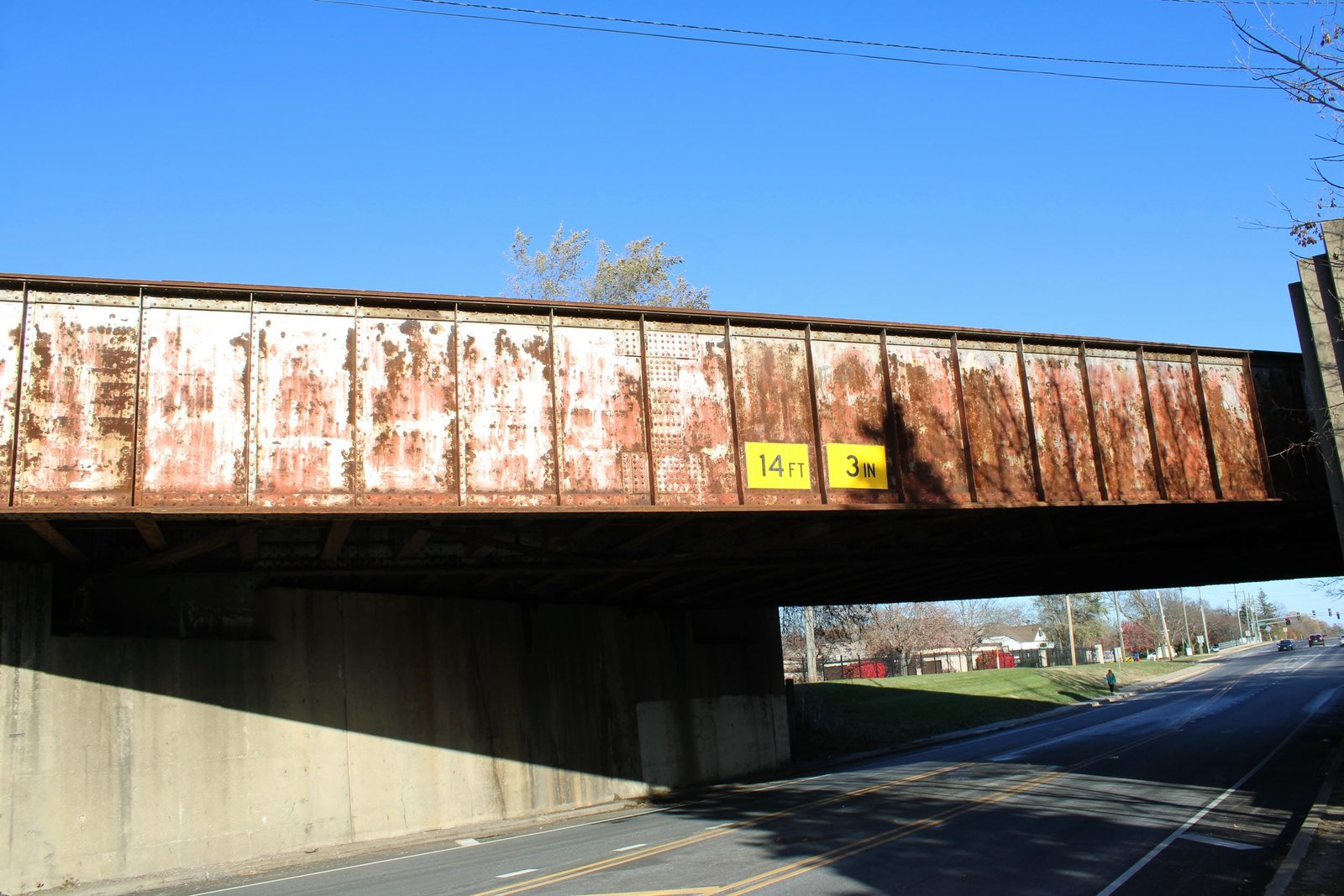
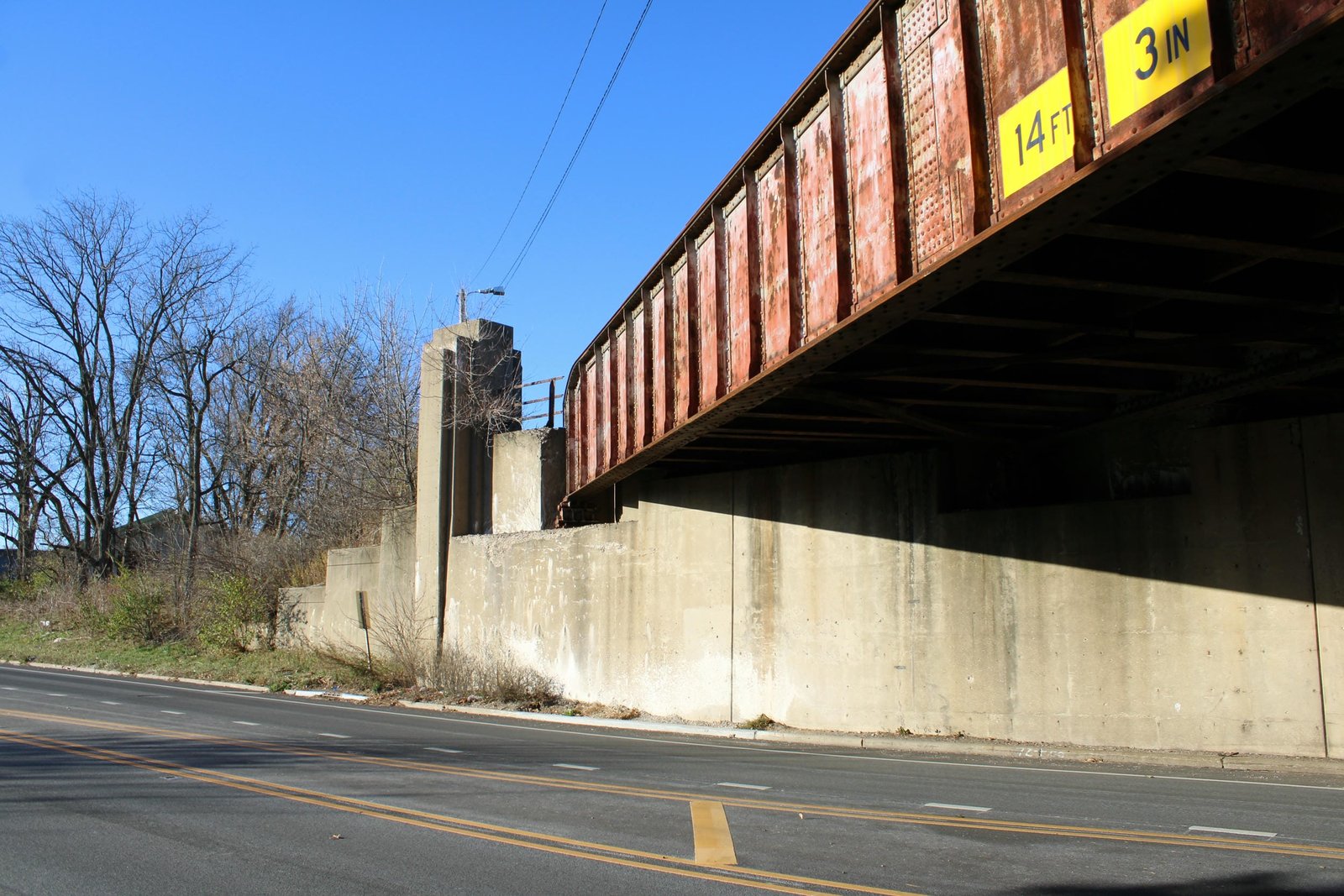
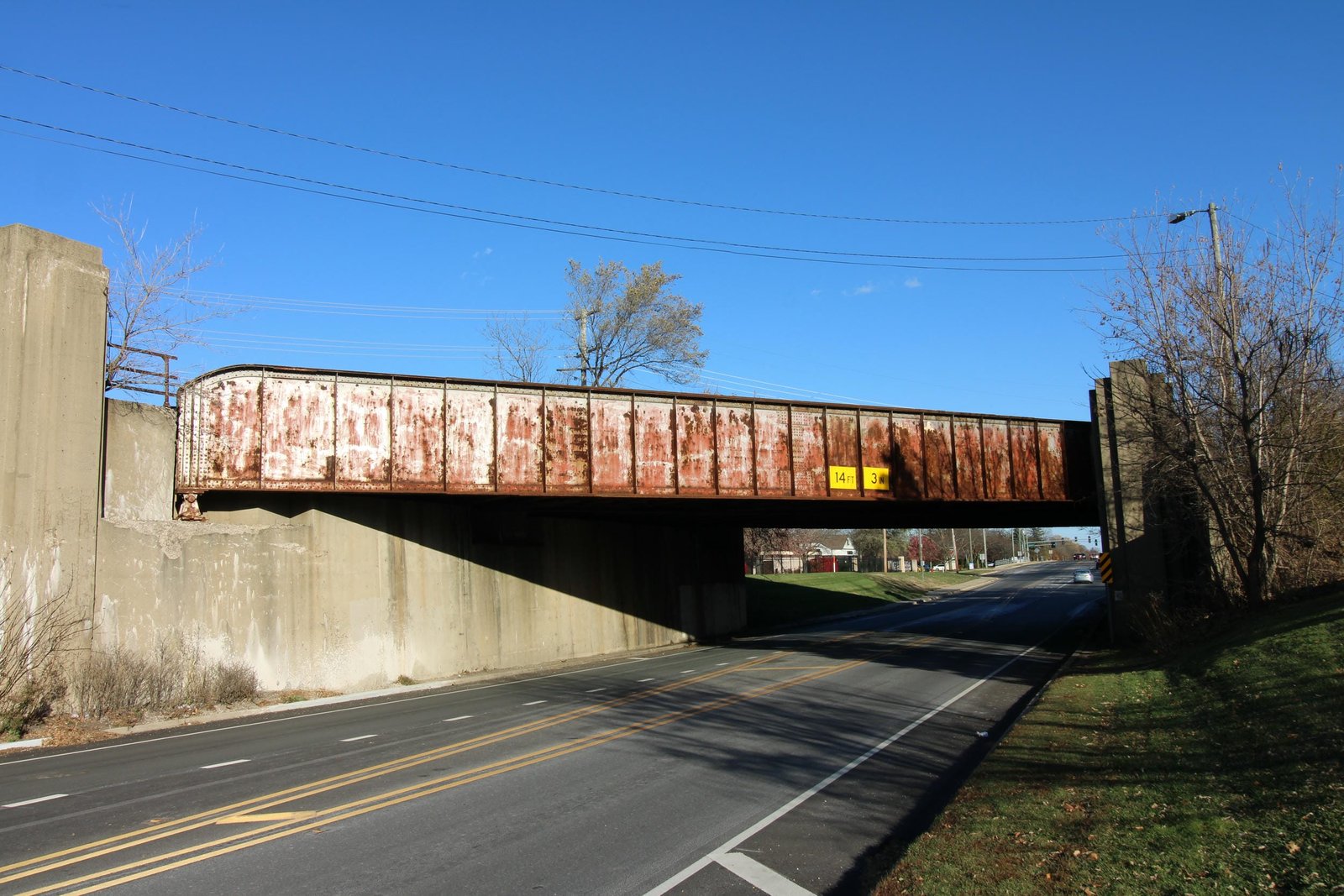
| Height Above Ground | 14 Feet 3 Inches |
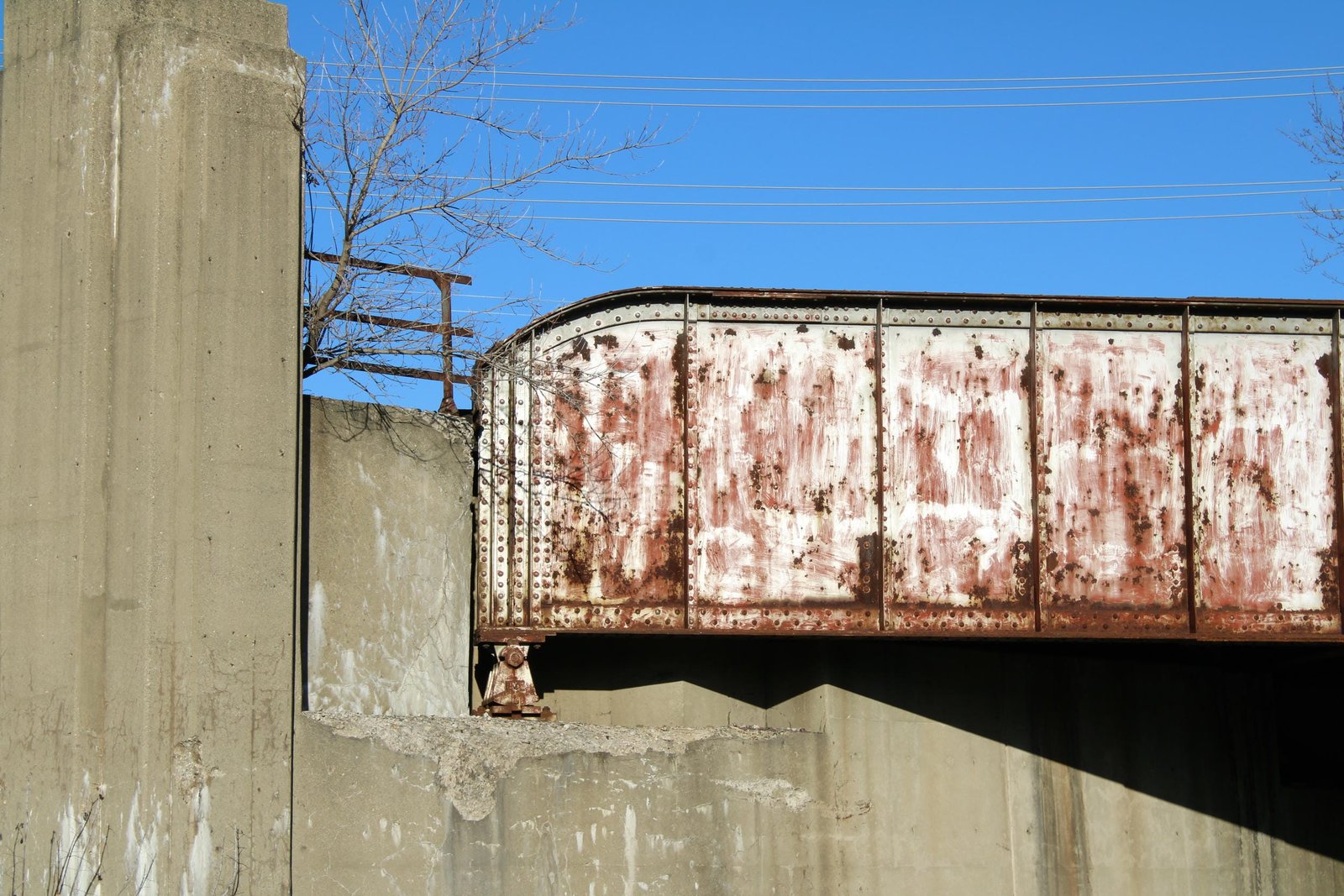
| Superstructure Design | Through Plate Girder |
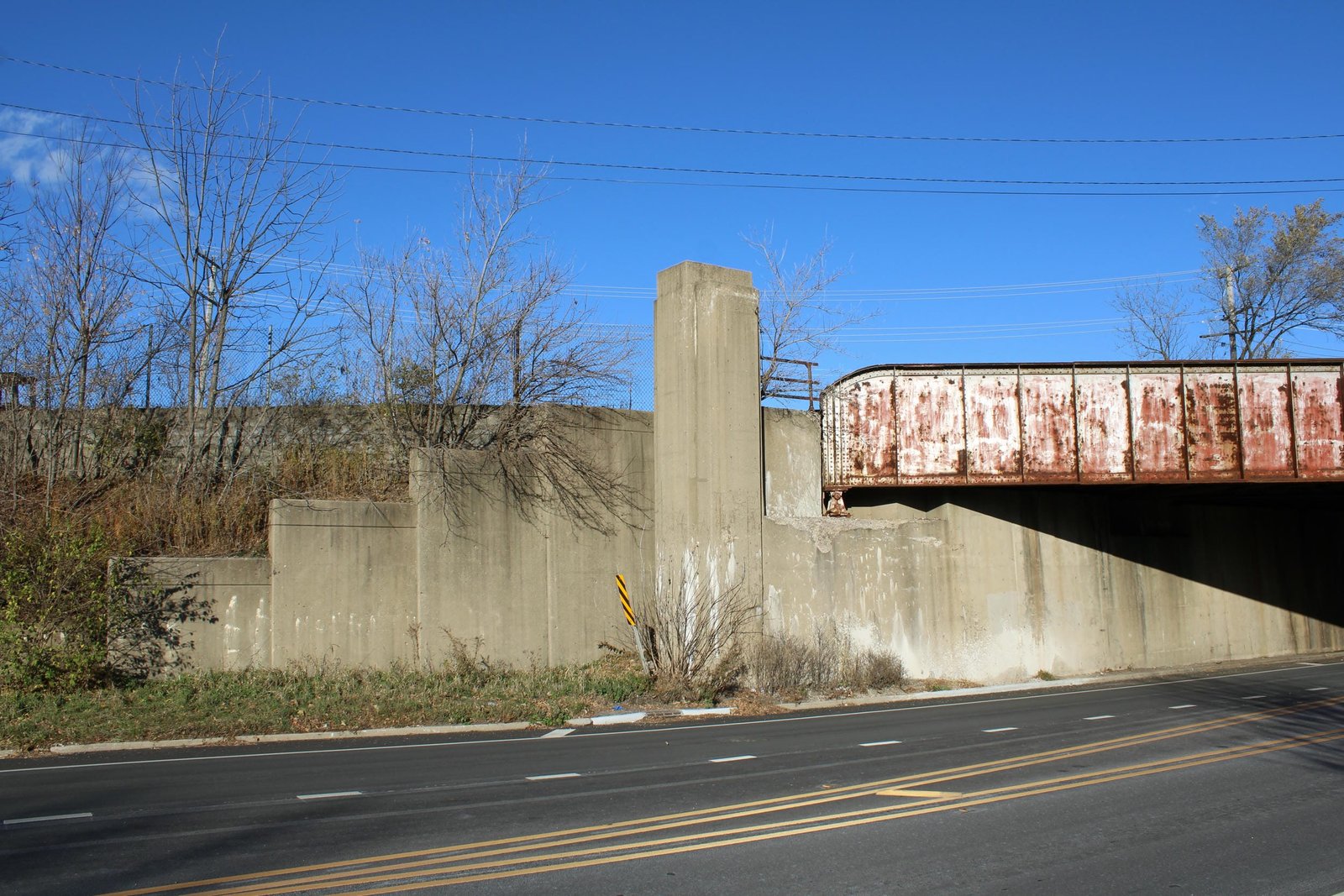
| Substructure Design | Concrete |
| Date Built | 1940 |
| Traffic Count | 30 Trains/Day (Estimated) |
| Current Status | In Use |
| Chicago & North Western Railway Bridge Number | 61 3/4 |
| Union Pacific Railroad Bridge Number | 43.51 |
| Significance | Local Significance |
| Documentation Date | 11/15/2025 |
In the early 1850s, several railroad companies began constructing railroad lines radiating from Chicago. The Illinois & Wisconsin Rail Road Company constructed 39 miles of new railroad, extending from Chicago to Cary, Illinois. The following year, the railroad would be controlled by William B. Ogden, and consolidated into the Chicago, St. Paul & Fond du Lac Rail Road (CStP&FDL). The CStP&FDL constructed an additional 53 miles to Janesville, Wisconsin in 1855. The CStP&FDL would be purchased by the Chicago & North Western Railway (C&NW) in 1859. The C&NW was beginning to construct and acquire a large network of railroads throughout the Midwest. This line formed a portion of the principal northwest mainline of the C&NW, eventually extending to St. Paul, Minnesota. At Janesville, traffic was required to run south to Afton to reach the line to Janesville. Due to increasing traffic along this line, a second track would be constructed beginning in 1882, when a second track was completed from Chicago to Mayfair (Montrose Avenue). By 1884, the route was double tracked to Des Plaines.
In 1886, the Janesville & Evanston Railway was incorporated by the C&NW to construct 16 miles of new railroad, connecting Janesville with the existing line at Evansville, Wisconsin. The railroad would be purchased by the C&NW the following year. By 1893, further double tracking was constructed to Barrington, followed by from Barrington to Janesville between 1898 and 1899. In the late 19th Century, railroad traffic had become a significant
safety hazard for the City of Chicago. A solution was devised to
elevate the railroad tracks throughout the city, placing the railroads
upon embankments and constructing subways at each street. In 1899, the
C&NW completed a track elevation from Sangamon Street to Kostner Avenue; followed by Kostner Avenue to Foster Avenue in 1918. During each of these elevation programs, a third track would be constructed. A third track was completed to Barrington in 1930. The C&NW would become a prominent railroad in the Midwest,
eventually building a system over 11,000 miles long. Throughout the 20th Century, this line would continue to be an integral part of the C&NW system. The second track would be removed between Janesville and Harvard in the 1950s. In 1995, the
C&NW would be purchased by the Union Pacific Railroad. Union Pacific continues to operate the route as the Harvard Subdivision. Metra operates a commuter service, the Union Pacific-Northwest Line over the Chicago to Harvard section.
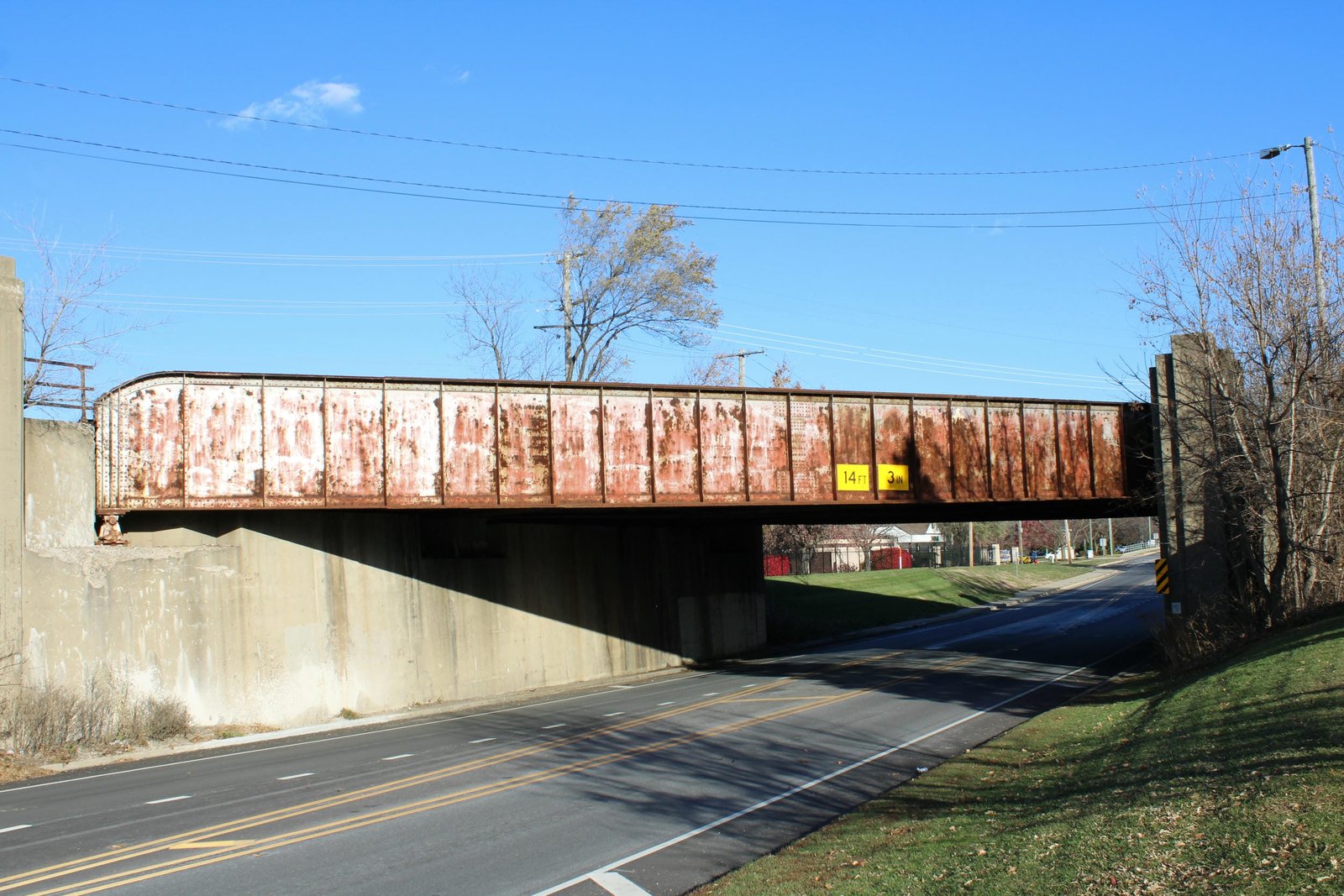
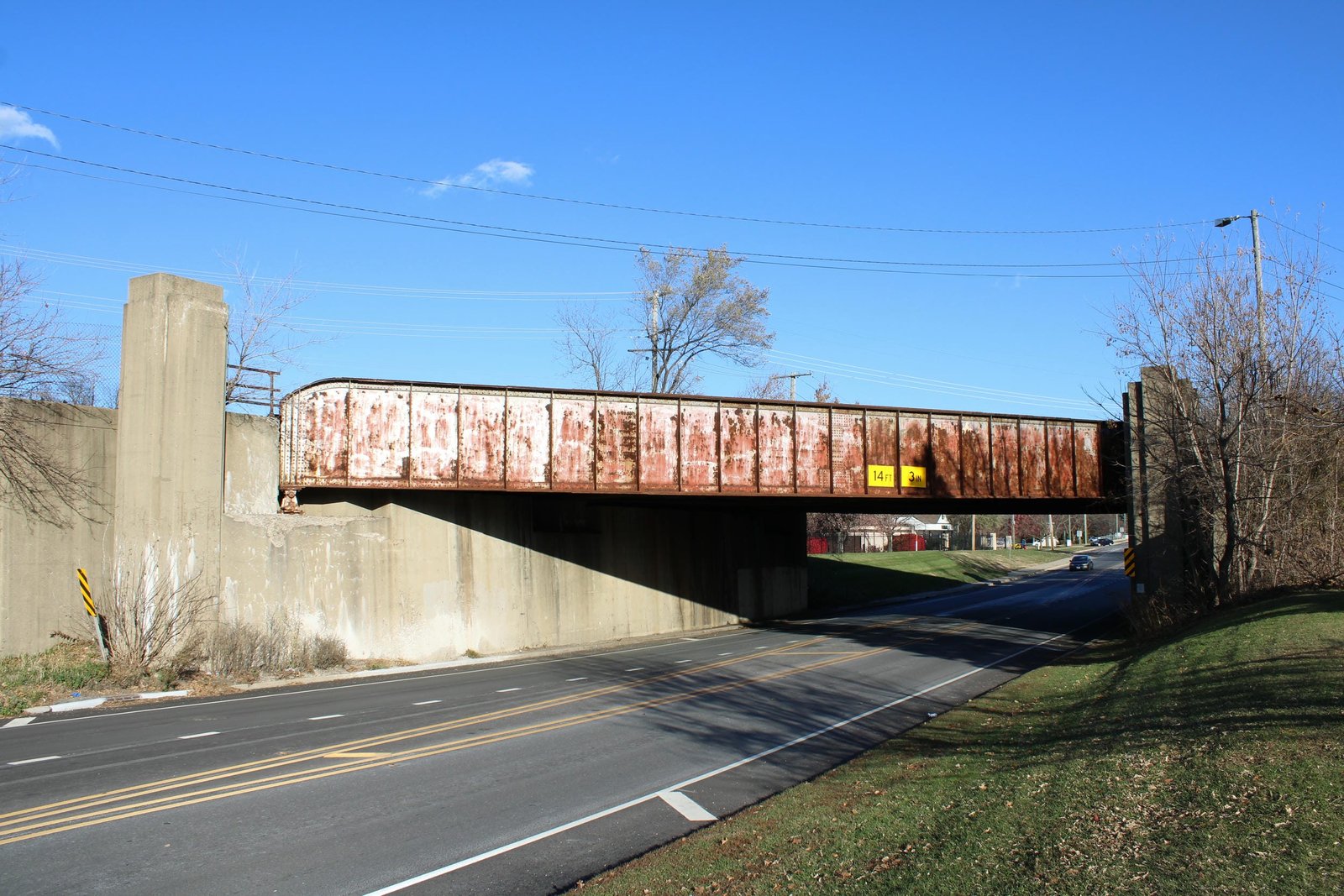
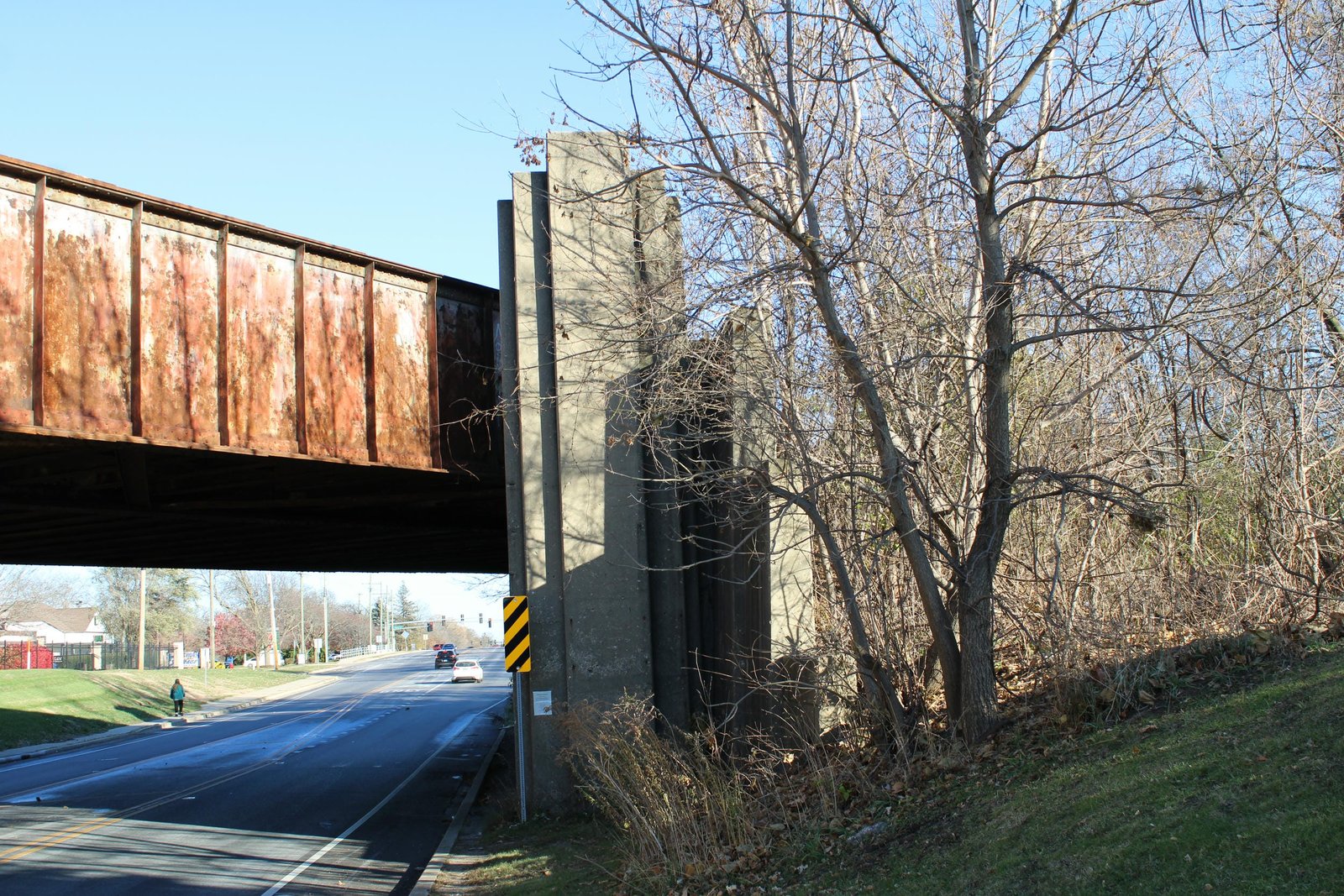
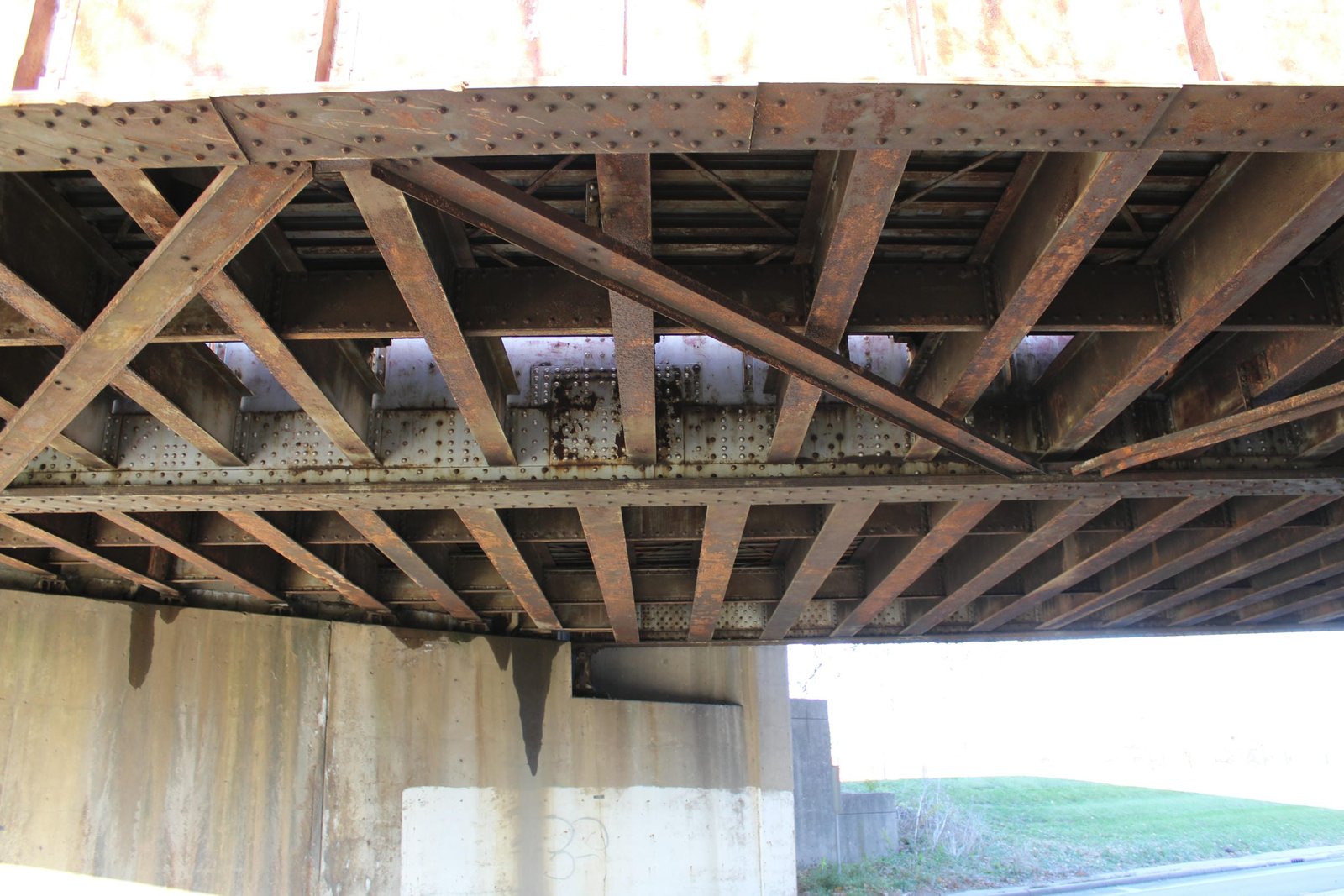
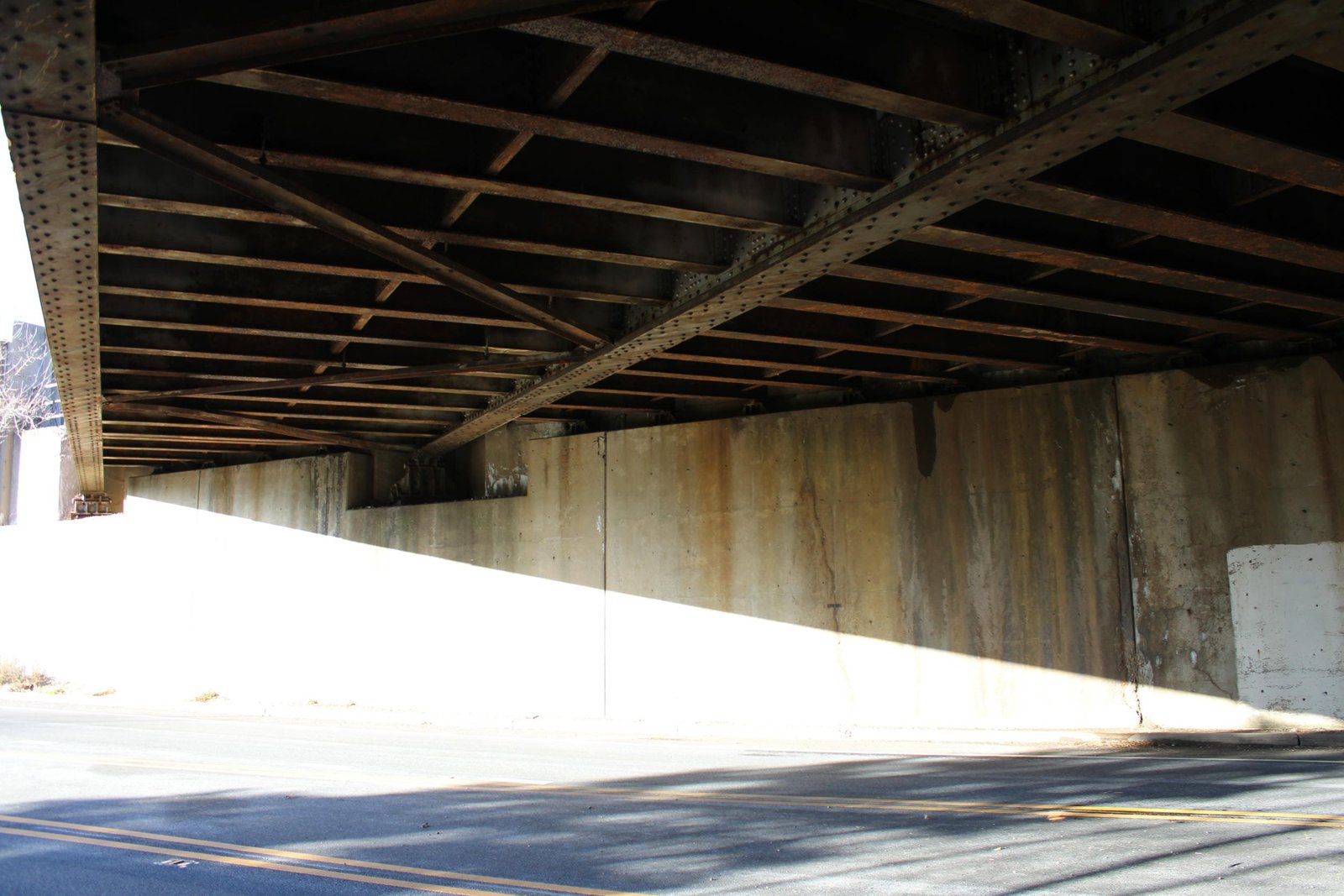
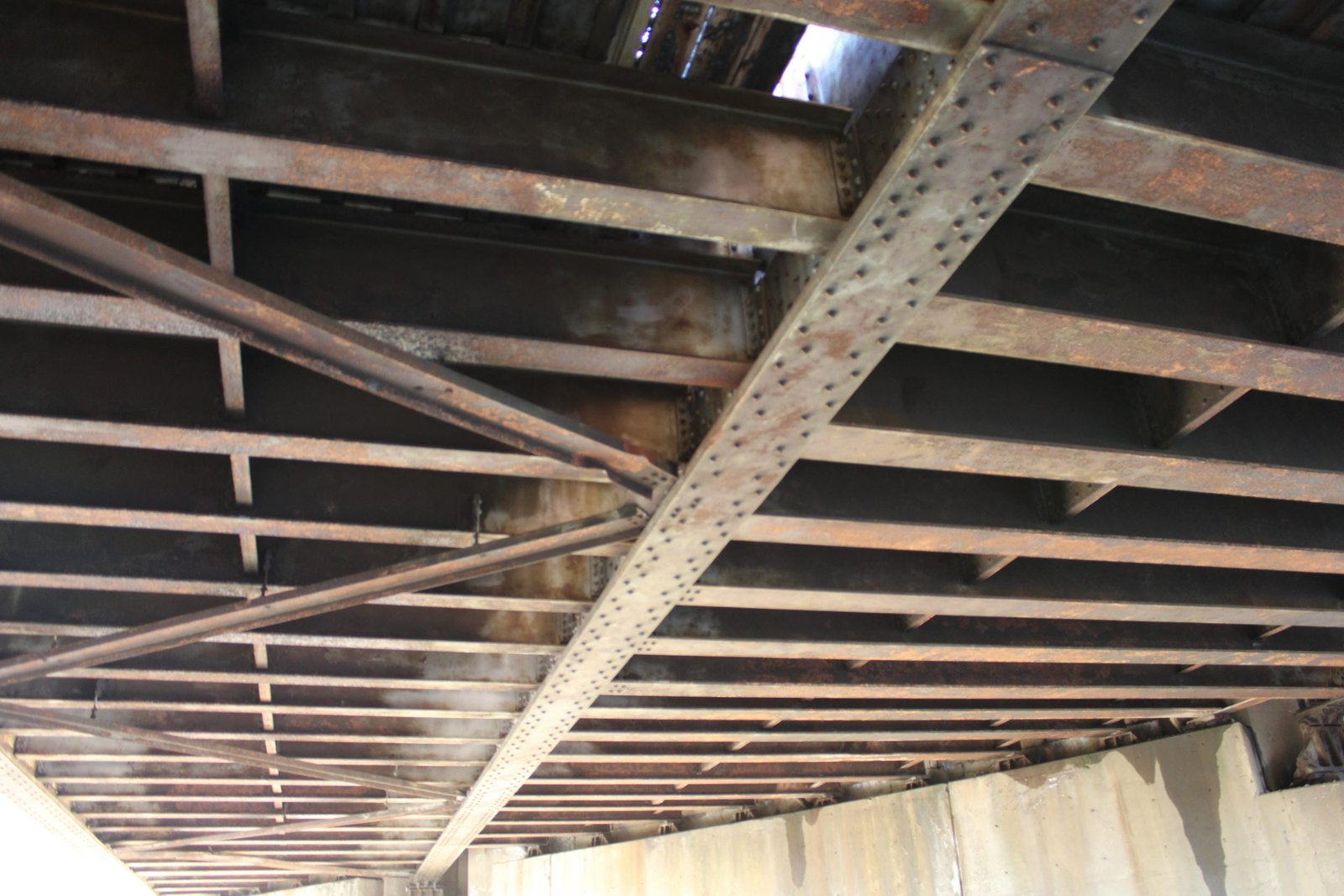
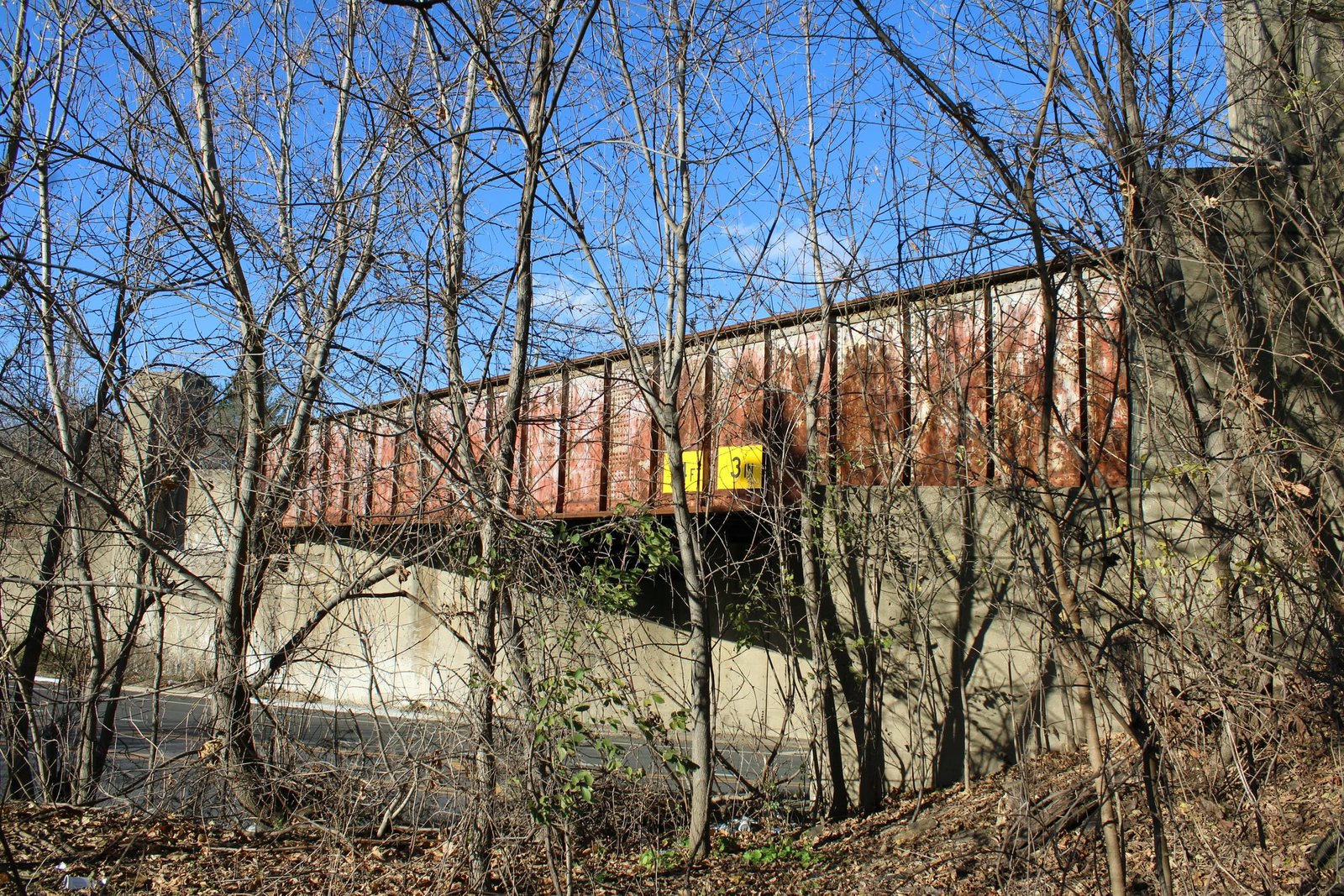
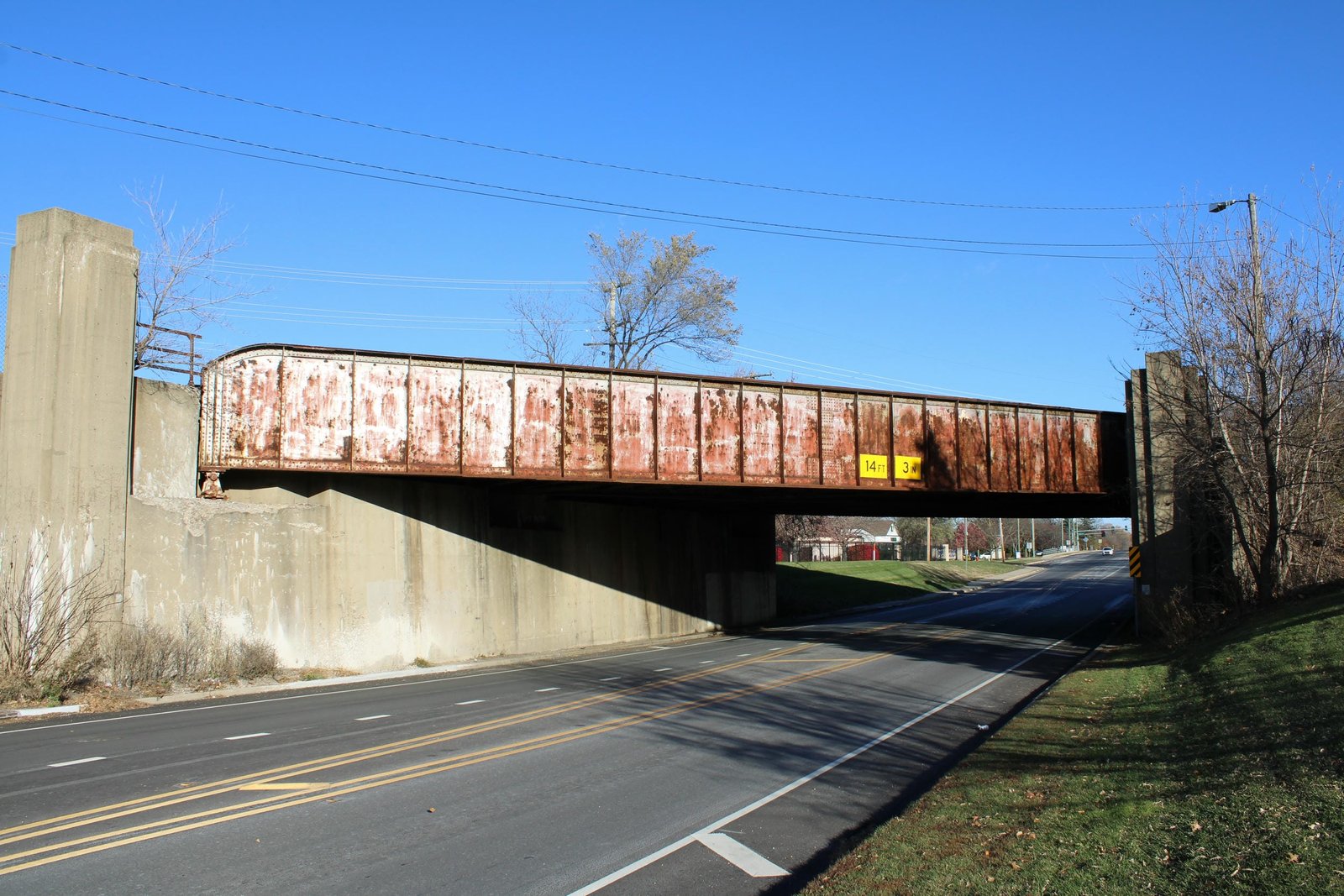
Located in Crystal Lake, this through plate girder bridge carries the former Chicago & North Western Railway over Illinois Route 176 (Terra Cotta Avenue). During the 1930s and 1940s, the Illinois Department of Public Works and Buildings (now Illinois Department of Transportation) worked with railroads throughout the state to construct grade crossings at major highways. One such project was improving Illinois Route 176 between Crystal Lake and Marengo, and constructing a new subway at the heavily used C&NW mainline on the west side of Crystal Lake. Contracts for the project were awarded in late 1939, and the present structure was constructed the following year. Currently, the bridge consists of a triple track 100-foot through plate girder span, set onto concrete abutments and running at a heavy skew. The superstructure uses a standard design for the era, with heavy girders, a ballast deck and rounded and tapered girder ends. The abutments also use a standard design, with decorative towers at all four corners. Bethlehem Steel Company fabricated the superstructure, while Superior Concrete Construction Company constructed the substructures. Through plate girder spans were popular for grade separations throughout the United States, as the design provided a durable, aesthetic and easy to construct bridge. Since the initial construction, the bridge has seen no major alterations, and remains in regular use. Overall, the bridge appears to be in fair to good condition, with no significant deterioration noted. The author has ranked the bridge as being locally significant, due to the common design.
Citations
| Builders and build date | Woodstock Daily Sentinel; November 15, 1939 |
| Railroad History Citation | ICC Valuation Information, Compiled by Richard S. Steele |