

Click the photo to view the full-size version
| Name | UP WIS-11 Bridge (Sturtevant) Chicago & North Western Railway Bridge #359 1/4 |
| Built By | Chicago & North Western Railway |
| Currently Owned By | Union Pacific Railroad |
| Superstructure Contractor | Unknown |
| Substructure Contractor | Jutton-Kelly Company of Milwaukee, Wisconsin |
| Length | 108 Feet Total, 52 Foot Main Span |
| Width | 2 Tracks, 1 In Use |
| Height Above Ground | 15 Feet (Estimated) |
| Superstructure Design | Through Plate Girder and Steel Stringer |
| Substructure Design | Concrete and Steel Bent |
| Date Built | 1942 |
| Traffic Count | 5 Trains/Day (Estimated) |
| Current Status | In Use |
| Chicago & North Western Railway Bridge Number | 359 1/4 |
| Union Pacific Railroad Bridge Number | 60.40 |
| Significance | Local Significance |
| Documentation Date | 5/20/2023 |
In the late 19th Century, Chicago grew to the prominent railroad hub in
the central United States. Chicago also served as the dividing point
between the railroads operating in the east and railroads operating in
the Midwest. The Chicago & North Western Railway (C&NW) had constructed a network of railroad lines, radiating north and west from Chicago. Until a freight bypass was constructed in 1889, all freight traffic from Wisconsin was required to enter downtown Chicago. In the early 20th Century, the C&NW invested heavily in rebuilding existing lines, opening new lines and improving operations. In 1903, subsidiary Chicago Northern Railway Company (CNR) constructed 22 miles of double track railroad between the Mayfair-Evanston freight bypass at River Junction (present day Bryn Mawr Avenue), northwards into Lake County, before turning east to reach the existing C&NW mainline at Lake Bluff, Illinois. Further double track extensions came in 1905-1906, when the Chicago & State Line Railway constructed 16 miles between Tower KO (Lake Forest) and the Wisconsin state line; and the Milwaukee & State Line Railway constructed 34 miles between the state line and St. Francis, Wisconsin; where it joined the existing C&NW mainline between Chicago and Milwaukee. Also in 1908, the C&NW constructed a short 2.3 mile double track line between St. Francis, Wisconsin and the existing C&NW mainline between Milwaukee and Madison at Chase (South Milwaukee). The two railroads were formally consolidated into the C&NW in 1909.
Another double track line was constructed beginning in 1911. Subsidiary Des Plaines Valley Railway (DPV), constructed 11 miles of railroad connecting the Proviso Yard, located east of Elmhurst, to the Wisconsin Division mainline near Des Plaines. The following year, an additional 10 miles were completed to Valley, located in present-day Northbrook. In addition, the Milwaukee, Sparta & North Western Railway (MS&NW) constructed a short 8-mile double track line between the existing C&NW mainlines at Butler, Wisconsin and West Allis, Wisconsin in 1911. It is believed that the C&NW double tracked the existing line between West Allis and Chase at this time. The MS&NW was formally merged into the merged into the C&NW in 1912, followed by the DPV in 1913. The route from St. Francis to Proviso formed a second freight bypass of Chicago, allowing freight from Wisconsin to reach the hump yard at Proviso. This cutoff became a critical portion of the C&NW network, providing a bypass of Chicago and a main way to reach the Proviso Yard from all three principal mainlines of the railroad. The line between Butler and West Allis provided a bypass of Milwaukee, improving operations in the area.
The C&NW would become a prominent railroad in the Midwest,
eventually building a system over 11,000 miles long. Portions of this route were relocated in 1954 to accommodate an expansion of O'Hare International Airport. Much of the second track between Gurnee and St. Francis would be removed in 1960. By 1968, deteriorated track conditions between Dempster Street and Valley resulted in the C&NW acquiring and operating the parallel Chicago, North Shore & Milwaukee Railway trackage. In 1988, the C&NW abandoned the tracks between Oakton Street in Skokie and River Junction. In 1995, the
C&NW would be purchased by the Union Pacific Railroad. UP abandoned the Skokie to Valley segment in 2004. Today, UP continues to operate the Milwaukee Subdivision between Proviso and Butler, and it continues to provide a critical freight route around Chicago.
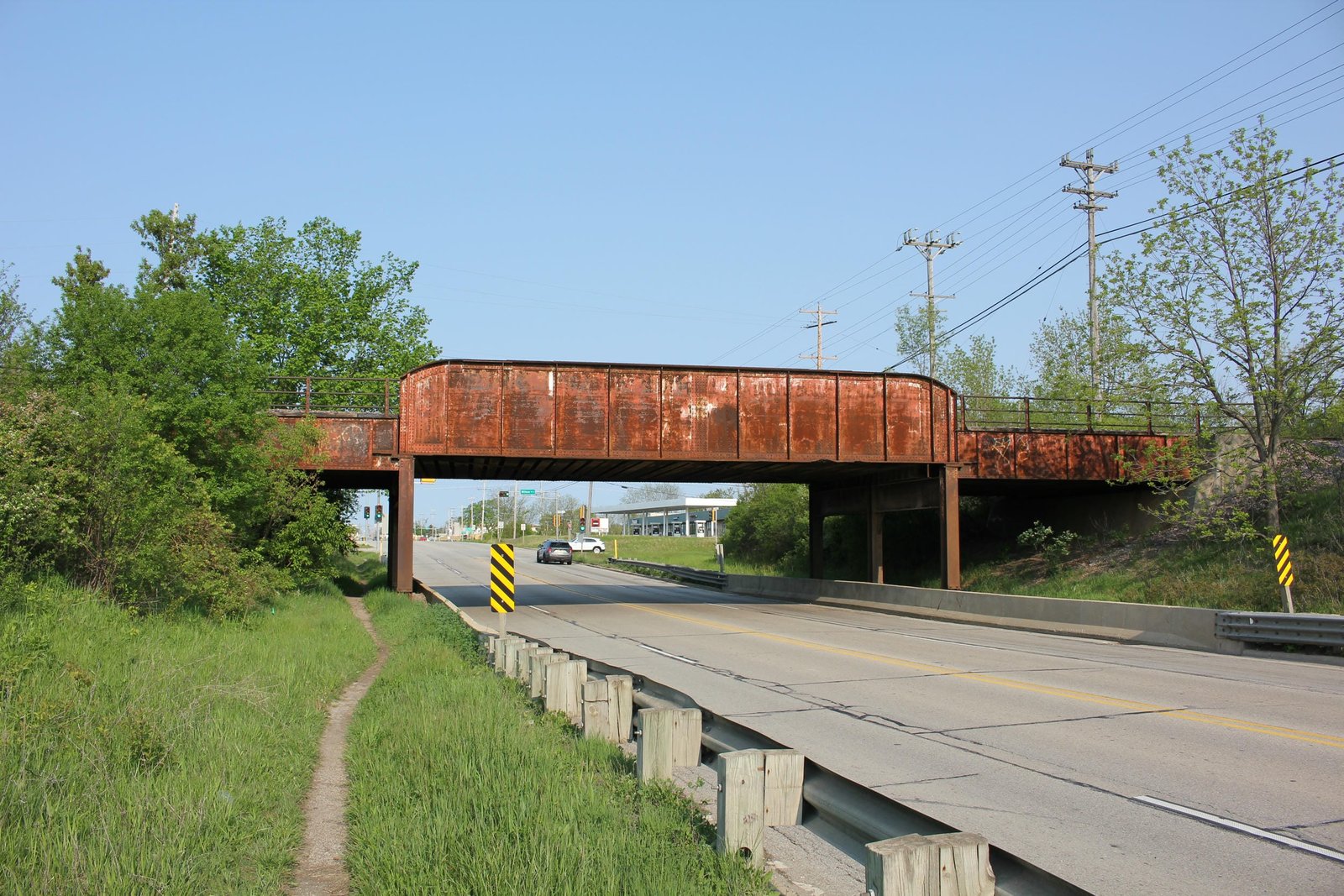
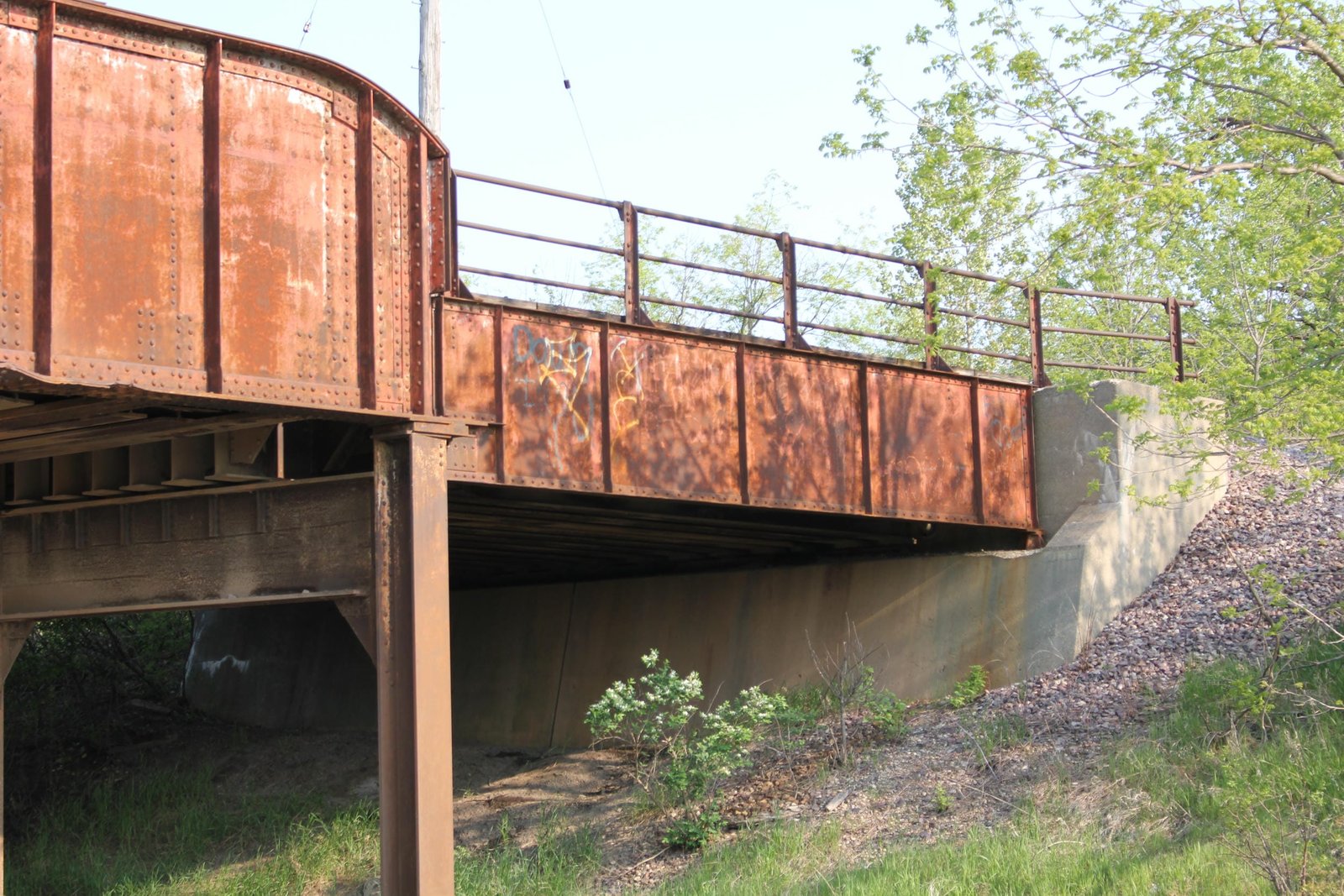
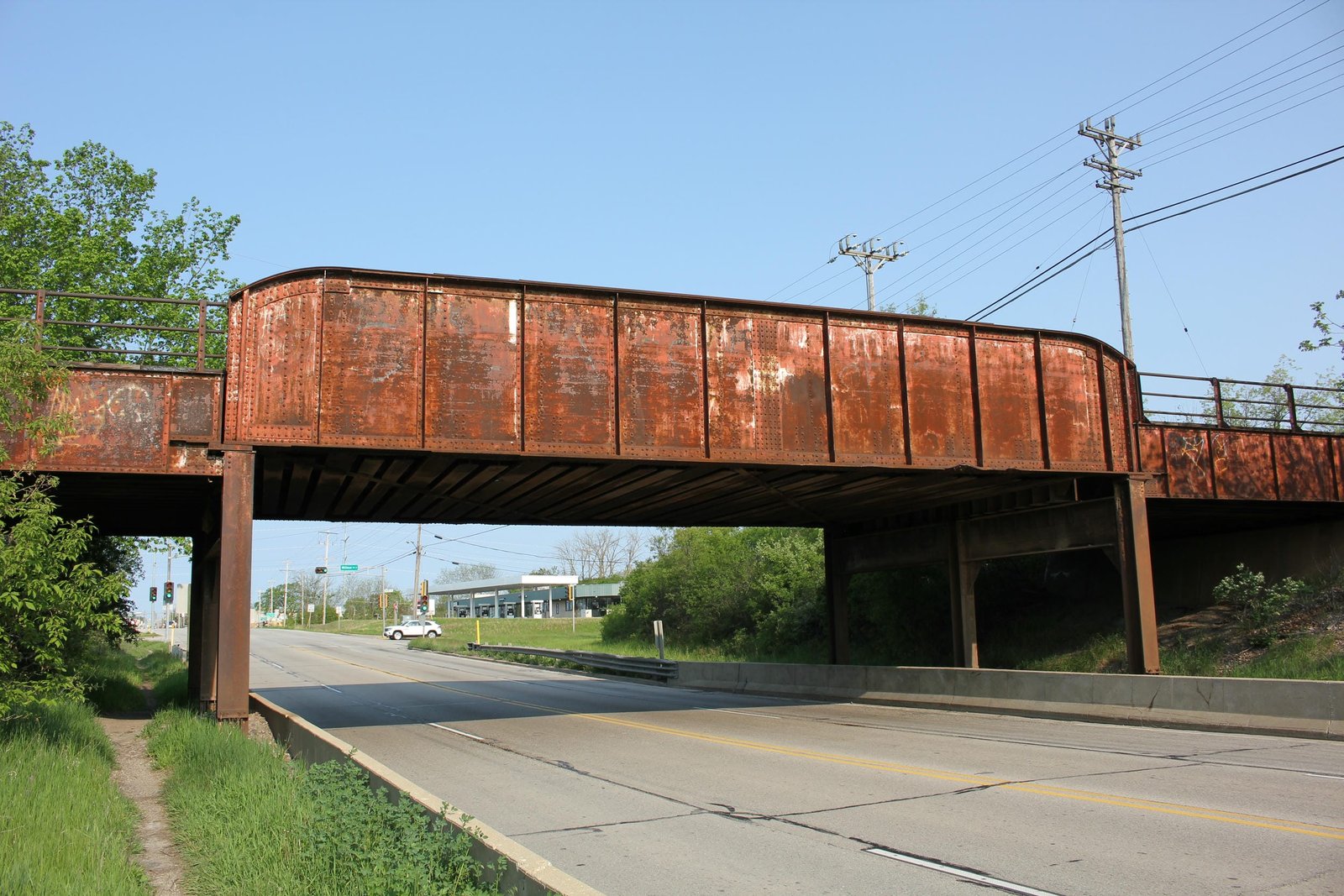
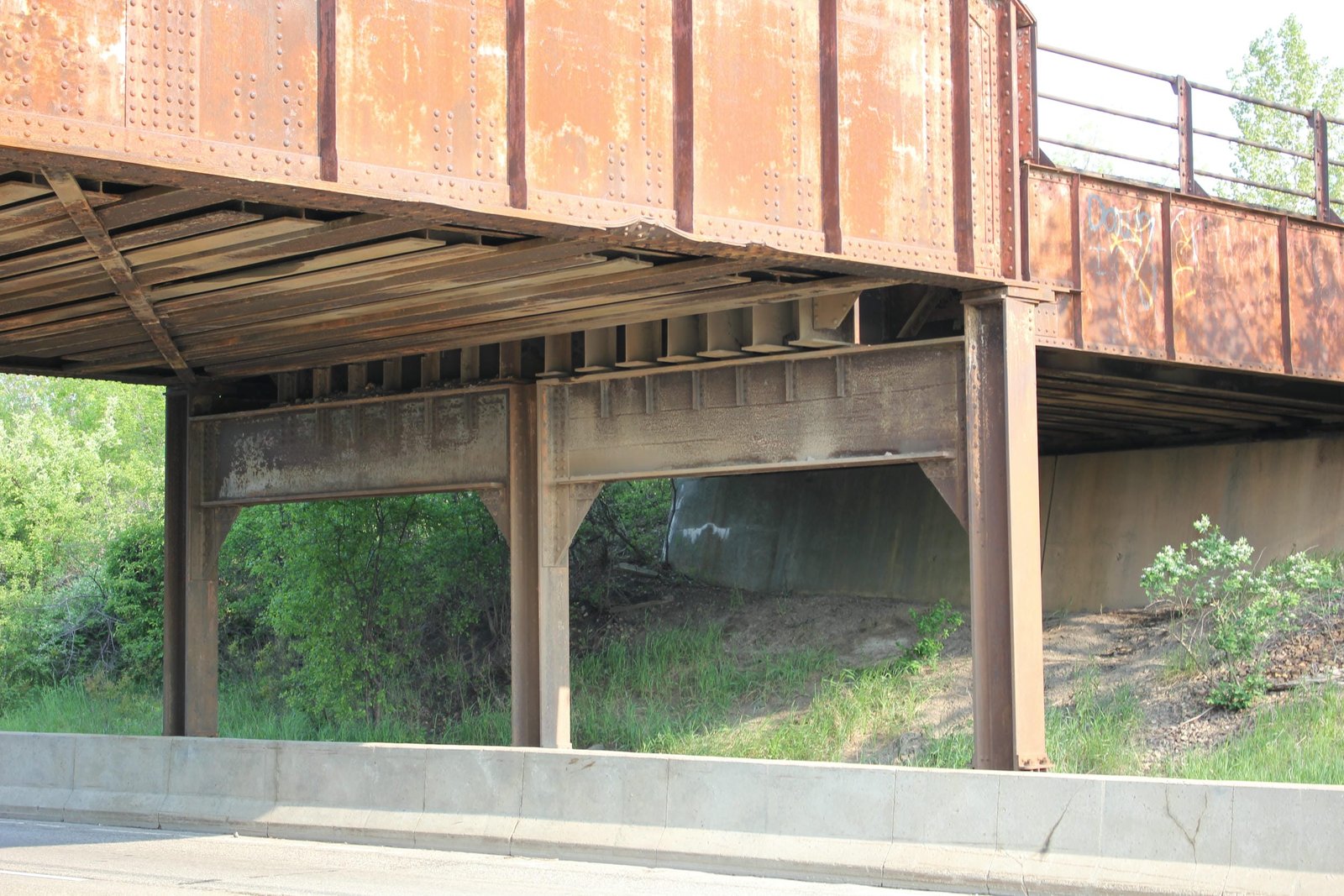
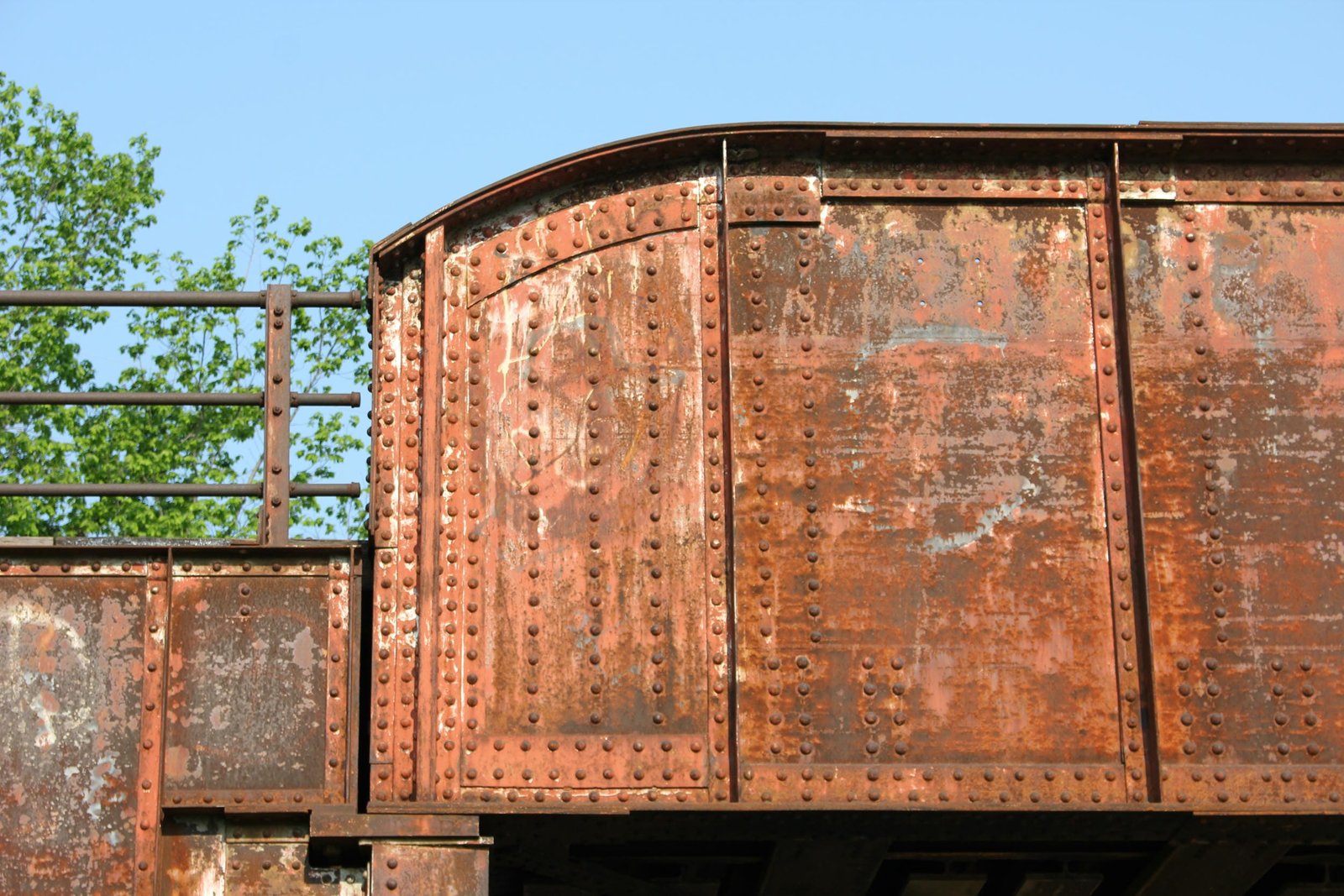
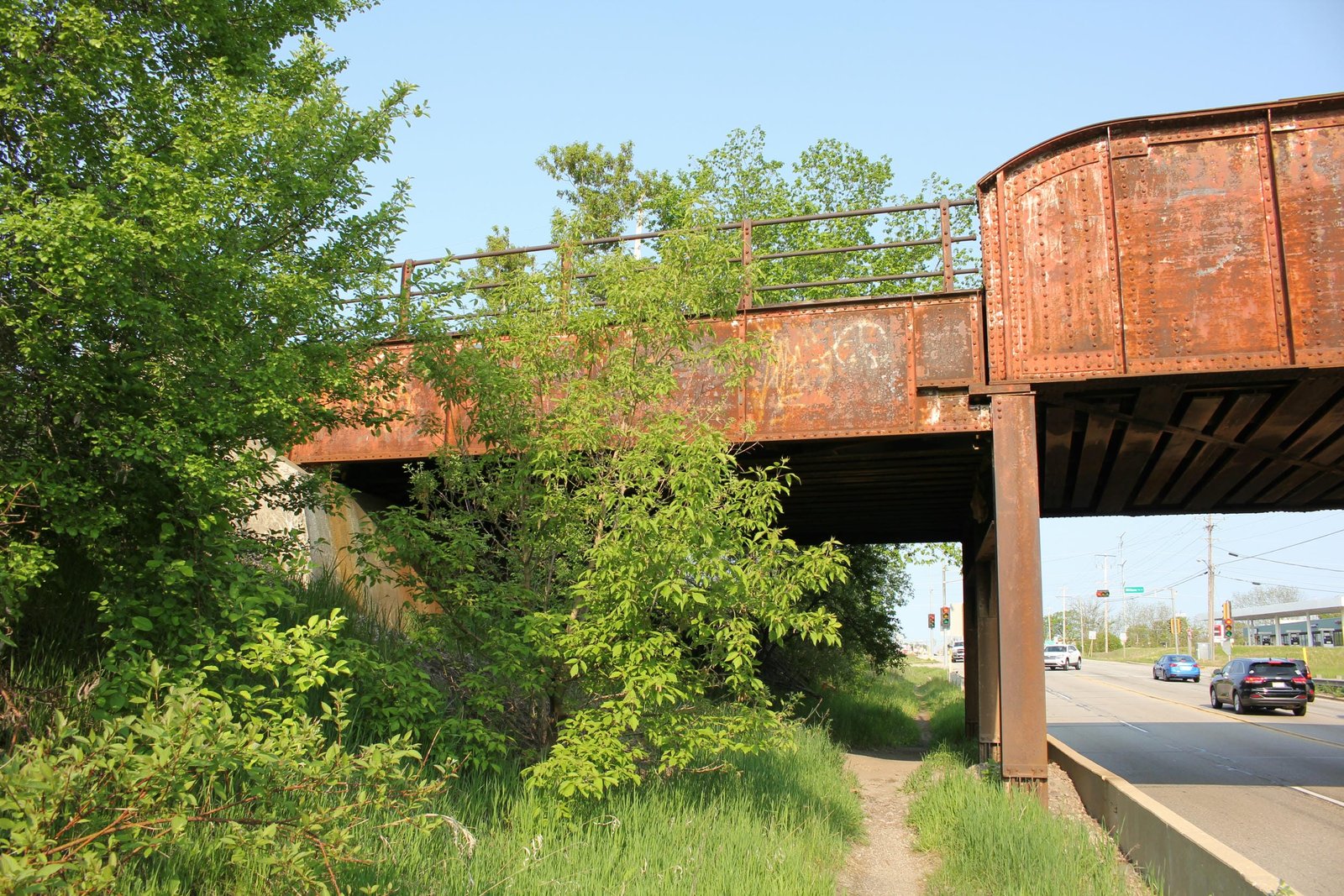
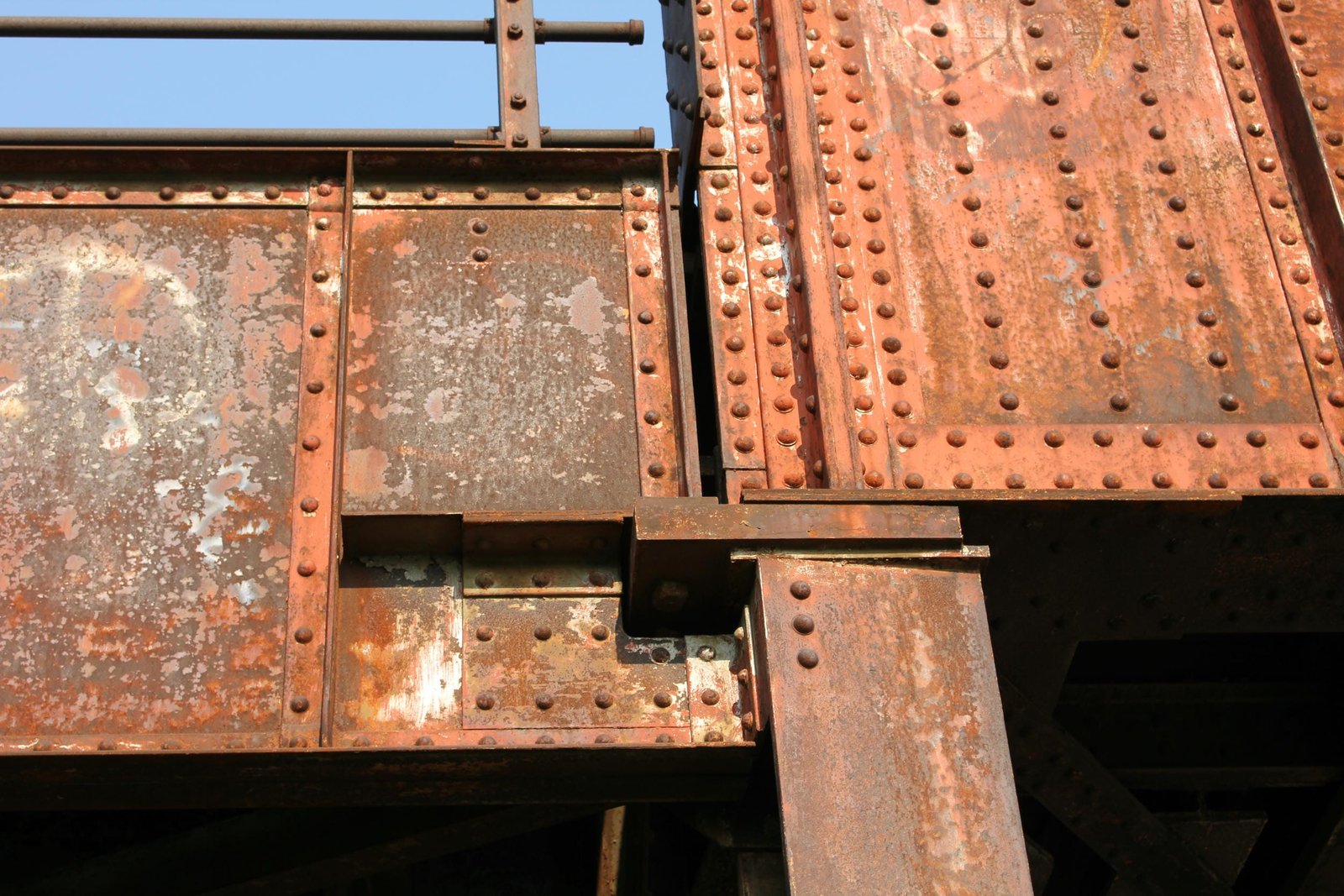
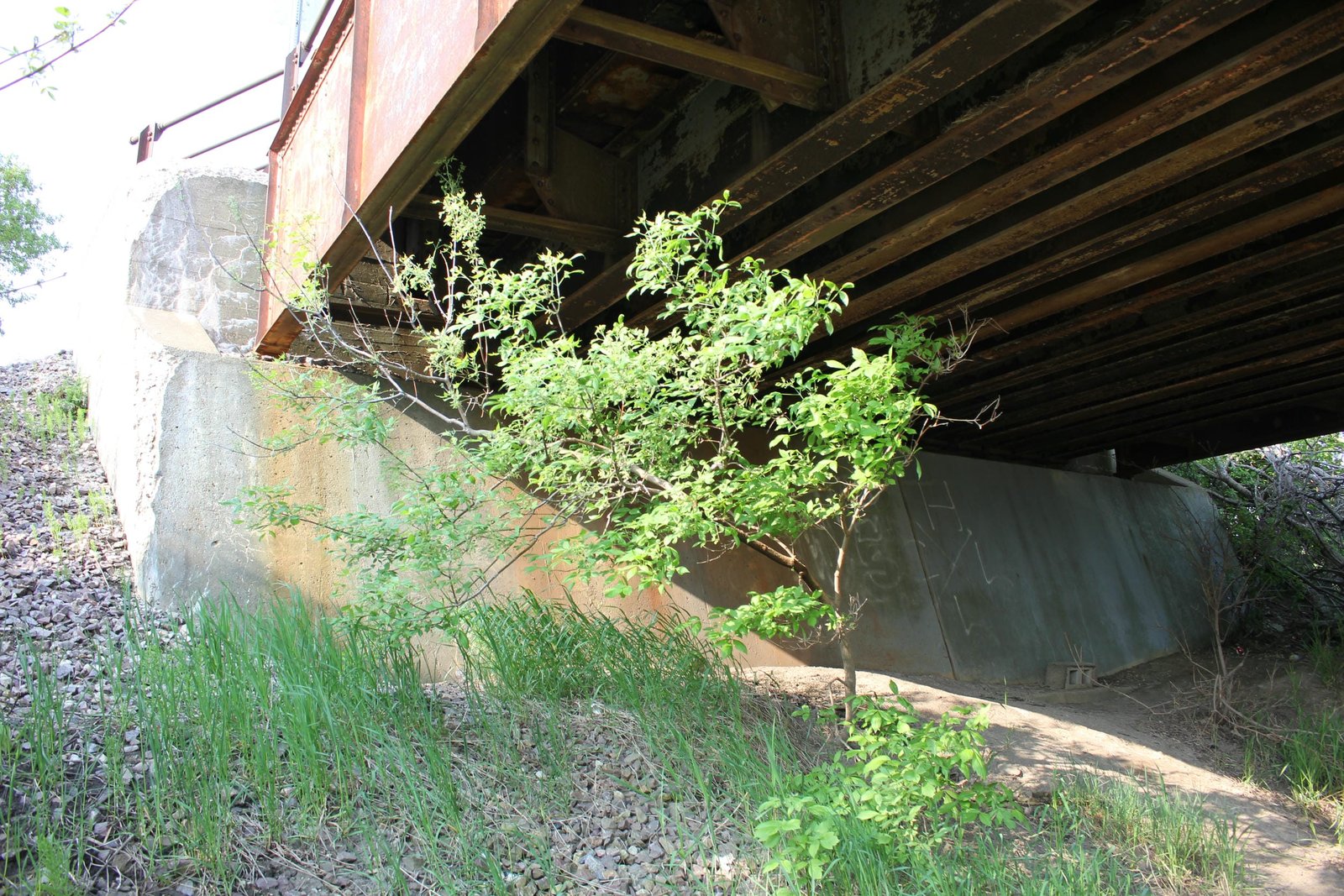
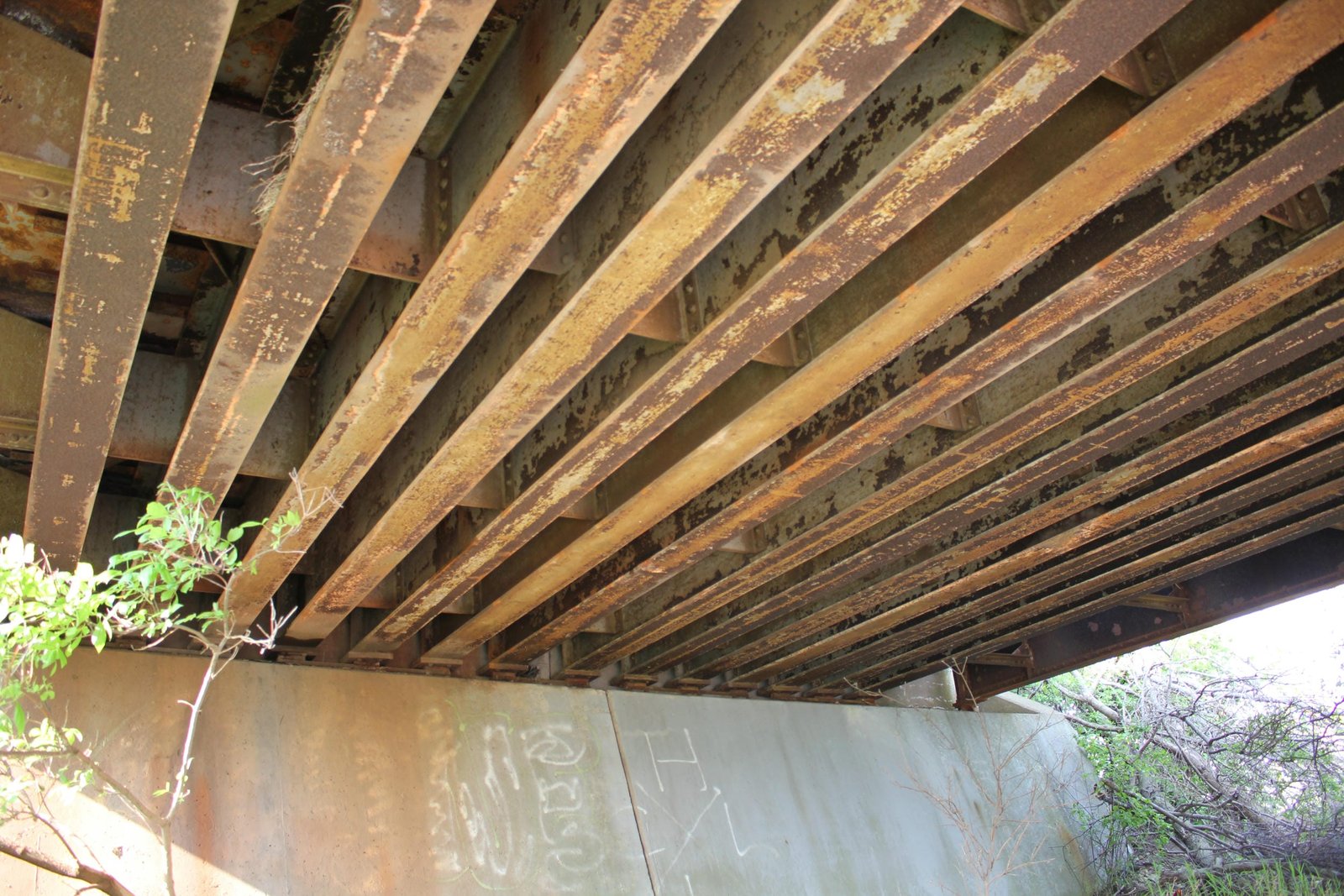
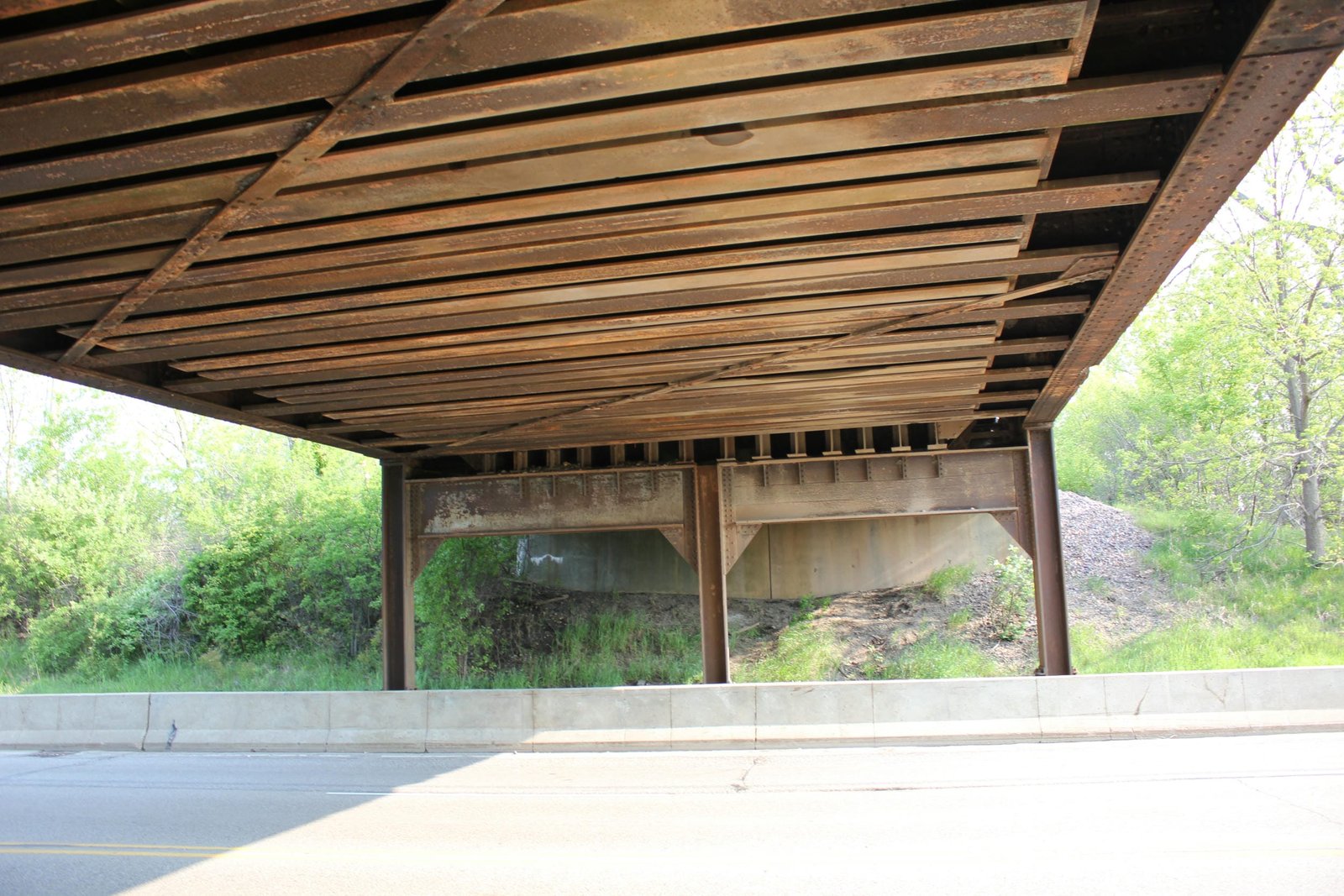
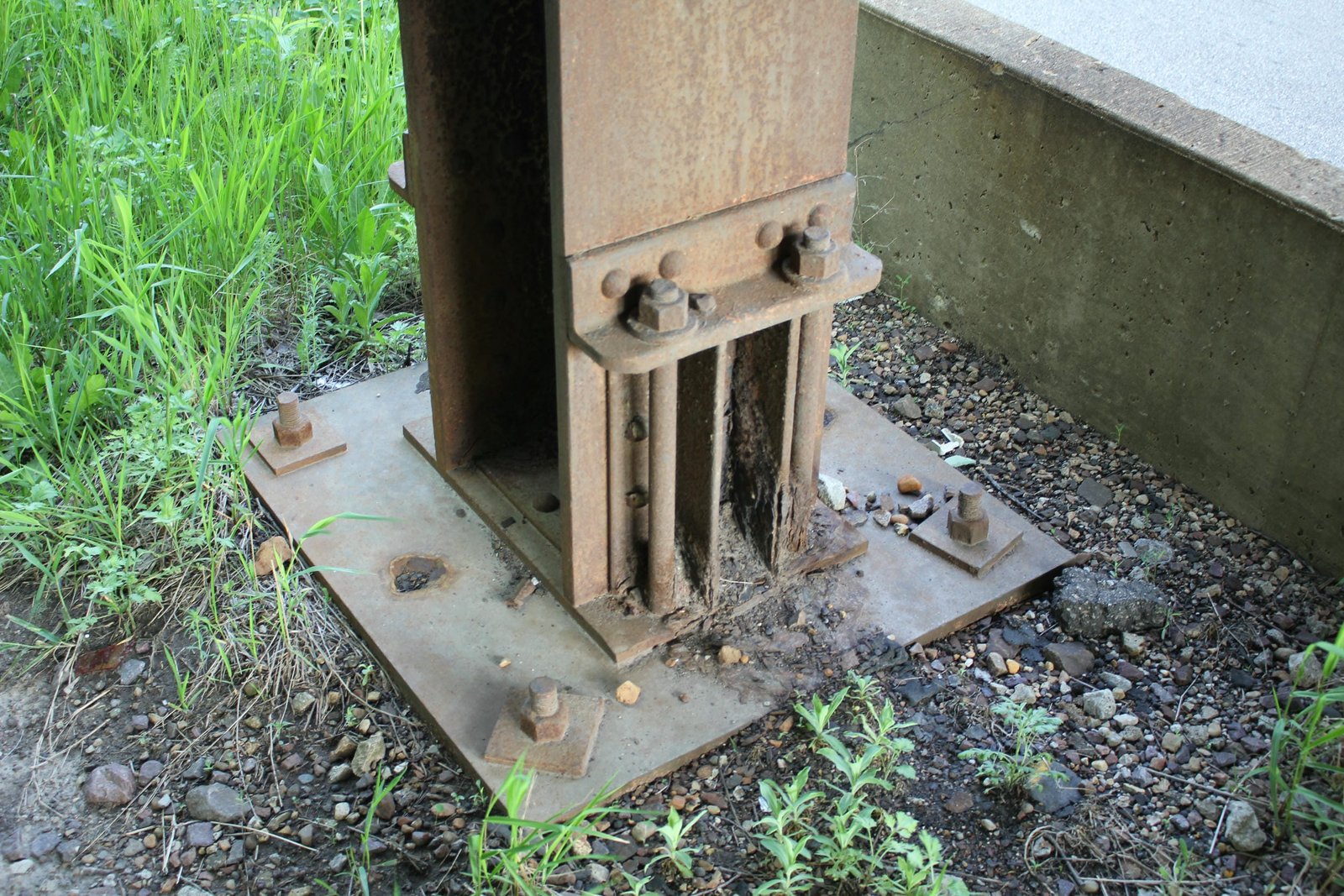
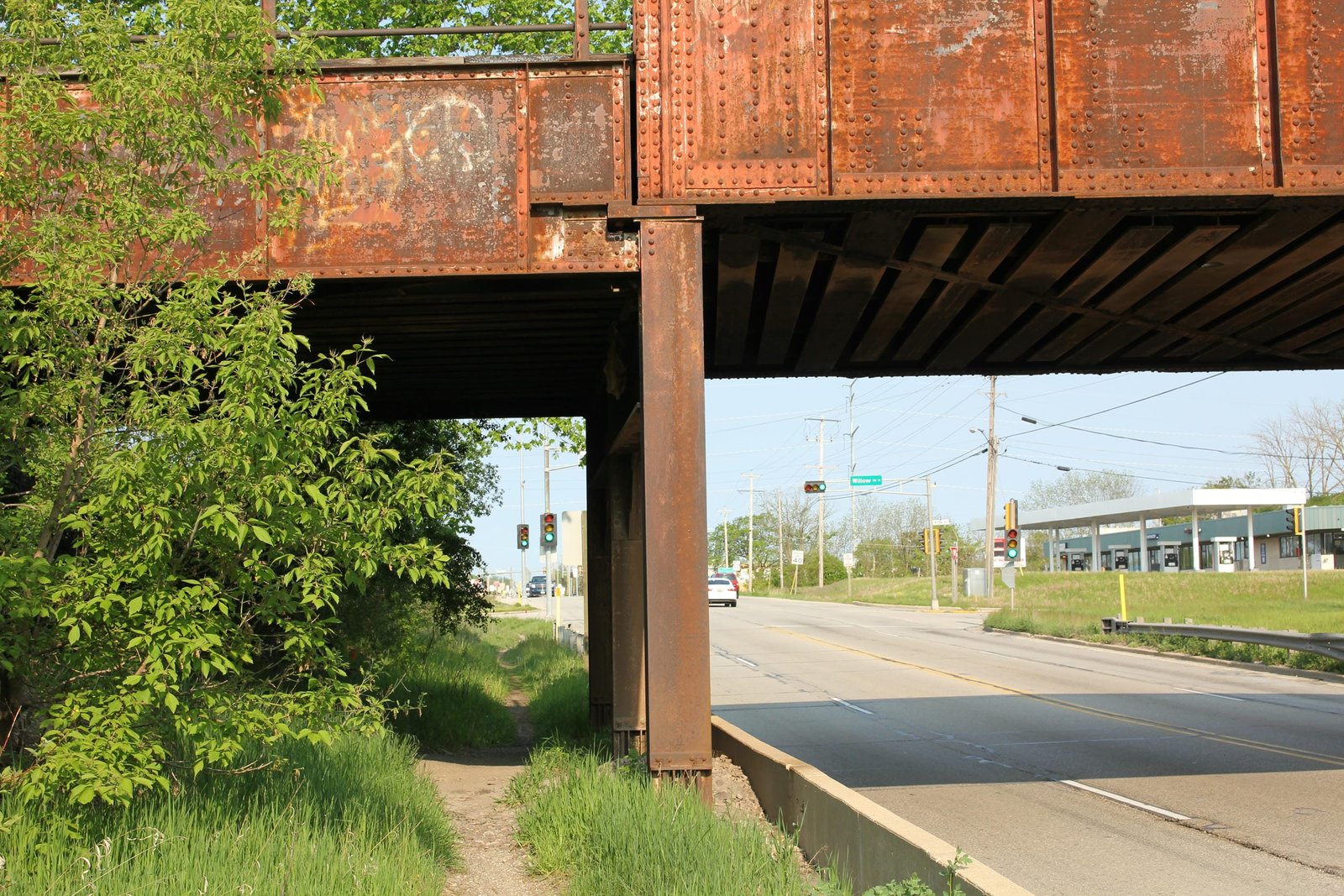
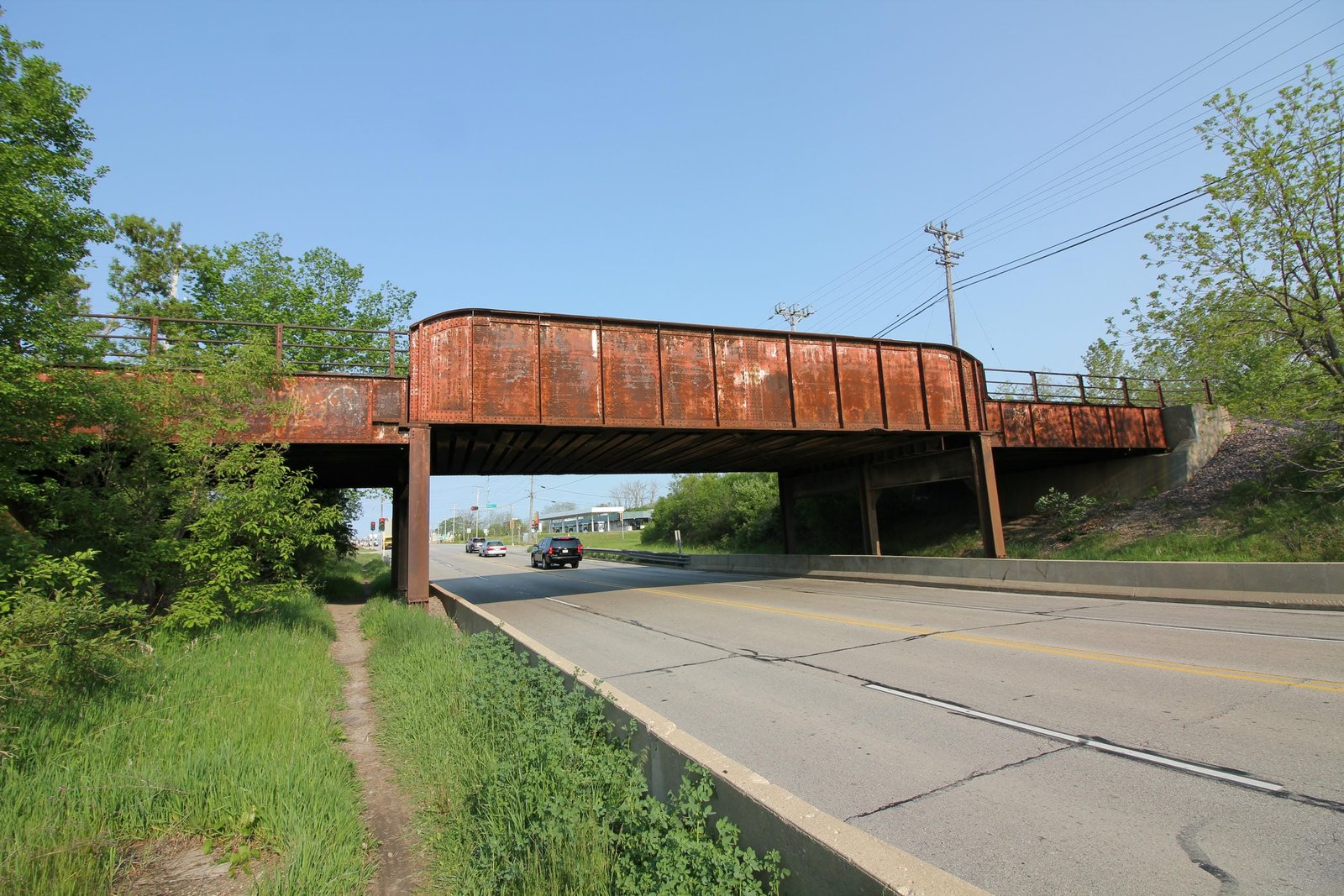
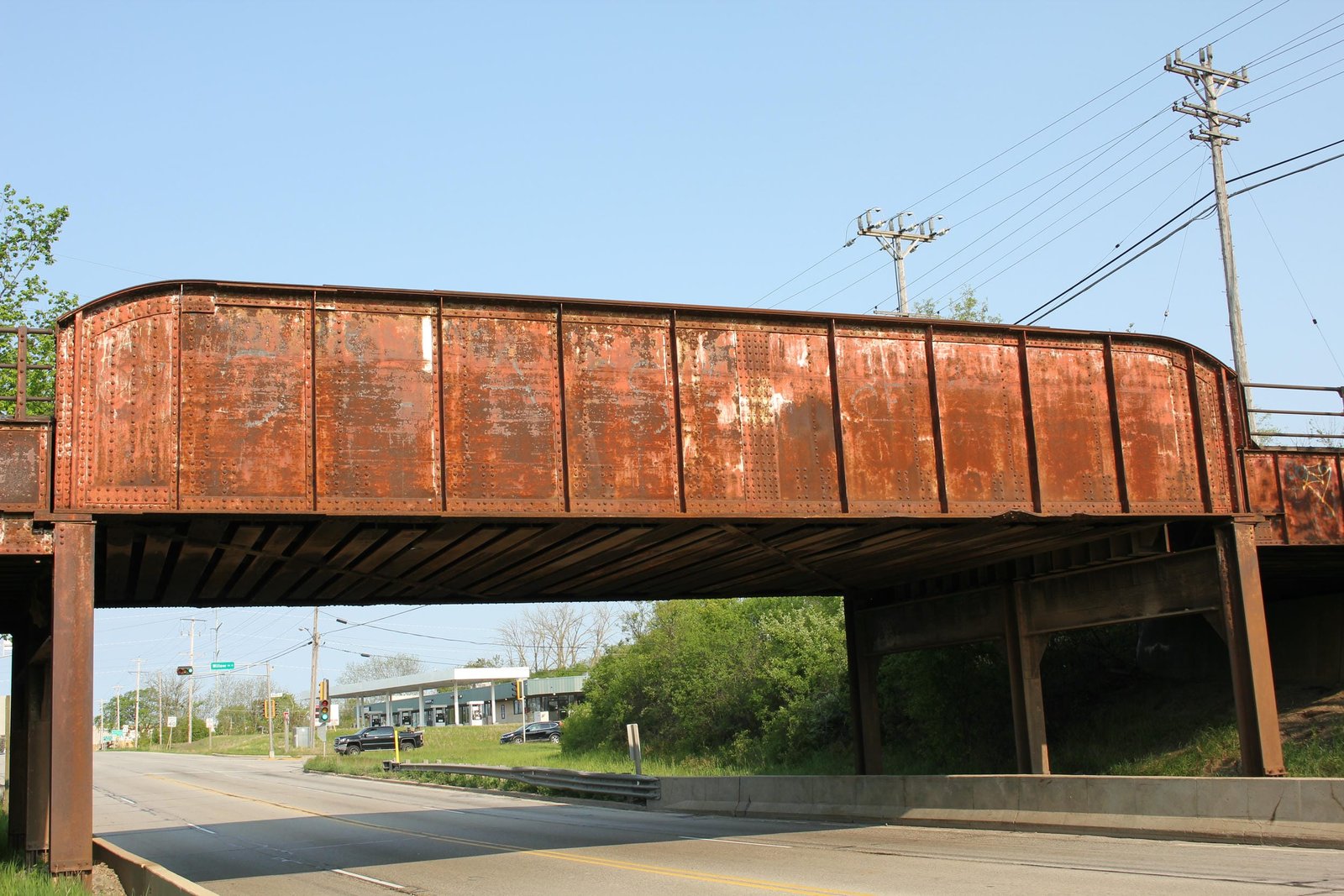
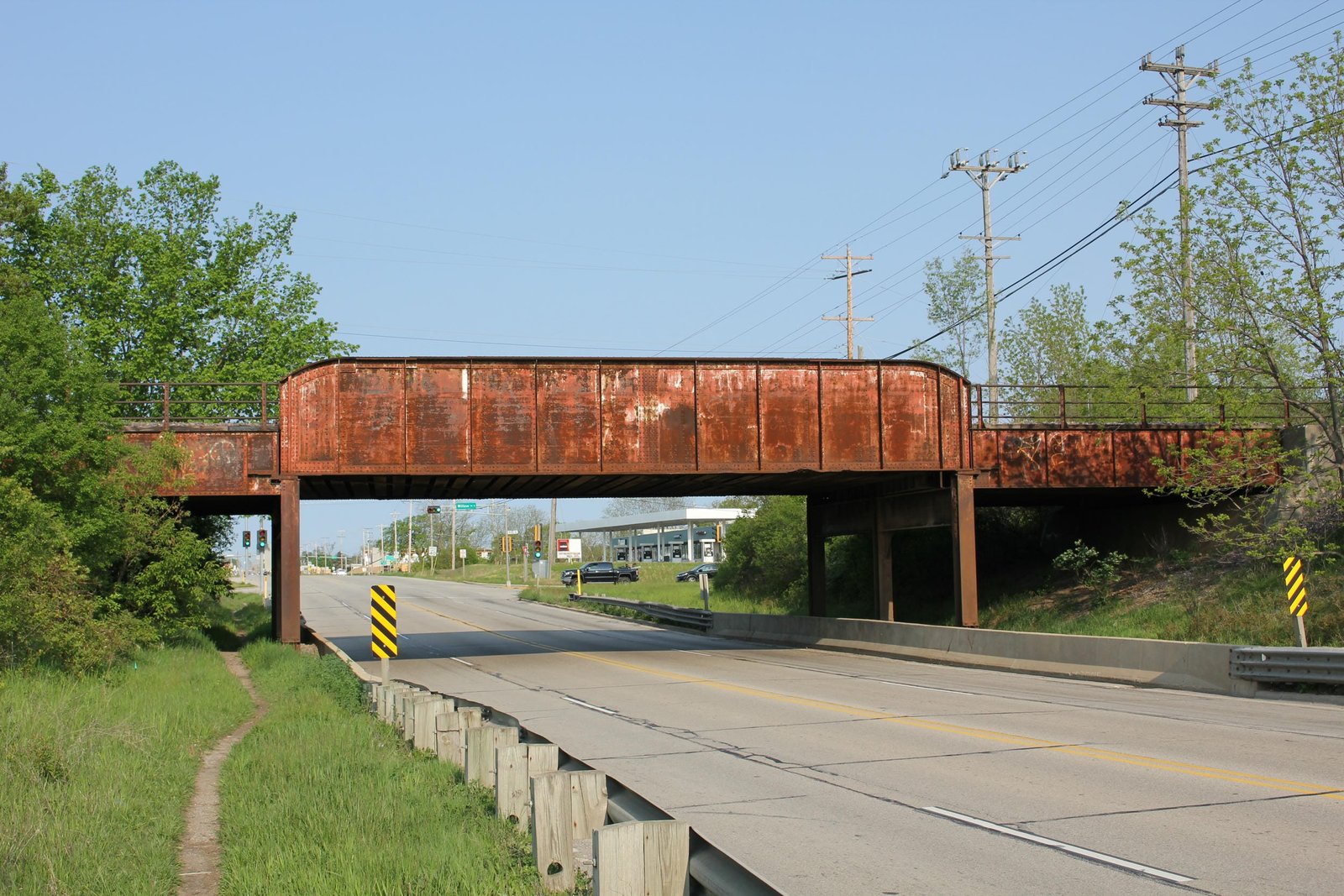
Located in Sturtevant, this through plate girder bridge carries the former Chicago & North Western Railway mainline over Wisconsin Highway 11. Between the late 1920s and early 1940s, the Wisconsin State Highway Commission worked with various railroad companies to construct grade separations at busy grade crossings. One of the selected projects was constructing a grade separation between the heavily used C&NW freight mainline at Sturtevant and Wisconsin Highway 11, a busy arterial connecting Racine with southern Wisconsin. Funding for the "Pearce Subway" was authorized in 1940, with contracts awarded in 1941. Work began on the structure in the summer of 1941, before all work was halted due to the United States entry into World War II in December 1941. After petitioning the Department of War, steel for the bridge was released in early summer 1942, and the underpass completed soon after. Currently, the bridge consists of a double track 52-foot through plate girder span, approached by a 28-foot steel stringer span on either end. The bridge is set onto concrete abutments and steel bent piers. The main span uses a typical design for the era, with heavily constructed girders, a ballast deck and rounded and tapered girder ends. The approach spans consist of numerous parallel I-beams, covered by a deeper fascia girder. The bents are simply composed with three steel columns, connected by a transverse plate girder. An unknown contractor fabricated the superstructure, while the Jutton-Kelly Company constructed the abutments. Through plate girder spans were commonly used by railroads, as they were durable and easy to construct. Since the initial construction, the bridge has seen no major alterations, and one track continues to serve railroad traffic. Overall, the bridge appears to be in fair to good condition, with no major defects noted. The author has ranked this bridge as being locally significant, due to the common design.
Citations
| Builder and build date | The Racine Journal-Times; July 15, 1942 |
| Railroad History Citation | ICC Valuation Information, Compiled by Richard S. Steele |