

Click the photo to view the full-size version
| Name | Graceland Railroad Crossing Chicago & North Western Railway Bridge #2407 |
| Built By | Milwaukee, Sparta & North Western Railway |
| Currently Owned By | Union Pacific Railroad |
| Superstructure Contractor | Pennsylvania Steel Company of Steelton, Pennsylvania |
| Substructure Contractor | Cleary-White Construction Company of Chicago, Illinois |
| Length | 170 Feet Total |
| Width | 2 Tracks, 1 In Use |
| Height Above Ground | 25 Feet (Estimated) |
| Superstructure Design | Quadrangular Lattice Through Truss |
| Substructure Design | Concrete |
| Date Built | 1911 |
| Traffic Count | 1 Train/Day (Estimated) |
| Current Status | In Use |
| Chicago & North Western Railway Bridge Number | 2407 |
| Union Pacific Railroad Bridge Number | 100.52 |
| Significance | Moderate Significance |
| Documentation Date | 2/11/2023 |
In 1884, the Princeton & Western Railway (P&W) constructed a 13 mile branch from the existing Chicago, St. Paul, Minneapolis & Omaha Railway (Omaha Road) at Wyeville, Wisconsin to Necedah, Wisconsin. The railroad soon came under lease of the Chicago & North Western Railway (C&NW). During the early 20th Century, the C&NW began a program of improvements, constructing new cutoffs and significantly increasingly efficiency over the system, particularly in Wisconsin and northern Illinois. In 1910, the Milwaukee, Sparta & North Western Railway (MS&NW), a subsidiary of the C&NW, began construction a new cutoff across central Wisconsin. In 1912, the MS&NW completed 23 miles between Sparta, Wisconsin and Wyeville, Wisconsin; as well as 133 miles between Necedah and Wiscona, a railroad junction on the north side of Milwaukee. The P&W was sold to the MS&NW in 1912, which was promptly consolidated into the C&NW. This line provided a better connection for the C&NW through Wisconsin, and avoided the steep grades of the previous mainline from Sparta to Madison. The line also improved the C&NW connection to the Twin Cities of Minneapolis and St. Paul by way of the C&NW controlled Omaha Road. The line between Butler, Wisconsin and Clyman Junction, Wisconsin would be double tracked; while the remainder between Clyman Junction and Wyeville was built wide enough for a second track, but no second track was installed.
By the 1920s, the C&NW was operating an expansive railroad network throughout the Midwest, radiating north and west from Chicago. This line served as one of the principal mainlines of the railroad, connecting Milwaukee to the Twin Cities. In 1959, much of the second track between Butler and Clyman Junction was removed as operations over the line no longer warranted a second track. The line remained largely unchanged until March 1973, when a tunnel collapsed at Tunnel City, Wisconsin. This led to the line being abandoned west of Tunnel City, and a new connection track being constructed to the Chicago, Milwaukee, St. Paul & Pacific Railroad (Milwaukee Road) mainline, which the C&NW would use to reach Winona, Minnesota. In 1995, the C&NW was purchased by the Union Pacific Railroad, the current owner of this line. Today, UP operates the Wyeville Subdivision between Wyeville and Adams, Wisconsin; the Adams Subdivision between Adams and Wiscona; and the Winona Subdivision between Wyeville and Tunnel City. The segment between Tunnel City and Sparta remains abandoned, although much of the infrastructure remains intact.
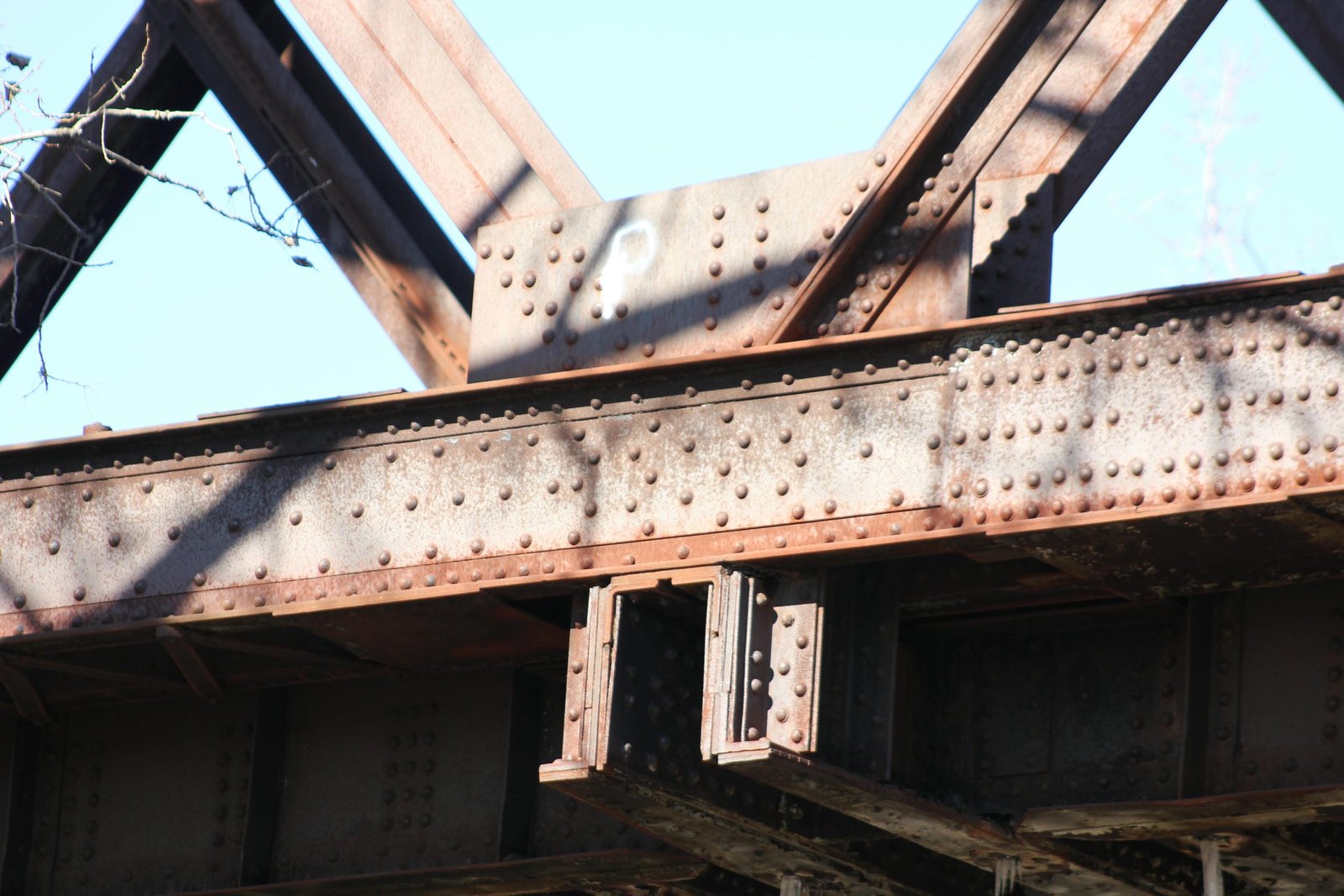
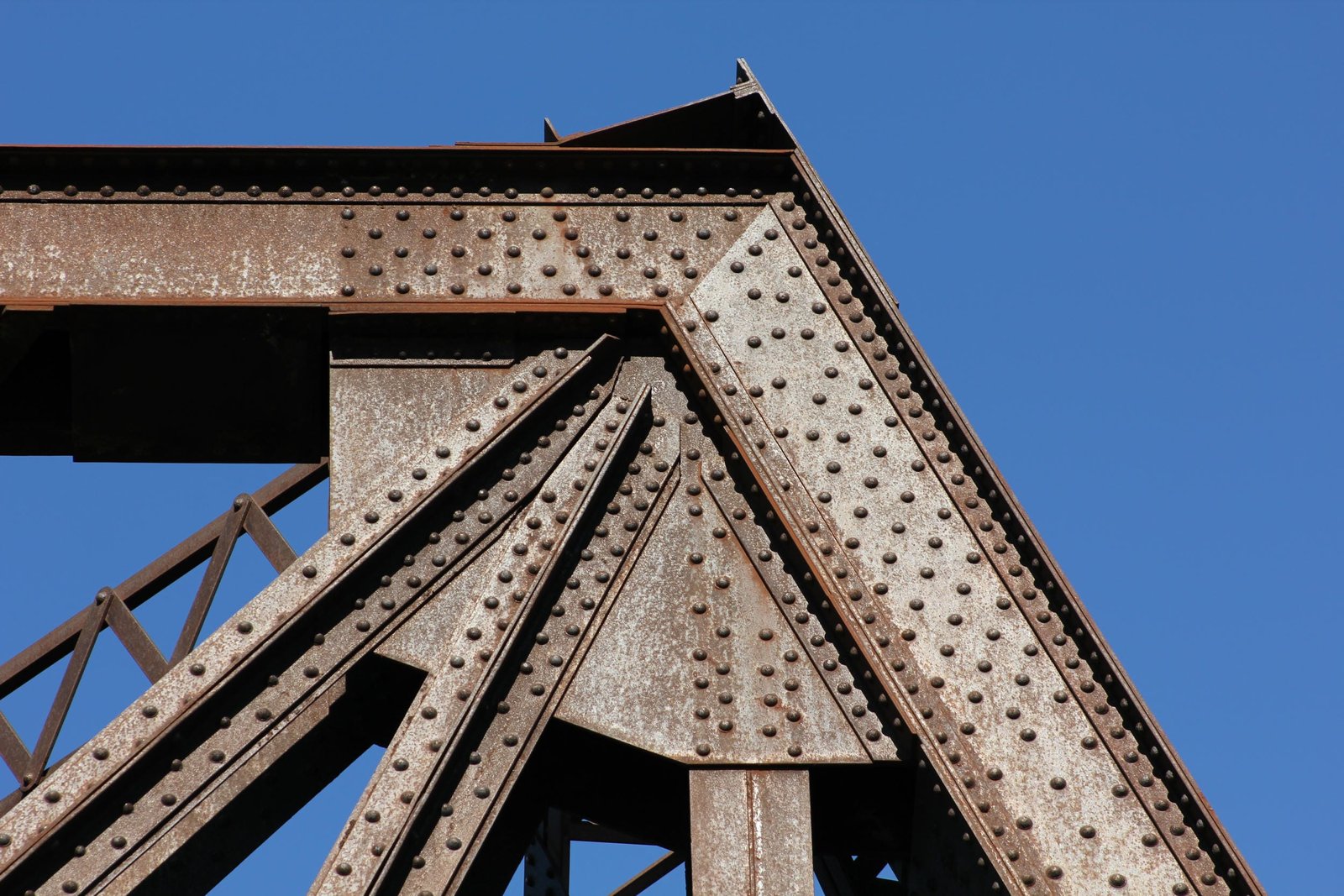
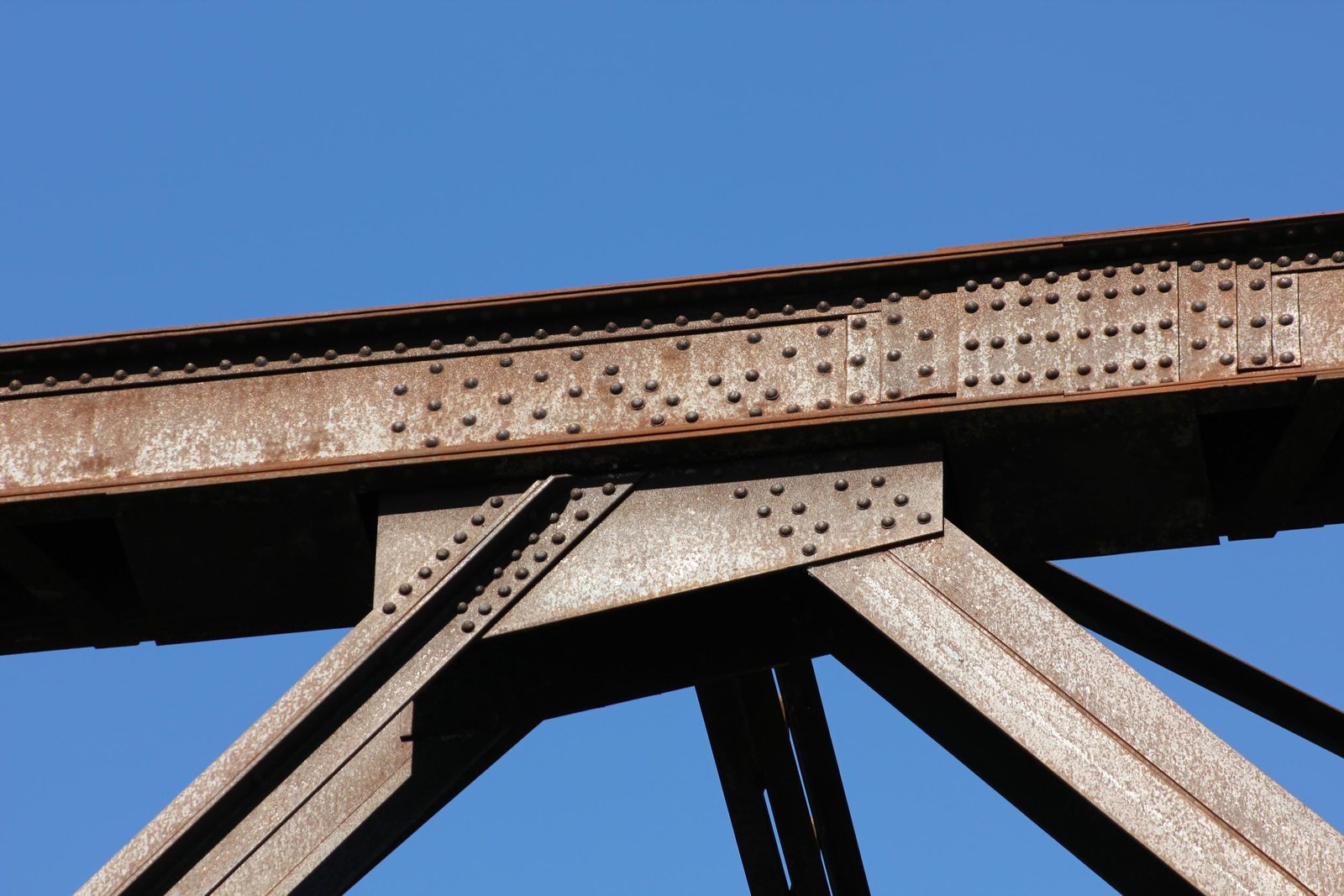
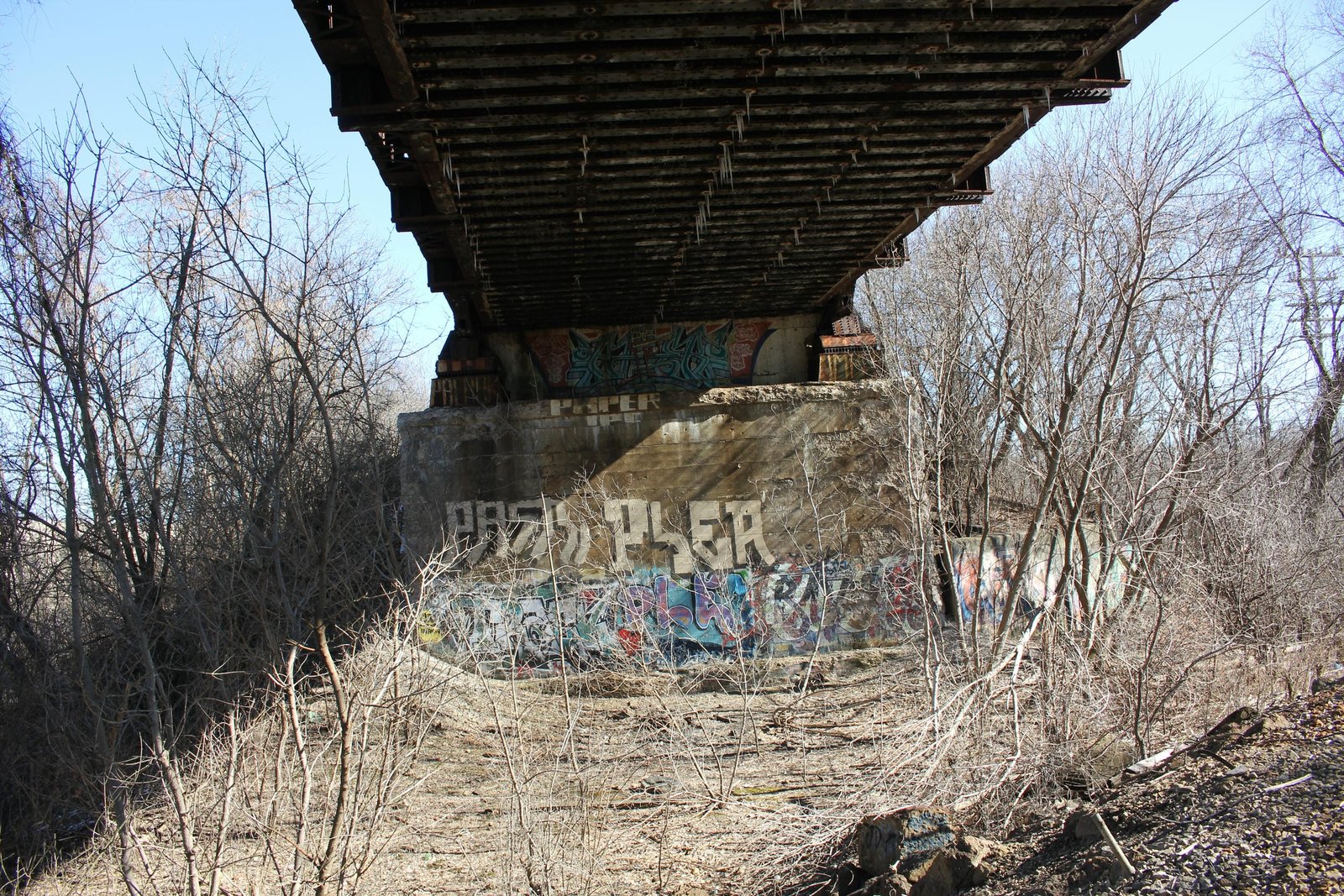
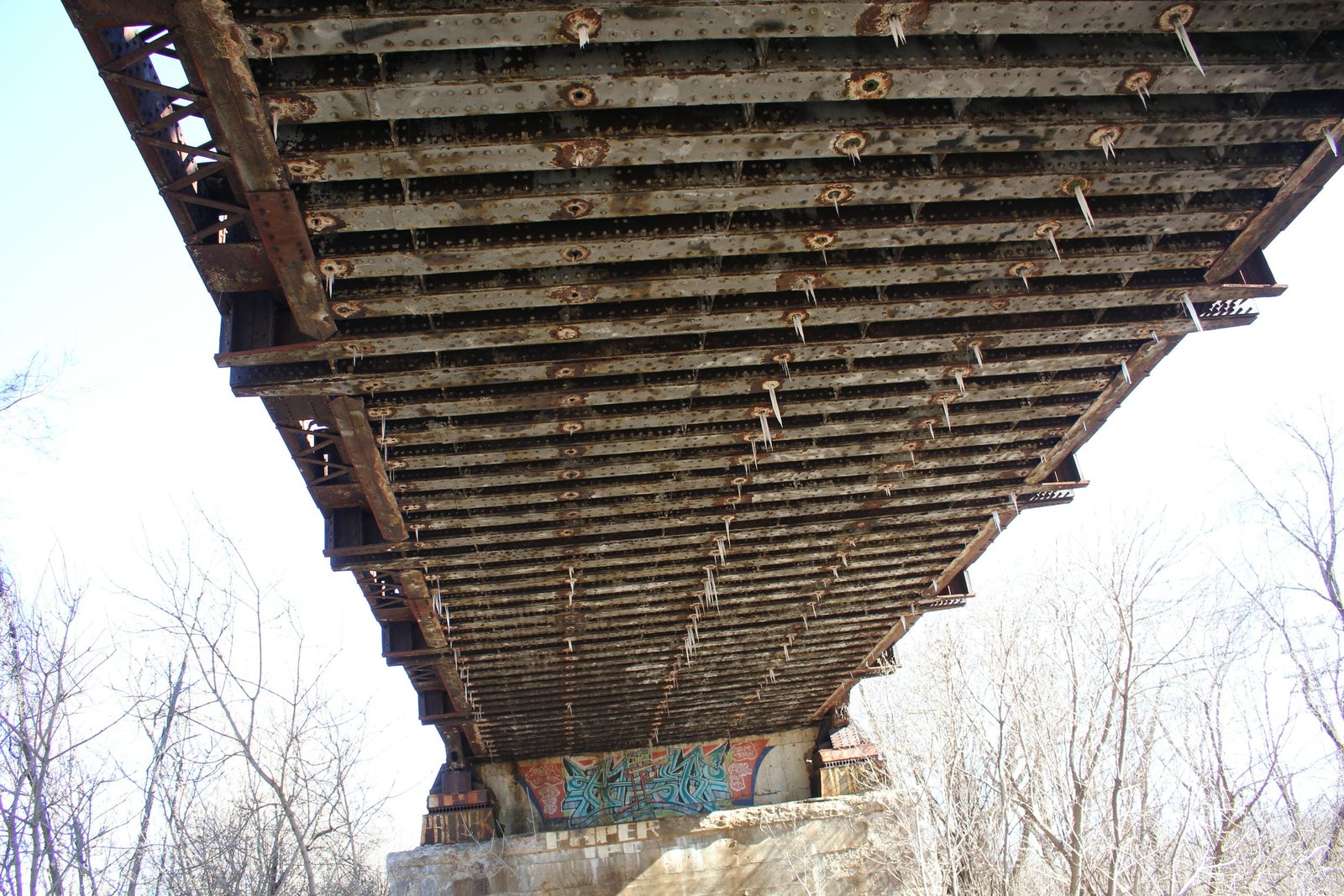
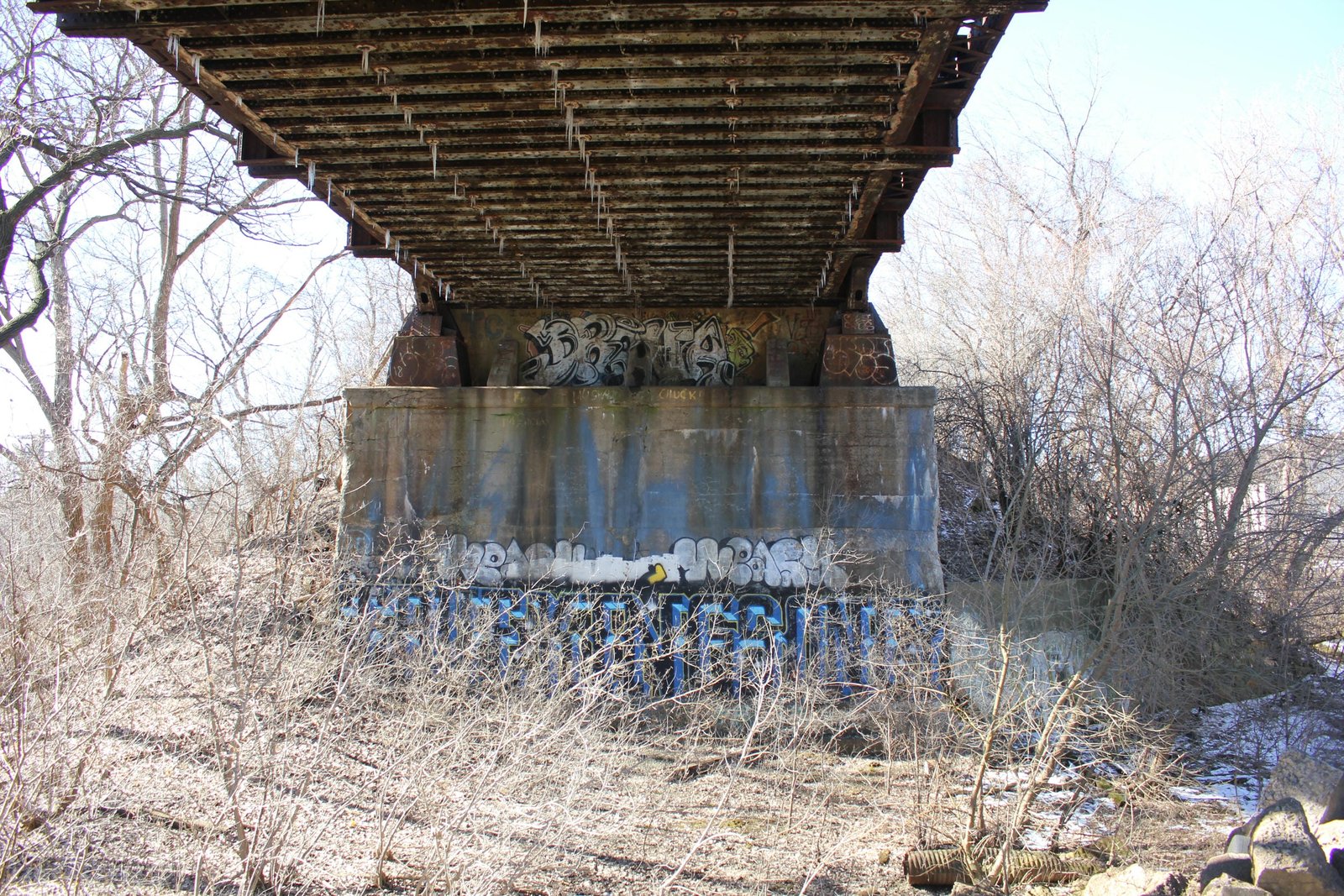
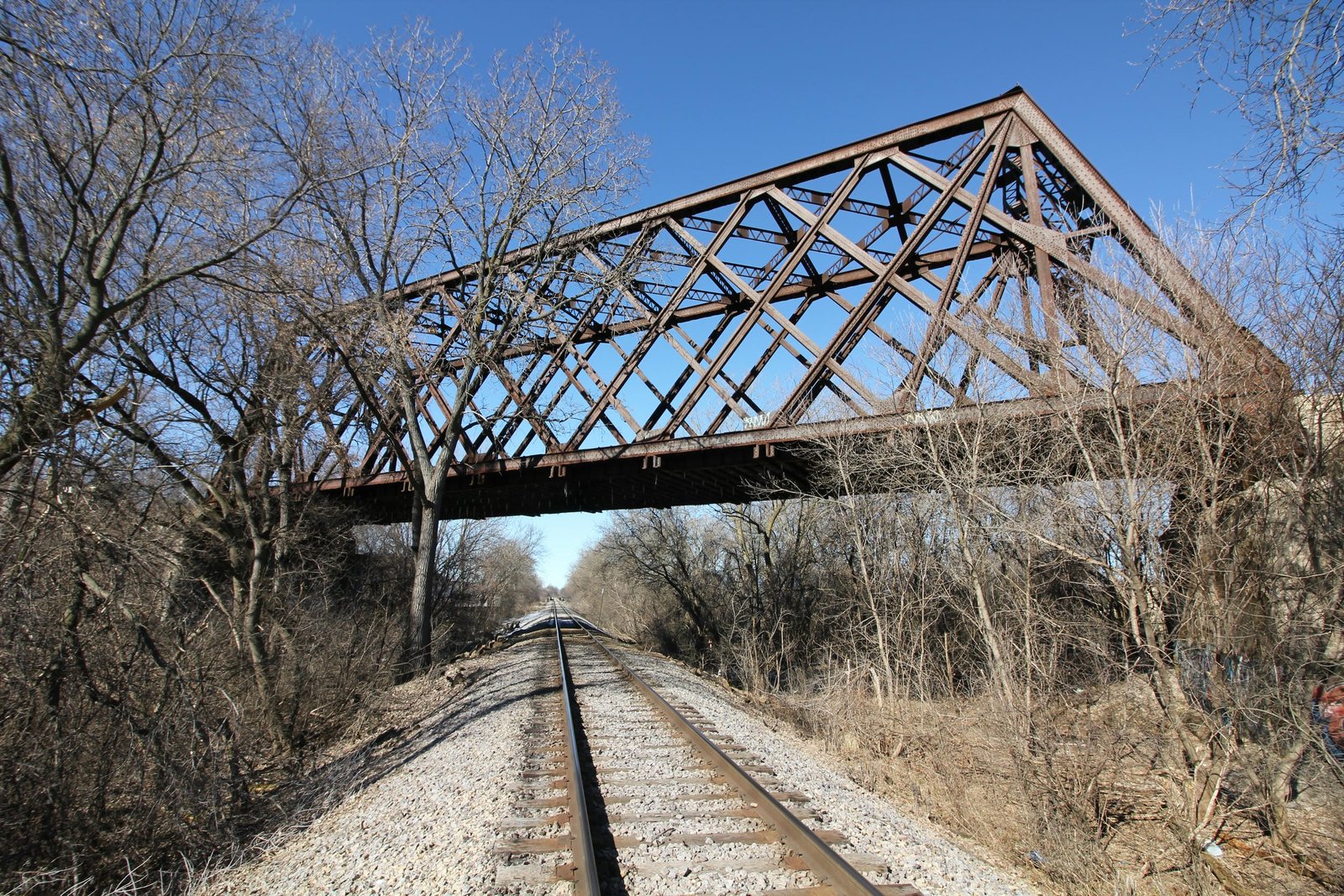
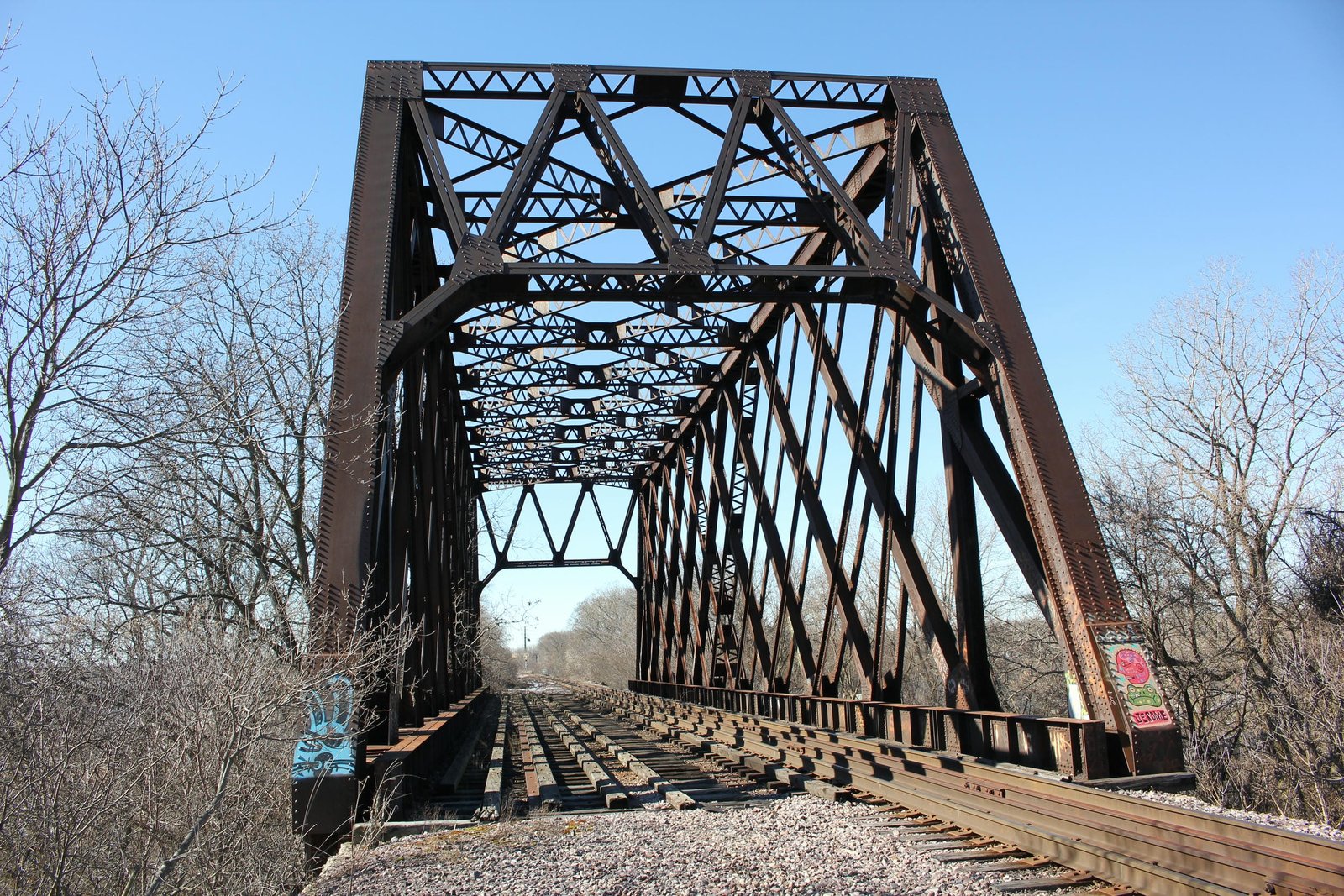
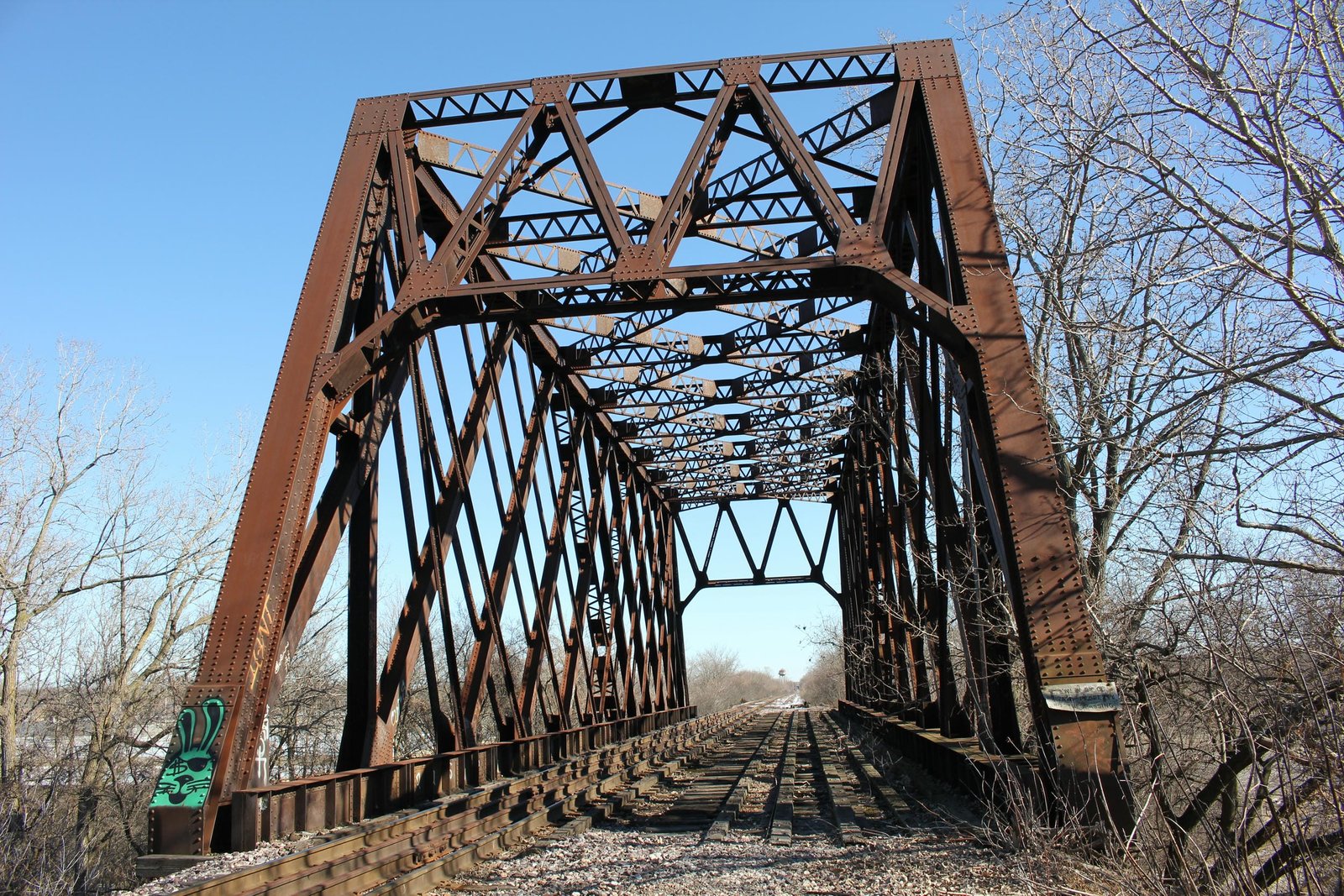
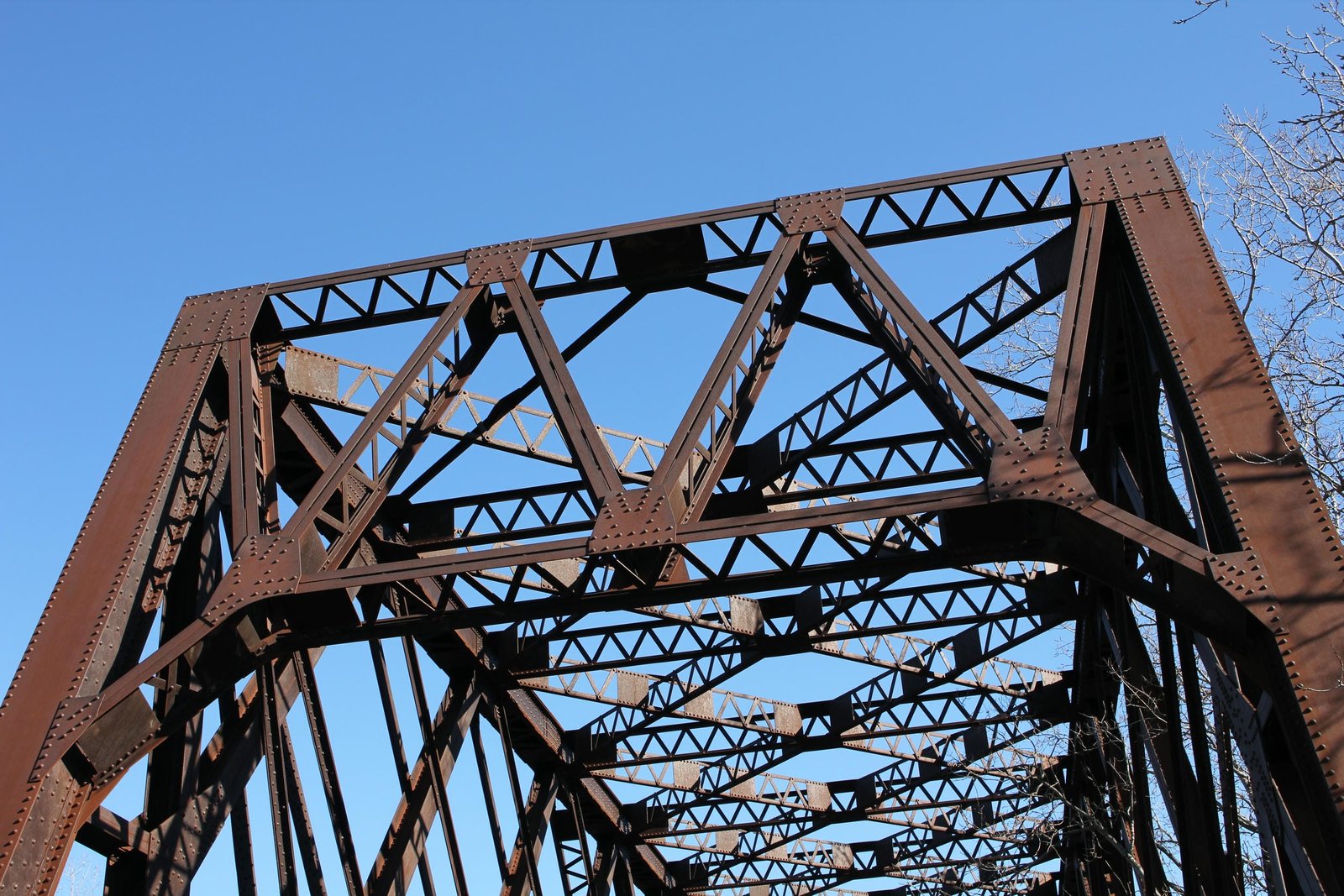
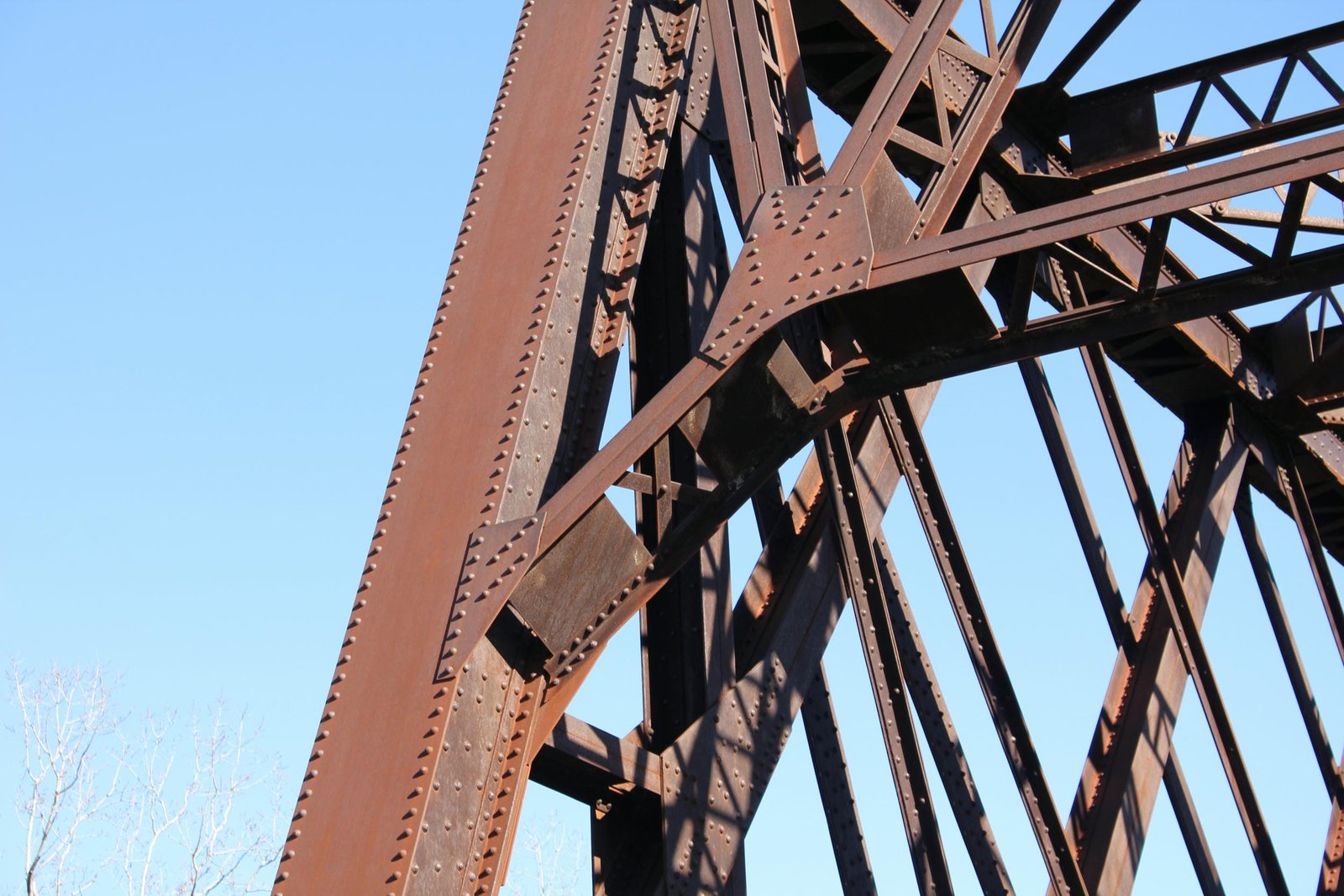
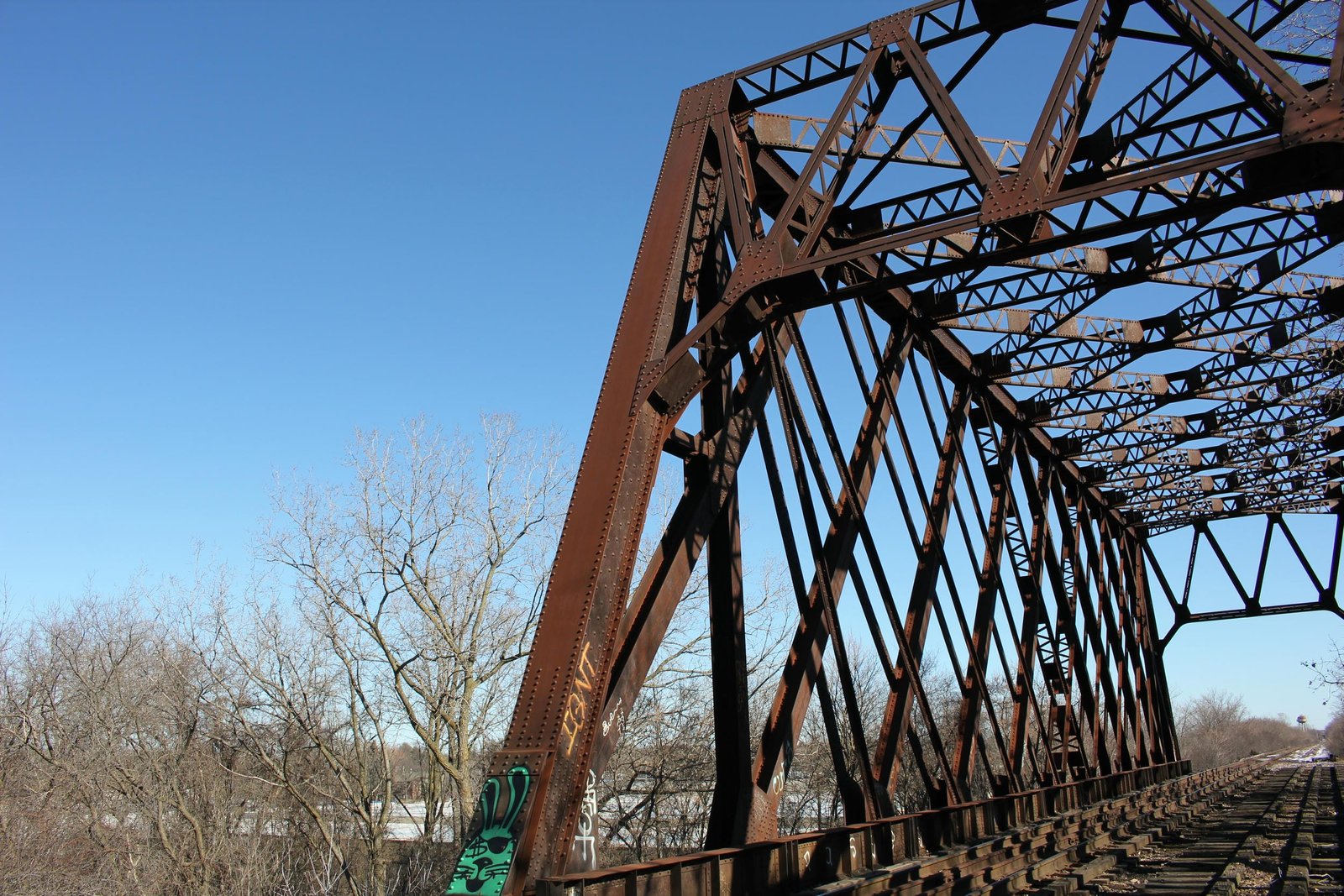
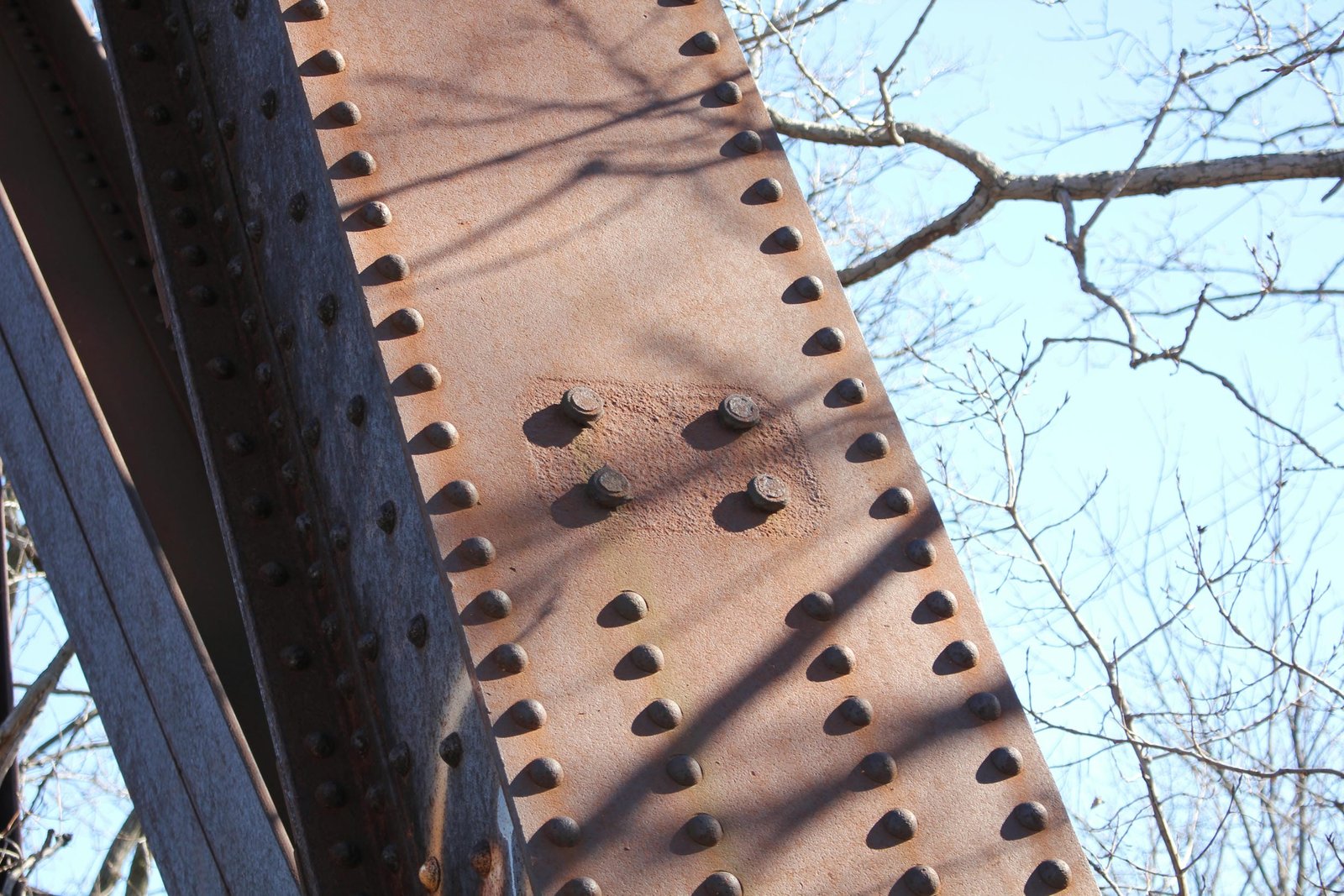
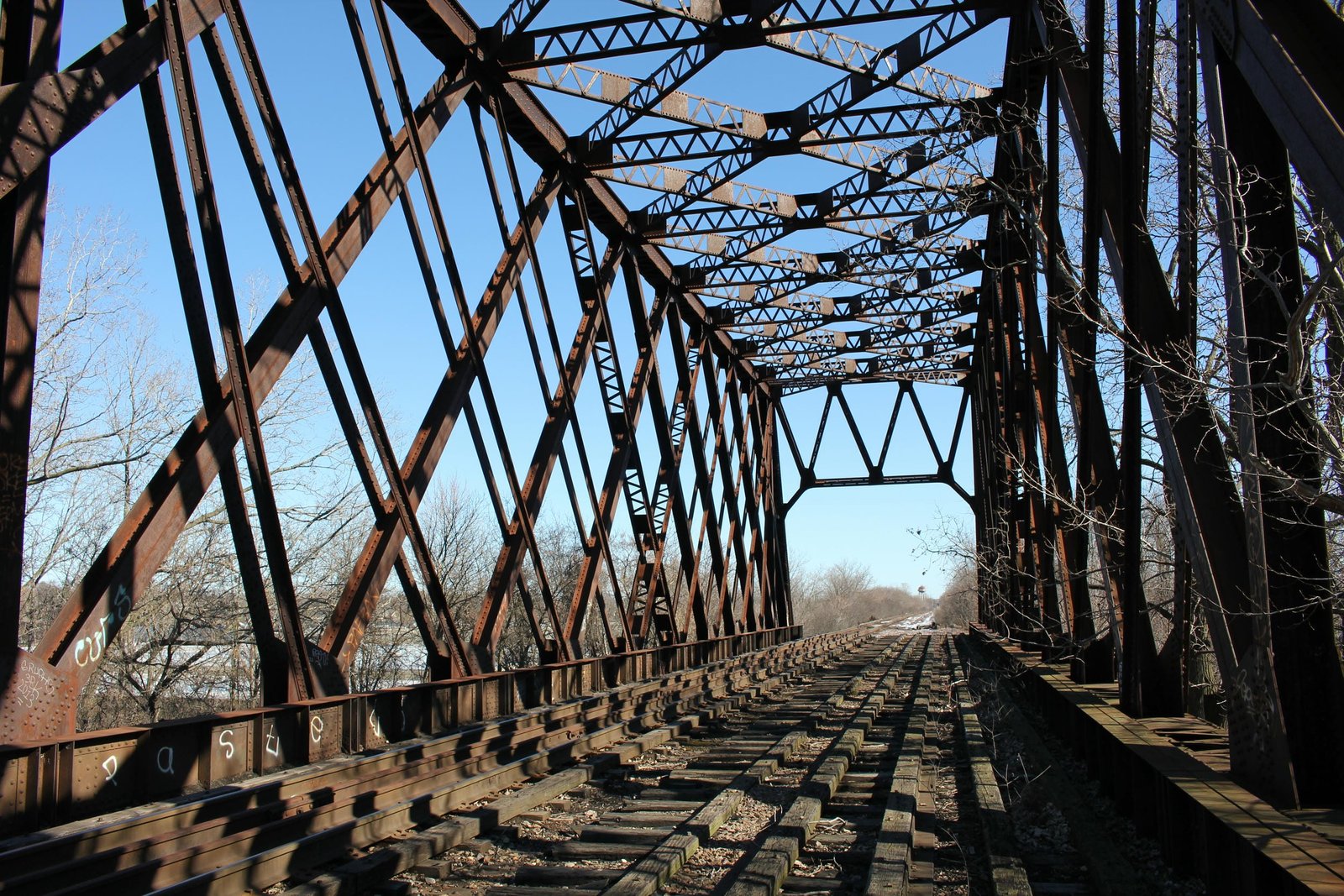
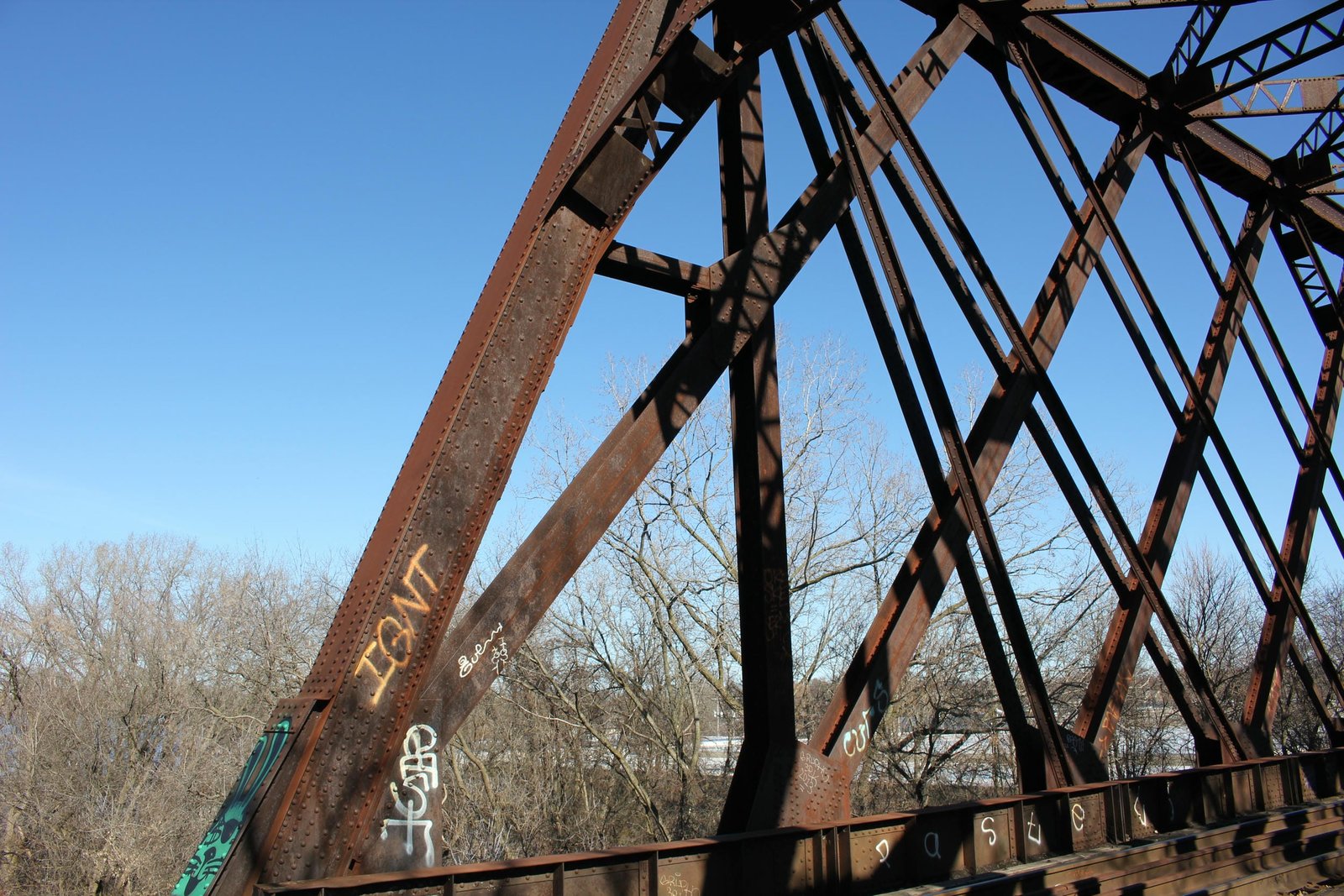
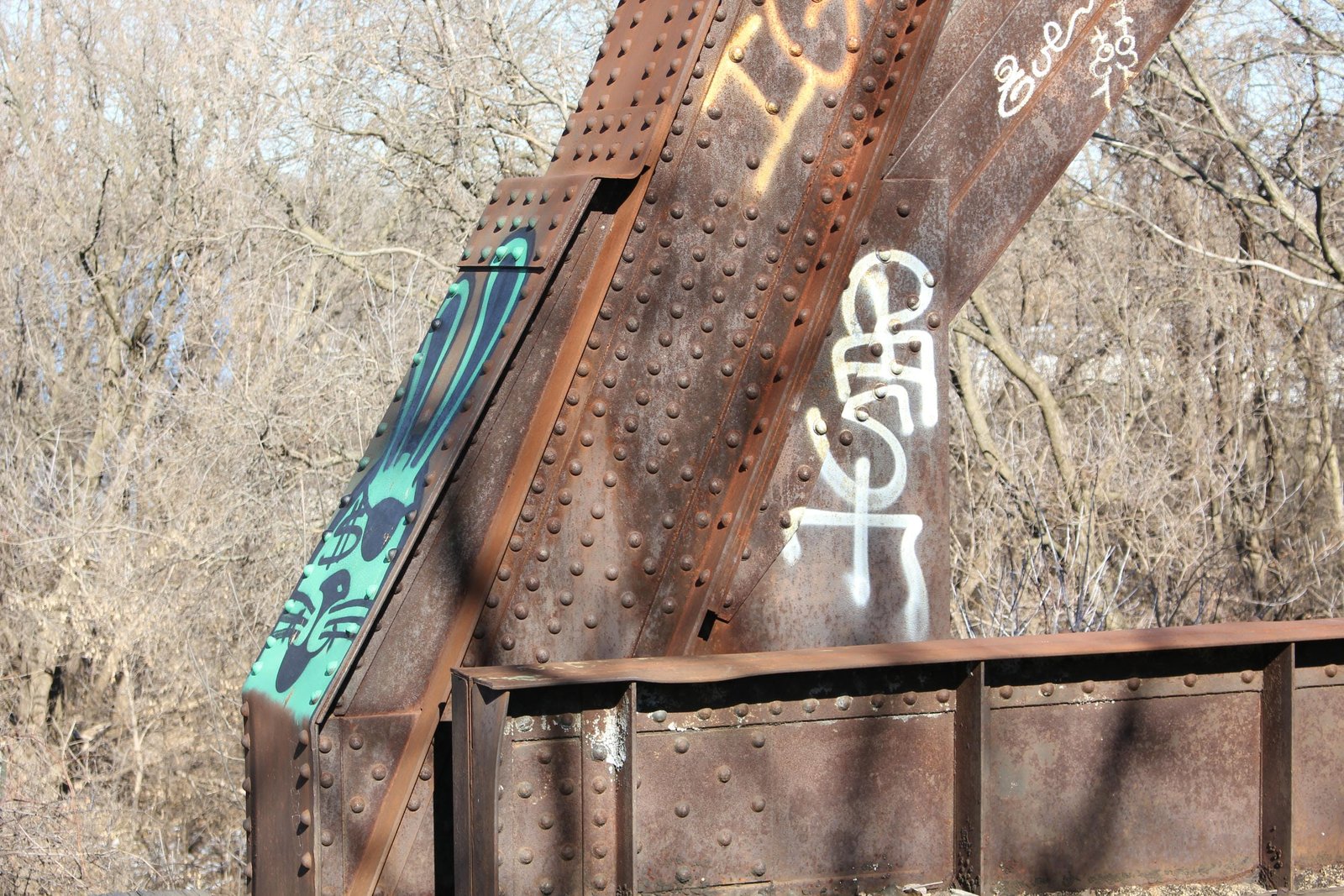
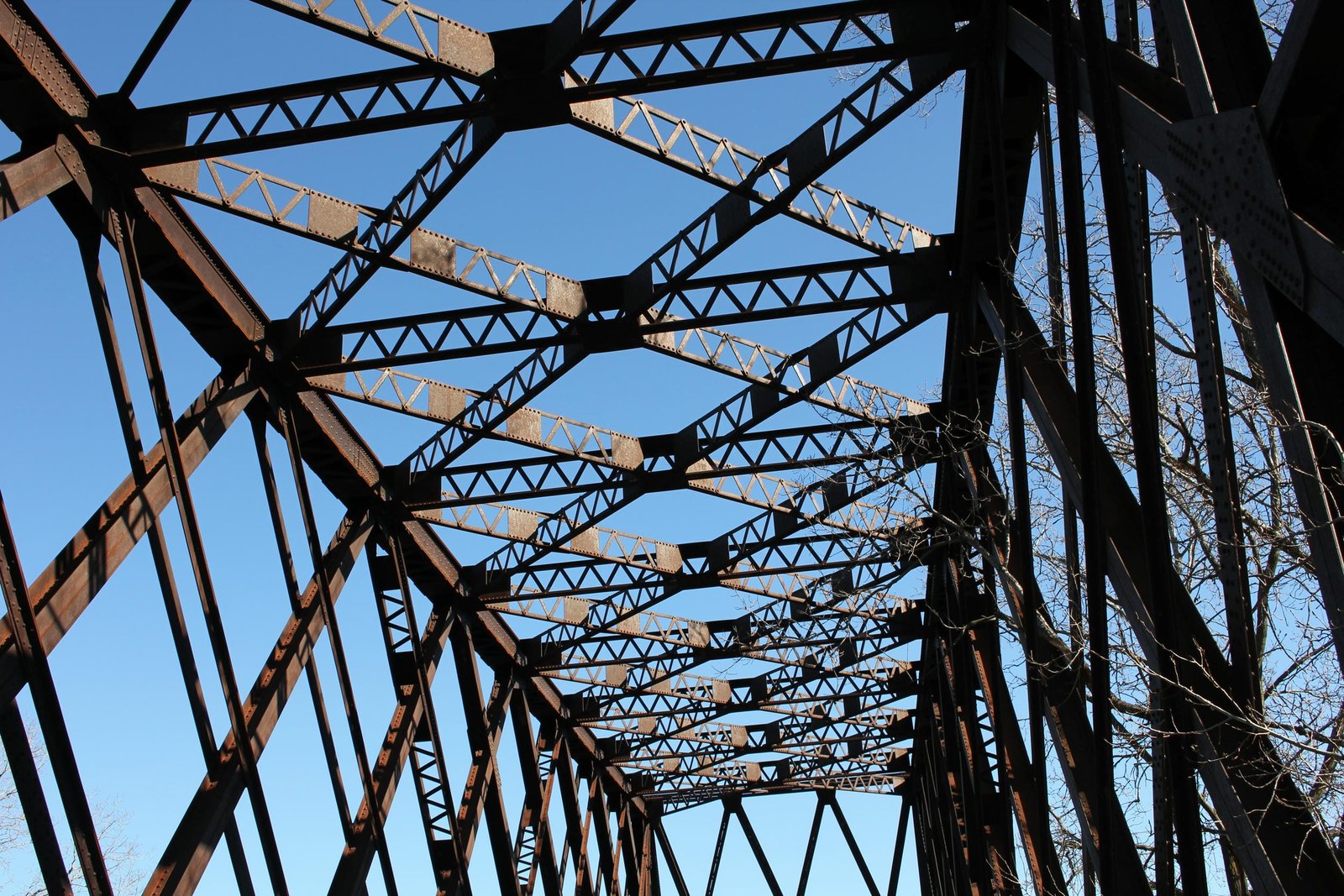
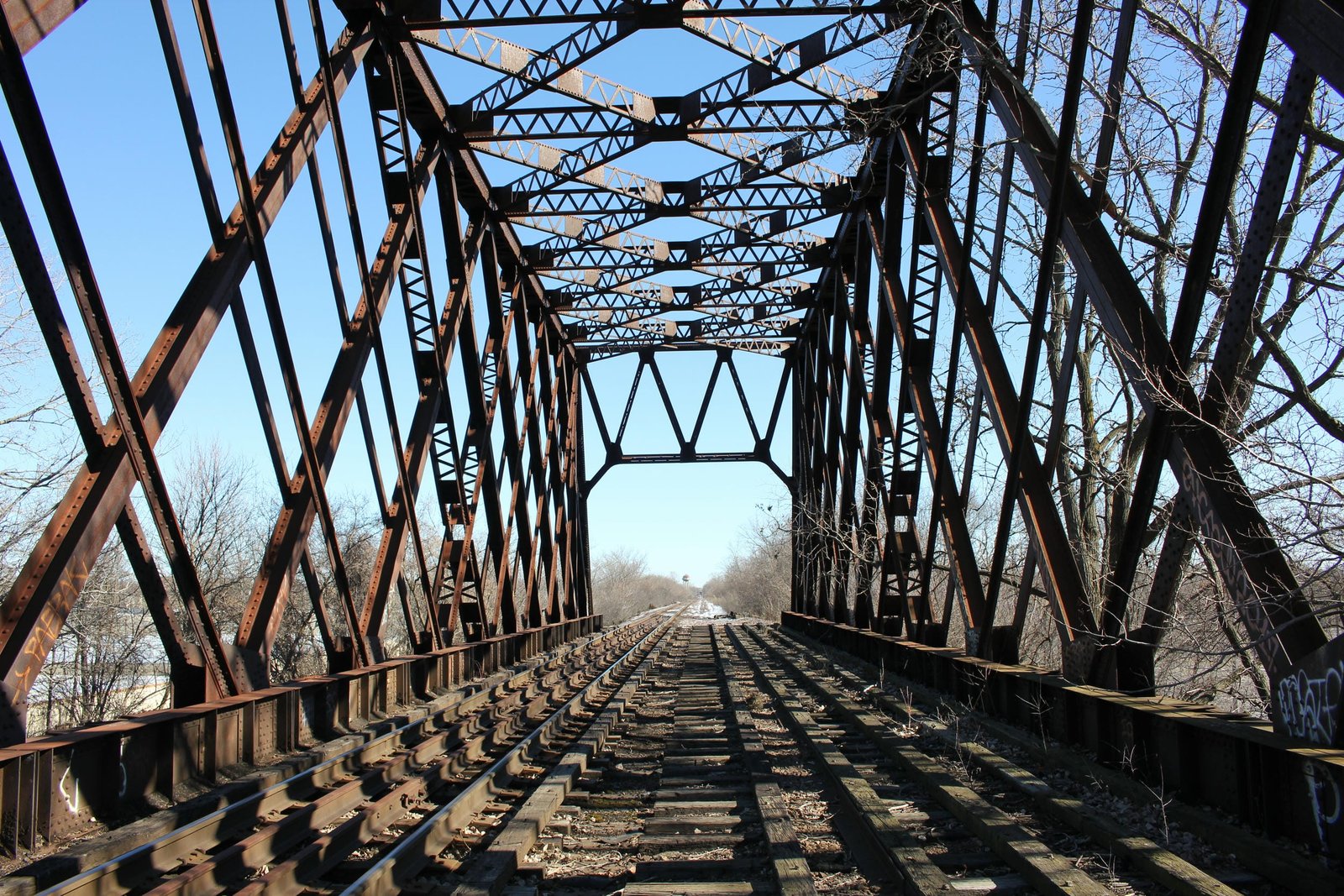
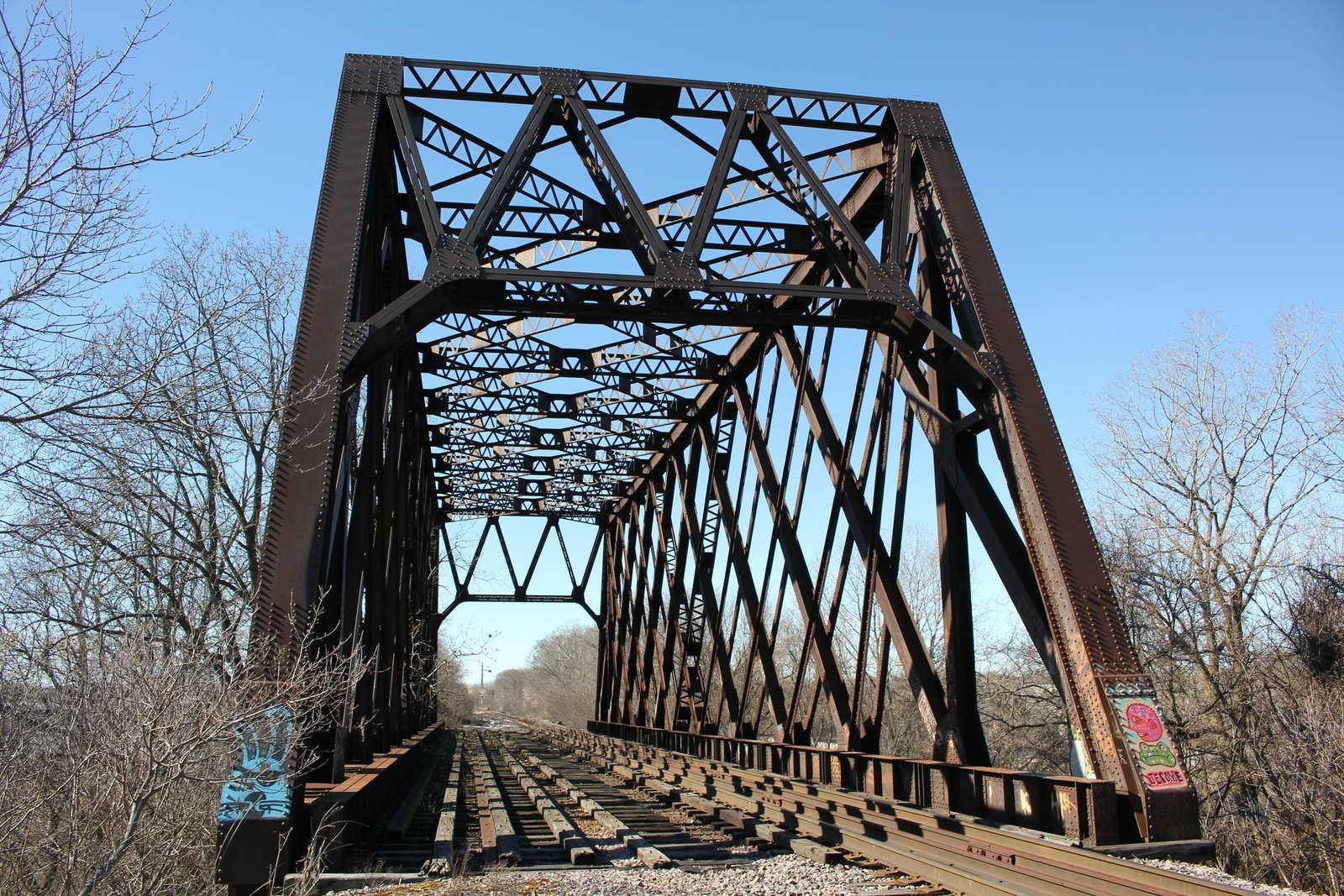
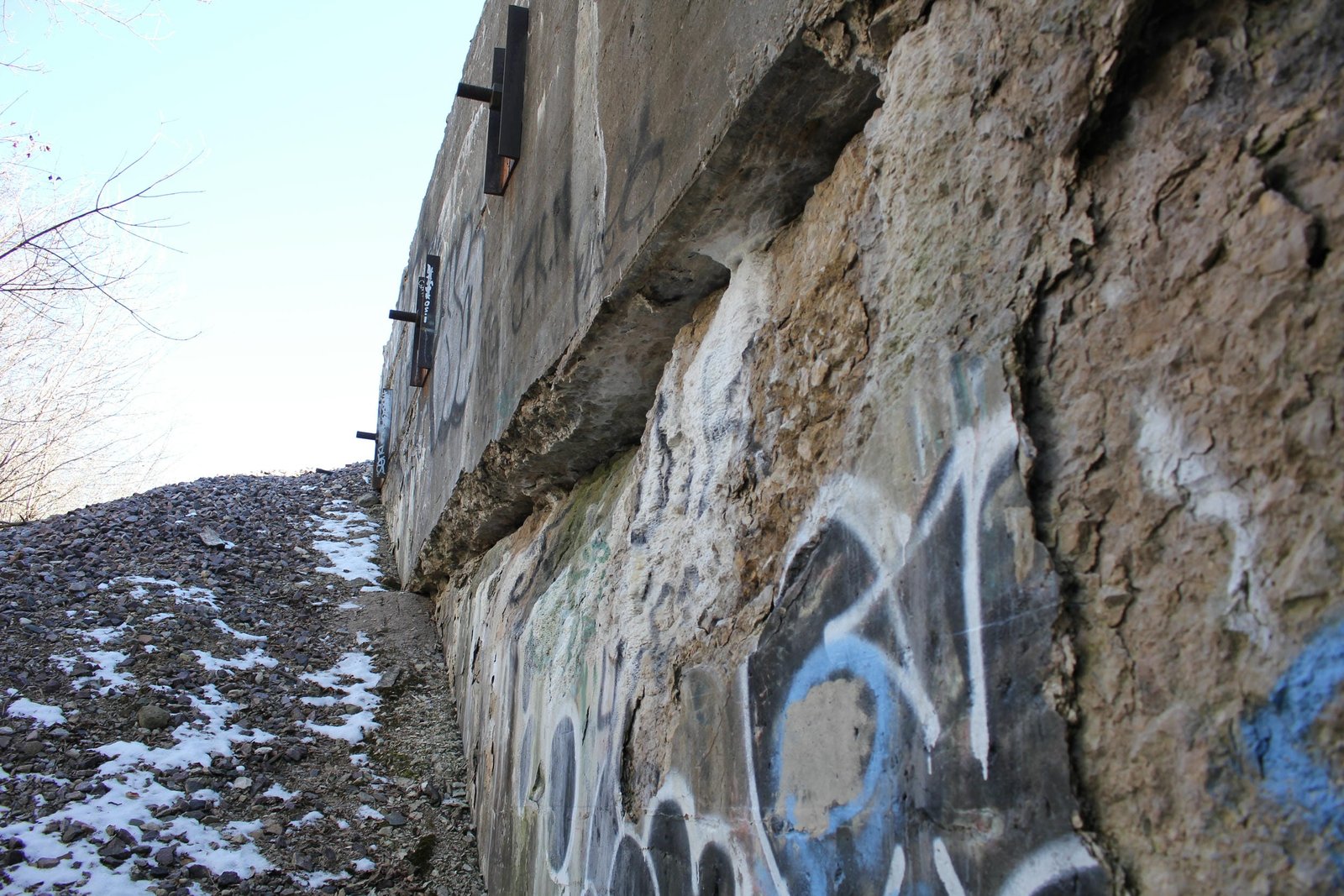
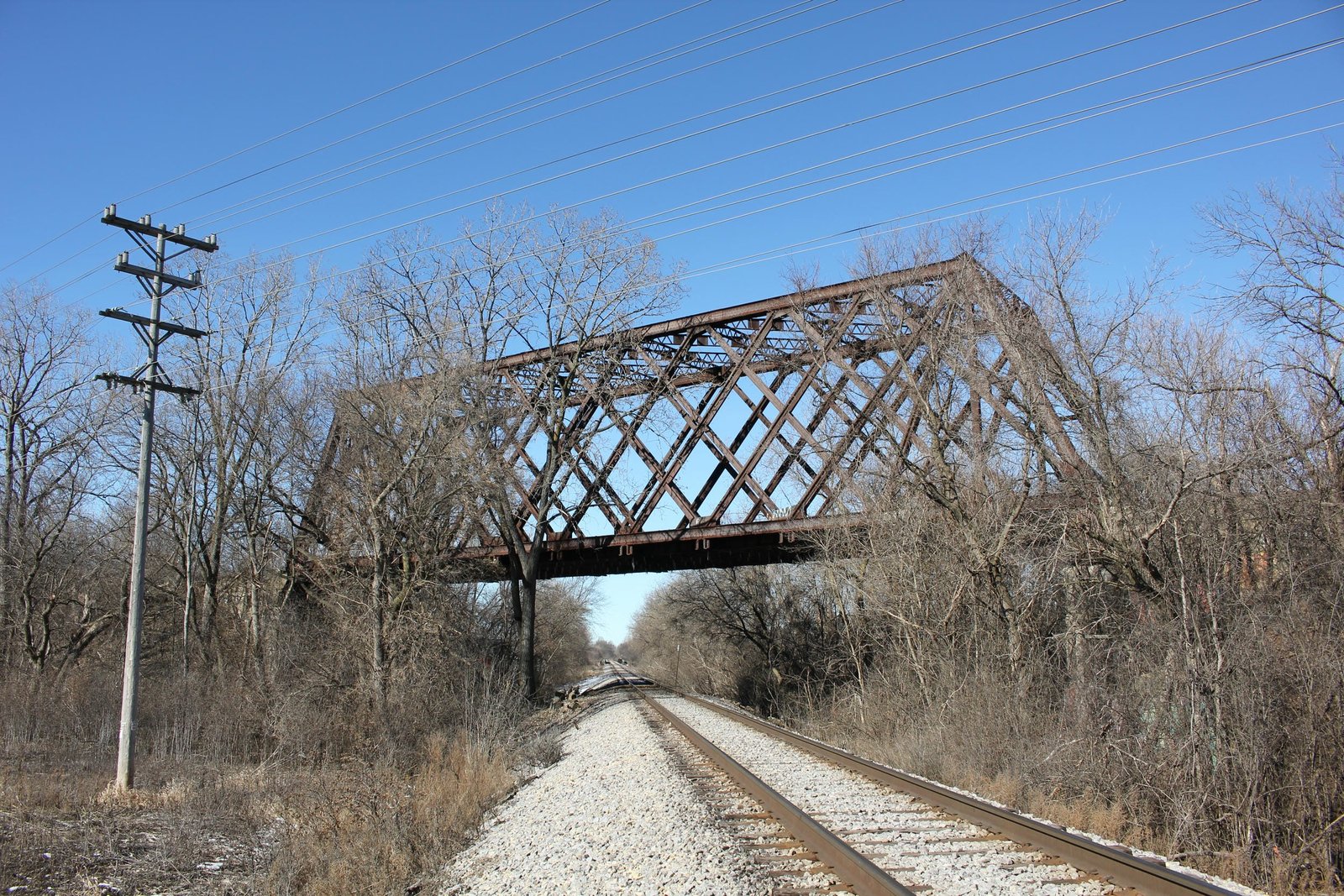
Located in the northwest Milwaukee neighborhood of Graceland, this large through truss bridge carries the former Chicago & North Western Railway mainline over the Wisconsin & Southern Railroad (former Chicago, Milwaukee, St. Paul & Pacific Railroad). Built in 1911 as subsidiary Milwaukee, Sparta & North Western Railway constructed a new line across central Wisconsin, the bridge consists of a large double track 170-foot quadrangular lattice through truss span, set onto concrete substructures, and was constructed for a single track. The truss span is heavily constructed, using large built-up members and a heavily constructed floor system. The endposts are comprised of heavy beams, which use a solid plate on the outside and heavy X-lacing on the inside. The top and bottom chords consist of channels, connected by extensive X-lacing and V-lacing. The diagonal members are constructed of a combination of rolled beams, solid bars and built-up beams comprised of heavily V-laced members. Typical for spans of this design, the portal bracing uses an M-frame design, comprised of built-up beams with heavy V-lacing. The top lateral bracing consist of V-laced plates, and there is no bottom lateral bracing present. The floor uses a ballast deck design, with heavily constructed ballast channels formed from steel sheets. This style of floor became popular in the early 20th Century, as it required less maintenance than typical open deck designs. Drainage holes have been installed throughout the ballast channels, and the ballast channels are filled with a combination of asphalt cement and ballast. Typical of bridges along this line, the abutments are constructed of an elongated U-shaped design. Pennsylvania Steel Company fabricated the superstructure, while the Cleary-White Construction Company constructed the substructure. All substructures are founded on timber piles, typical of construction along this line.
This type of truss design is relatively uncommon throughout the United States. However, a few railroads preferred the design, such as the Chicago, Rock Island & Pacific Railway (Rock Island), the Chicago & North Western Railway (C&NW) and the Omaha Road. Spans constructed in the late 1870s and early 1880s for the C&NW featured an arched and pedimented lattice portal bracing, light sway bracing and laced members. The second generation was nearly exclusively constructed by Lassig Bridge & Iron Works between 1884 and 1900, and featured heavier members and a pedimented portal bracing. While the design fell out of favor for the Rock Island and Omaha Road around the turn of the 20th Century, the design remained popular with the C&NW into the 1920s. 19th Century versions of this design were primarily constructed out of iron, while 20th Century versions of this design used much heavier members and were constructed of steel. The C&NW preferred this design, as it was both strong and demonstrated great resilience in case of a derailment. A handful of spans using this design were constructed along this route, primarily to cross large rivers and other railroads. Since the initial construction, the bridge has seen few alterations and remains in use. Today, only the northern track remains in use. Overall, the bridge appears to be in fair condition, with some spalling noted throughout the substructures. The author has ranked this bridge as being moderately significant, due to the truss design.
Citations
| Builders and build date | Chicago & North Western Railway Valuation Notes at the Chicago & North Western Historical Society Archives |
| Railroad History Citation | ICC Valuation Information, Compiled by Richard S. Steele |