
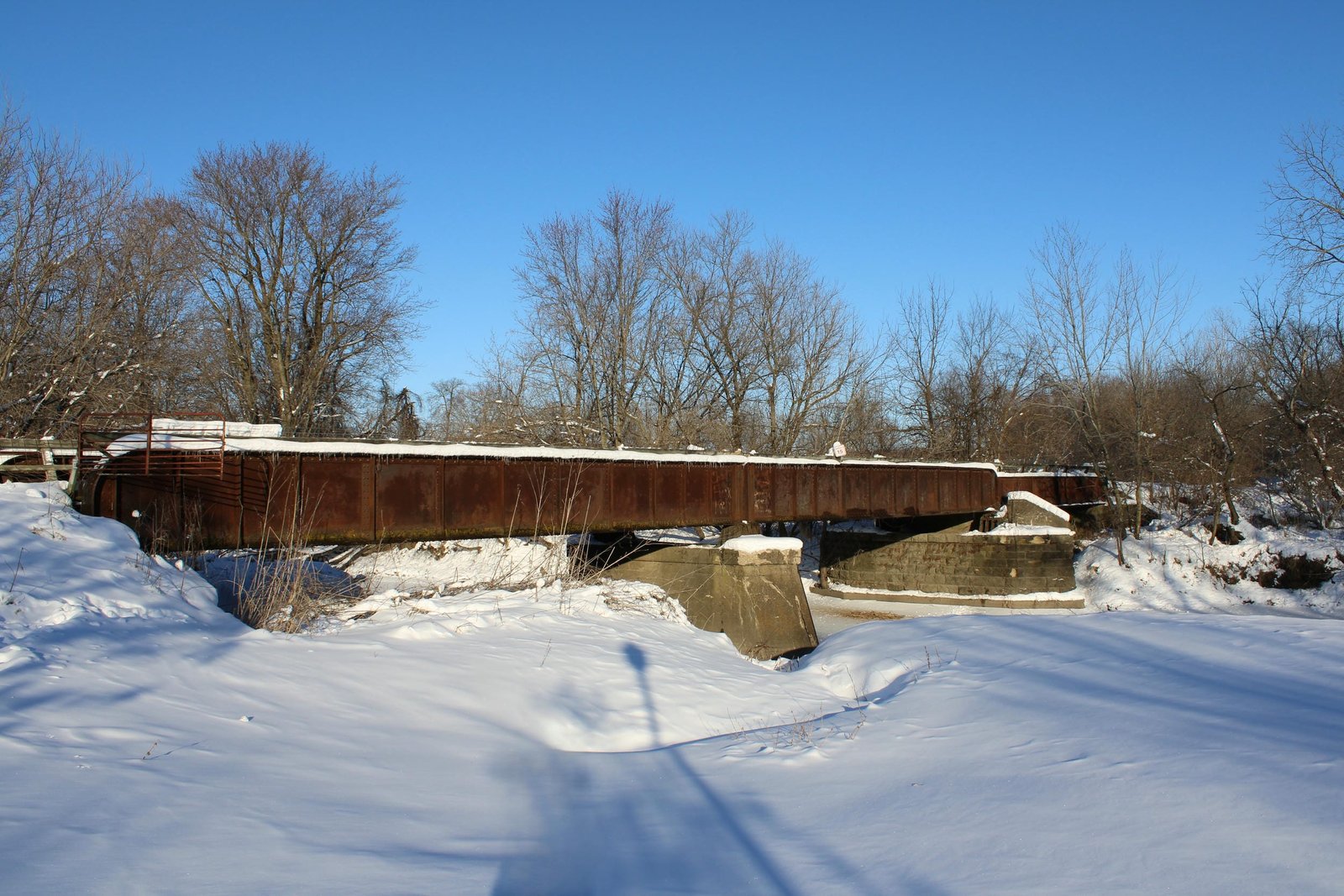
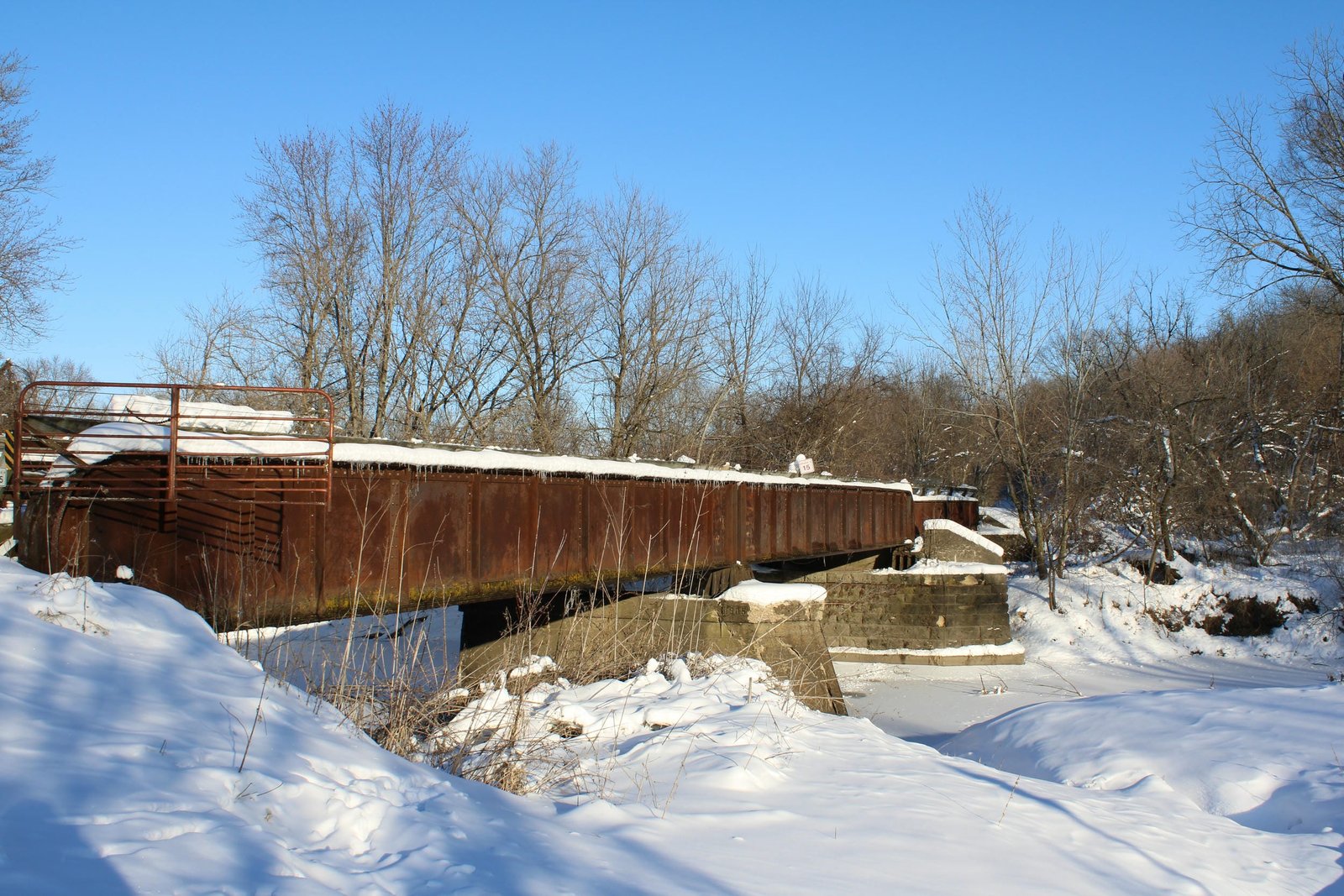
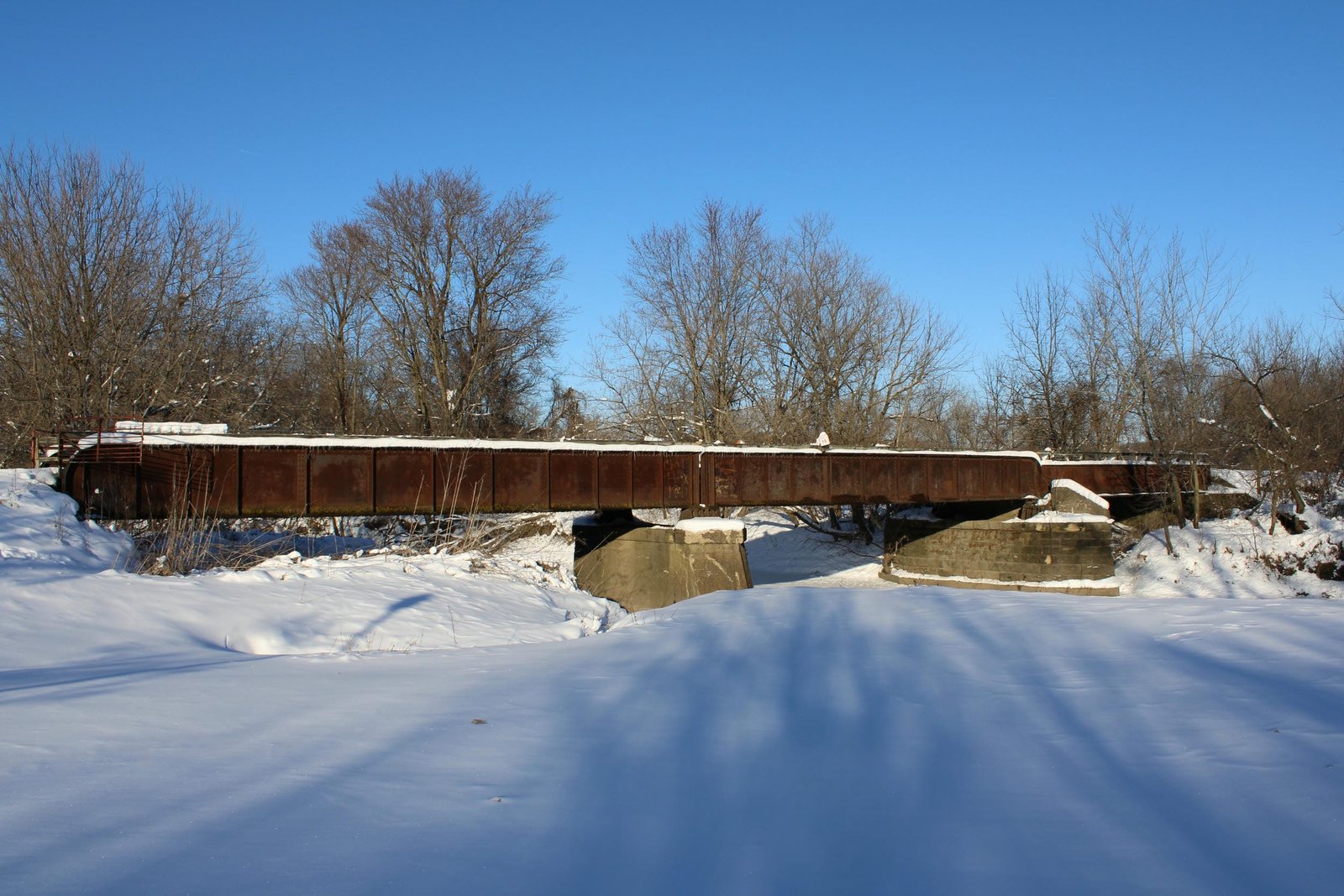
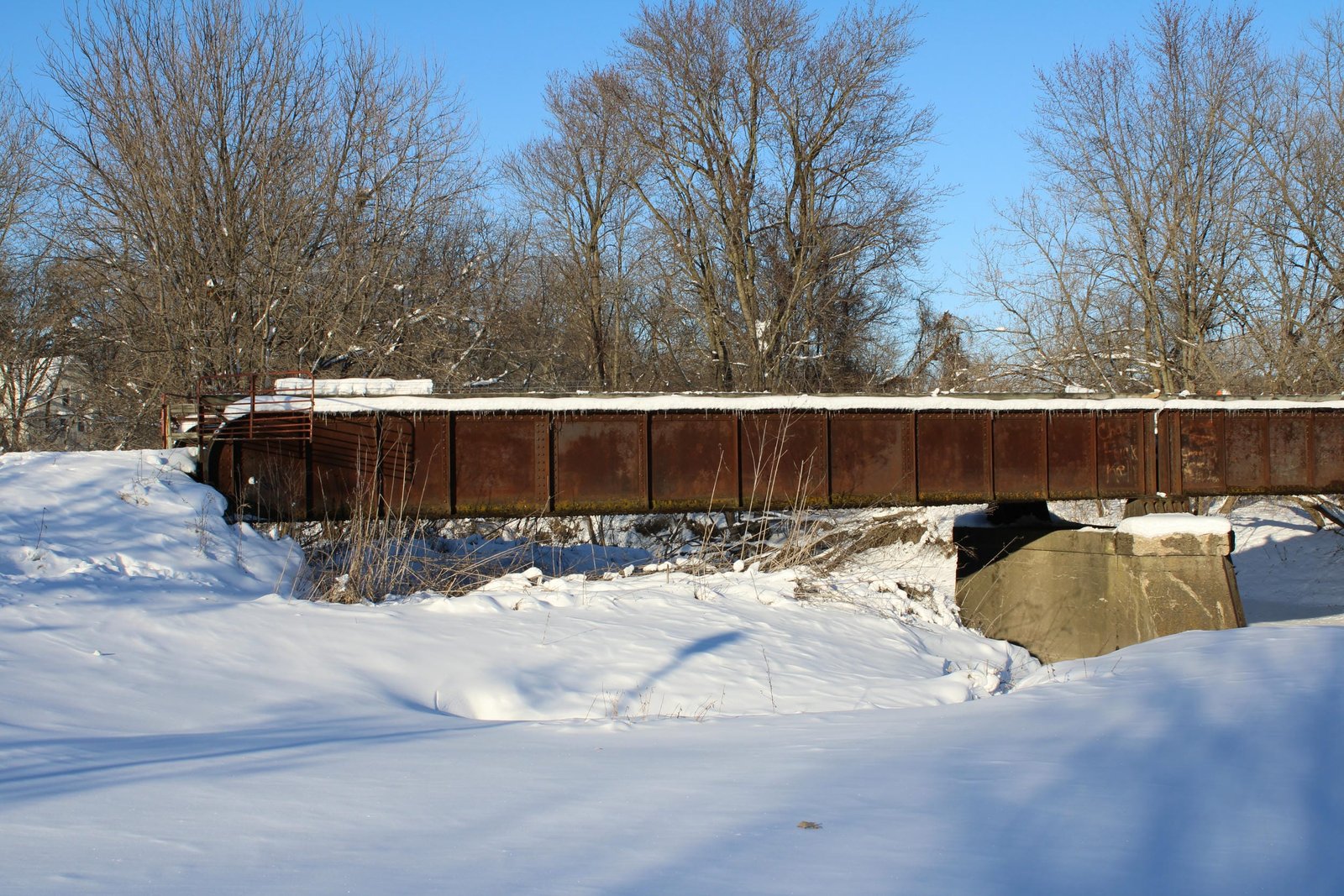
Click the photo to view the full-size version
| Name | Cheese Country Trail - Pecatonica River Bridge #5 Chicago, Milwaukee & St. Paul Railway Bridge #F-270 |
| Built By | Chicago, Milwaukee & St. Paul Railway |
| Currently Owned By | Lafayette County |
| Superstructure Contractor | Unknown |
| Unknown | |
| Length | 148 Feet |
| Width | 1 Track |
| Height Above Ground | 15 Feet (Estimated) |
| Superstructure Design | Through Plate Girder |
| Substructure Design | Stone Masonry Concrete |
| Date Built | 1887 1905 1913 |
| Original Location (East Span) | Bridge #D-6; State Street Bridge; Milwaukee, Wisconsin |
| Traffic Count | 0 Trains/Day (Bridge Is Open to Off-Road Vehicle Traffic) |
| Current Status | Open to Pedestrian Traffic |
| Chicago, Milwaukee & St. Paul Railway Bridge Number | F-270 |
| Significance | Moderate Significance |
| Documentation Date | 1/20/2024 |
In 1853, the Southern Wisconsin Rail Road completed an 8 mile spur from an existing railroad at Milton Junction, Wisconsin to Janesville, Wisconsin. In 1856, the railroad would be acquired by the Milwaukee & Mississippi Rail Road (M&M), which owned the existing mainline at Milton Junction. At the same time, the Mineral Point Railroad (MPR) constructed 17 miles of new railroad between Warren, Illinois and Darlington, Wisconsin. In 1857, the M&M completed an additional 34 miles of railroad to Monroe, Wisconsin. In addition, the MPR completed an additional 15 miles north to Mineral Point, Wisconsin. The M&M was acquired by the Milwaukee and Prairie du Chien Railway (M&PdC) in 1861, which was sold to the Milwaukee & St. Paul Railway (M&StP) in 1867. In 1874, the M&StP changed its name to the Chicago, Milwaukee & St. Paul Railway (Milwaukee Road). In 1880, the MPR was acquired by the Milwaukee Road, and the following year an additional 22 miles would be constructed to connect Monroe to Gratoit.
This line served as a secondary route for the Milwaukee Road, mainly providing access to valuable metal deposits in southwest Wisconsin. The route also allowed for the construction of numerous branch lines, including branches to Shullsburg, Wisconsin and Platteville, Wisconsin. By the 20th Century, the Milwaukee Road had become a prominent railroad in the United States, operating an expansive network of railroad lines, primarily in the Midwest. The Milwaukee Road was often in financial trouble, especially after the costly Pacific Extension was completed in 1909. The branch between Gratoit and Warren was abandoned in 1923. In 1925, the company declared bankruptcy, and reorganized as the Chicago, Milwaukee, St. Paul and Pacific Railroad in 1928. Throughout the 20th Century, conditions on the Milwaukee Road continued to deteriorate. This line began to fall into disrepair, and was downgraded to a branch line.
The railroad again entered bankruptcy in 1977, and was forced to liquidate unprofitable lines. By the late 1970s, much of the railroad was extremely overgrown, and the tracks in very poor condition. In 1980, the entire branch was sold to the State of Wisconsin, which leased it to the Chicago, Madison and Northern Railway (CM&N) that year. The CM&N was short lived, and became part of the Central Wisconsin Railroad in 1982, which became part of the Wisconsin & Calumet Railroad (WICT) in 1985. The same year, the entire branch west of Monroe was abandoned and turned into a trail. In 1993, the WICT was acquired by the Wisconsin Southern Railroad, and was formally merged in 1997. Since WSOR began operations of the line, significant upgrades have been made to the line, significantly improving service. Today, WSOR continues to operate the Milton Junction to Janesville segment as part of the Madison Subdivision and the Janesville to Monroe segment as the Monroe Subdivision. The Cheese Country Trail currently uses the right-of-way between Monroe and Mineral Point.
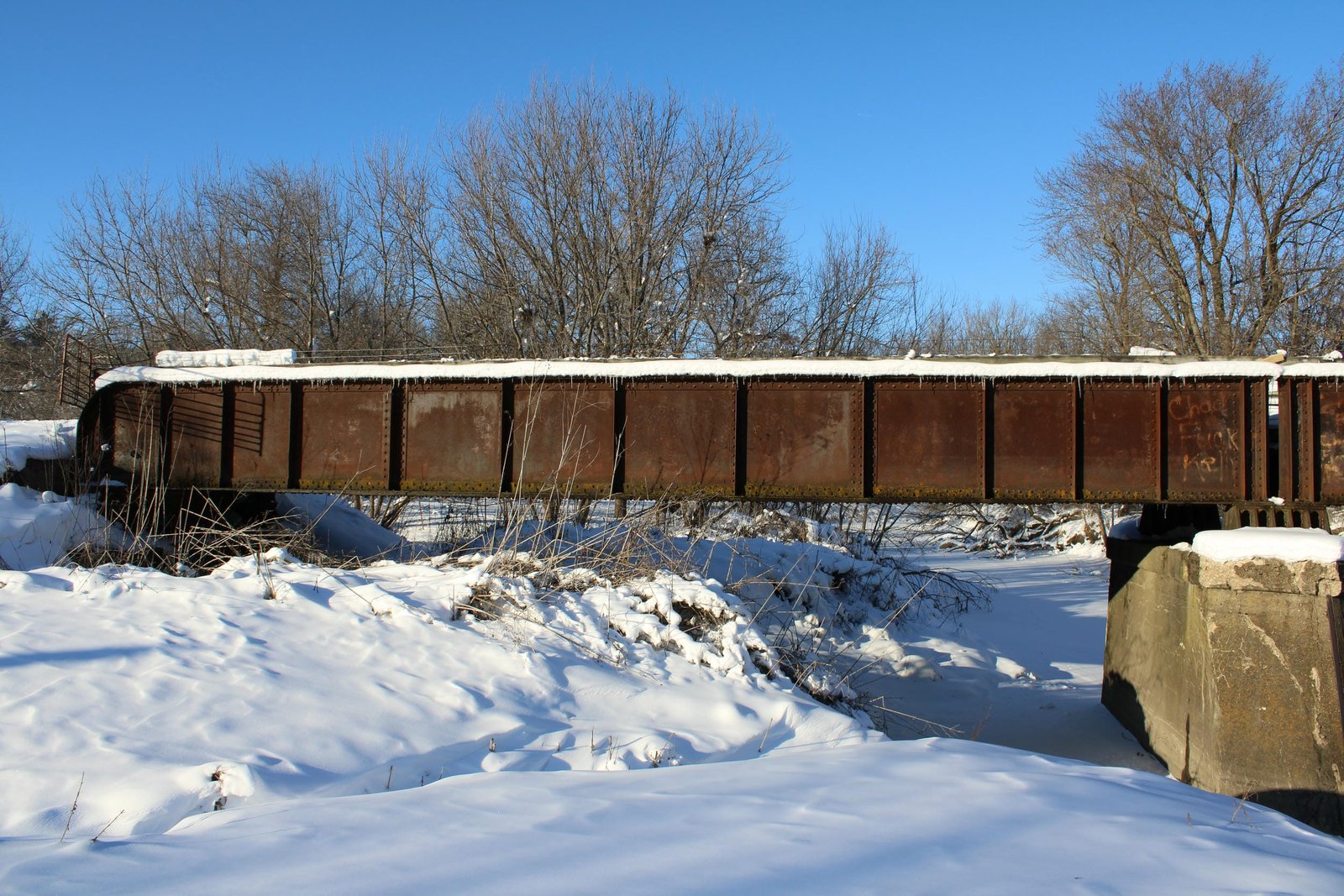
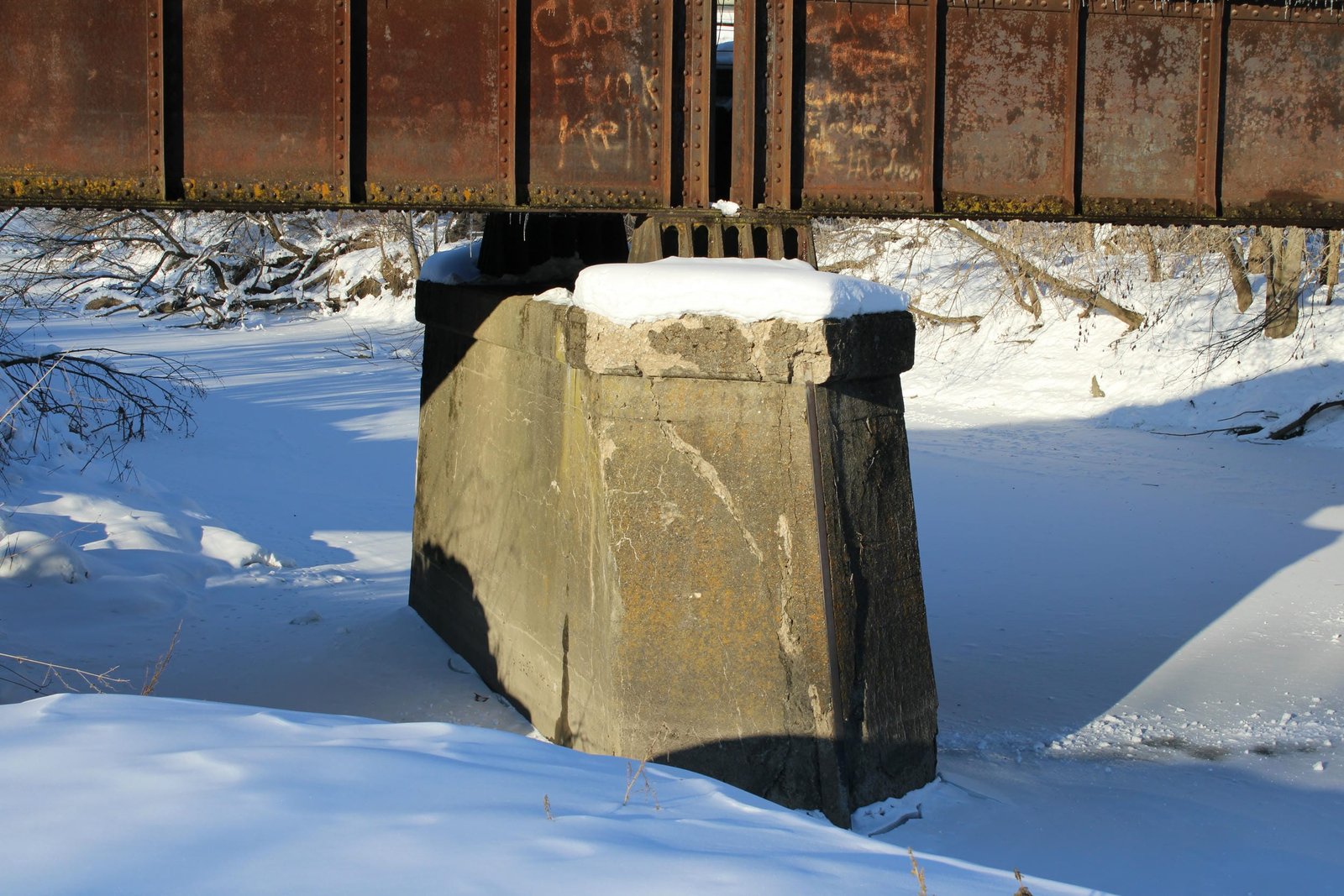
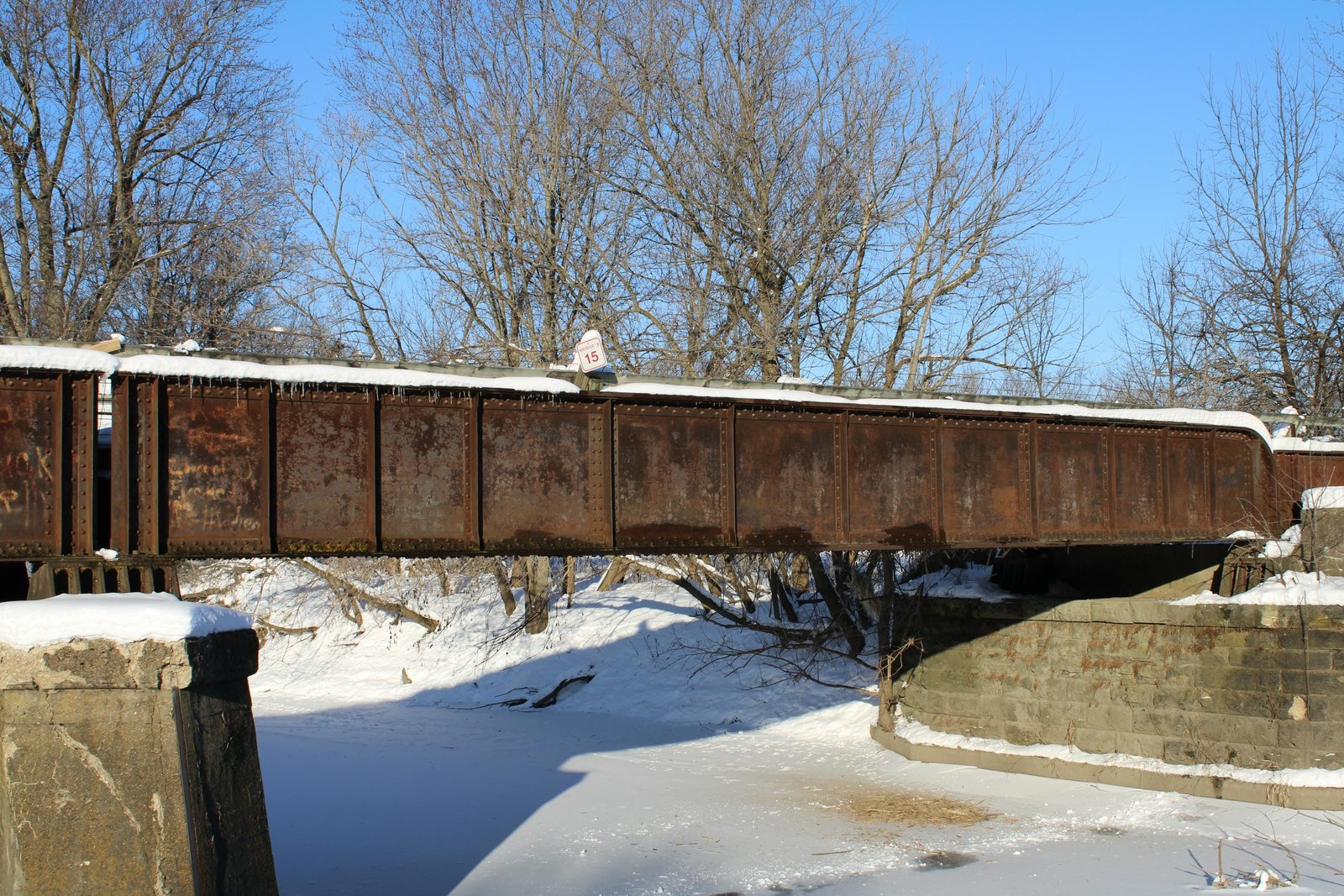
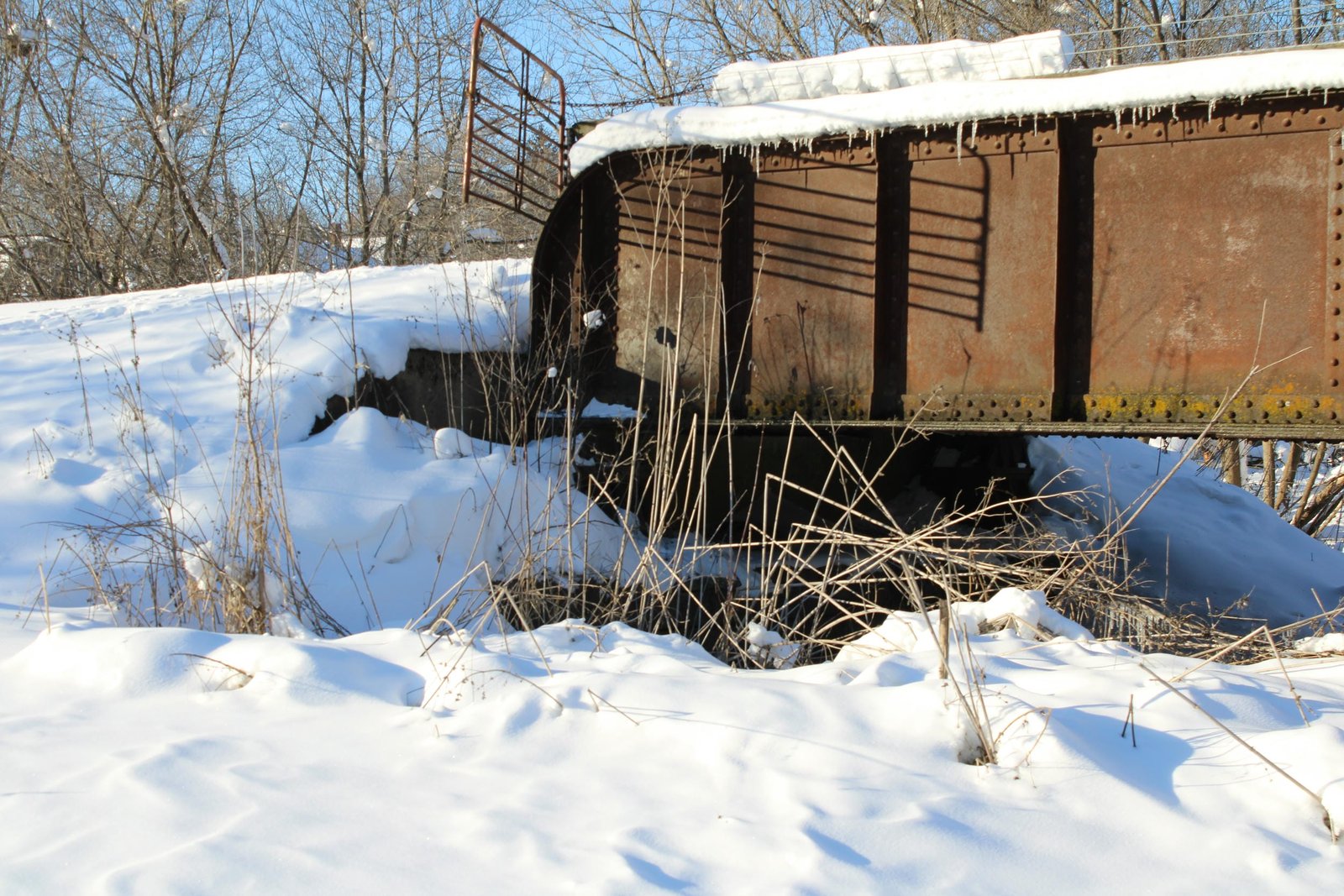
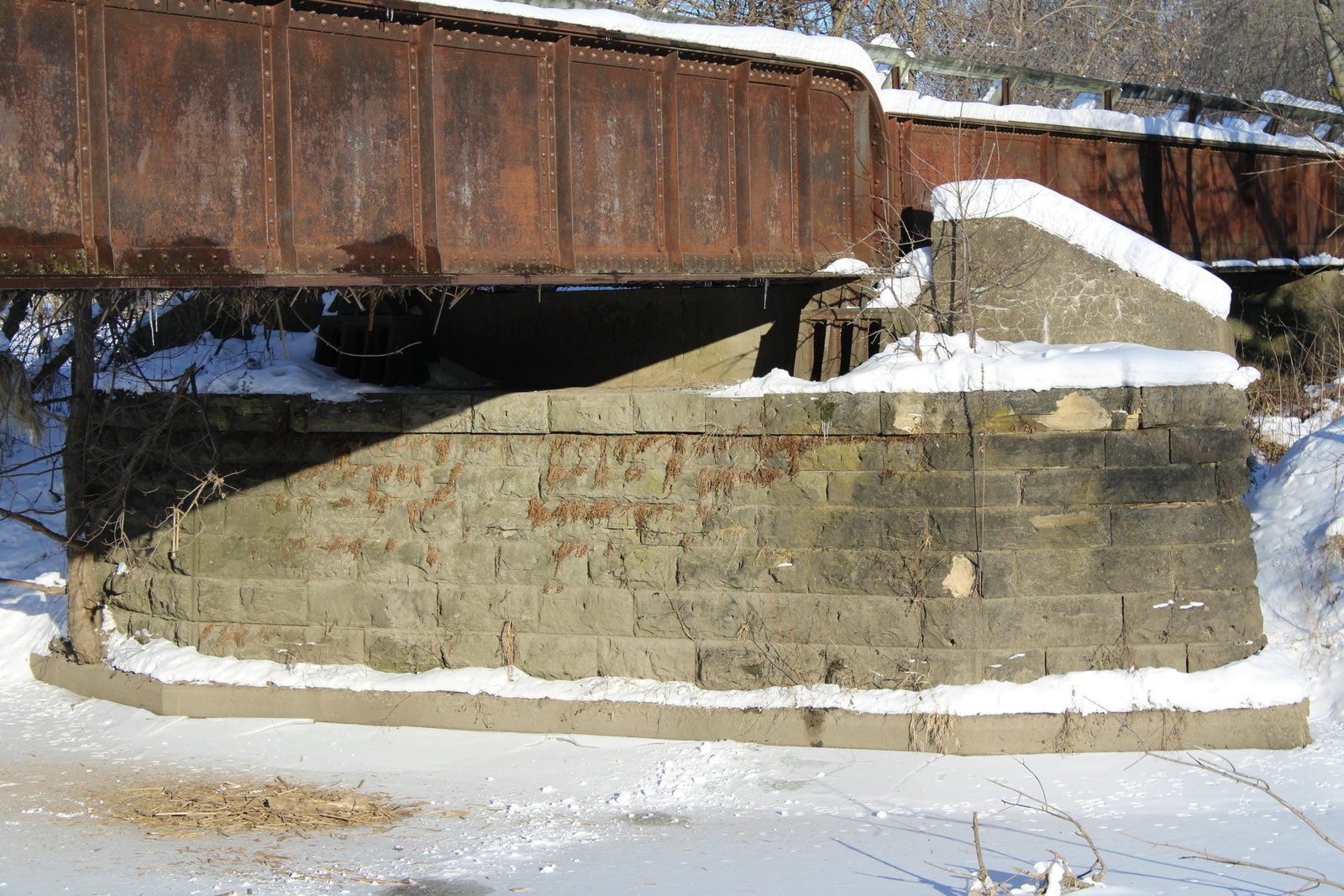
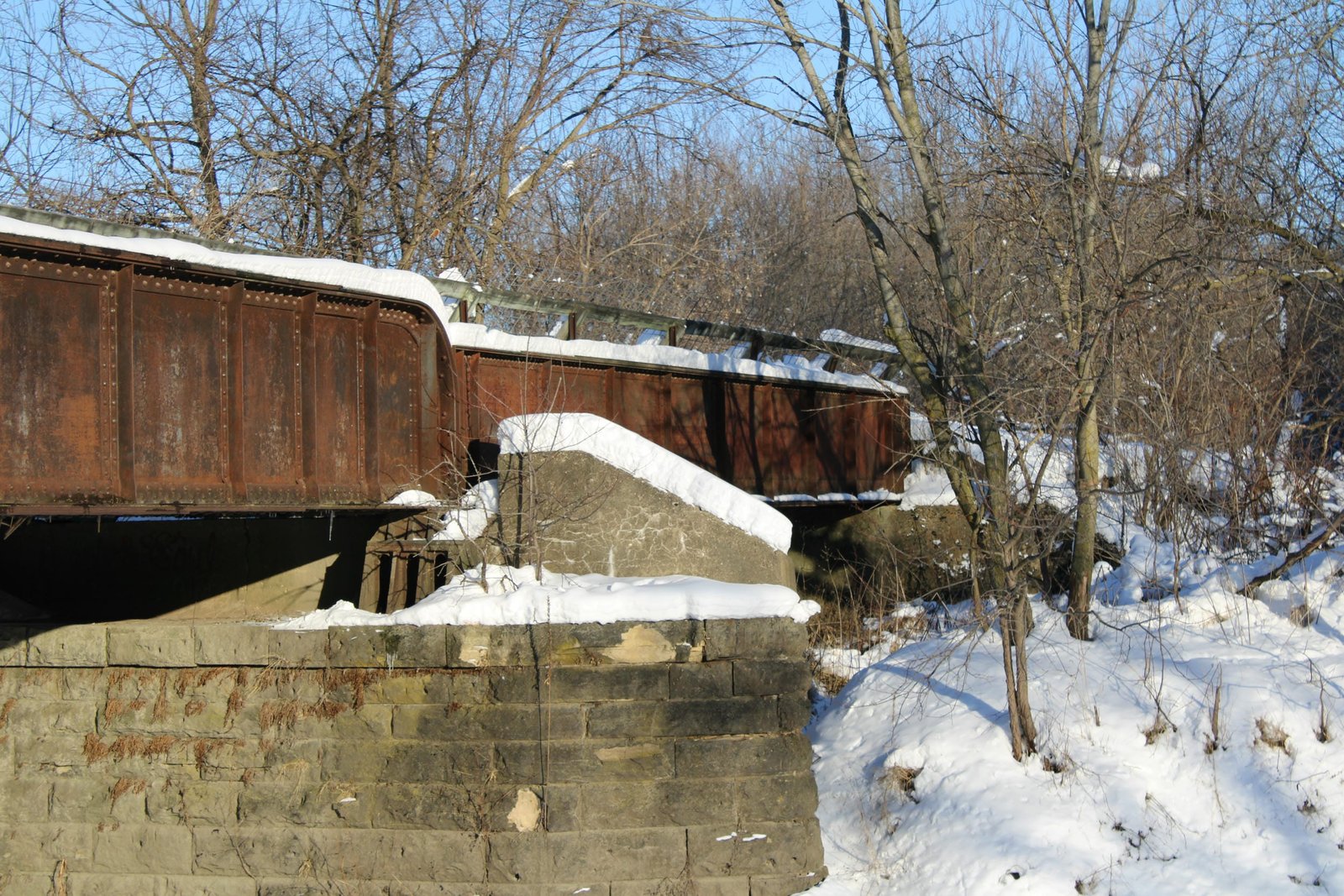
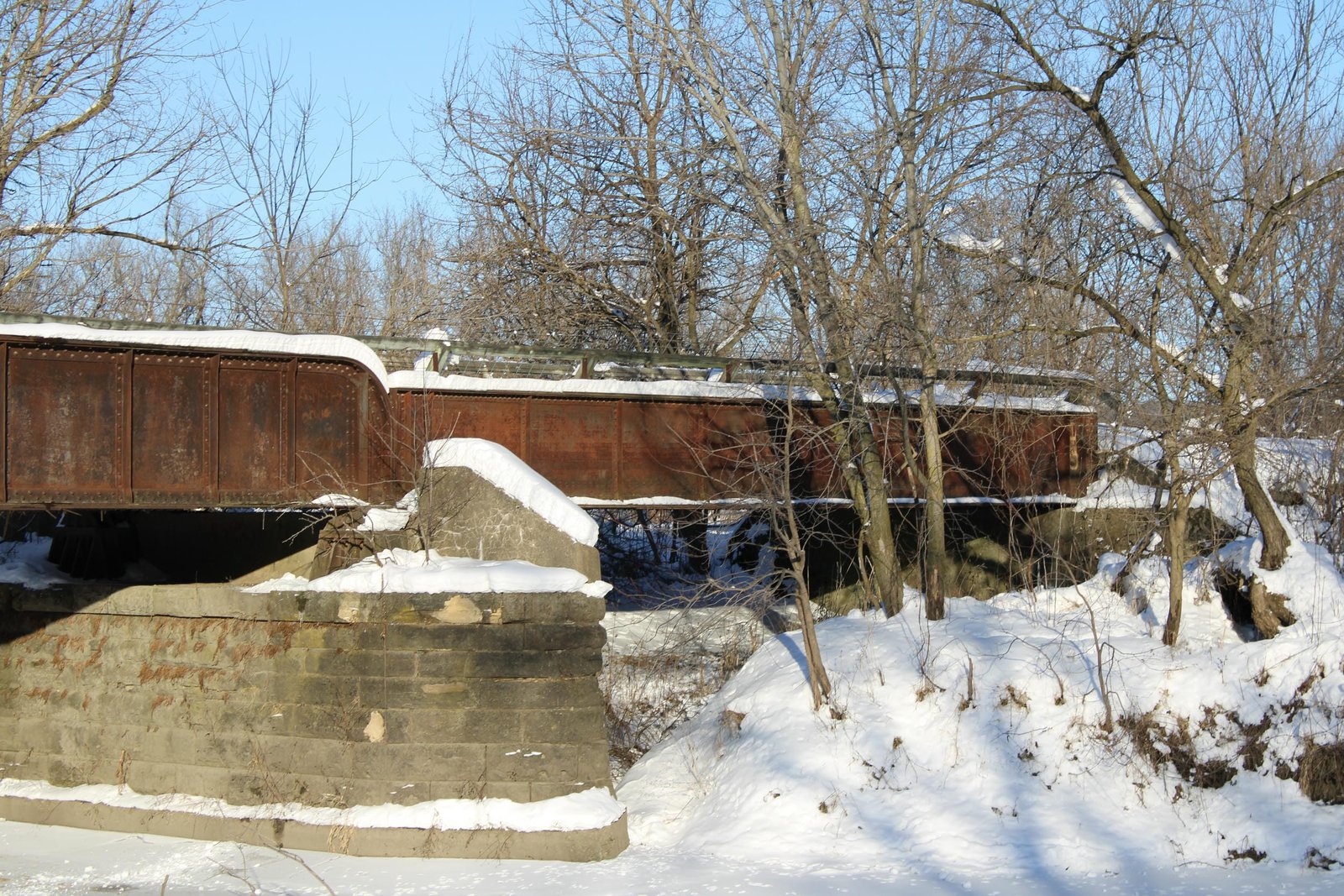
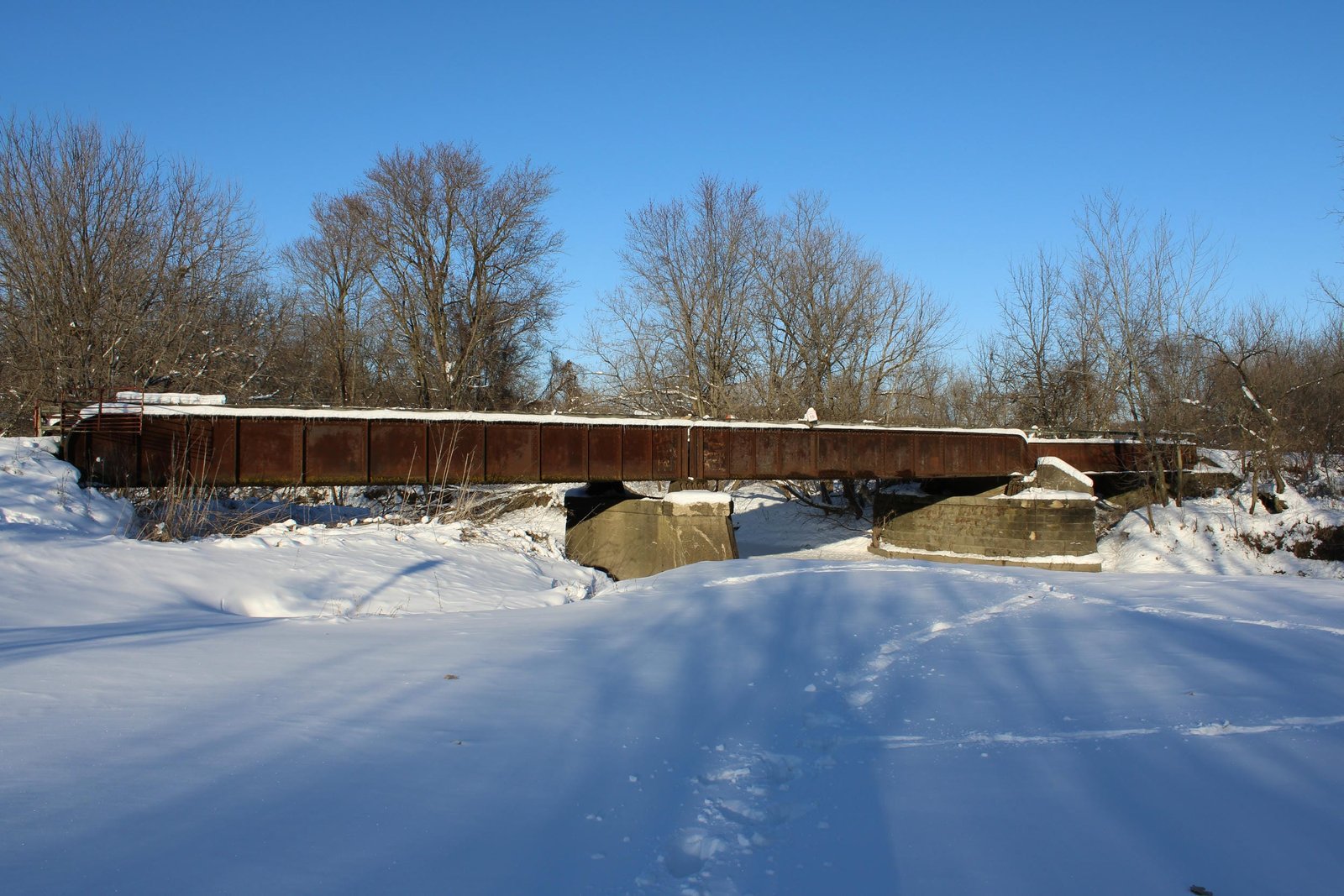
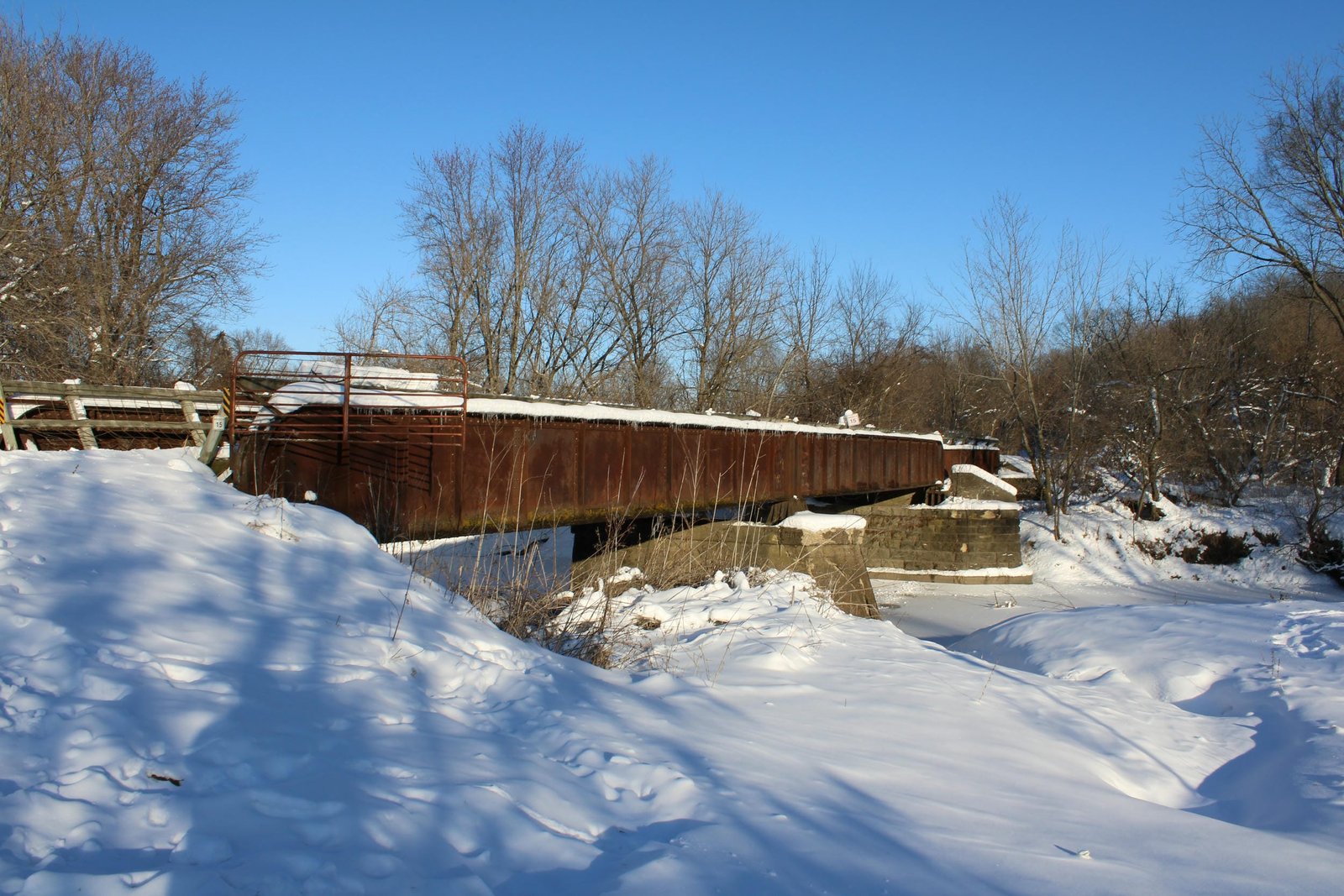
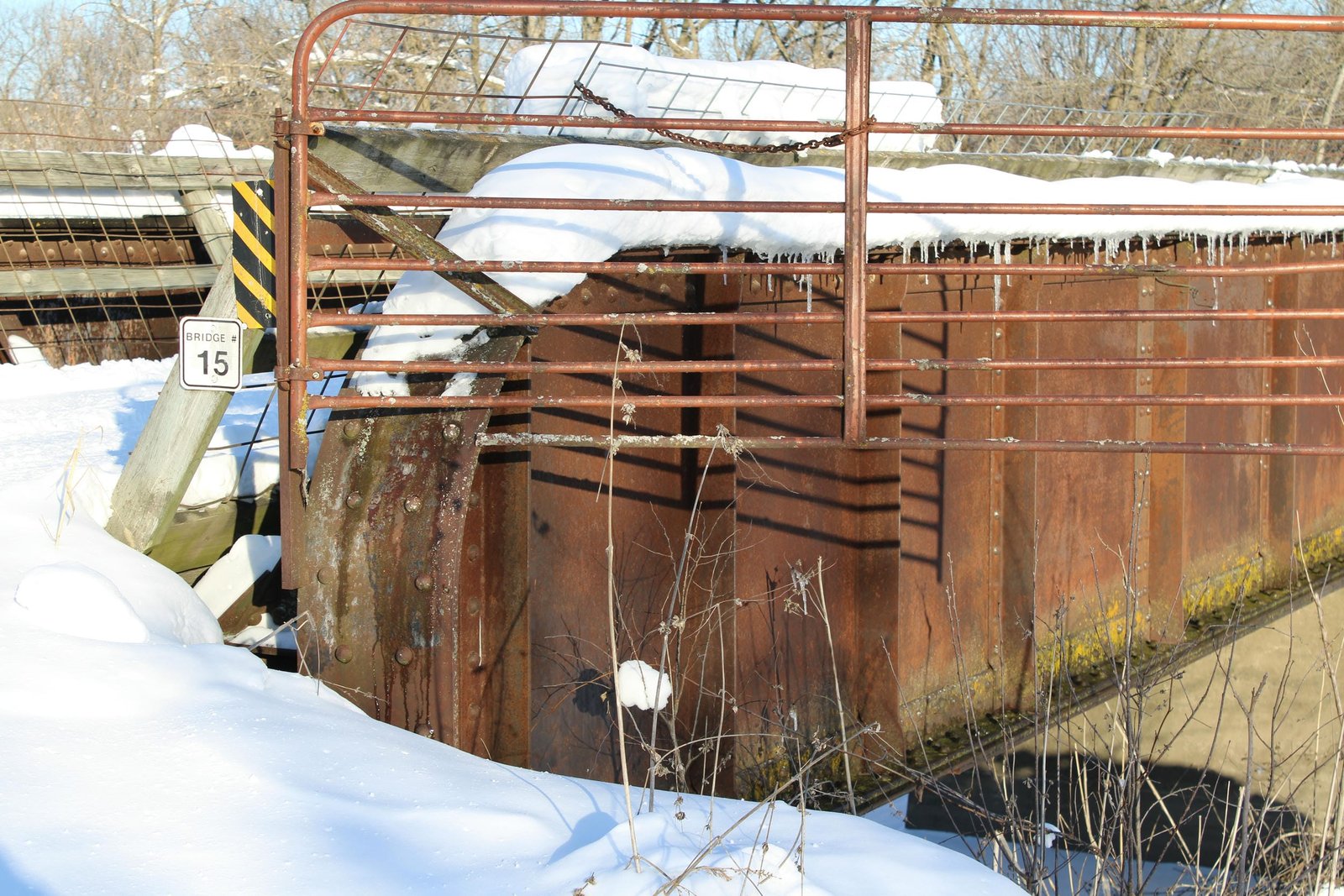
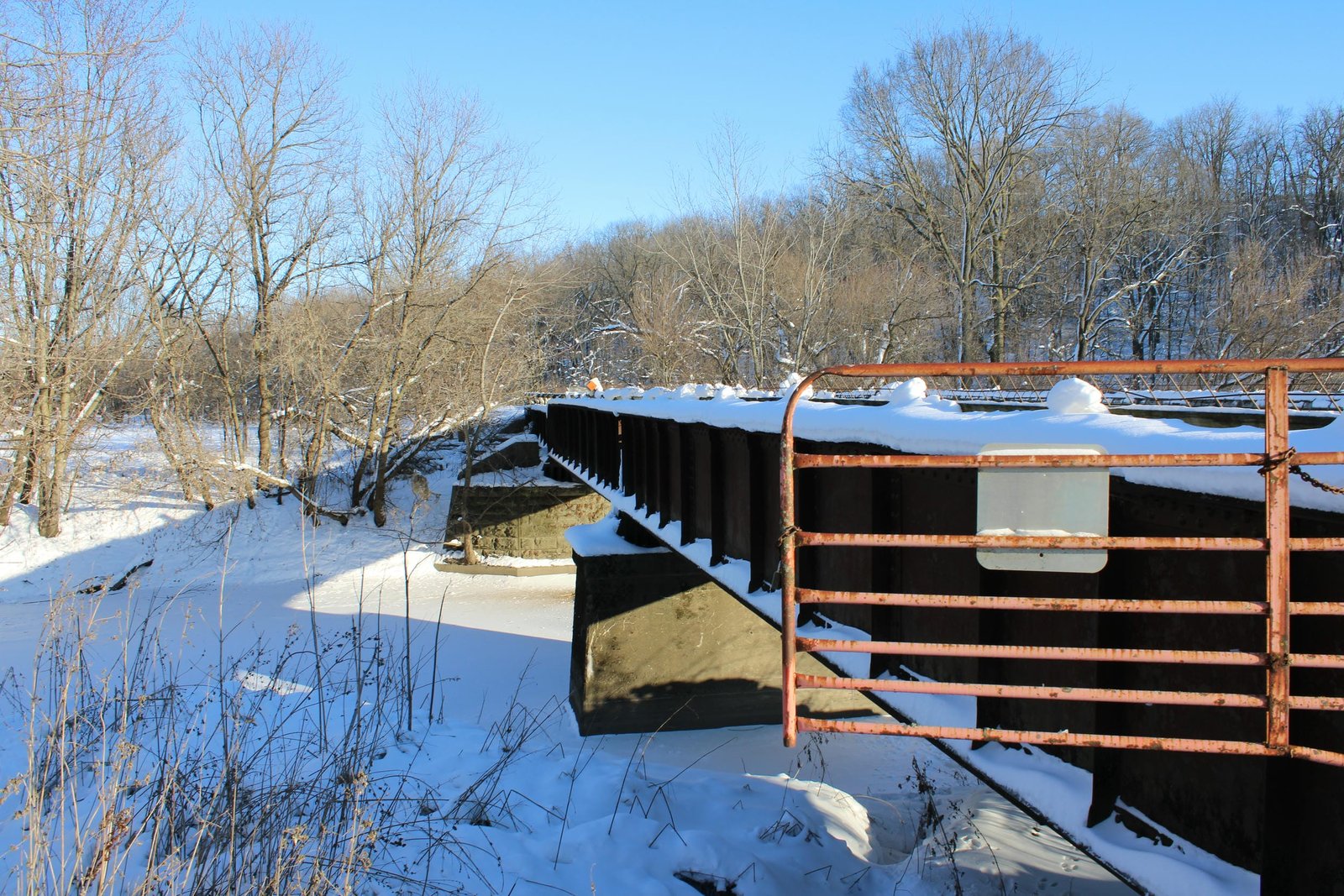
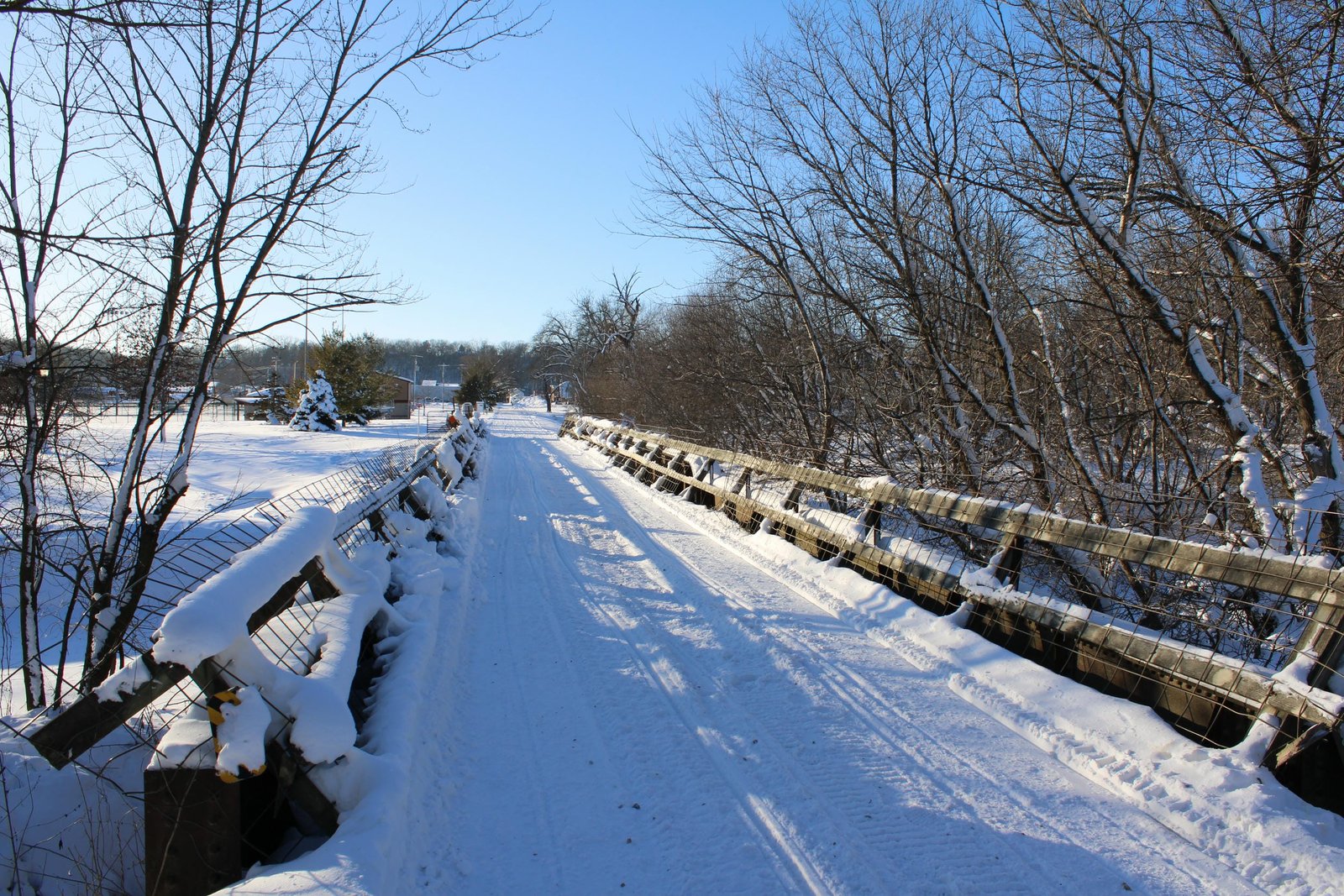
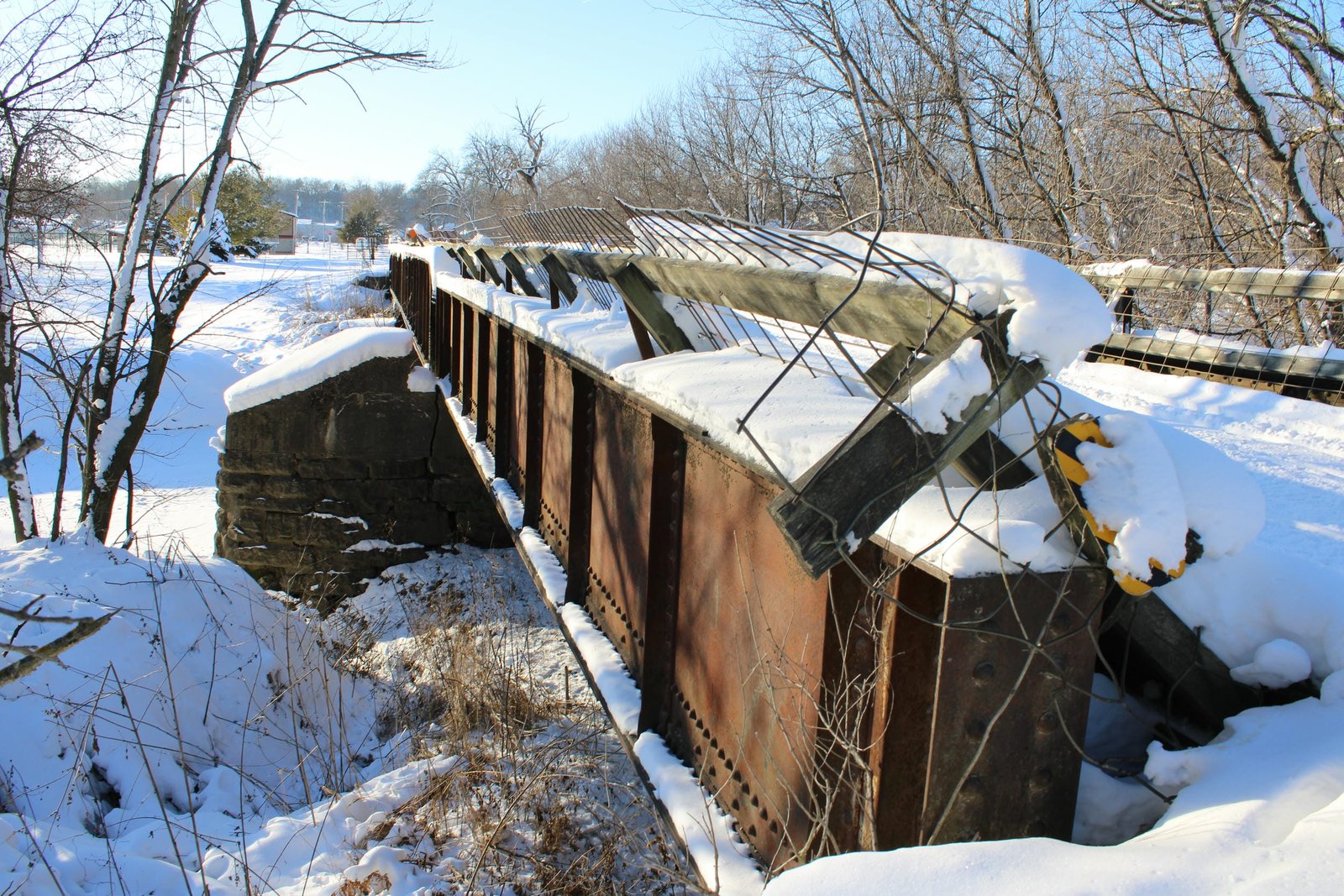
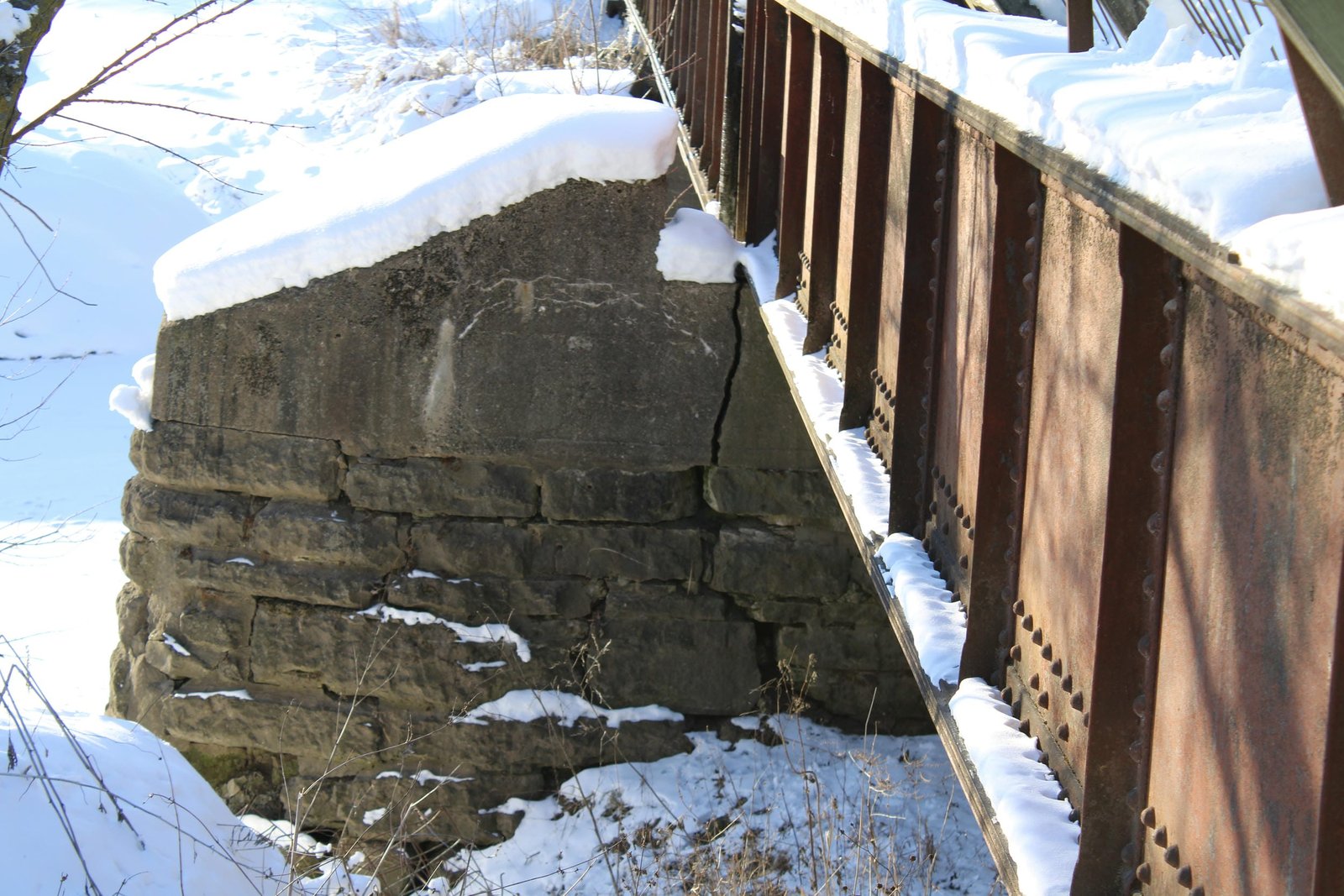
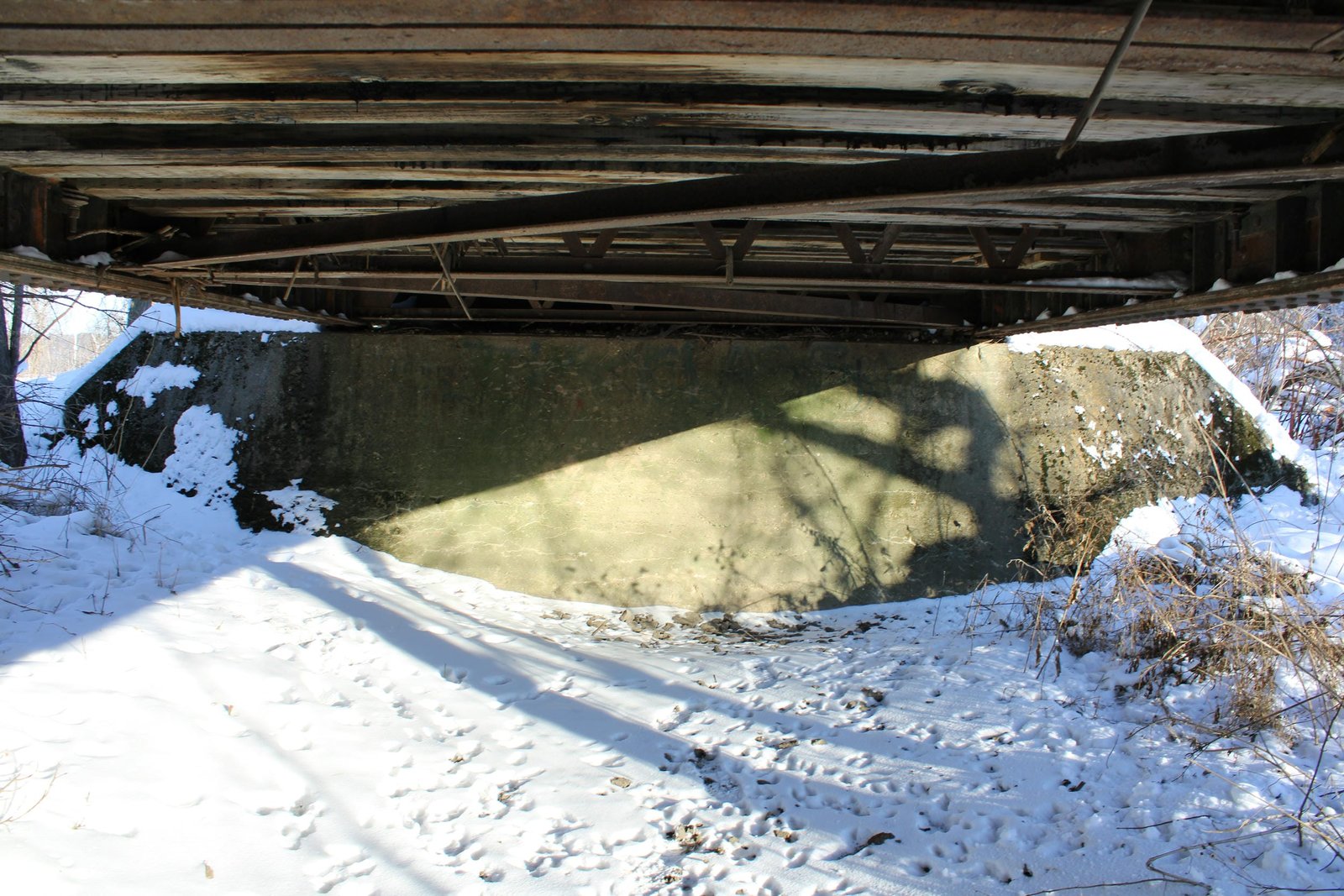
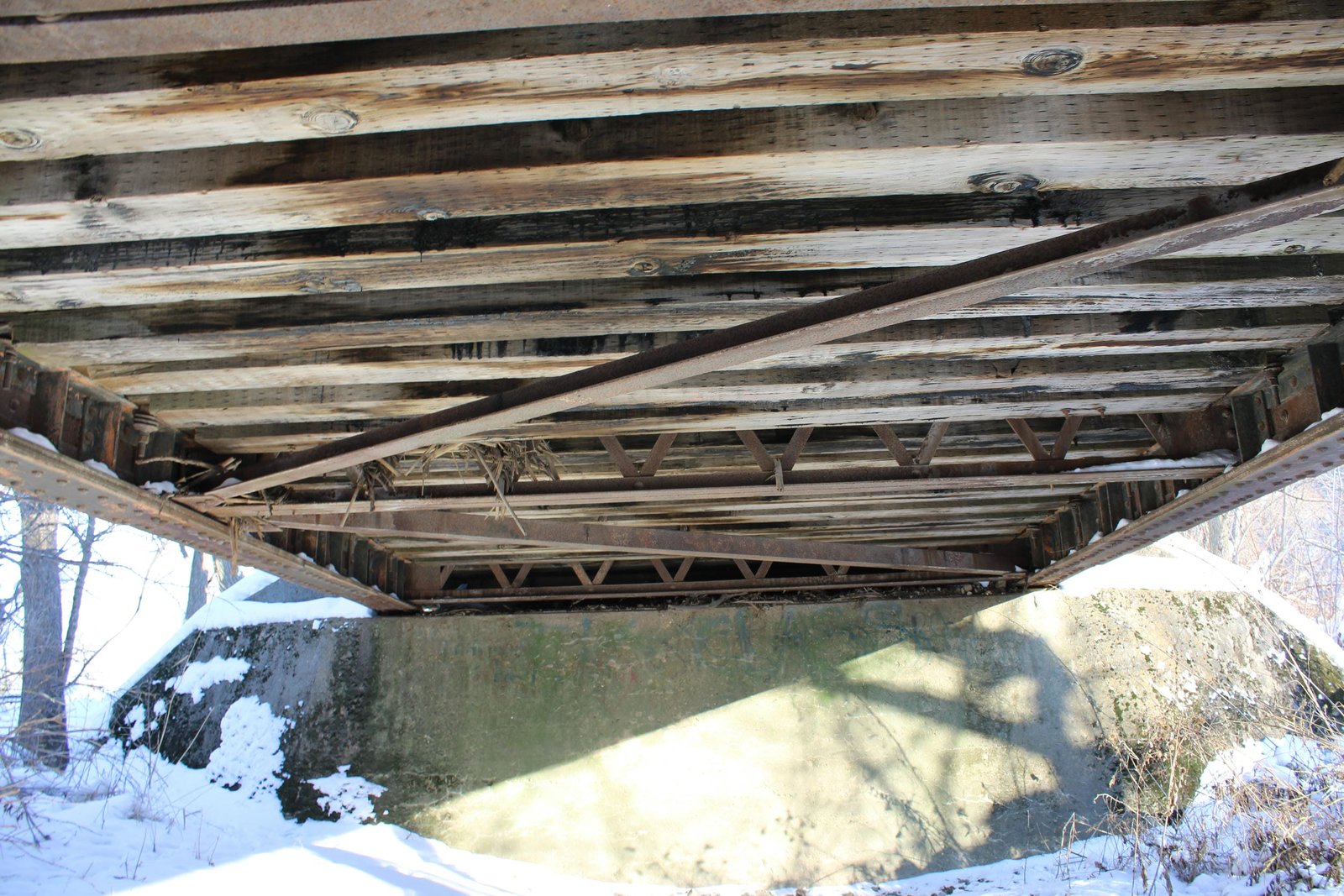
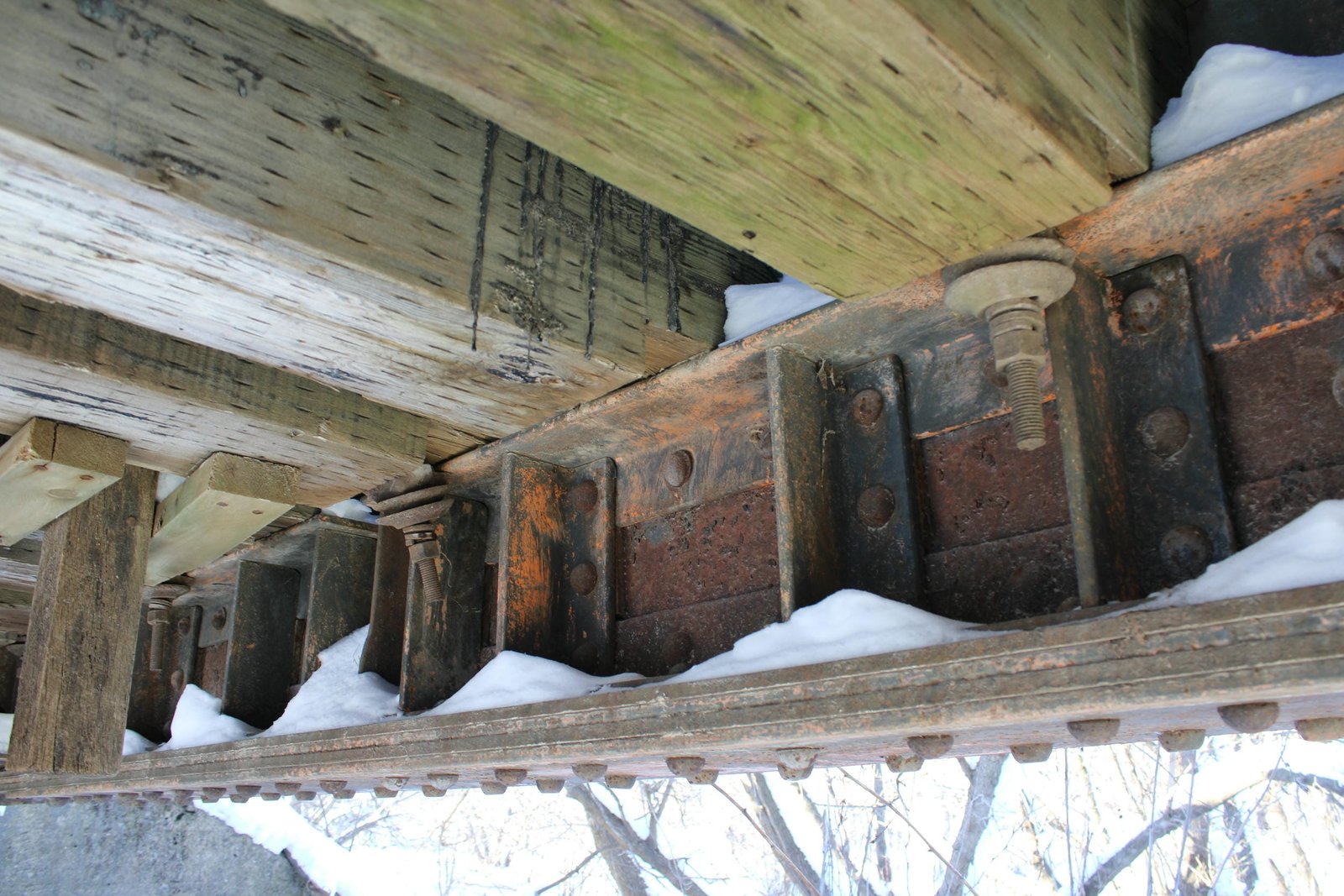
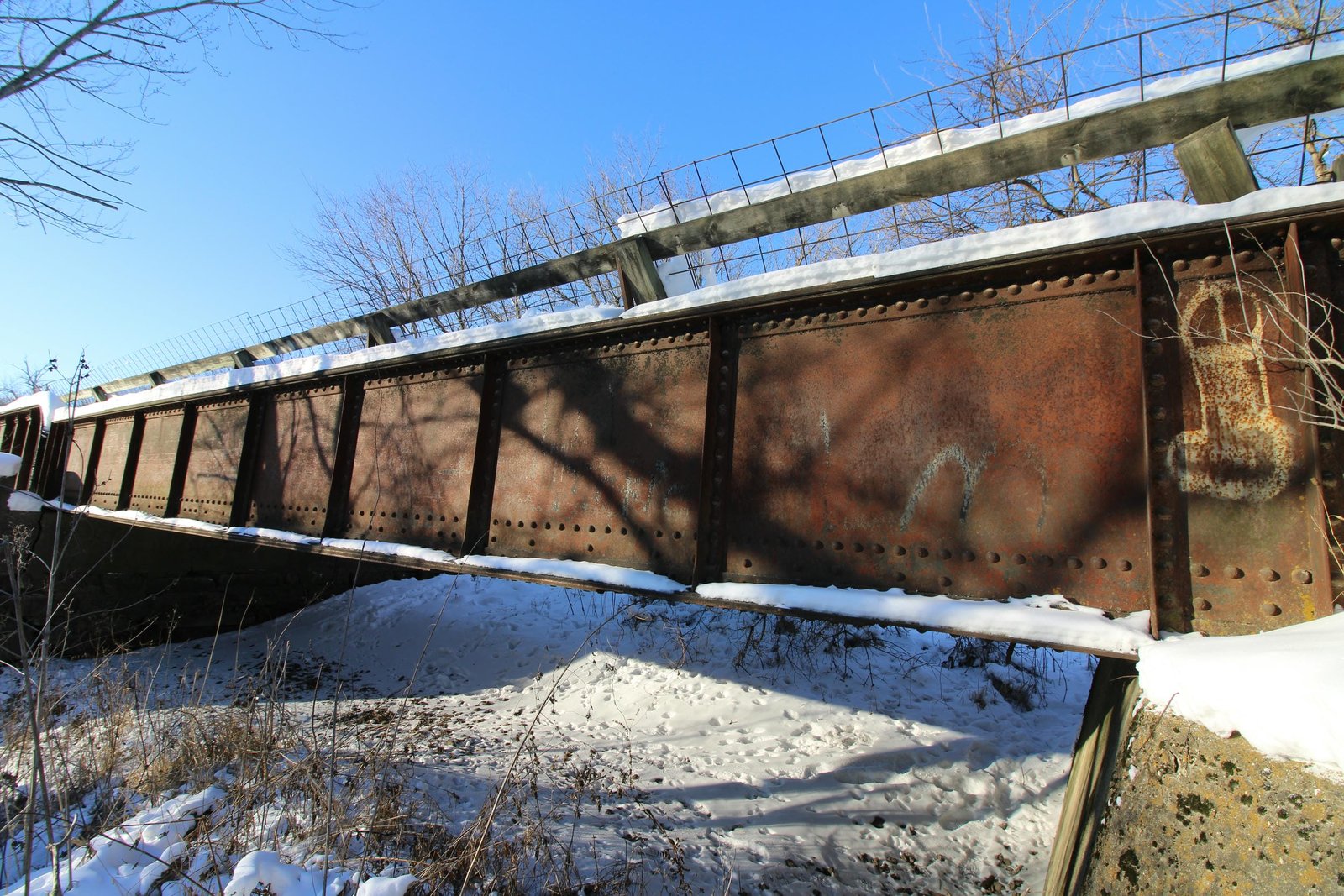
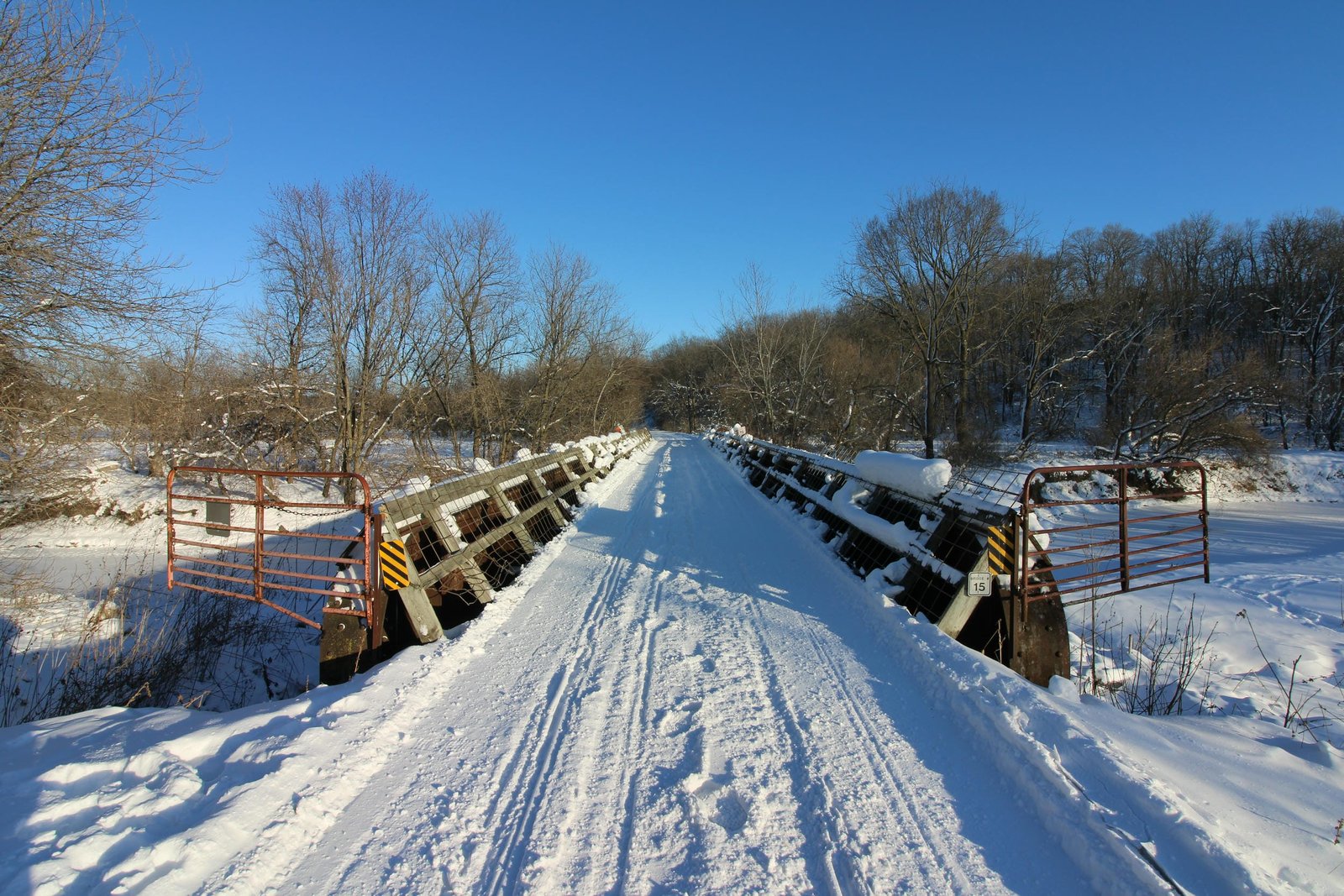
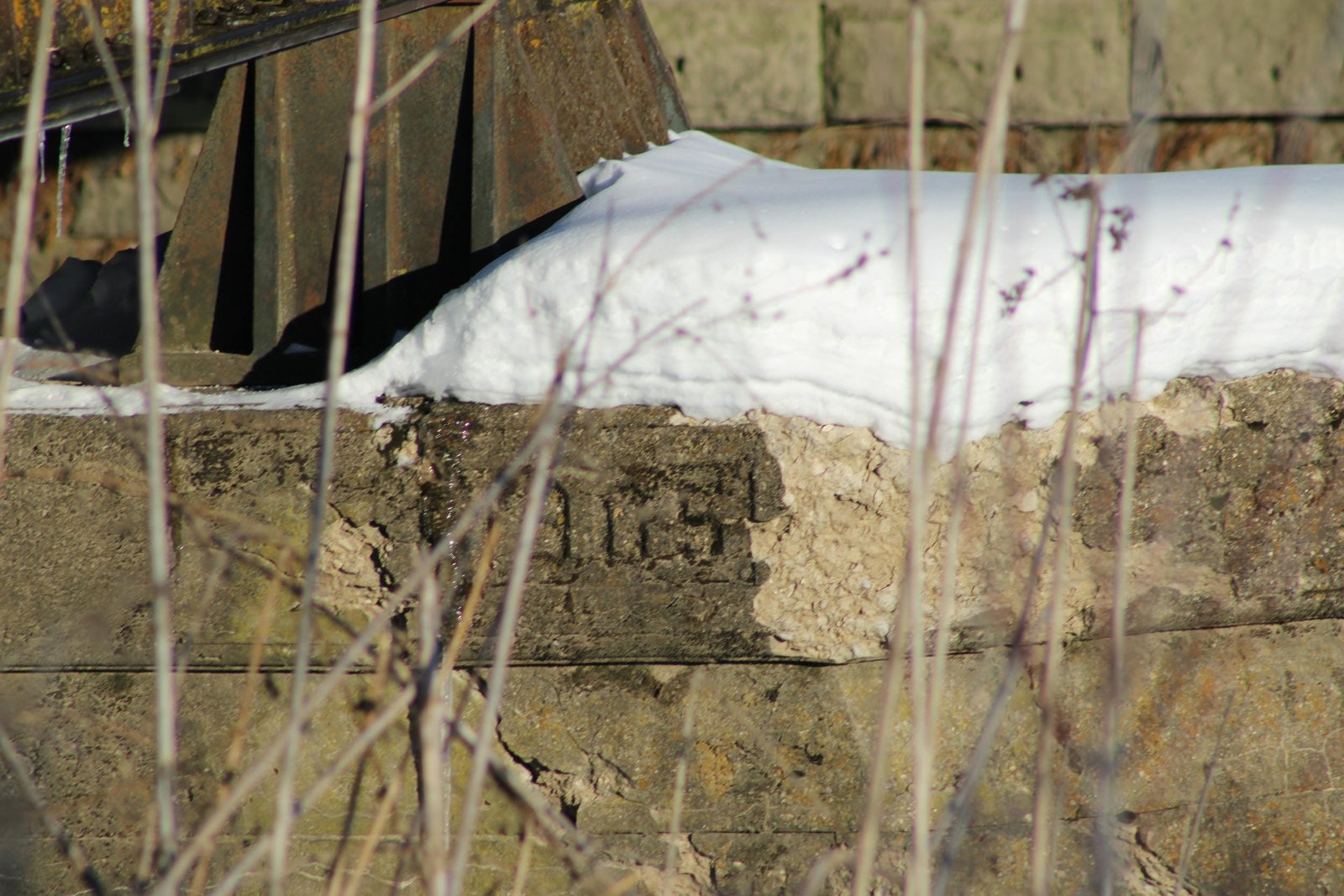
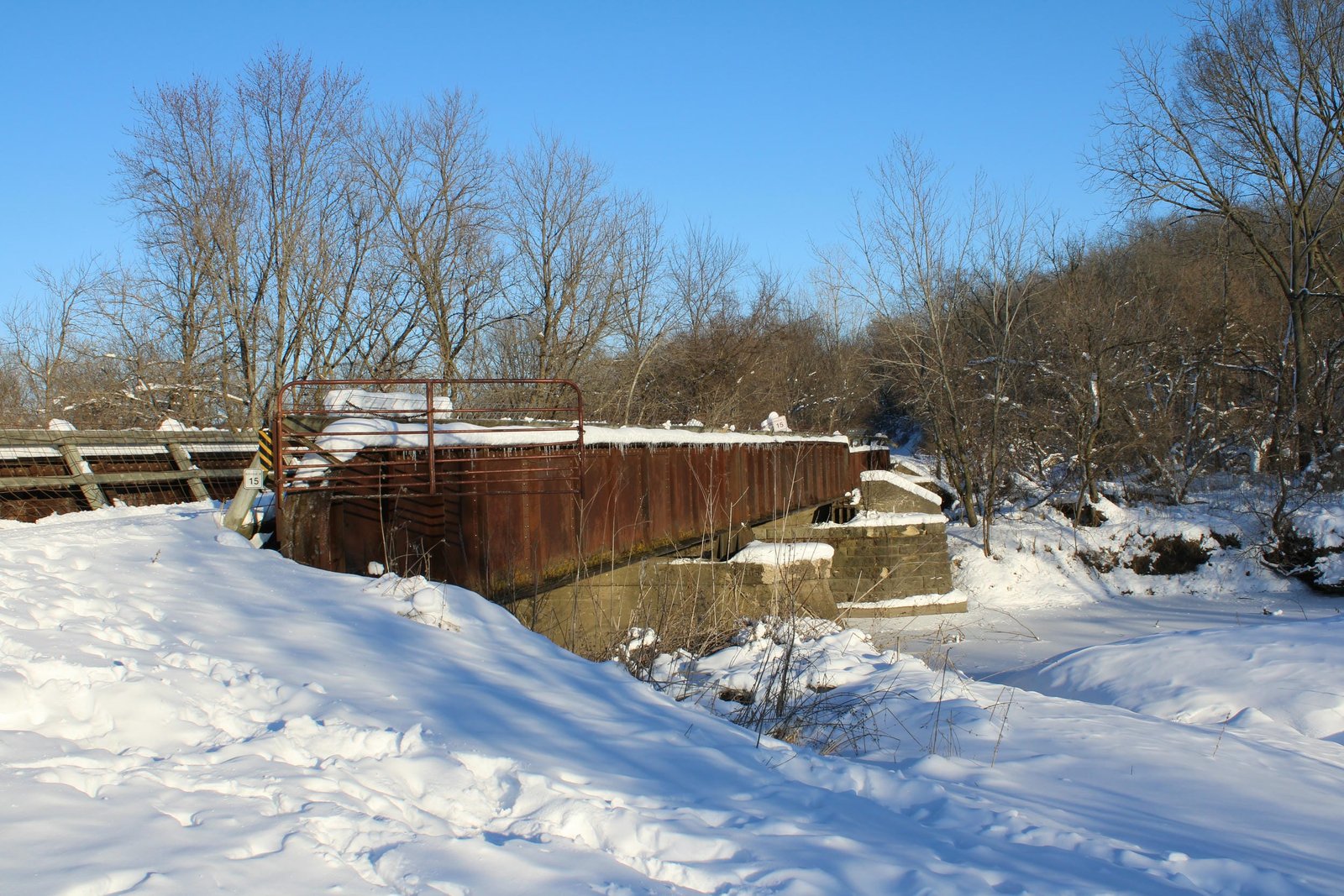
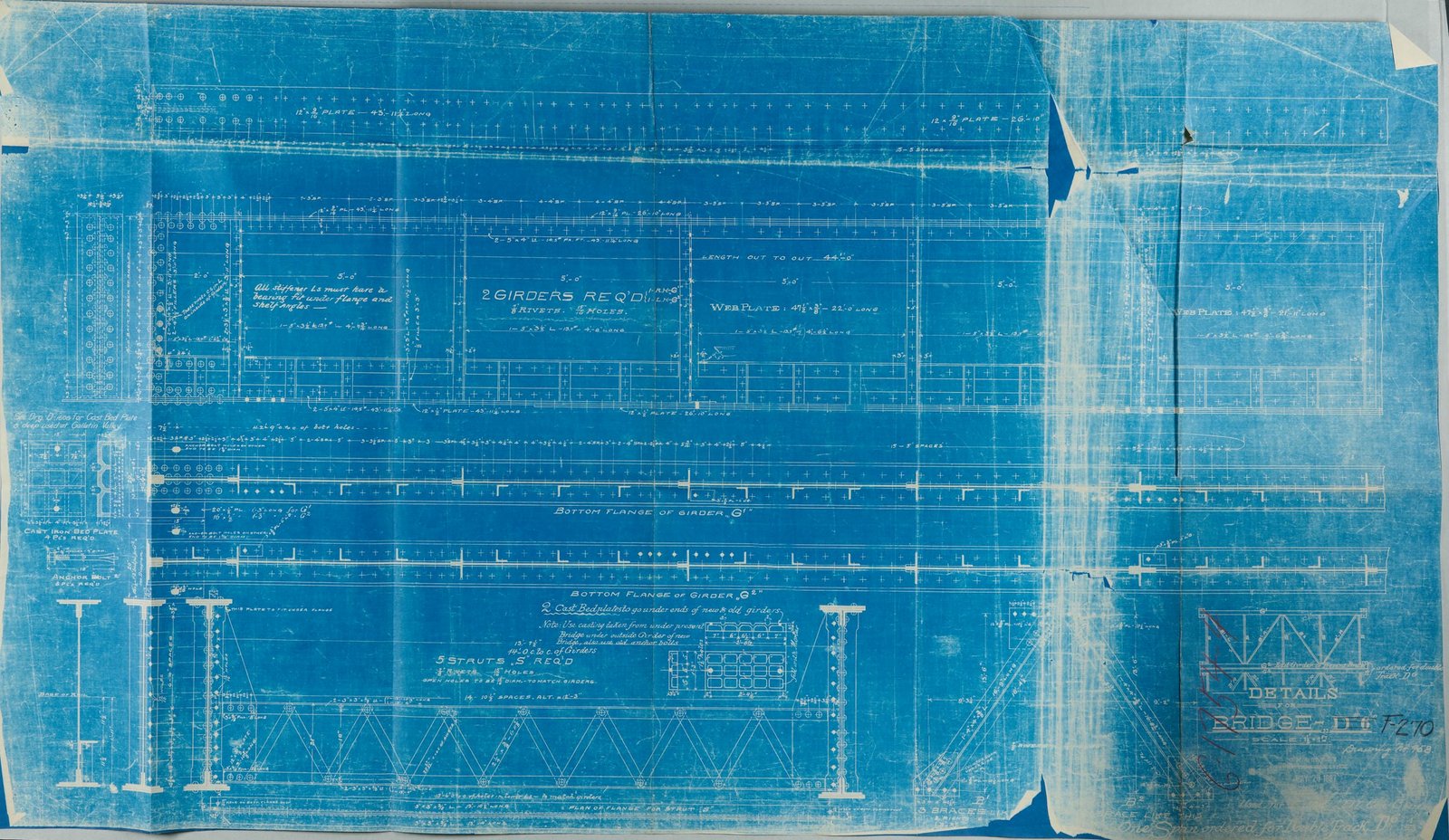
Located in Darlington, this through plate girder bridge is the fifth bridge carrying the former Chicago, Milwaukee, St. Paul & Pacific Railroad (Milwaukee Road) Mineral Point Division across the Pecatonica River. The first bridge at this location was likely a timber pile trestle bridge, constructed when the line was first built. The bridge was rebuilt with a wooden truss bridge set onto stone abutments in 1883. In 1894, the bridge was rebuilt with a 104-foot wooden Howe through truss span, reusing the stone abutments. In the early 20th Century, the Milwaukee Road made a number of upgrades to this line, replacing some timber bridges with steel and concrete structures. In 1905, the wooden truss span was replaced by a pair of through girders. The most recent upgrade to the bridge came in 1913, when a secondhand through plate girder span was added to the east end of the structure, possibly in response to a washout. Currently, the bridge consists of a two 52-foot type "C3" through plate girder spans and a 44-foot through plate girder span, set onto stone and concrete substructures. The two 52-foot spans use a standard design for type "C3" spans, with two modest sized plate girders, a floor consisting of four stringers and floorbeams placed throughout the structure, and rounded girder ends. The east span was fabricated in 1887 for use at Bridge #D-6, located across State Street in Milwaukee, Wisconsin; and consists of an unusual design. This span is constructed using numerous parallel timber floorbeams, with V-laced floorbeams spaced throughout the span. These floorbeams are set onto hangers, which are riveted to the inside of the girder. It is believed that this span was heavily modified upon relocation here. The stone substructures use a standard design with stepped wing walls, and are constructed of a brownish stone. The east pier has been modified with a concrete top, and the west pier is composed of a diamond shaped concrete pier. The east abutment uses a standard design, consisting of a concrete abutment with sloped wing walls. Unknown contractors fabricated the superstructure, and an unknown contractor fabricated the stonework. Typical of Milwaukee Road bridges, labor employed by the Bridge & Building Department constructed the concrete portions of the substructures. Railroads often reused steel and iron spans, as it provided a cost effective way to upgrade branch line bridges without requiring large amounts of new material. Through plate girder spans were commonly used by railroads, as they were durable and easy to construct. Since the initial construction, the bridge has seen few structural alterations. A concrete deck and steel railings have been added to the bridge, and it now carries the Cheese Country Trail. Overall, the bridge appears to be in fair to good condition, with no significant deterioration noted. The author has ranked this bridge as being moderately significant, due to the common design and age of the east span.
Citations
| Build date | Date stamp |
| Fabrication date, erection date and relocation history (east span) | Milwaukee Road Drawing Collection, located at the Milwaukee Road Archives at the Milwaukee Public Library |
| Railroad History Citation | ICC Valuation Information, Compiled by Richard S. Steele |