
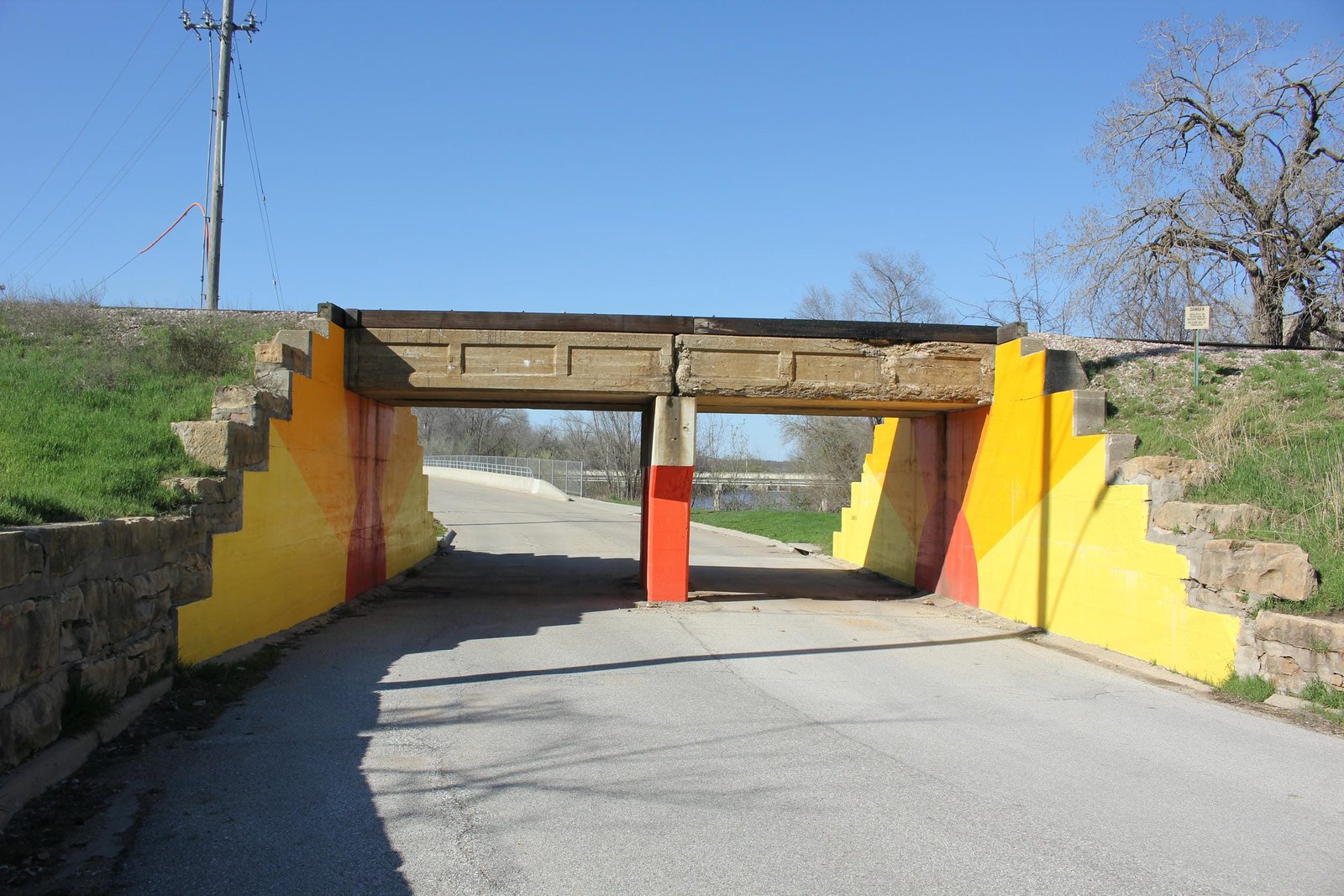
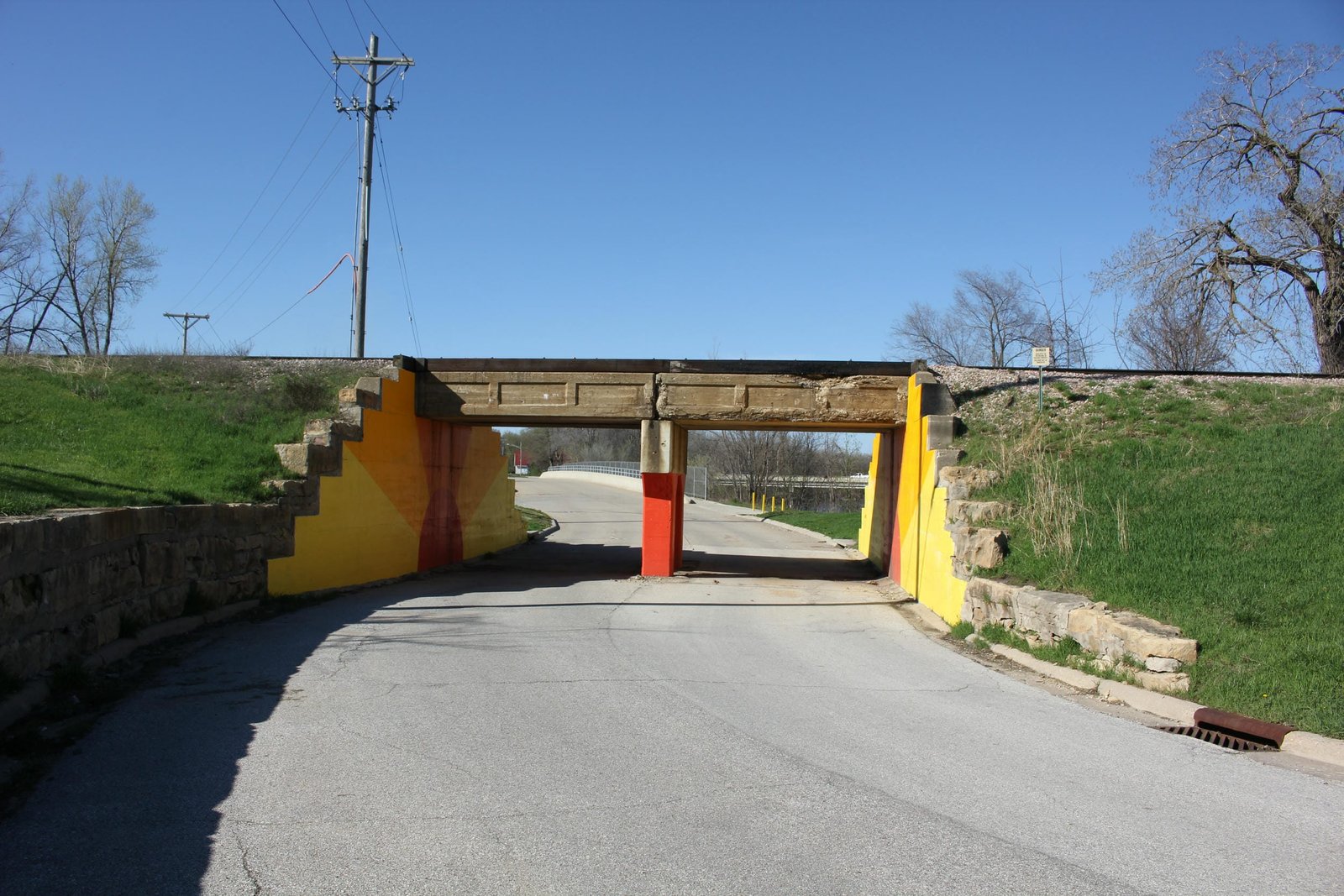
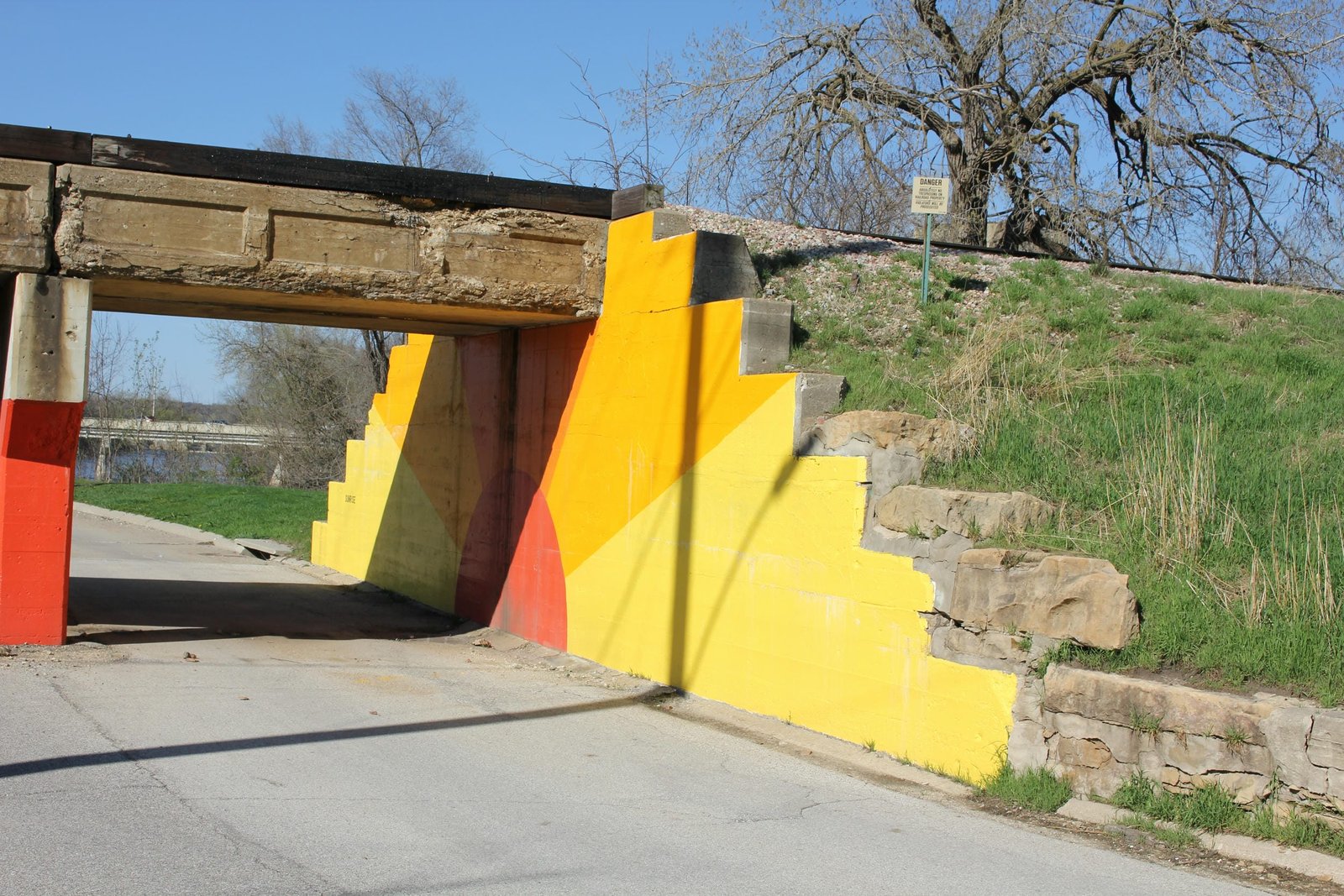
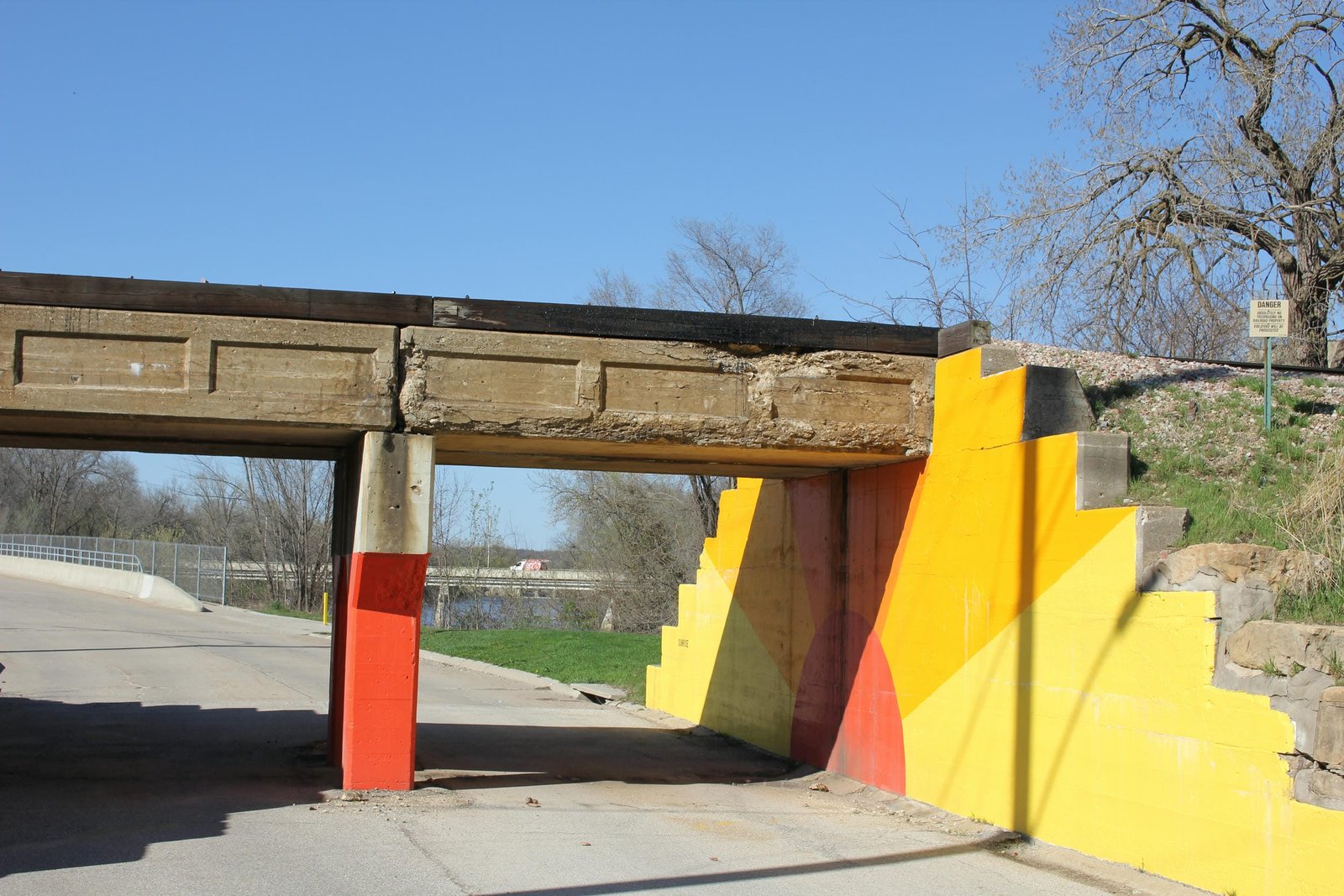
Click the photo to view the full-size version
| Name | CN Phinney Park Drive Bridge Illinois Central Railroad Bridge #W376.1 |
| Built By | Illinois Central Railroad |
| Currently Owned By | Canadian National Railway |
| Builder | Illinois Central Railroad Company Forces |
| Length | 34 Feet Total, 17 Foot Spans |
| Width | 1 Track |
| Height Above Ground | 12 Feet (Estimated) |
| Superstructure Design | Concrete Slab |
| Substructure Design | Concrete |
| Date Built | 1915 |
| Traffic Count | 3 Trains/Day (Estimated) |
| Current Status | In Use |
| Illinois Central Railroad Bridge Number | W376.1 |
| Canadian National Railway Bridge Number | 376.1 |
| Significance | Local Significance |
| Documentation Date | 4/17/2017 |
In 1857, the Dubuque and Pacific Railroad (D&P) began construction of a new mainline across central Iowa, which sought to link to the existing Illinois Central Railroad (IC) at Dubuque, Iowa. In May 1857, the first 29 miles were completed between Dubuque and Dyersville, Iowa. In March 1860, the line was completed an additional 49 miles from Dyersville to Jesup, Iowa. In 1860, the D&P was sold to the Dubuque and Sioux City Railroad (D&SC). The D&SC completed an additional 22 miles to Cedar Falls, Iowa in 1861; followed by an additional 43 miles to Iowa Falls, Iowa in 1866. By 1867, the IC had garnered interest in this line, and leased the D&SC. The following year, a bridge across the Mississippi River at Dubuque was completed to link this line and the IC line towards Freeport, Illinois. In August 1869, the Iowa Falls and Sioux City Railroad (IF&SC) completed an additional 49 miles from Iowa Falls to Fort Dodge, Iowa. In October 1870, an additional 135 miles were completed west to the Missouri River at Sioux City, Iowa. The IF&SC was also affiliated with the D&SC and IC; and was fully merged into the D&SC in 1888.
By the late 19th Century, the IC had developed and operated a sprawling railroad network in the central United States. This line served as a principal mainline for the company, connecting Chicago to the Missouri River at Sioux City. In the 20th Century, the IC had become a respected railroad, connecting several major cities in the central United States. The D&SC was fully merged into the IC in 1946. In 1972, the IC merged with the Gulf, Mobile & Ohio Railroad (GM&O) to form the Illinois Central Gulf (ICG). The entire IC system in Iowa, as well as the line between Dubuque and Chicago, were sold to the Chicago Central & Pacific Railroad (CC&P) in 1995. In 1988, the ICG was reorganized as the Illinois Central Railroad (IC). In 1996, the CC&P was repurchased by IC and in 1998, IC was purchased by the Canadian National Railway (CN). Today, CN operates the Dubuque Subdivision between Dubuque and Waterloo, Iowa; the Waterloo Subdivision between Waterloo and Fort Dodge, and the Cherokee Subdivision between Fort Dodge and Sioux City.
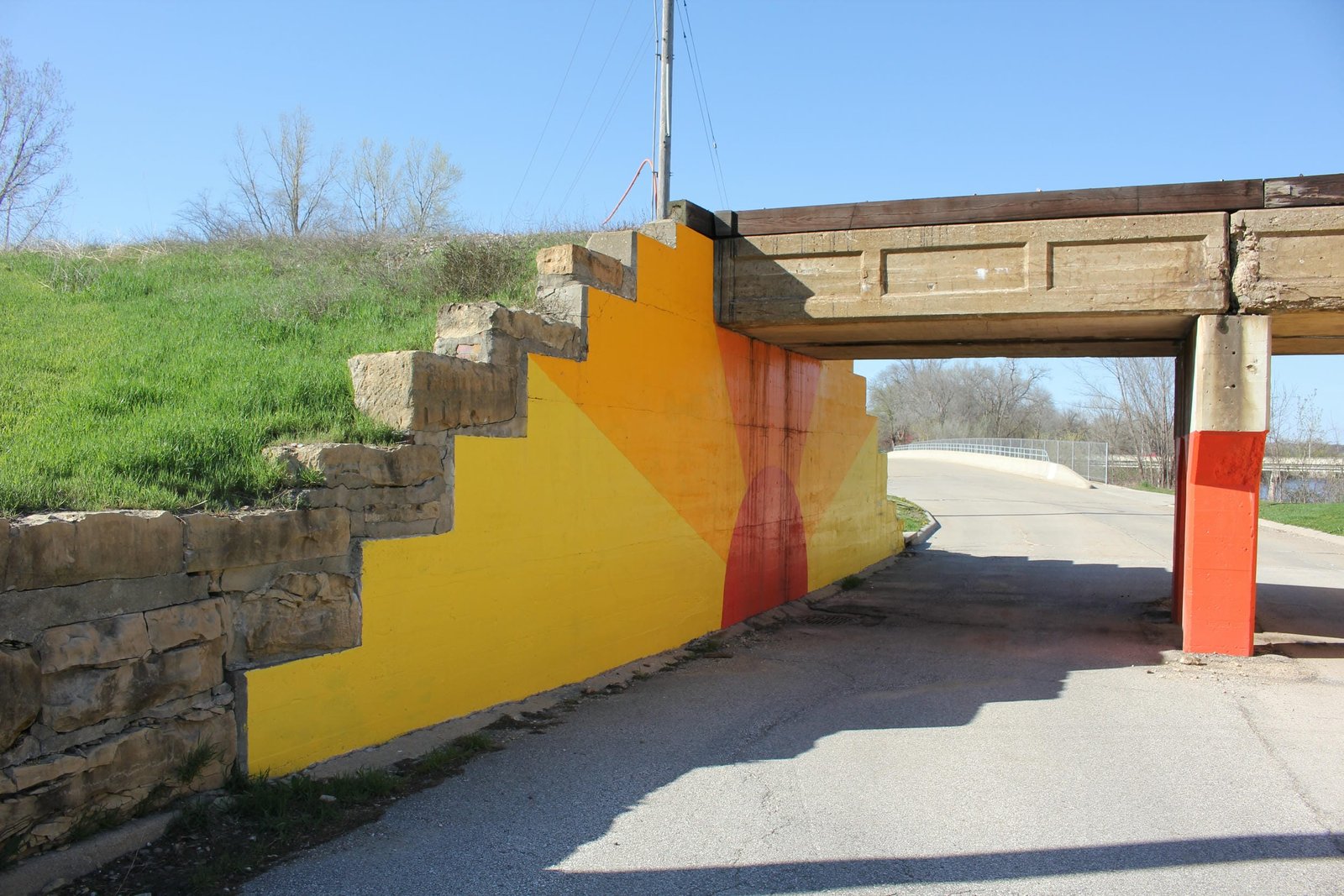
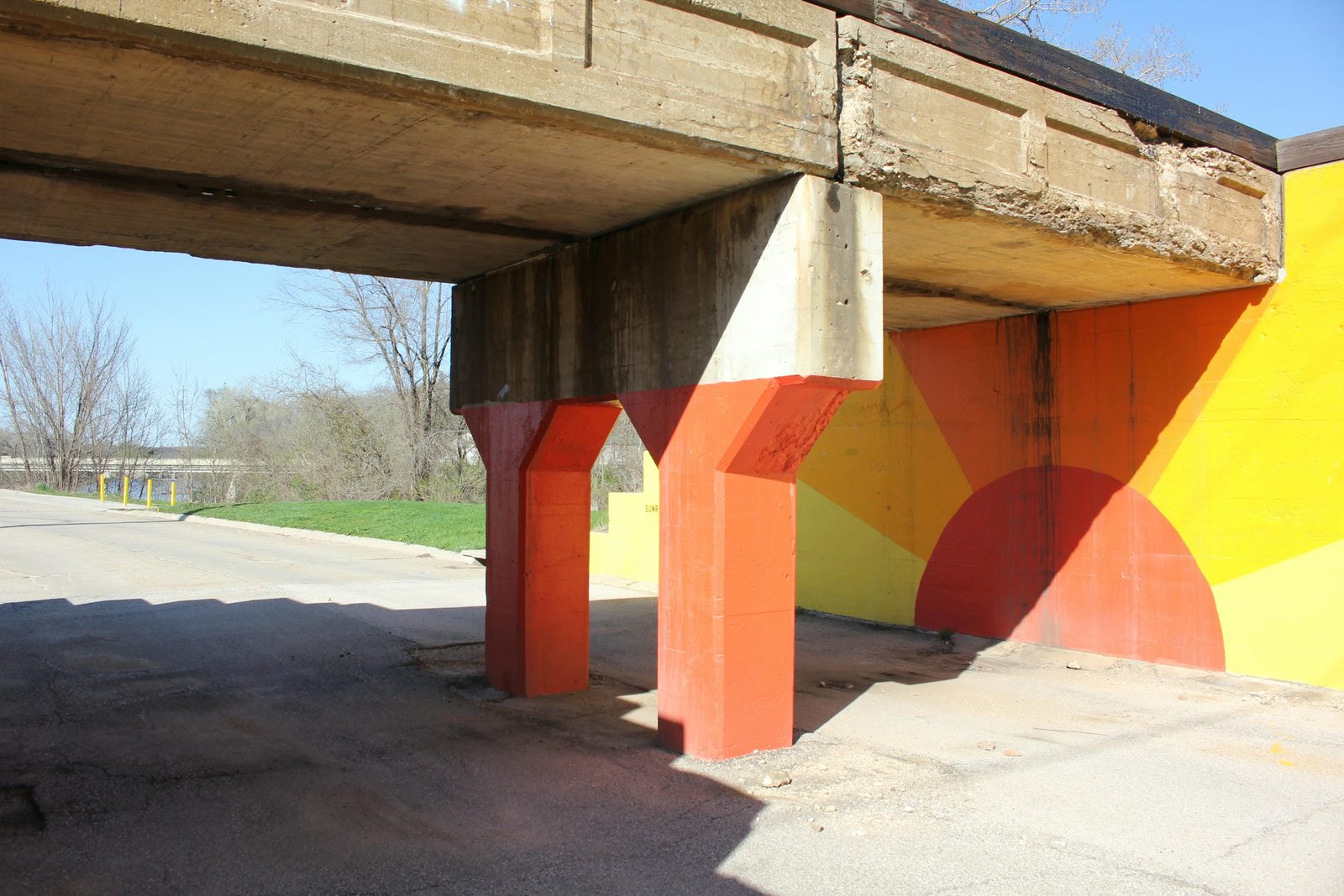
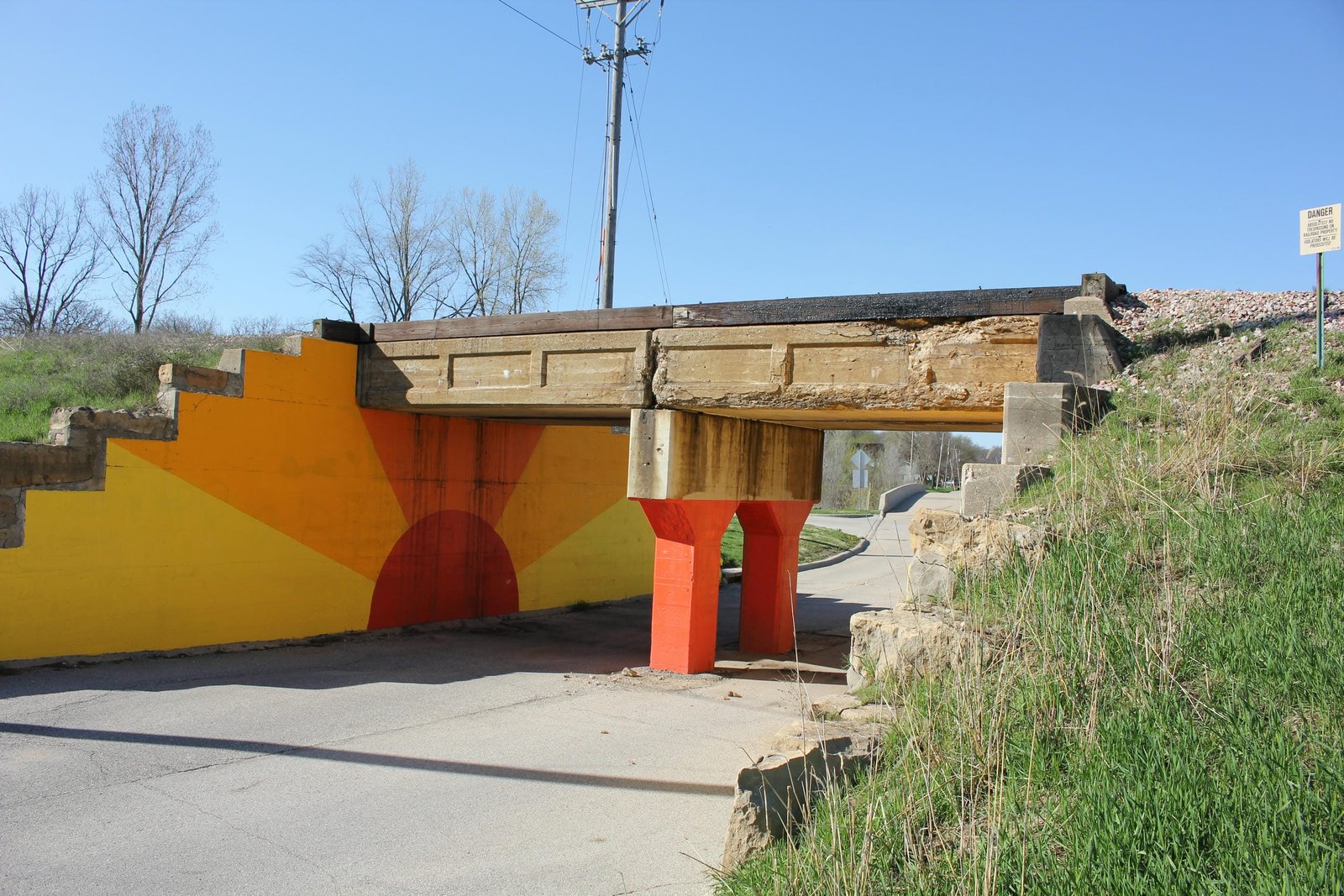
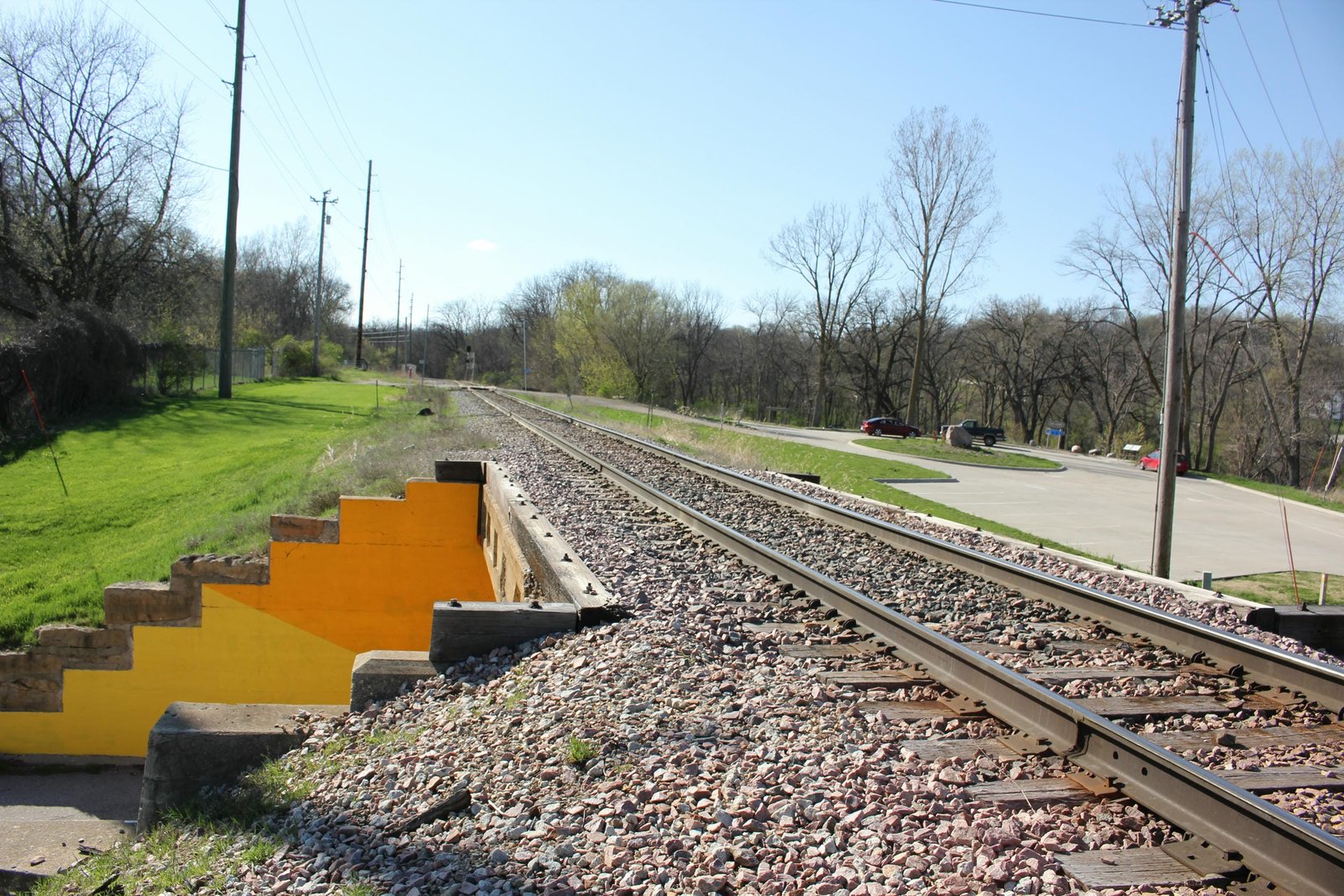
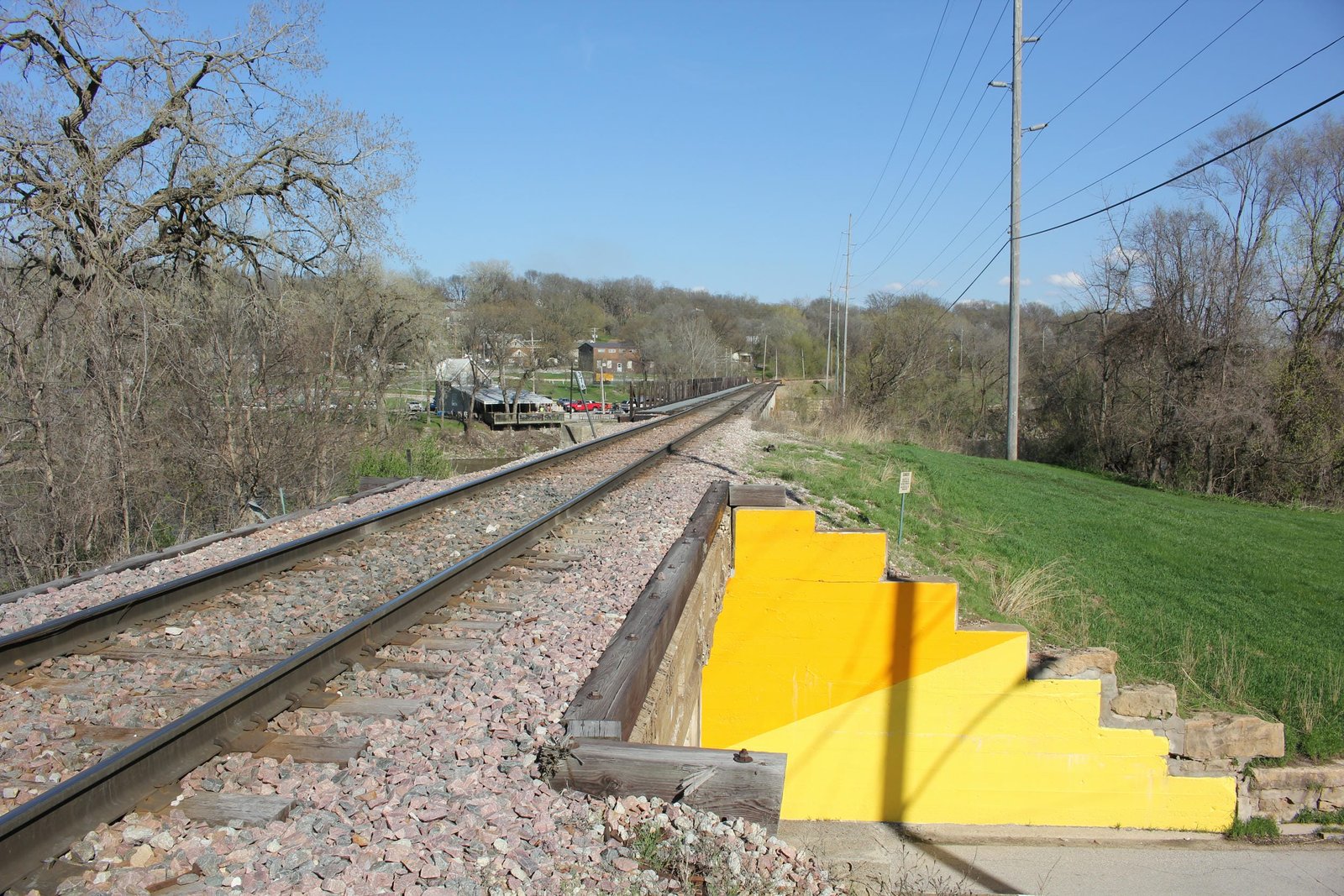
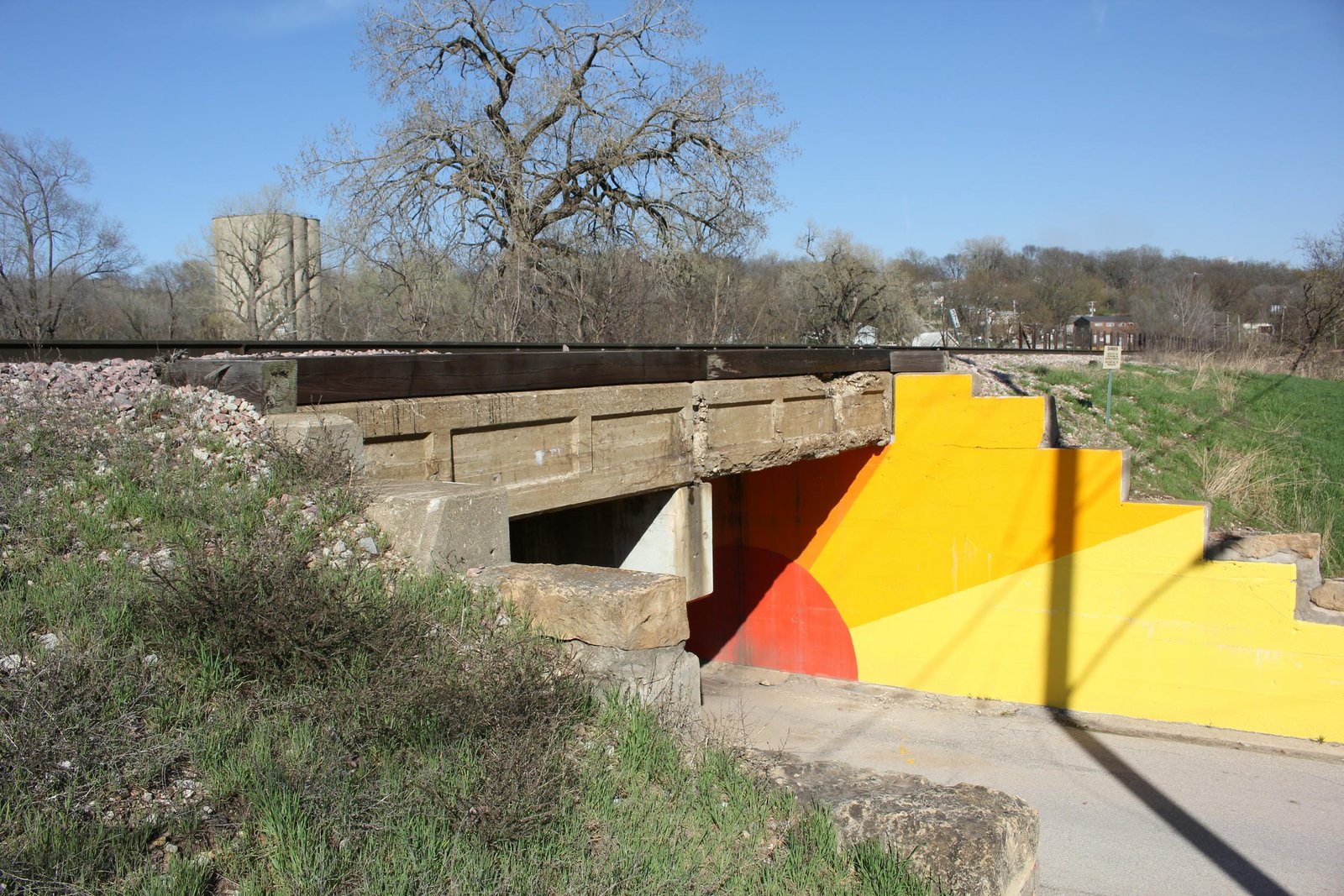
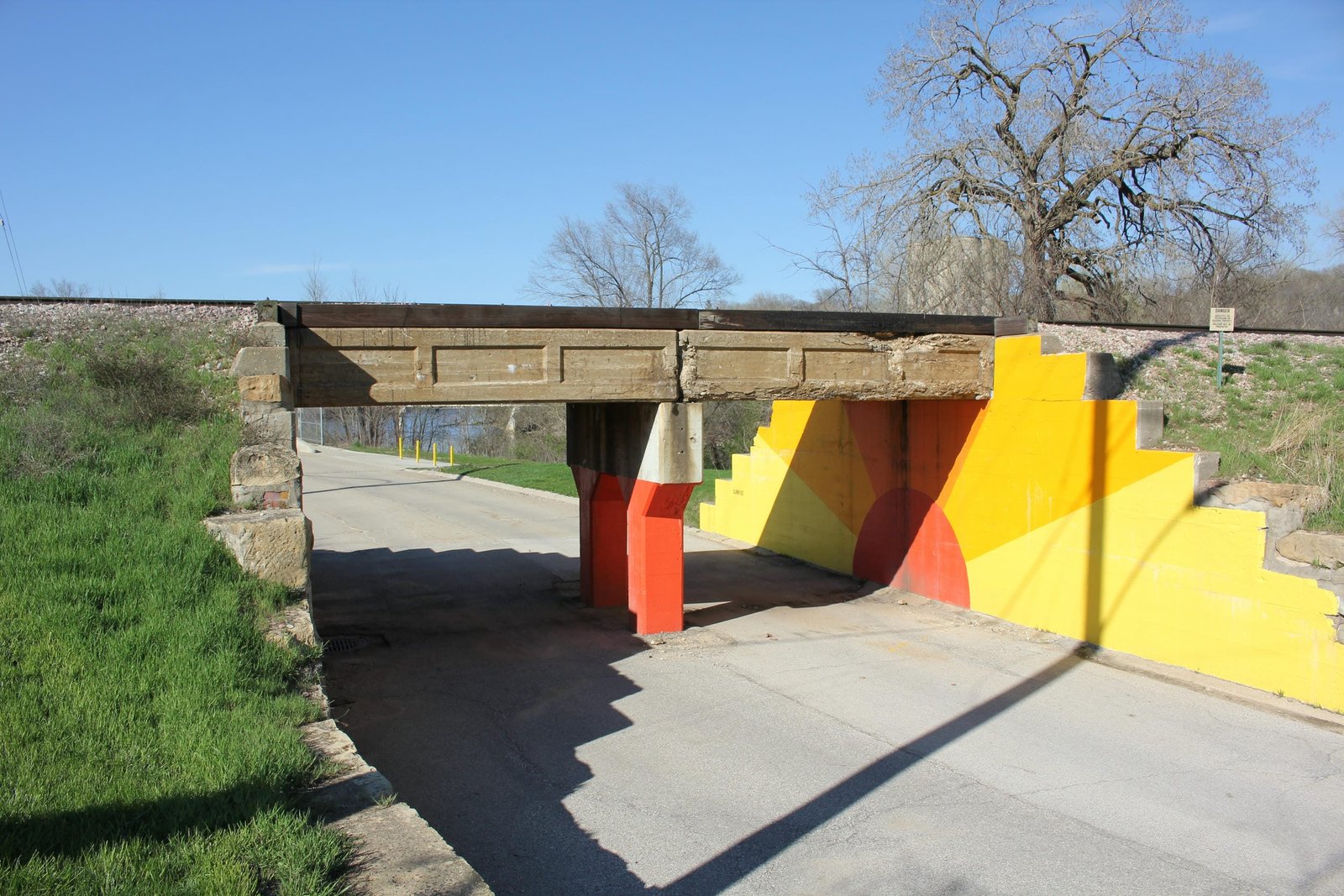
Located on the northwest side of Fort Dodge, this concrete slab bridge carries a former Illinois Central Railroad mainline over Phinney Park Drive. In 1914, the City of Fort Dodge began developing Phinney Park as a new city park along the west bank of the Des Moines River. As part of the work, an underpass under the IC would be required. The City and railroad reached an agreement where the city would excavate the underpass and the railroad would construct the bridge. Work on the structure was completed throughout the summer of 1915. Currently, the bridge consists of two 17-foot concrete slab spans, set onto concrete substructures. The superstructure follows a standard design, with reinforced slabs and decorative paneling on the exterior. Four slabs are used, which were likely cast offsite and installed using a derrick. The substructure also follows a standard design, with an art deco pier consisting of two columns with flares at the top, connected by a concrete beam. The abutments use stepped wing walls, and the southeast and southwest wing walls have been capped with limestone for a rustic finish. The bridge was constructed by labor employed by the IC, while the bridge was likely also designed by the IC bridge department. Concrete slab spans were popular for grade separations in the 1910s and 1920s, as they were durable, economical and easy to construct. In addition, this type of bridge could easily be altered to be decorative and more attractive to the surrounding area. Since the initial construction, the bridge has seen no significant alterations, remains in use. Overall, the bridge appears to be in fair to good condition, with no significant deterioration noted. The author has ranked this bridge as being locally significant, due to the common design.
Citations
| Builder and build date | Illinois Central Railroad Valuation Engineering Field Notes at the National Archives |
| Railroad History Citation | ICC Valuation Information, Compiled by Richard S. Steele |