


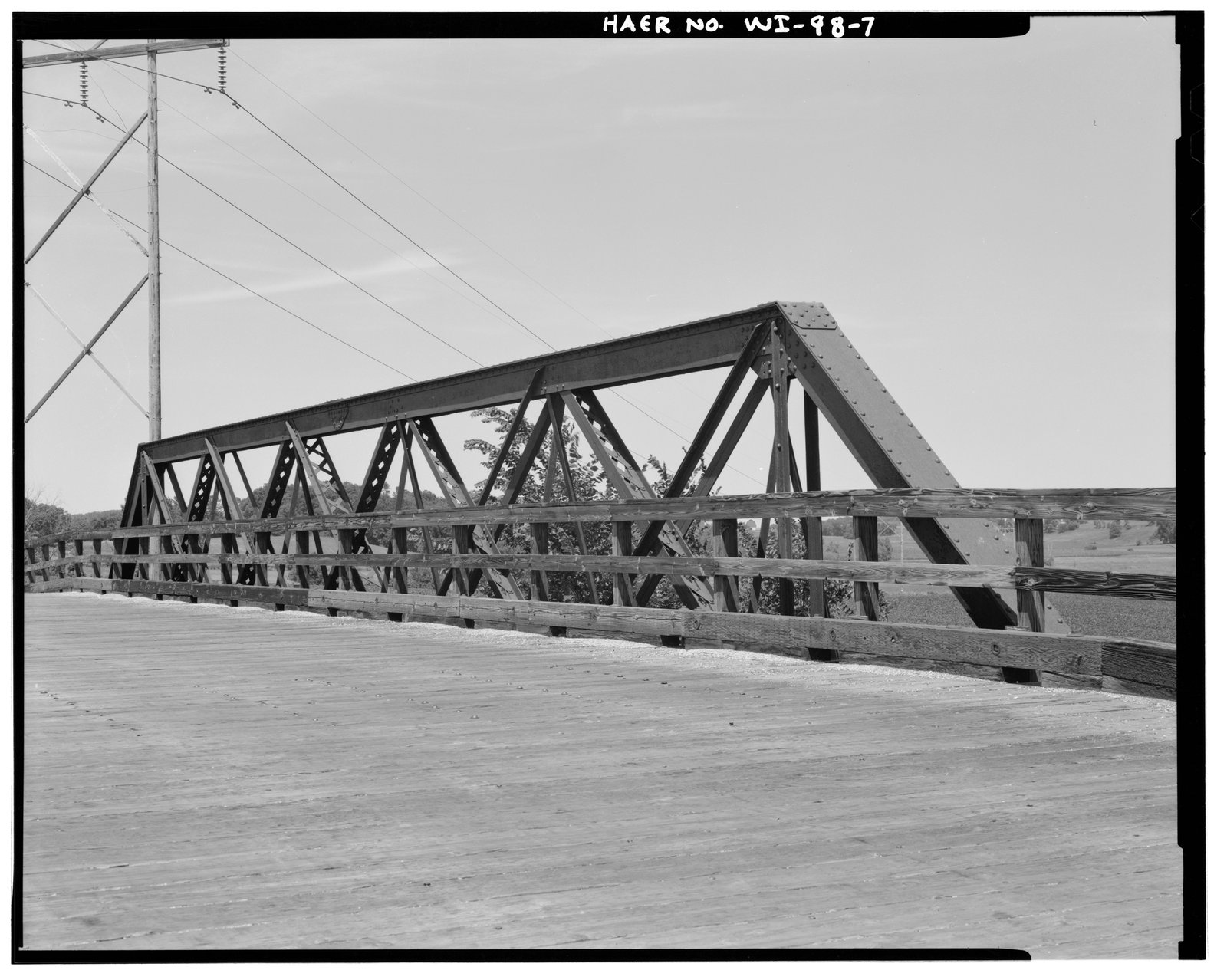

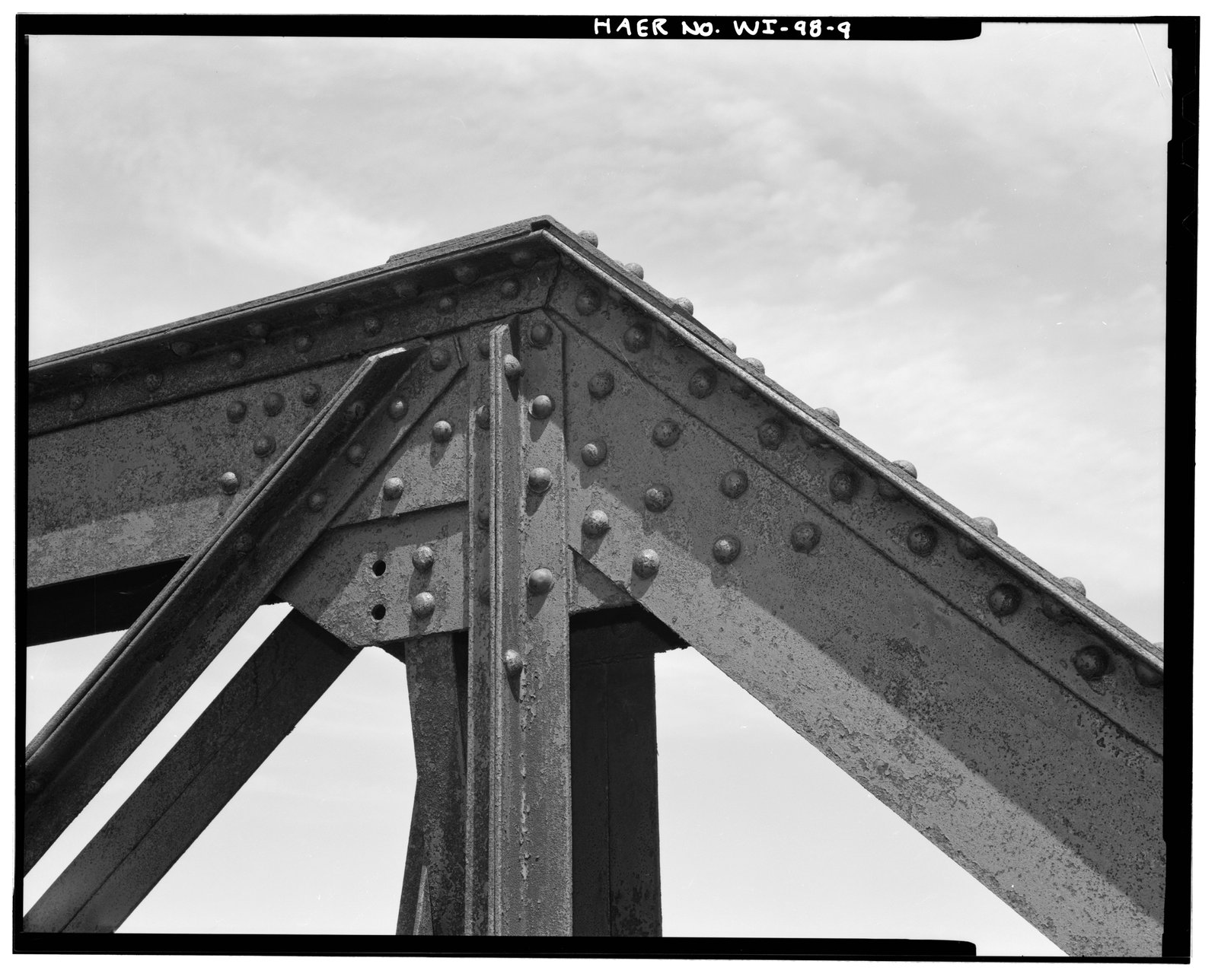
Click the photo to view the full-size version
| Name | Lammscapes Railroad Bridge Poplar Grove Road Overpass |
| Built By | Chicago & North Western Railway |
| Currently Owned By | Lammscapes |
| Superstructure Contractor | Alden and Lassig Bridge & Iron Works of Chicago, Illinois (Initial Fabrication) American Bridge Company of New York (Lassig Plant) (1910 Reconstruction) |
| Length | 84 Feet Total |
| Width | 24 Feet Total |
| Height Above Ground | 5 Feet (Estimated) |
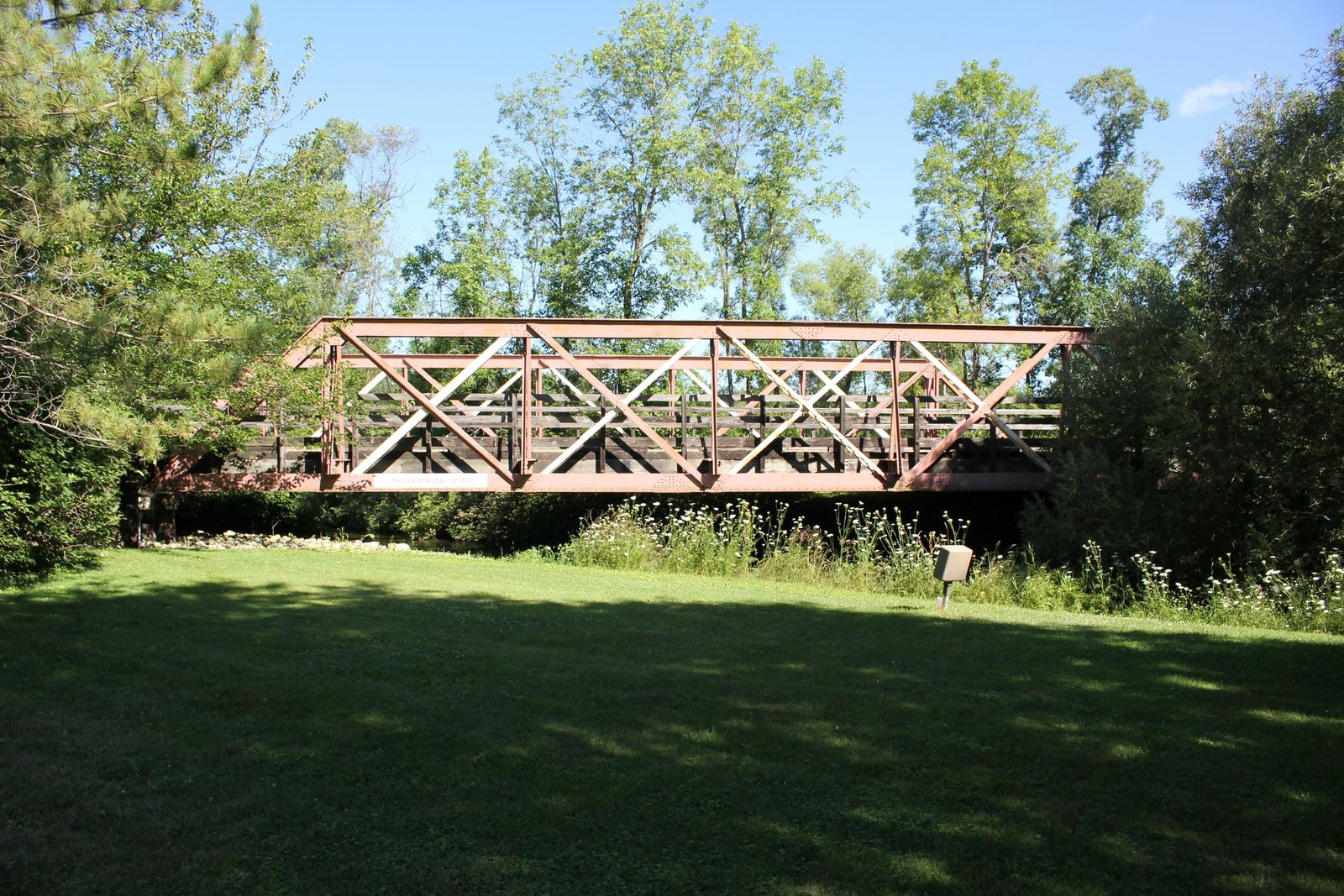
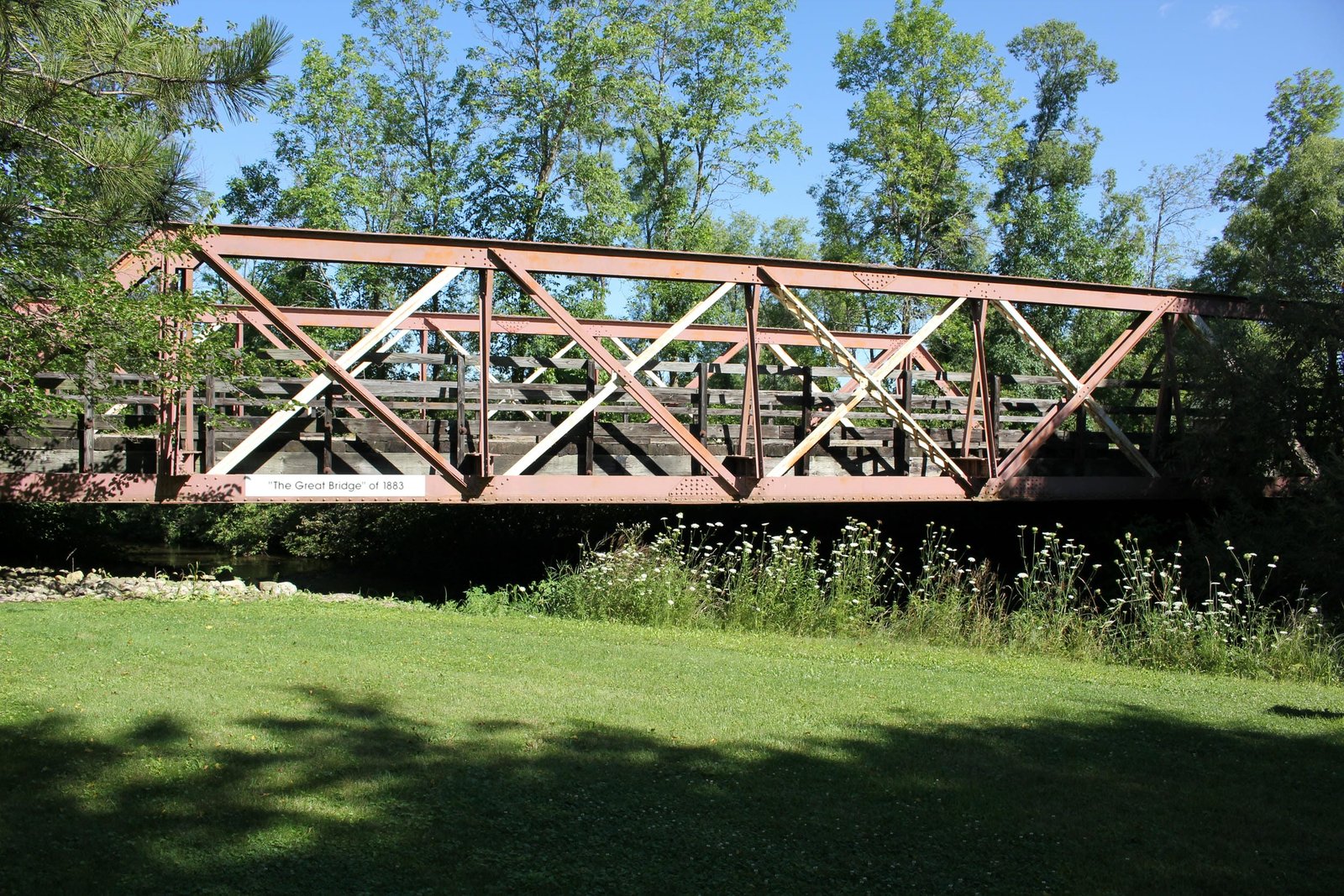
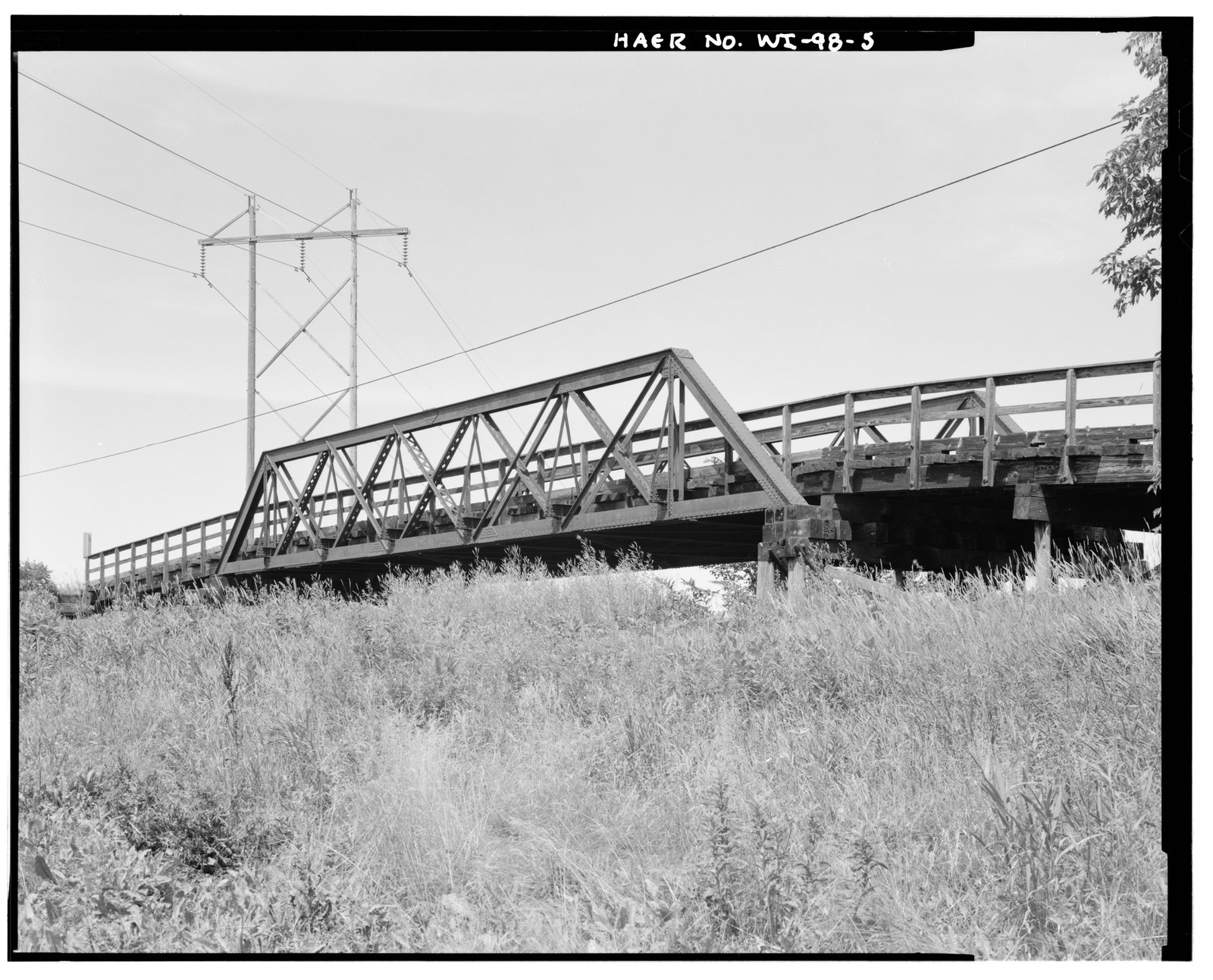
| Superstructure Design | Double Intersection Warren Pony Truss |
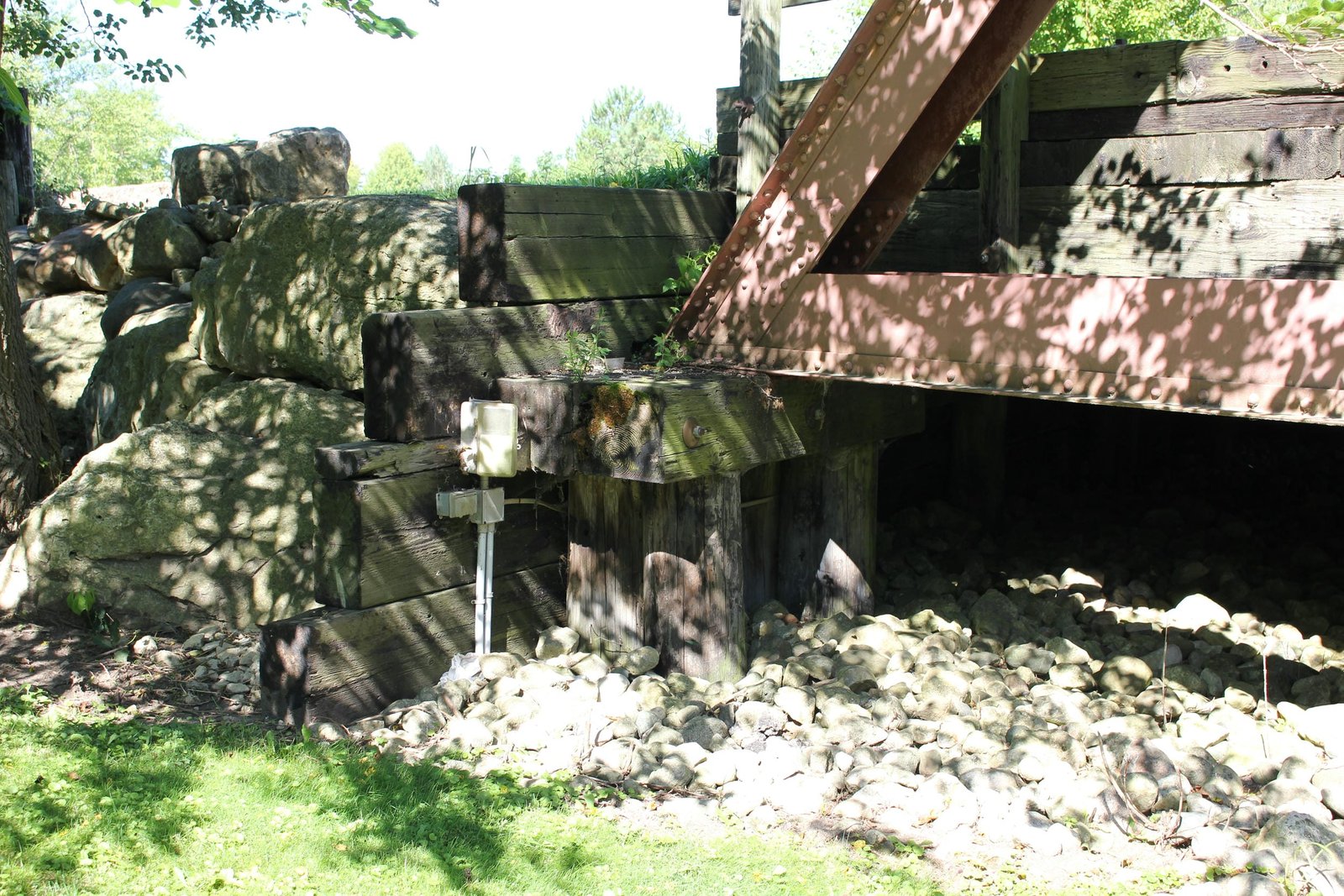
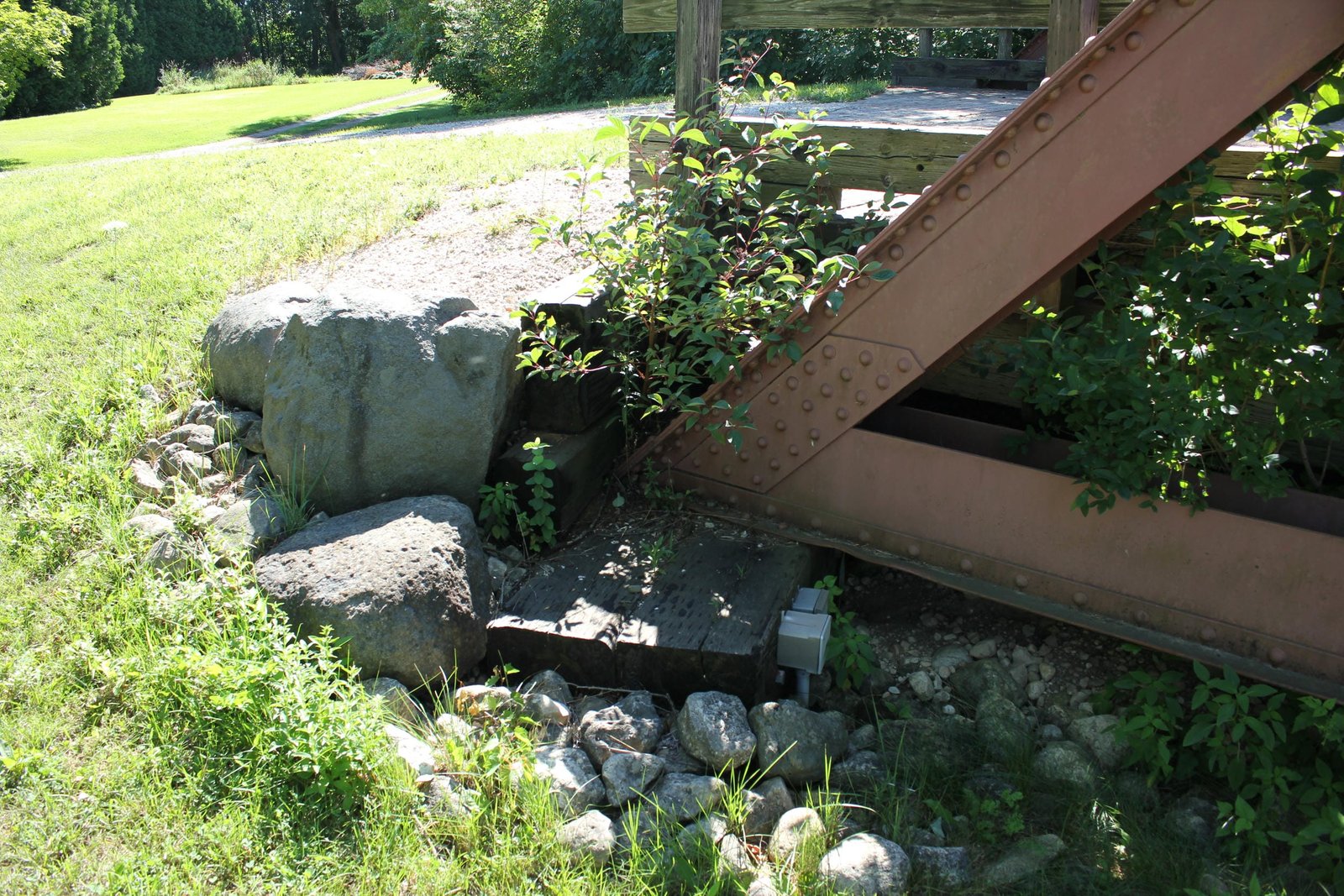
| Substructure Design | Timber Pile |
| Date Built | 1883, Converted to Roadway Use 1910; Installed Here 1998 |
| Original Locations | Chicago & North Western Railway Bridge #2476; Lebanon, Wisconsin (Previous Location) Chicago & North Western Railway Bridge #22; Des Plaines, Illinois (Original Location) |
| Traffic Count | 0 Trains/Day (Bridge is Open to Private Vehicle Traffic) |
| Current Status | Open to Private Vehicle Traffic |
| Chicago & North Western Railway Bridge Number | 2476 |
| Significance | Regional Significance |
| Documentation Date | 8/6/2016 |
View the Historic American Engineering Record documentation for the Poplar Grove Road Overpass
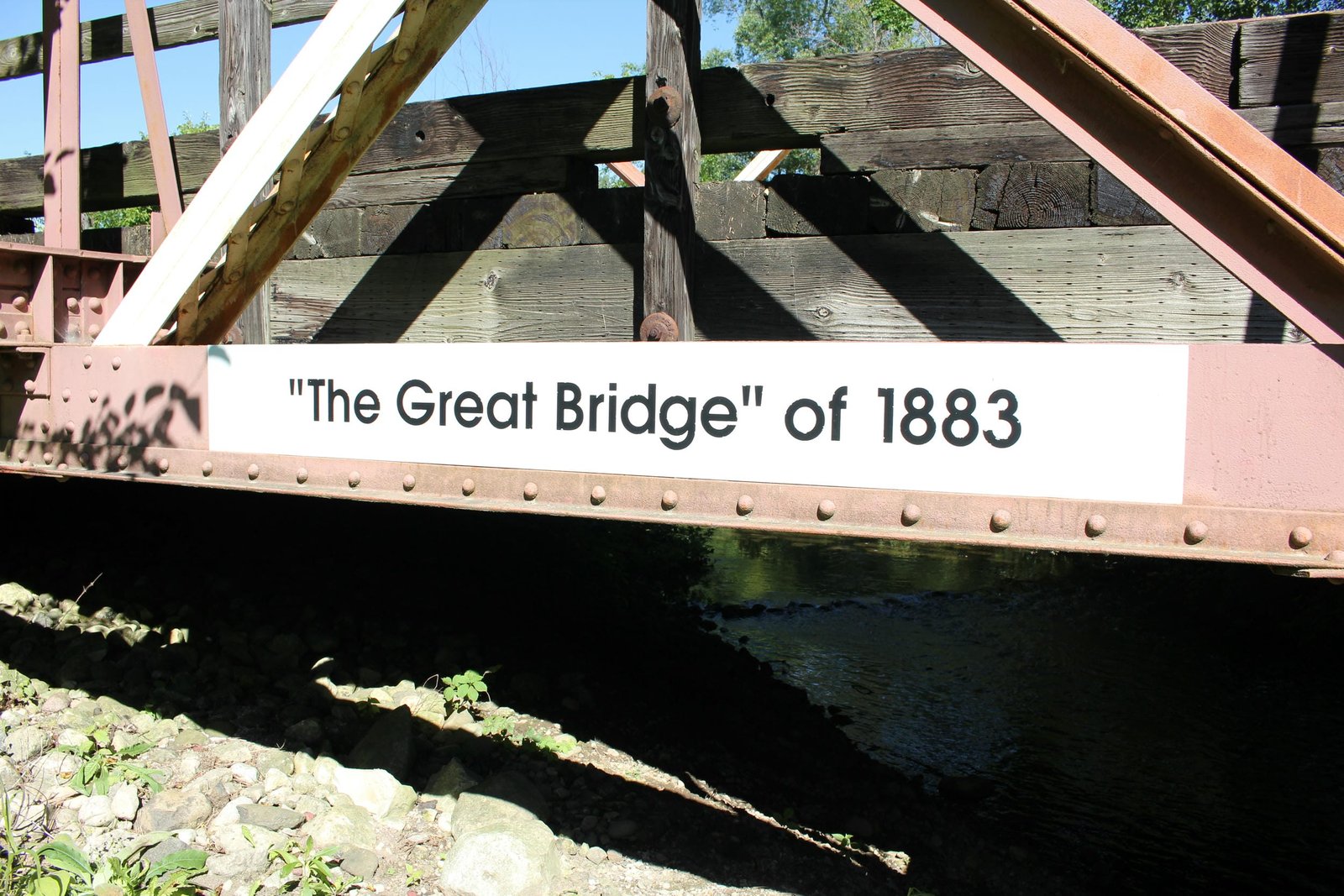
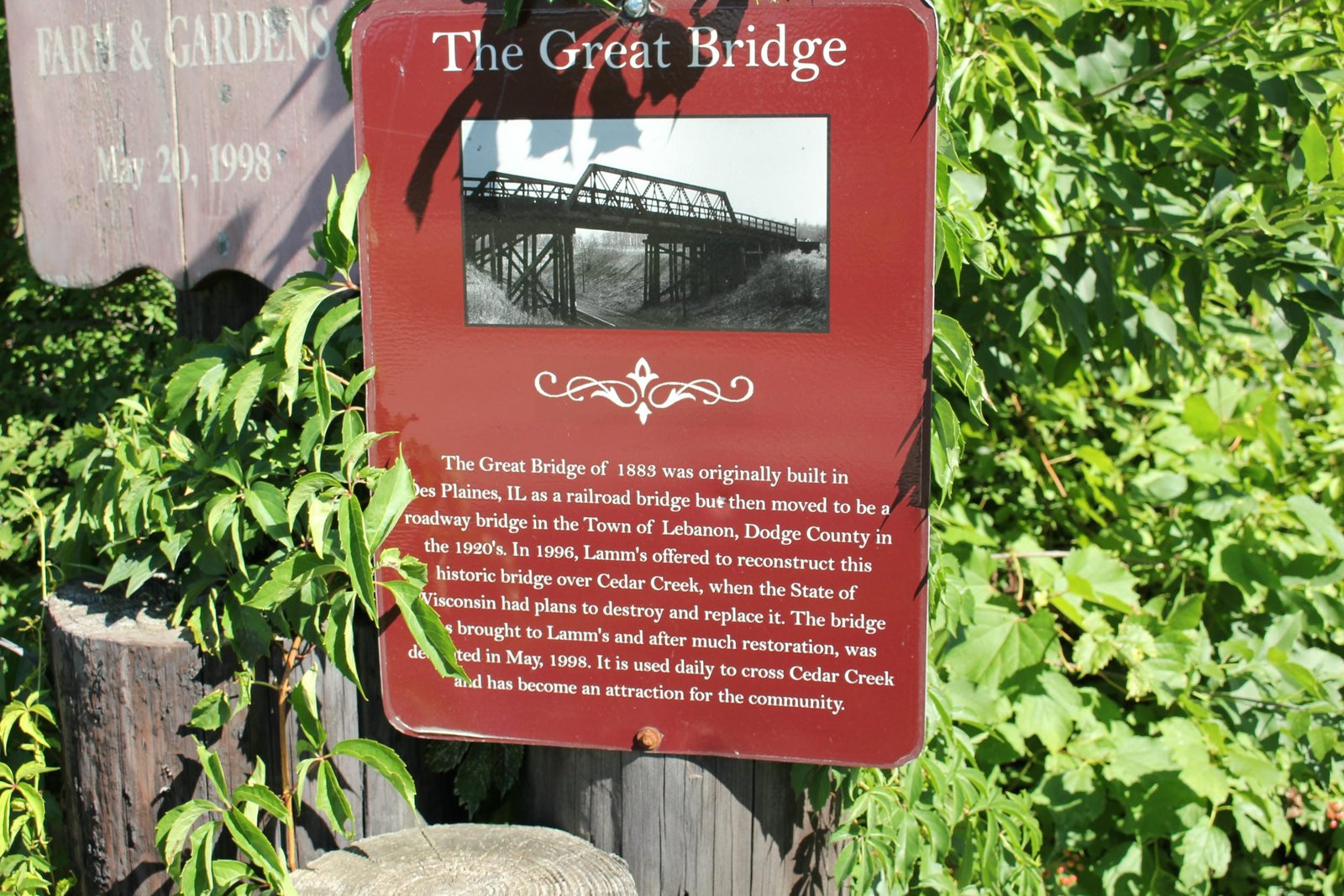
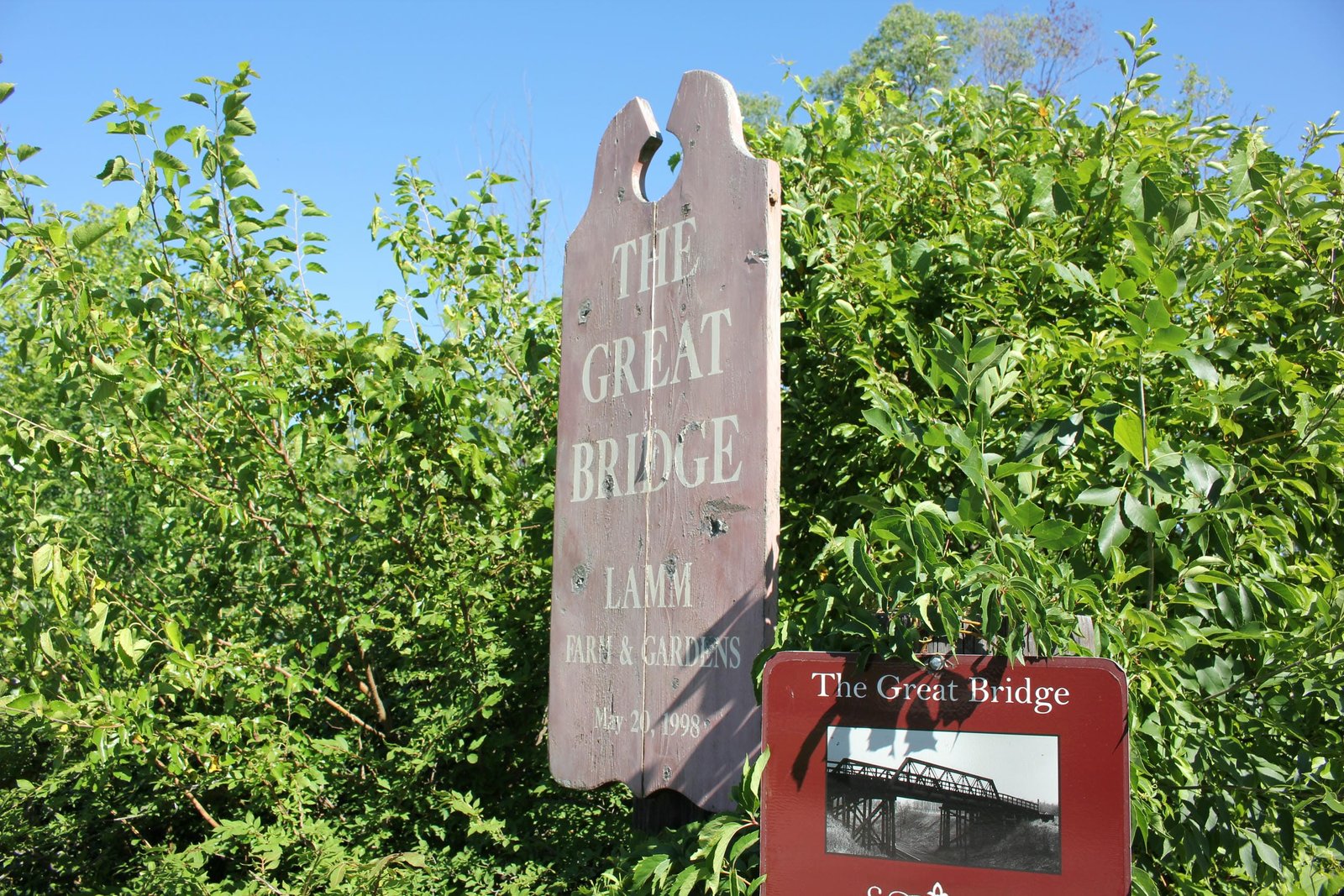
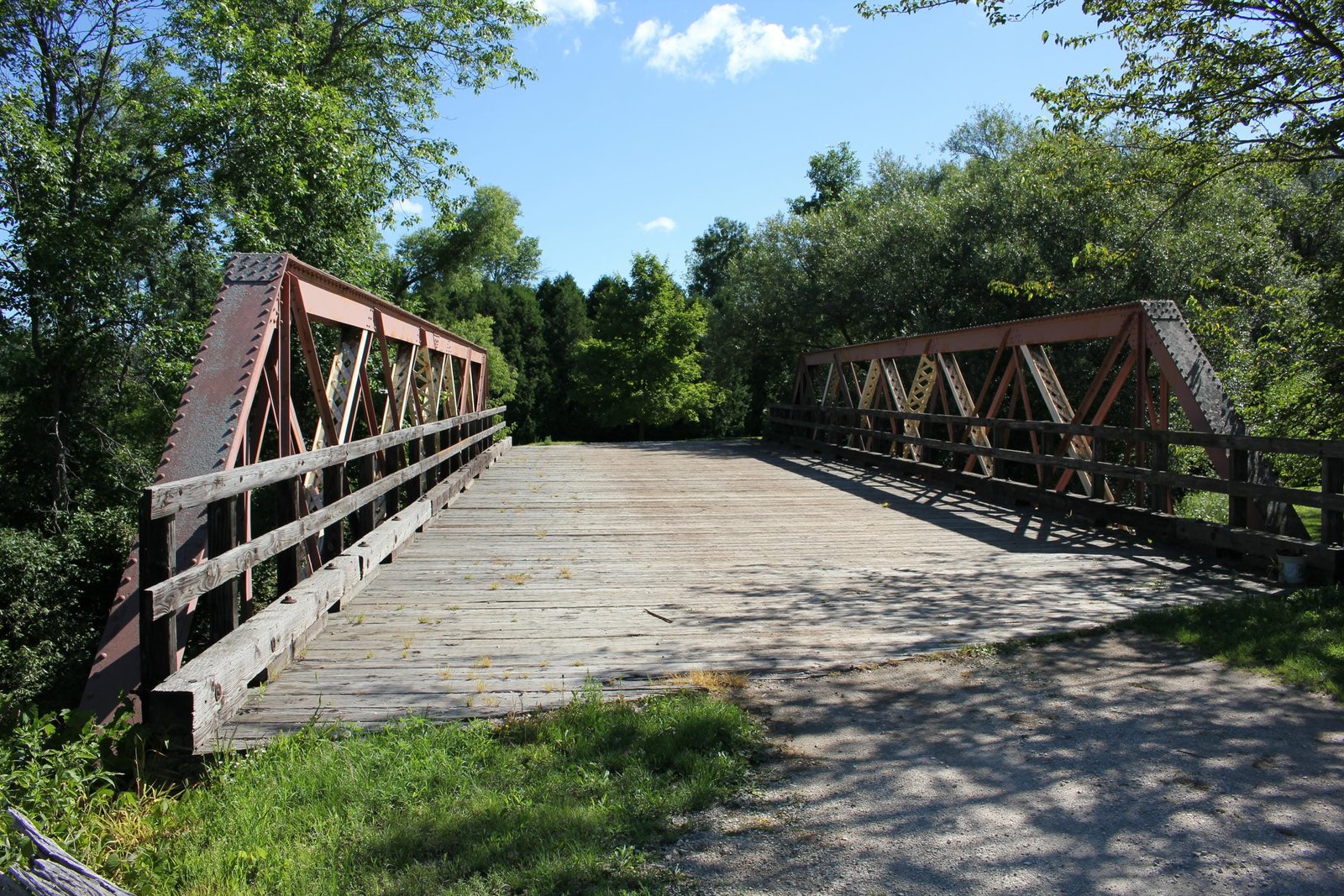
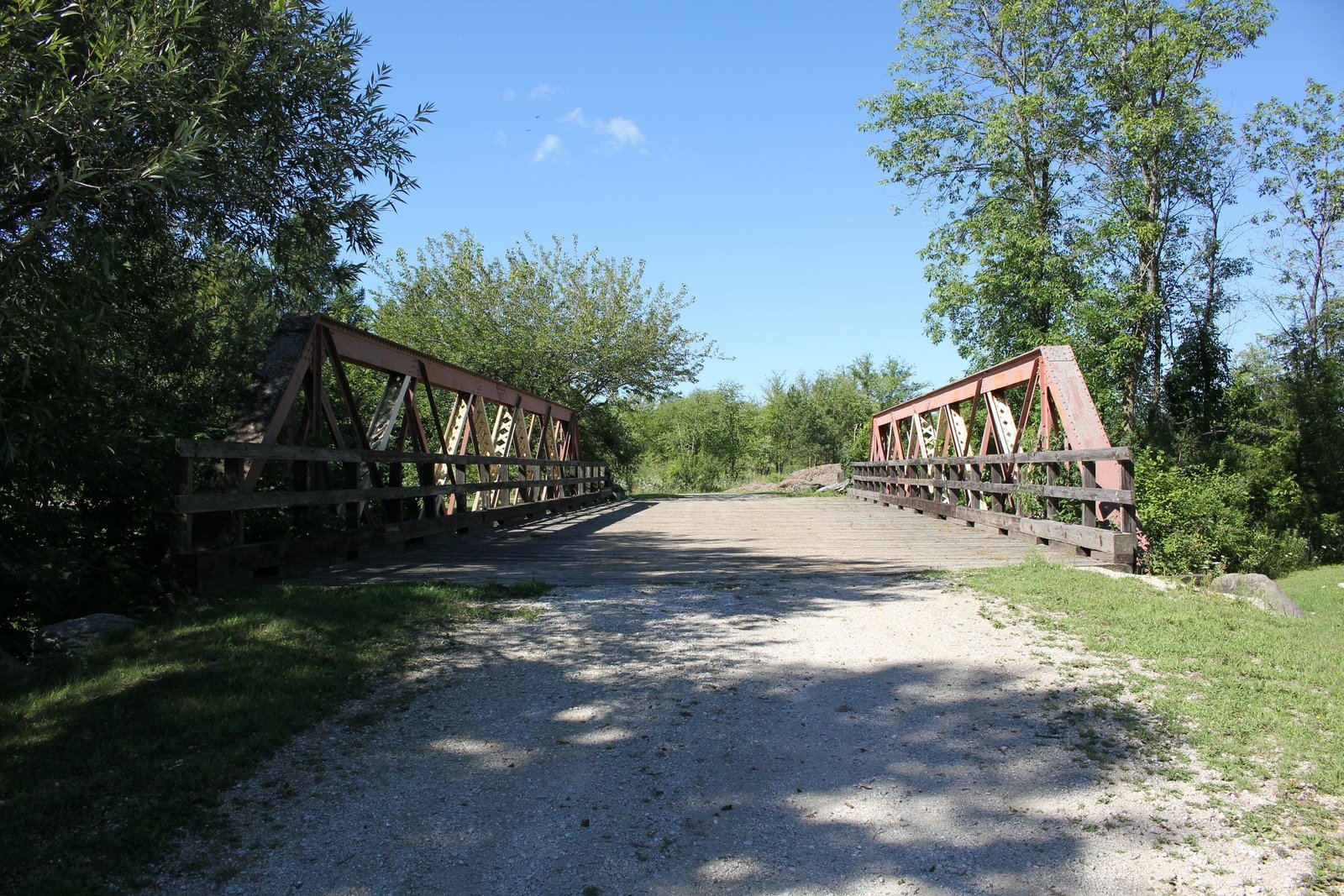
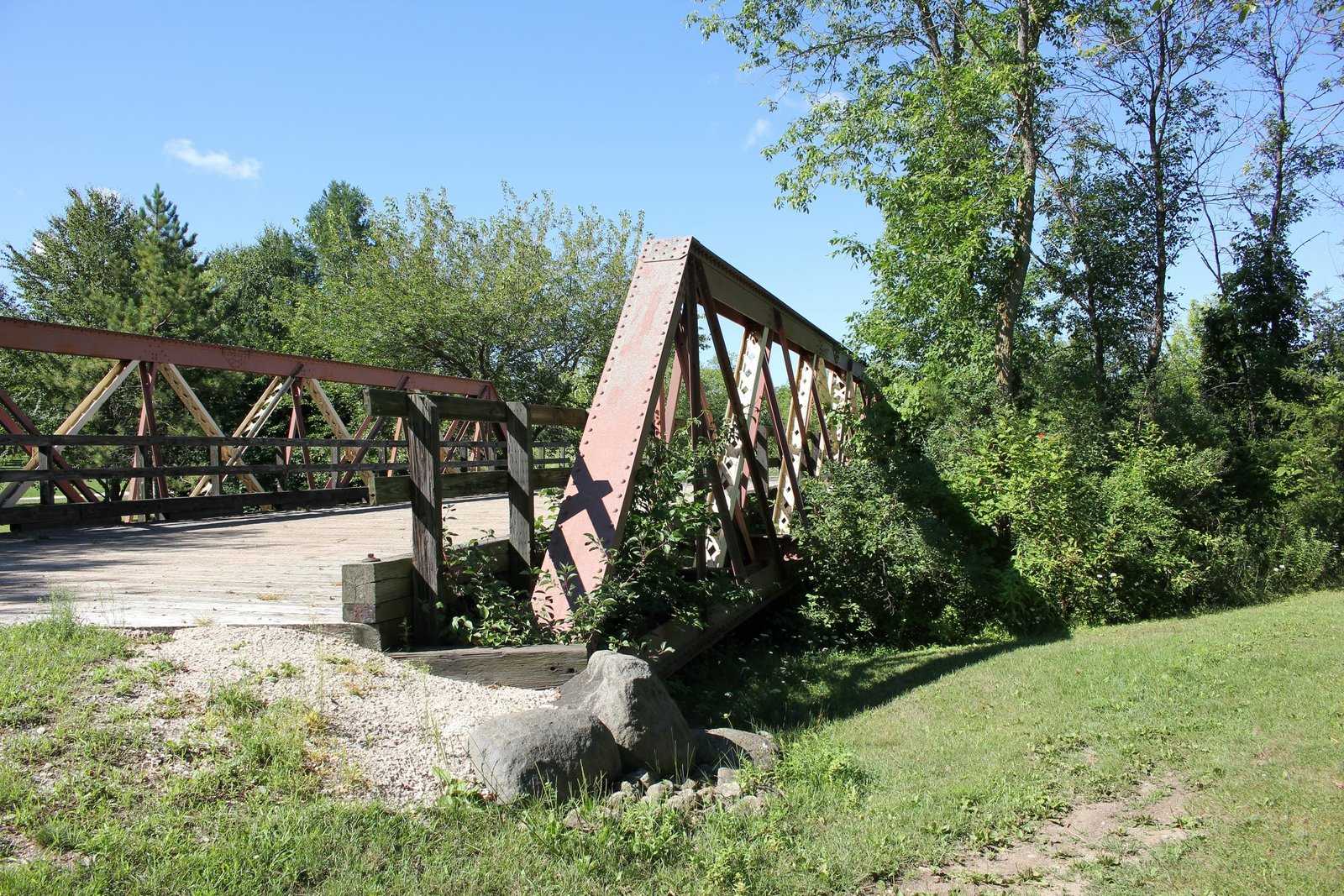
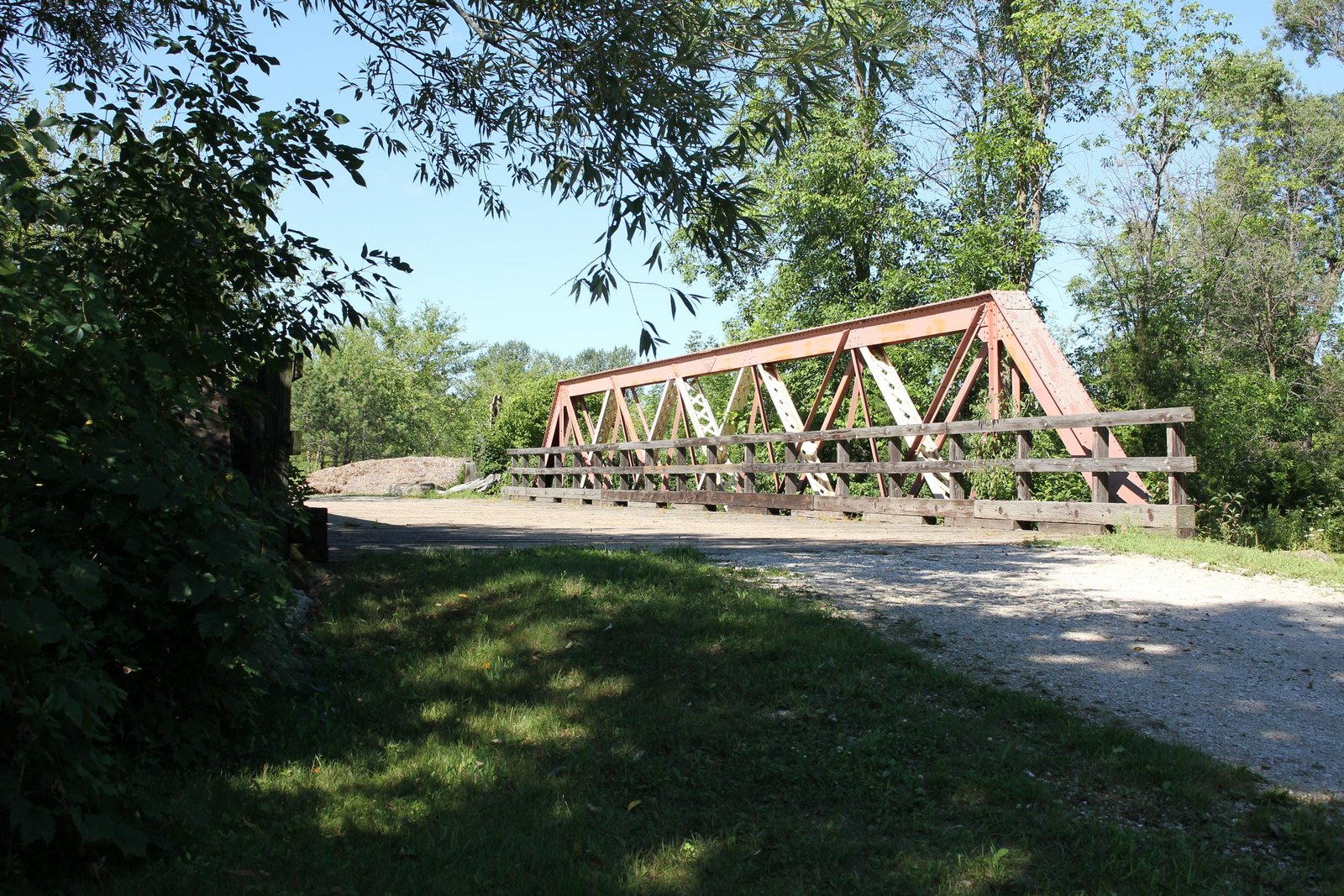
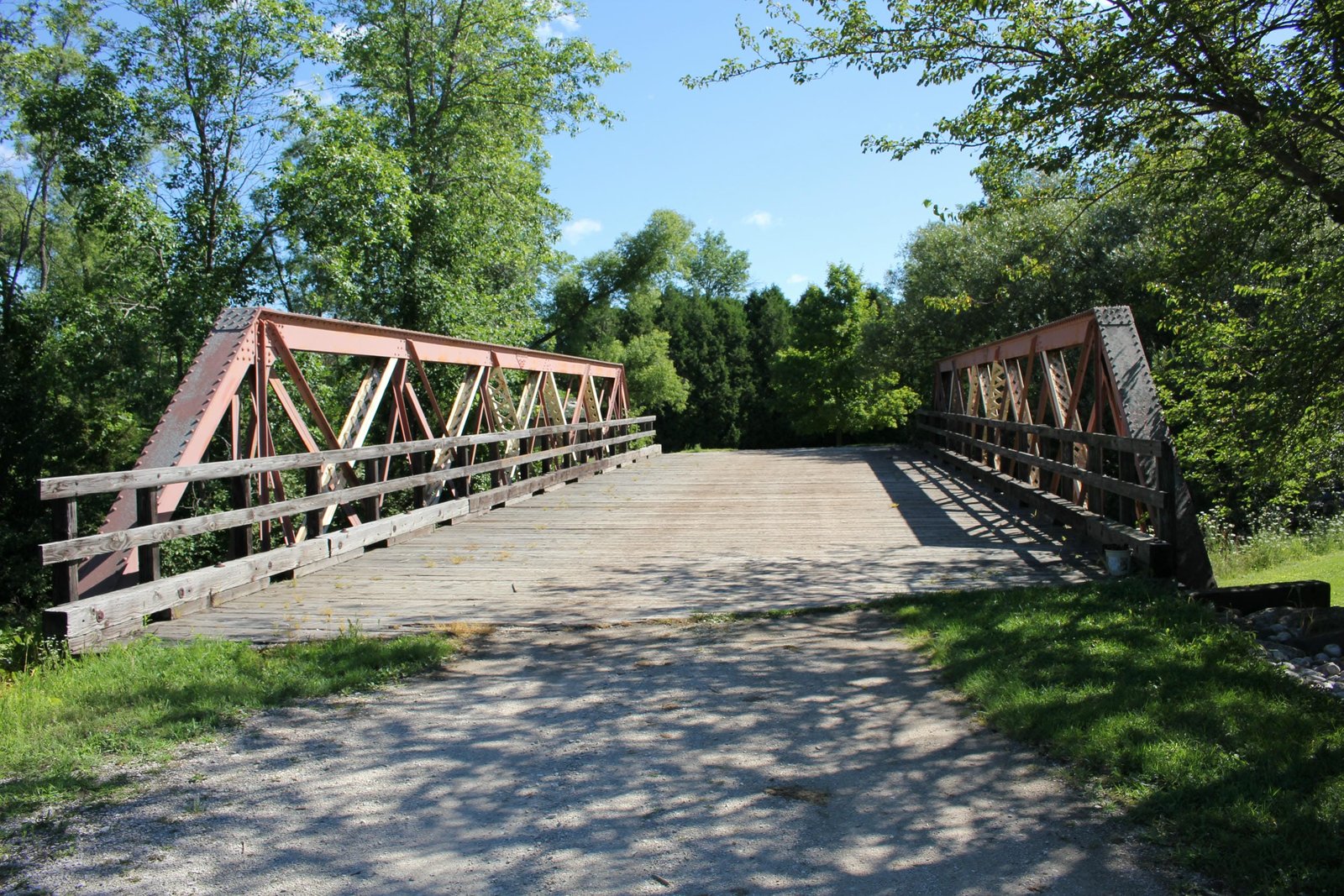
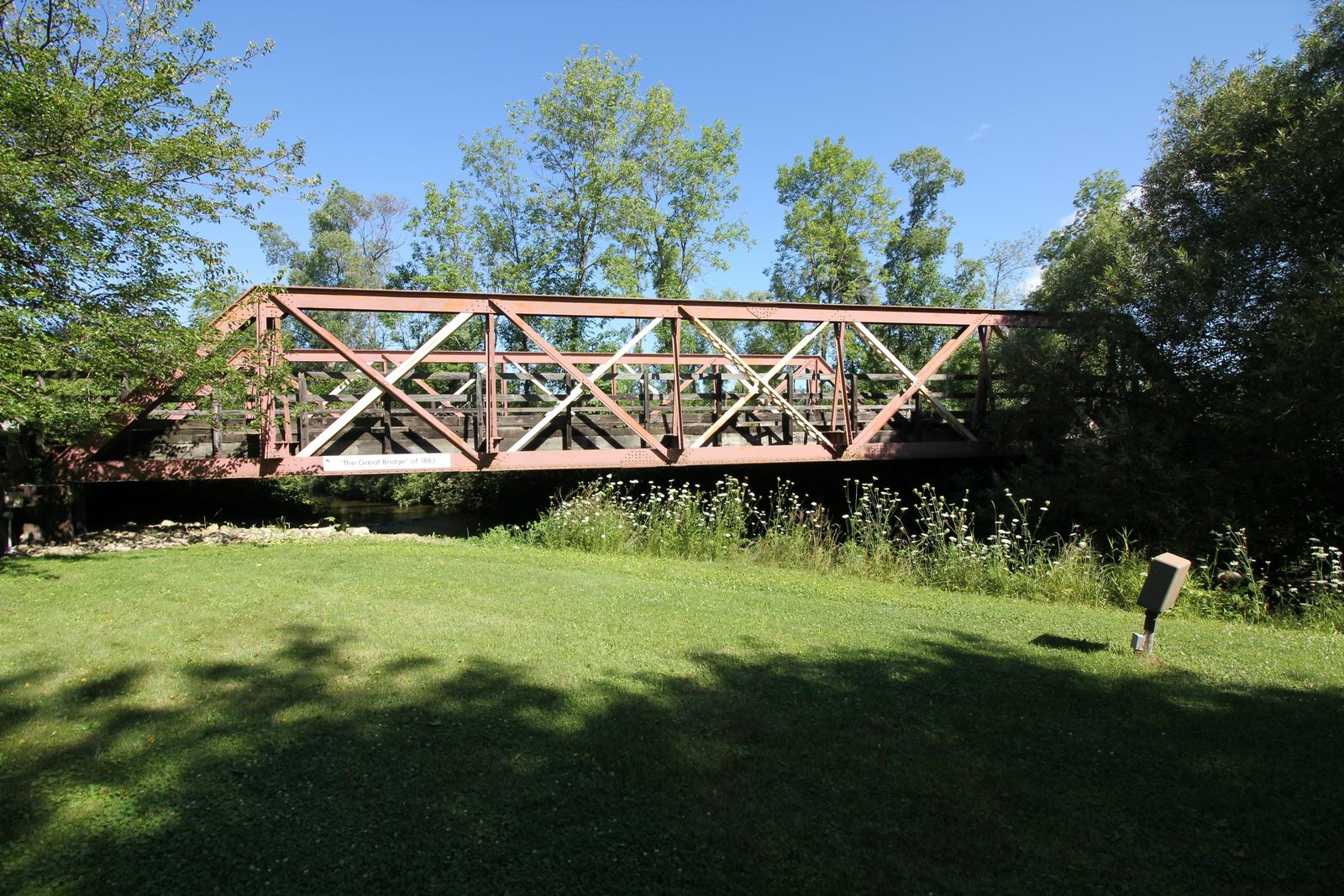
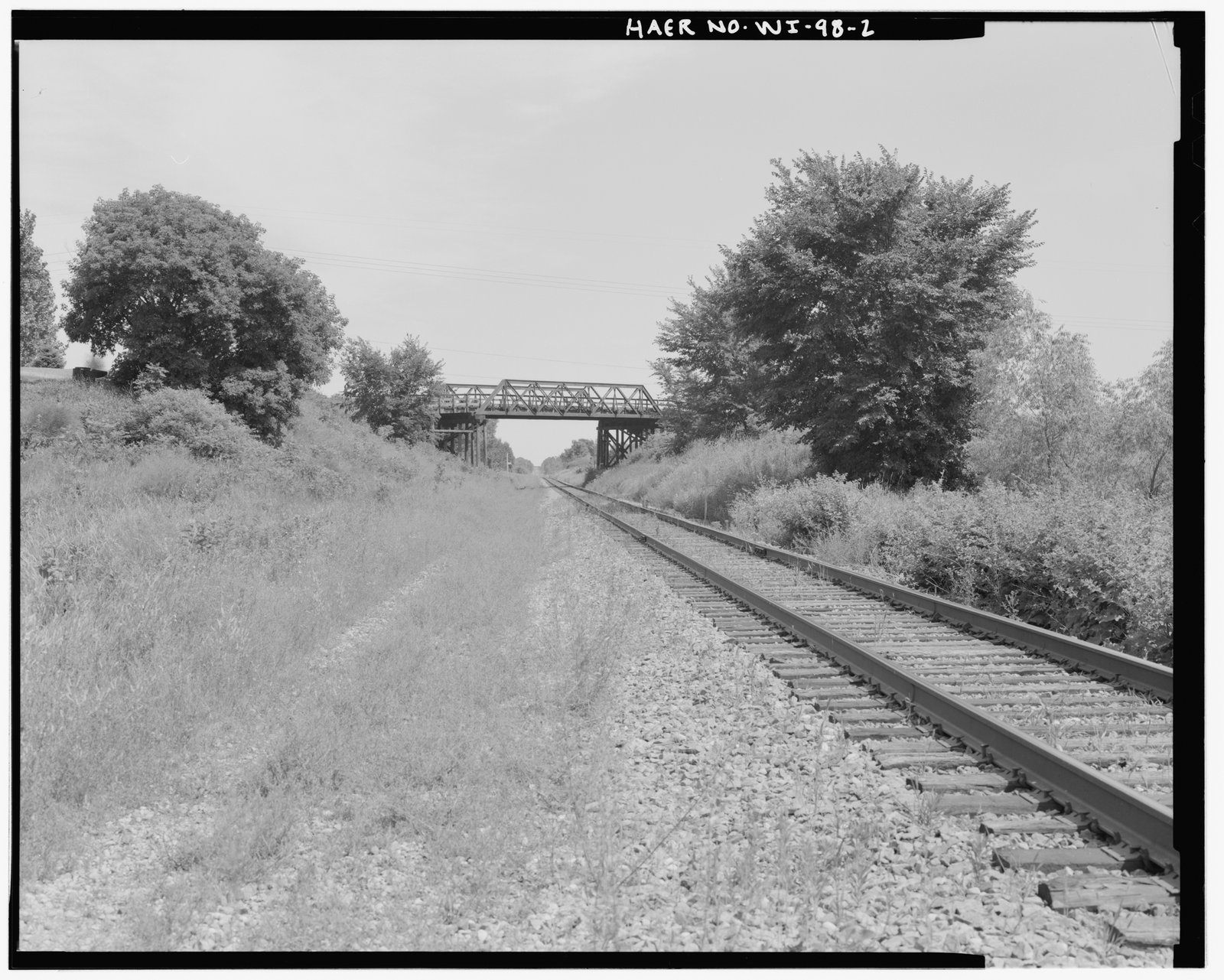
Located in Jackson, this private driveway bridge reused a historic pony truss span moved from Dodge County. In the 1990s, Dodge County was working to replace aging bridges throughout the county. As part of the work, the bridges were documented and evaluated for historic significance and possible reuse. In conjunction with the Wisconsin Department of Transportation, several historic bridges were offered for reuse, with the condition that they would be removed from their original locations. One such bridge, an iron pony truss bridge carrying Poplar Grove Road over the mainline of the Chicago & North Western Railway (C&NW) east of Lebanon was deemed historic, and offered for reuse in 1996. Lamm's Nursery (now Lammscapes), a landscape contractor in Jackson, accepted the offer and moved the bridge to their property to serve as a private driveway. As part of the reuse, the floor of the bridge was modified due to the disassembly required for moving. Since the installation at the Lammscapes property, the bridge has not seen any significant alterations, and remains in use for private vehicles.
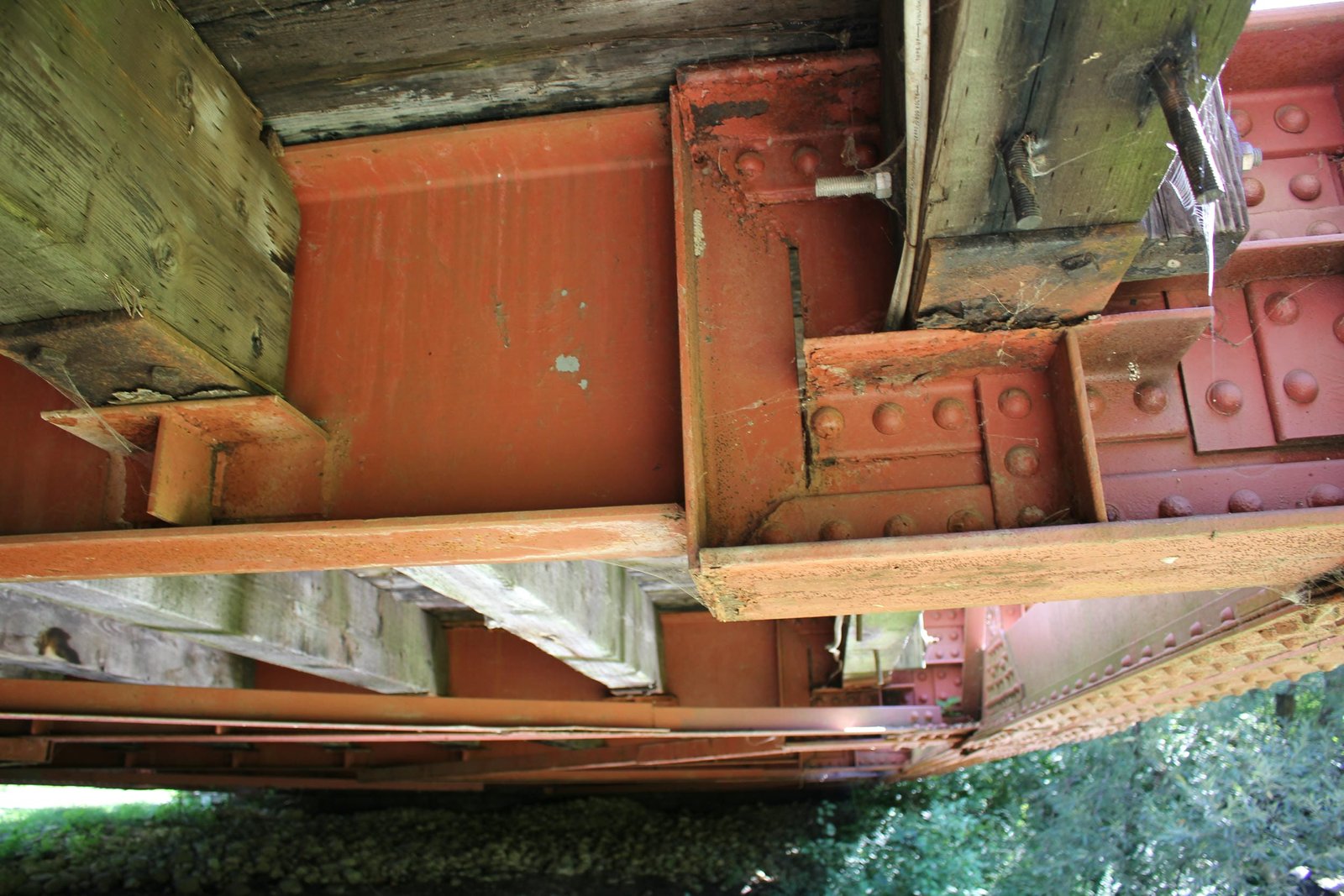
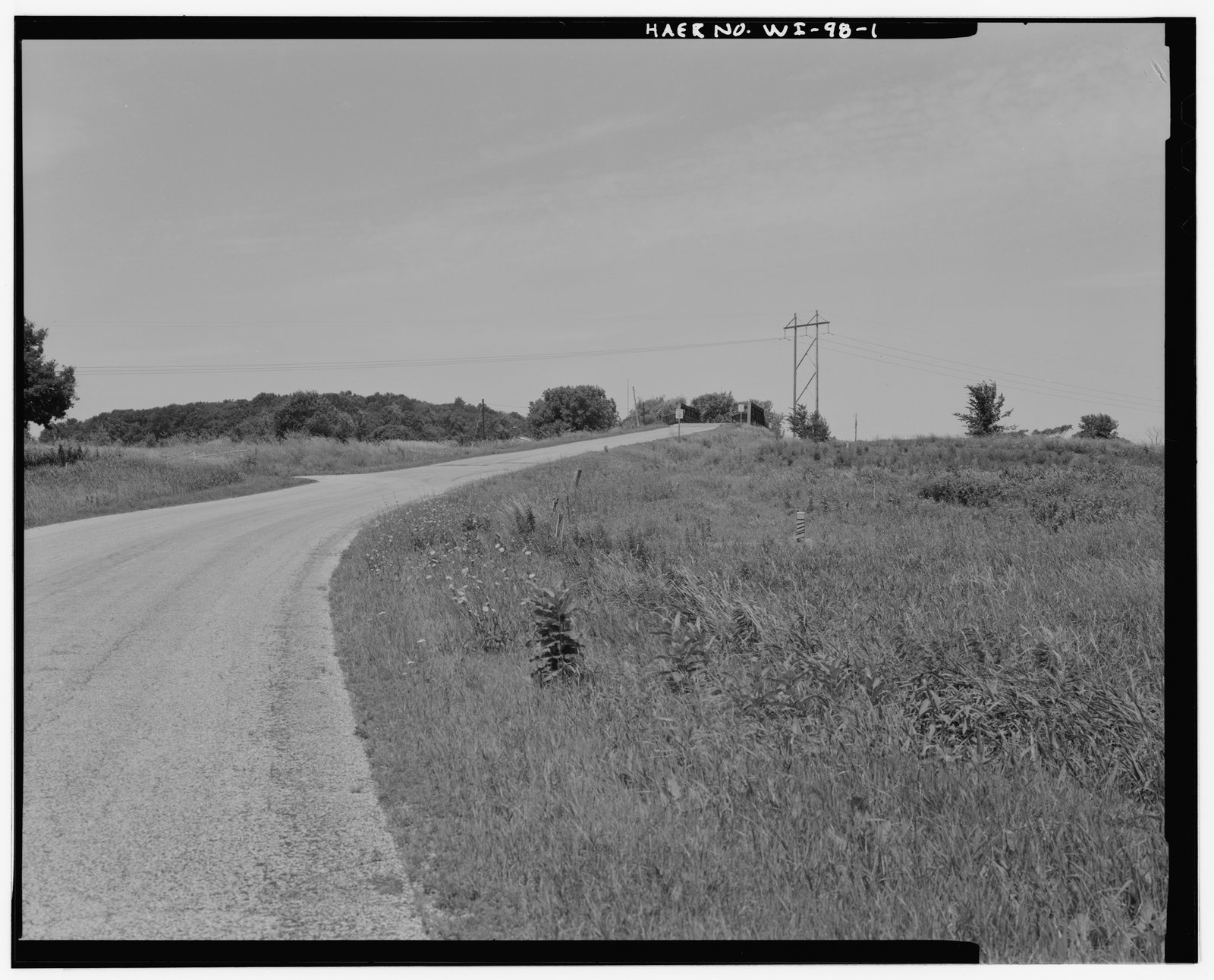
When Chicago & North Western Railway (C&NW) subsidiary Milwaukee, Sparta & North Western Railway (MS&NW) constructed a new line through Dodge County between 1910 and 1911, a number of overpasses were required for roadway traffic. Instead of constructing a new concrete structure, the MS&NW/C&NW opted to reuse secondhand railroad spans which were retrofitted to serve wagon and later automobile traffic. One such structure was constructed to carry Poplar Grove Road immediately east of Lebanon, Wisconsin. This bridge was constructed with a 84-foot pony truss span, set onto timber pile piers and approached by timber pile trestle spans. The truss span was originally fabricated in 1883 by the Alden and Lassig Bridge & Iron Works for use as part of a double track structure at Bridge #22 across the Des Plaines River in Des Plaines, Illinois. Alden and Lassig constructed dozens of similar spans for the C&NW in the early to mid-1880s, mostly for mainline use. The Des Plaines Bridge consisted of two 84-foot and one 50-foot spans, set onto new stone piers. When that bridge was replaced by a heavier bridge in 1910, the truss spans were released for reuse elsewhere. One of the 84-foot spans was retrofitted for roadway use by the American Bridge Company at their Lassig plant in Chicago. As part of the retrofit, the original floor system was reconstructed with new floor beams and wooden stringers, and outriggers were added to strengthen the span. It is believed that the remaining spans were also reused in some capacity, but their destinations are unknown. The Poplar Grove Road bridge remained in use for 85 years until 1996; when the overpass was closed and the truss span relocated. To facilitate relocating the span, the structure was divided into two halves by removing the stringers and cutting the floorbeams. Upon installation at the current location, the floorbeams had to be reconstructed by installing new I-beams, reconnecting the two halves of the structure.
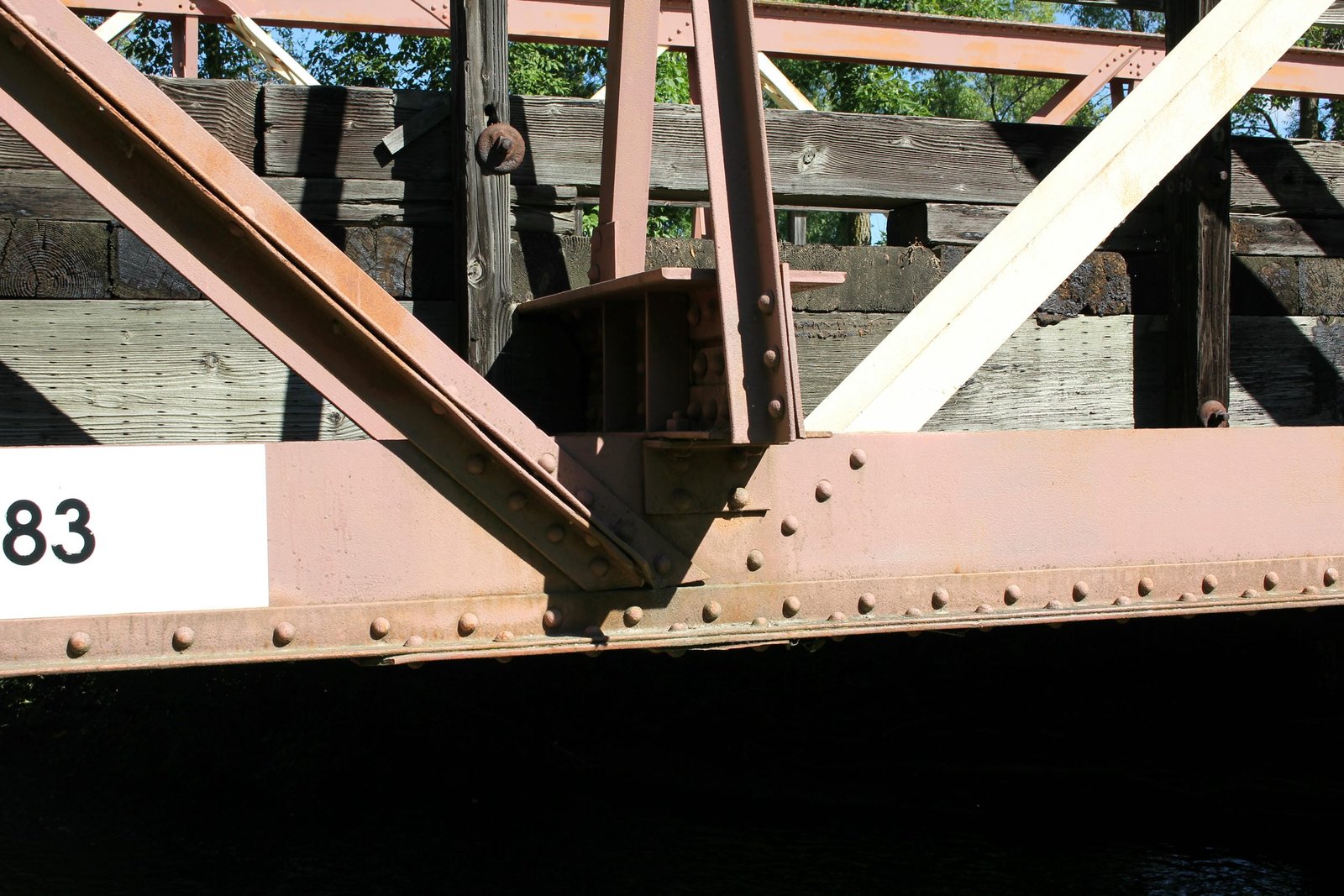
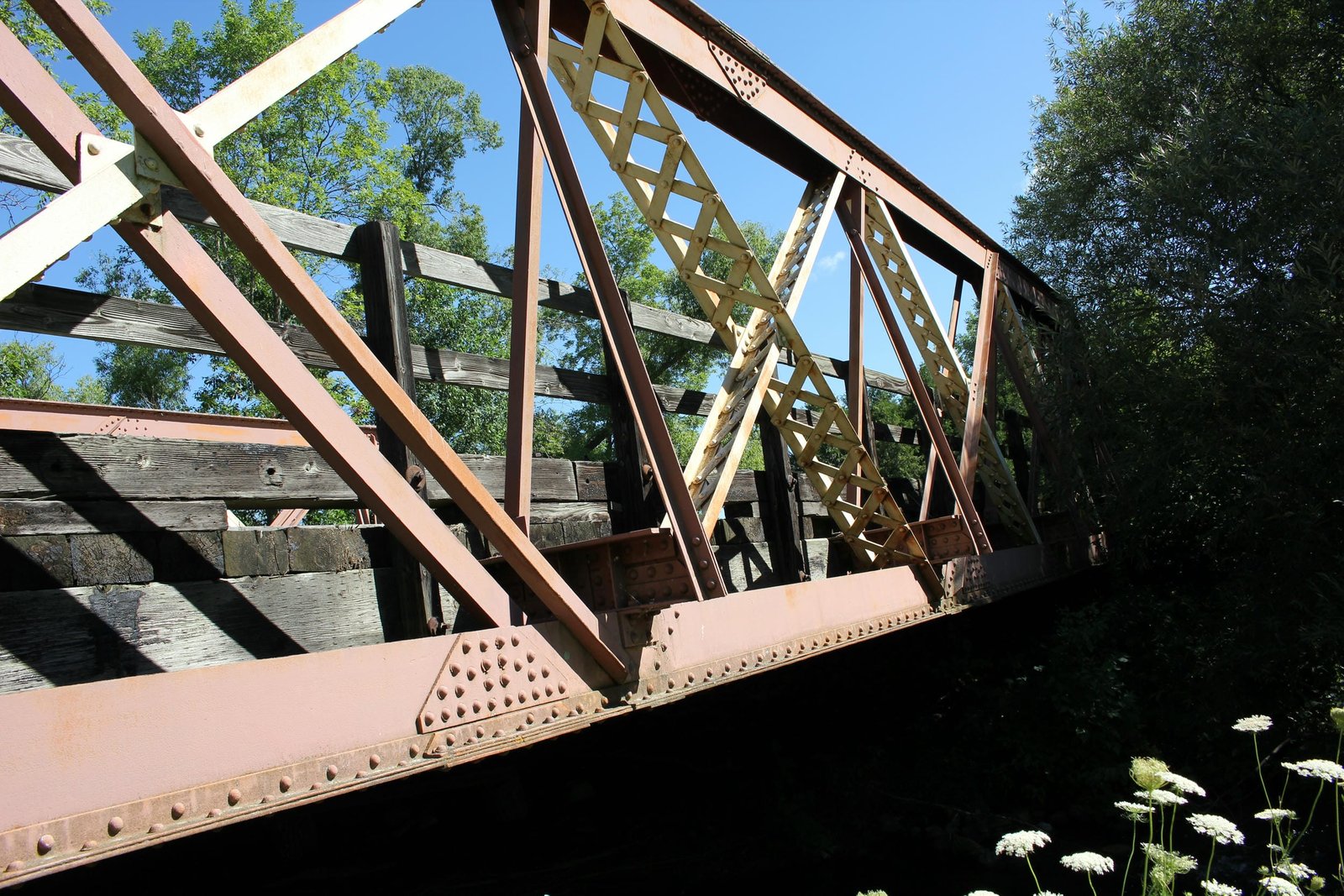
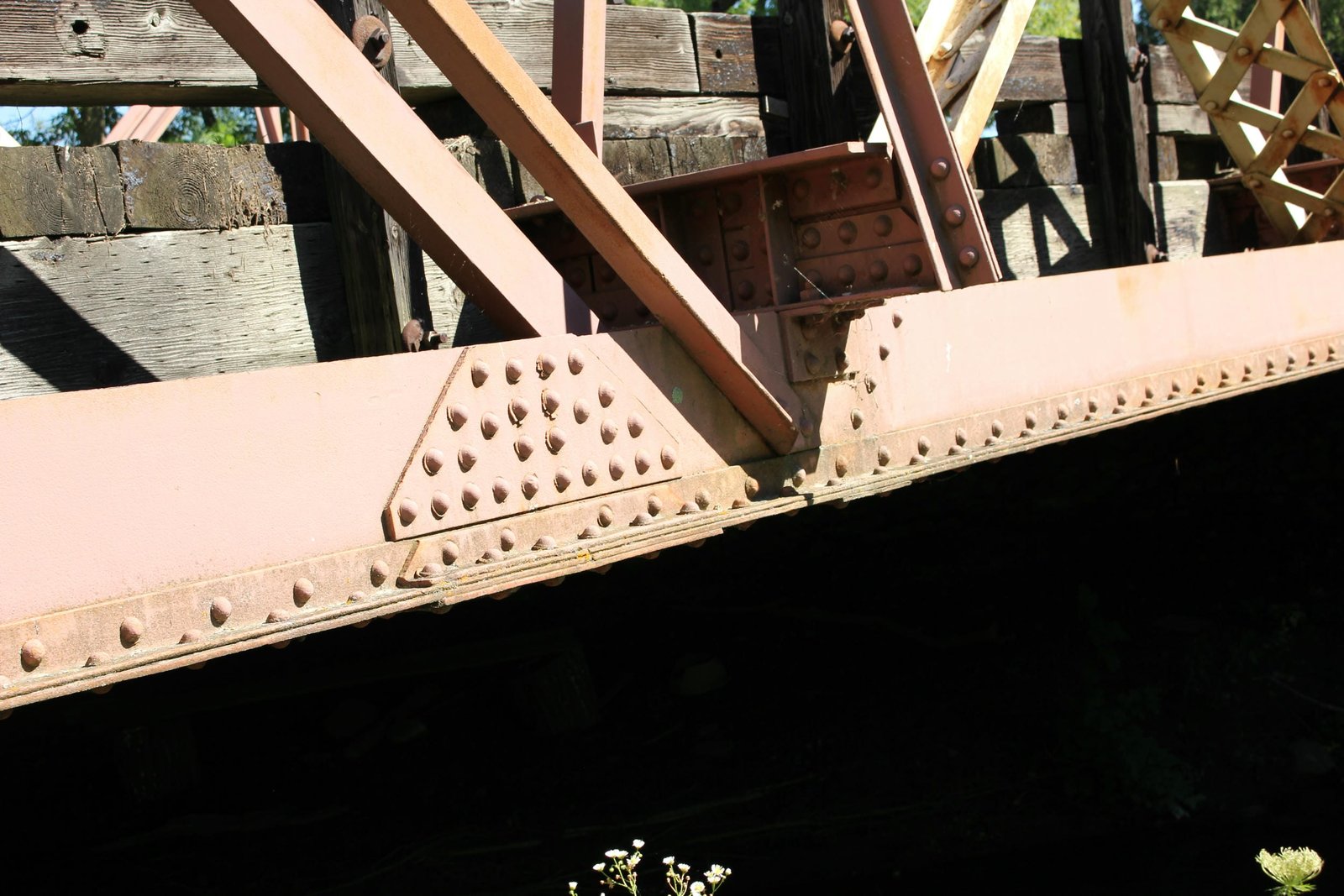
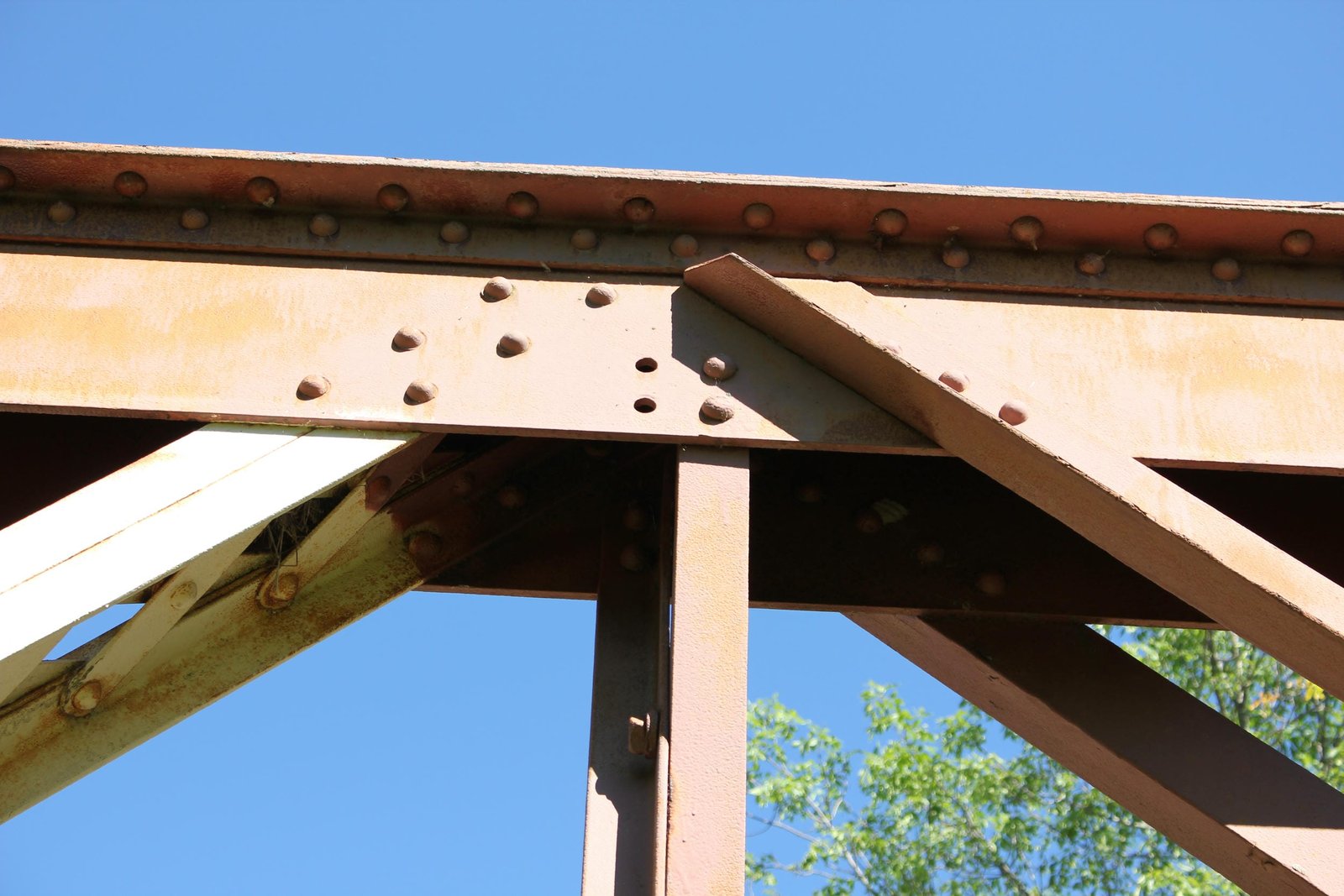
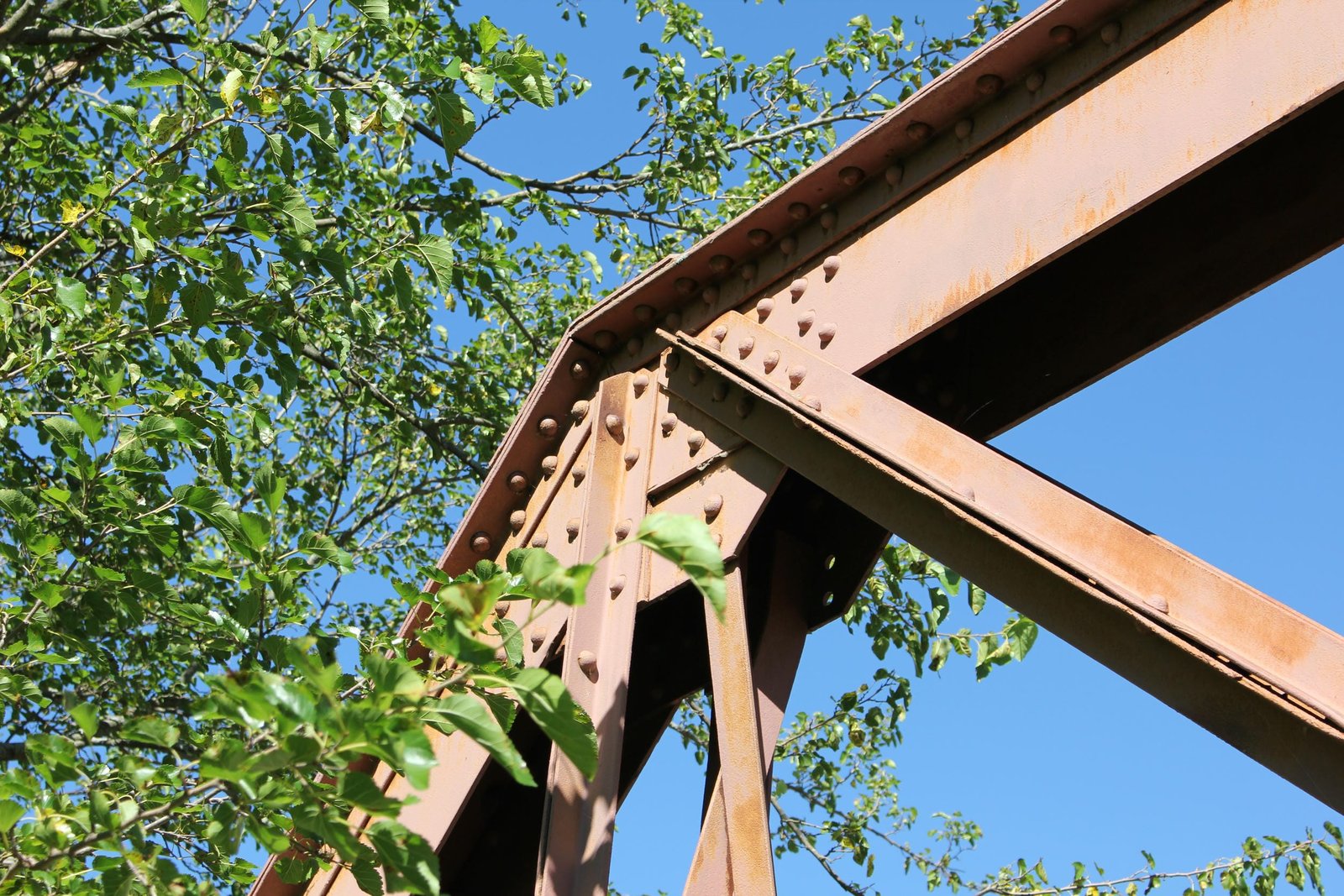
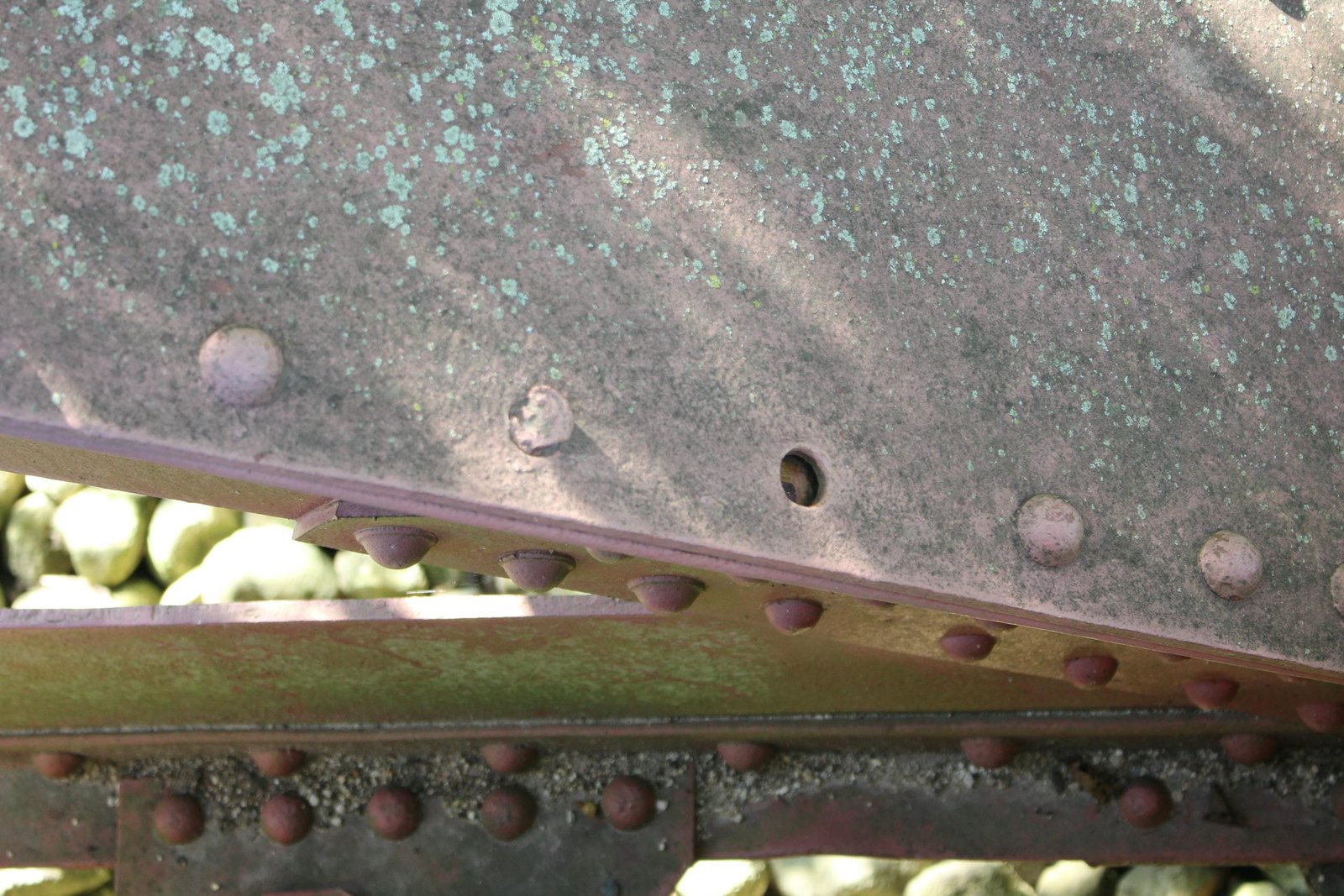
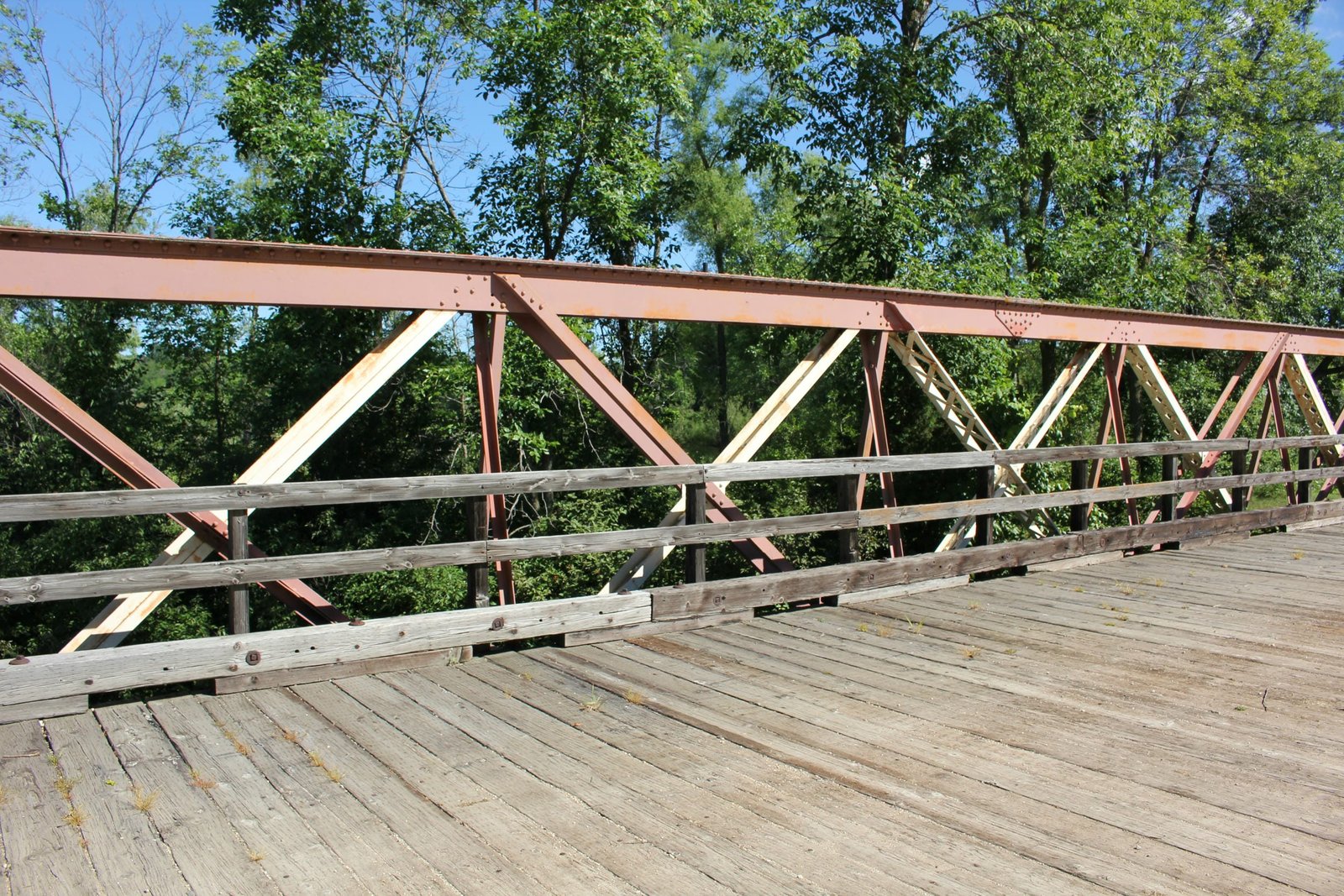
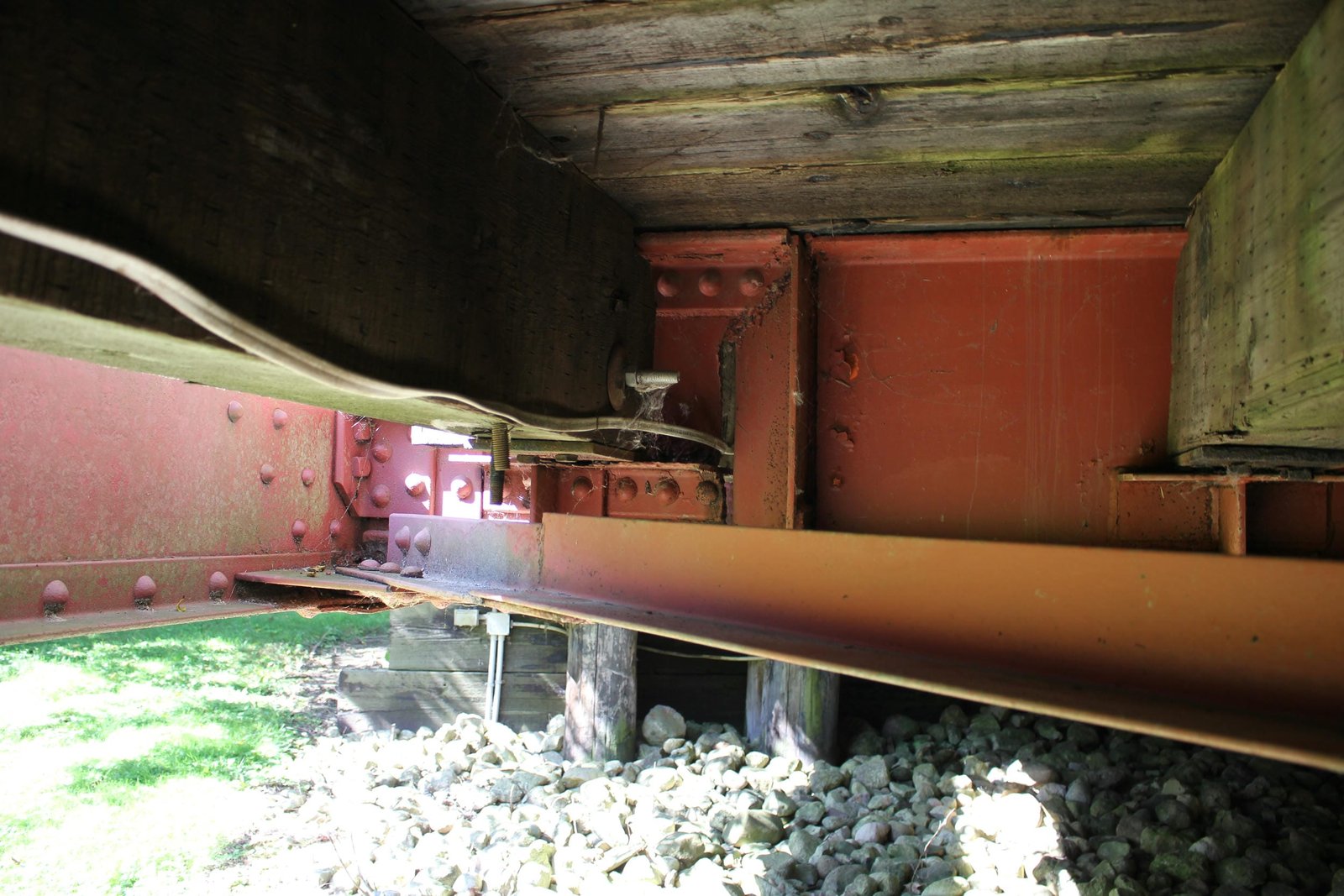
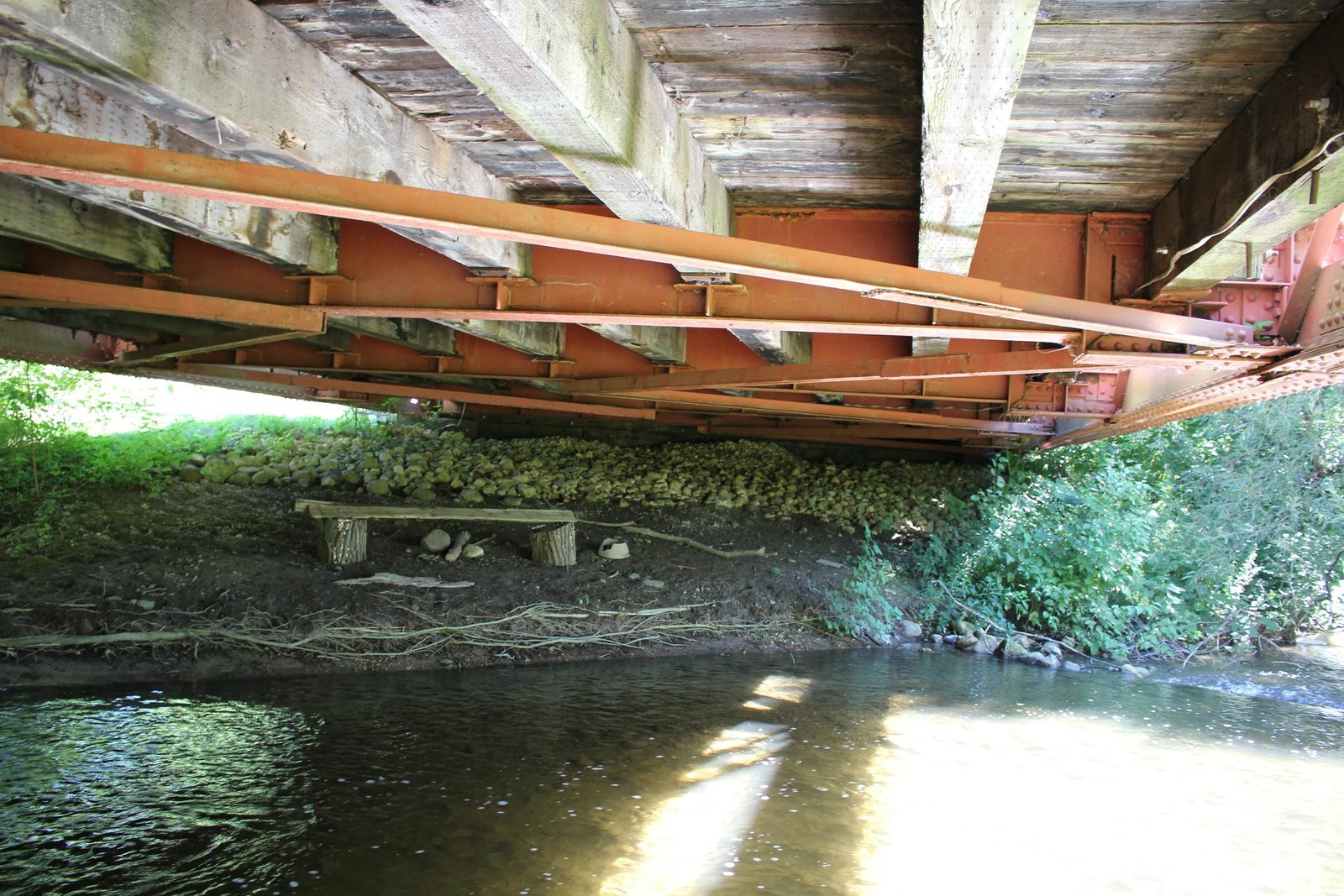
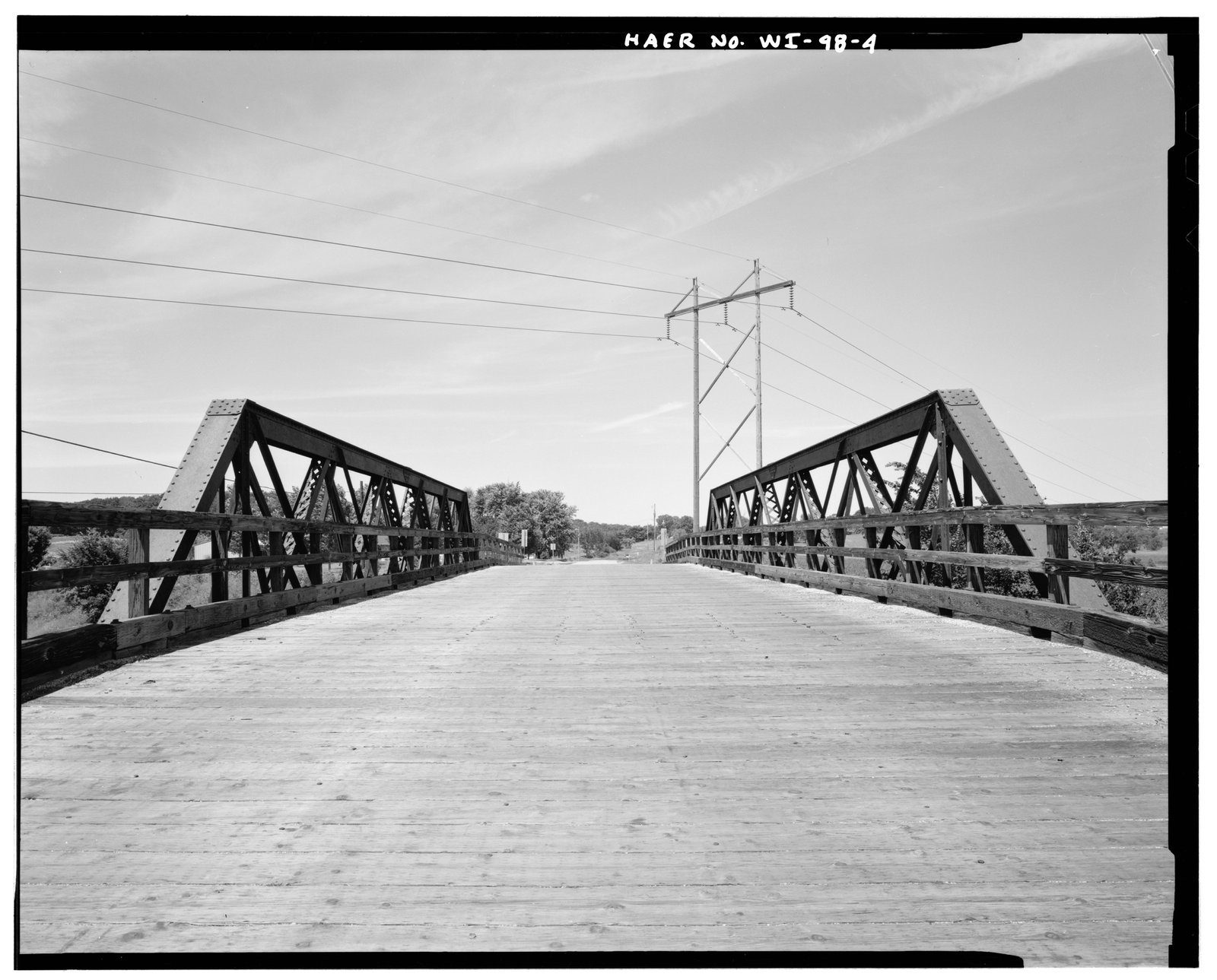
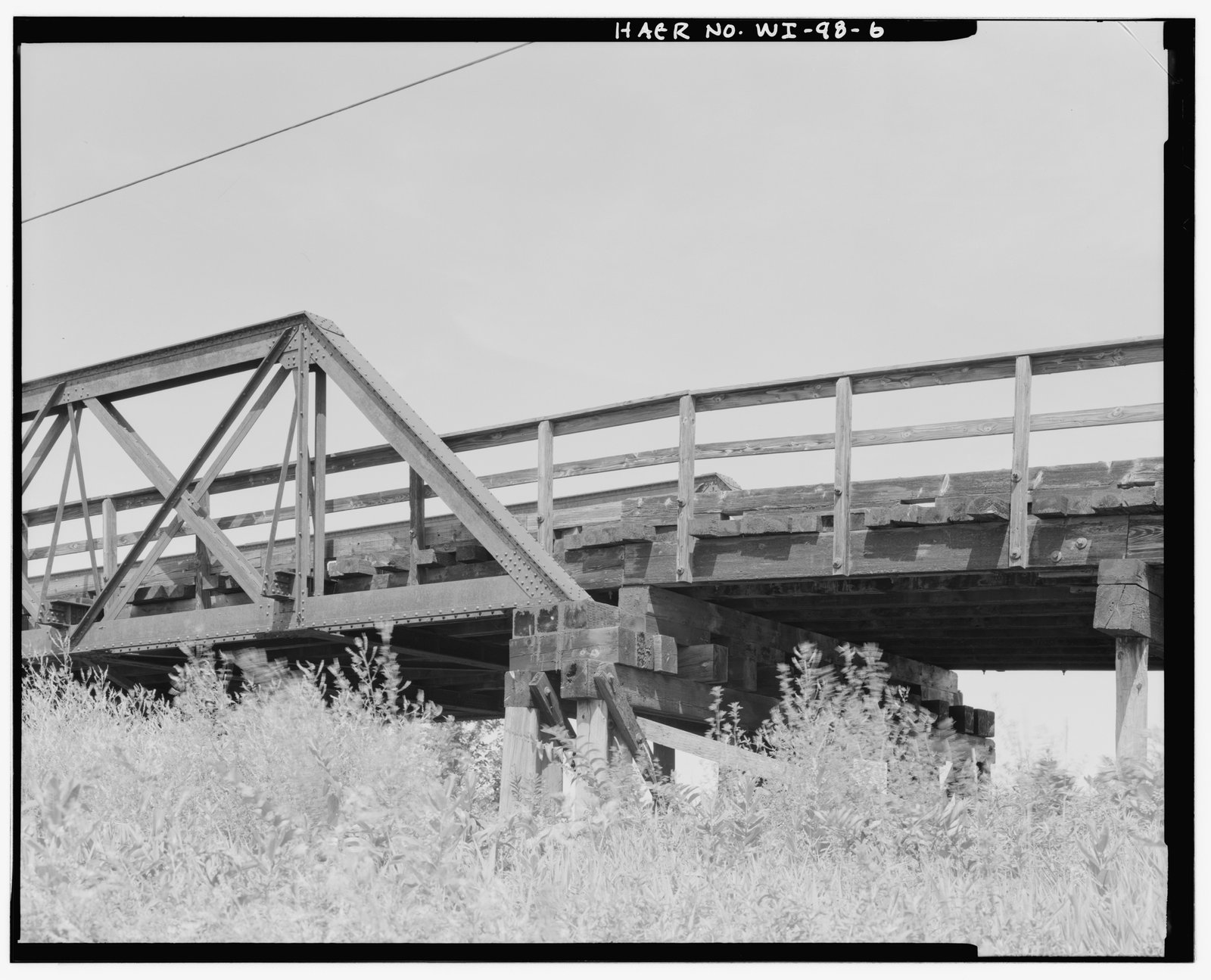
This span consists of a 84-foot, 7-panel, riveted double intersection Warren pony truss span. This design of span was used extensively by the C&NW between the late 1870s and early 1890s, as it provided a strong, simple and cost effective span. These spans were typically built in lengths of 64 feet, 72 feet and 84 feet. Similar to other spans from the same era, it is believed that this span is constructed using wrought iron, a material which the C&NW preferred in the 19th Century. This design of span was also particularly adaptable to be retrofitted for roadway use, as the short size and simple design made modifications relatively simple. The endposts, top chord and bottom chord all use a channel design, constructed of two parallel L-shaped beams riveted together. The diagonal members consist of a combination of L-shaped bars and built-up beams constructed with X-lacing. Originally, the floor likely consisted of four stringers, placed underneath the rails. When the span was reconstructed for roadway use, the original floorbeams and stringers were replaced with new material; and the floorbeams were modified again upon relocation here. The ends of the current floorbeams consist of unusual shaped beams, which are heavily riveted. The center of the floorbeams use I-beams, which have been spliced into the ends of the original floorbeams. The stringers consist of several parallel timber beams, and appear to have been reused from the Poplar Grove Road structure. A number of additional plates and rivets were added to the span during the 1910 reconstruction, likely to strengthen the structure.
Railroads often relocated steel and iron spans, as it provided a cost effective way to upgrade bridges without requiring large amounts of new material. Often, when a span was no longer suitable for mainline use, it could be relocated to serve a branch line or an overpass, with or without repairs. Spans that were reused for roadway crossings were often among the oldest metal spans available along the railroad, and could not feasibly be rebuilt for continued railroad service. The C&NW was one of many railroads that utilized the practice of reusing railroad spans for vehicle use. In the late 19th and early 20th Century, hundreds of overpasses were constructed throughout the United States by reusing metal railroad bridge spans. As automobiles became larger and heavier in the 20th Century, these spans became outdated and often had severe geometric deficiencies. Since the mid-20th Century, a vast majority of reused railroad spans in the United States have been removed or replaced. Often, the metal portions of these bridges were still serviceable, but poor geometry, limited records and deteriorated timber components required the complete replacement of the structure. Because these bridges were typically maintained by the railroad, records are not typically publicly available. As a result, the complete history of the bridge is often unclear, and historic determinations are made using absent or incomplete information. The Poplar Grove Road overpass was one of two spans near Lebanon demolished at the same time. Fortunately, the metal spans were still in fair condition, and both spans were deemed historic and offered for reuse. The nearby Scofield Road overpass was reused at a nearby park in Dodge County, where it now serves as part of a pedestrian bridge.
While truss spans were once a common sight along roads and railroads throughout the United States, the population has greatly dwindled since the mid-20th Century. Truss spans were typically constructed to cross larger creeks and rivers, as they allowed for a longer span length. The main drawback of truss spans was the "fracture critical" nature of many spans. This means that if any piece fails, the entire span was likely to fail. Unlike simpler beam/girder bridges, truss spans were known for using innovative construction techniques, decorative features and other unusual features. Fortunately, as more and more truss spans are replaced, the importance of preserving these pieces of transportation heritage has resonated in communities throughout the United States. While many spans are no longer feasible for roadway or railroad use, these spans can often feasibly be reused for trails or golf course bridges. This bridge is an excellent example of the reuse and preservation of historic truss spans that otherwise would have been scrapped. The author has ranked this bridge as being regionally significant, due to the innovative reuse, excellent rehabilitation and history of the span.
Citations
| Builders, build dates and relocation history | Historic American Engineering Record WI-98: Poplar Grove Road Bridge, Spanning Chicago & Northwestern Railroad, Lebanon, Dodge County, WI |
| Railroad History Citation | ICC Valuation Information, Compiled by Richard S. Steele |