
Click the photo to view the full-size version
| Name | Chicago & North Western Railway Bridge #33 |
| Built By | Galena and Chicago Union Railroad |
| Currently Owned By | Roscoe Township |
| Superstructure Contractor | Unknown |
| Length | 6 Feet Total |
| Width | 1 Track (58 Feet) |
| Height Above Ground | 10 Feet (Estimated) |
| Superstructure Design | Stone Arch Culvert |
| Substructure Design | Stone Masonry |
| Date Built | 1863 |
| Traffic Count | 0 Trains/Day (Bridge is Open to Pedestrian Traffic) |
| Current Status | Open to Pedestrian Traffic |
| Chicago & North Western Railway Bridge Number | 33 |
| Significance | Local Significance |
| Documentation Date | 11/16/2025 |
In the early 1850s, the Galena & Chicago Union Railroad (G&CU) completed a line between Chicago and Freeport, Illinois. In 1853, the railroad constructed 20 additional miles from Beloit, Wisconsin to Belvidere, Illinois. The G&CU was consolidated with the Chicago & North Western
Railway (C&NW) in 1864. The C&NW was beginning to construct and
acquire a large network of railroads throughout the Midwest. This line served to connect lines in Wisconsin with the G&CU line into Chicago. In 1885, the Northern Illinois Railway Company (NIR) completed an additional 76 miles from Belvidere to Spring Valley, Illinois; and would promptly be consolidated into the C&NW. The southern extension of this line provided the C&NW with access to the Illinois River Valley; which had an abundance of minerals, including coal.
The C&NW would become a prominent railroad in the Midwest, eventually
building a system over 11,000 miles long. During the mid-20th Century, this route would become less important for the C&NW. In 1942, the segment between Caledonia and Sycamore would be abandoned, followed by the segment between Howe and Spring Valley in 1976; Troy Grove to Howe in 1981; DeKalb to Sycamore in 1984 and South Beloit to Caledonia in 1988. In 1995, the C&NW would
be purchased by the Union Pacific Railroad. Today, the Stone Bridge Trail utilizes the railroad between South Beloit and Caledonia. Union Pacific continues to operate the Troy Grove Subdivision between DeKalb and Troy Grove; as well as a short amount of trackage in Beloit.
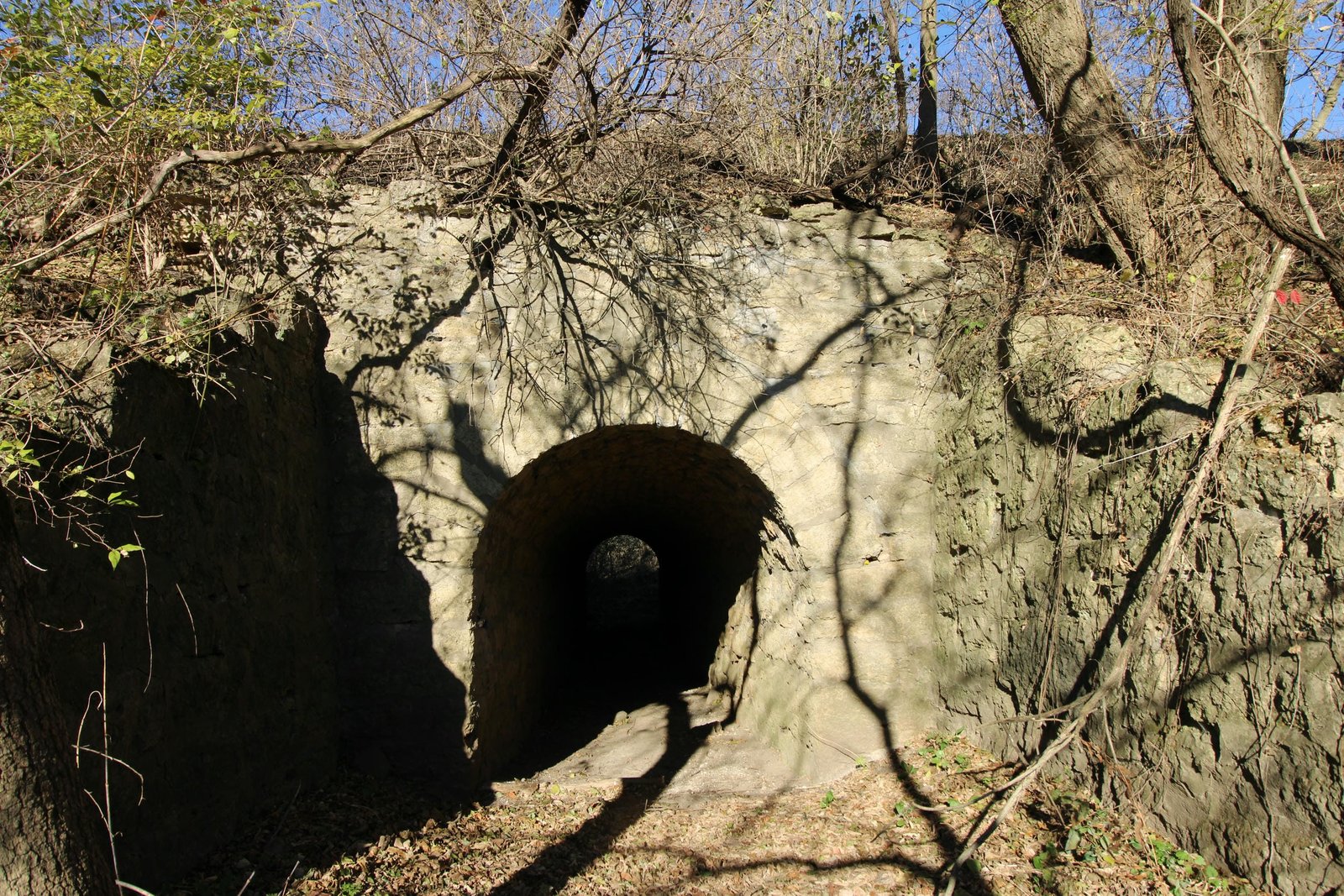
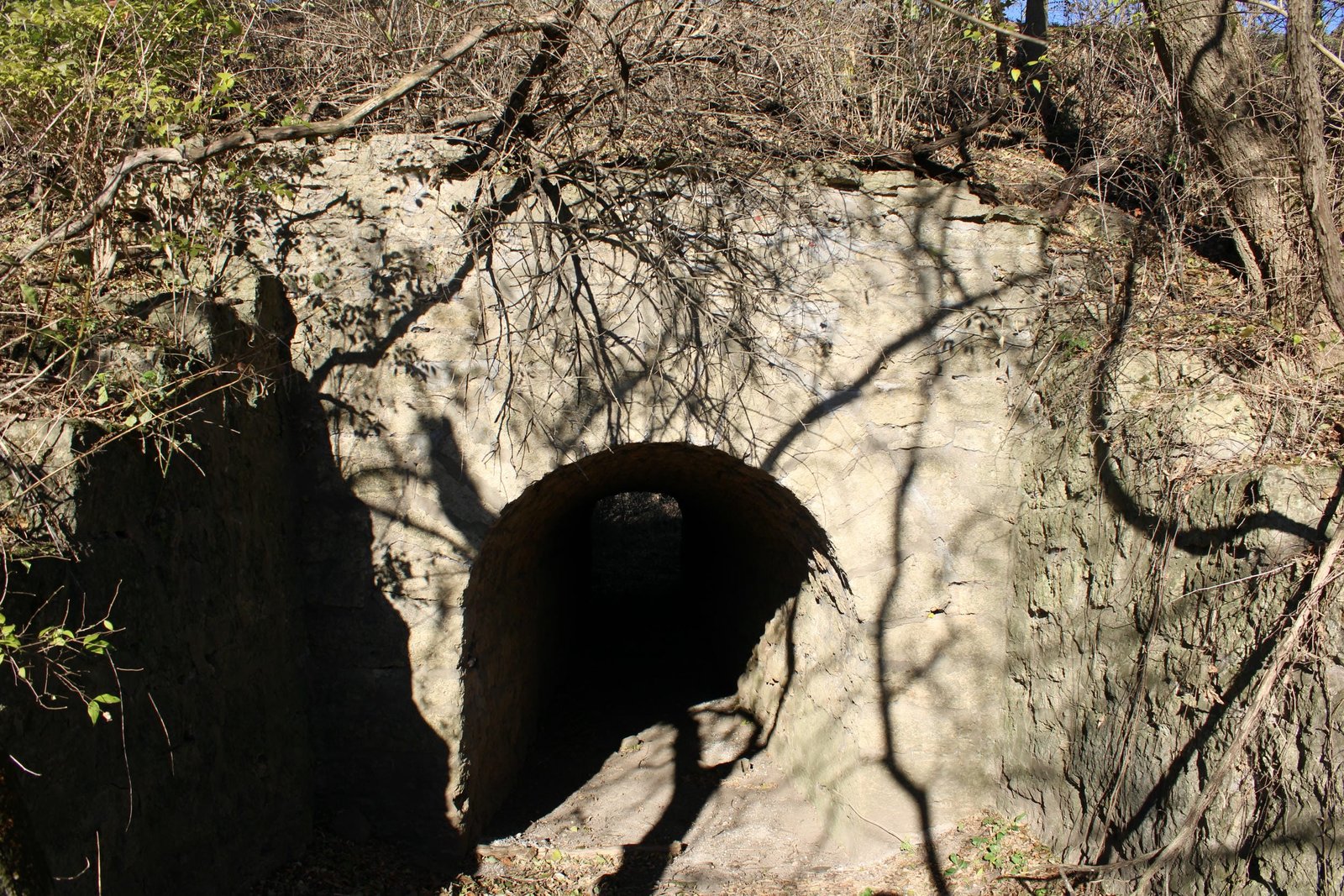
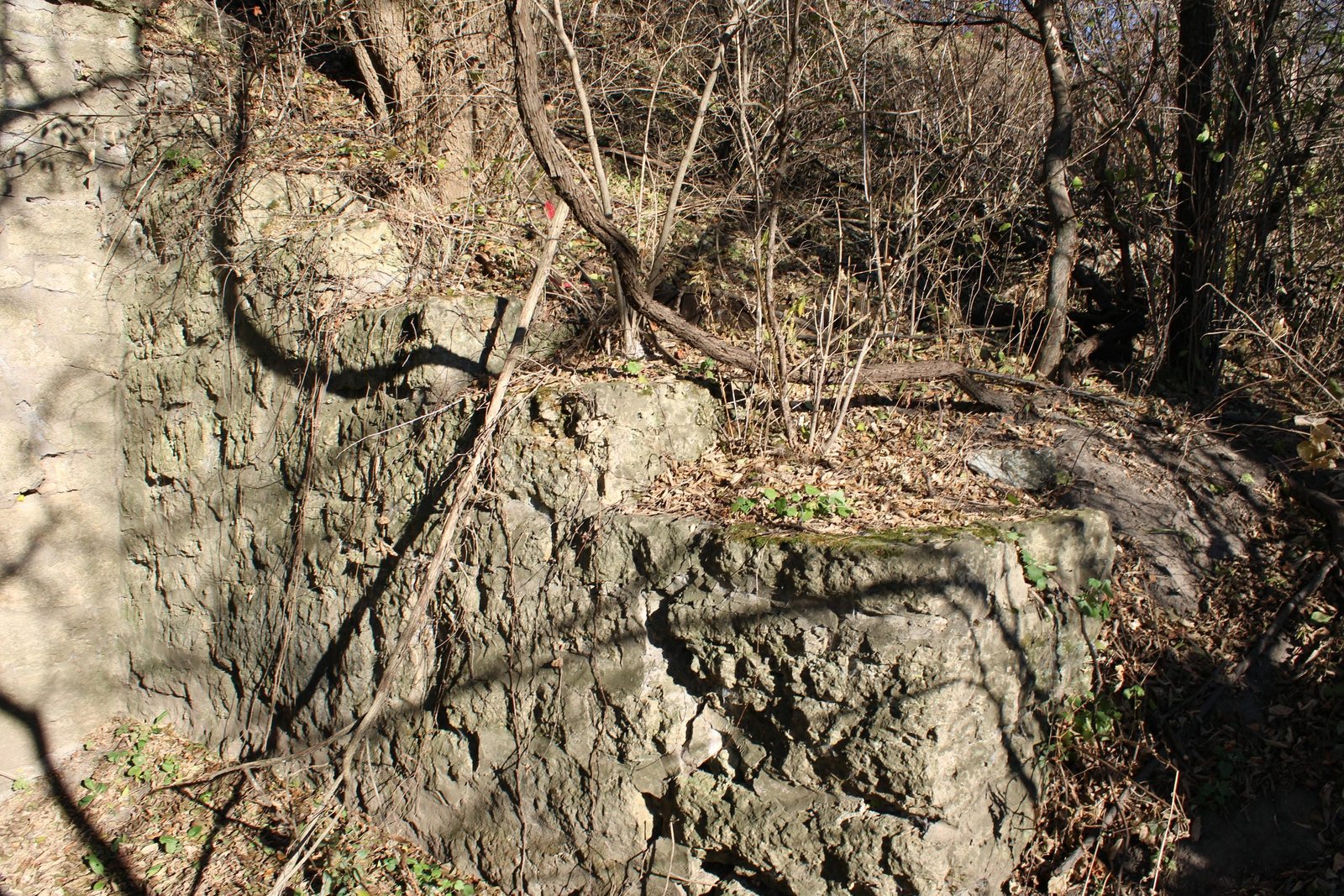
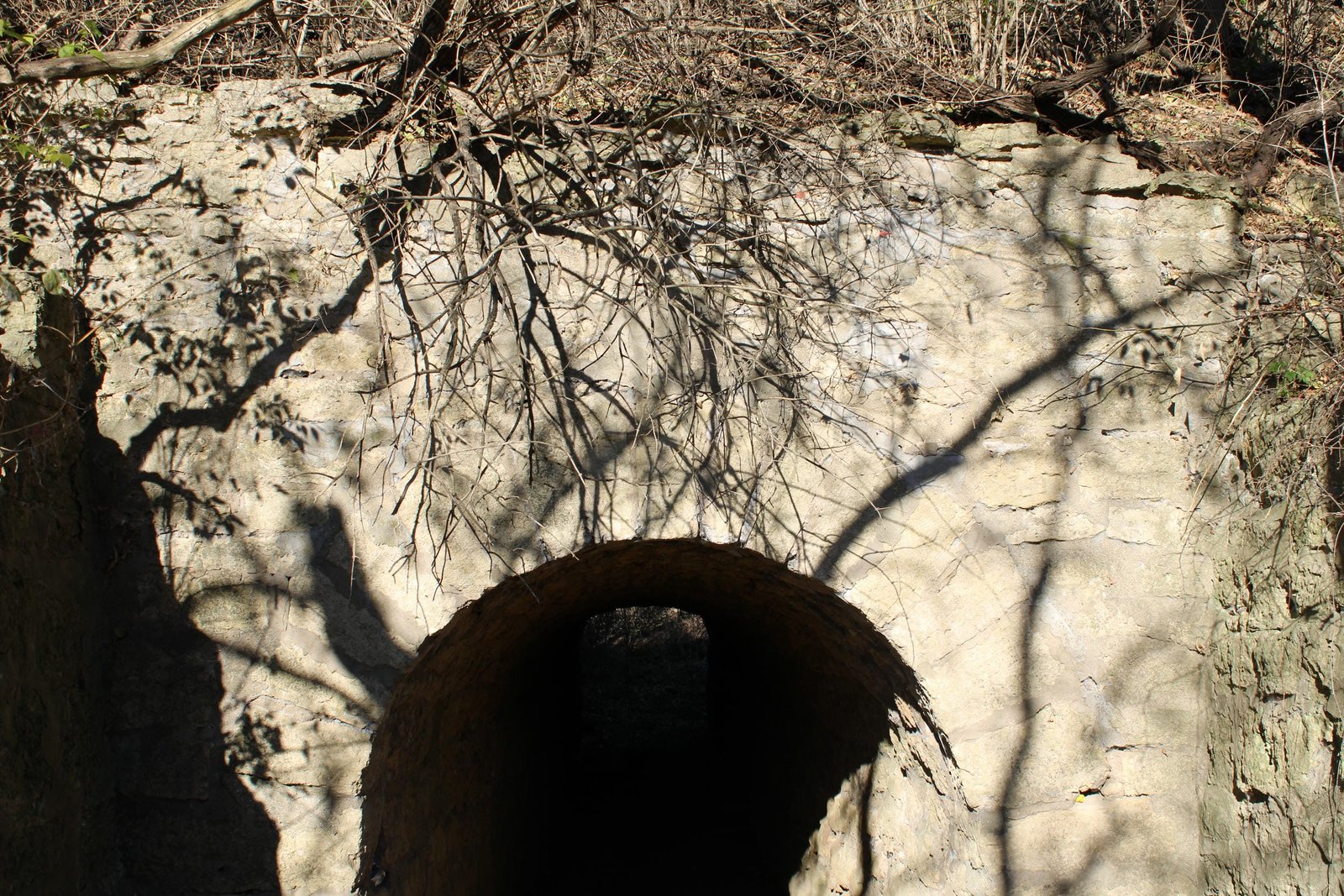
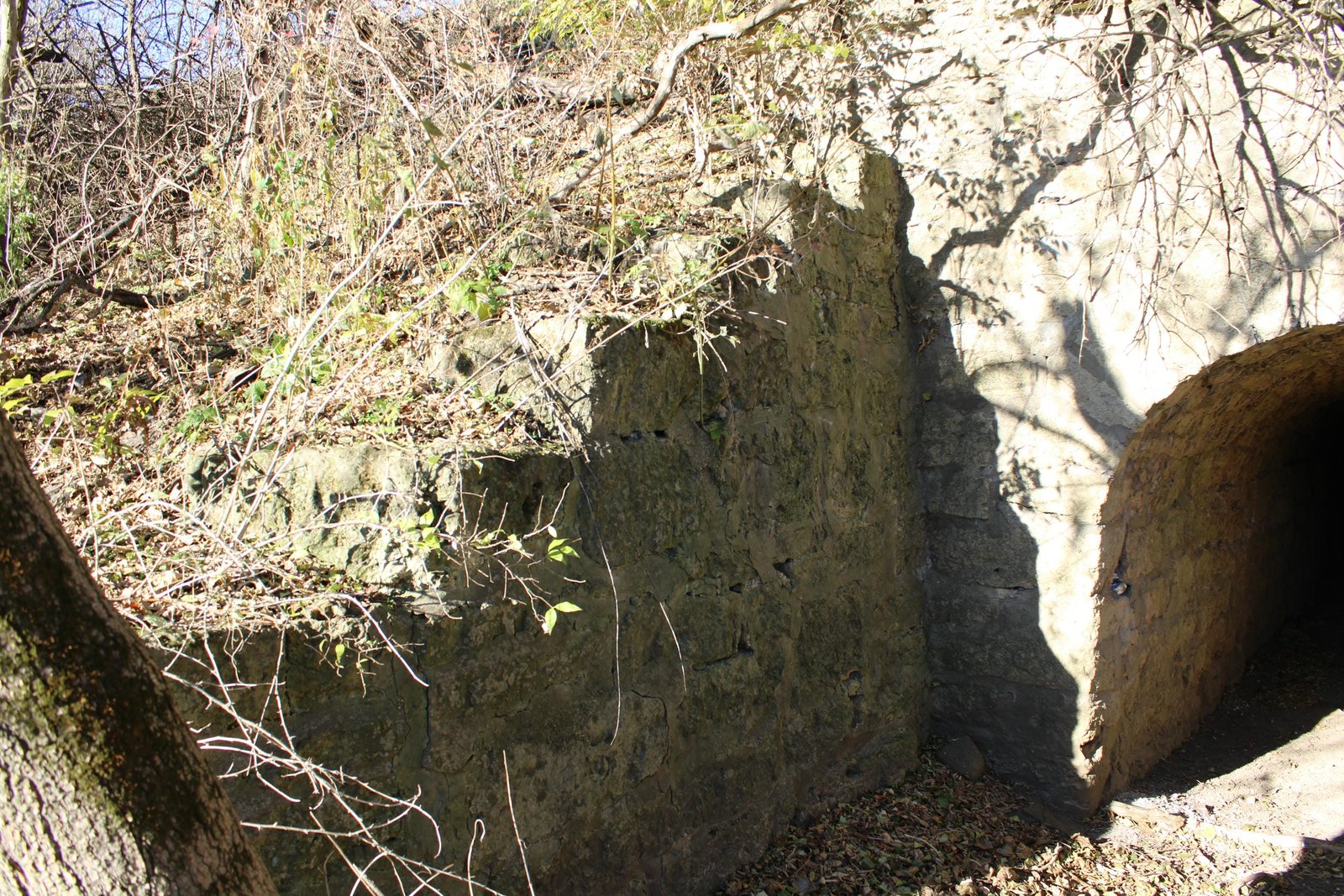
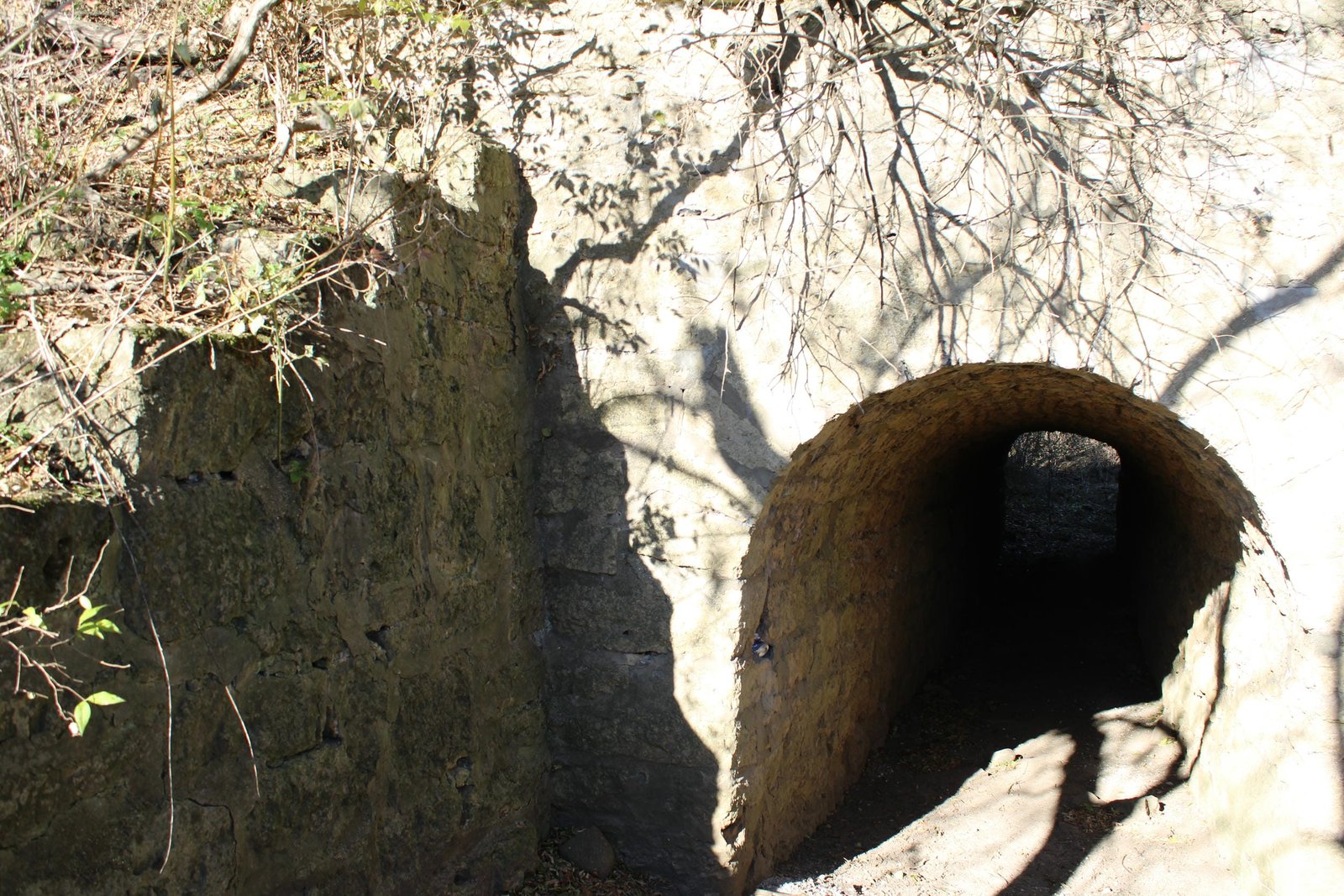
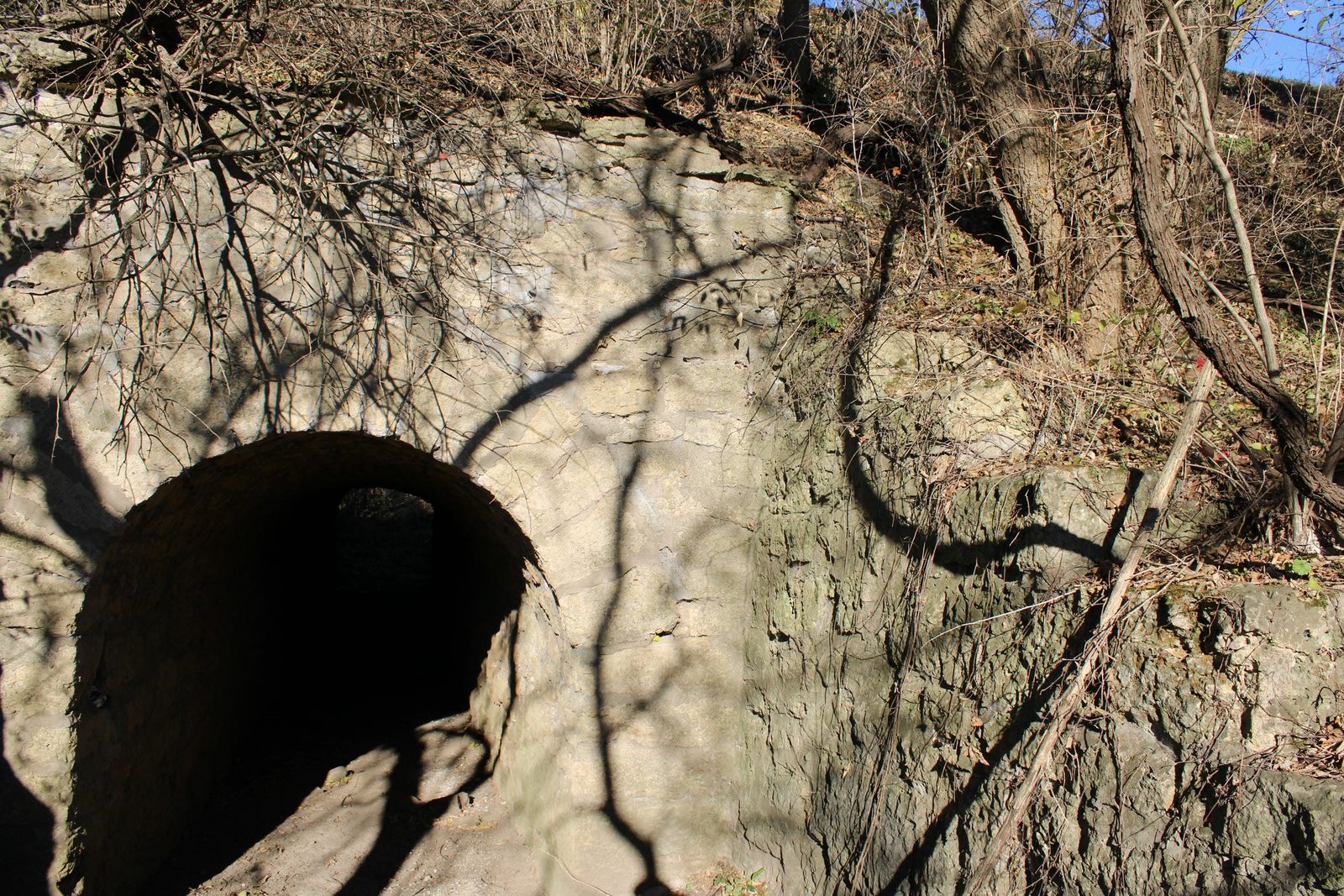
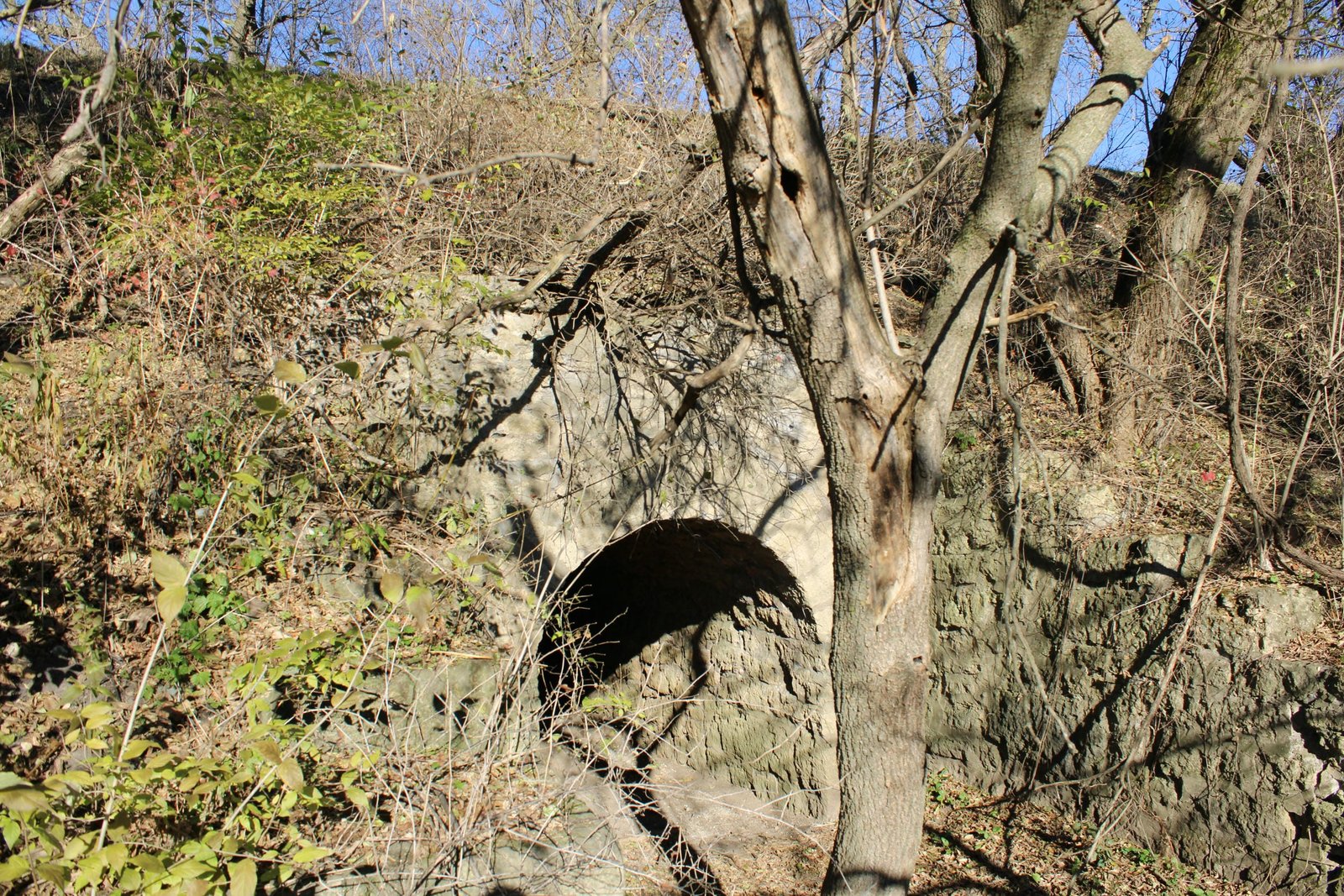
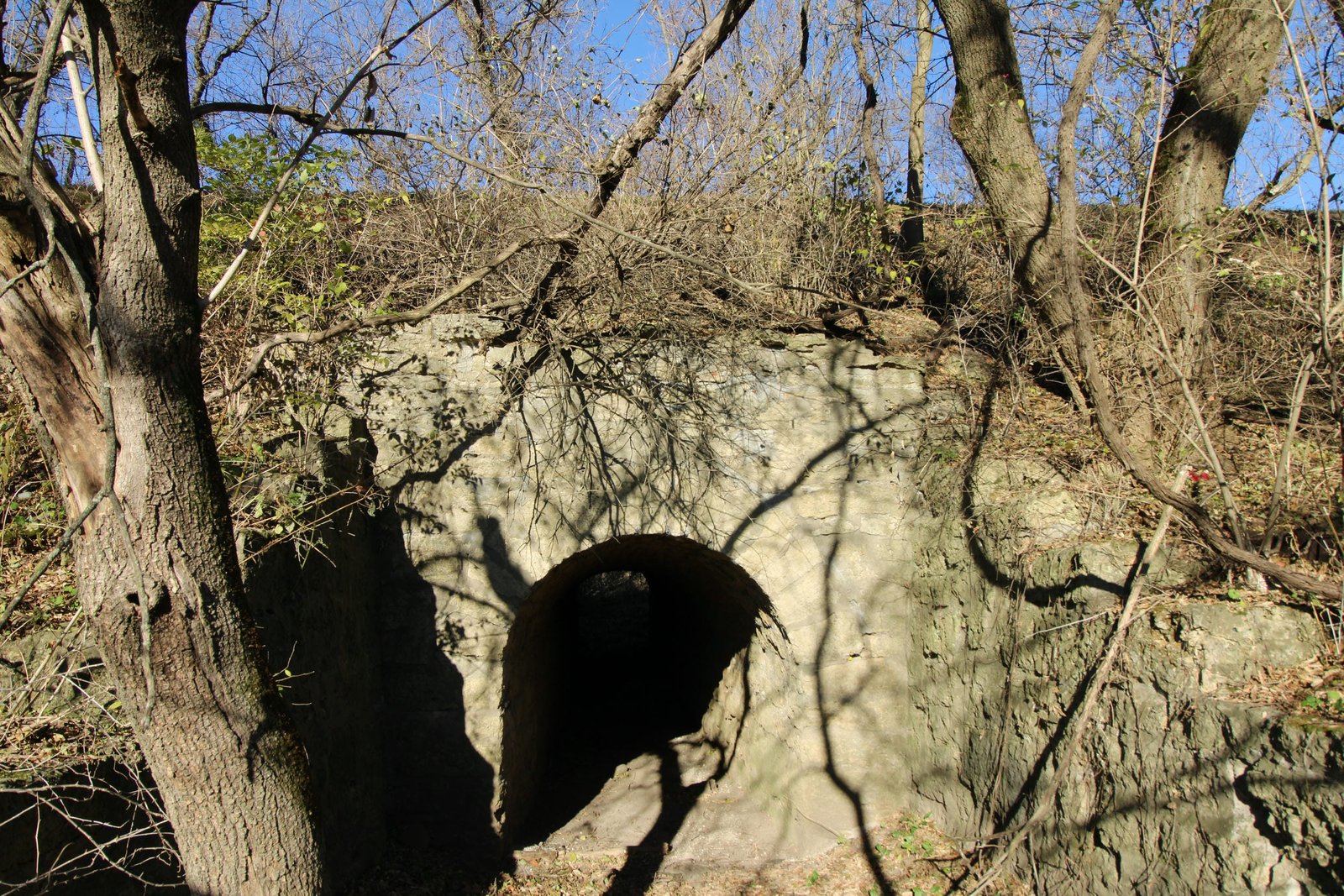
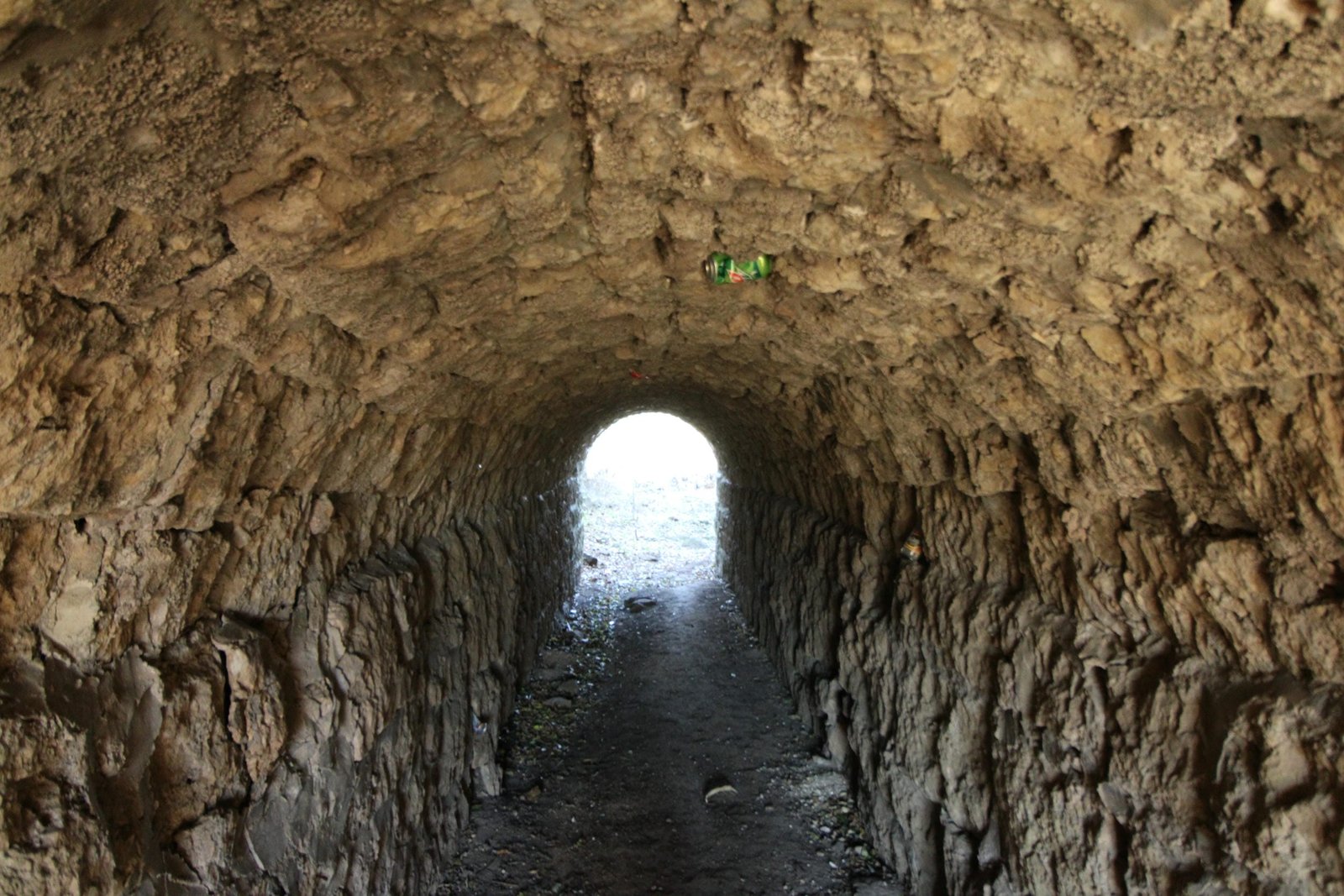
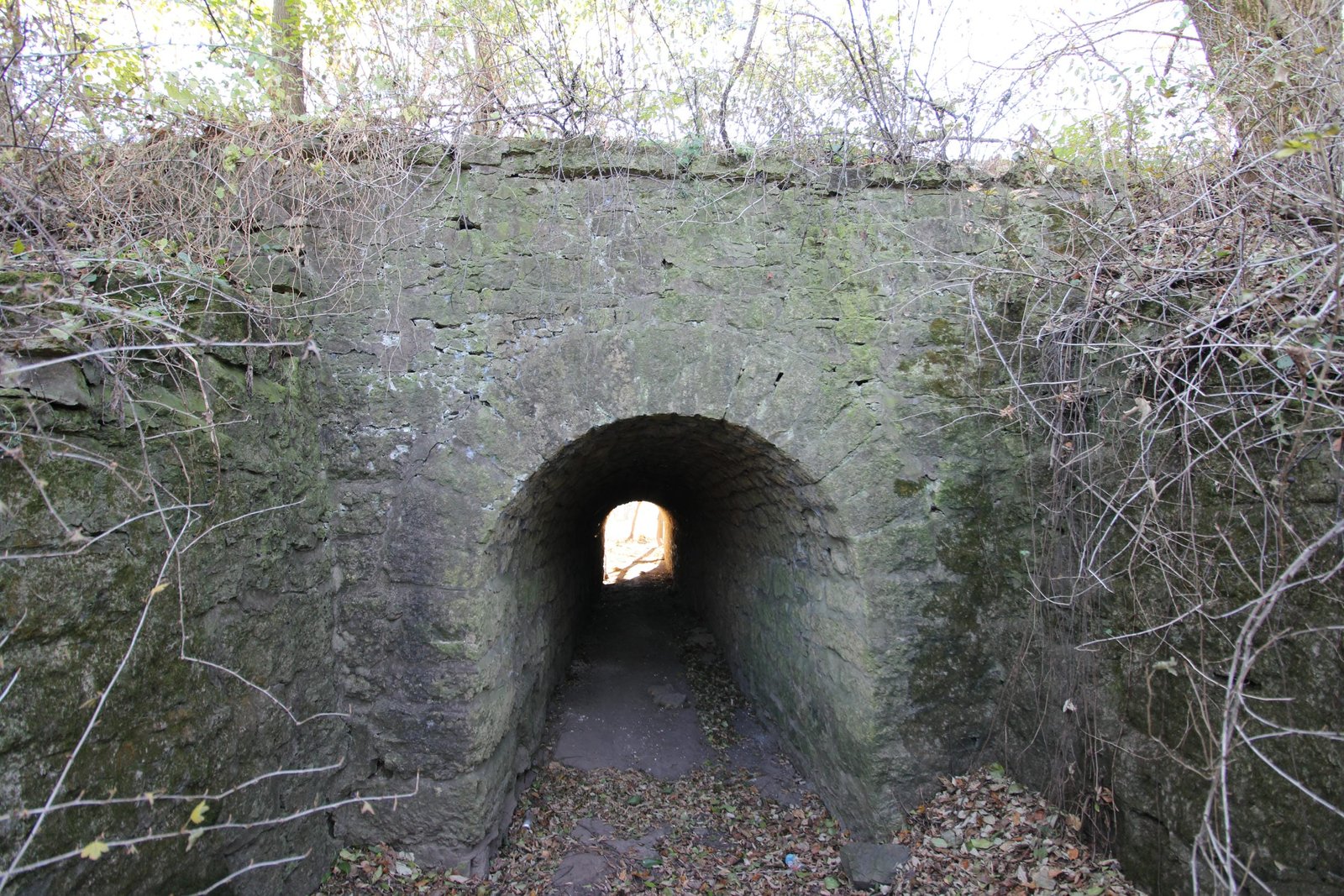
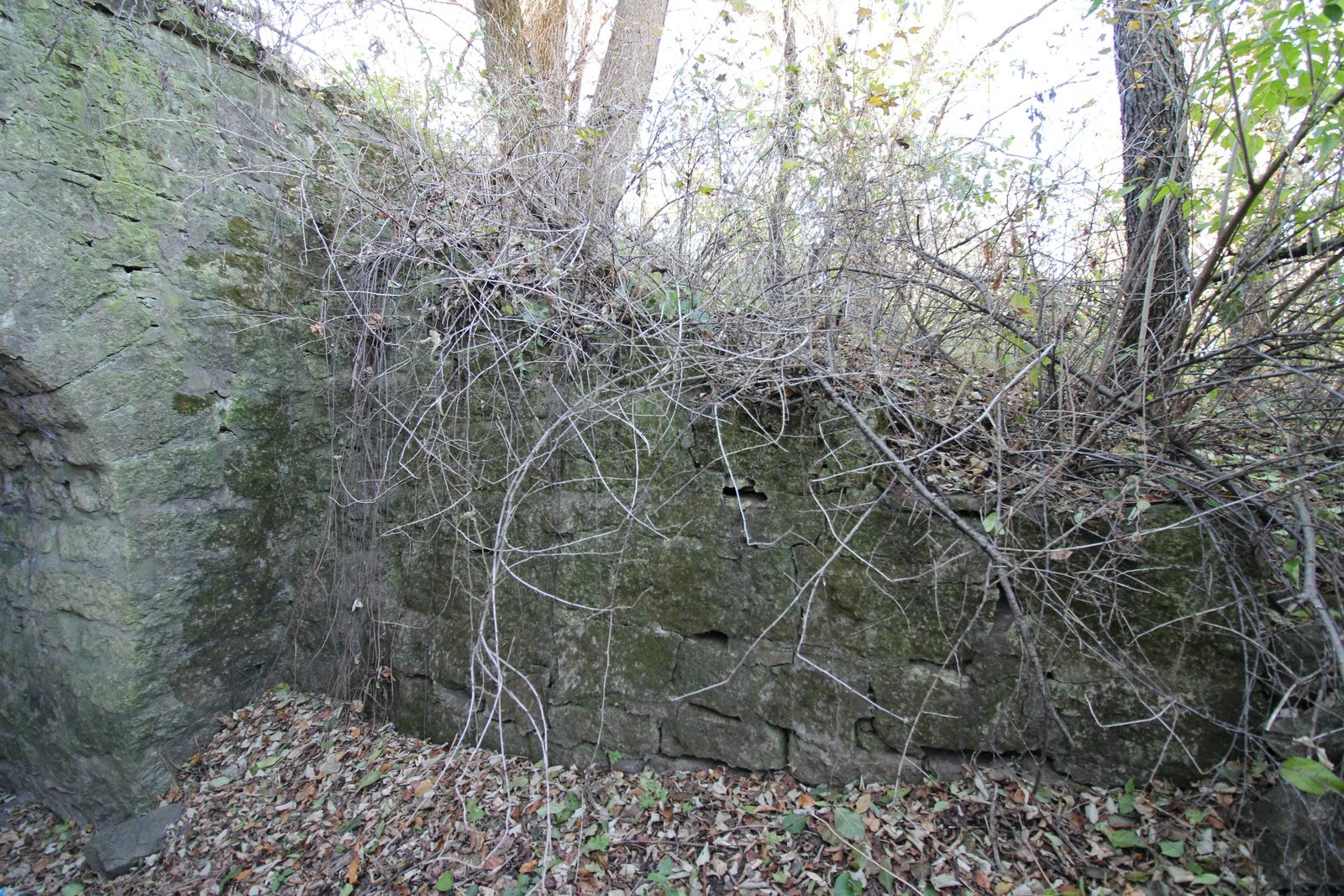
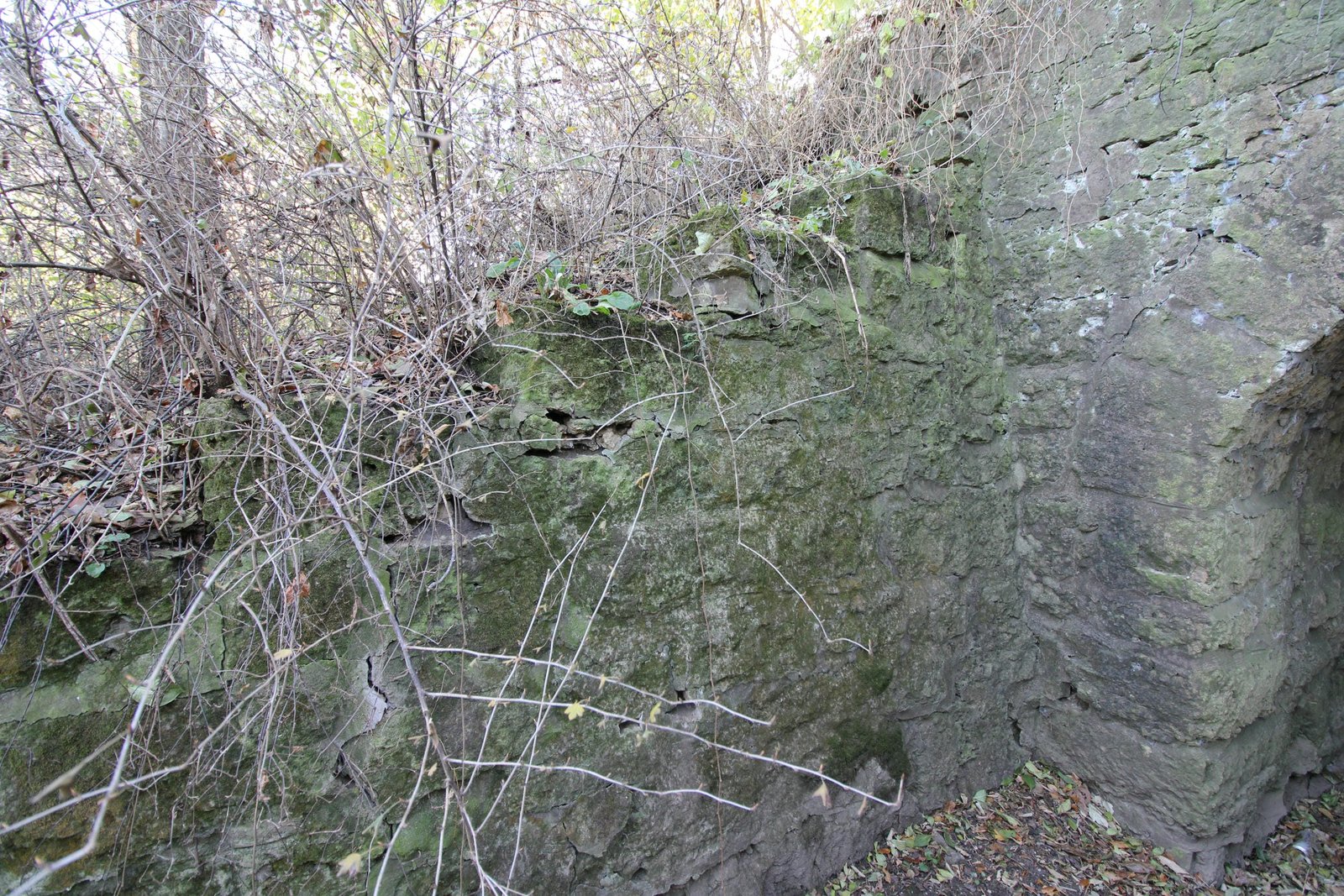
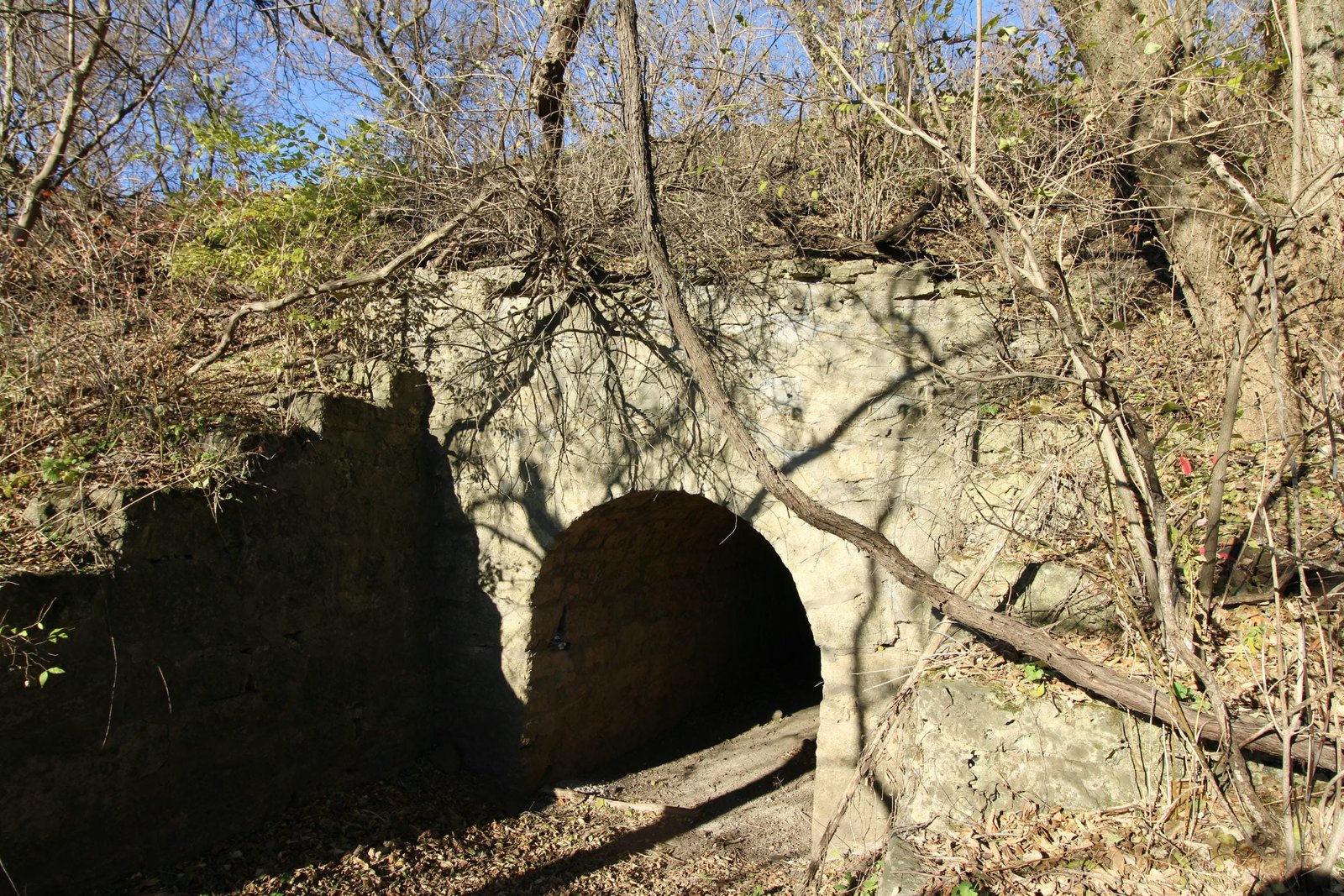
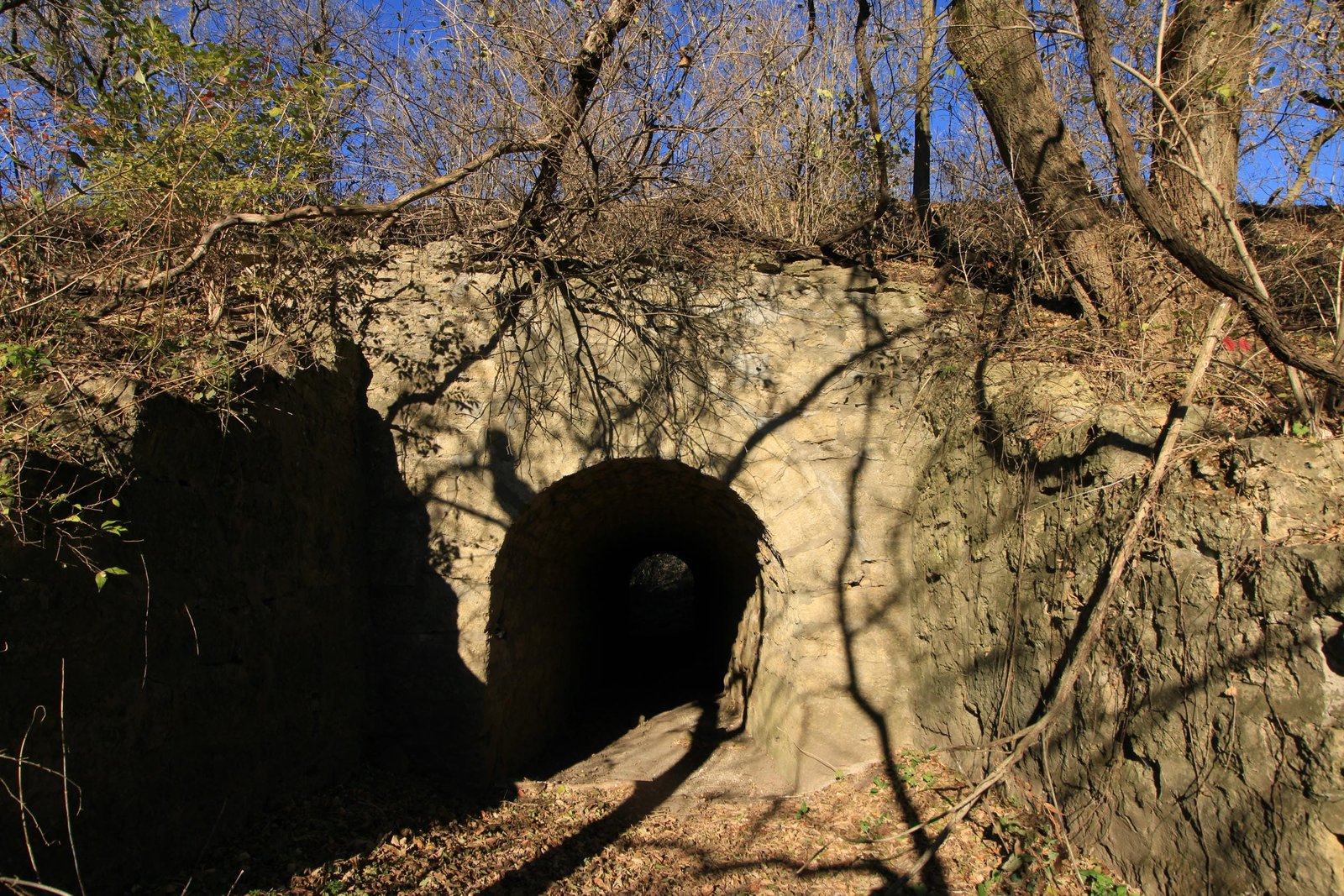
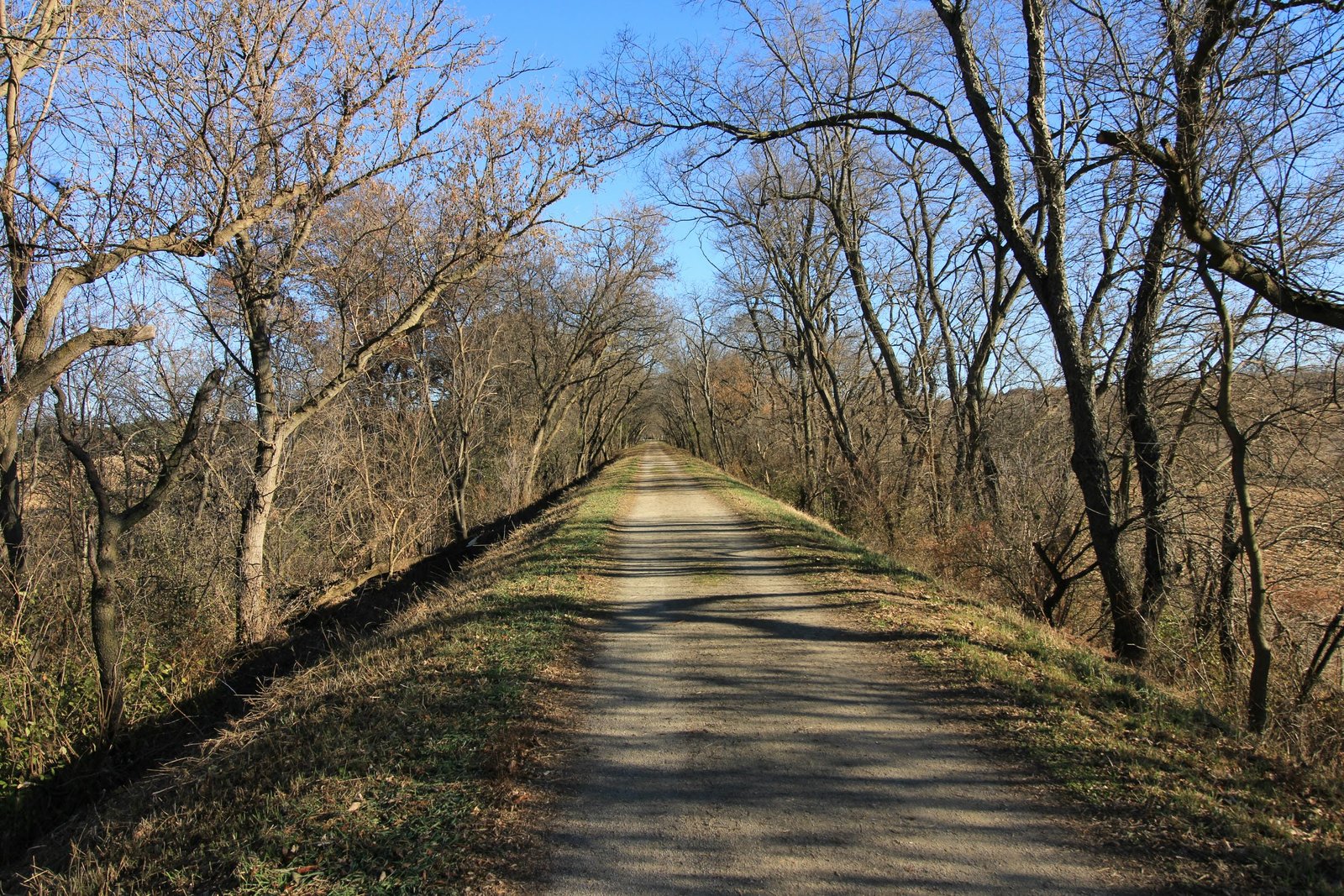
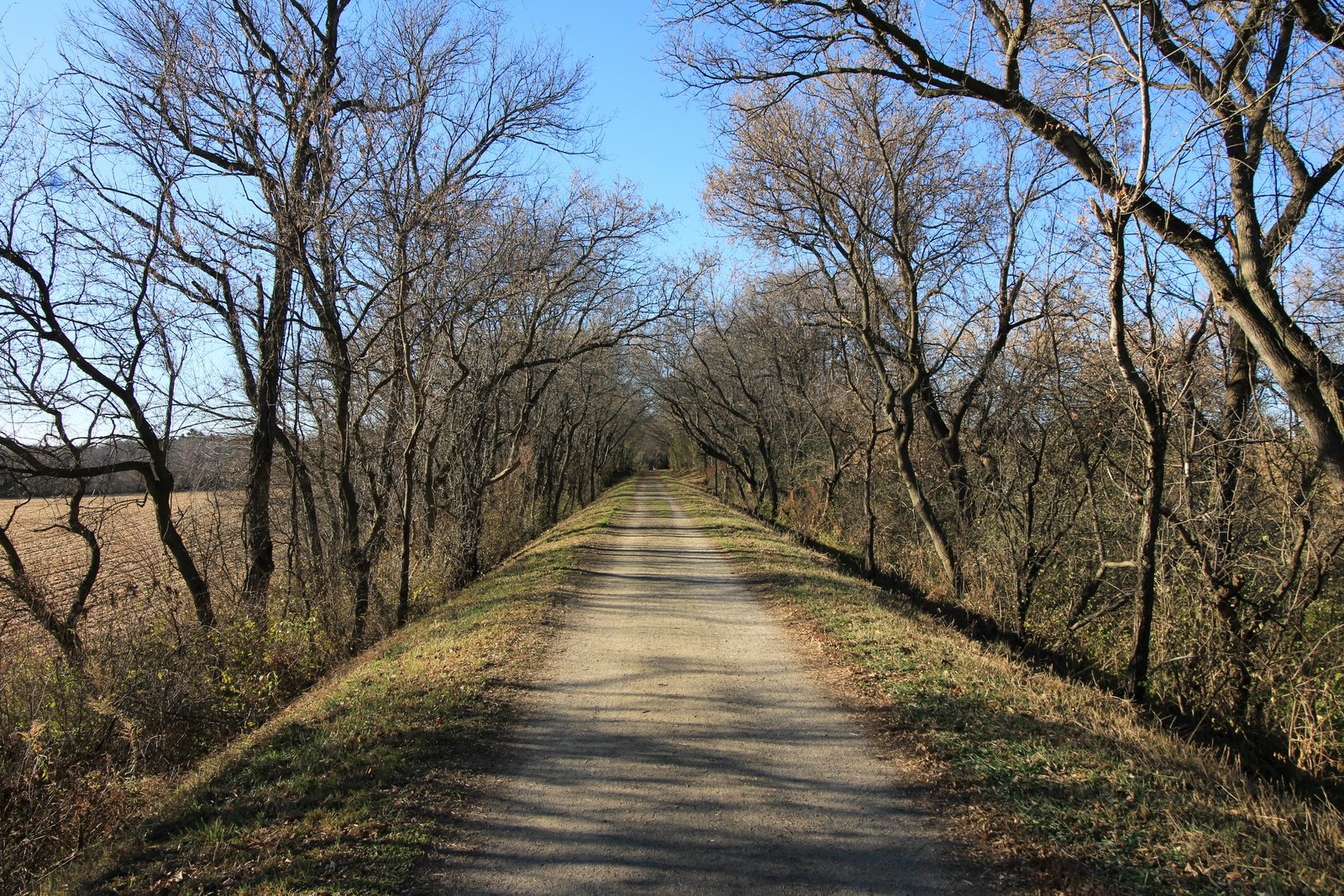
Located west of Atwood Road near Roscoe, this small stone arch culvert carries a former Chicago & North Western Railway line over an unnamed ditch. The first bridge at this location was likely a timber pile trestle, constructed when the line was first built. In the late 1850s and early 1860s, the G&CU made significant improvements to their lines, replacing timber bridges with stone structures and earth fill. In 1863, the original trestle was replaced by the present structure. Currently, the structure consists of a 6-foot stone arch culvert, set onto stone substructures and constructed at a width of 58 feet. The culvert uses a standard design, with a semicircular arch, stepped wing walls and a dirt floor. Typical of early stone culverts along this line, the arch ring is constructed of cut stone, while the remainder of the structure is constructed of rubble masonry. Stone for the culvert was quarried at an unknown location, and appears to be a yellow limestone. It is unclear if the culvert was constructed by railroad company forces or by an unknown contractor. The G&CU prided itself on using skilled labor employed by the company wherever possible to construct bridges and culverts, as it found this practice more cost effective. Stone arches were used extensively by railroads in the 19th Century, as they were durable and easy to construct. Since the initial construction, the culvert has seen no significant alterations, and is now used as part of the Stone Bridge Trail. Overall, the culvert appears to be in fair to good condition, with minor weathering to the stone noted. The author has ranked the culvert as locally significant, due to the small size and common design.
Citations
| Build date | Chicago & North Western Railway Valuation Notes at the Chicago & North Western Historical Society Archives |
| Railroad History Citation | ICC Valuation Information, Compiled by Richard S. Steele |