


Click the photo to view the full-size version
| Name | Clairemont Avenue Railroad Bridge Chicago, Milwaukee & St. Paul Railway Bridge #M-188 |
| Built By | Chicago, Milwaukee & St. Paul Railway |
| Currently Owned By | City of Eau Claire |
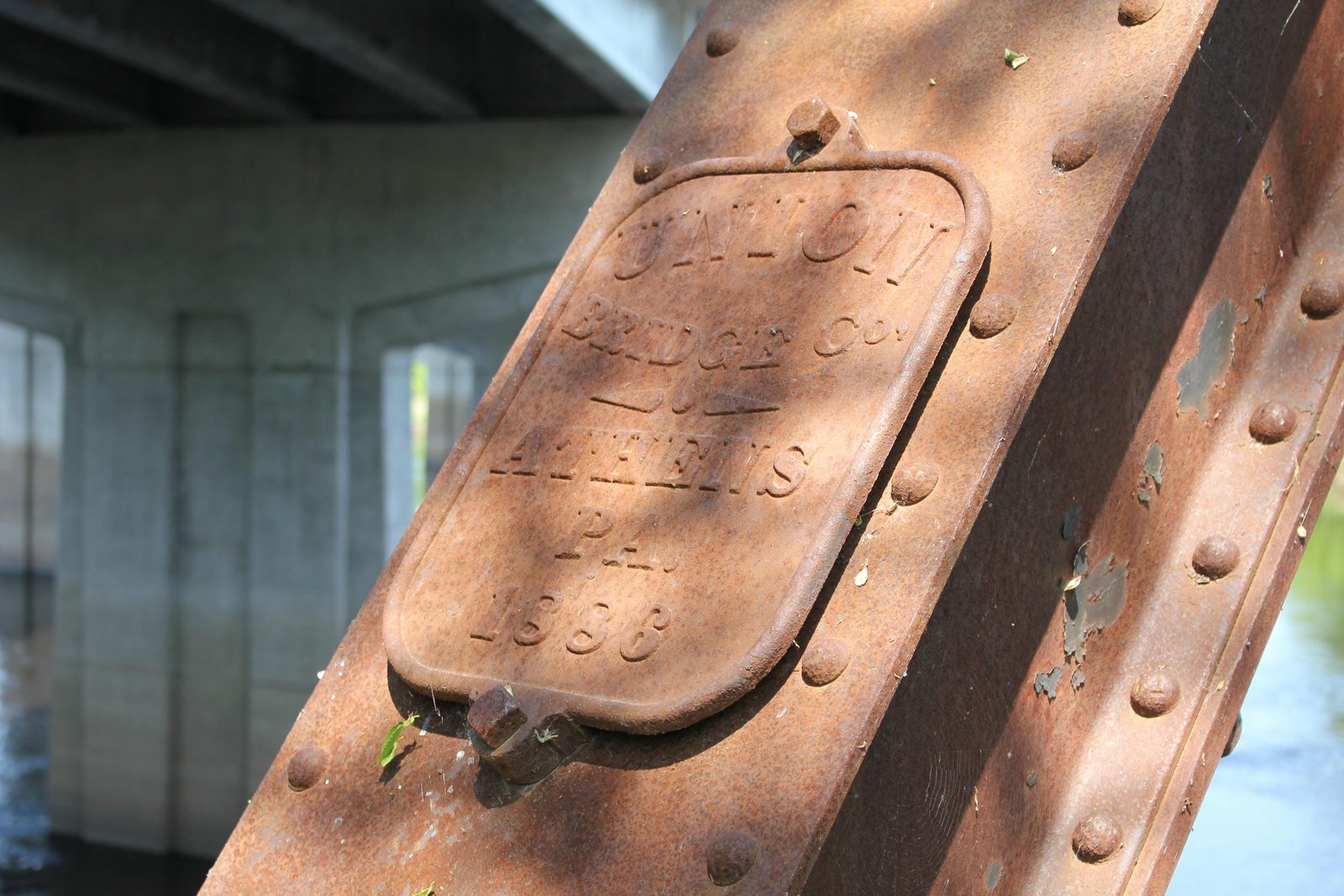
| Superstructure Contractor | Union Bridge Company of Athens, Pennsylvania (Span #1) Unknown |
| Engineer | Charles L. Strobel of Chicago, Illinois (Span #4) |
| Length | 665 Feet Total, 142 Foot Largest Spans |
| Width | 1 Track |
| Height Above Ground | 40 Feet (Estimated) |
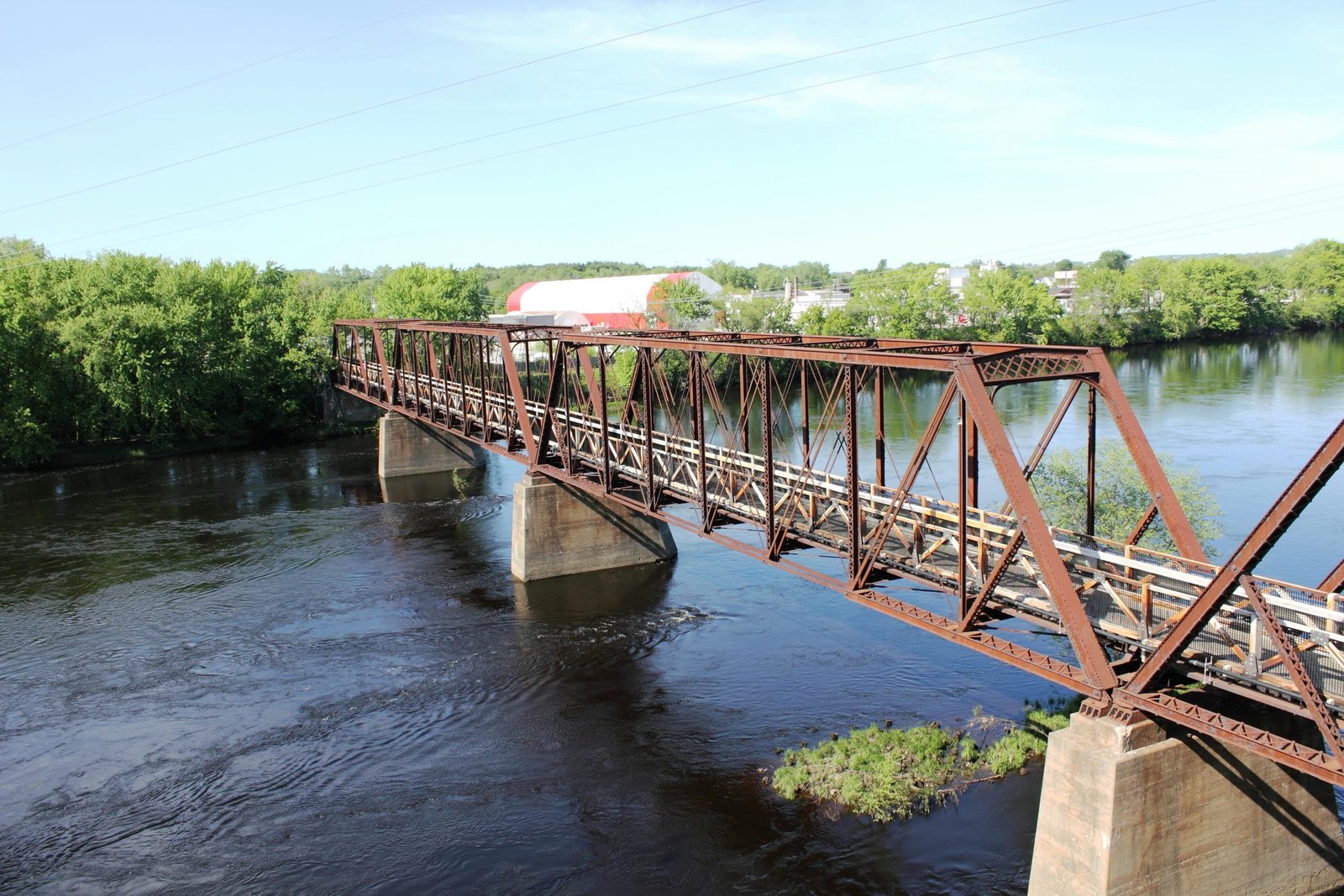
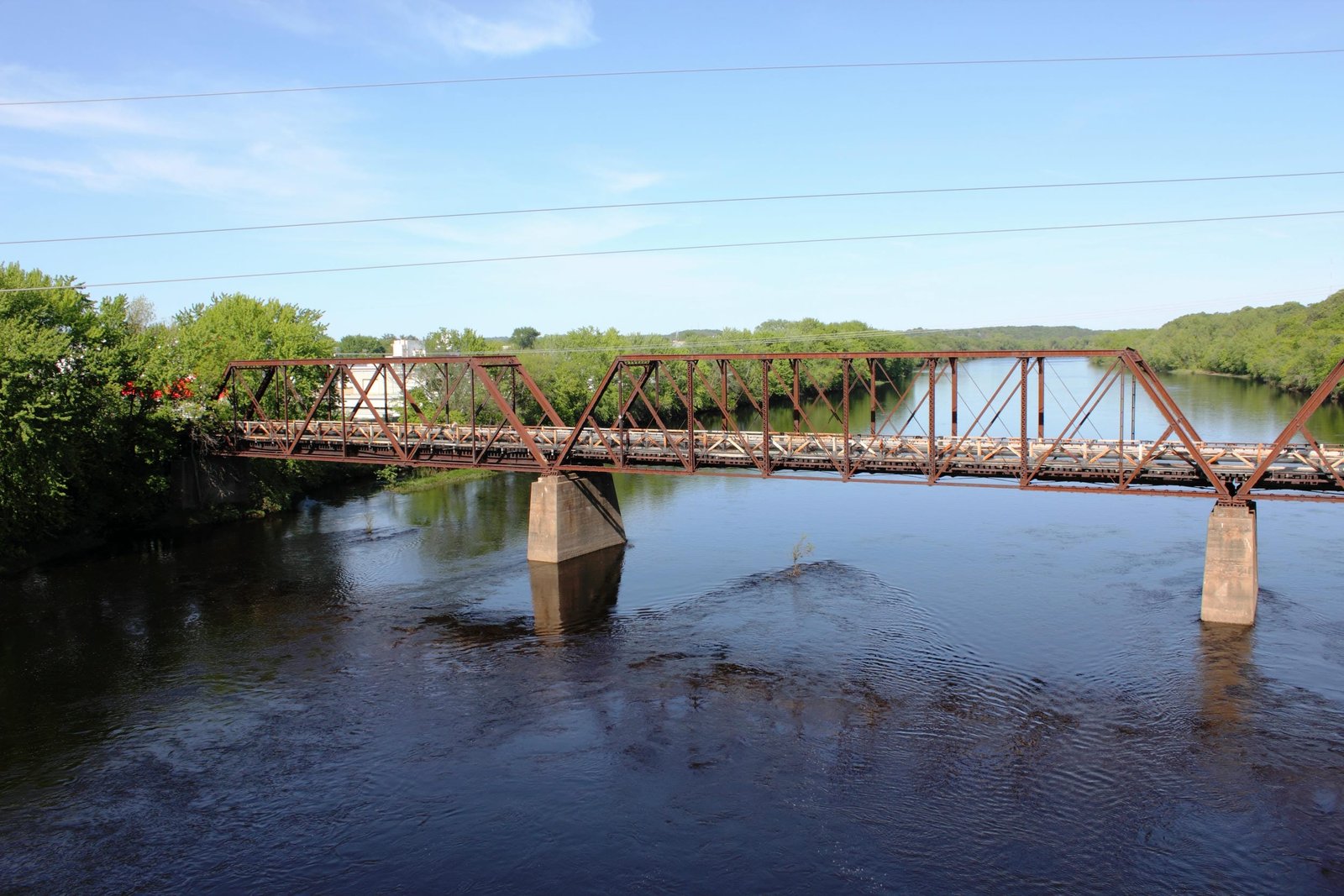
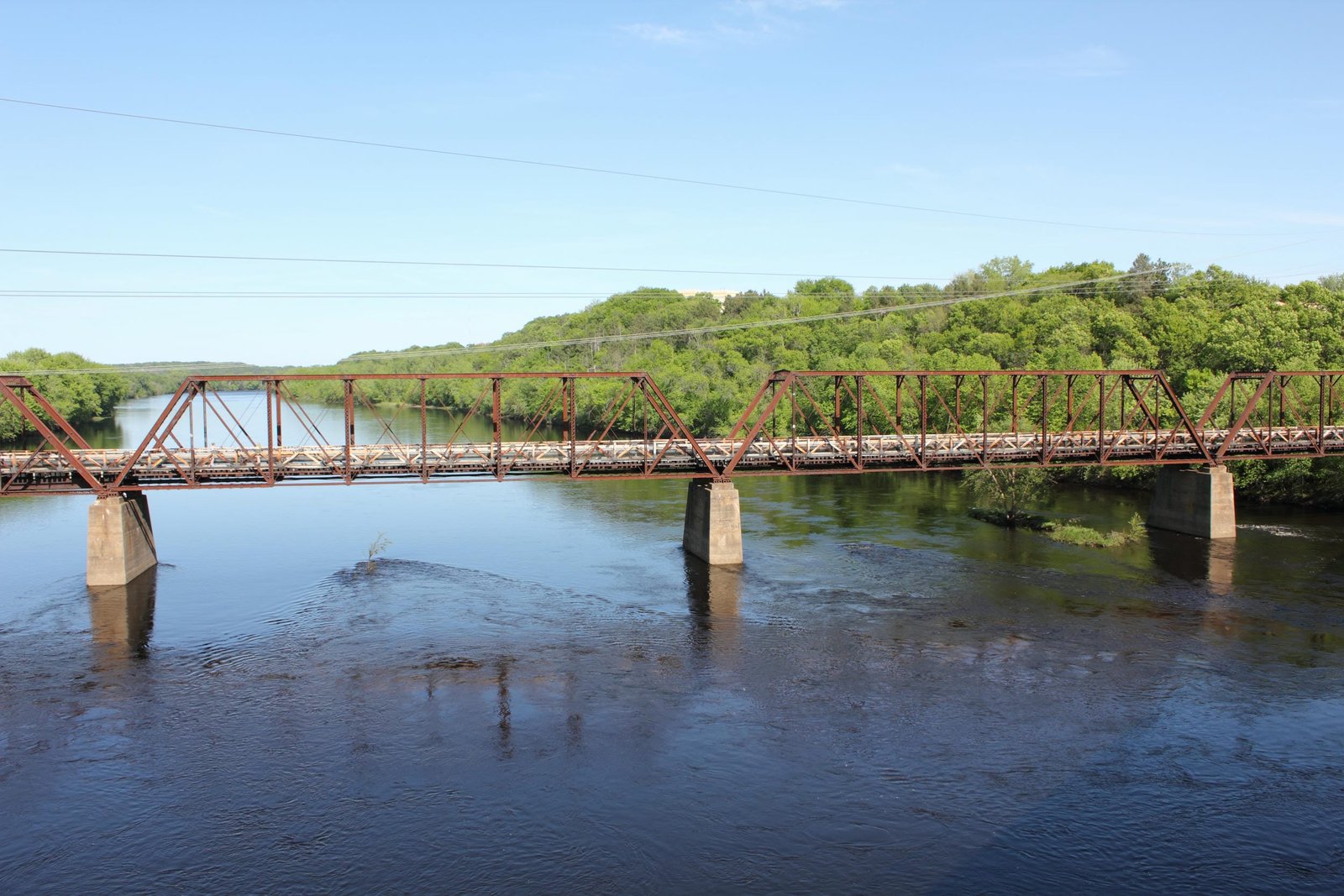
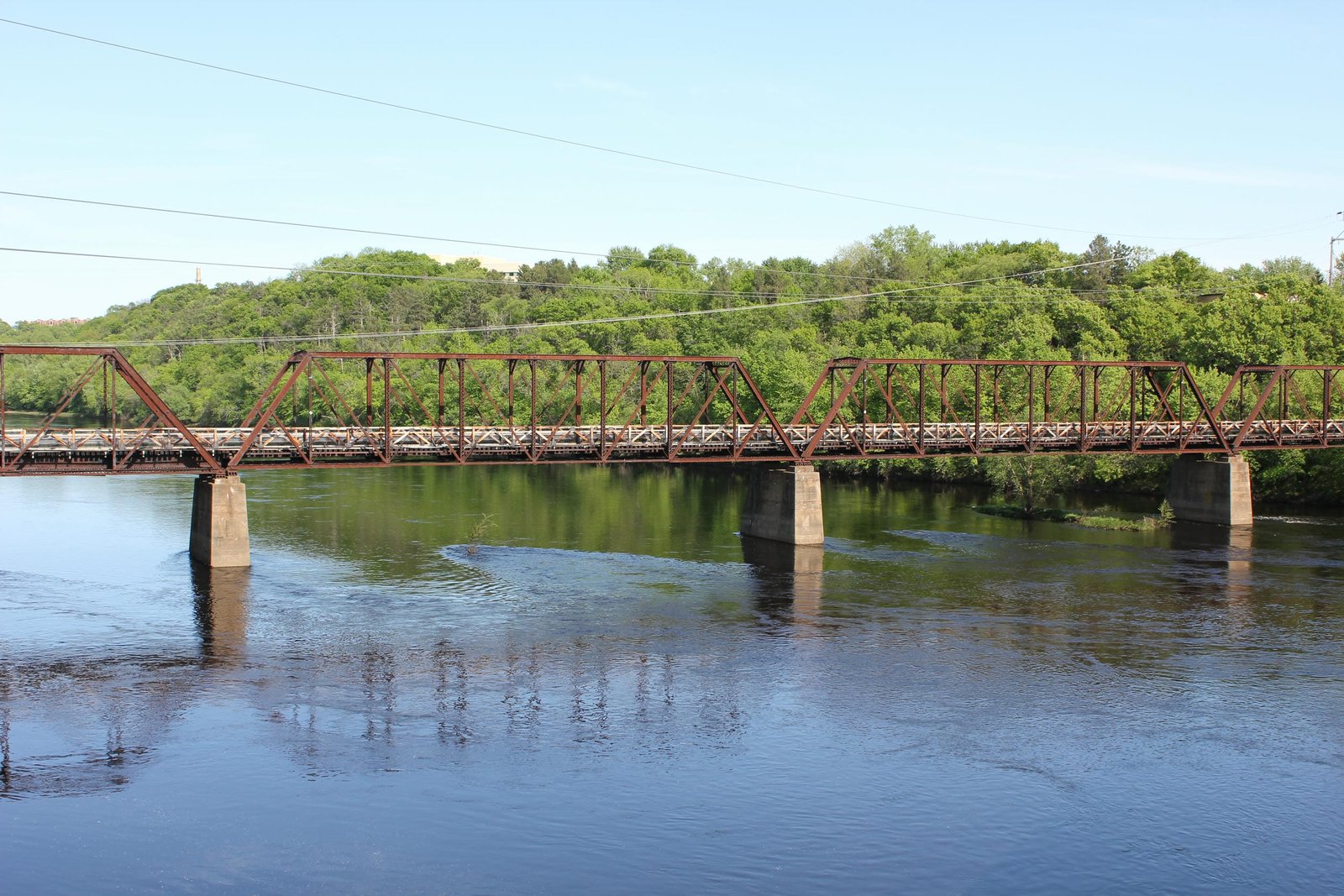
| Superstructure Design | Pratt Through Truss (Spans #1-#3) Warren Through Truss (Span #4) Concrete Slab (South Approach) Timber Pile Trestle (North Approach) |
| Substructure Design | Concrete and Timber Pile |
| Date Fabricated | 1886 (Span #1) 1887 (Spans #2 and #3) 1888 (Span #4) |
| Date Erected | 1911, North Approach Rebuilt 1969 |
| Original Location (Span #1) | Bridge #L-106; Zumbro River Bridge; Kellogg, Minnesota (Original Location) Bridge #O-108; Minnesota River Bridge; Chaska, Minnesota (Previous Location) |
| Original Location (Span #2-#3) | Bridge #I-418; Des Moines River Bridge; Ottumwa, Iowa |
| Original Location (Span #4) | Bridge #Z-1154; Des Moines River Bridge; Madrid, Iowa |
| Traffic Count | 0 Trains/Day (Bridge is Open to Pedestrian Traffic) |
| Current Status | Open to Pedestrian Traffic |
| Chicago, Milwaukee & St. Paul Railway Bridge Number | M-188 |
| Significance | High Significance |
| Documentation Date | 5/12/2012; 5/6/2016; 5/26/2023 |
In 1881, the Chippewa Valley and Superior Railway would construct a new 48 mile railroad line between the existing Chicago, Milwaukee & St. Paul Railway (Milwaukee Road) mainline at Wabasha, Minnesota and Eau Claire, Wisconsin. In addition, the railroad would construct a 21 mile branch between Red Cedar Junction and Menomonie, Wisconsin. The following year, the railroad would be absorbed by the Milwaukee Road, which was rapidly constructing and acquiring branch lines throughout the Midwest. In 1883, the branch would be extended to Chippewa Falls, Wisconsin. Known as the Chippewa Valley Division, these two branch lines primarily served the booming lumber industry in this part of Wisconsin. To cross the Mississippi River, a unique pontoon bridge would be constructed at Reeds Landing.
By the 20th Century, the Milwaukee Road had become a prominent railroad in the United States, operating an expansive network of railroad lines, primarily in the Midwest. The branch to Chippewa Falls would be abandoned in favor of the parallel Wisconsin Central Railway/Soo Line tracks in the early 20th Century. The Milwaukee Road was often in financial trouble, especially after the costly Pacific Extension was completed in 1909. In 1925, the company declared bankruptcy, and reorganized as the Chicago, Milwaukee, St. Paul and Pacific Railroad in 1928. Throughout the 20th Century, conditions on the Milwaukee Road continued to deteriorate. Spring flooding in 1951 destroyed the pontoon bridge, and the line would be abandoned between Trevino and Wabasha, isolating this branch line from the rest of the Milwaukee Road system. In 1973, the branch to Menomonie would be abandoned. The railroad entered bankruptcy in 1977, and was forced to liquidate unprofitable lines.
Due to a derailment, the Trevino to Durand segment was abandoned in 1977. In 1979, the Eau Claire to Durand segment was sold to the Chippewa River Railroad, a small short line. The Trevino to Durand segment was sold to Northern States Power the same year, for the purpose of constructing a new power plant. The Chippewa River Railroad would be abandoned in 1980, due to weak bridges and deteriorated track conditions. The proposed power plant was cancelled, and the tracks in the Trevino to Durand segment laid abandoned. In the early 1980s, the Menomonie Branch and the Durand to Eau Claire segment were purchased by the Wisconsin Department of Natural Resources for use as a trail. In 1995, the Chippewa Valley Motor Car Association purchased the Durand to Trevino segment, and began operating motorcars on it. Today, the Red Cedar State Trail uses the former Menomonie Branch, and the Chippewa River State Trail uses the line between Durand and Eau Claire. In addition, the Chippewa Valley Motor Car Association continues to operate and maintain the line between Trevino and Durand.
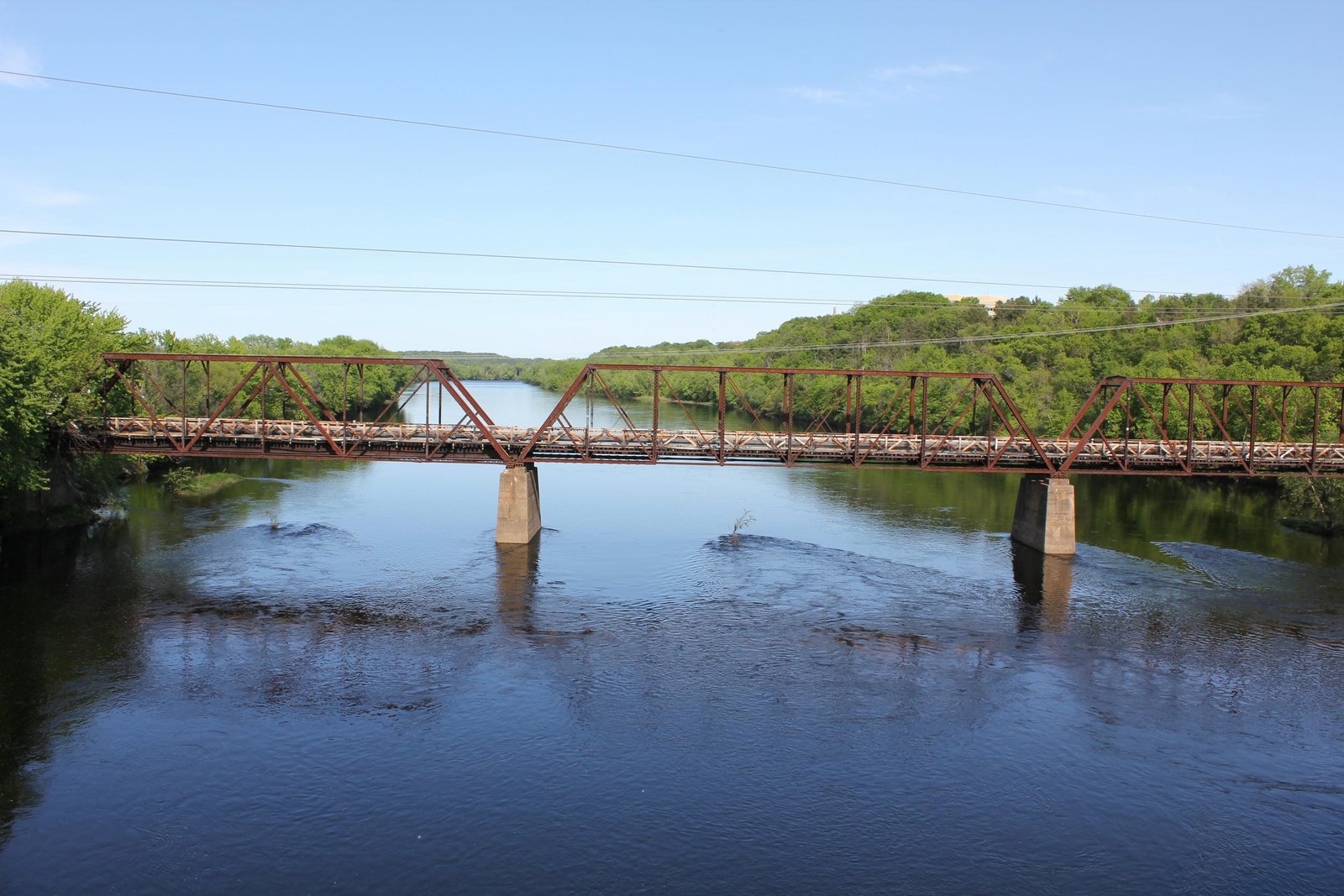
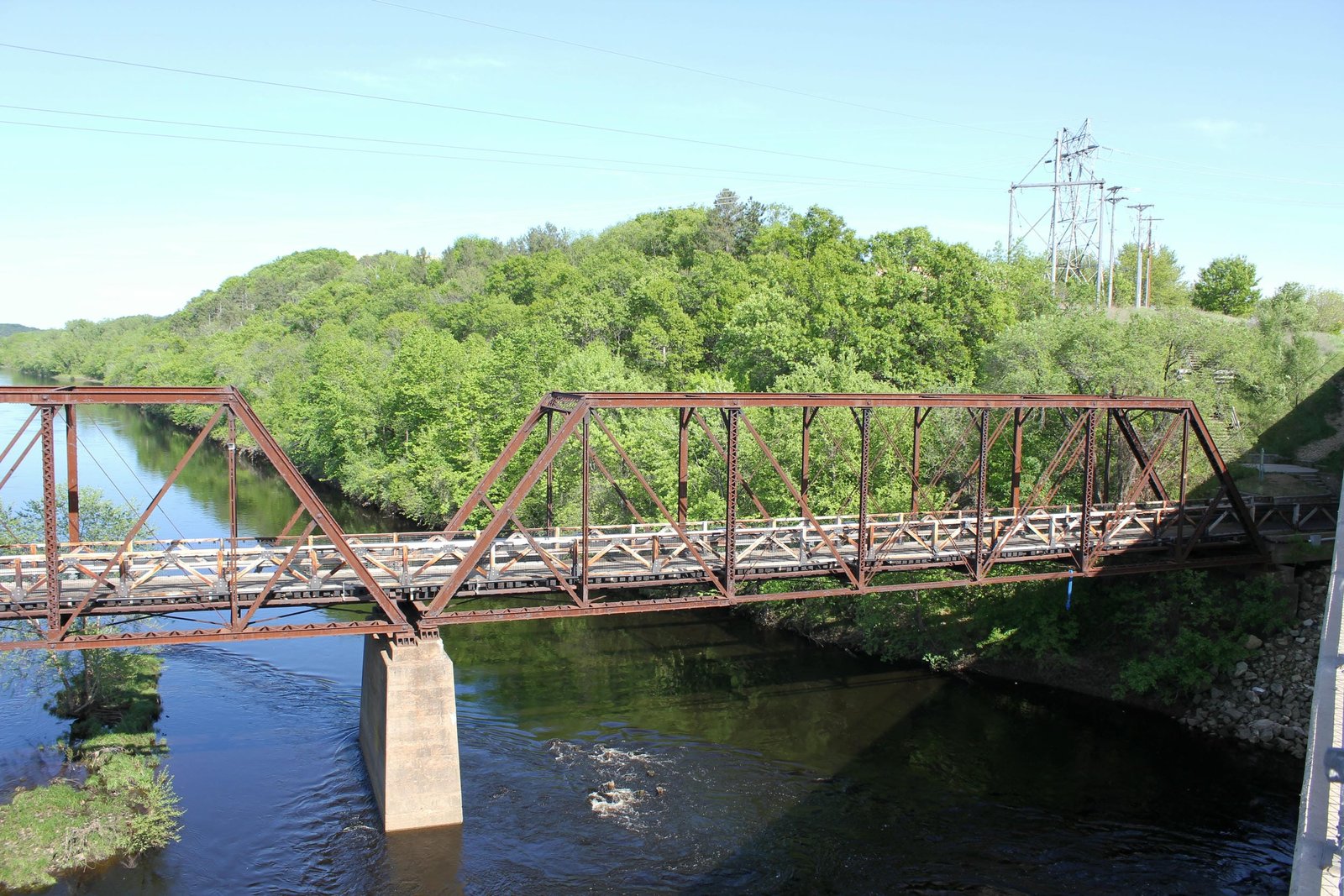
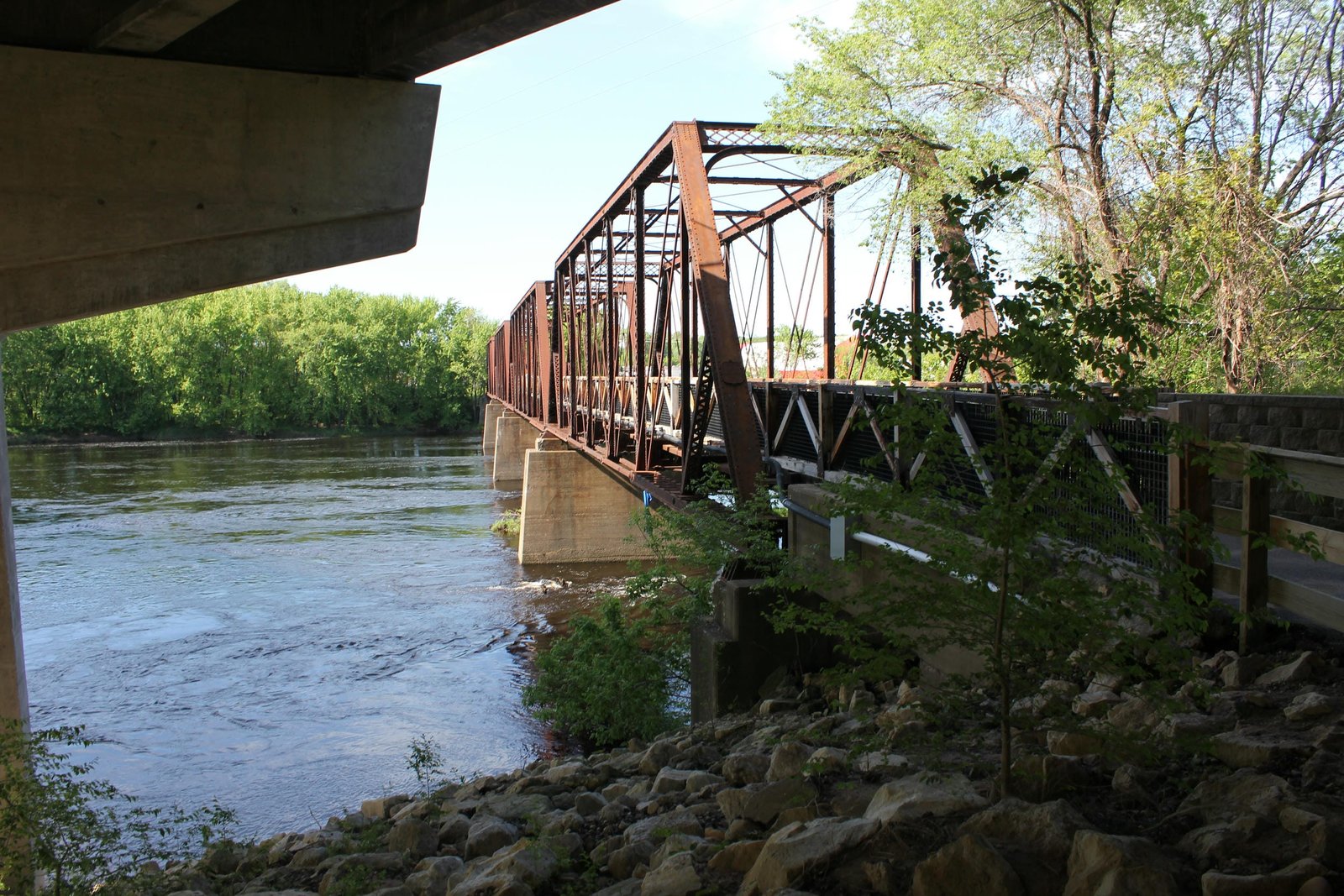
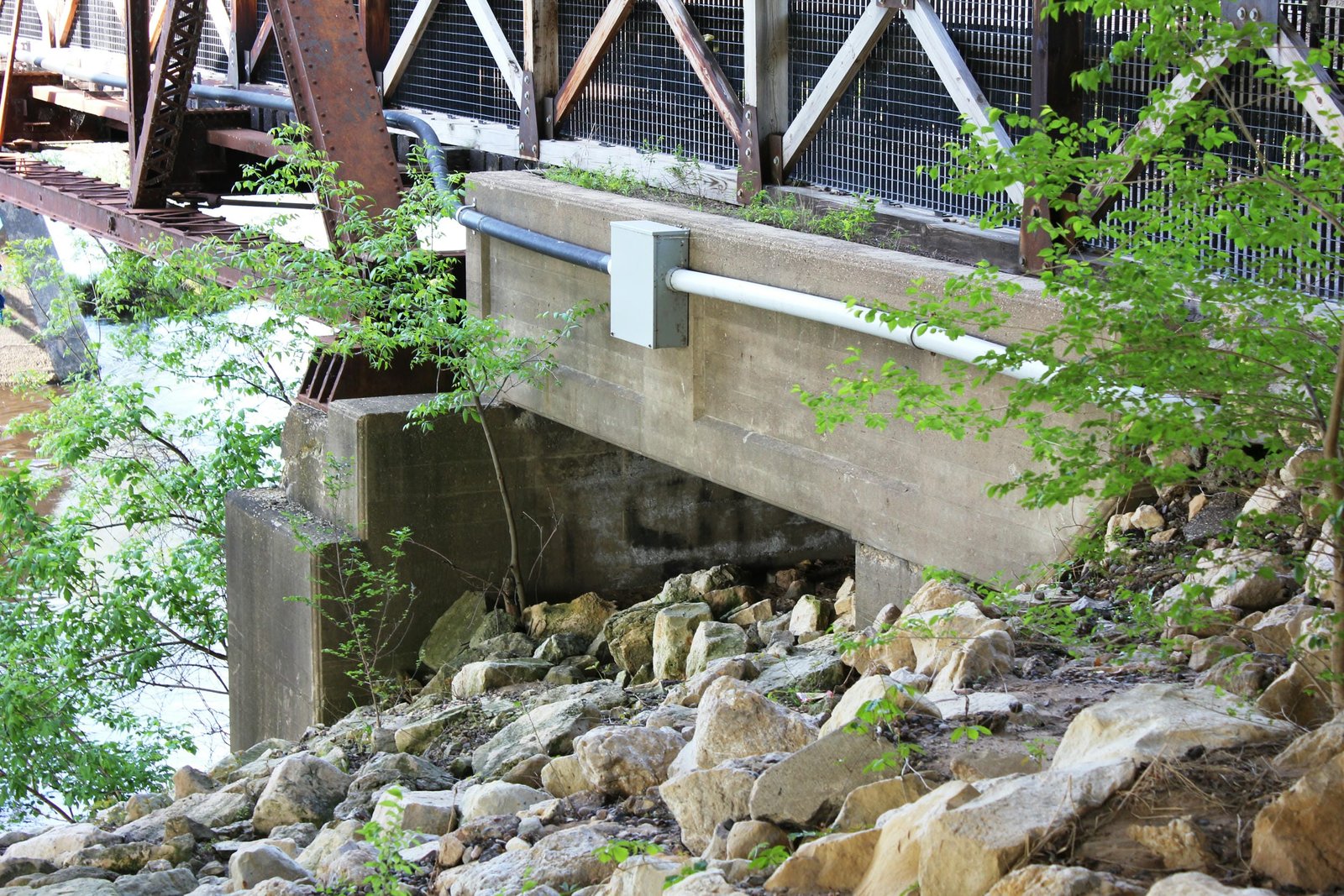
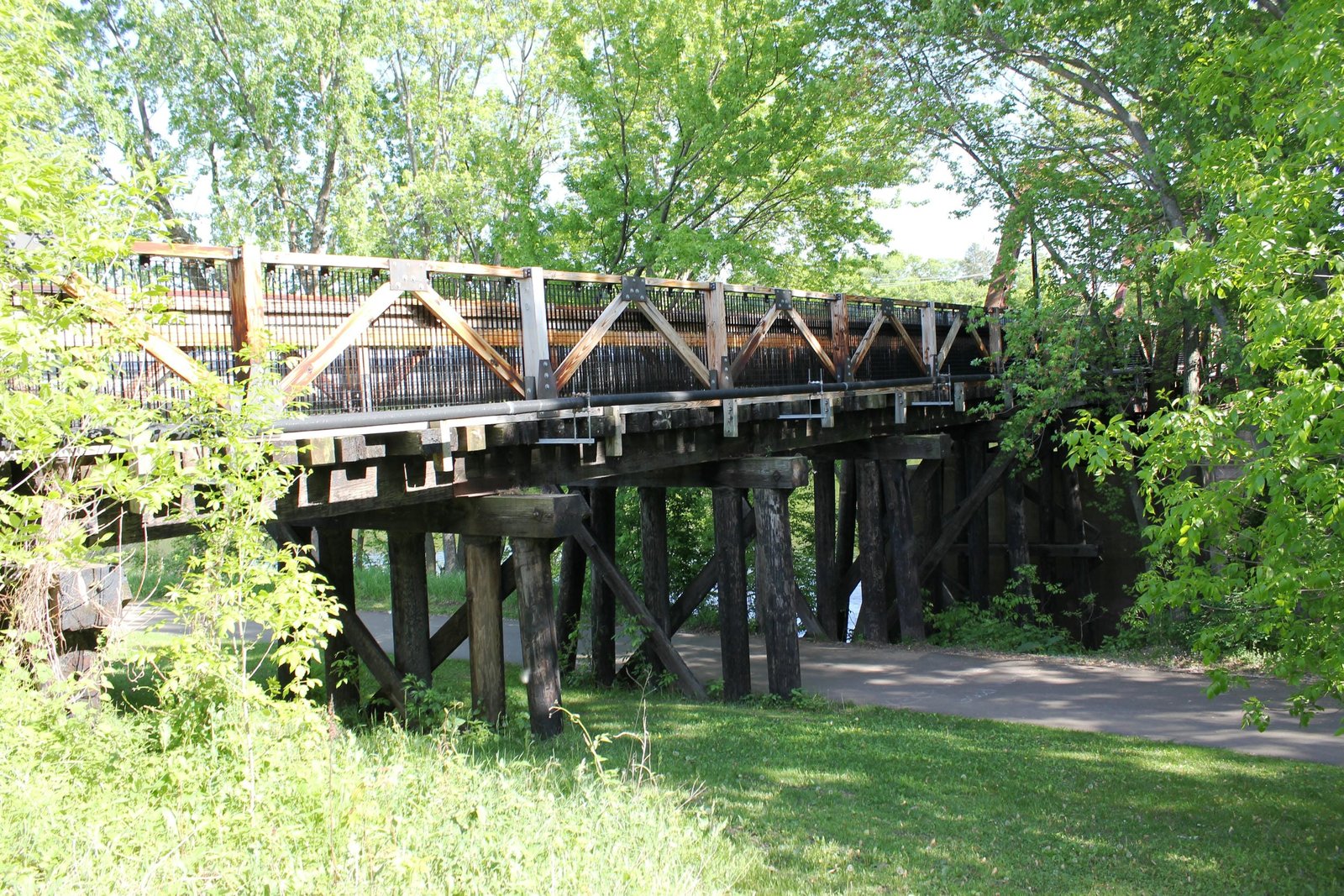
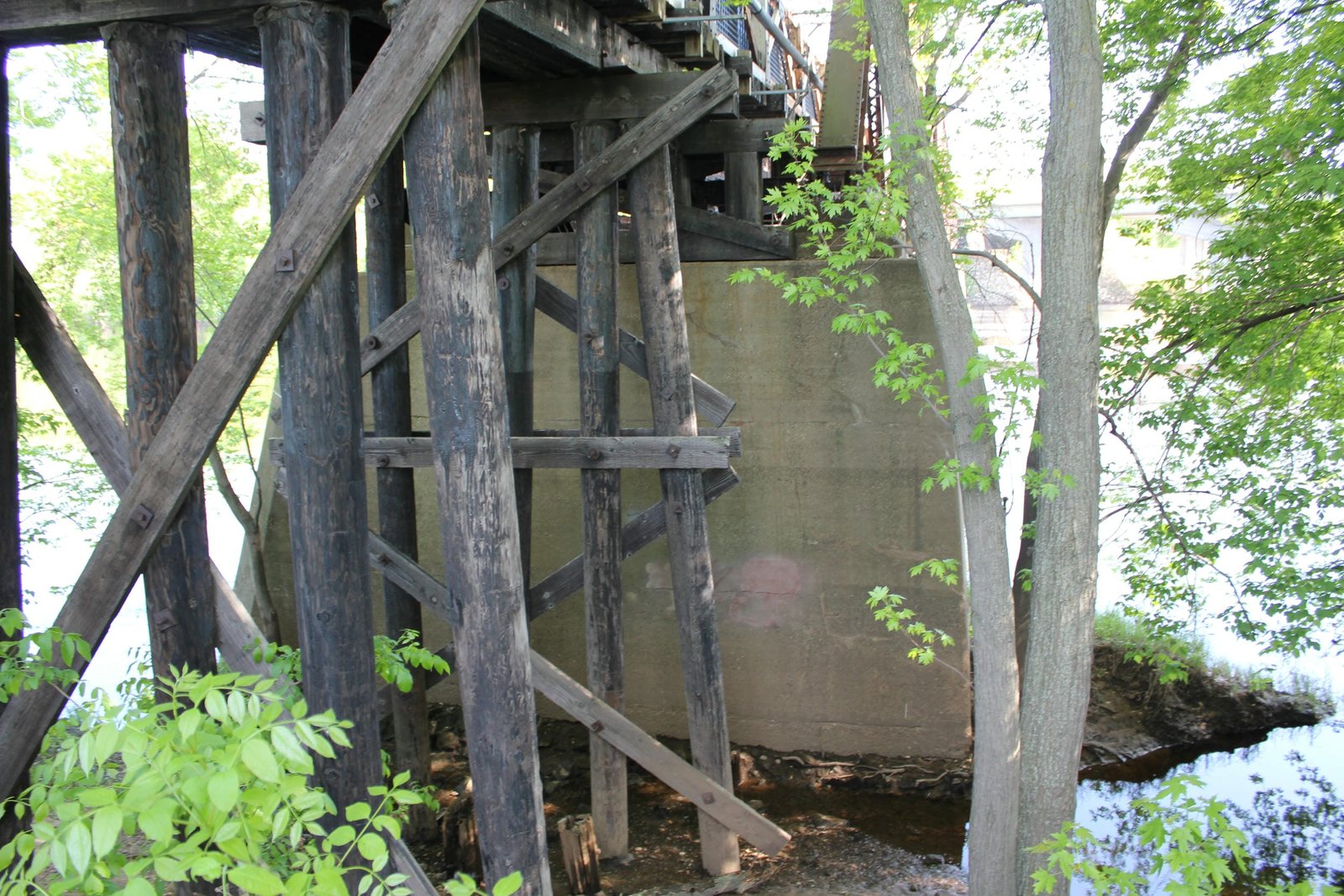
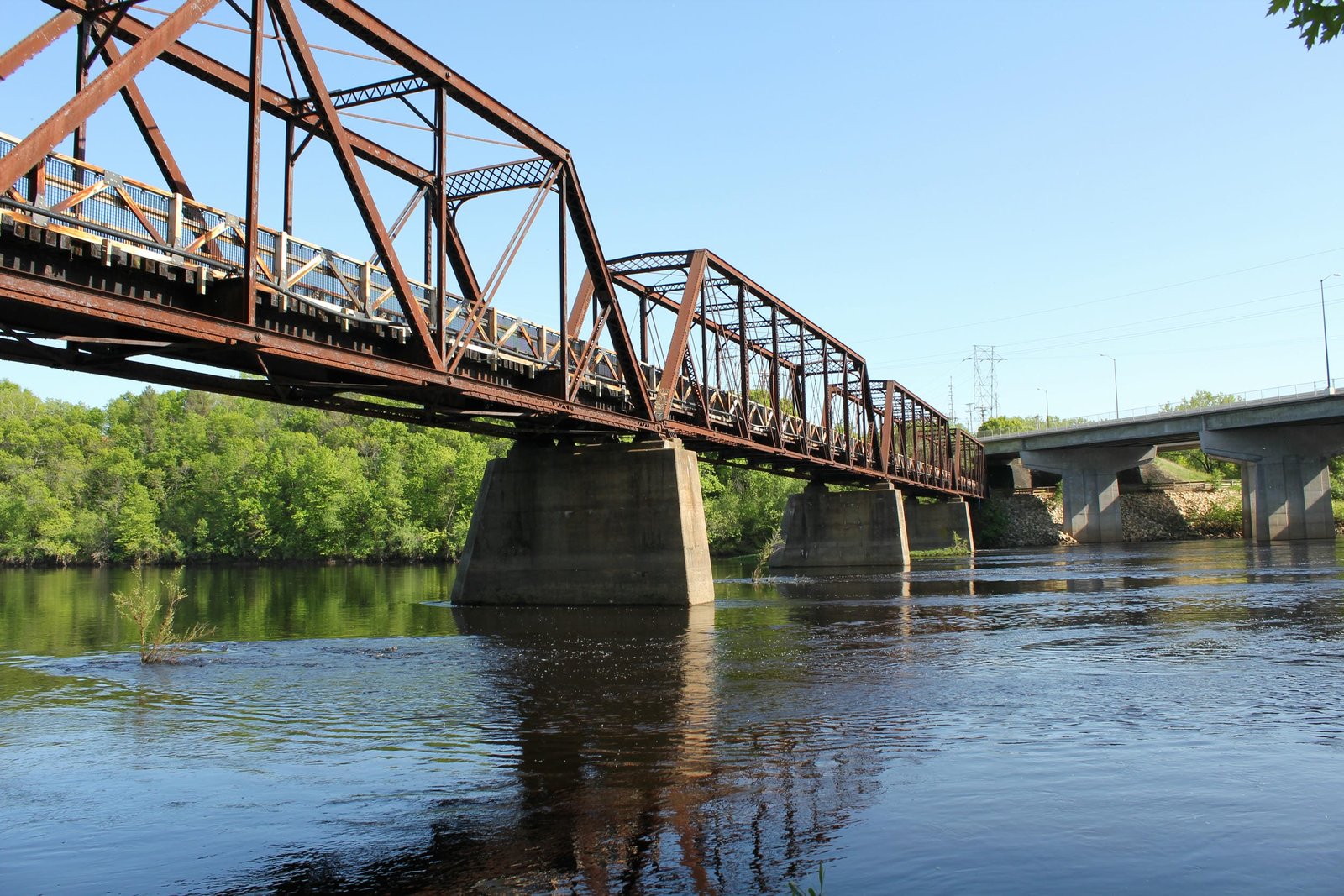
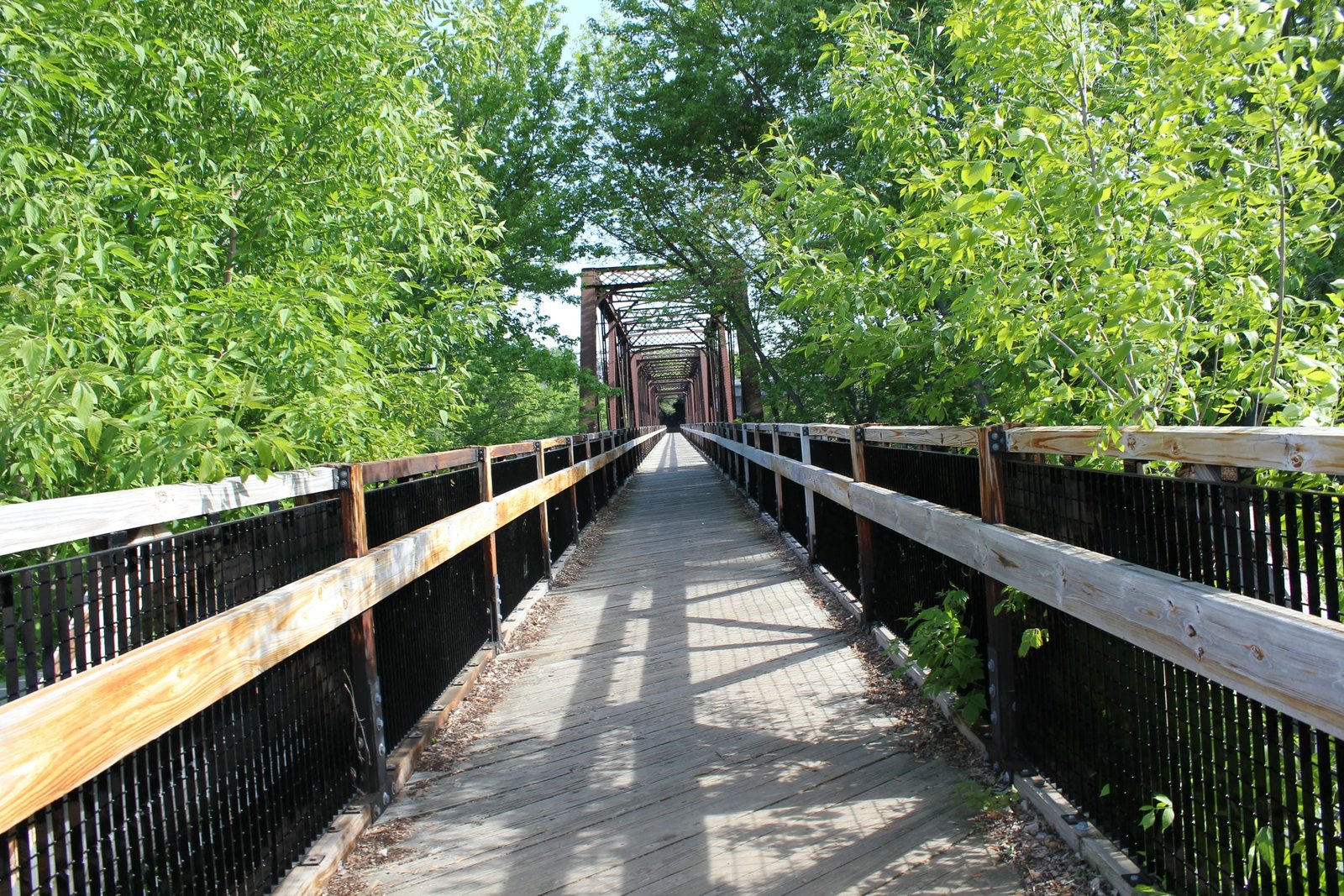
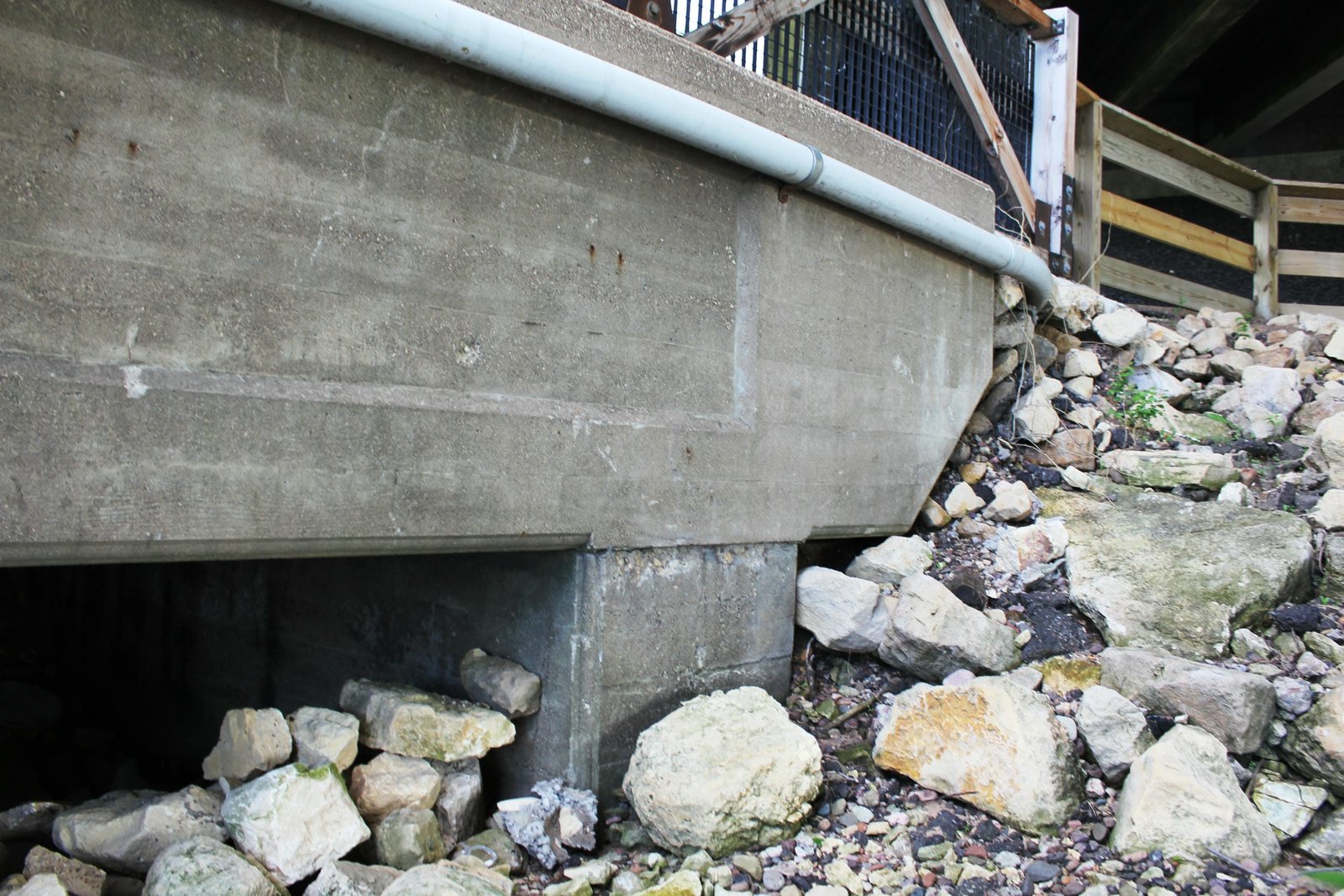
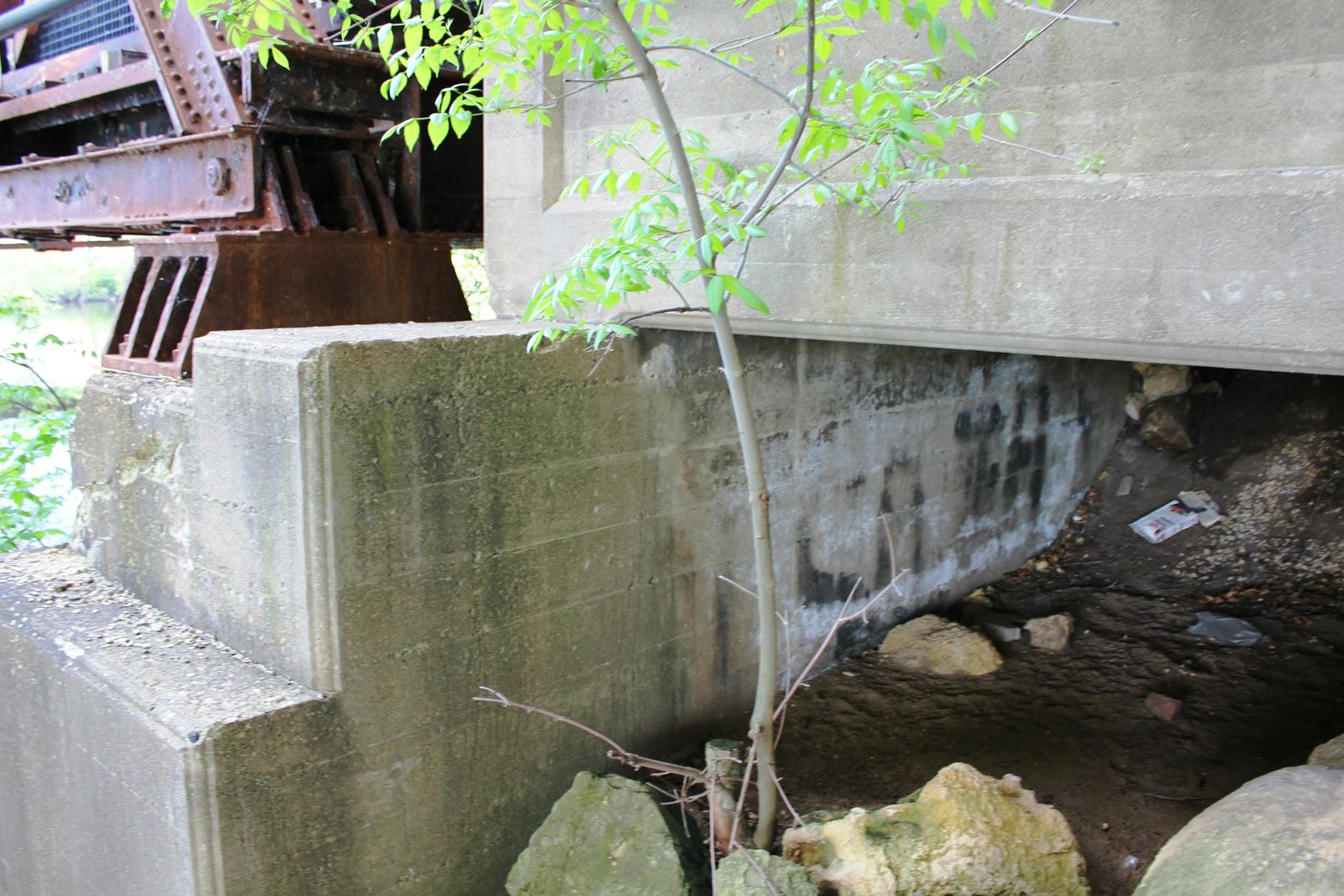
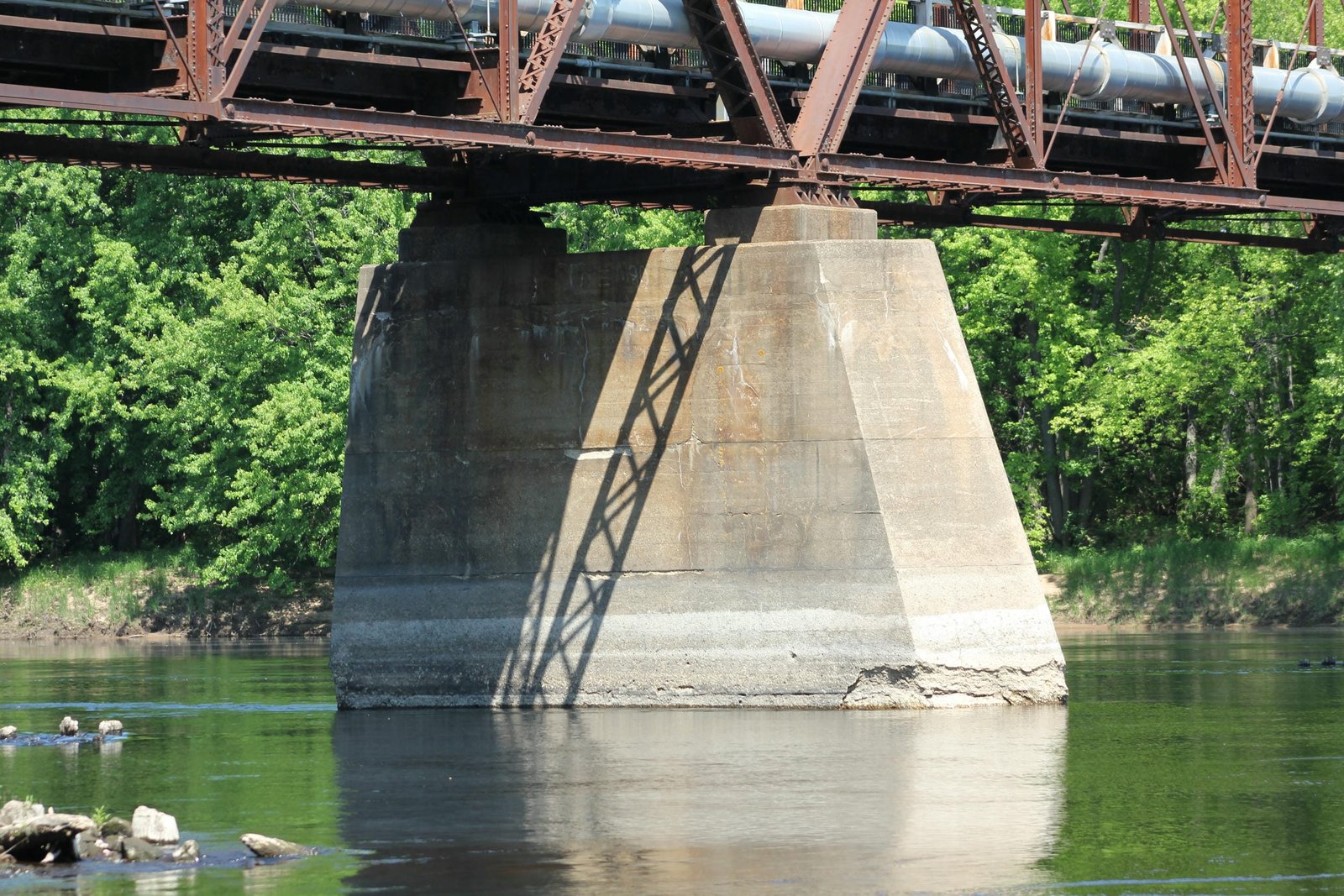
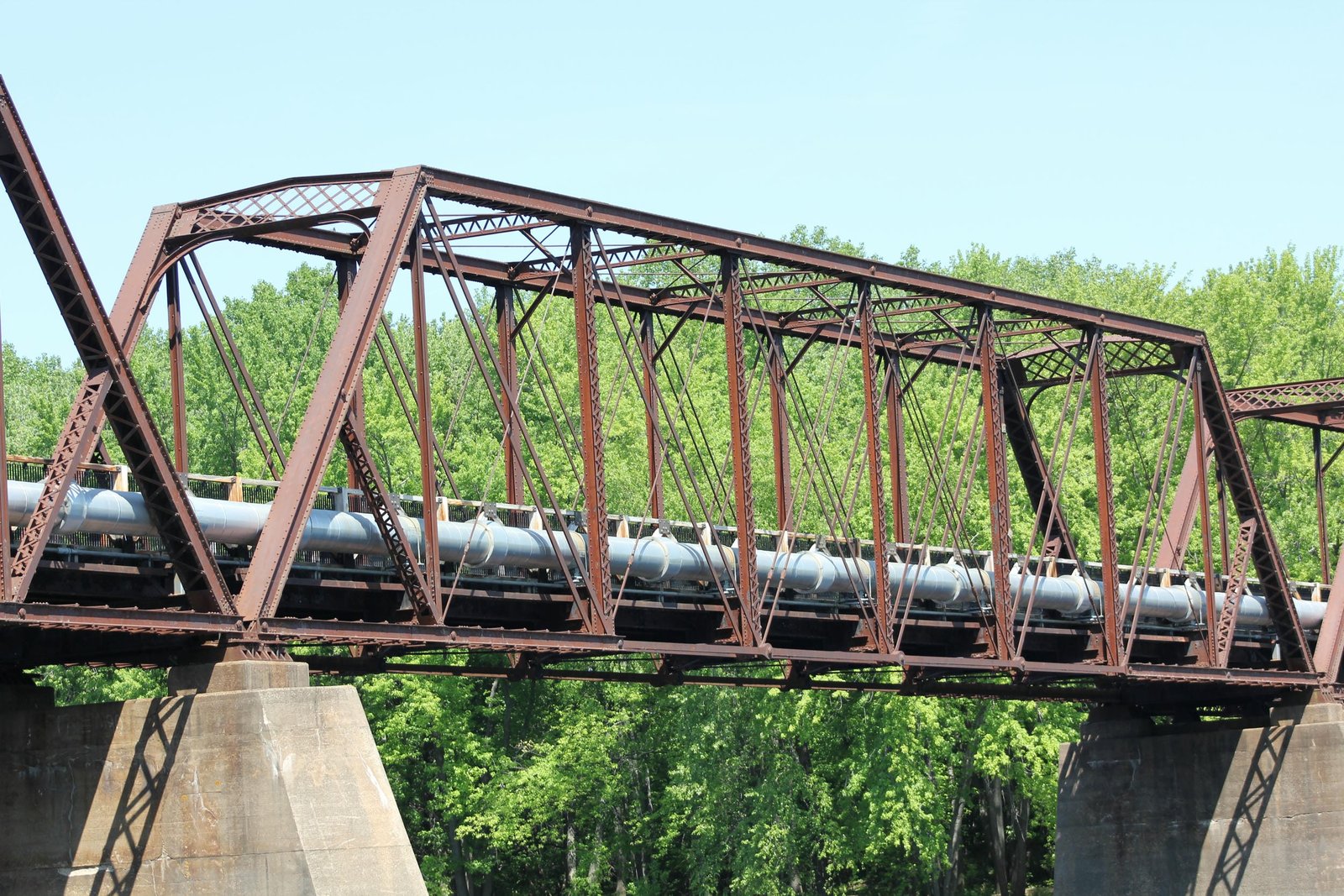
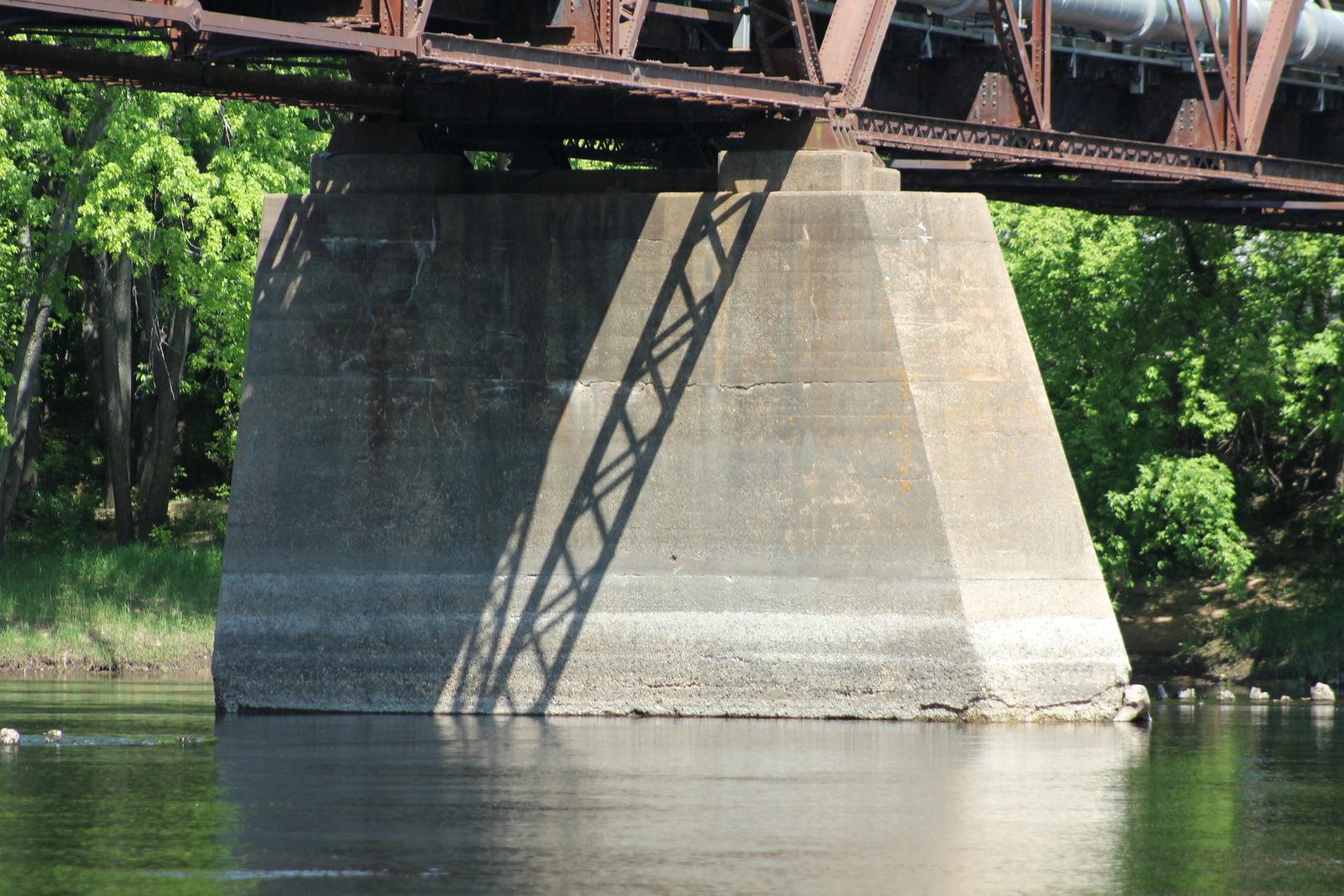
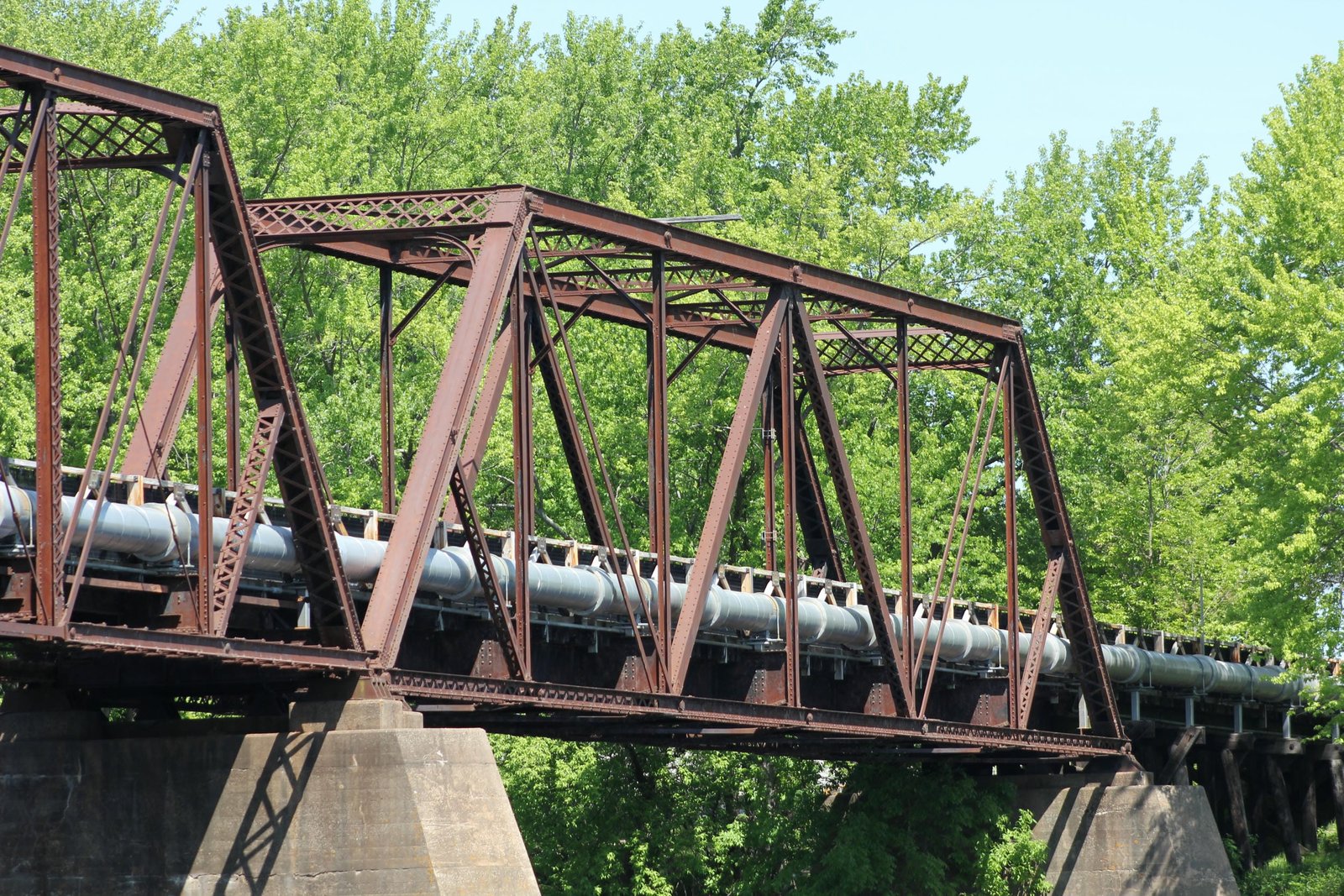
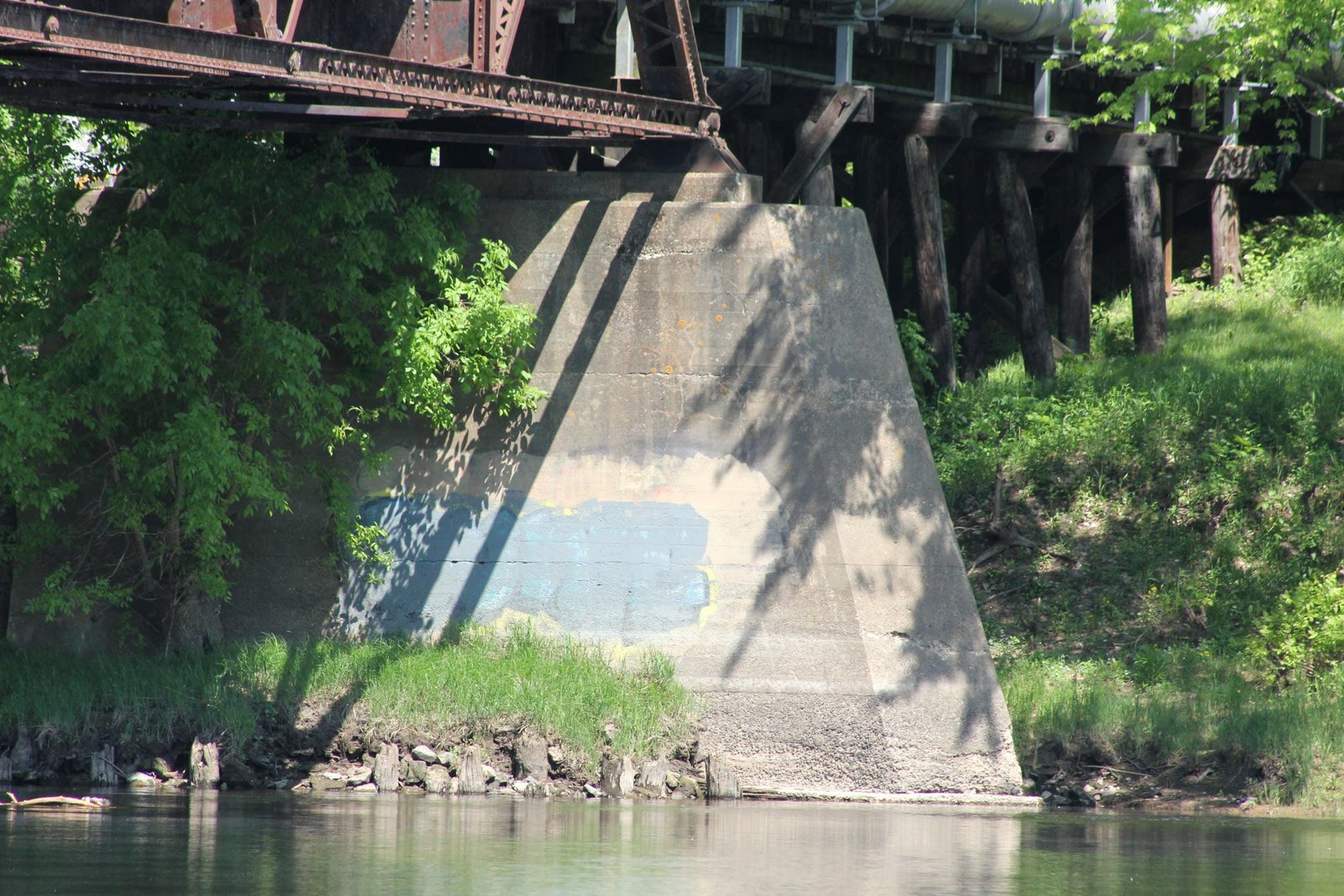
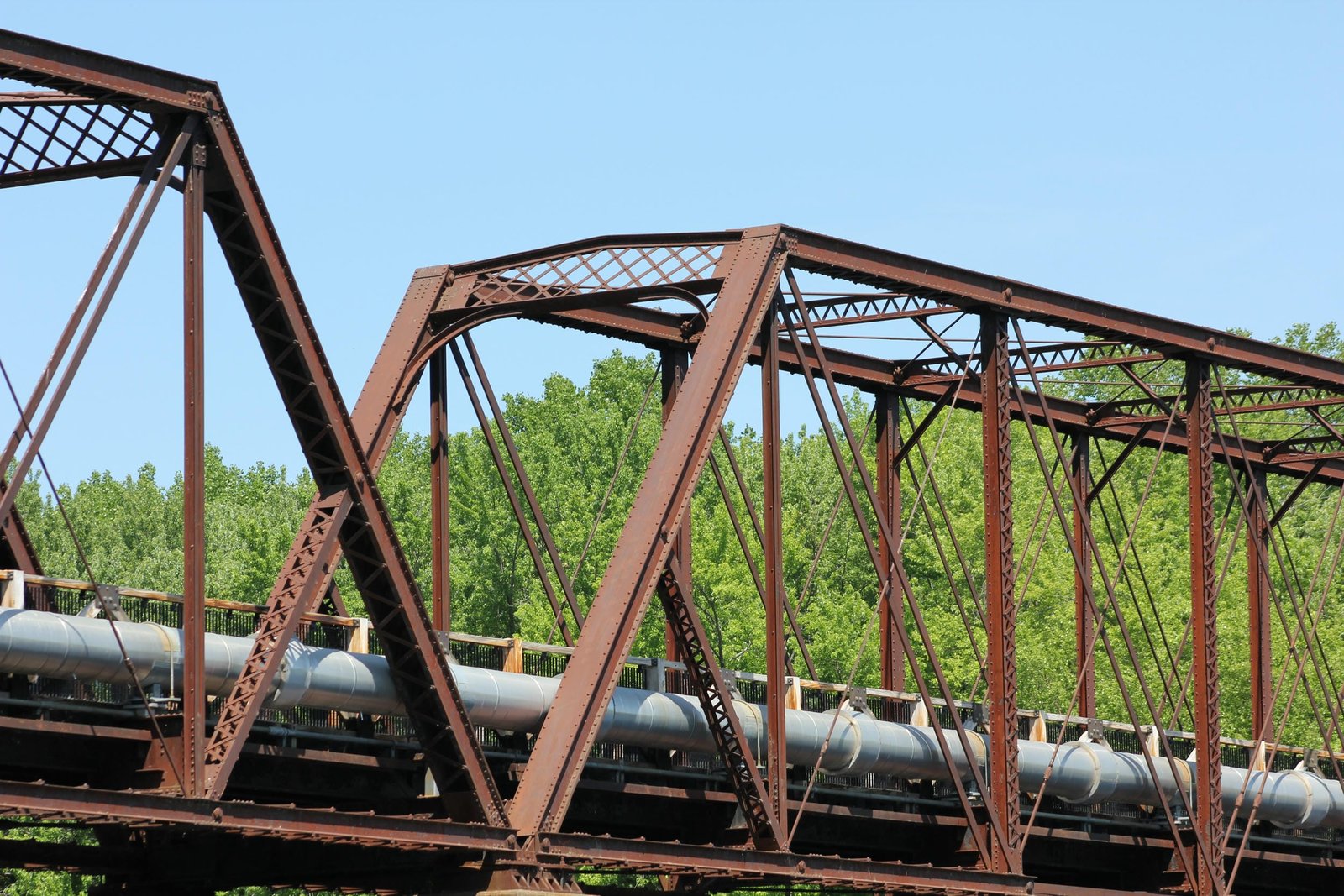
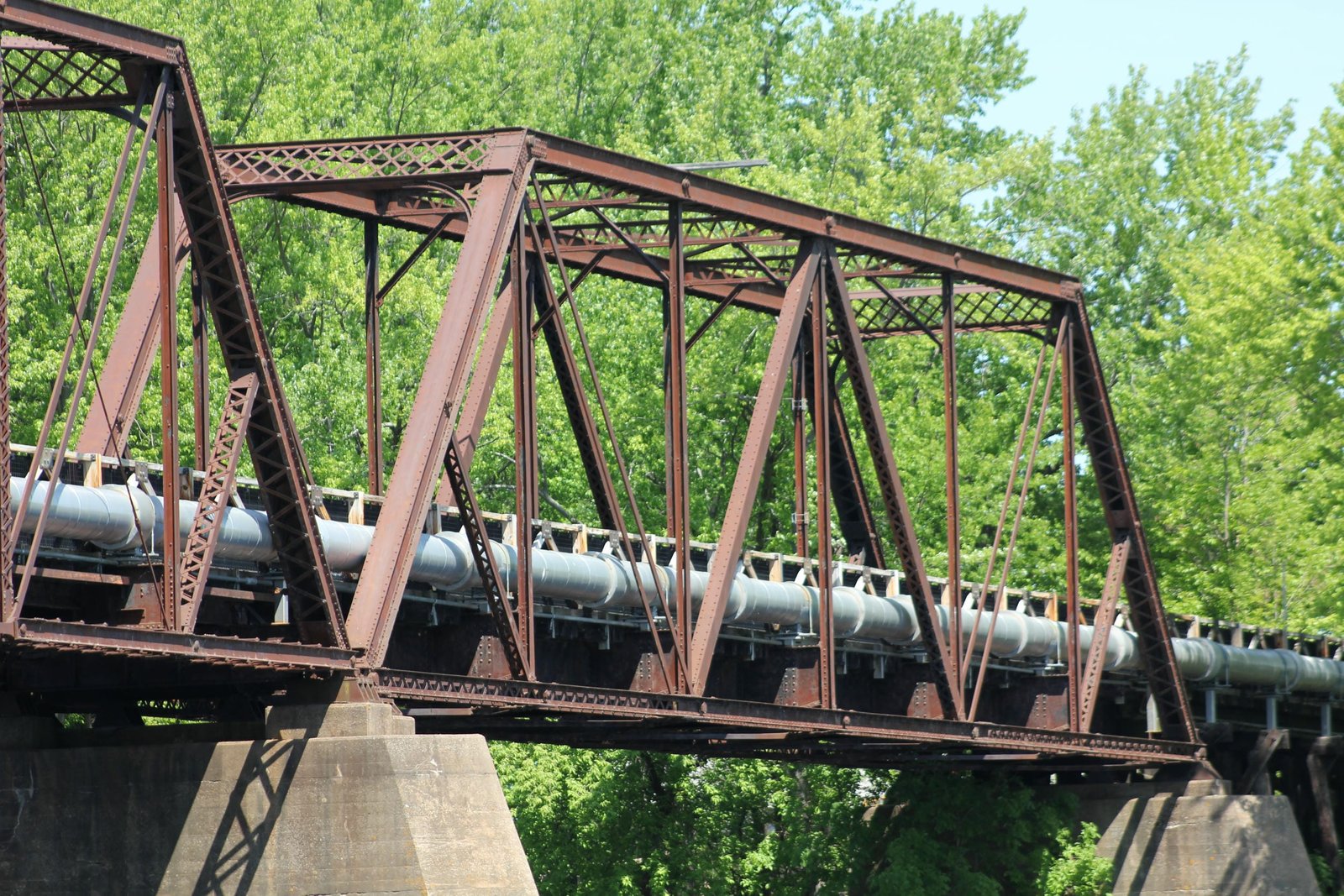
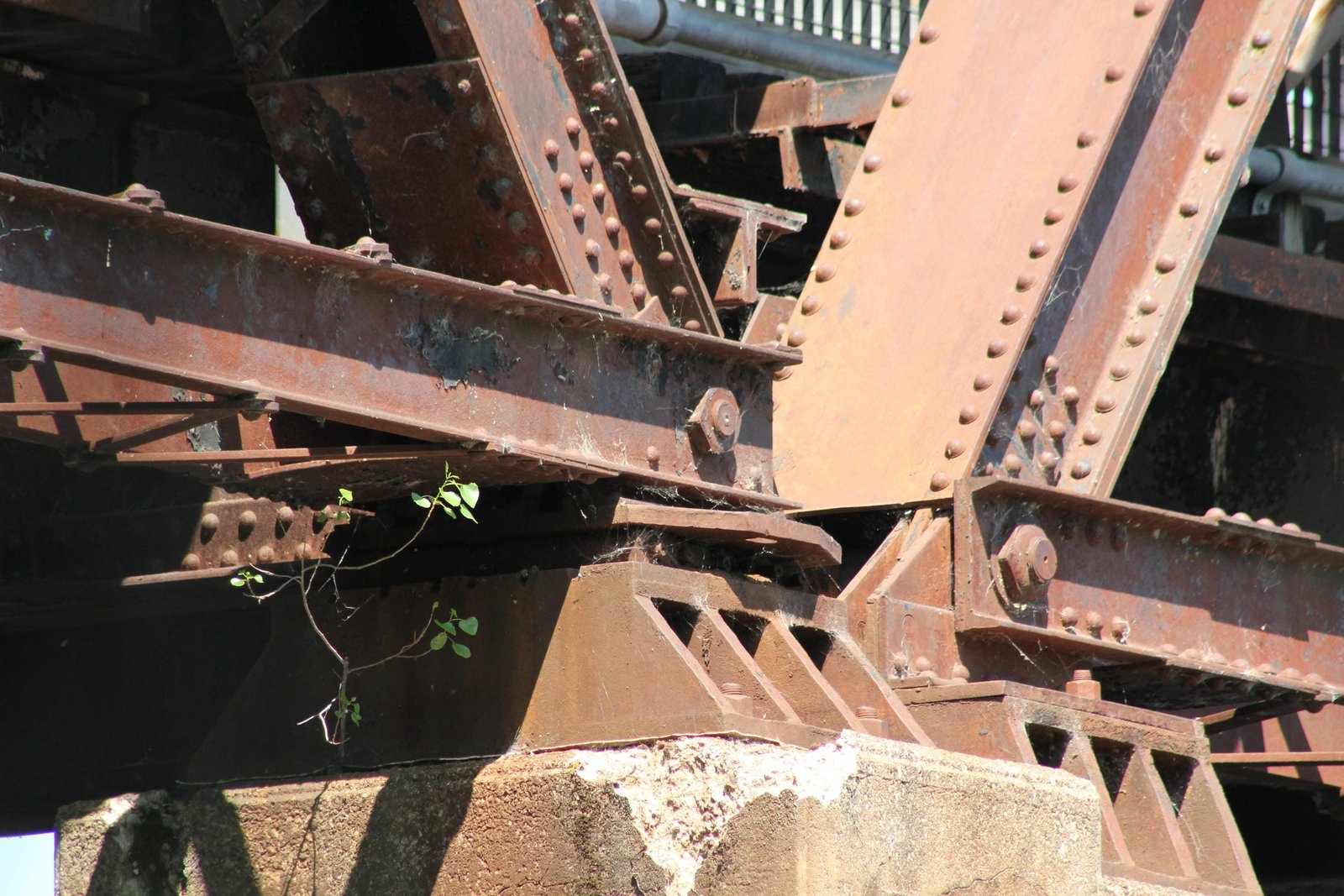
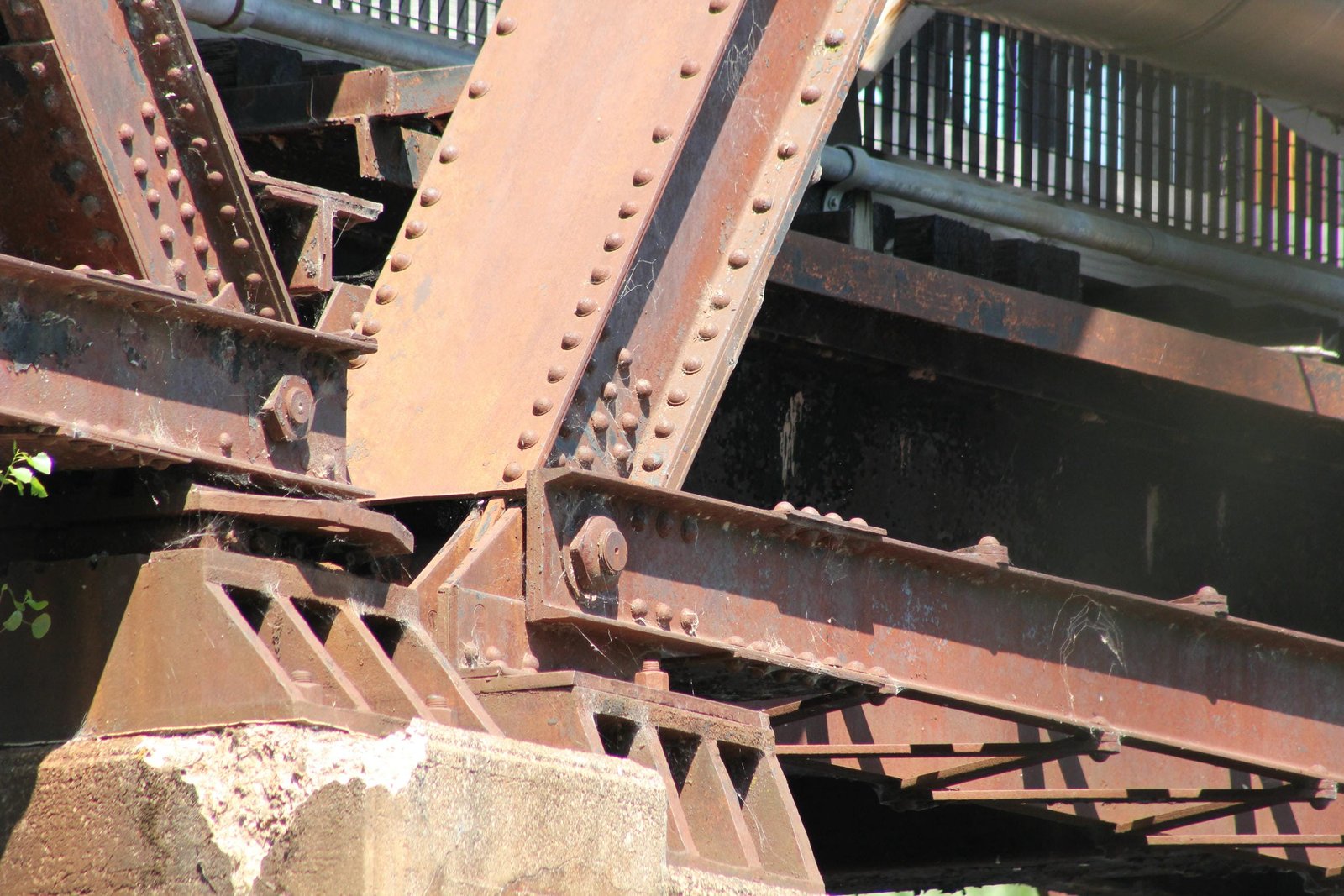
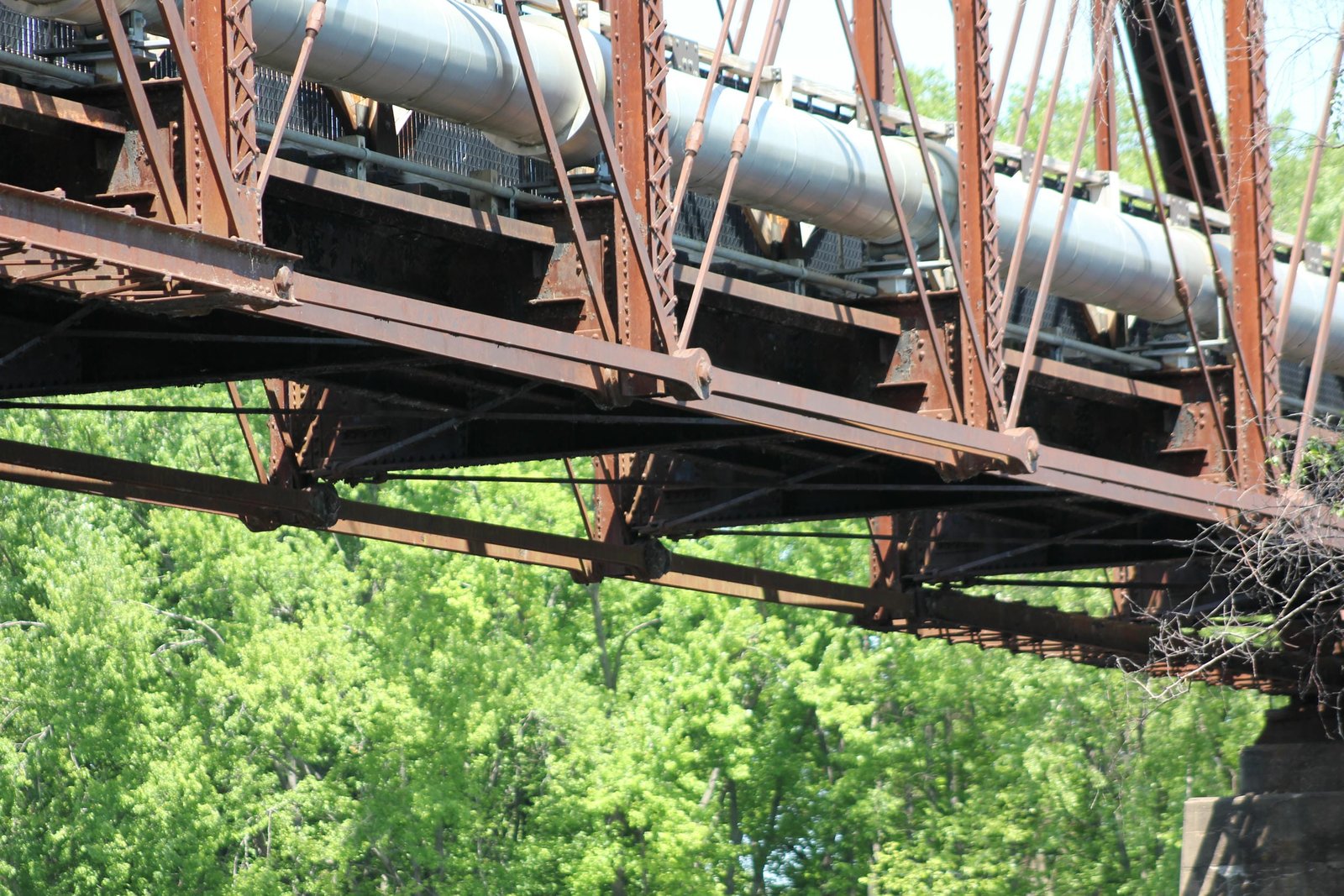
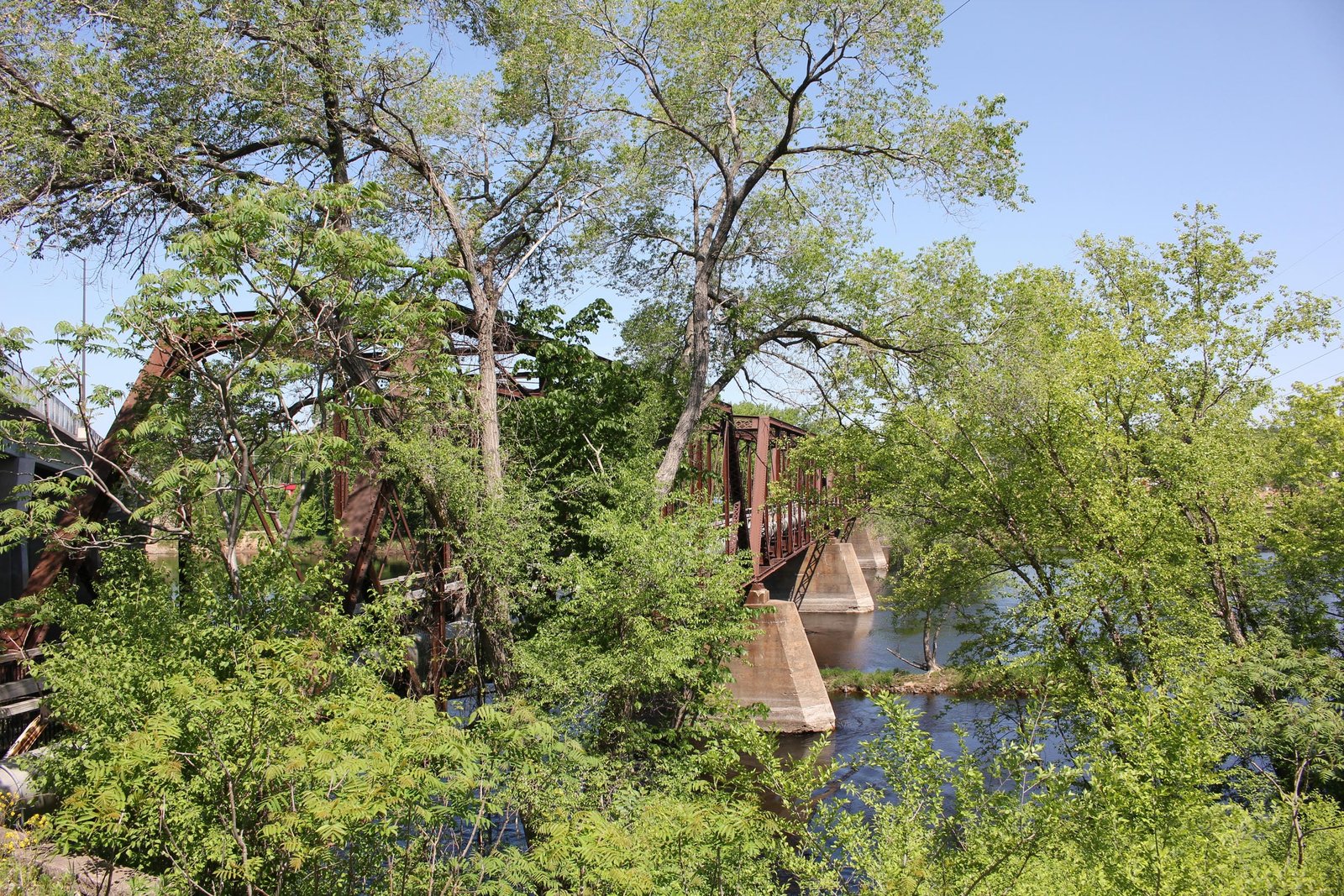
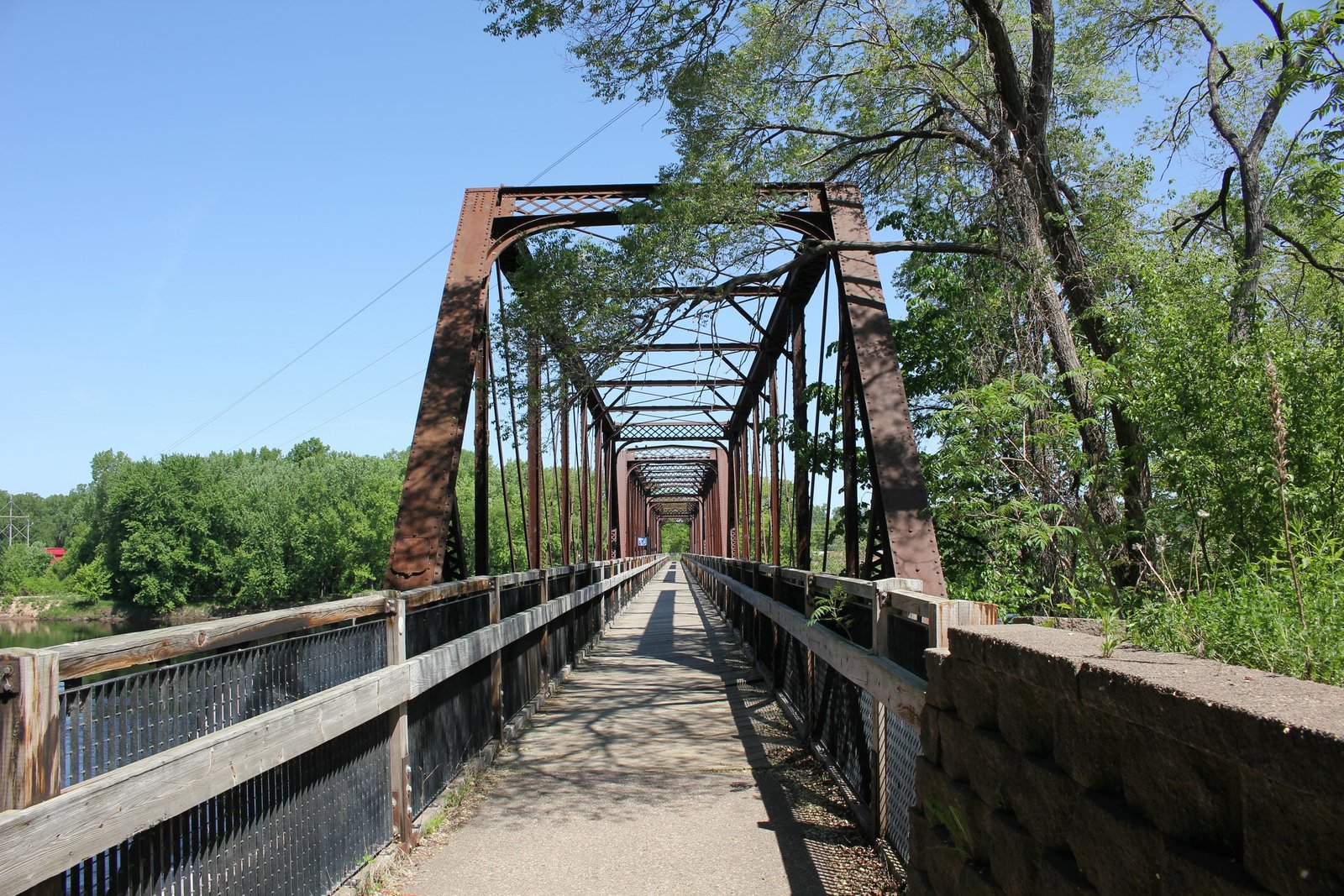
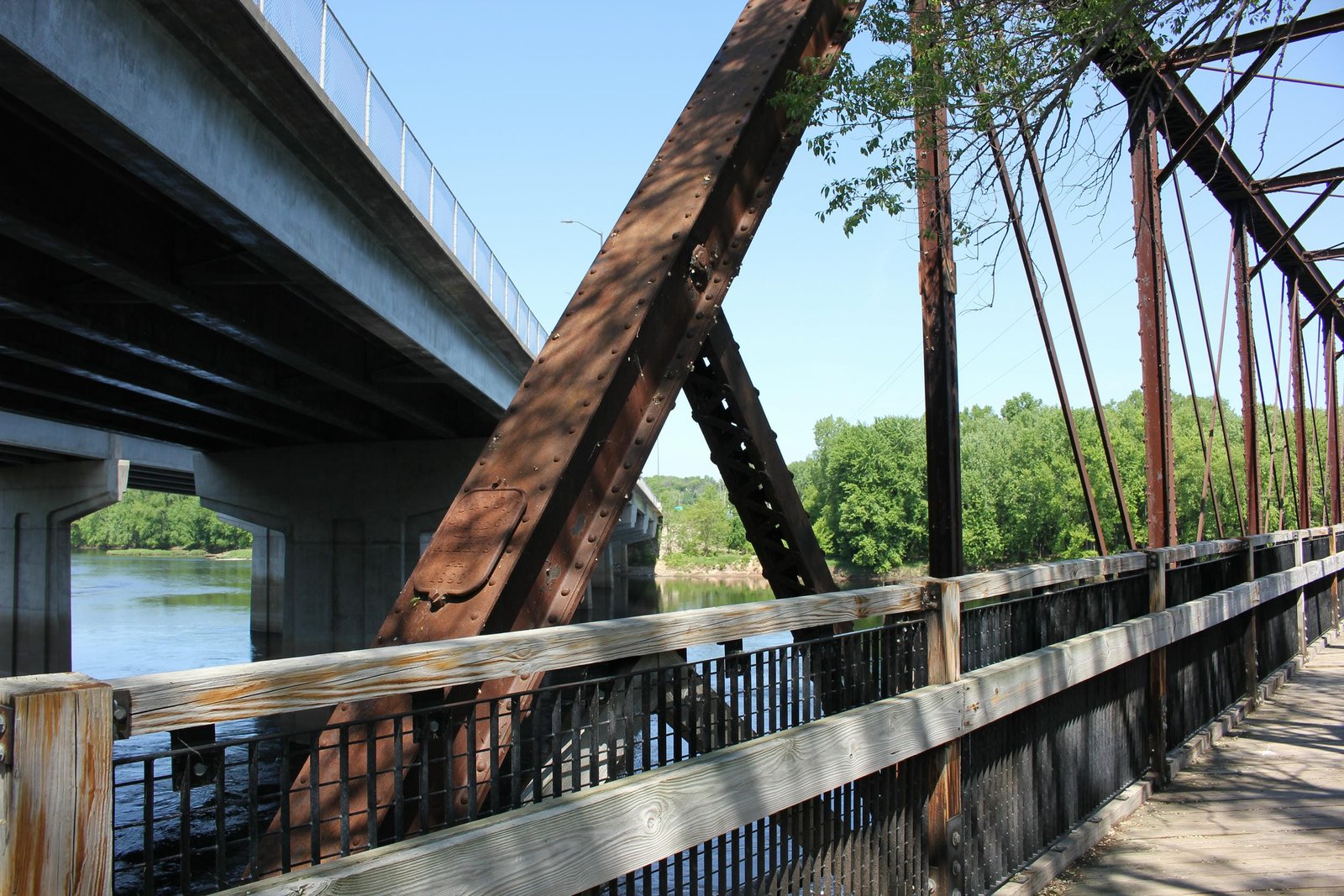
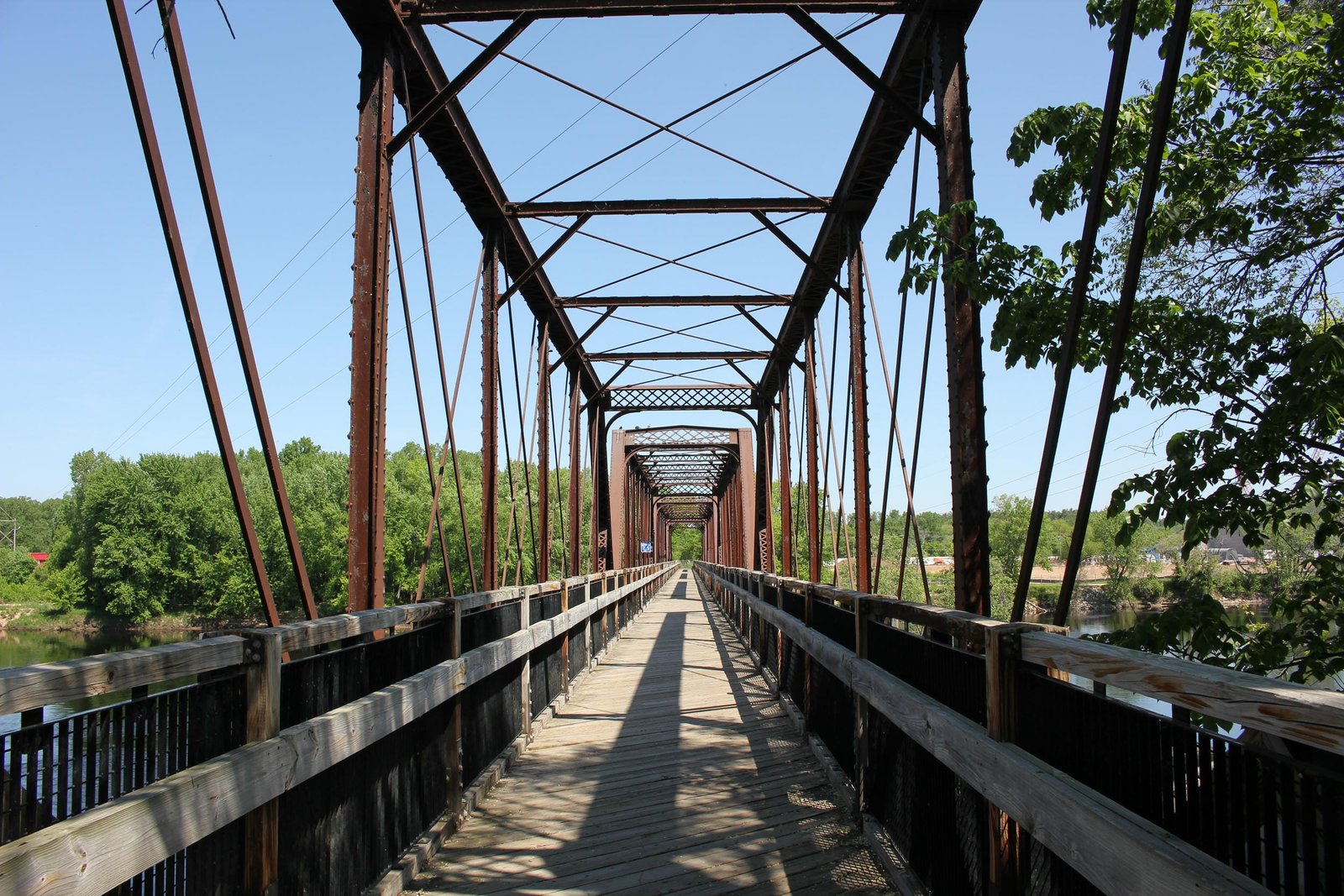
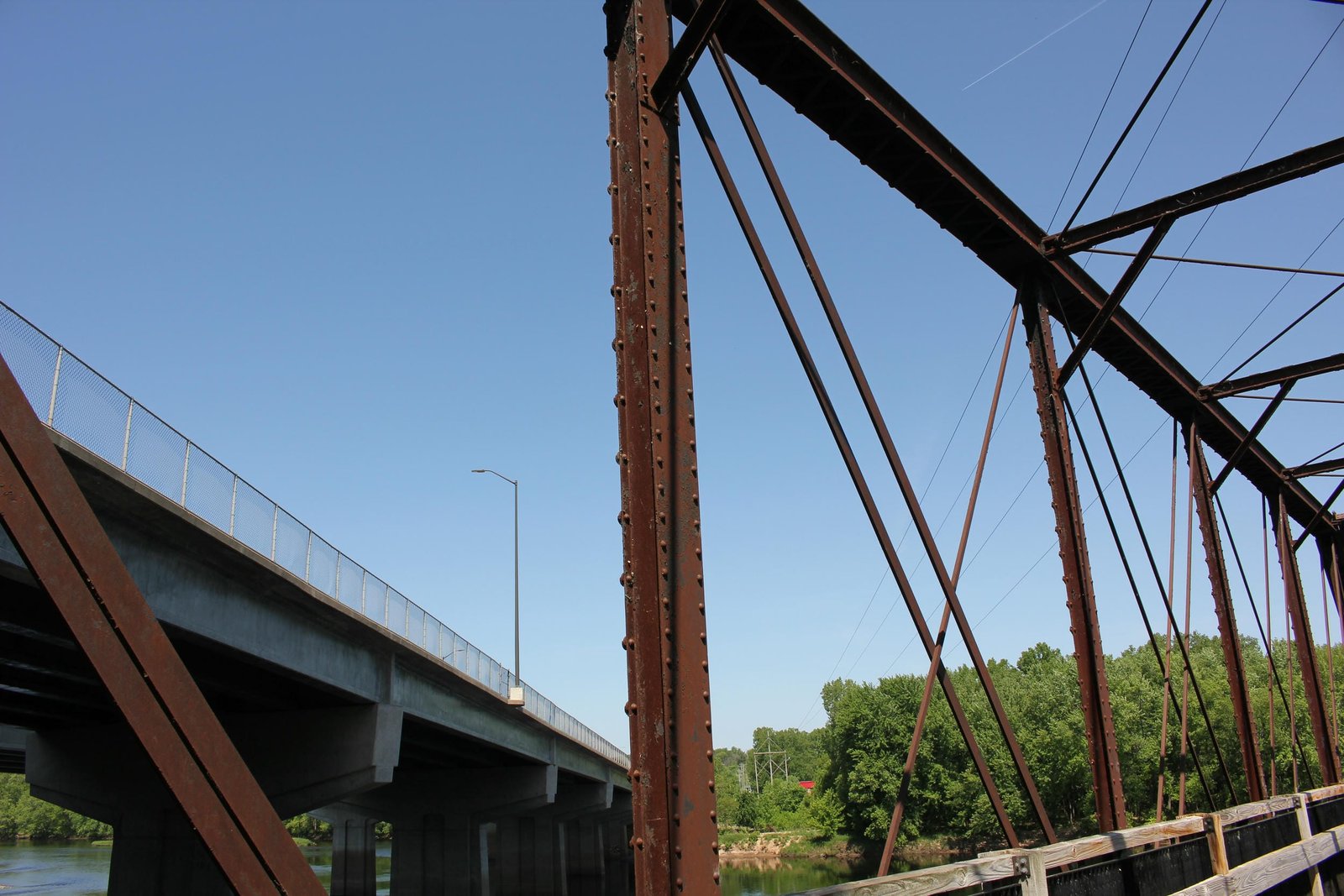
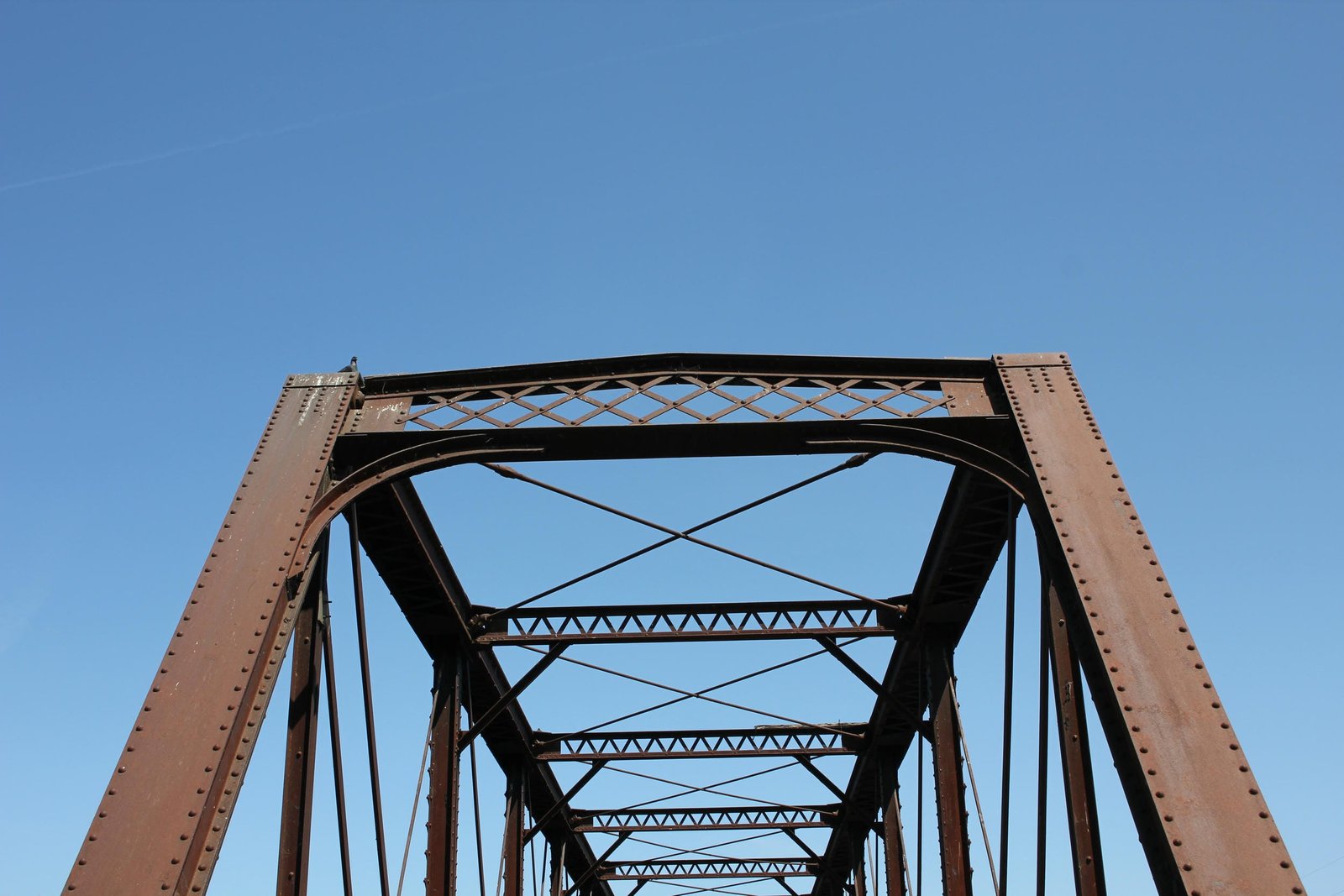
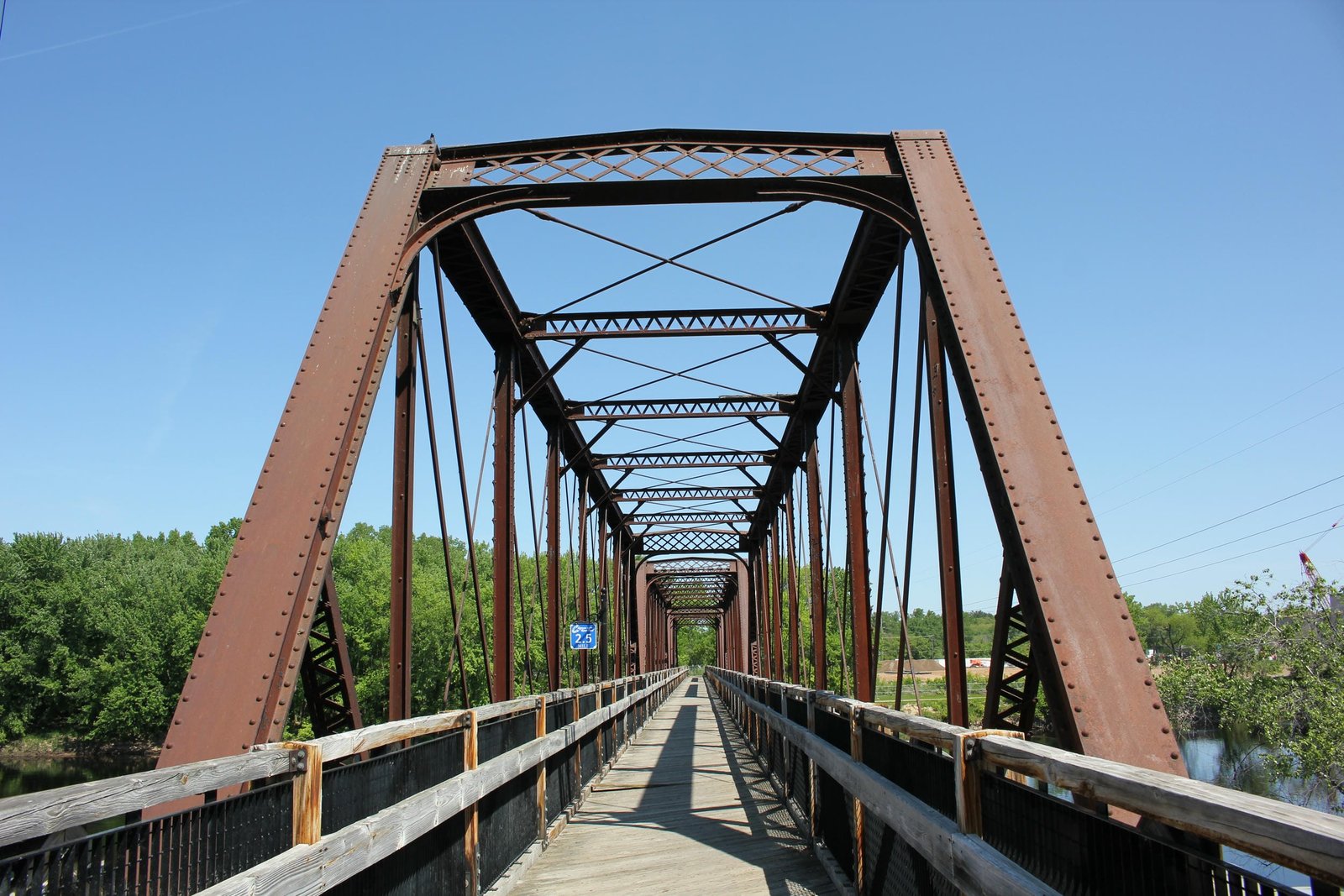
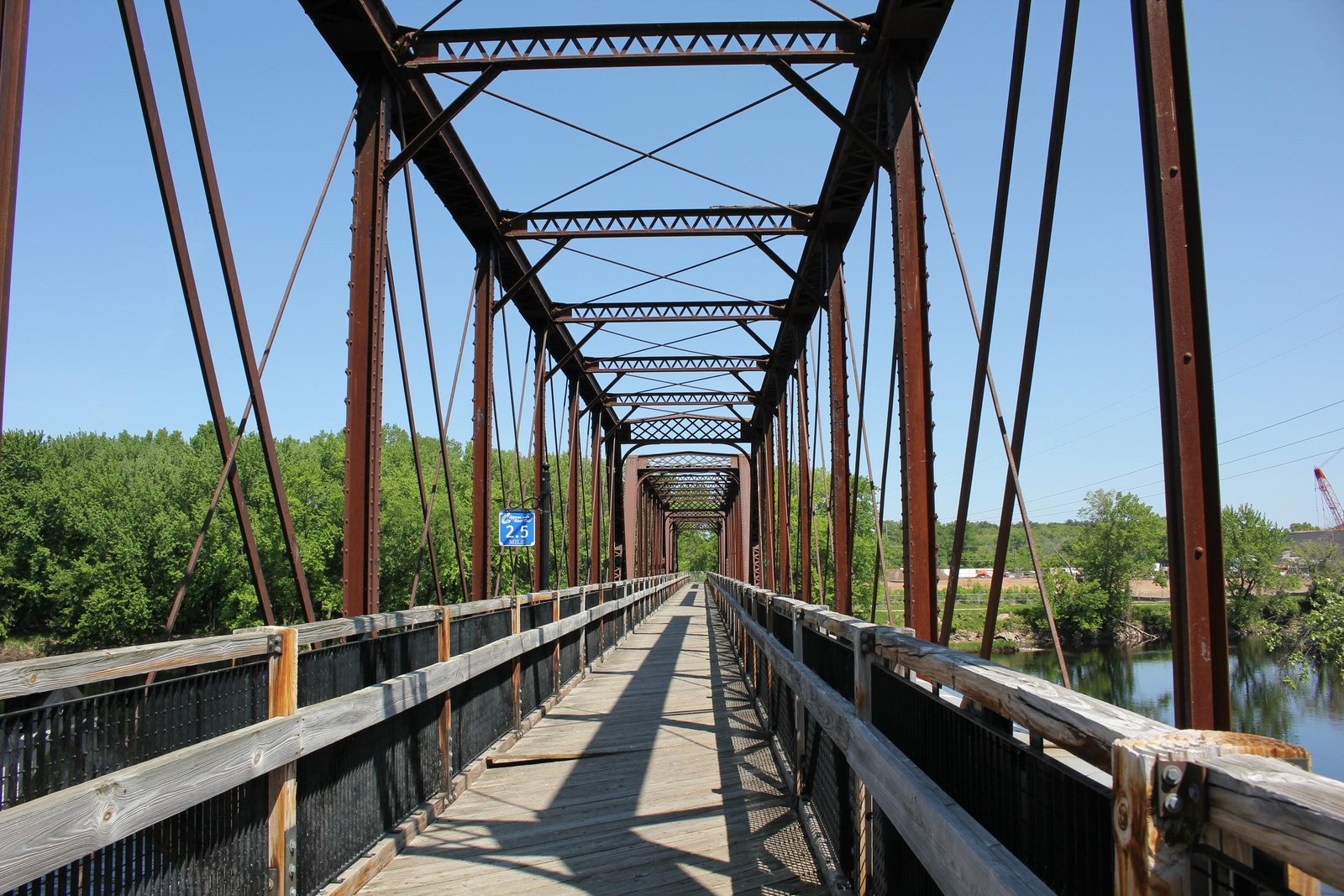
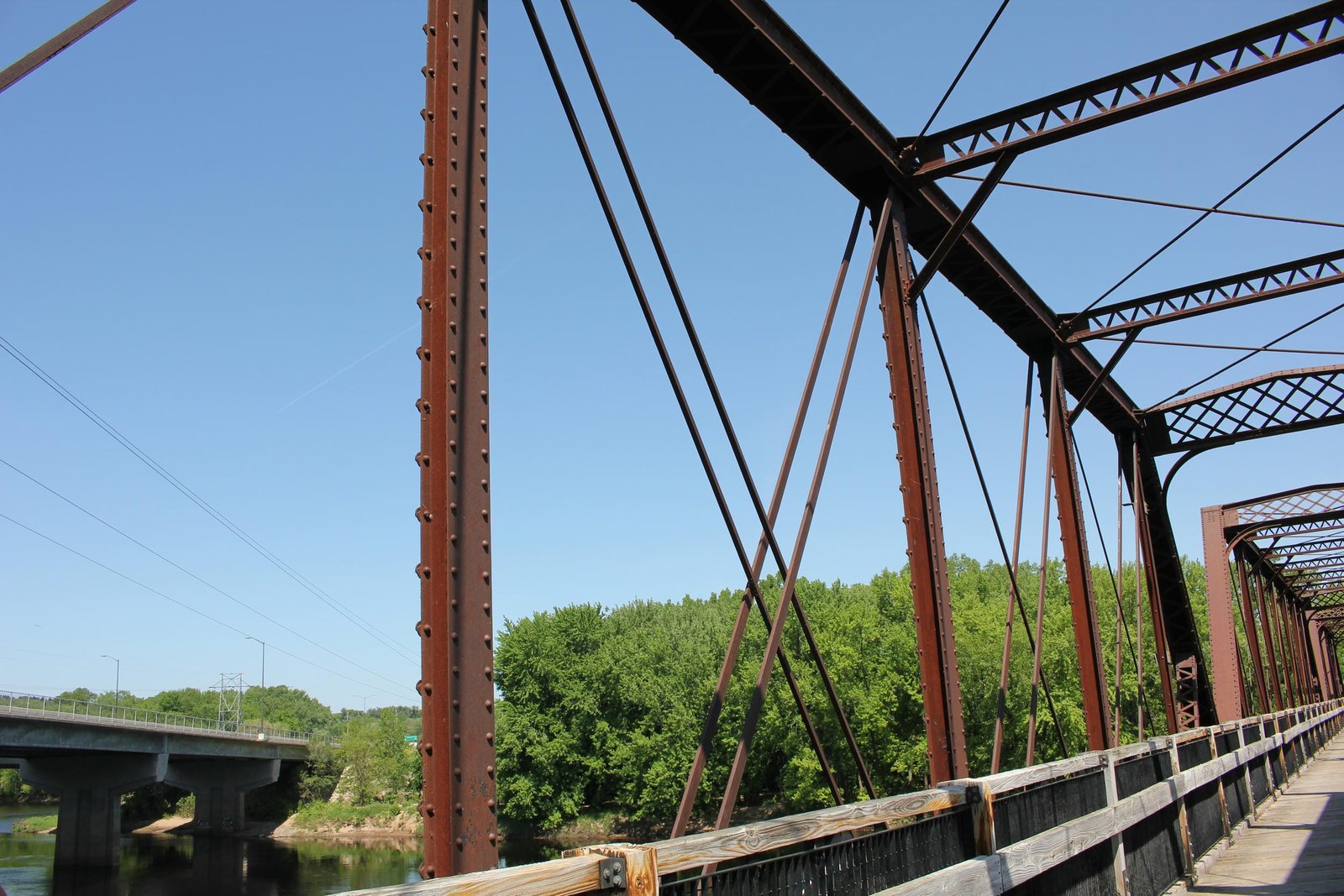
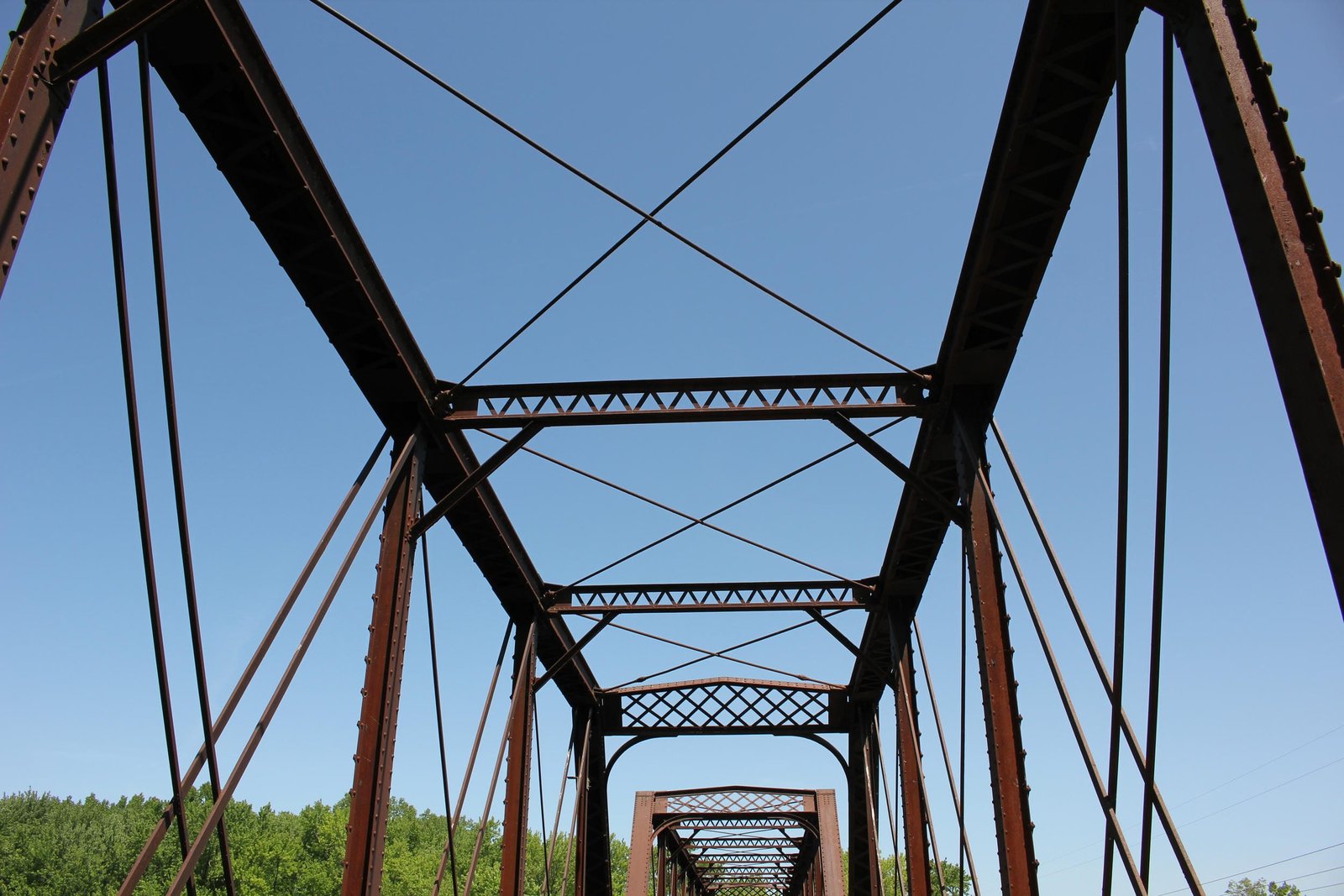
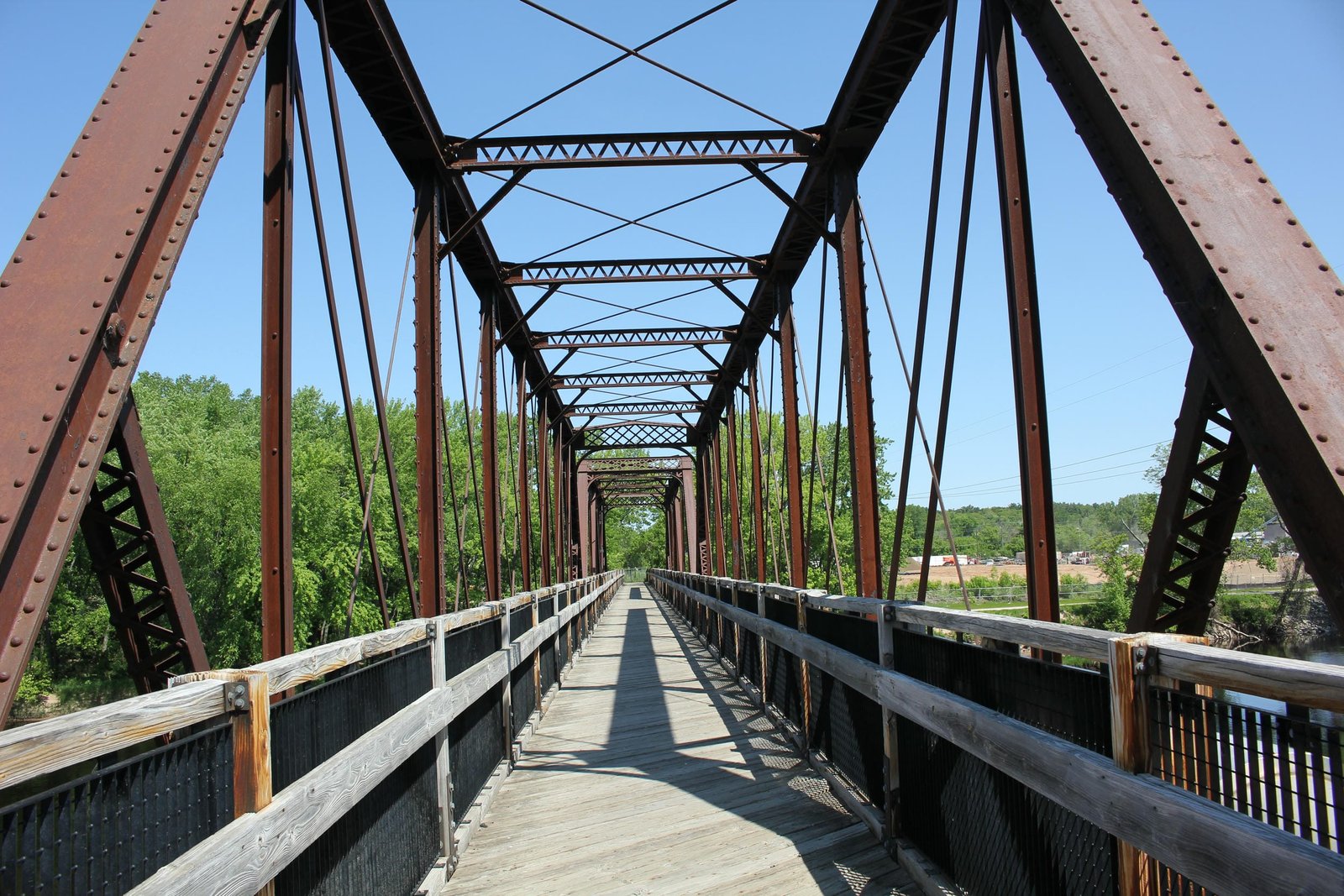
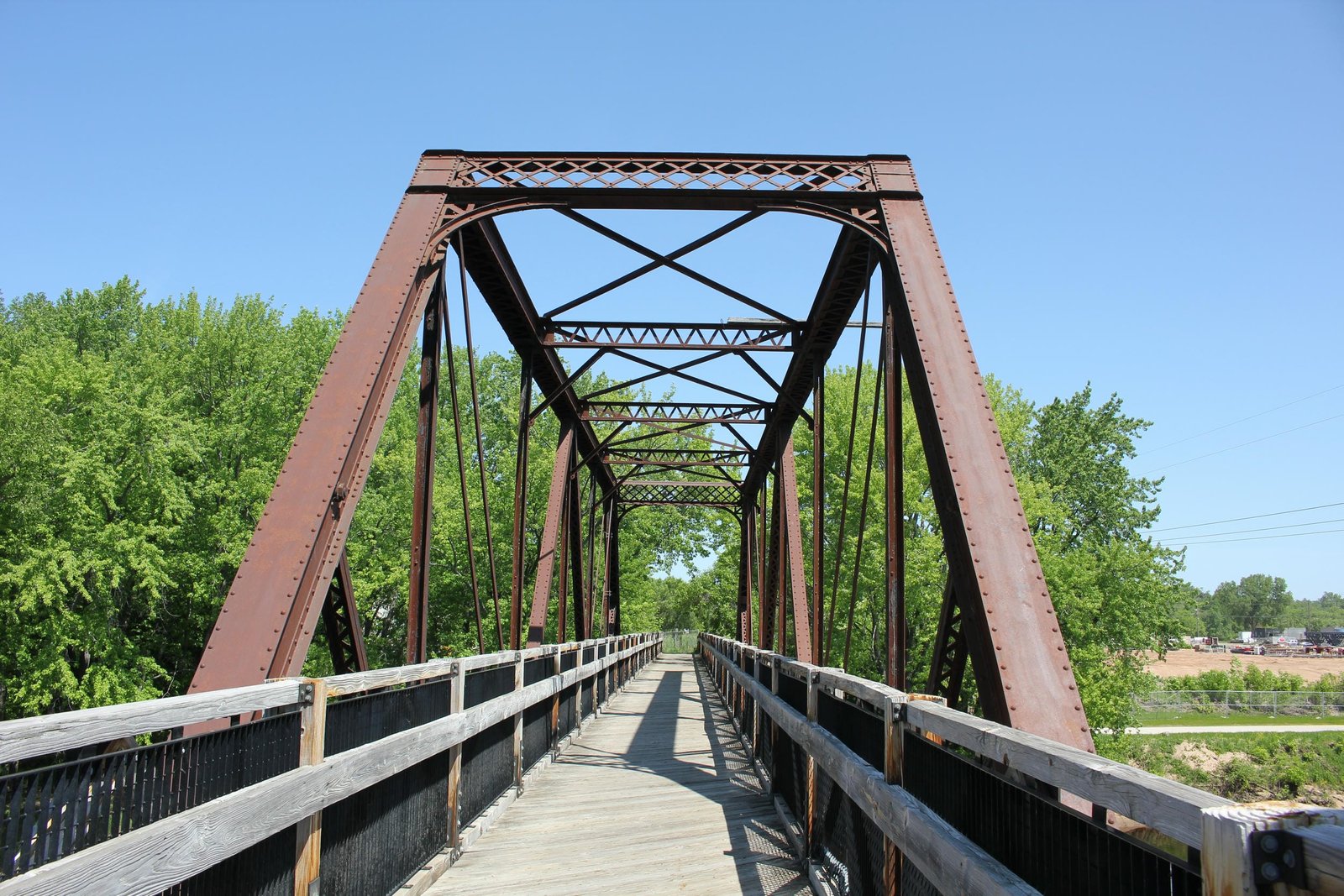
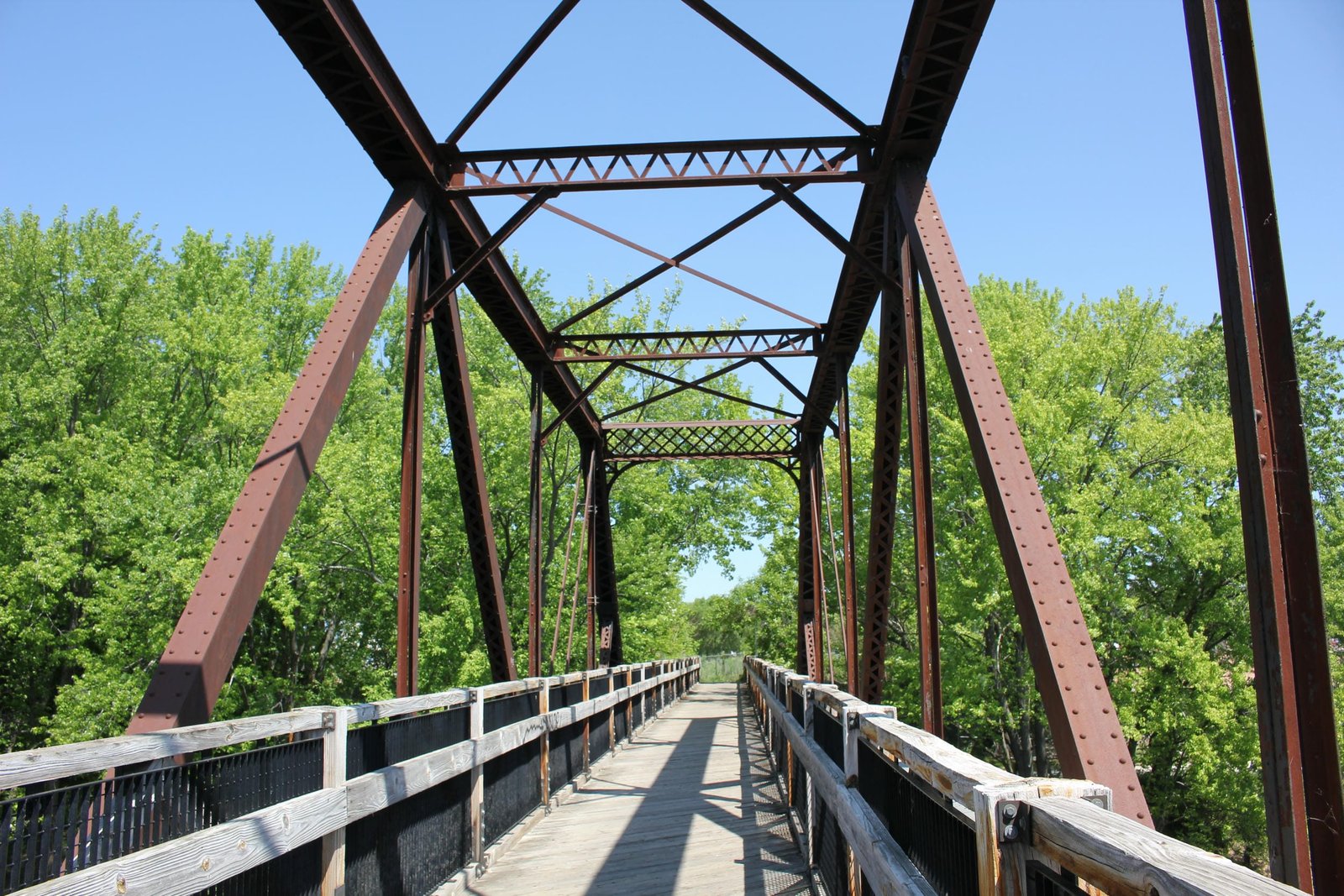
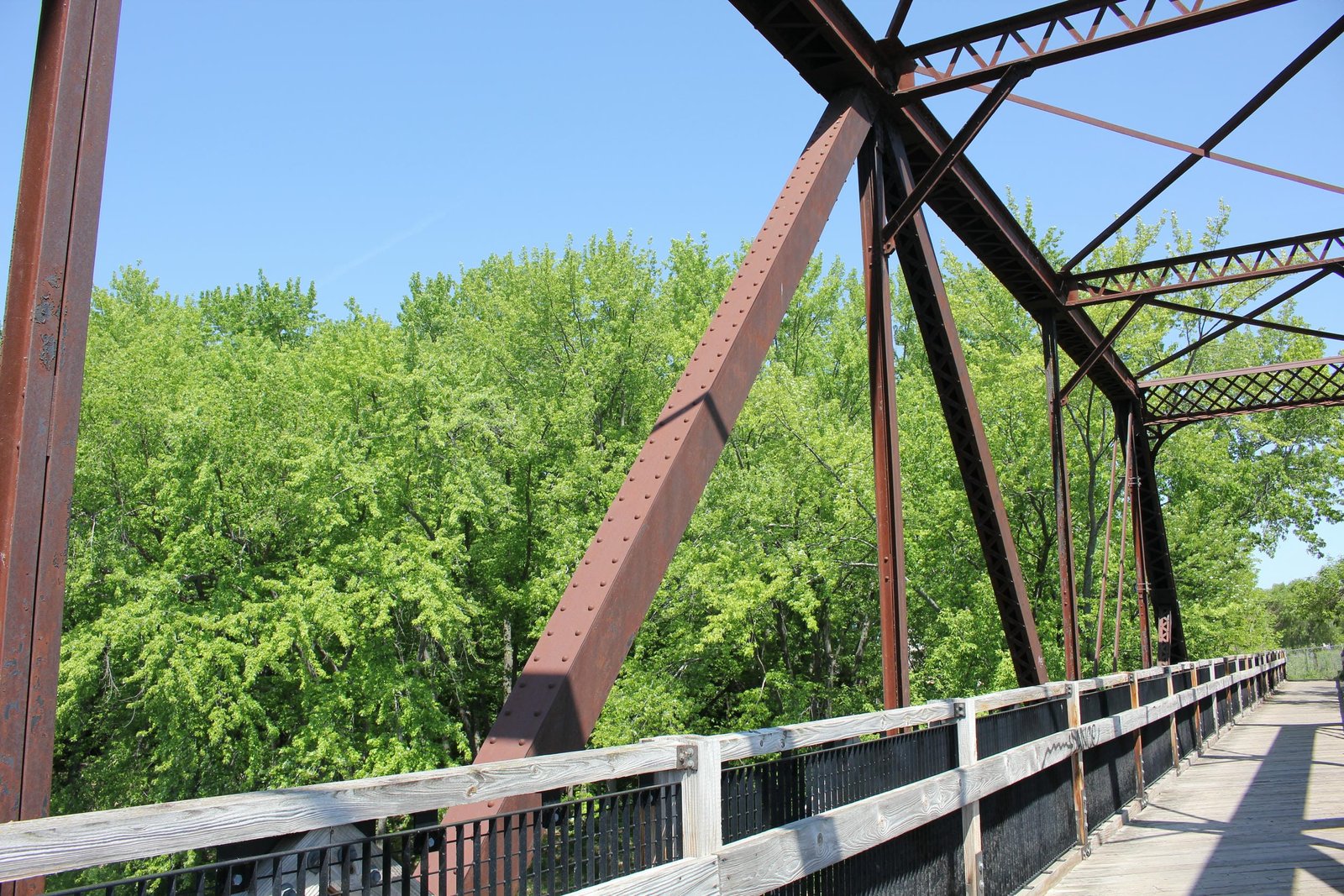
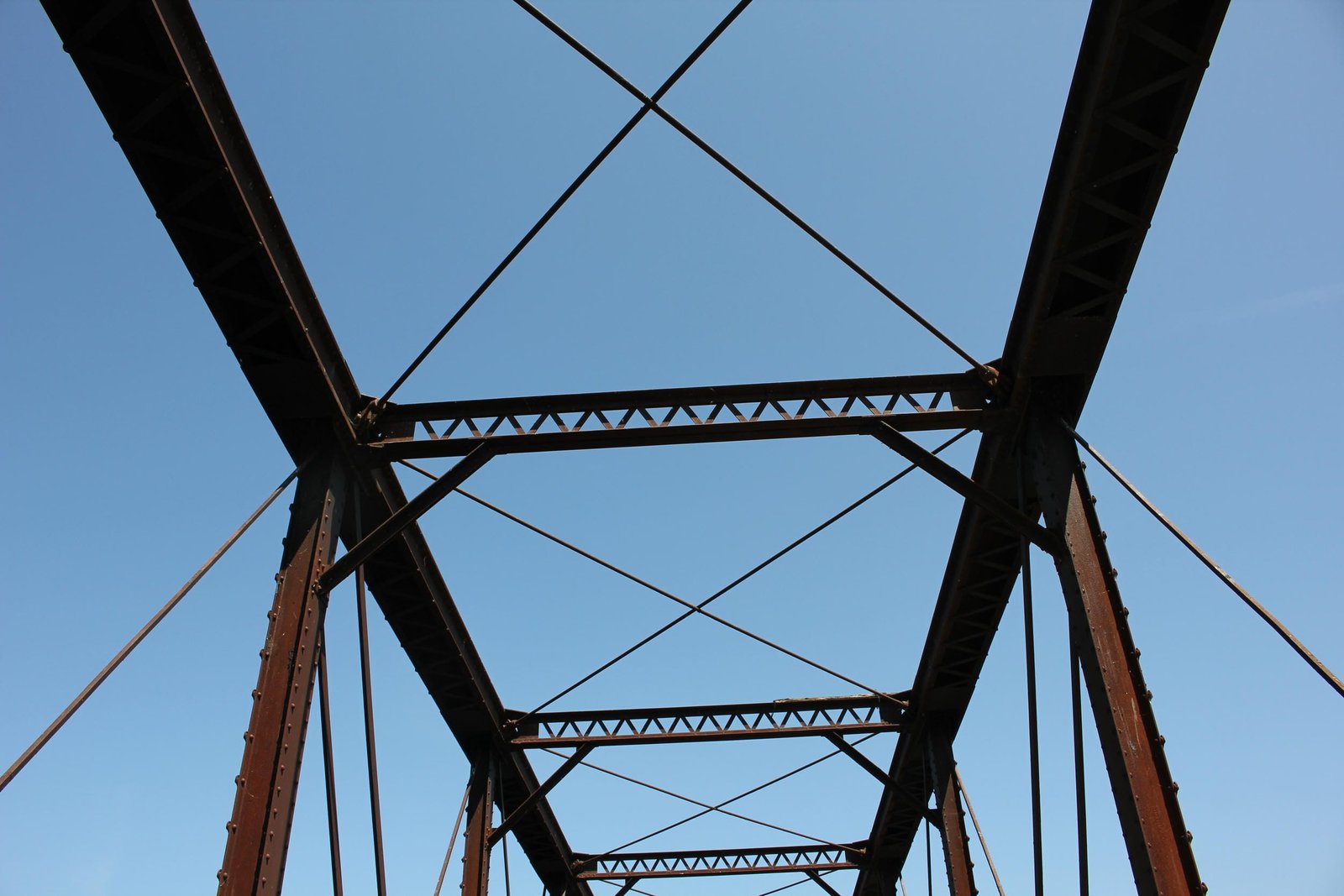
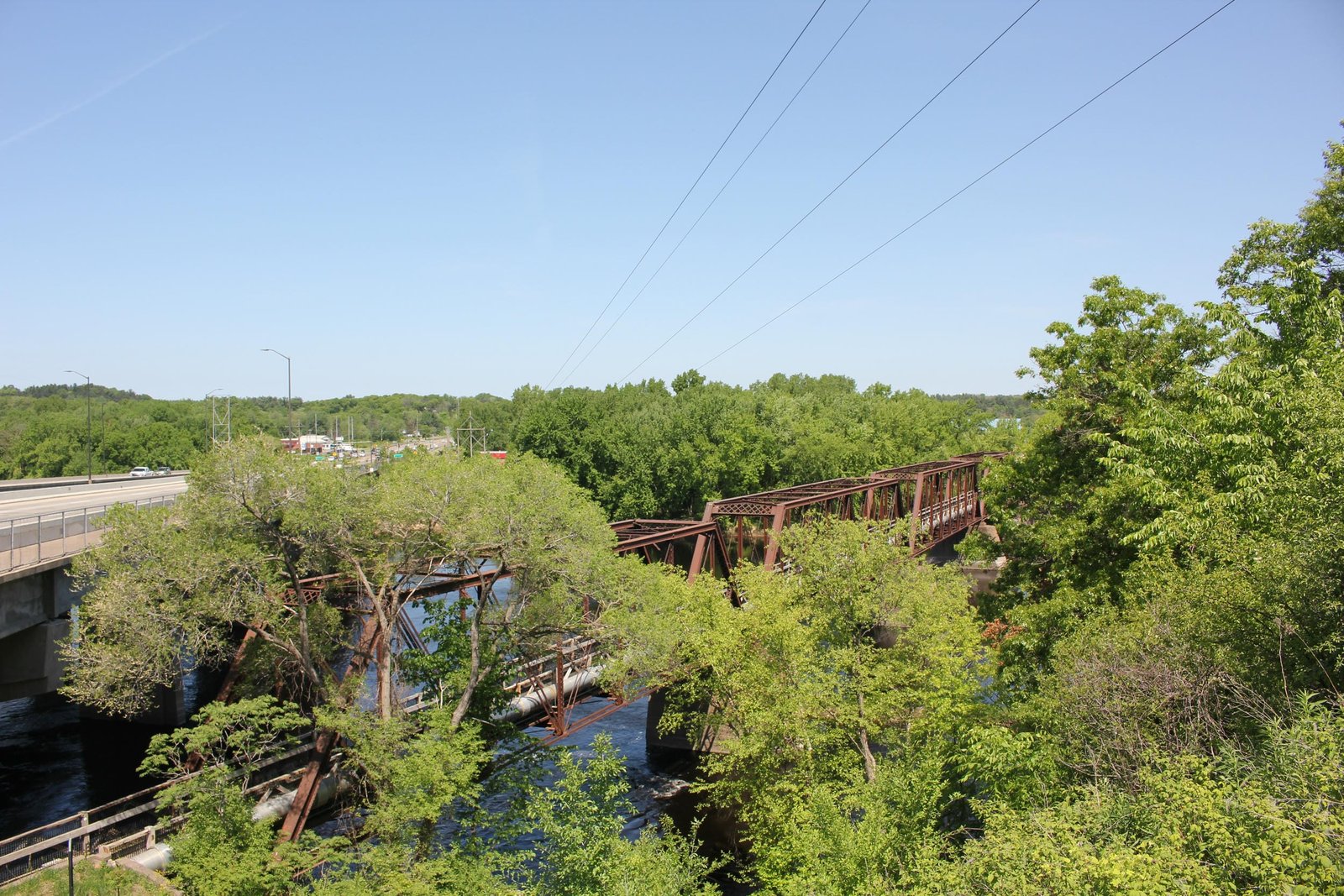
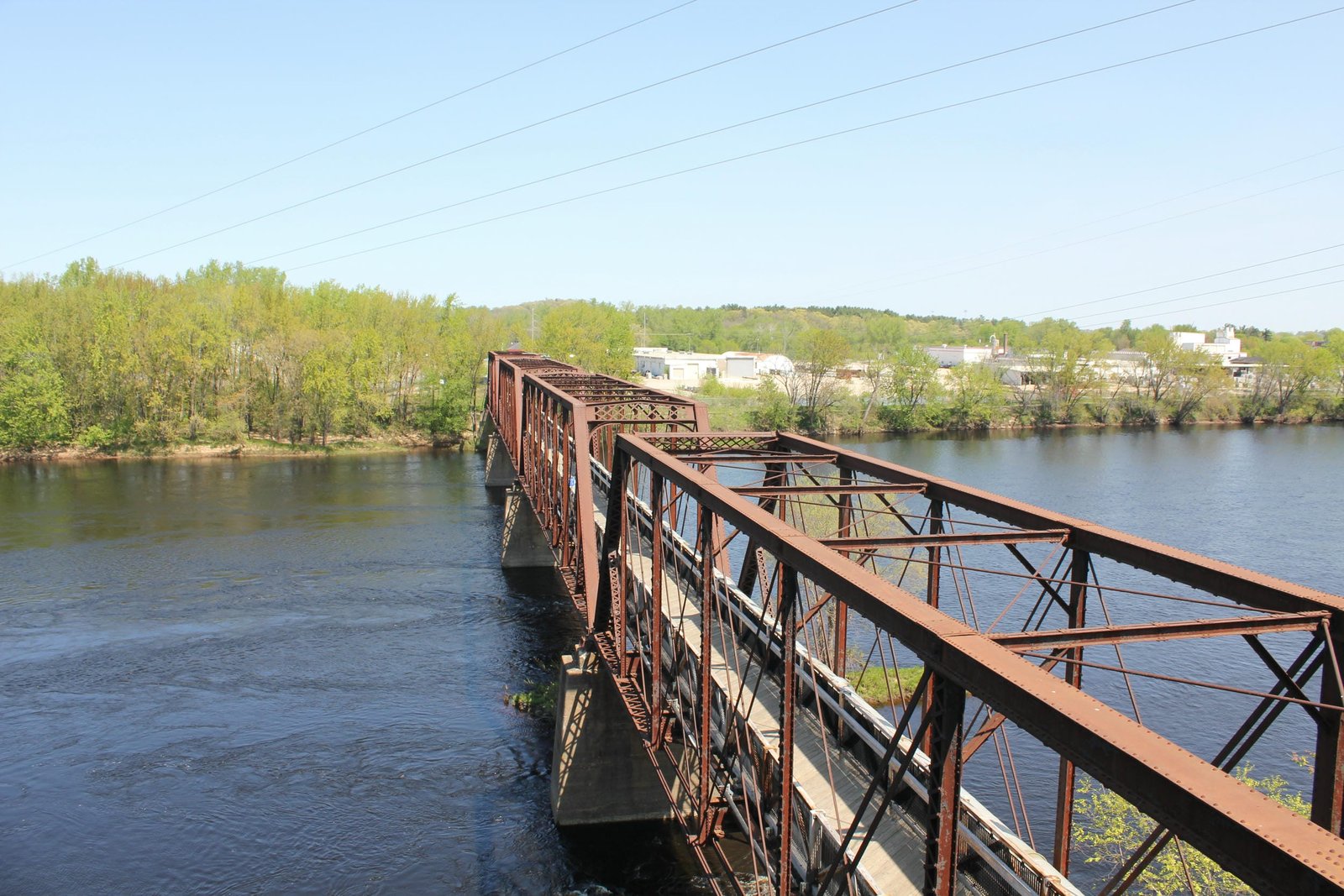
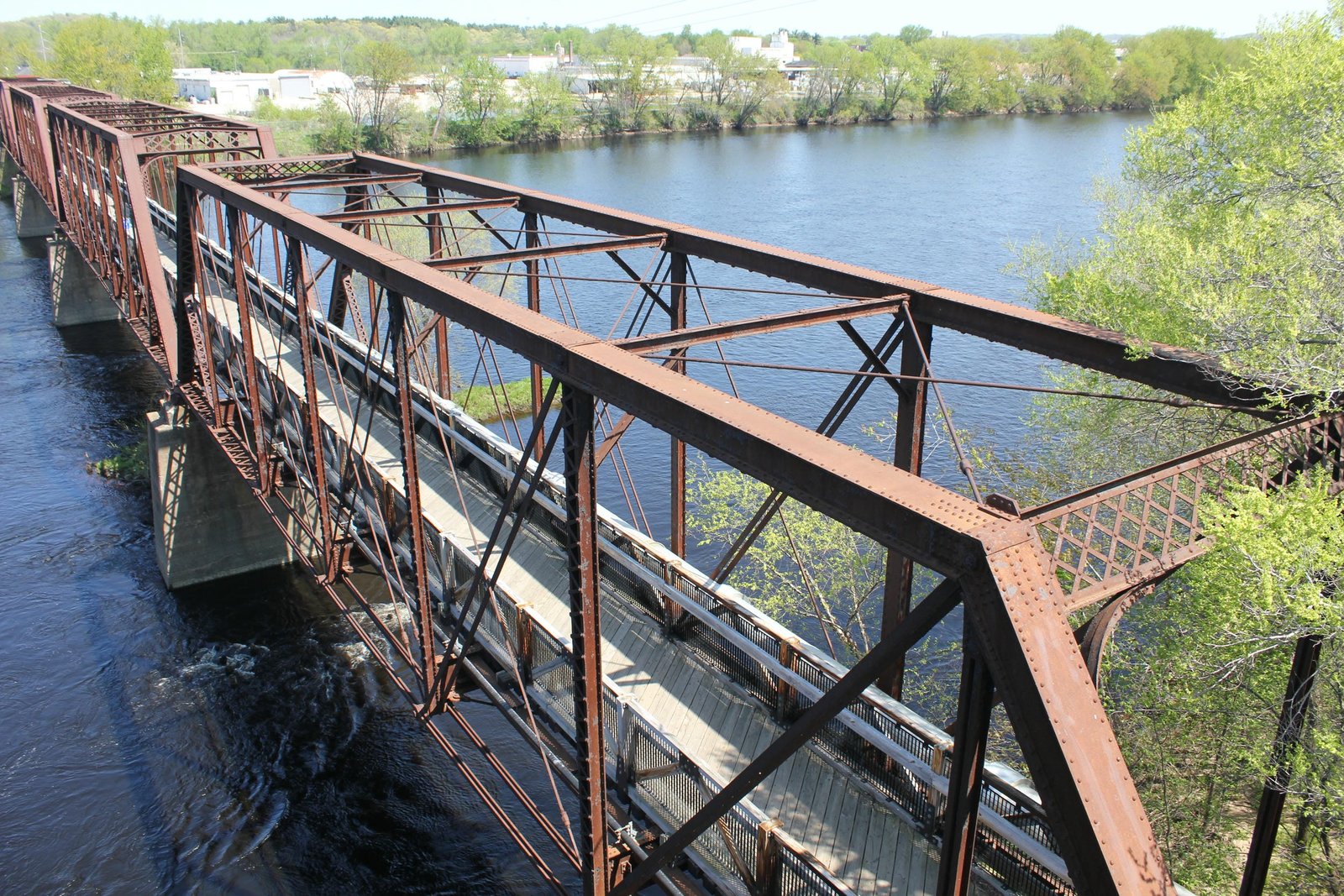
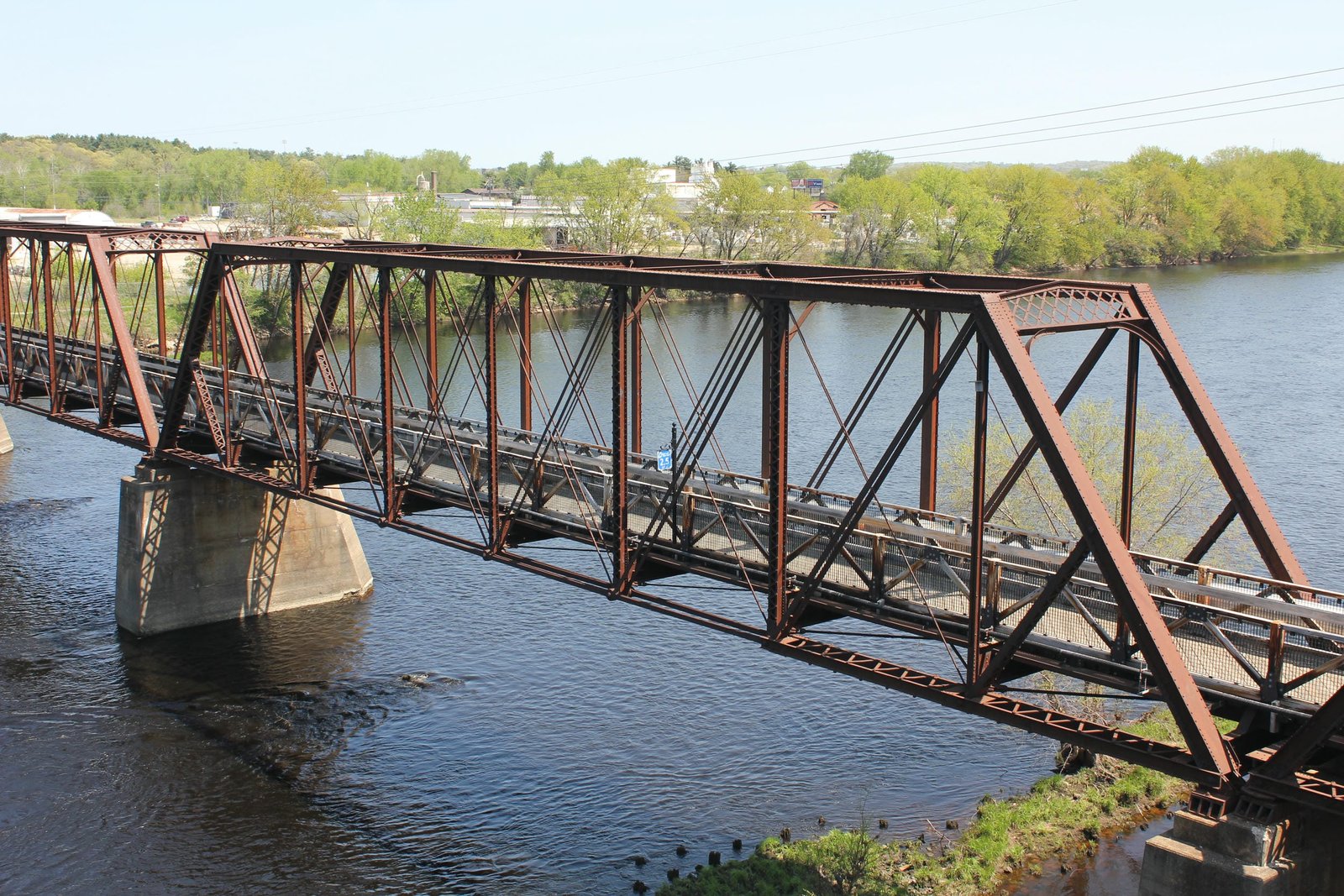
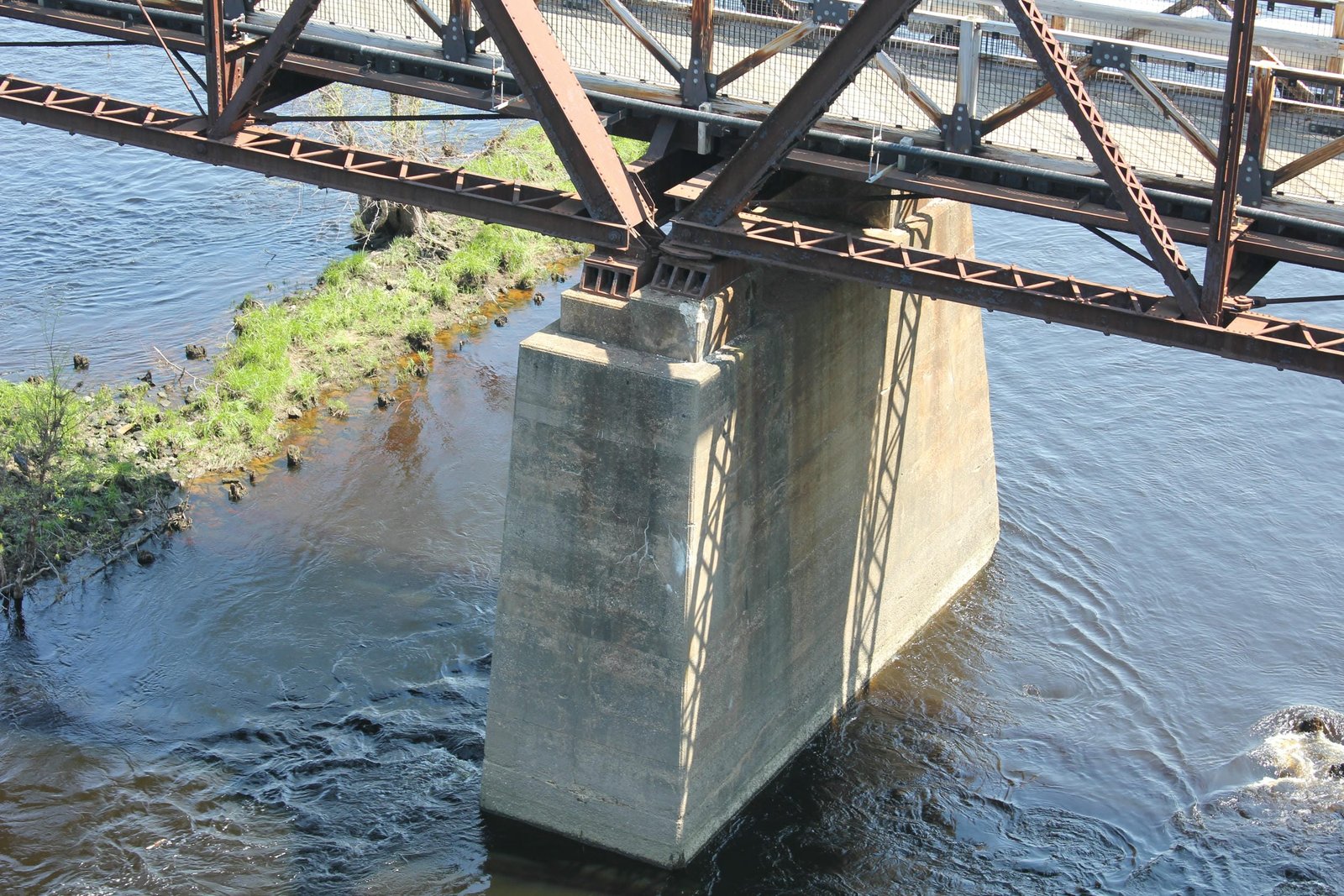
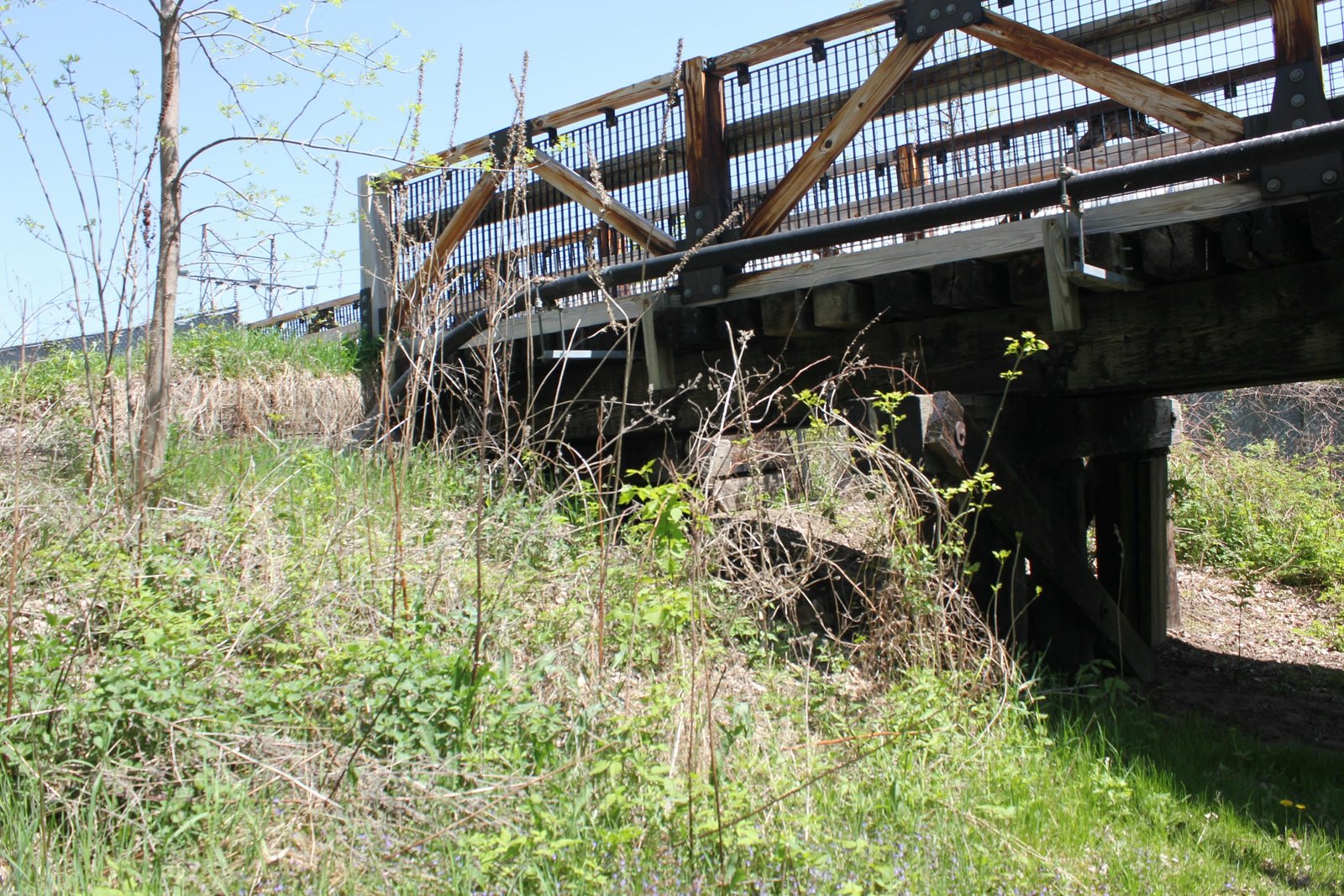
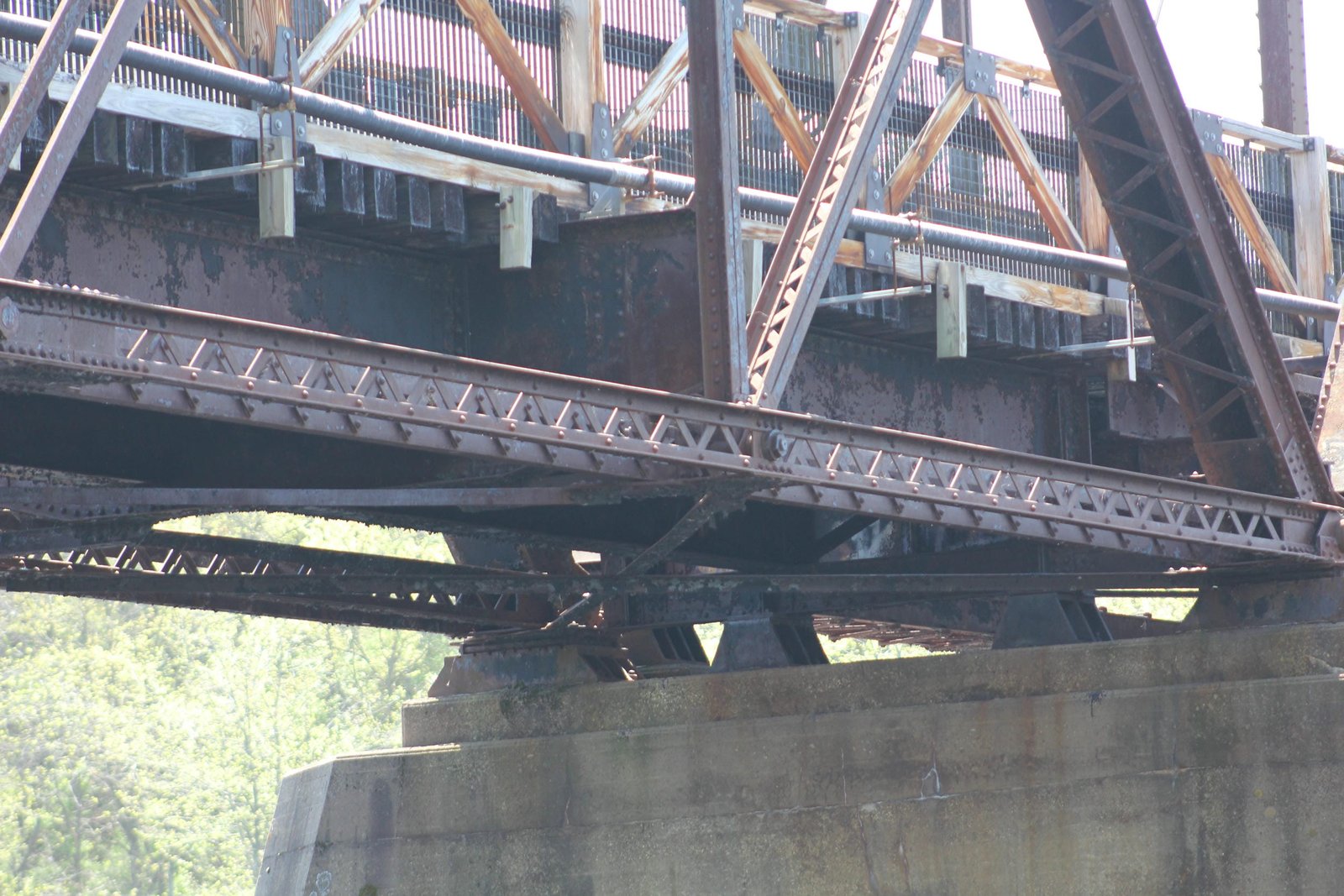
Located along Clairemont Avenue on the south side of Eau Claire, this large through truss bridge carries the former Chicago, Milwaukee, St. Paul & Pacific Railroad over the Chippewa River. The first bridge at this location consisted of a combination of wooden Howe through truss spans and wooden Howe pony truss spans, set onto timber pile substructures. By the early 20th Century, the original bridge had become too light for current traffic. During this time, the Milwaukee Road was replacing timber bridges along this line with metal and concrete bridges. Instead of installing a new steel bridge, the railroad opted to reuse various iron spans which had been replaced in the previous years. The present bridge was constructed throughout the summer of 1911, and consists of iron truss spans, set onto concrete substructures. The most recent upgrade to the bridge came in 1969, when the north approach was renewed with identical spans. The bridge consists of four through truss spans, approached by a 19-foot concrete slab span on the south end and 7 timber pile trestle spans on the north end. The iron spans are set onto concrete piers, and the north approach is set onto timber pile substructures. The concrete was constructed by railroad company forces, which was typical for Milwaukee Road bridges. The four truss spans were relocated from three different locations, and use three different designs.
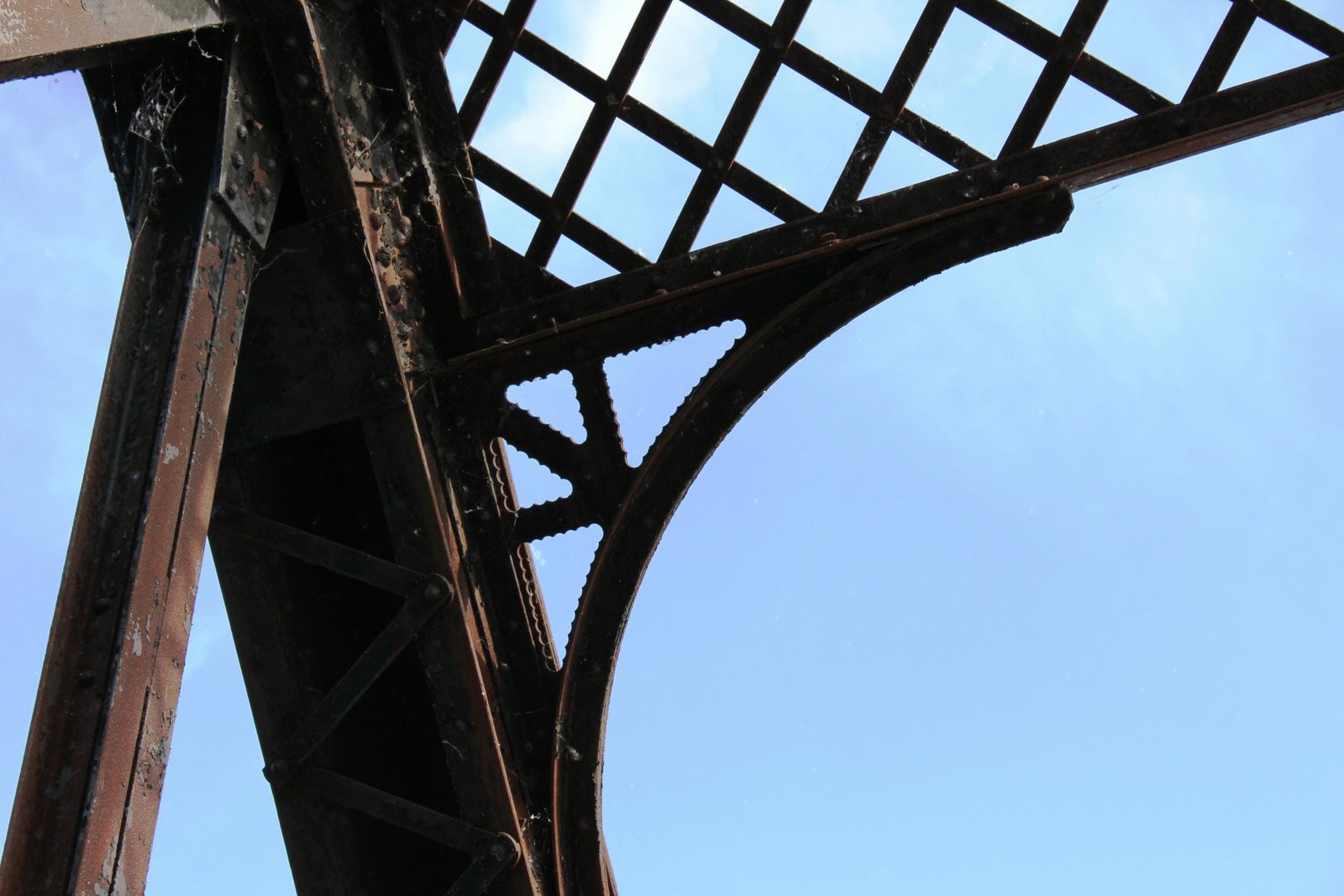
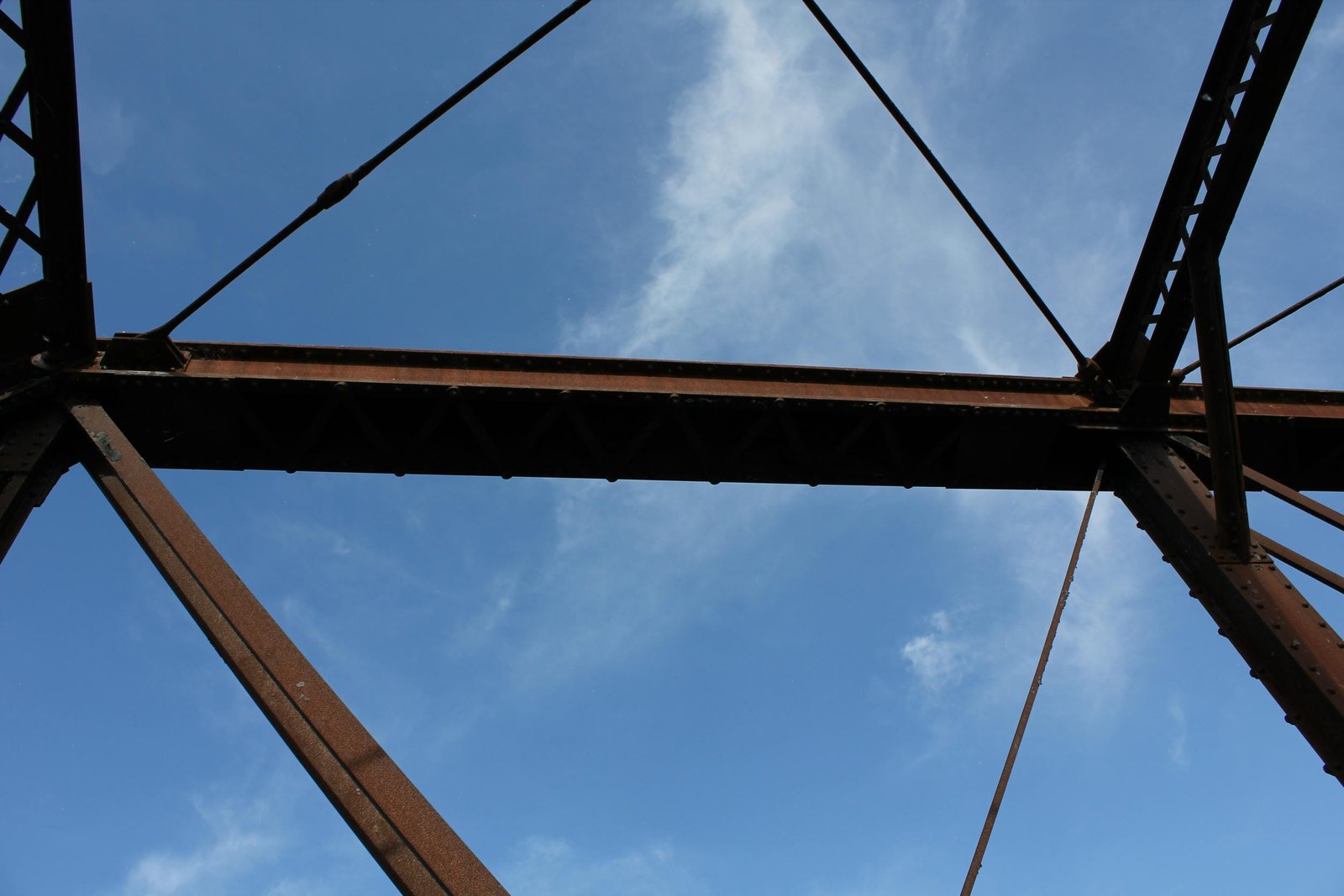
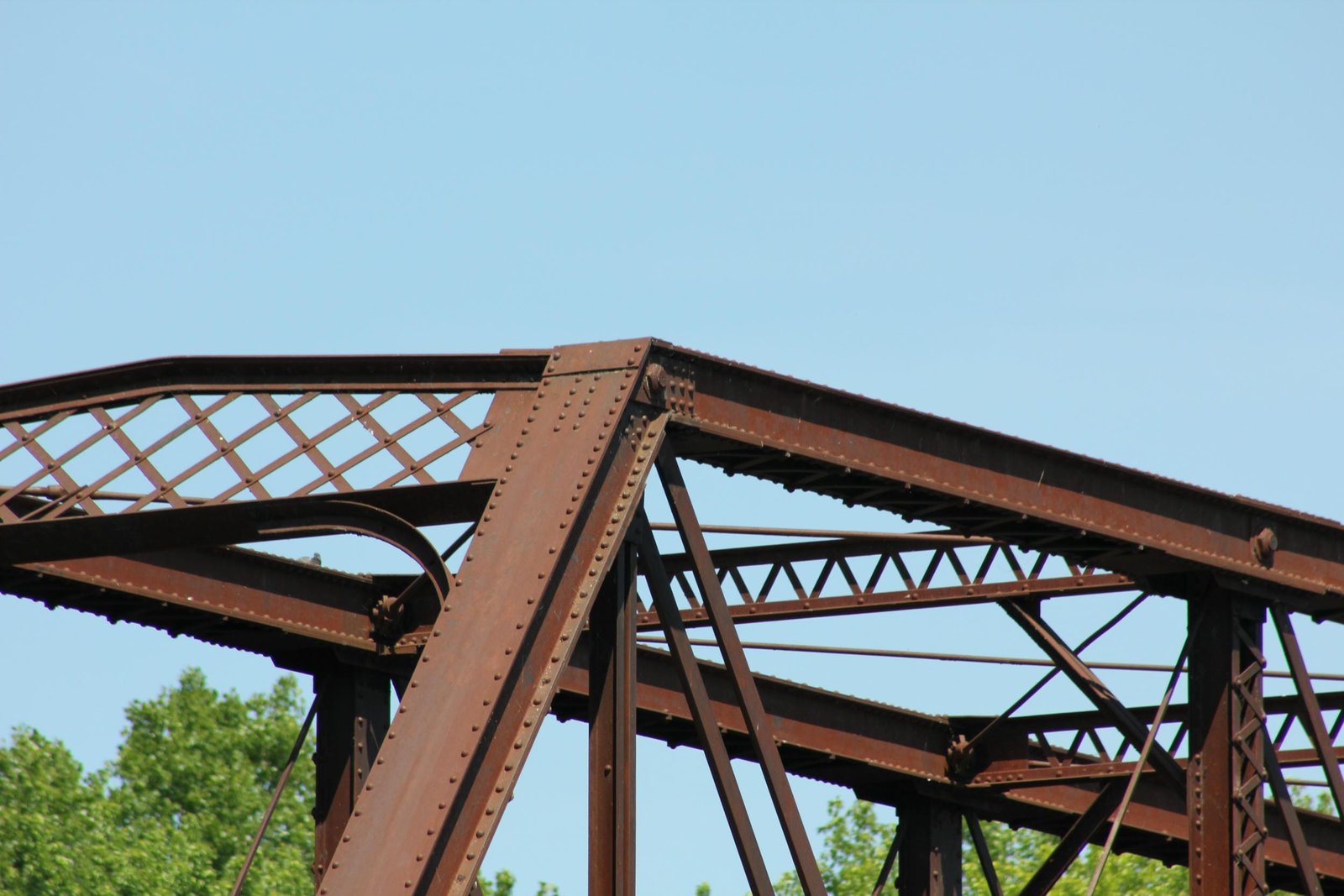
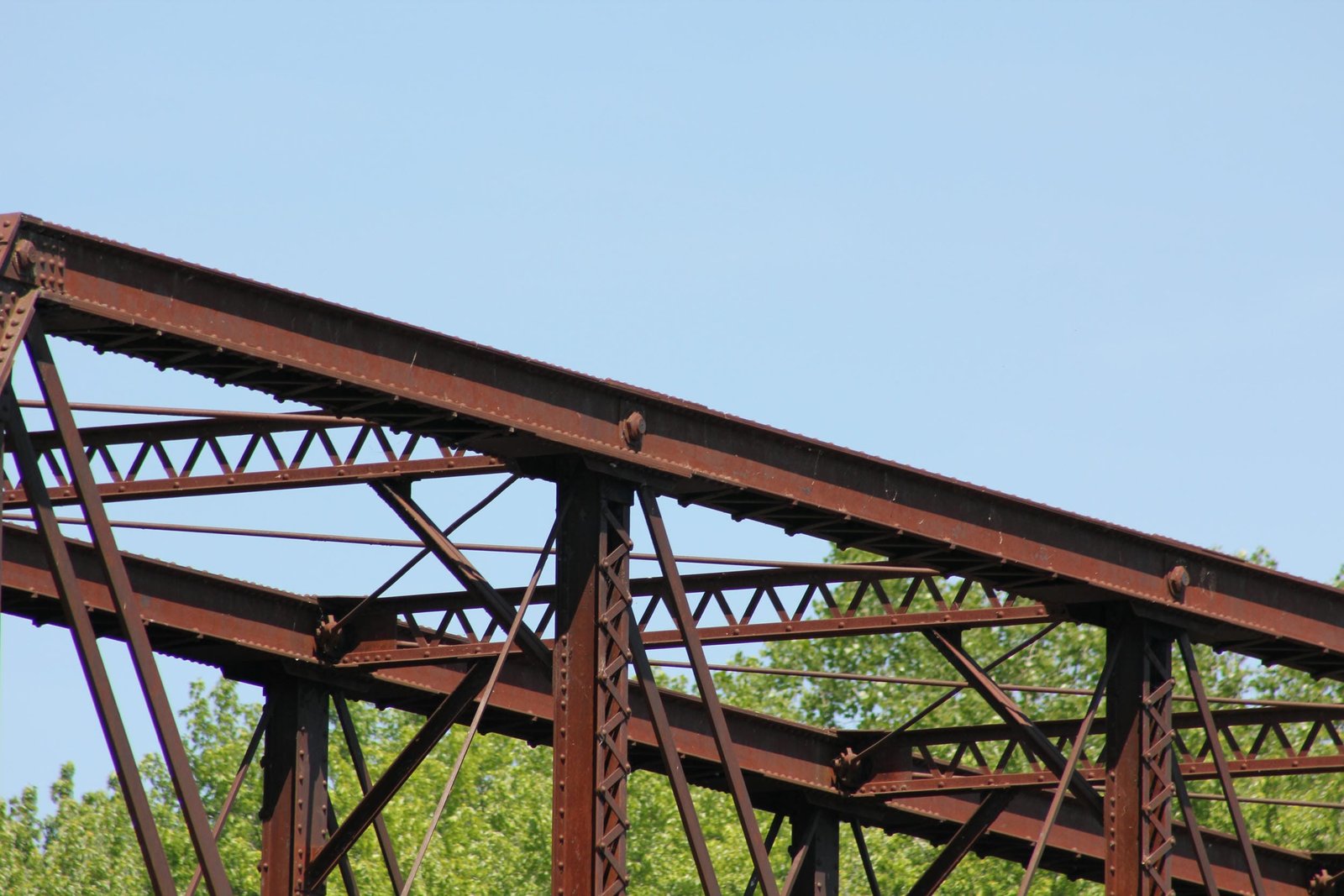
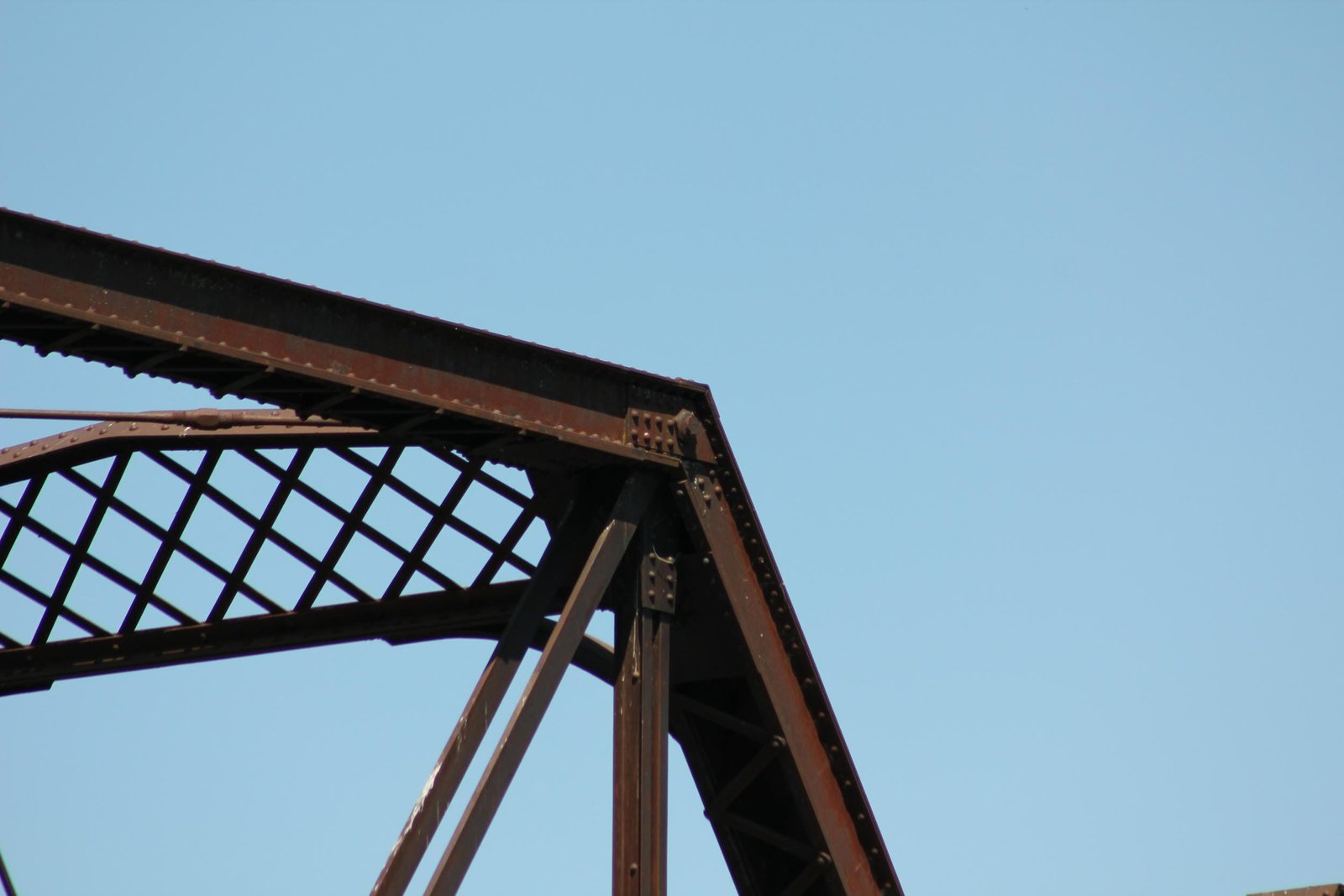
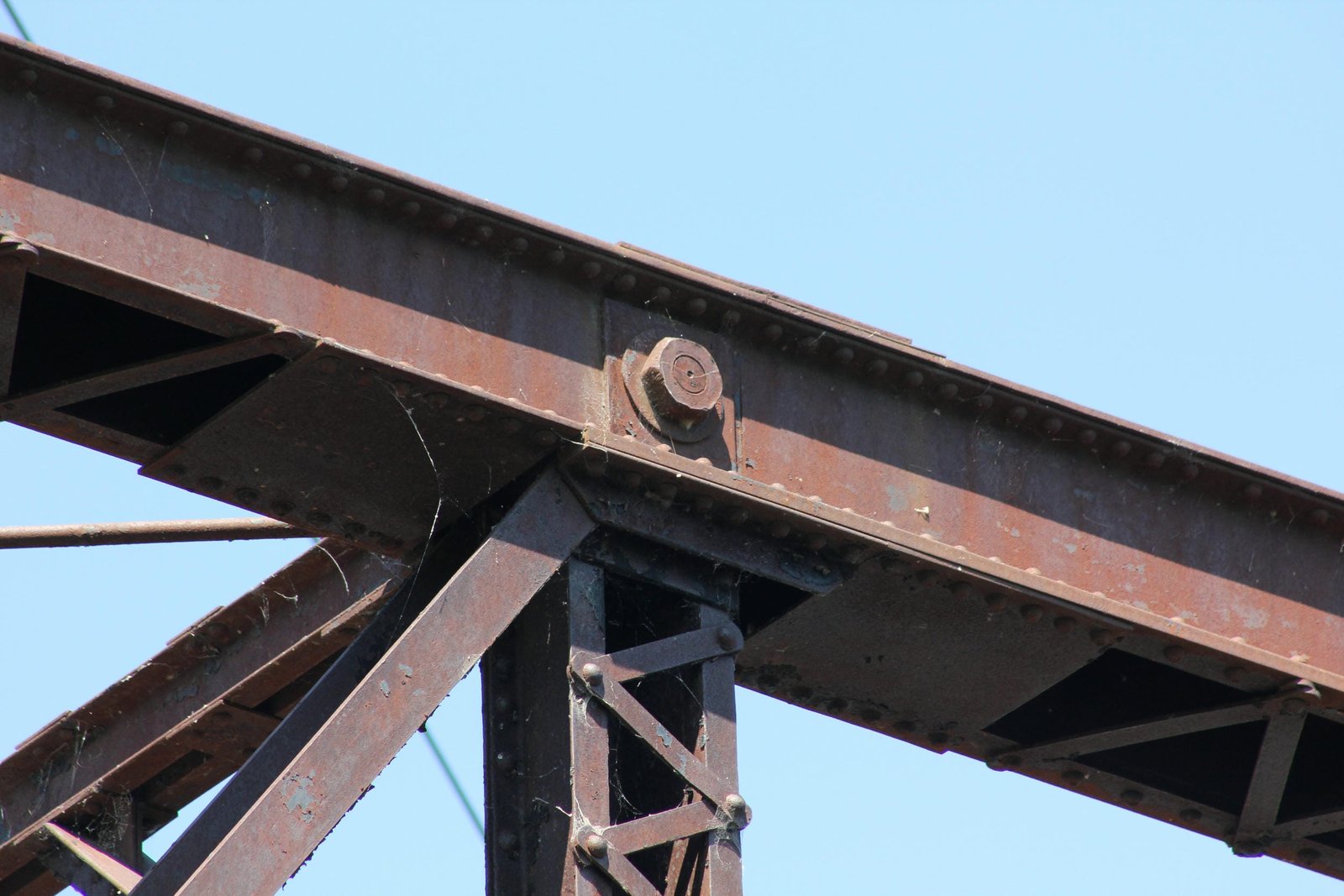
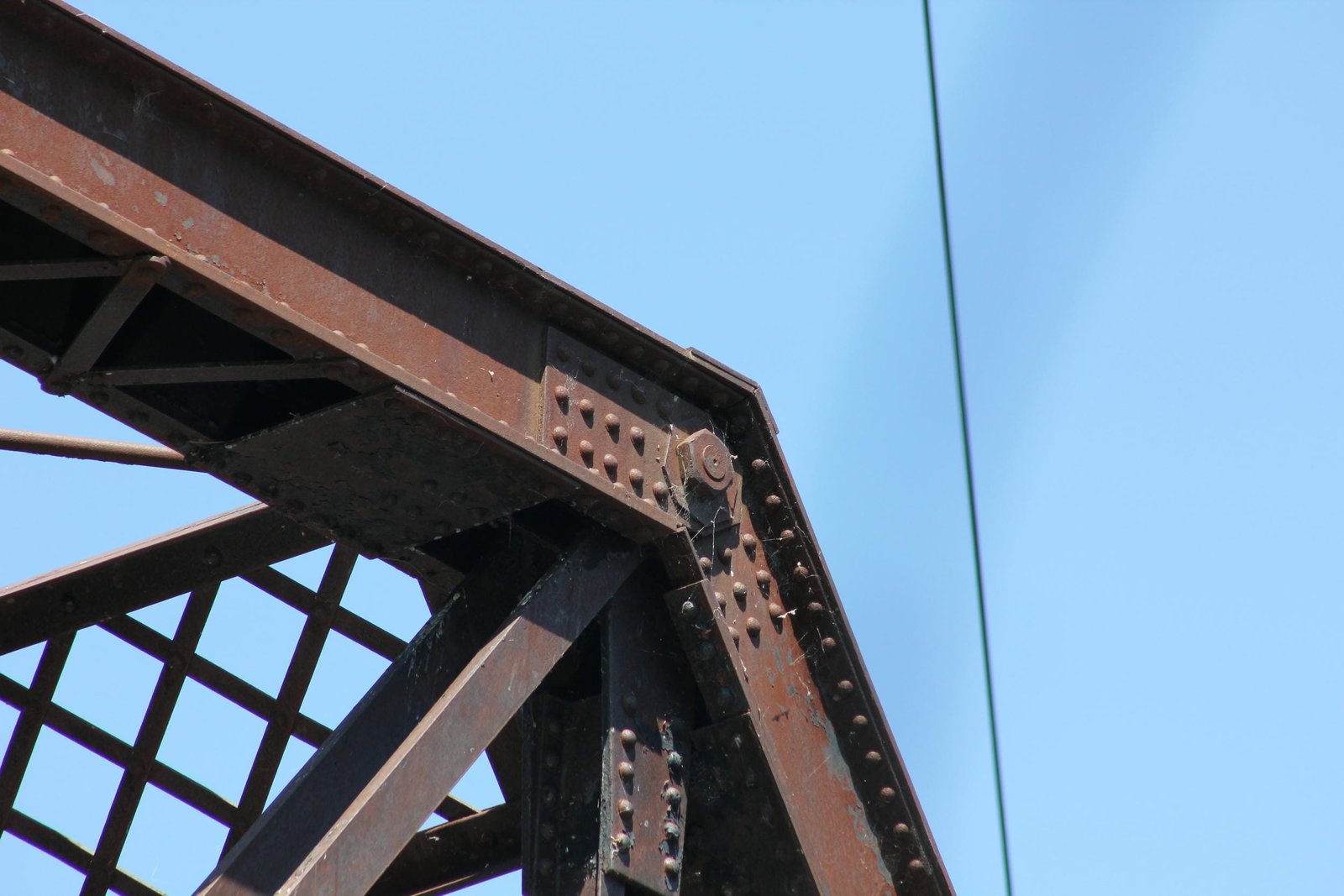
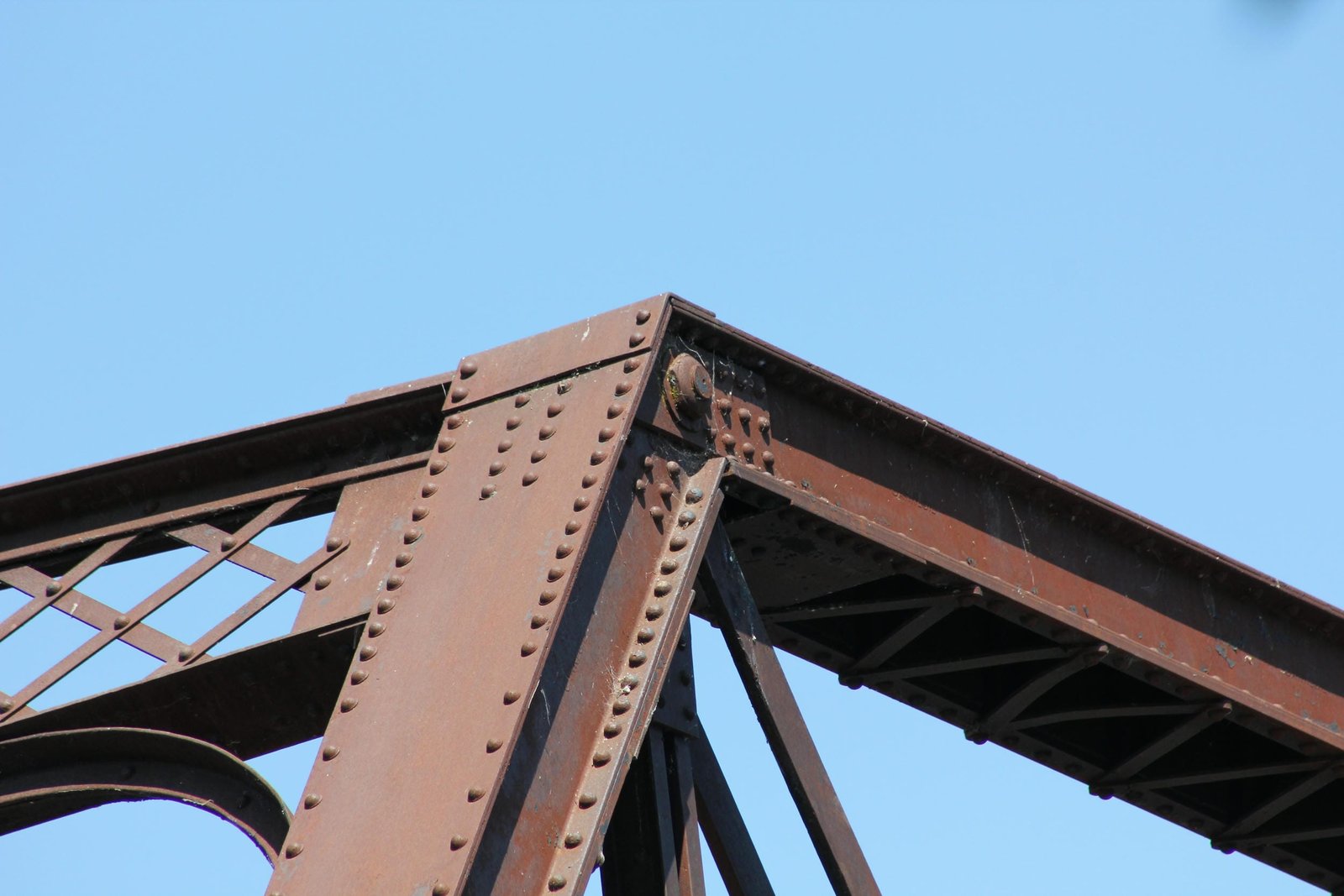
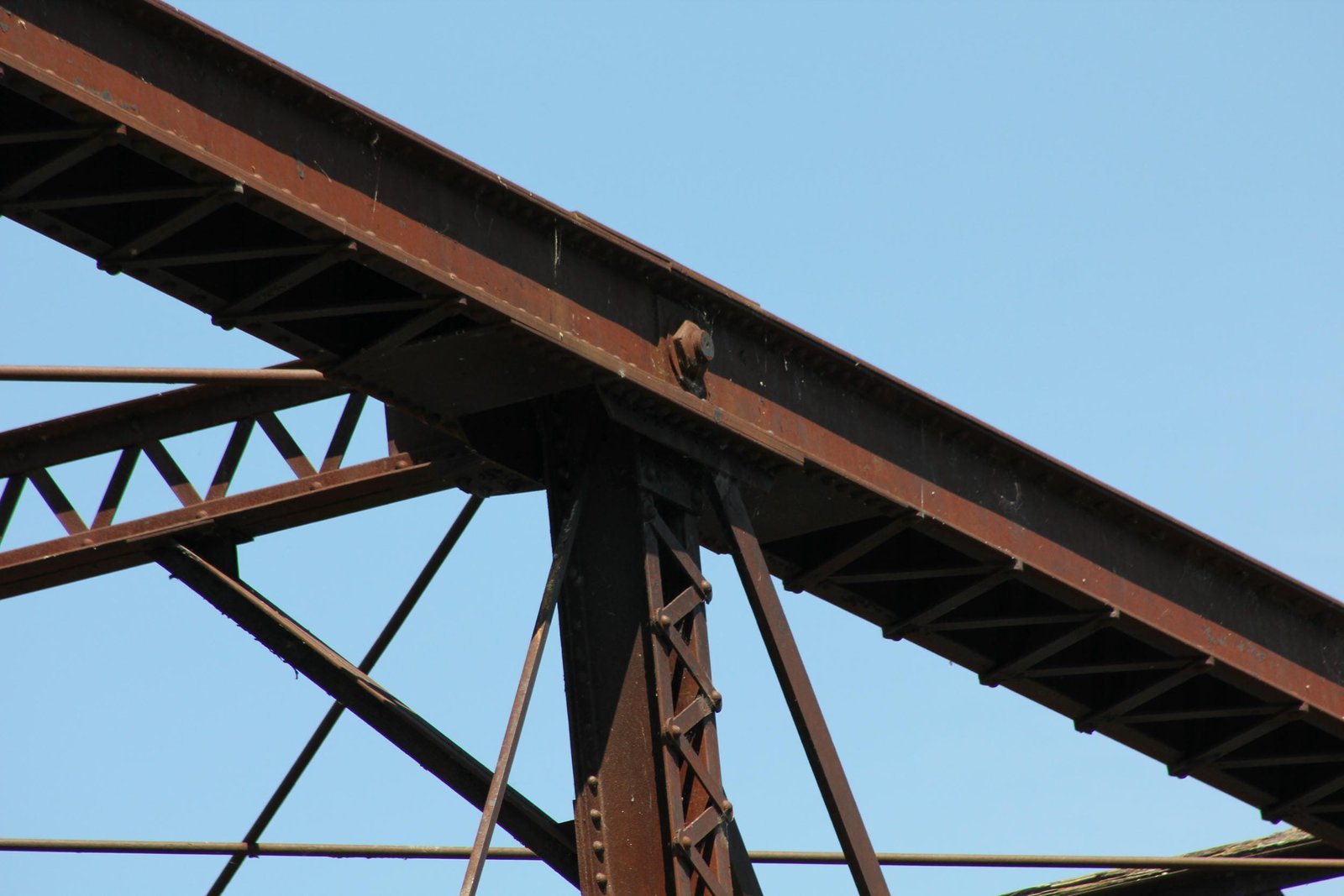
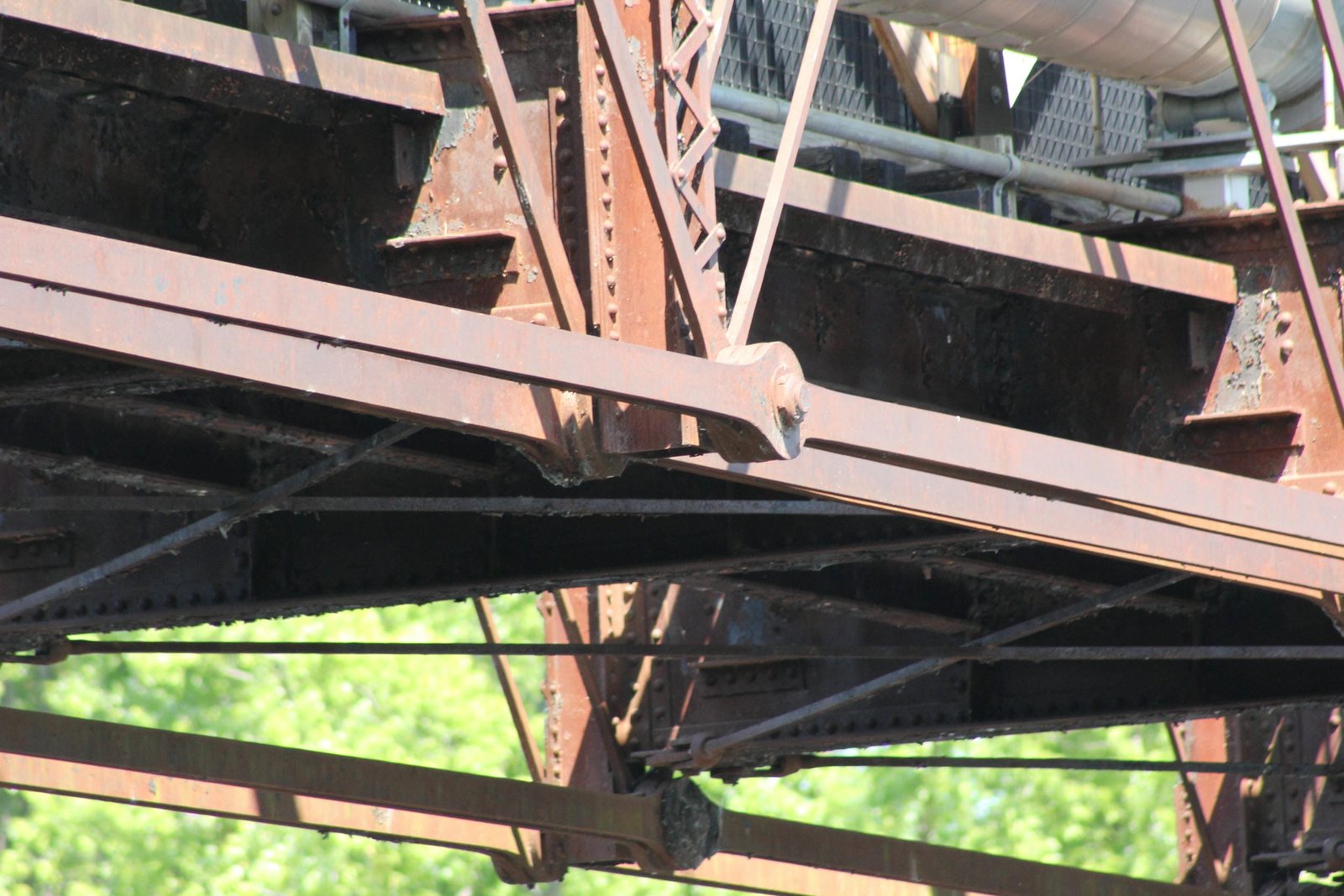
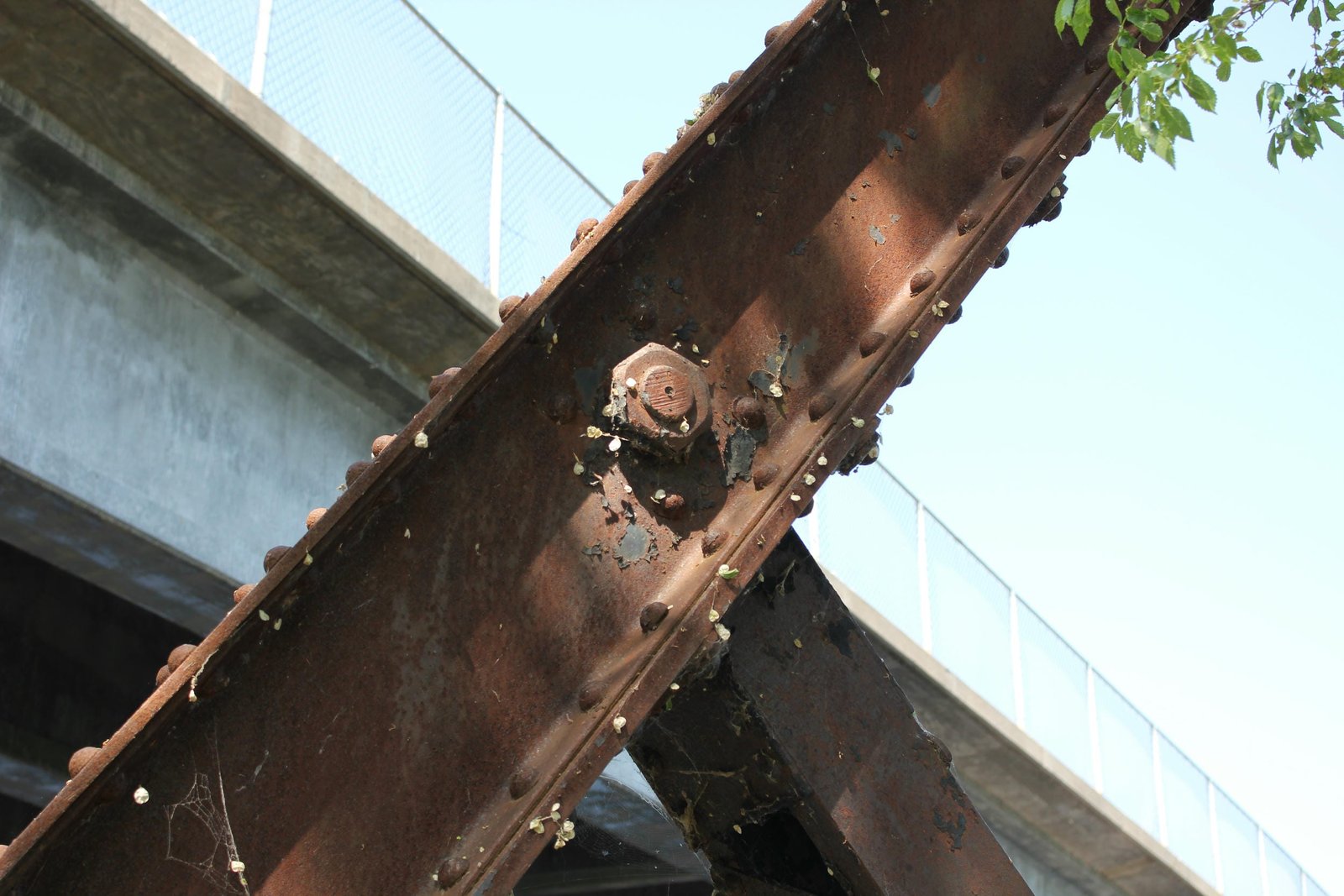
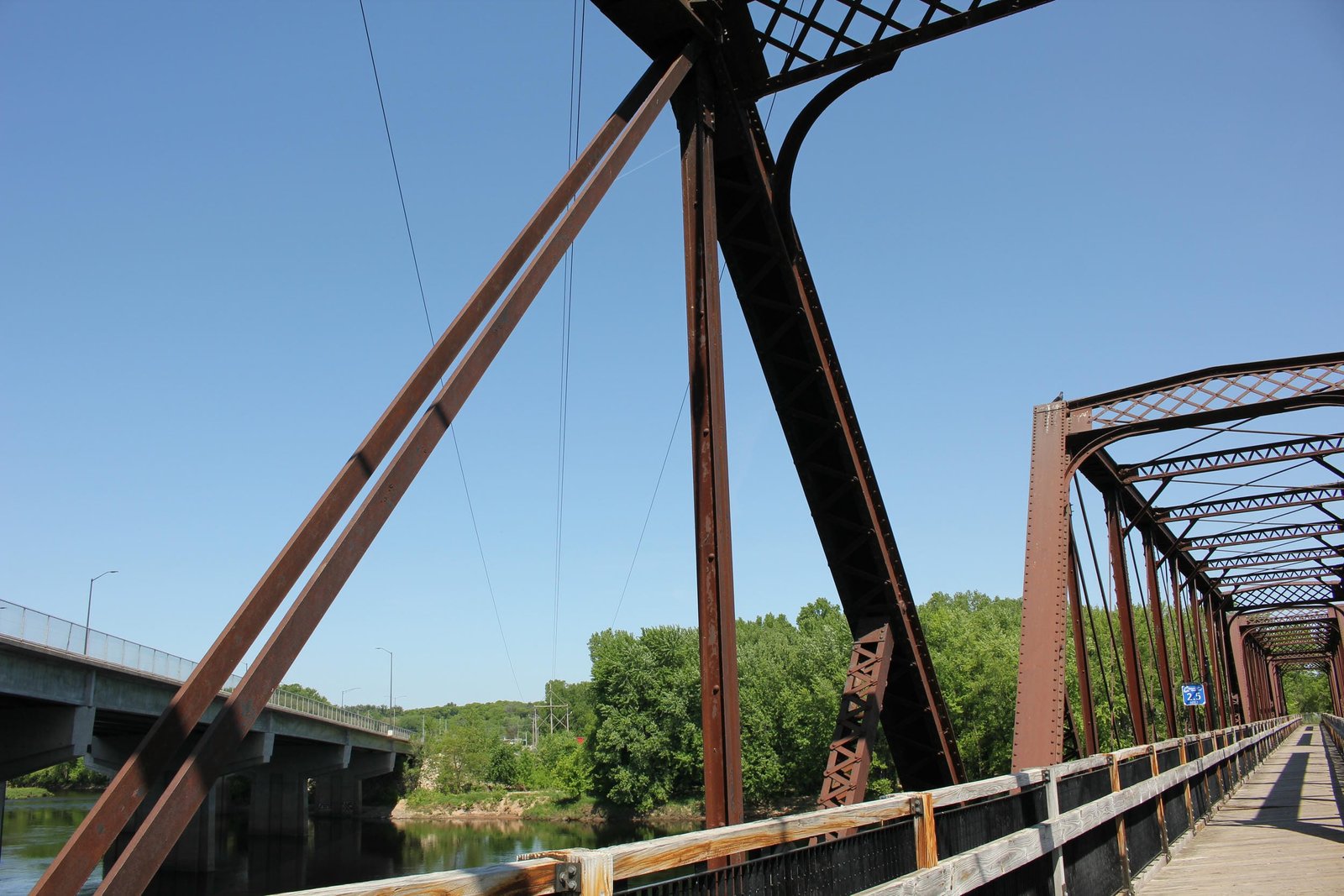
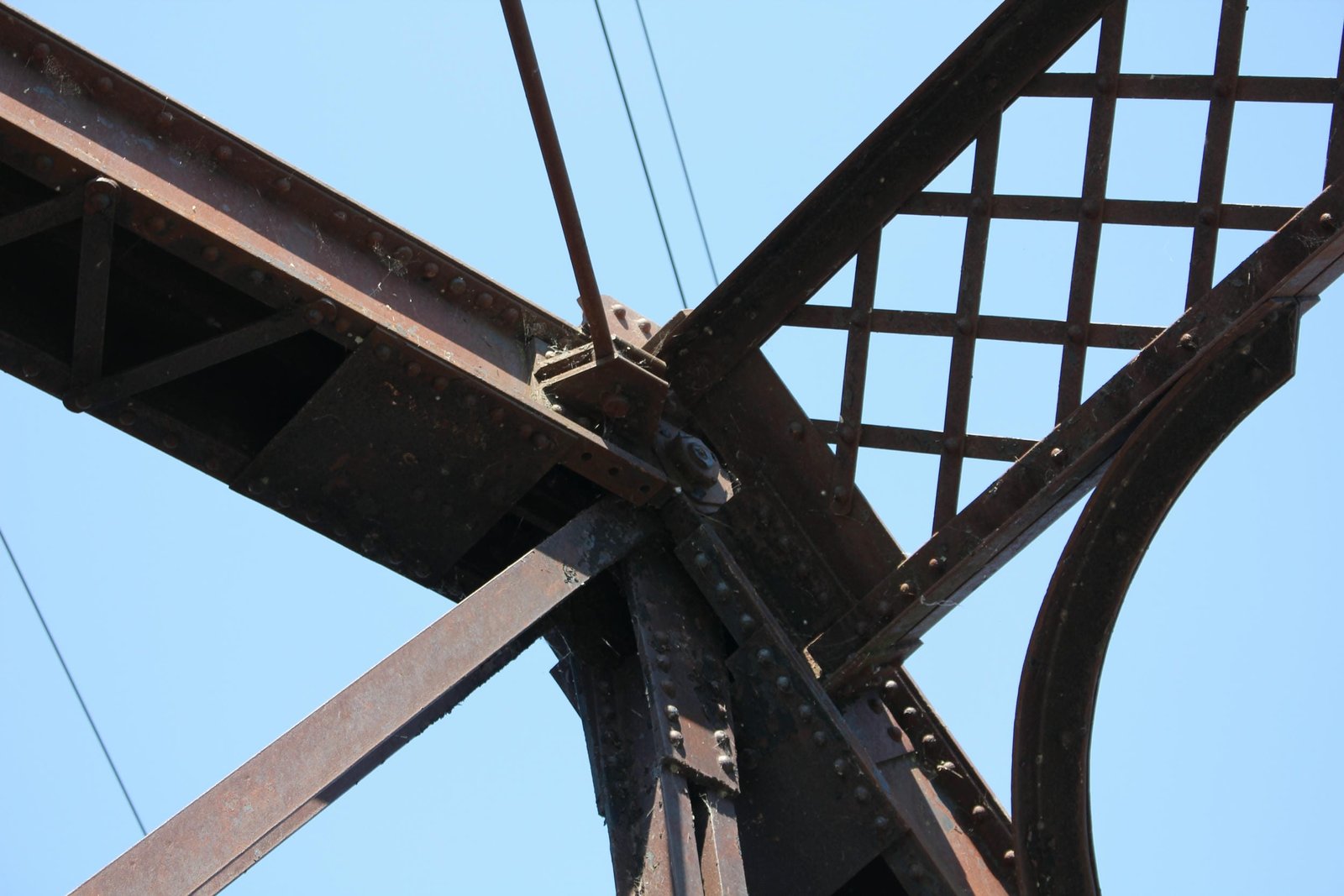
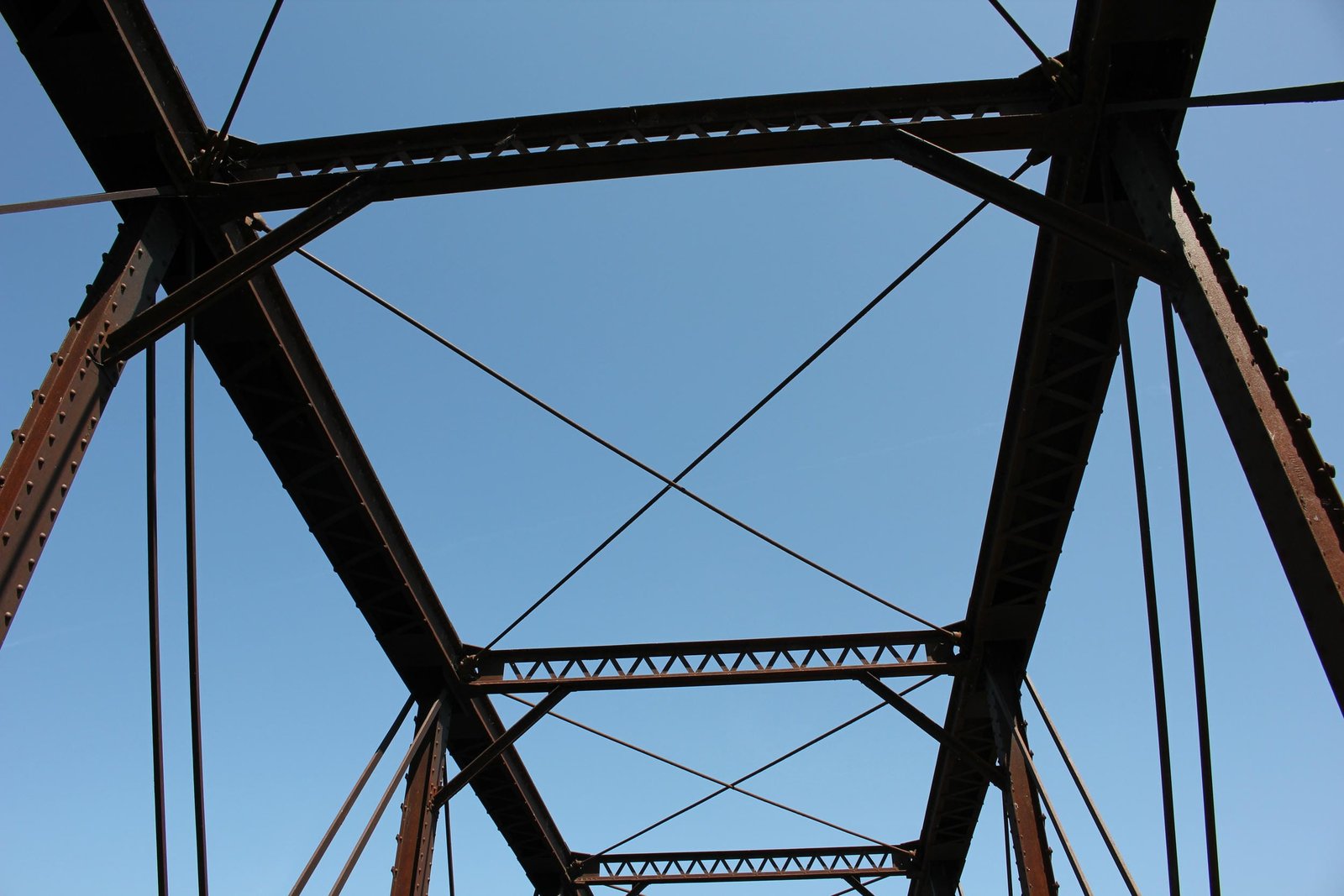
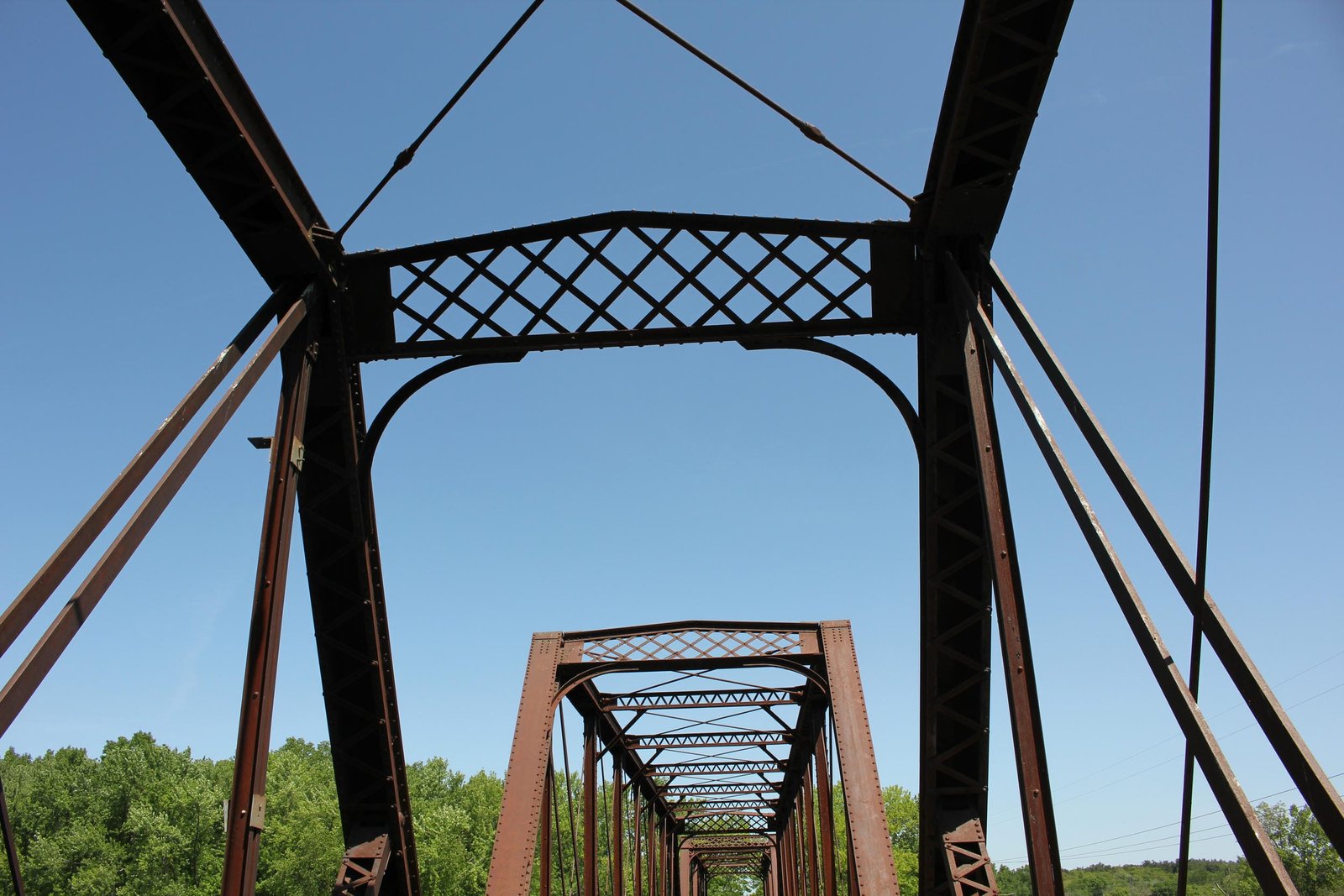
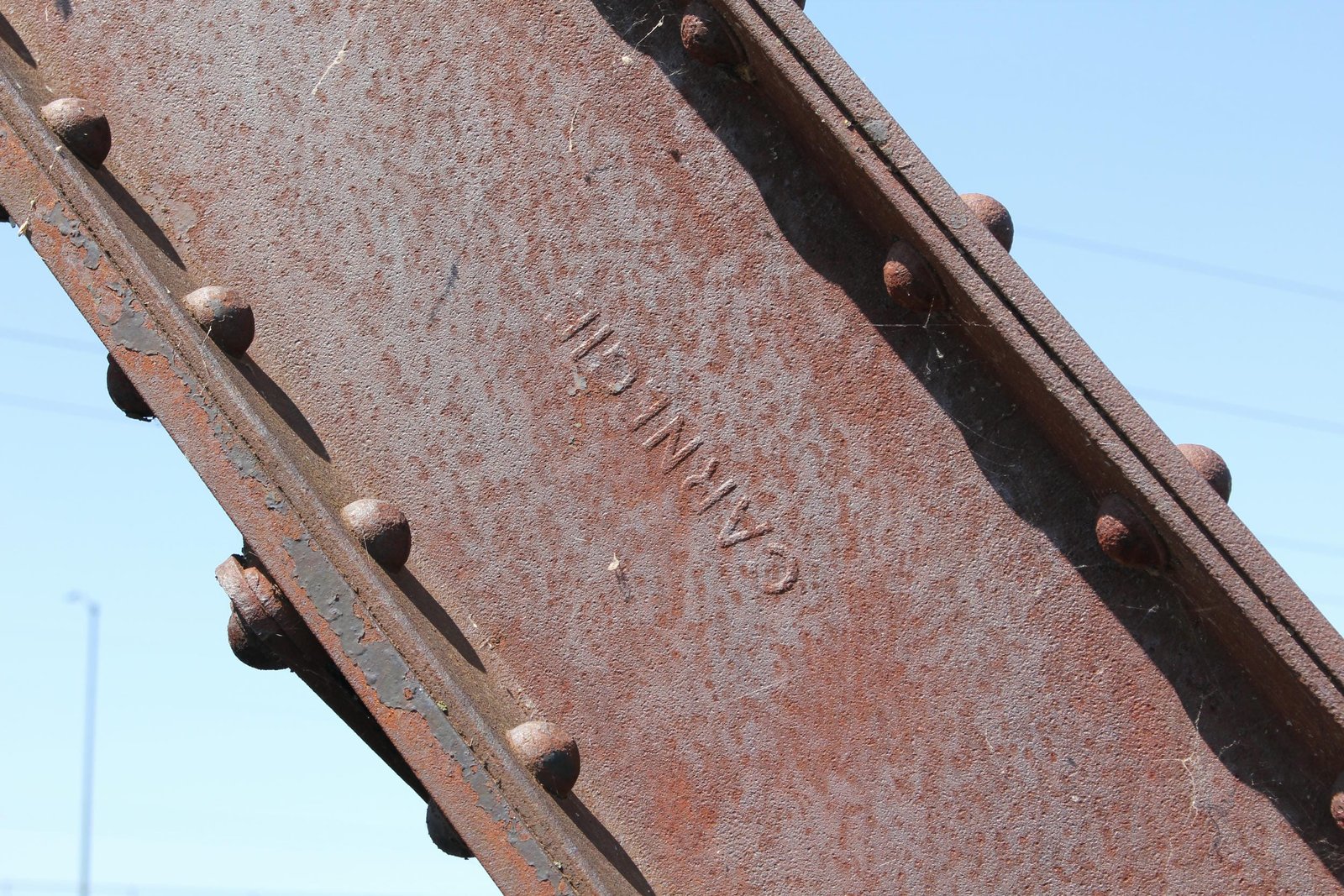
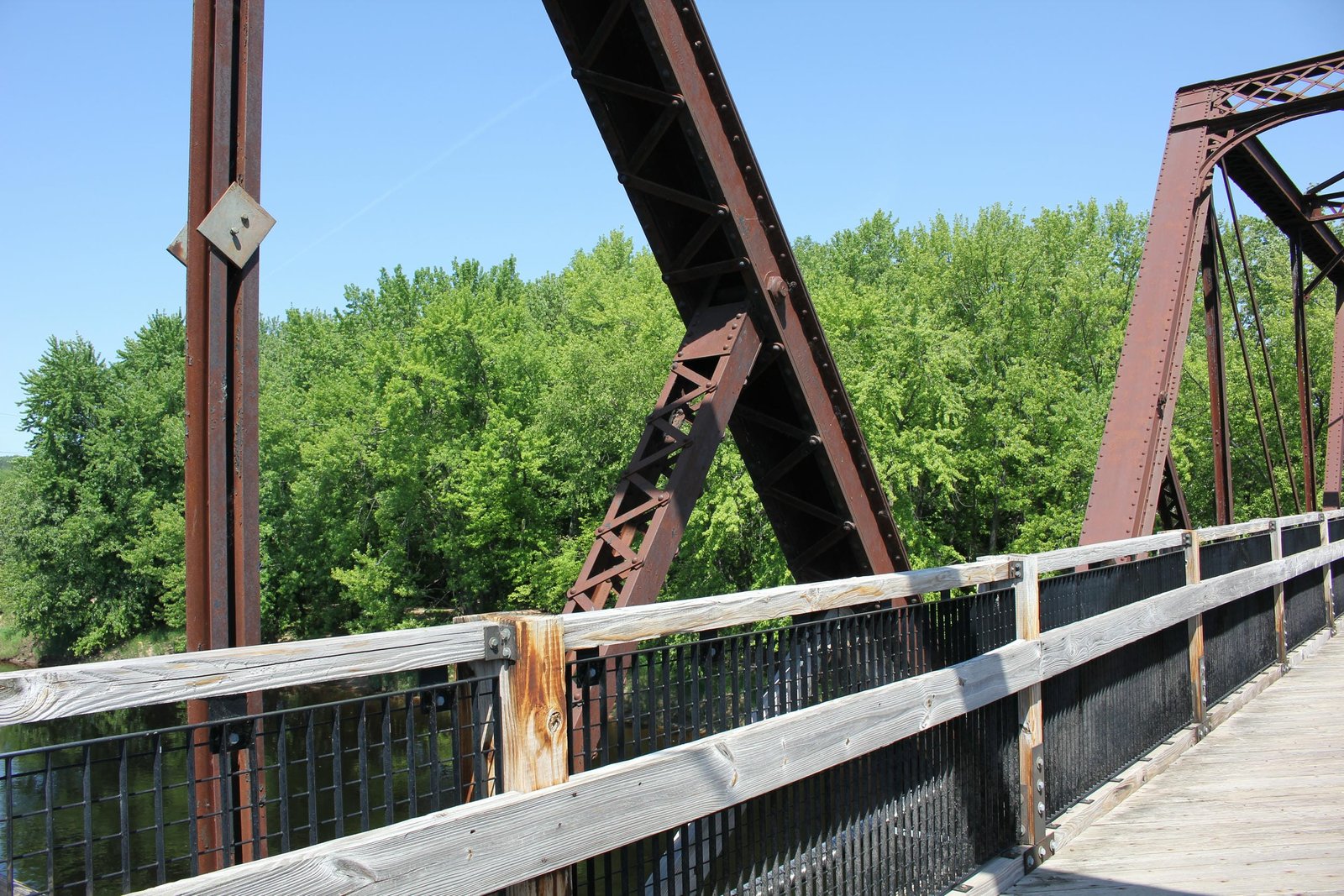
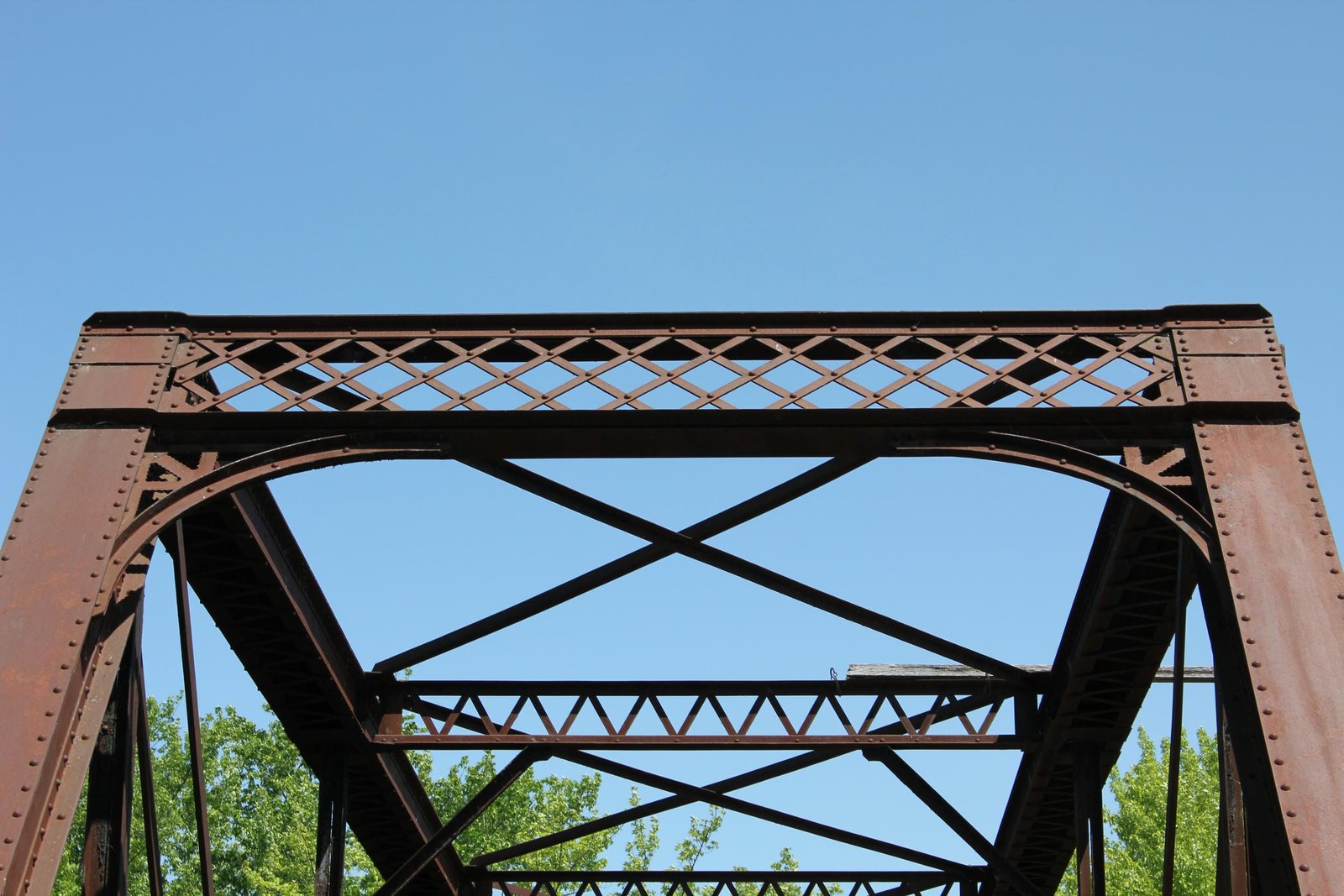
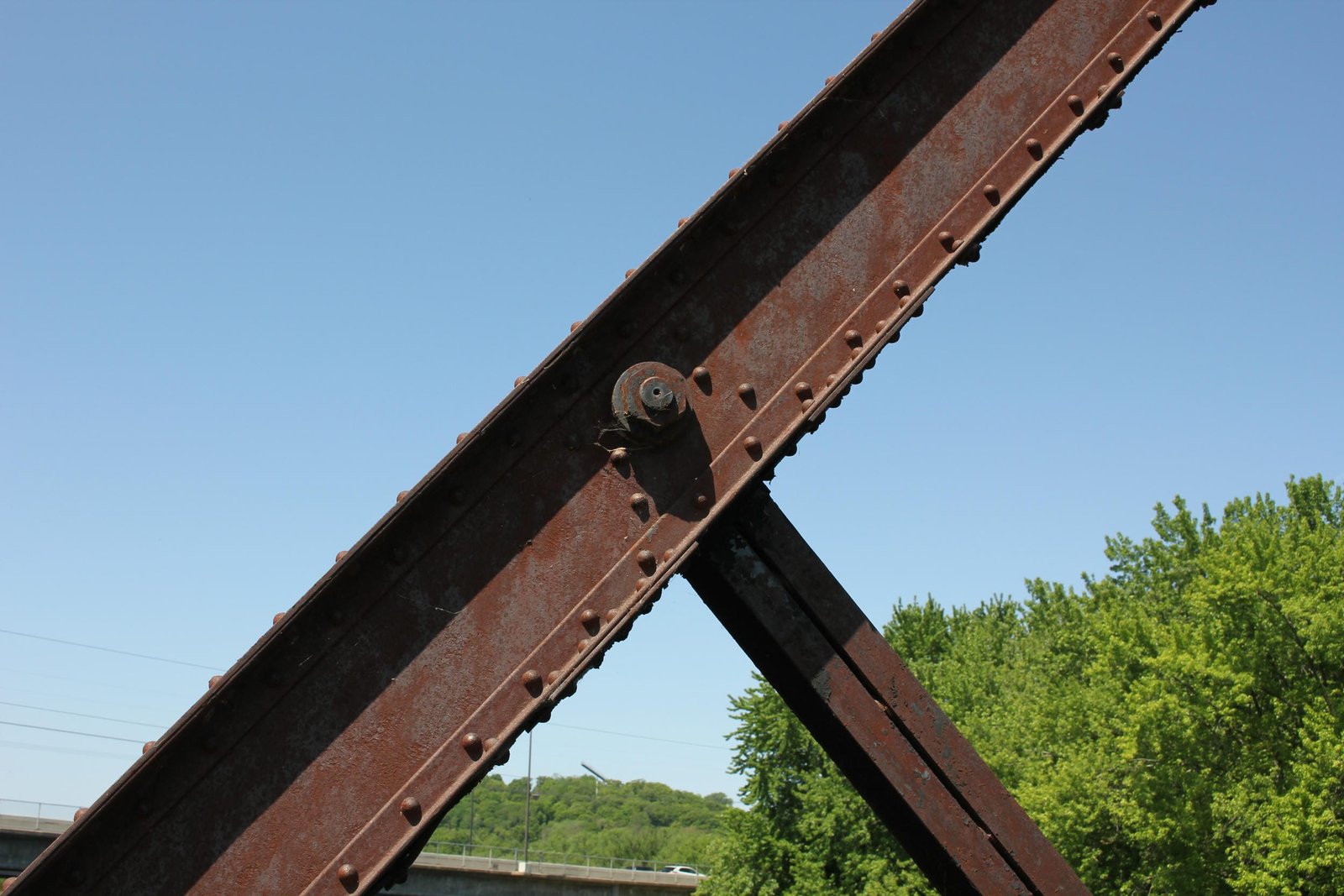
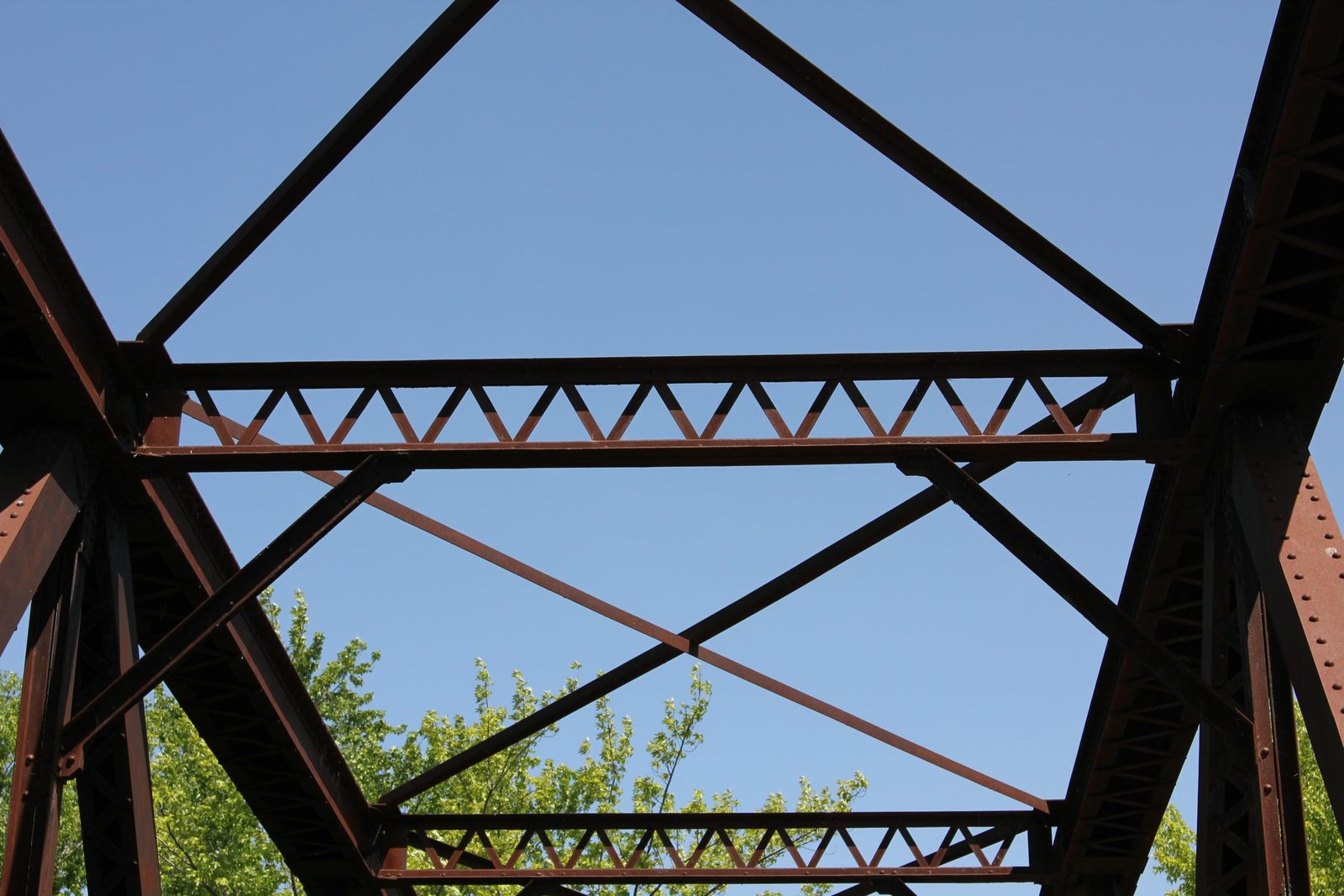
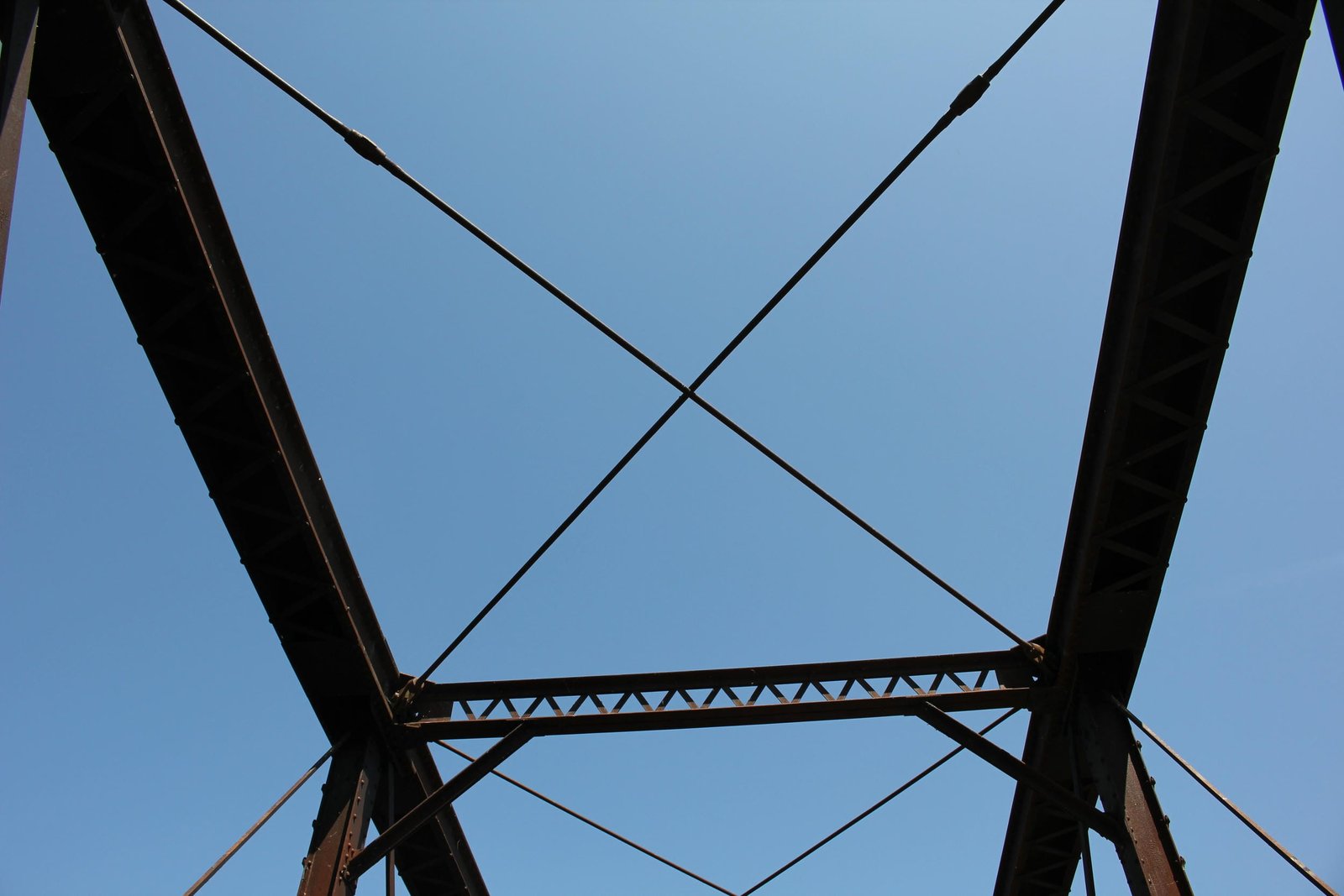
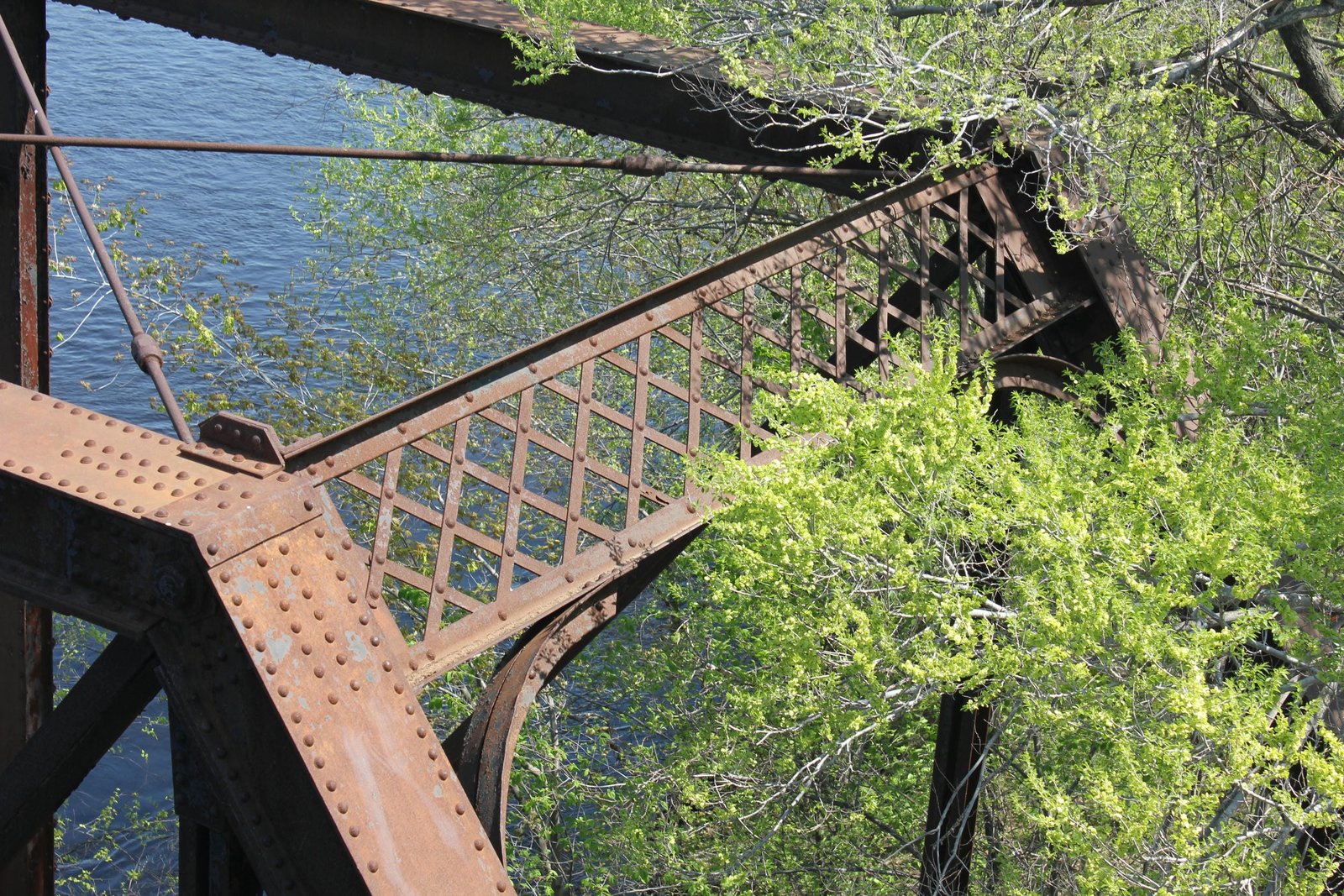
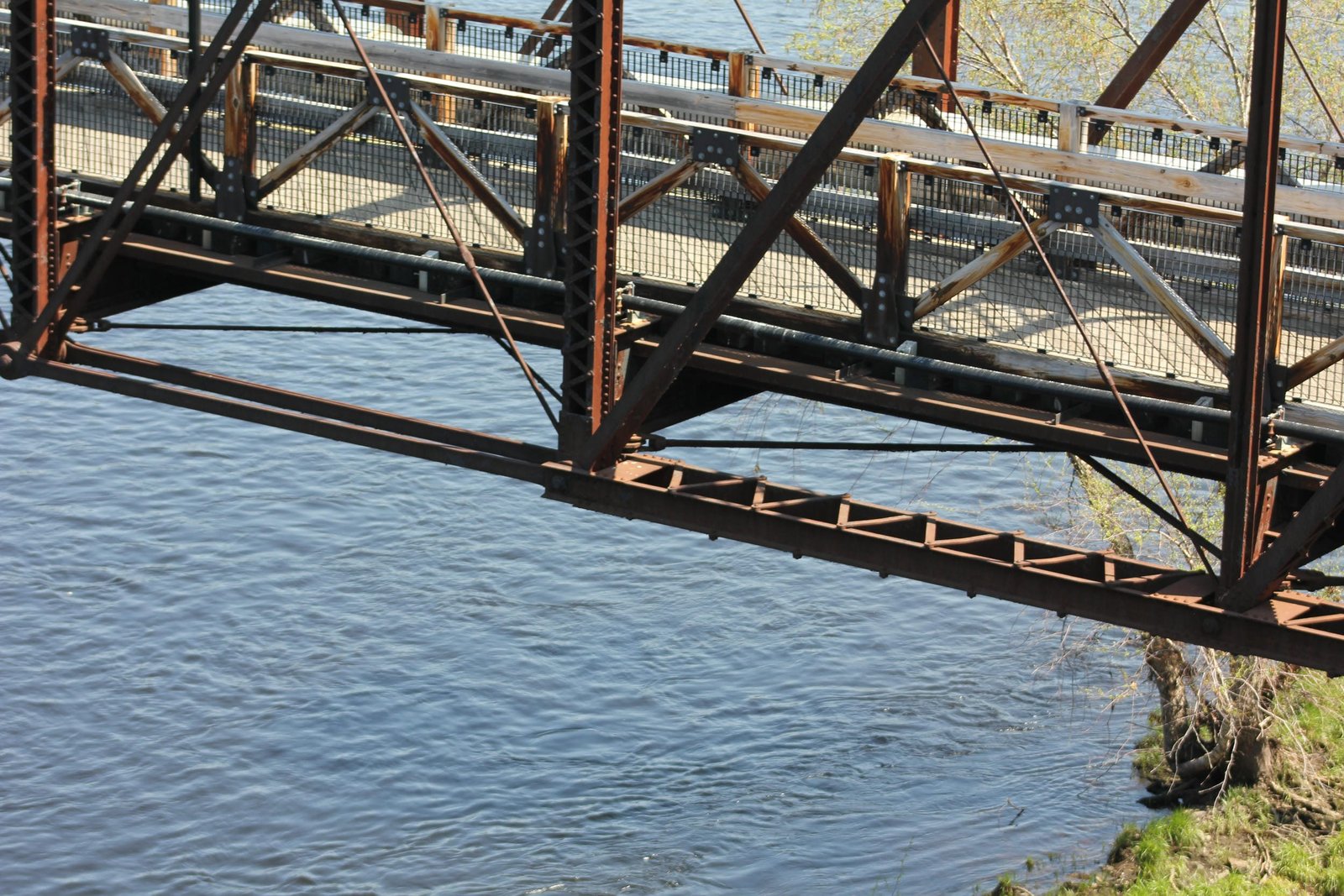
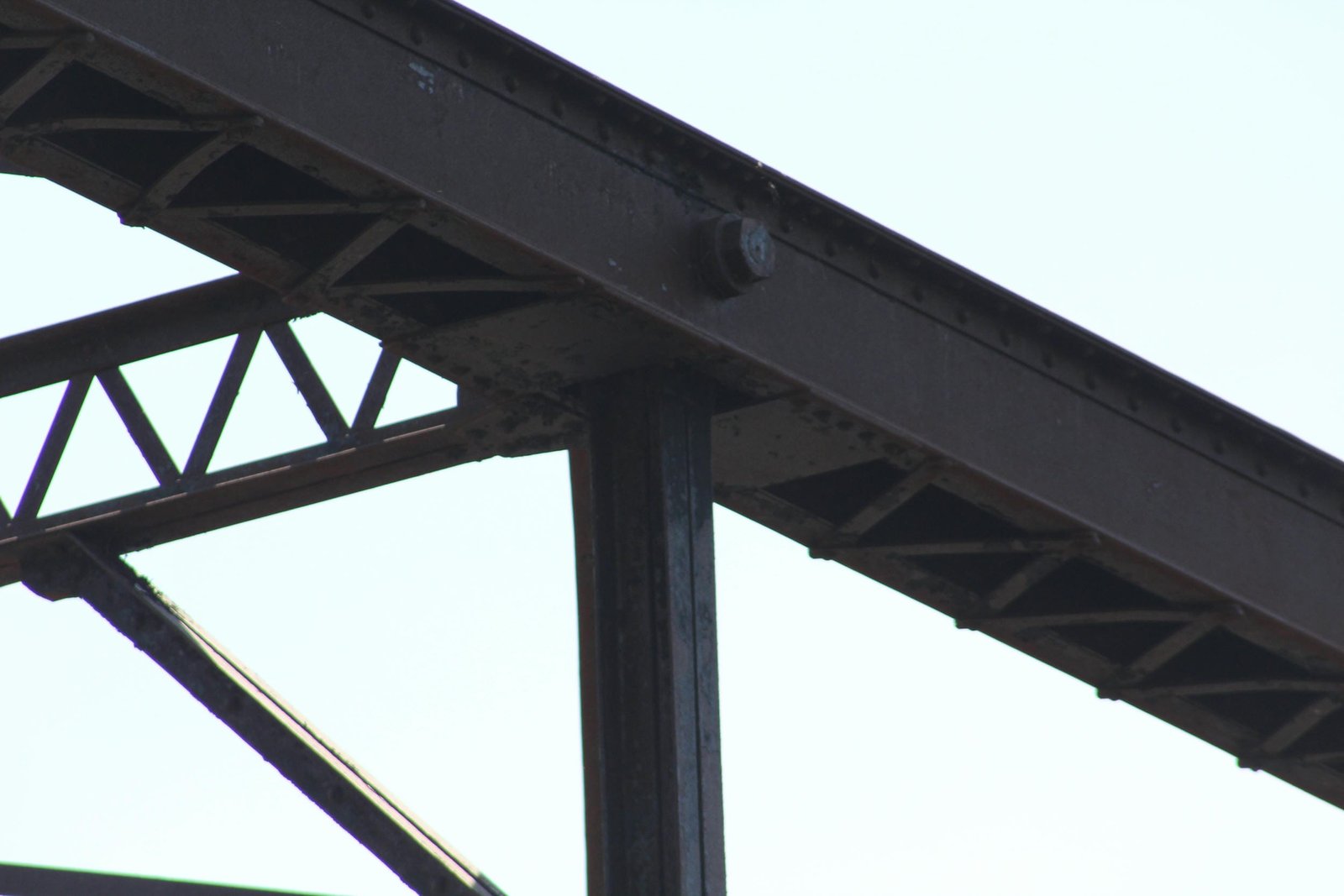
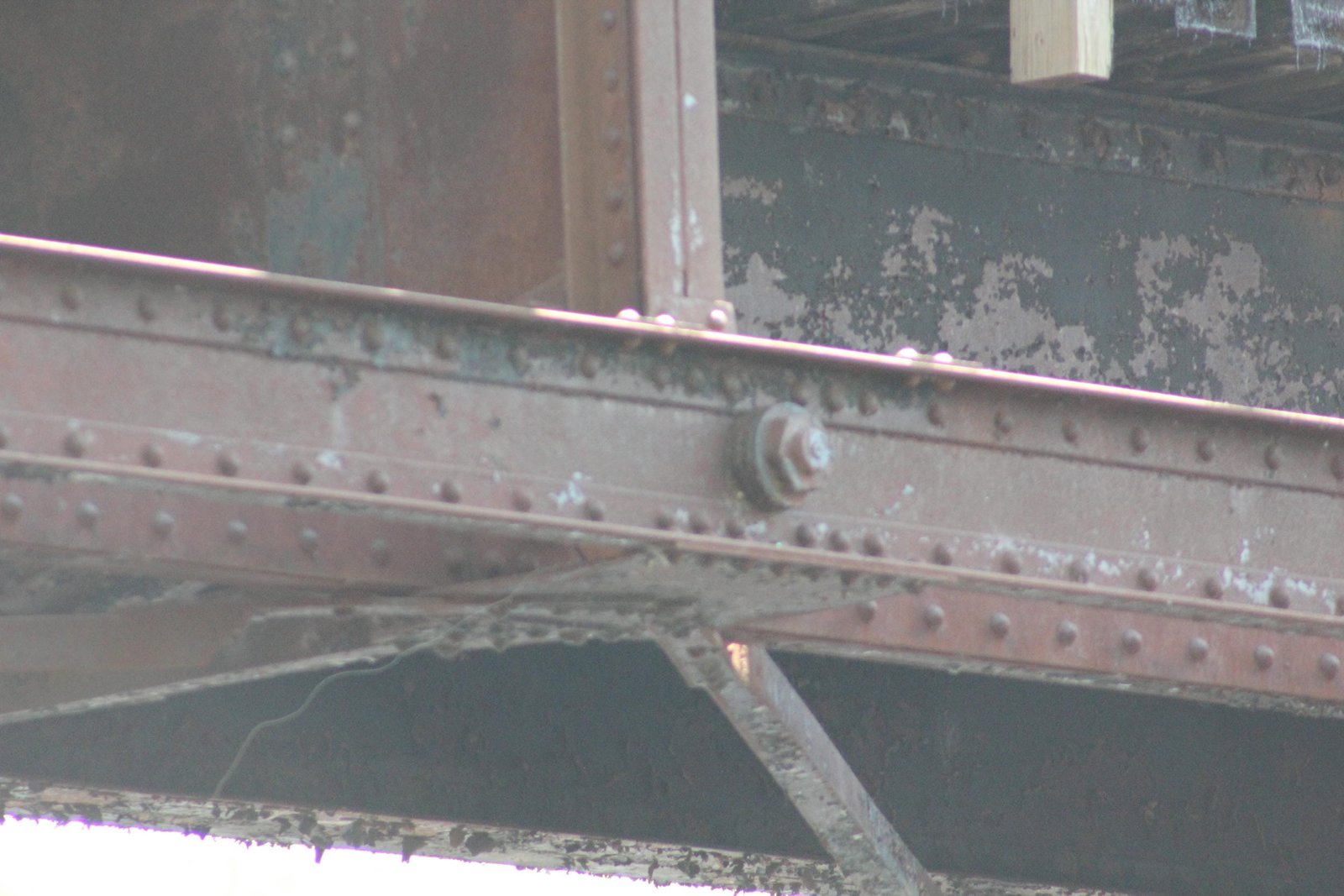
The south span (span #1) was originally fabricated in 1886 by the Union Bridge Company for a span across the Zumbro River at Bridge #L-106 at Kellogg, Minnesota. When that bridge was replaced by a heavier truss span in 1905, the truss was relocated to Bridge #O-108 at Chaska, Minnesota to serve as an approach to a swing span. After the 1905 span at Kellogg was replaced by a double track structure in 1910, the heavier truss span was also sent to Chaska, and the 1886 span was relocated here. The span consists of a 128-foot, 7-panel, pin-connected Pratt through truss span. The truss span uses a typical design for the era, with built-up members and a traditionally composed floor. The top chord of the bridge is constructed of parallel channels, with the top covered by an iron plate and the bottom connected by V-lacing. The bottom chord consists of a combination of built-up members and eyebars. The bottom chord of the outer two panels uses a pair of channels, connected by a V-lacing. The center three panels use typical eyebars for the bottom chord. The vertical members are constructed of built-up beams, with the interior covered by an iron plate and the exterior connected by V-lacing. The diagonal members of the span utilize iron bars, typical for spans of this era. Portal bracing on this span consists of a lattice beam, with curved heel bracing. The sway bracing consists of a strut between the top chords, with angular brackets connecting to the vertical members. Both the upper lateral bracing and lower lateral bracing are constructed using iron rods, connected by pins placed into slots in the top chords and floorbeams. The floor is traditionally composed, with girders for floorbeams and two iron stringers.
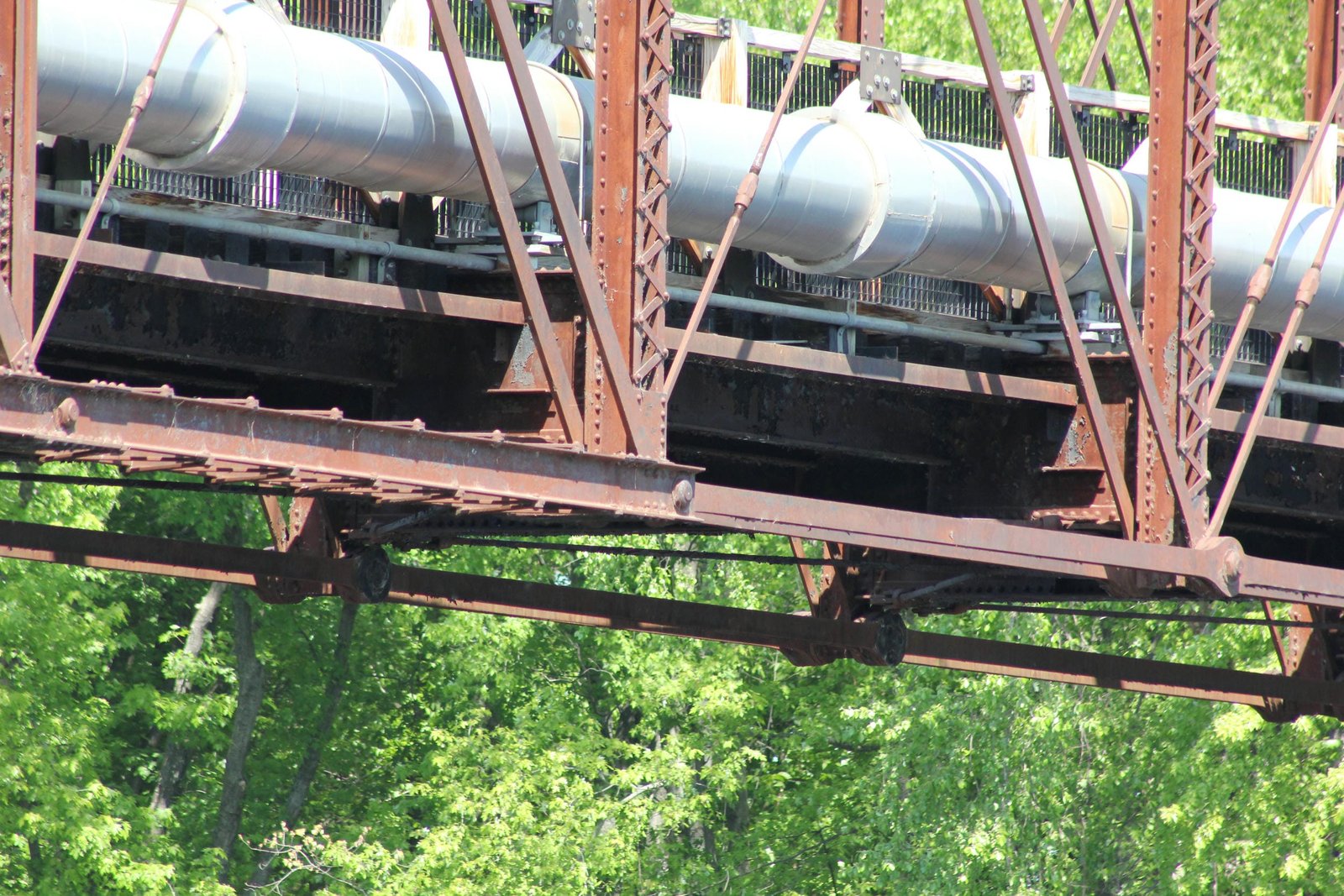
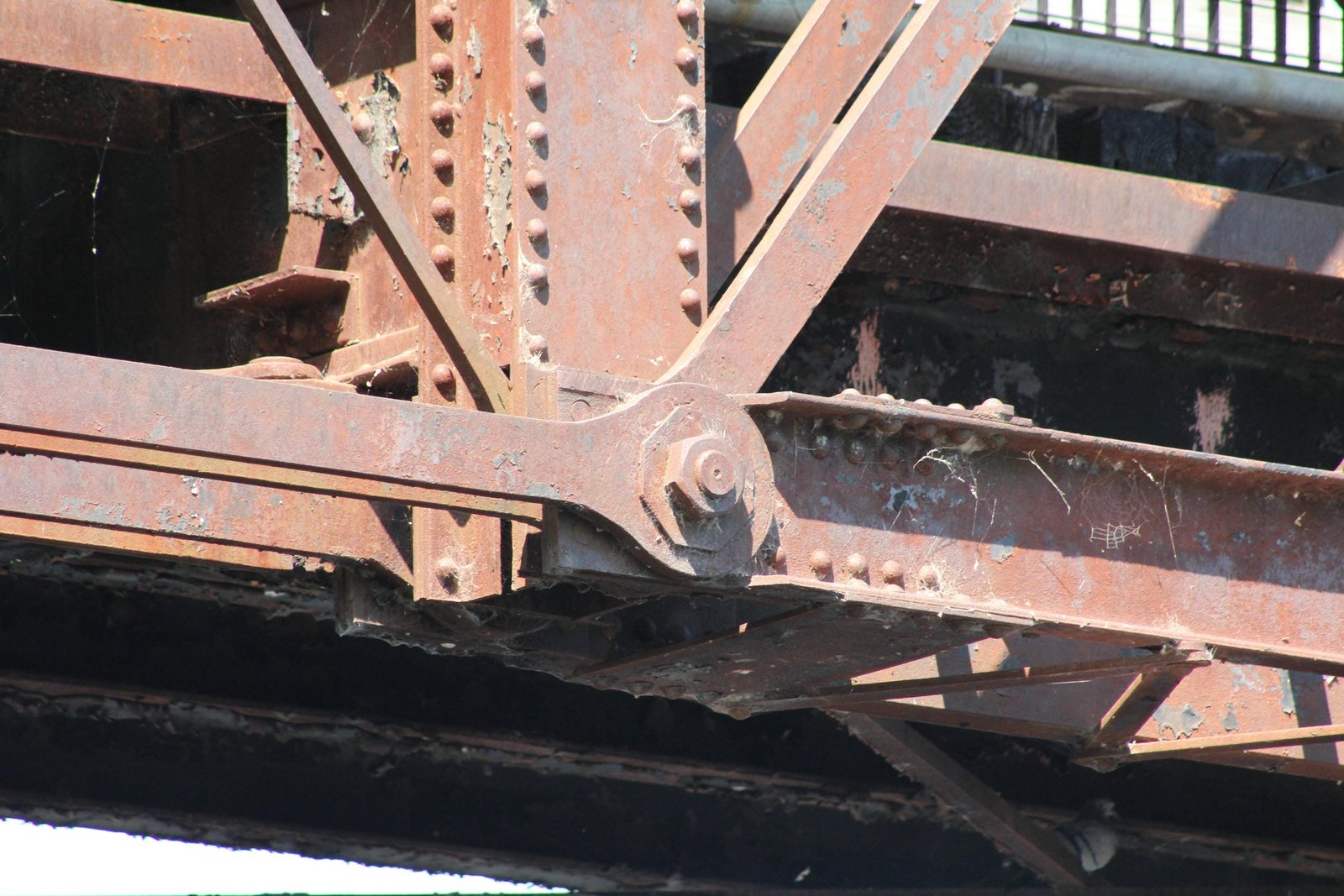
The center spans (spans #2 and #3) were originally fabricated in 1887 by an unknown company as part of a four span bridge at Bridge #I-418 across the Des Moines River in Ottumwa, Iowa. The spans consists of 142-foot, 8-panel, pin-connected Pratt through truss spans. The spans use a typical design for the era, which is similar to span #1. The top chord of the bridge is constructed of parallel channels, with the top covered by an iron plate and the bottom connected by V-lacing. The bottom chord consists of a combination of built-up members and eyebars. The bottom chord of the outer two panels uses a pair of channels, connected by a V-lacing. The center four panels use typical eyebars for the bottom chord. The vertical members are constructed of built-up beams, with the interior covered by an iron plate and the exterior connected by V-lacing. The outermost vertical members consist of rolled beams. The diagonal members of the span utilize iron bars, typical for spans of this era. Portal bracing on this span consists of a crested lattice beam, with curved heel bracing. The sway bracing consists of parallel struts between the top chords, connected by V-lacing. The upper lateral bracing is constructed of iron rods, connected by pins placed into slots in the top chord. The bottom lateral bracing is composed of iron bars, which are threaded into couplers, which are pinned into the floorbeams. The floor is traditionally composed, with girders for floorbeams and two iron stringers. The other two spans from Bridge #I-418 were reused at Bridge #H-716 across the Wapsipinicon River near DeWitt, Iowa; which has since been scrapped.
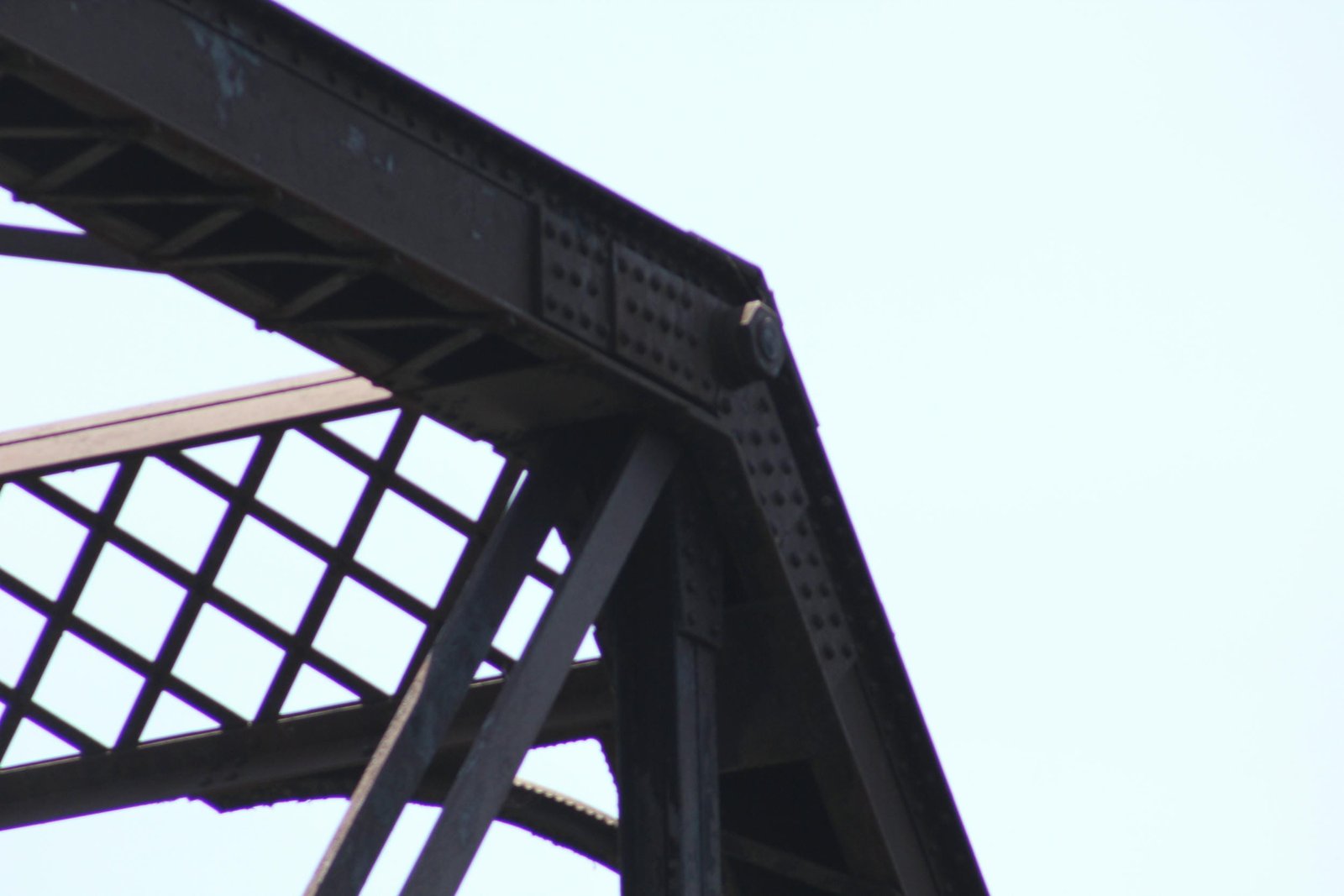
The north span (span #4) was originally fabricated in 1888 by an unknown firm as part of Bridge #Z-1154 across the Des Moines River near Madrid, Iowa. The span was designed by Charles L. Strobel, a prominent bridge designer of the era who was working for the Keystone Bridge Company at the time. This span consists of a 135-foot, 6-panel, pin-connected Warren through truss span. Pin-connected Warren spans are extremely unusual, and the design did not become more prevalent until the 20th Century, when riveted connections became more commonplace. The top chord is constructed using parallel channels, connected by a iron plate on the top and V-lacing on the bottom. The bottom chord consists of two different designs, with the outer two panels on each end using parallel built-up channels and the middle panels using parallel iron channels. Unique to this bridge, the bottom chord at the outer panels has the V-lacing facing out from the bridge instead of parallel to the span. The vertical members consist of solid rolled beams, while the tension members consist of typical iron bar eyebars. Unique to this bridge, the compression members consist of large built-up beams, with a tight V-lacing on the back side. Portal bracing consists of a lattice beam, with a curved heel bracing with additional bracing. The sway bracing consists of a V-laced beam between the top chords. Also unusual to this bridge, the floorbeams are constructed with curved ends, while the stringers are traditionally composed. Both the upper and lower lateral bracing use typical iron beams, which are riveted to the top and bottom chords. This lateral bracing became typical on trusses in the late 1880s, and is a stark difference from the lateral bracing on spans #1-#3. Two other spans from Bridge #Z-1154 were reused throughout the Midwest. One span was reused at Bridge #AA-930 across the Grand River near Mobridge, South Dakota, and has since been removed. Another span was reused at Bridge #Q-192 across the S. Branch Root River in Lanesboro, Minnesota, and remains in use as a pedestrian trail.
Pratt trusses were arguably the most popular truss design during the second half of the 19th Century, due to the durability and economy. These spans used a single intersection design, and were well regarded for their simplicity and economy. Around the turn of the 20th Century, pin-connected spans fell out of favor for railroad use, as stronger rigid spans such as the Warren truss proved to be a better value. Wrought iron was a popular material for constructing bridges in the 1870s and 1880s. This material provided strength, while sacrificing economy. Warren through trusses became the most popular truss bridge design in the early 20th Century, but were not often used in the 19th Century. The design uses heavier members than the Pratt design. Nearly all Warren trusses were constructed using riveted connections. Concrete slab spans were popular for approaches, as were timber pile trestle spans. Concrete slab spans could be constructed quickly and at minimal cost, and were extremely durable.
Railroads often reused iron and steel spans. Often, when a bridge was no longer acceptable for mainline use, it could be relocated to serve the needs of a branch line. Most railroads in the United States used this practice, as it saved money and did not require large amounts of new material. Lighter spans, such as the spans seen on this bridge, often were strengthened or partially rebuilt upon relocation. Some railroads, such as the Milwaukee Road, owned specialty shops for repairing and rebuilding steel and iron bridges. In addition, the Milwaukee Road used company forces extensively to construct substructures and erect bridges. The spans on this bridge have seen very few alterations since they were originally fabricated, with only original materials present. Overall, the bridge appears to be in fair to good condition, with no significant deterioration noted. The bridge likely will need some minor repairs in the coming decades to ensure its survival for years to come. The bridge is now used as part of the Chippewa River State Trail, and is owned by the City of Eau Claire. The author has ranked this bridge as being highly significant, due to the age, relocation history and design of the spans. The City of Eau Claire has recently listed the Soo Line S-Bridge on the State and National Registers of Historic Places, and is working to have the High Bridge listed on the National Register of Historic Places. The author believes that the Phoenix Park Bridge also should be given consideration for listing on the State and National Registers under Criterion C, as this bridge is a well preserved example of the period of construction and retains its original distinct features. In addition, the northernmost span is of particular interest, as it represents a unique and innovative design for the time.